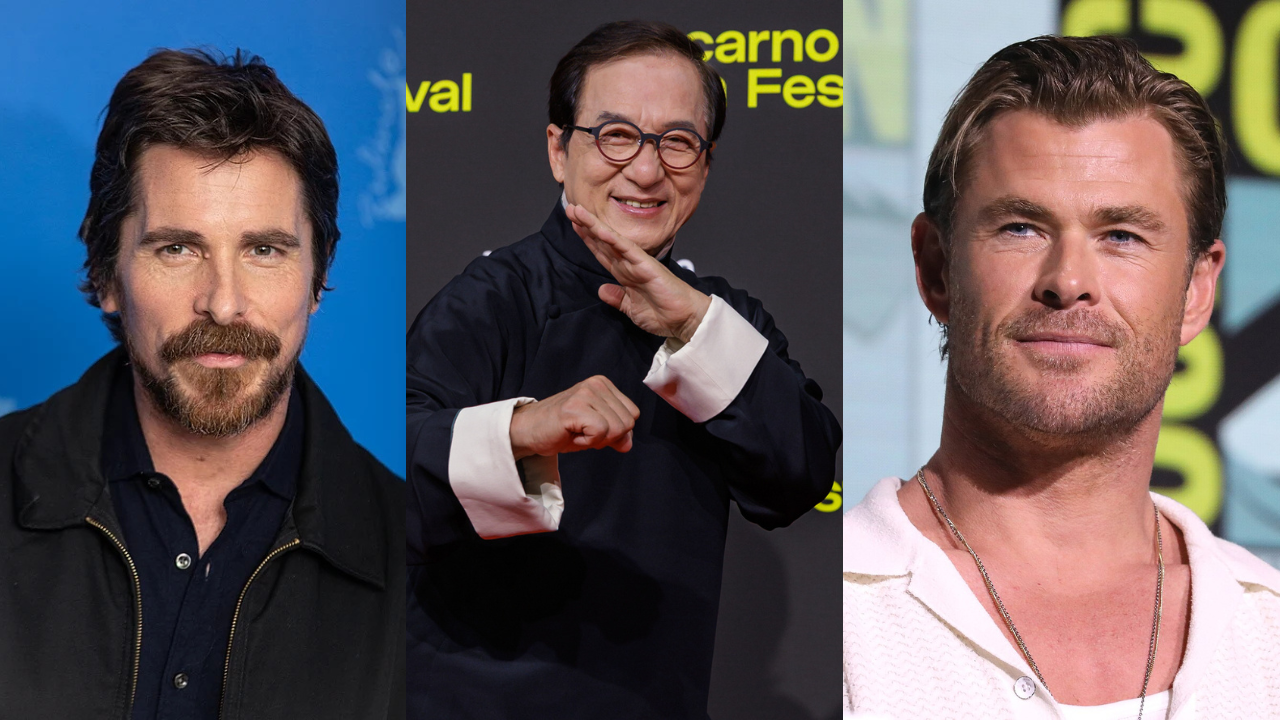
On screen, Hollywood toughness is sold as a clean myth: a hard stare, a bruised knuckle, a comeback by the final reel. Off screen, the same image often carries a private bill. Some stars came in with real military histories, some with violent childhoods, and some with careers built on dangerous physical choices no insurance memo can soften. As years pass, the pattern repeats: visible grit, hidden strain, public praise, then sudden criticism when the persona cracks. What looks fearless in a trailer can become exhaustion, injury, or backlash in real life, and the cost rarely disappears when cameras stop. It often compounds.
Lee Marvin Carried War Into Every Role
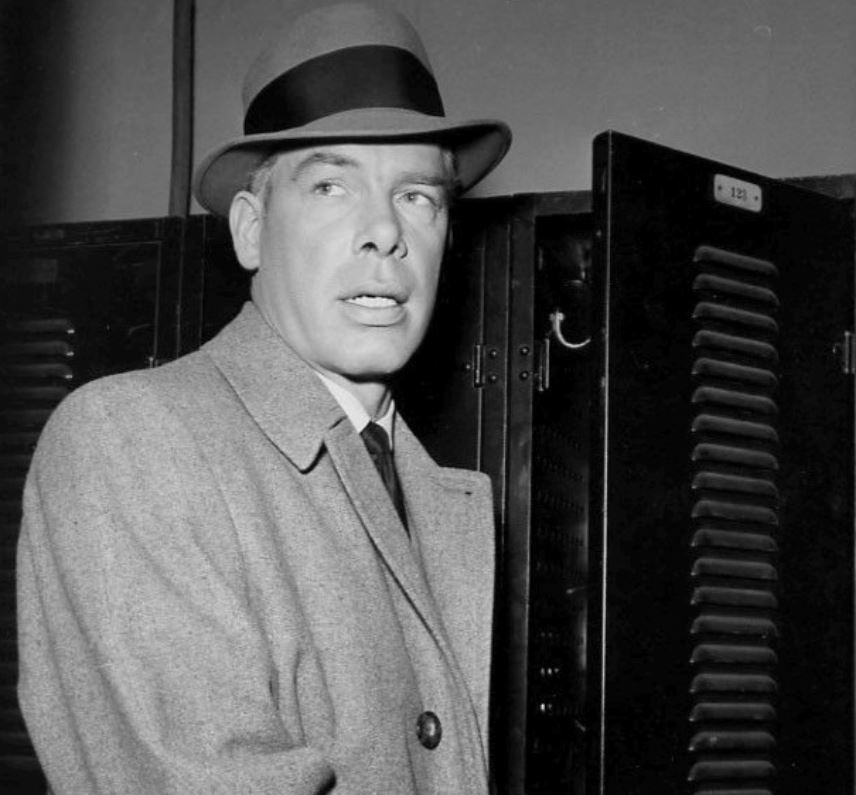
Lee Marvin’s screen intensity was not invented in a studio workshop. He enlisted in the U.S. Marine Corps during World War II, fought in the Pacific, and was wounded in action on Saipan before returning home with a Purple Heart. That background gave his later performances a weight audiences could feel even when they did not know the details.
The larger point is less romantic than the legend. Real combat experience can deepen an actor’s authority, but it can also leave a lifelong psychological load. In Hollywood, that burden often gets repackaged as charisma, while the harder personal consequences stay private for decades.
Clark Gable Traded Stardom for Combat Skies
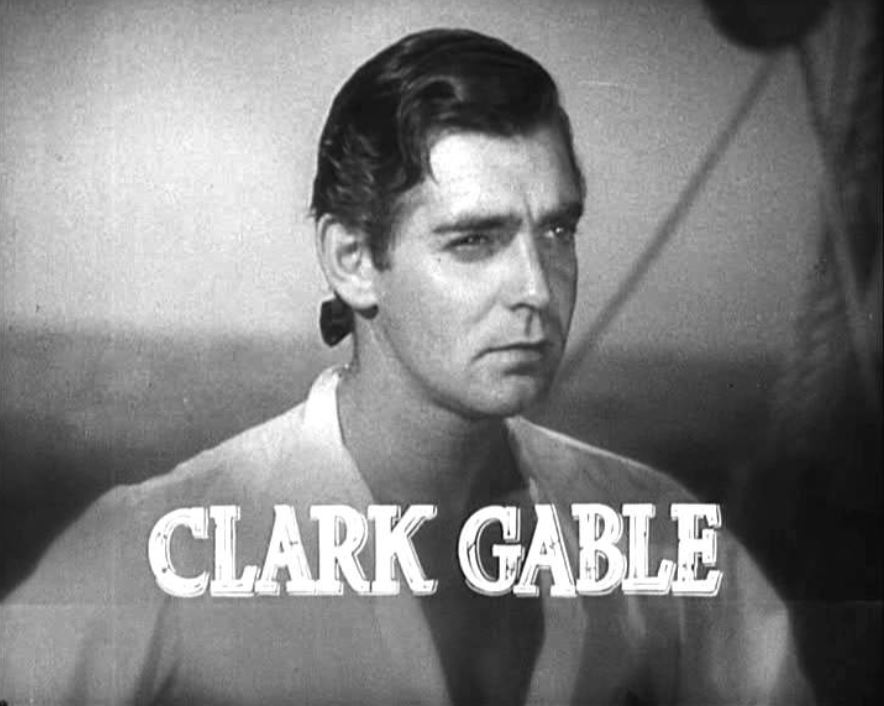
Clark Gable was already one of the biggest stars in American film when he enlisted in the Army Air Forces in 1942. He trained, went to England, and flew operational B-17 missions while gathering footage for the wartime film “Combat America.” He was not drafted into a symbolic role; he chose to enter active service despite major studio pressure to stay home.
That choice strengthened his public image, but it also blurred the line between performance and risk. When celebrity becomes duty theater, audiences celebrate courage and overlook stress, fatigue, and fear. The mythology survives neatly. The human cost almost never does.
Steve McQueen Turned Survival Into Persona
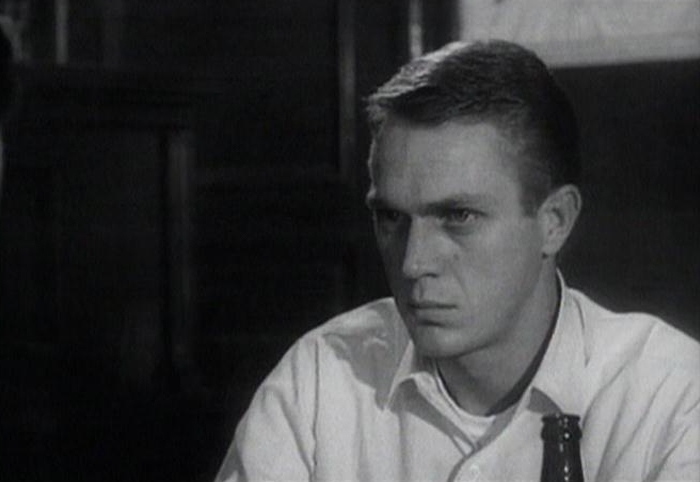
Steve McQueen’s toughness began as survival, not branding. His youth included instability, delinquency, reform school, and hard labor jobs before he enlisted in the Marines as a teenager. Later, he carried that same edge into racing culture and physically demanding film work, building the “King of Cool” persona that still defines him.
Yet the persona came with pressure. Hollywood rewarded the defiant image because it looked authentic, then expected the same intensity every time the camera rolled. That cycle can trap actors in a single emotional register, where rest looks like weakness and reinvention looks like betrayal.
Jackie Chan Paid for Realism With Real Injuries
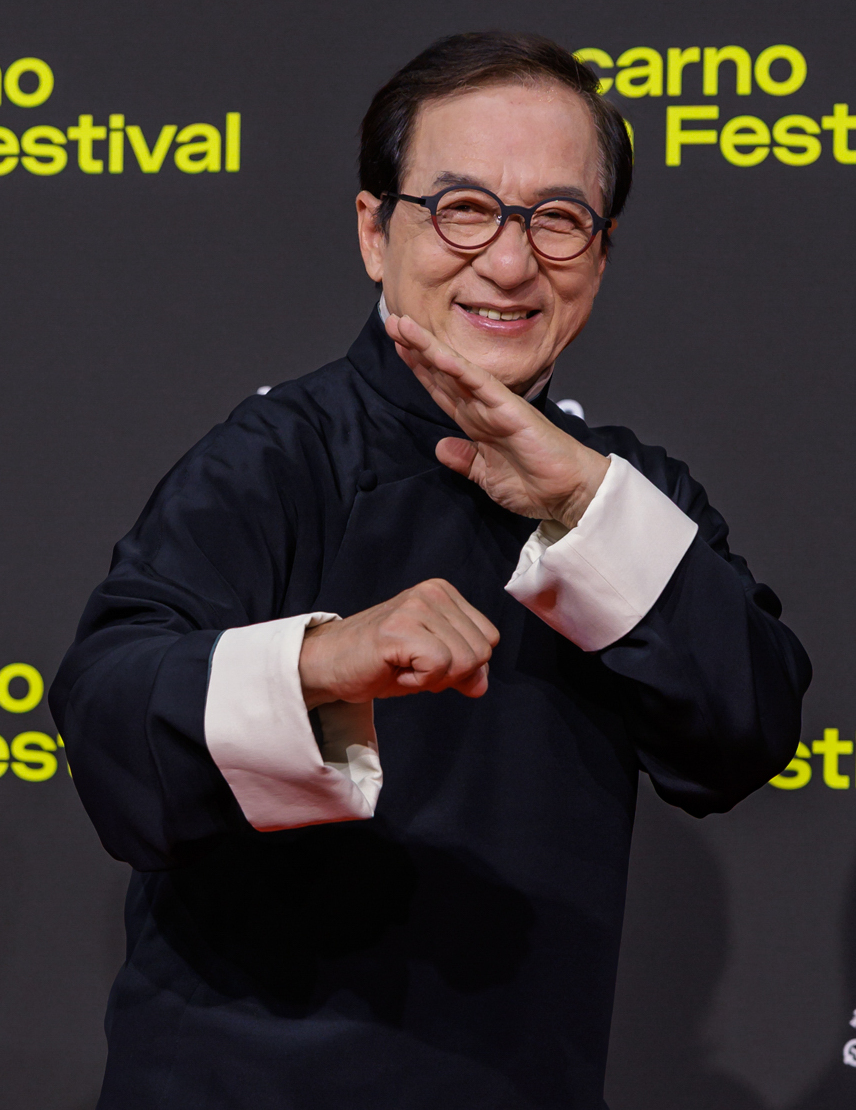
Jackie Chan built global fame on a promise many action stars avoid: do the stunt for real. Britannica notes that he nearly died after a fall on “Armour of God” that fractured his skull and affected his hearing, and his broader injury record is extensive by any industry standard.
Audiences call that dedication. Production teams call it risk management. The body calls it cumulative damage. Chan’s career shows how quickly admiration for realism can become an expectation that an actor keep paying physically for authenticity, long after box office success has already proven the point. It is grit, but it is also wear. Over time.
Christian Bale Pushed Body Limits and Faced Blowback
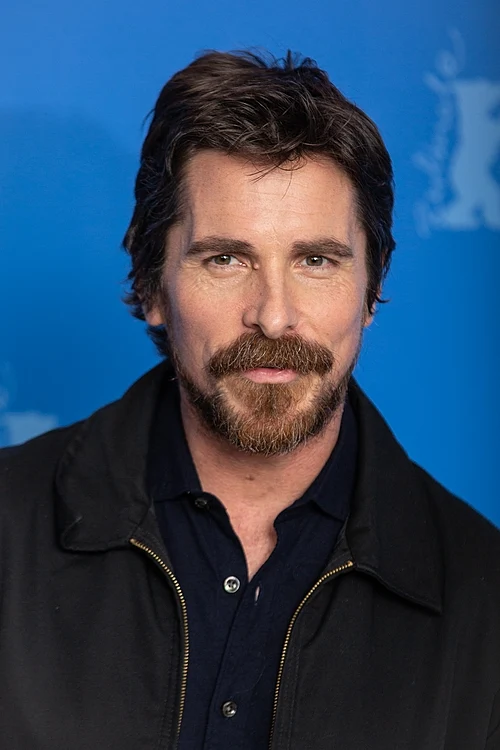
Christian Bale is often praised for discipline, but his most famous transformations show the cost of turning commitment into spectacle. For “The Machinist,” he dropped to about 120 pounds, then rapidly added major mass for “Batman Begins.” The achievement is undeniable, and so is the strain implicit in that swing.
Public reaction tends to split in predictable ways. One side calls it legendary dedication. The other questions whether extreme physical change has become an unhealthy benchmark for serious acting. That tension is the backlash loop in modern form: reward the extremity, then criticize the extremity. Both responses persist.
Chris Hemsworth Tested Endurance, Then Stepped Back

Chris Hemsworth’s “Limitless” experiments leaned into the same off-screen toughness that fuels his action image: cold-water endurance, long fasting, and stress-heavy challenges designed for camera and science storytelling. After that period, he spoke about recalibrating priorities and stepping back to spend more time with family.
The shift matters because it reframes toughness as restraint, not escalation. In an industry that monetizes endurance, choosing recovery can look like retreat, even when it is the healthier call. That misunderstanding is one reason burnout grows quietly around careers built on constant physical proving.
Dave Bautista Escaped A Violent Start, Then Rebuilt

Dave Bautista’s path did not begin with red carpets. Britannica describes a childhood marked by poverty, repeated exposure to violence, frequent police detentions for theft, and living independently by age 17. Bodybuilding and later wrestling gave him structure, then acting gave him range beyond brute-force casting.
Still, the tough-guy frame can become a trap. Audiences often ask former fighters to stay physically imposing forever, even when the actor is pursuing dramatic work. The strain is not only muscular. It is reputational fatigue, where growth gets measured against an image built in survival mode. That pressure lingers.
James Doohan Brought Wartime Scars To The Set
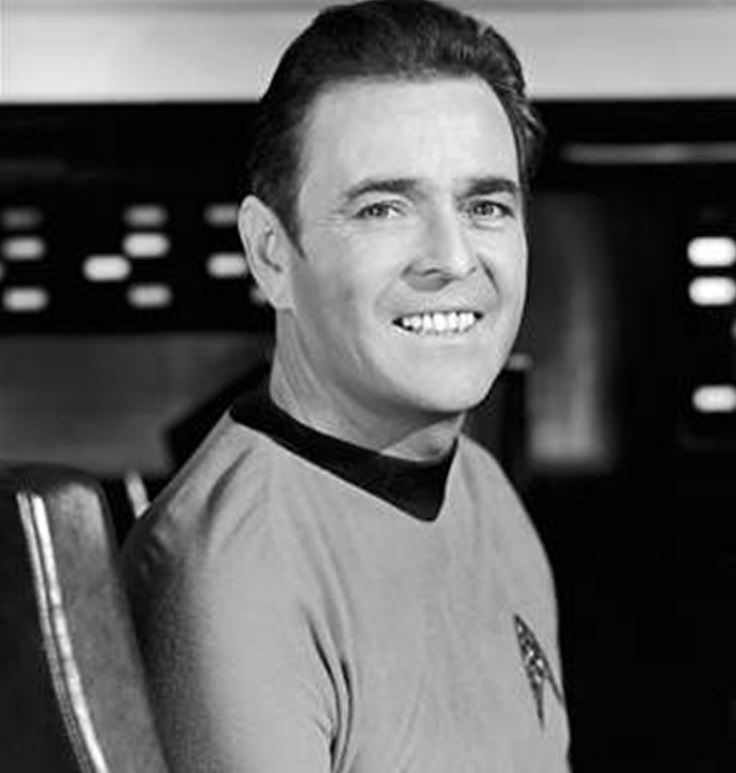
Long before “Star Trek,” James Doohan served as a Canadian artillery officer in World War II. Juno Beach Centre records describe his D-Day service, friendly-fire wounds, and the amputation of his right middle finger, an injury he often concealed on screen while playing Scotty.
His story complicates the usual Hollywood toughness narrative. The public remembers wit, accents, and engineering catchphrases. The body remembers bullets. Doohan carried both at once, which is why his legacy feels less like posturing and more like endurance shaped by events no role can fully reenact. In his case, scars were historical, not decorative.
Terry Crews Built Toughness Through Football Attrition
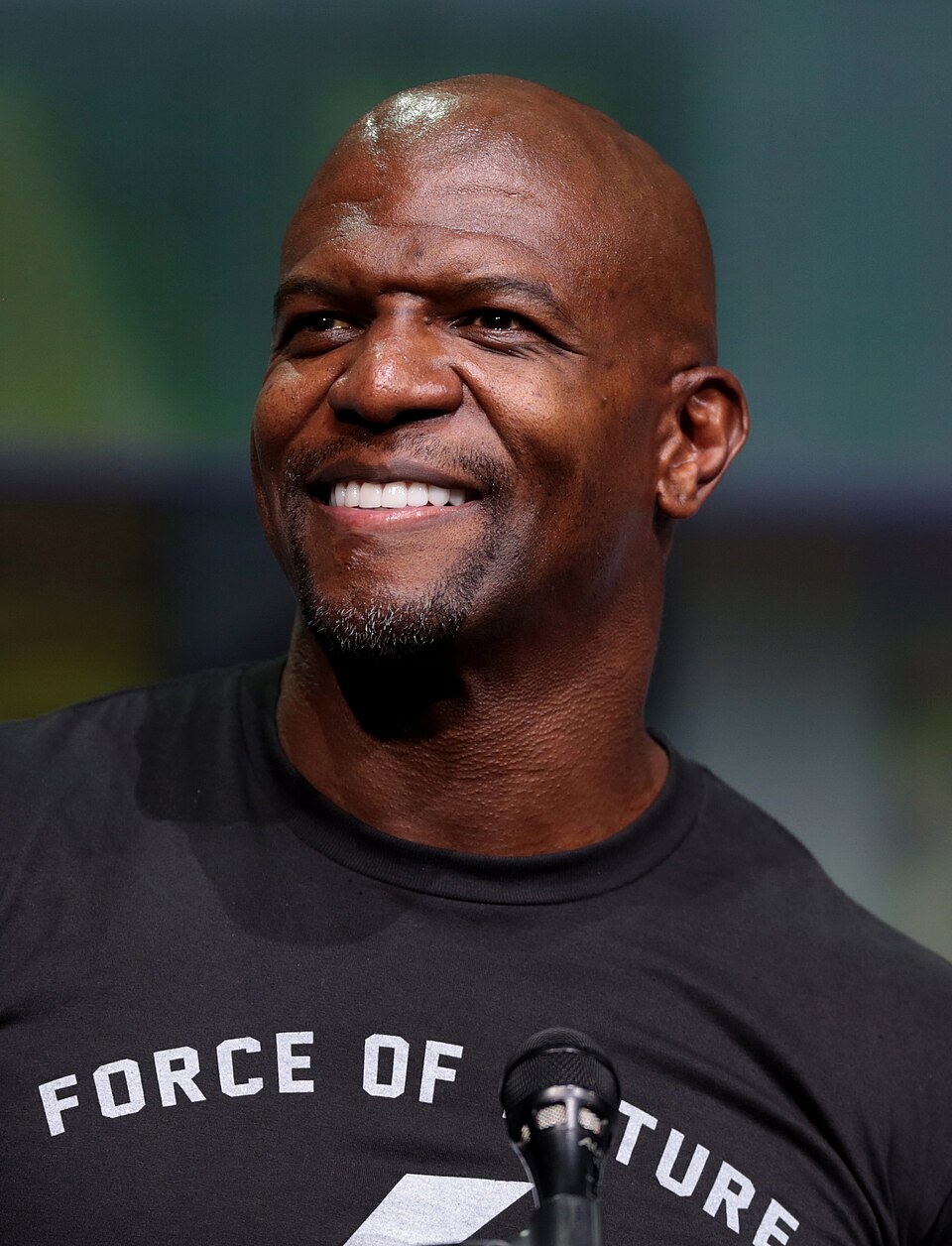
Before comedy roles and hosting work made him a household name, Terry Crews spent years fighting for NFL roster spots. Official league records show regular-season appearances with the Rams, Chargers, and Washington, with a career that demanded constant physical readiness and little security.
That background explains his on-screen physical confidence, but it also points to a broader truth about toughness careers: the body is treated like a renewable resource until it is not. By the time Hollywood celebrates resilience, much of the hidden wear has already been paid in training rooms and recovery tables. Few transitions are painless.
Will Smith Showed How Fast Backlash Can Land
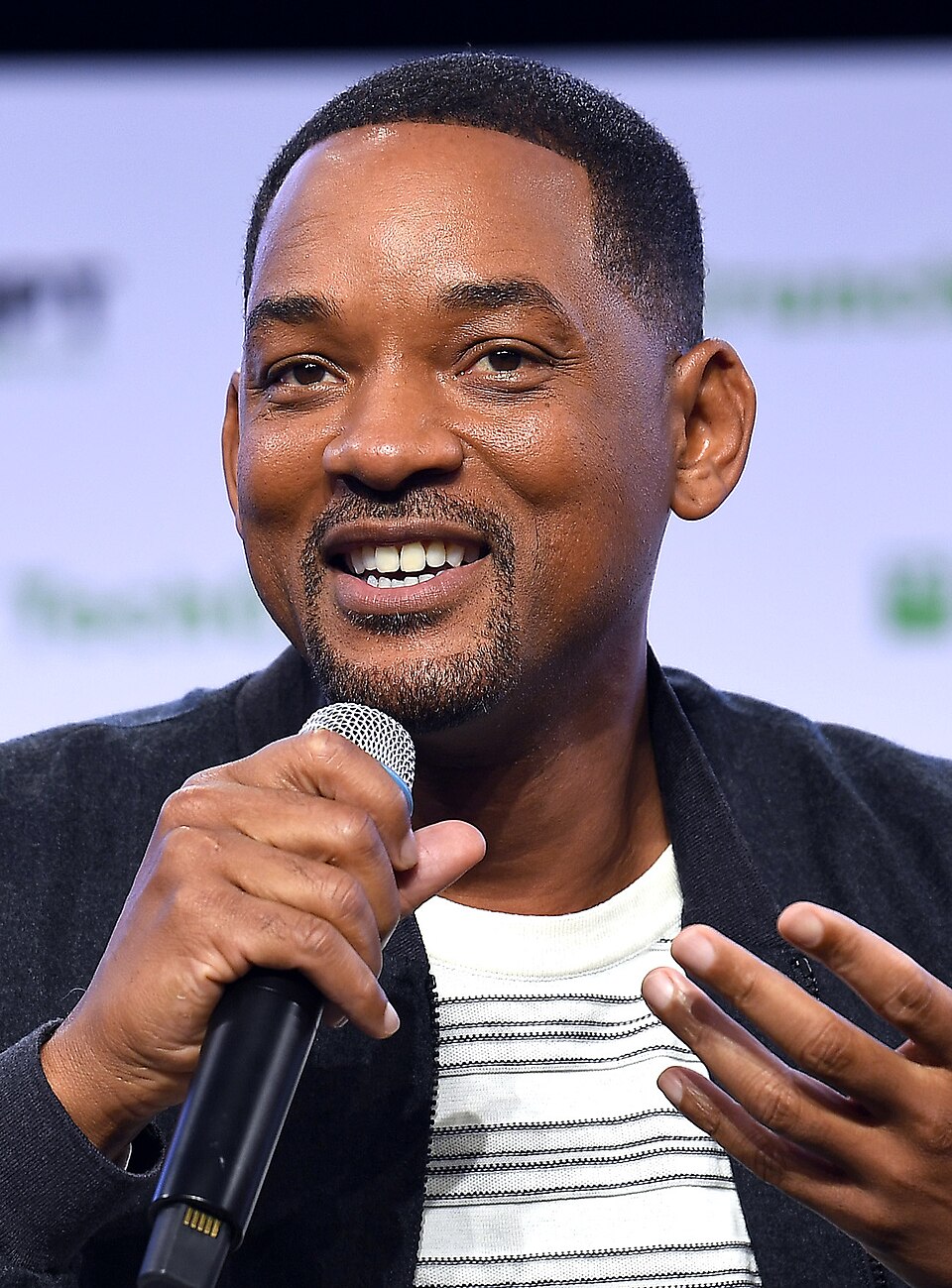
Backlash is the least visible cost until it arrives all at once. After the 2022 Oscars stage incident, Reuters reported that the Academy banned Will Smith from attending the ceremony and related Academy events for 10 years. The same industry that rewards forceful presence can punish a public lapse with equal force.
This is where the tough-actor myth breaks down fastest. Emotional control is part of the job, and audiences increasingly expect it even under pressure. When that expectation fails, consequences move from social criticism to formal sanctions, and the persona that once sold tickets can turn into liability overnight.