
A service outage can leave people annoyed, distracted, and eager to close the loop. After Verizon’s Jan. 14, 2026 disruption, the company announced a one-time $20 account credit redeemed inside the myVerizon app, with customers notified by text when it was ready. Scammers moved fast, copying the promise with lookalike texts and emails that push a link and ask for verification. The message feels timely and official, but it is often a trap built to capture logins, personal data, or payment details in one rushed moment. Recognizing the small tells, and slowing down by a few seconds, is usually enough to break the spell.
The Hook Arrives Right After a Real Event

Phishing works best when it borrows a true story. Verizon confirmed a $20 account credit after the Jan. 14, 2026 outage, so scam messages land with perfect timing and sound like routine follow-through. Many versions mention an “outage credit,” a “refund,” or an “apology payout,” then steer recipients toward a link that claims the offer will expire. The $20 is bait; the real prize is an account login, a card number, or enough identity detail to open doors elsewhere. The closer the message lands to the news cycle, the more dangerous it feels. That is the point it targets.
What the Real Credit Process Looks Like

Verizon’s real process is intentionally plain: the $20 account credit is accepted in the myVerizon app, and customers receive a text when the credit shows up in the account. No “verification form” is required, and no payment method is needed to receive a credit. Messages that demand a login through an embedded link, request Social Security numbers, or ask for bank details are operating outside Verizon’s script. The clean check is simple: open the app, or type verizon.com directly, and look for the credit there. Verizon has said business customers are contacted directly about credits. Manual login beats urgency. Always.
The Link Is Where Control Changes Hands
Most scam versions hinge on one thing: a link that moves the conversation onto a fake sign-in page. Short links, misspelled domains, and lookalike pages that mimic myVerizon are common, and they are built to capture the username and password first. Even when a legitimate Verizon text may include a vzw.com link that redirects to verizon.com, the link is not required to claim the credit. Once the habit becomes “no link needed,” the scam loses its main lever. Some messages add a “one-time code” prompt to harvest two-factor codes fast and turn a login into a takeover. A real credit can wait; a fake one cannot. Quickly.
Requests for Personal Data Are the Red Flag
A classic tell is the ask. The scam claims the $20 credit cannot be released until details are “confirmed,” then requests a billing address, date of birth, Social Security numbers, an account PIN, or even card information. Verizon’s stated credit process does not require new personal data and does not require a payment method to receive a credit. When the message escalates from “claim” to “verify everything,” it is no longer customer care. It is extraction in polite language, aimed at gaining enough access to reset passwords or hijack an account. The intensity is the point: a small credit is used as cover for a big grab.
Urgency and Threats Are Engineered, Not Helpful

Scam texts often read like a countdown: credit expires in 24 hours, service will be interrupted, or the account will be charged unless action happens now. That pressure is a design choice, meant to cut off careful thinking. Verizon’s public messaging around the outage credit describes a redeem-in-app step, not a threat. When a message mixes a reward with a penalty, it is trying to steer behavior, not solve a problem. Calm language is usually the sign of a real process. Many versions arrive at odd hours with sloppy punctuation or strange capitalization. A legitimate notice can wait. High pressure replaces proof. Often.
Sender Names and Numbers Can Be Forged
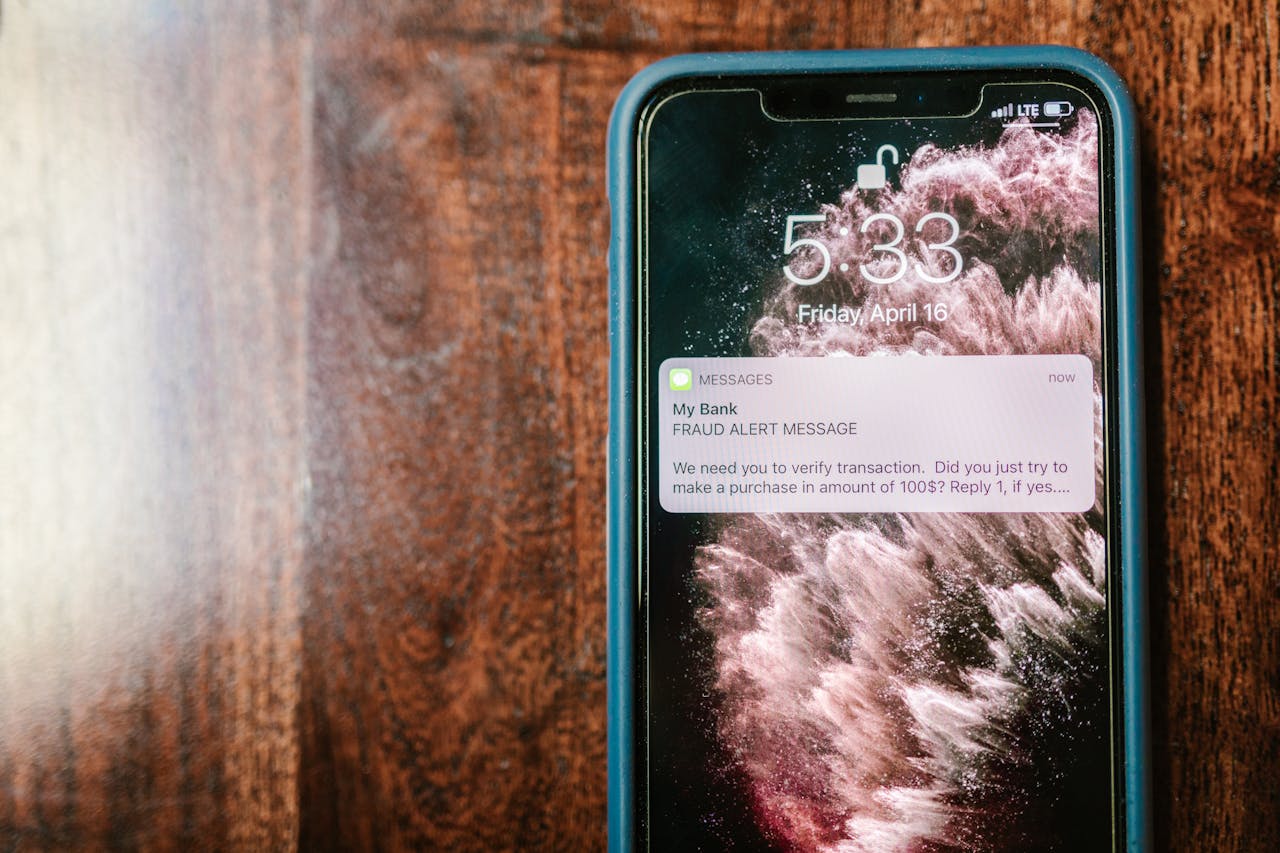
A message can look official and still be fake. Scammers spoof phone numbers, short codes, and email display names so a text appears to come from “Verizon” or a familiar thread. That surface legitimacy is why the link matters more than the sender line. Real Verizon security guidance emphasizes that unsolicited messages should not be trusted with credentials or sensitive data. Treating every unexpected credit offer as unverified, even when the branding looks perfect, keeps the decision anchored in behavior, not appearance. Some versions ask for a reply of YES or push a call to a fake agent. Both are control grabs. Too.
Verification That Does Not Feed the Scam
A safe verification routine avoids the message itself. Opening the myVerizon app, or typing verizon.com manually, keeps the login on a known path and shows whether a $20 credit is actually waiting. When the credit exists, it appears after normal sign-in, with an accept step inside the account, not on a third-party form. Verizon has also posted an outage update on its site that describes the in-app redemption flow. When a text or email pushes a different process, the mismatch is the answer. Even if a legitimate notification includes a redirect link, the credit can be claimed without tapping it. Less interaction, less risk.
Reporting Takes Seconds and Helps Everyone

Reporting a suspicious message is not just personal cleanup; it feeds the filters that block the next wave. Verizon’s support guidance says suspicious texts can be forwarded to SPAM (7726), and suspicious emails can be forwarded to [email protected]. Many phones also offer a built-in “report junk” option that tags the sender for the carrier. When broader reporting is needed, the Federal Trade Commission accepts complaints at ReportFraud.ftc.gov. A quiet report is often the most effective reply. After reporting, deleting the message and blocking the number reduces repeat attempts when the lure is resent. Again, later.
Why the Scam Works on Smart, Busy People

The most effective scams do not rely on gullibility; they rely on context. An outage creates a shared narrative, a promised remedy, and a burst of messages that feel routine. The $20 amount is small enough to seem harmless, yet valuable enough to justify quick action during a hectic day. Smishing attacks also exploit the intimacy of texting, where brands, deliveries, and family updates live side by side. The antidote is a single habit: treat unexpected offers as unverified until they appear inside the official account. Scammers cannot control the app, so that checkpoint turns noise into clarity and urgency into silence.