Comfort food never really disappears. It waits in community cookbooks, church basements, and small diners until someone tastes it again and remembers home. Across the United States, old regional staples are showing up with fresh pride: simmered longer, sourced locally, and explained with the stories that first carried them. Some are turning up on modern menus, others in farmers market tents, but the pull is the same when evenings get cold and life feels loud. These revivals are not about novelty. They are about continuity, the way a familiar bowl or sandwich can hold migration, work, weather, and family in a few bites.
Cincinnati Chili
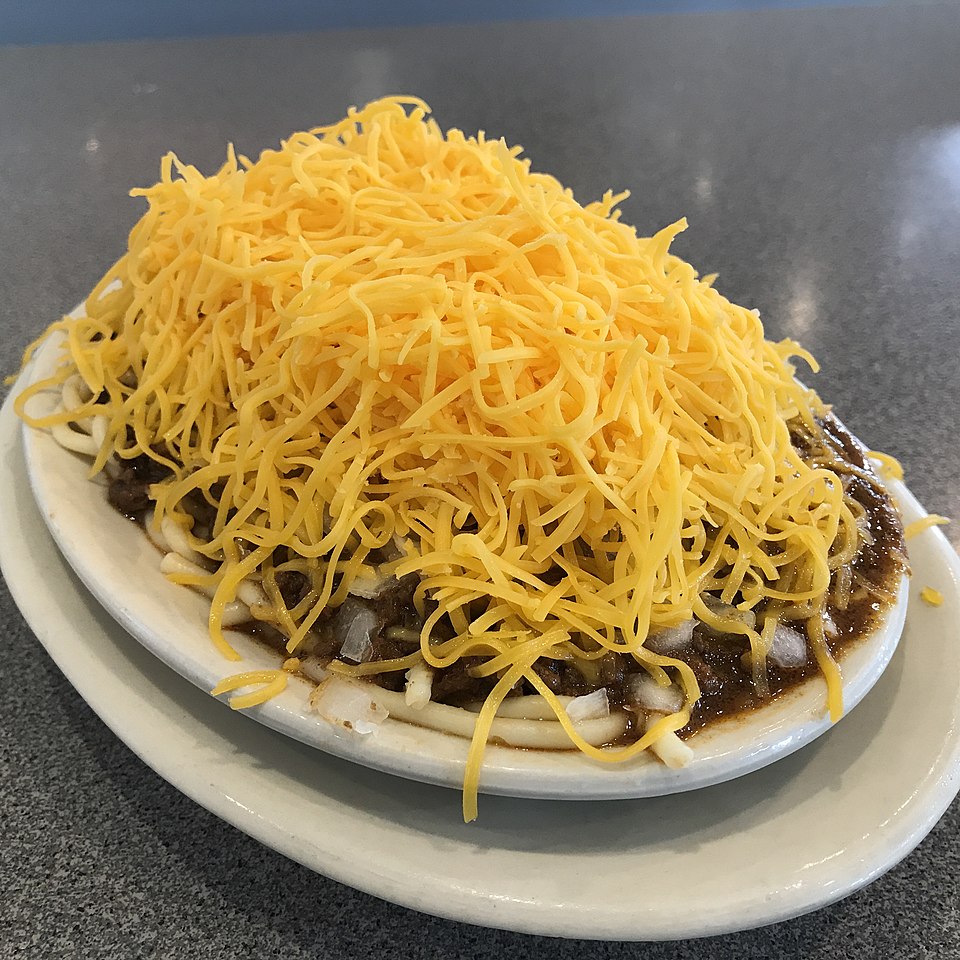
In Cincinnati, the city’s chili revival still tastes like a handshake between worlds: Mediterranean spice notes, a slow, silky sauce, and the ritual of piling it over spaghetti or a hot dog. The style traces back to immigrant restaurateurs in the 1920s, including the Kiradjieff brothers at Empress, who adapted familiar flavors to local tastes and built the famous way ordering shorthand. Modern shops keep the soul intact while dialing in texture, using finer grinds and longer simmers. The comfort lives in the cadence of an order and the steam rising through a snowfall of cheese on a winter night after a long shift.
New Mexico Green Chile Stew
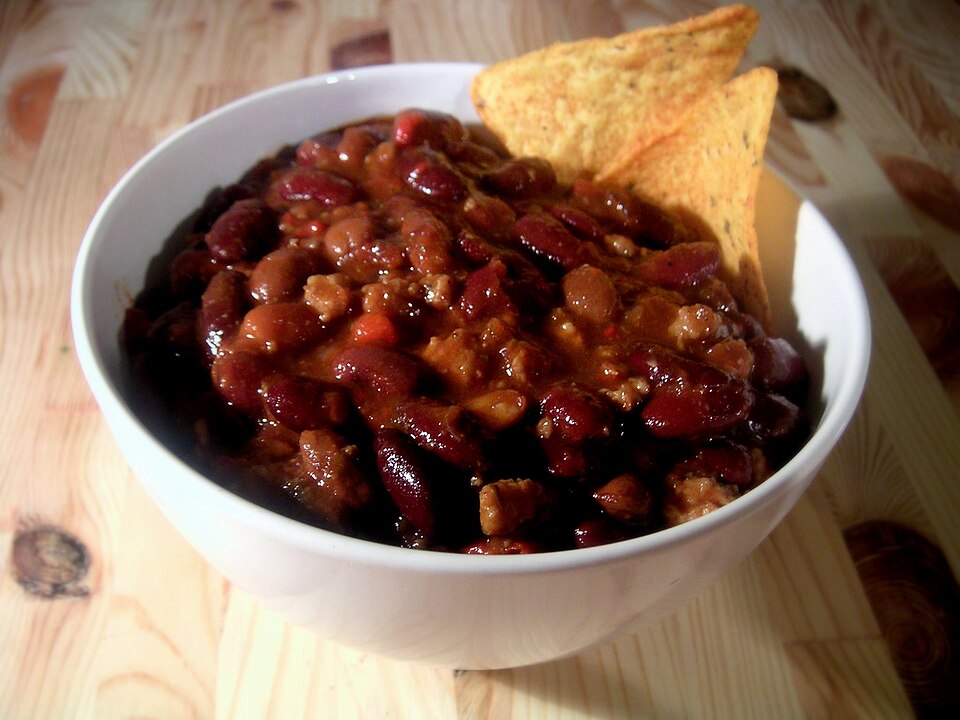
In New Mexico, green chile stew is getting the kind of attention usually reserved for cocktails, yet it remains deeply practical: warm broth, tender pork, and the smoky lift of roasted chiles. New Mexican chiles have been cultivated by Pueblo and Hispano communities for generations, and modern varieties were developed at what became New Mexico State University in 1894. Revived bowls lean into the harvest rhythm, with cooks buying flame-roasted Hatch chiles in late summer, then freezing them so the flavor lasts long past the short season. The result tastes like woodsmoke and sunlight, even when the sky turns slate gray.
Lowcountry Shrimp and Grits
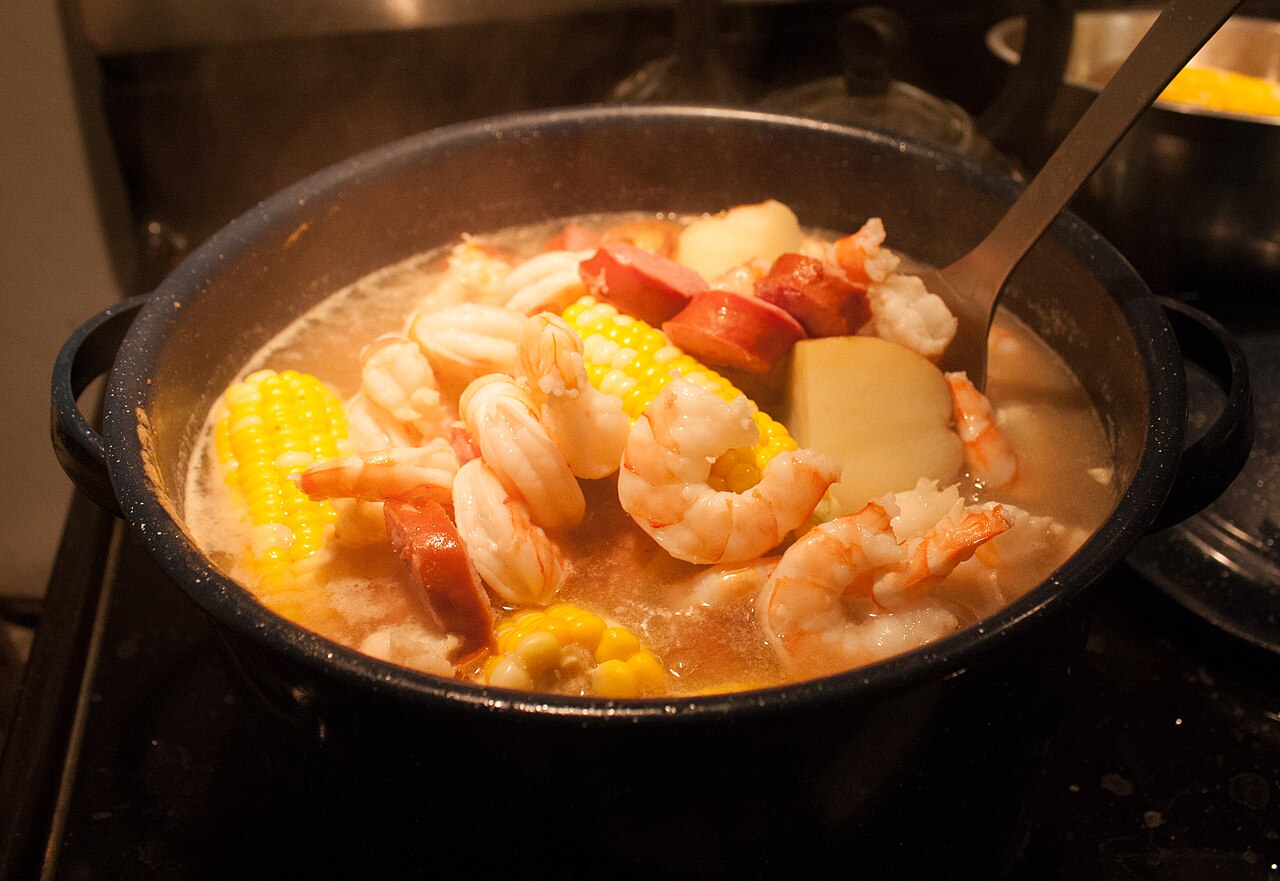
Shrimp and grits has reemerged as a Lowcountry calling card, but the revival is most convincing when it stays close to its roots: local shrimp, simple seasonings, and grits that taste like corn, not instant paste. Food writers often trace the pairing to coastal South Carolina, where it showed up as a straightforward breakfast sometimes called shrimp and hominy. Restaurants now highlight stone-ground mills, small shrimpers, and Gullah Geechee traditions of cooking as care. A good roux or bacon gravy is welcome, but it should never drown the sea. The best bowls still feel unshowy, built for early mornings and salt air.
Texas Kolaches
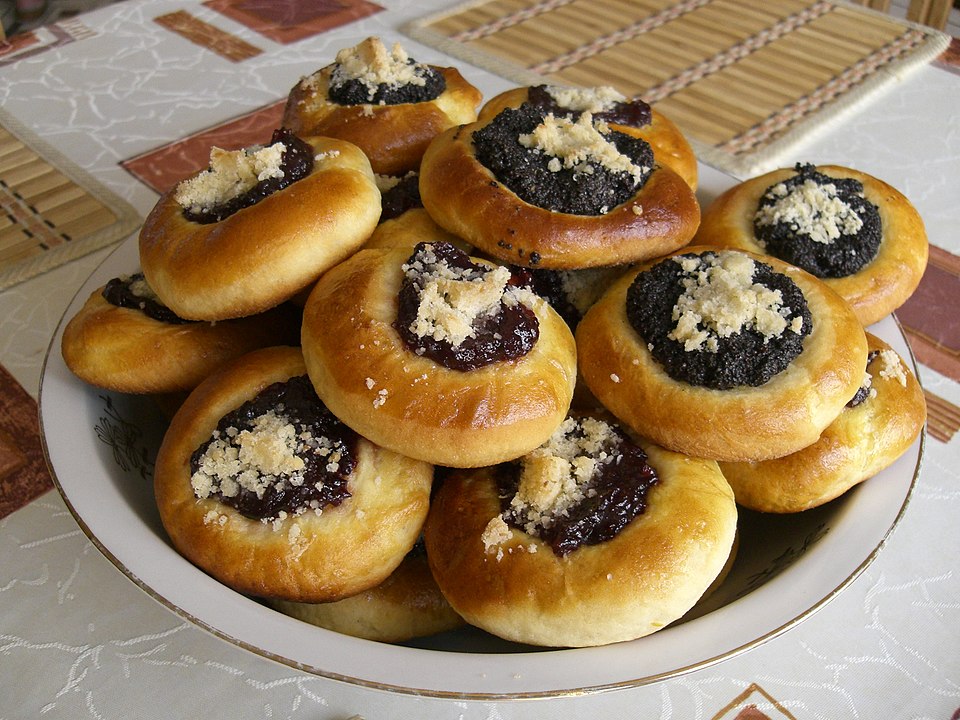
Texas kolaches are showing up again in bakery cases and small-town markets, a reminder that comfort food often rides in on migration. Czech immigrants brought the pastry tradition to Texas in the 1800s, and fruit or cheese fillings became weekend staples in Central Texas communities. Some shops gently note that the sausage-stuffed version is technically a klobasnek, but local habit is hard to undo. Today’s revival leans nostalgic and inventive: apricot next to jalapeño, careful dough work next to brisket runs. Even when fillings change, the soft, yeasty cradle keeps the old community maps intact for road trips at dawn.
Louisiana Red Beans and Rice
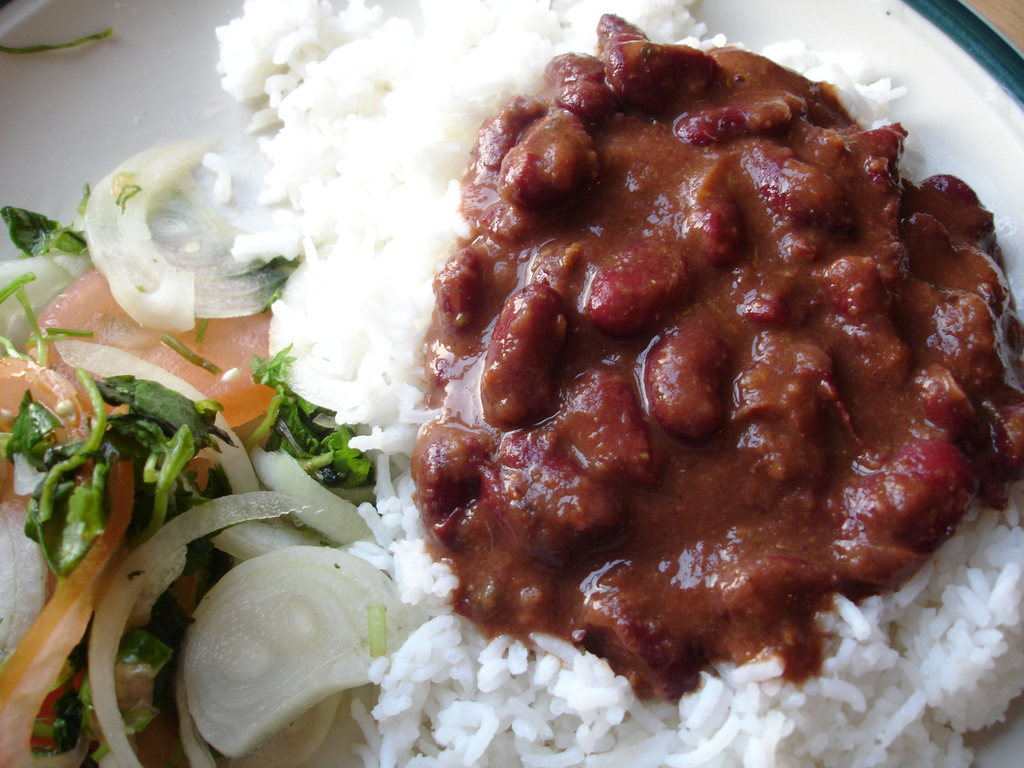
In south Louisiana, red beans and rice is being treated less like a weekday filler and more like a cultural anchor. The revival starts with the traditional Monday rhythm, when beans could simmer while wash got done and life moved on. New cooks are re-learning the slow part: soaking, seasoning, and letting smoked meat or vegetables build a deep, brick-colored pot liquor. Some pots lean Creole, some Cajun, but most begin the same way, with the perfume of onion, celery, and bell pepper. Served with hot sauce and a grin, it tastes like thrift turning into pride, and like a neighborhood that refuses to forget its own timing.
Minnesota-Style Hotdish
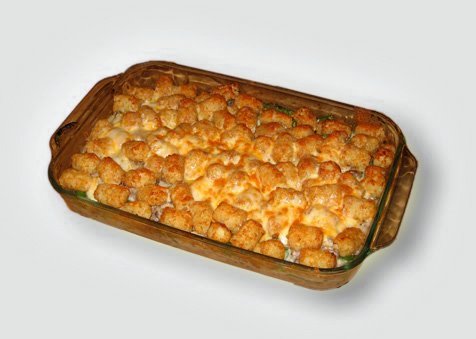
In the Upper Midwest, hotdish is getting a glow-up without losing its potluck soul. The casseroles that once depended on pantry shortcuts are being rebuilt with better bones: browned meat, real stock, and vegetables that still have bite. Tater tot crowns remain nonnegotiable in many kitchens, but cooks also swap in wild rice, mushrooms, or local sausage to echo northern forests and farm towns. Church basements and school fundraisers set the standard for comfort, especially when roads ice. The revival works because it respects the original promise. One pan feeds everyone, and nobody has to explain why that matters.
Appalachian Soup Beans and Cornbread
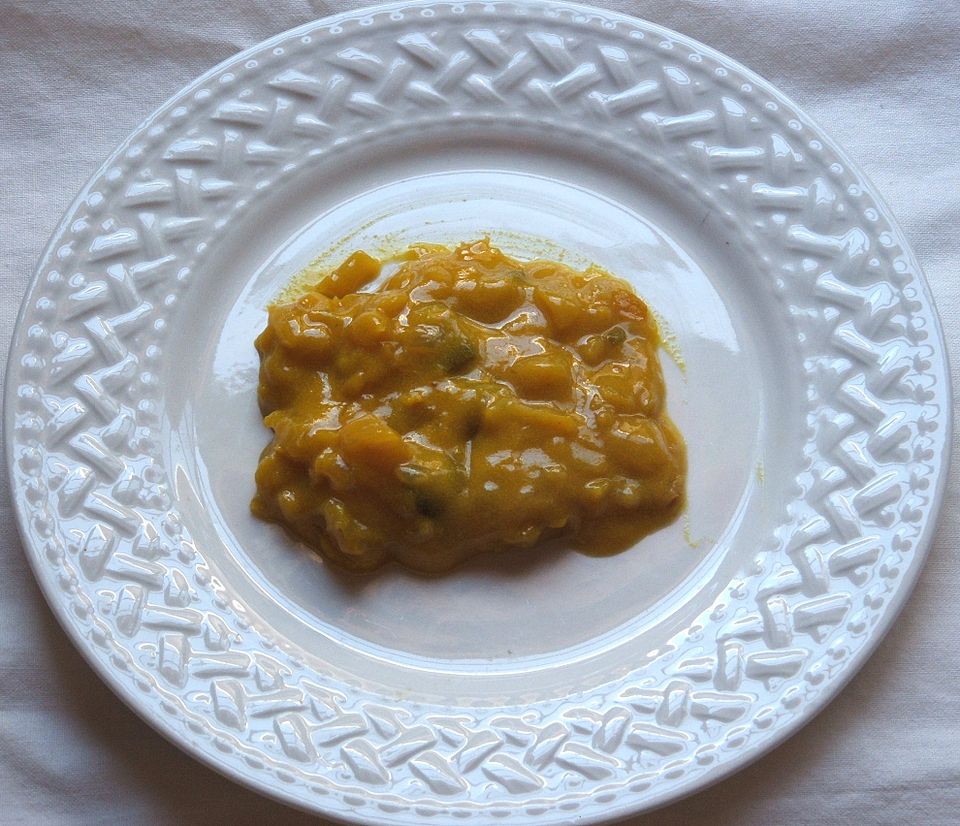
Across Appalachia, soup beans and cornbread are being talked about again with the respect they always deserved. Pinto beans simmered with onion, a bit of pork, or just salt can taste like the land itself when they are cooked slowly and served without apology. Revival cooks source heirloom beans, grind fresh cornmeal, and bake cornbread in a hot skillet so the edges crackle. A jar of potlikker becomes its own kind of broth, poured over everything. The meal stays humble, but it is not small. It carries coal-camp history, garden rows, and the quiet hospitality of a kitchen that knows how to stretch a dollar into warmth.
Hawaiʻi Plate Lunch and Loco Moco
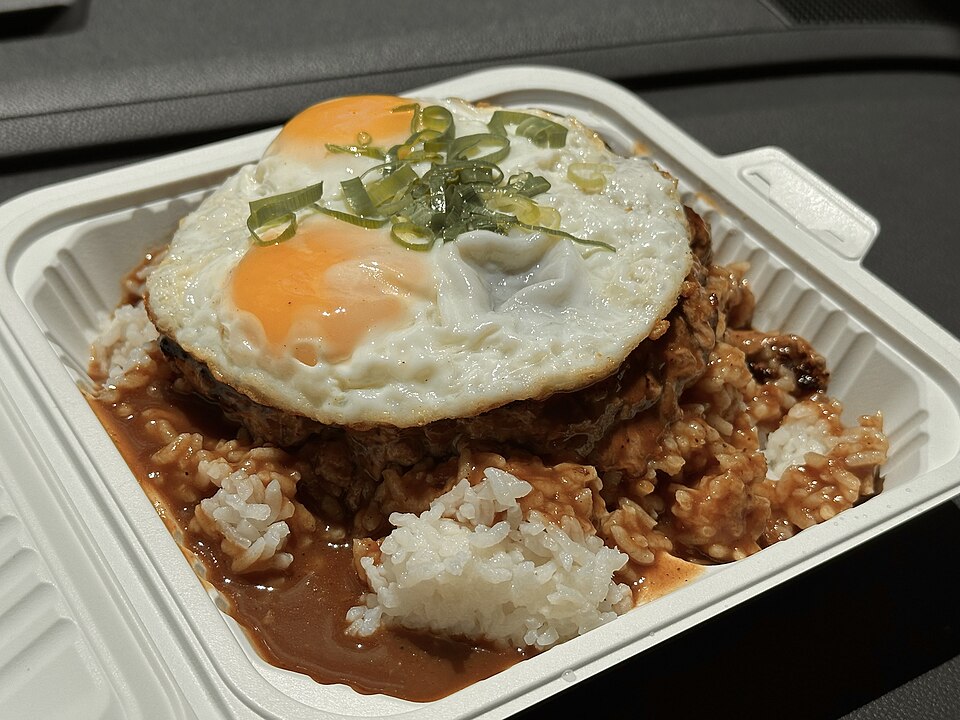
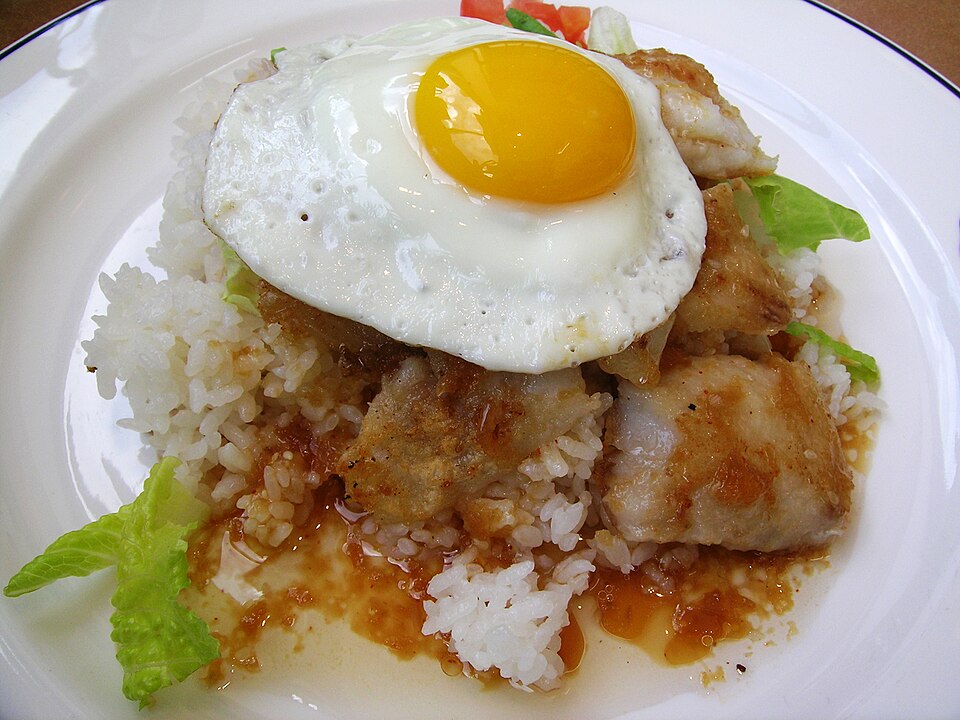
In Hawaiʻi, the plate lunch revival is less about reinvention than about remembering who built the everyday table. Rice, macaroni salad, and a main protein still arrive as a sturdy trio, shaped by plantation-era cultures that learned to share space and food. Shoyu chicken and katsu remain staples, proof that comfort can be practical and multicultural. Loco moco, with its patty, egg, and gravy, is turning up in diners and counters alike, sometimes with local beef or mushroom gravy for depth. Even when it gets polished, it stays direct. The comfort is in the portion, the rhythm, and the sense that lunch can feel like home.
Pennsylvania Dutch Chicken Pot Pie
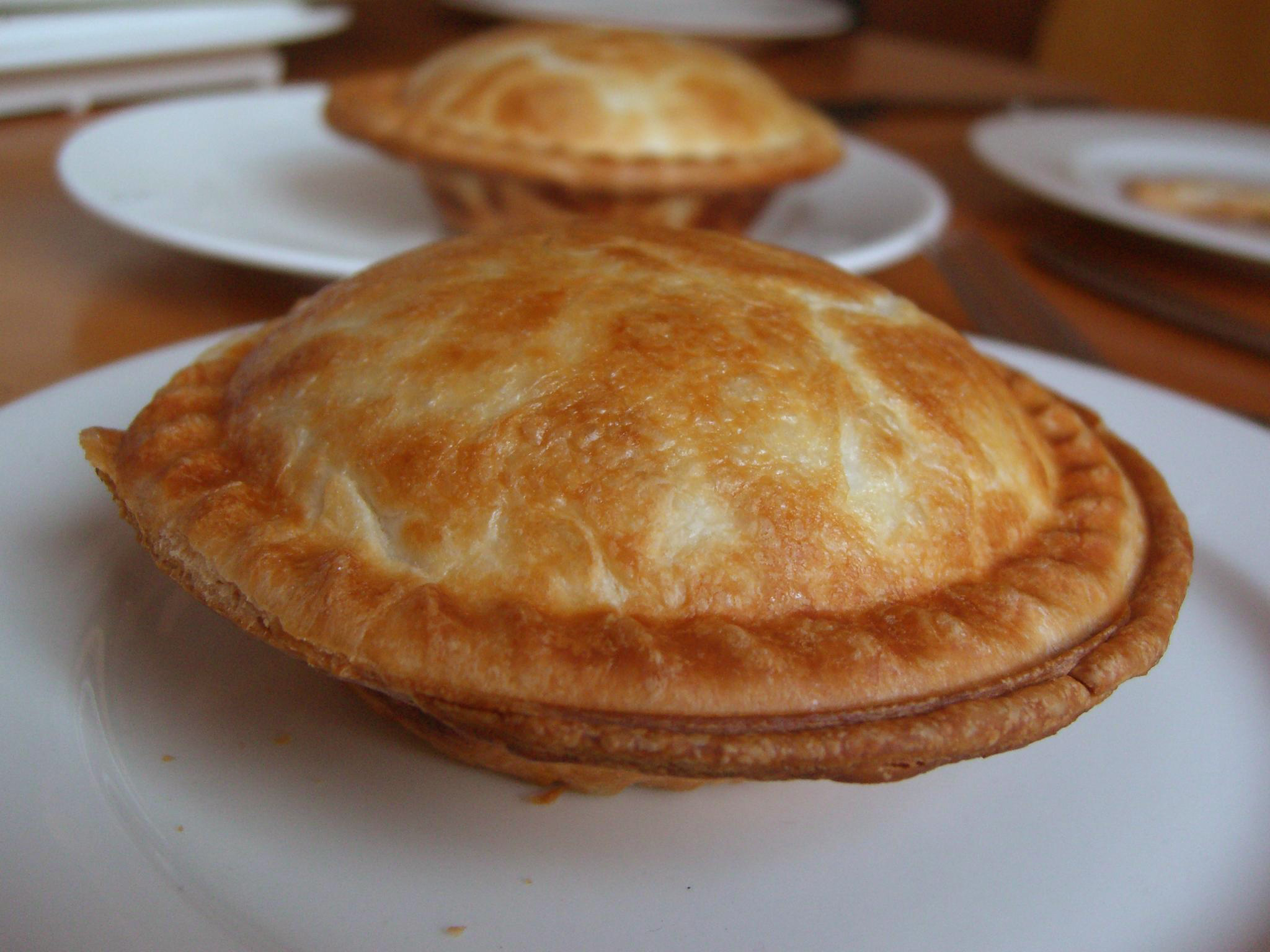
In Pennsylvania Dutch country, chicken pot pie is returning to its original form: a thick, peppery stew with wide, square noodles, not a pastry-topped casserole. Home cooks and small diners are bringing back the tactile pleasures that got edited out of convenience cooking, from hand-rolled dough to broth that turns silky from starch and time. At fire halls and church suppers, the pot is still the centerpiece when February feels truly endless. The revival pairs it with local pickles or apple butter, the way many tables always did. It is comfort built from patience, meant to be eaten slowly while the kitchen stays warm.