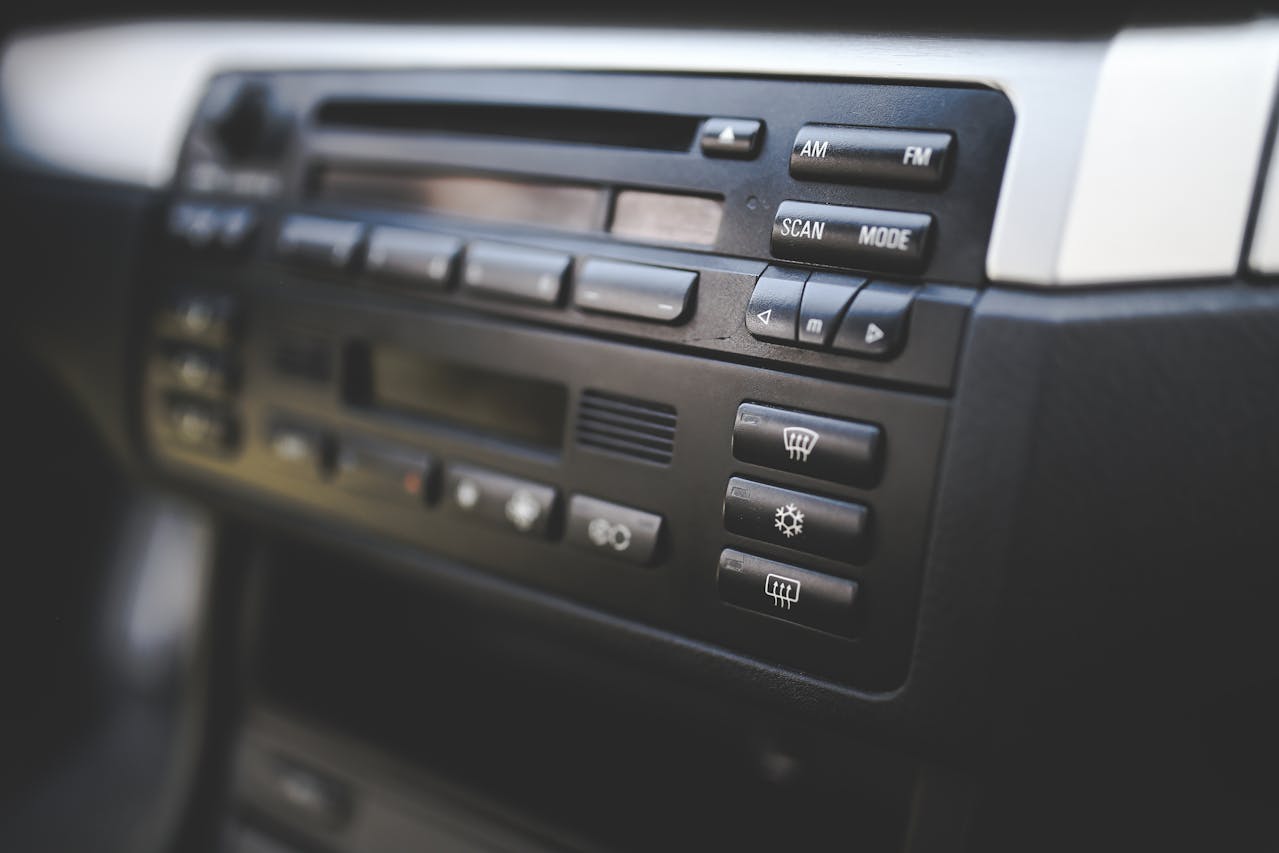
On bitter mornings, a parked car can feel like a small metal freezer, and the wait for heat turns into its own ritual. Many drivers assume warmth is only about idling longer, yet the cabin often lags behind the engine’s progress. Hidden in plain sight on the climate panel is a simple setting that changes the math: recirculation, marked by a car icon with a looping arrow. When it is switched on during the first minutes of heating, the system stops pulling only frigid outside air and starts reusing air it has already warmed. The result is a cabin that feels cozy faster, as long as the setting is not left on forever.
Recirculation Is the Quiet Warm-Up Shortcut
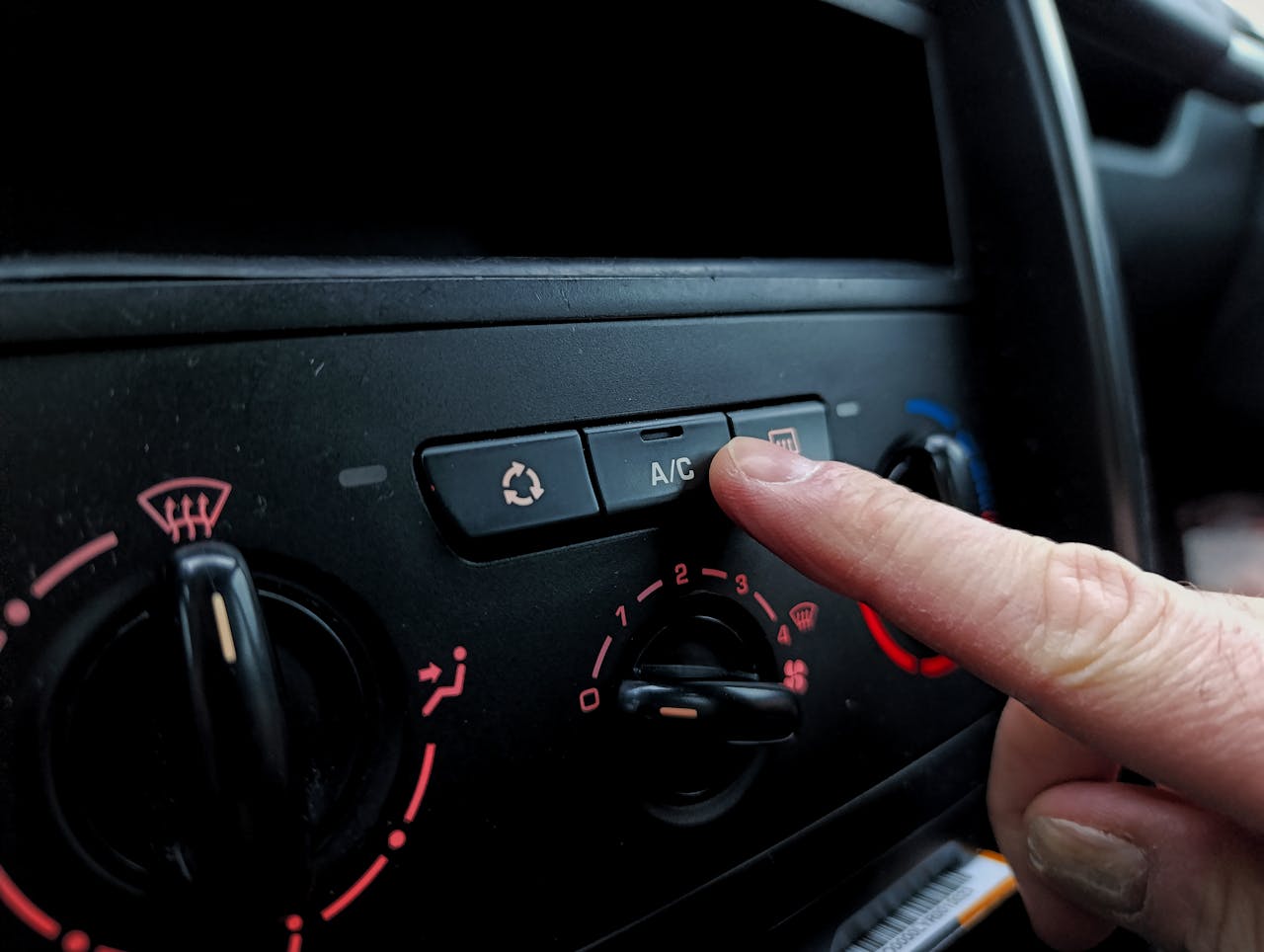
Recirculation is the button many dashboards hide in plain sight, usually shown as a small car with a looping arrow and it gets skipped on winter starts because it looks like a minor convenience, not a comfort booster. With fresh-air mode on, the heater keeps pulling cold outside air and reheating it from scratch, which can feel slow when it is 20° outside and the cabin is trying to climb toward 70°. With recirc on, the HVAC cycles air it has already warmed through the heater core, so each pass tends to come out hotter, the system works less hard, and the interior feels comfortable faster before switching back to fresh air.
Why Reusing Warm Air Changes the Math

The heater’s job is easier when it is not forced to start every cycle with outside air that is still at winter temperature, particularly while the coolant and heater core are just beginning to build heat. In fresh-air mode, the system keeps pulling in that cold air and raising it again and again, while the blower pushes a stream that can feel lukewarm and the cabin leaks warmth through glass and metal. In recirculation mode, more of the airflow is air the cabin has already warmed, so the temperature steps upward with each trip through the ducts, and the target warmth arrives sooner with less effort from the HVAC.
Use It Early, Then Let Fresh Air Back In

Recirculation works best as a short opening move, not a forever setting, because the cabin needs warmth quickly but also needs oxygen and humidity control as breathing and wet coats add moisture. A practical approach is to switch it on right as heat is requested, let the vents build temperature for the first few minutes, then return to outside air once the interior feels stable and the windshield is no longer flirting with fog. That simple rhythm balances faster comfort with healthier air, since extended recirc can let carbon dioxide build up and bring on drowsiness or headaches, while fresh air helps keep windows clear.
It Works in Summer, Too

Recirculation is not just a winter trick; it also helps when a car has been baking in the sun and the first blast of air feels like a hair dryer on full power. With the A/C on fresh air, the system keeps dragging in the hottest outside air and trying to cool it, which can make the compressor and blower run harder while passengers sit in that muggy, oven-like layer trapped near the seats. With recirc on, the air being cooled is already closer to the goal, so the interior sheds that 130°-Fahrenheit vibe faster after the initial hot-air purge, and the climate system can settle into shorter cycles that reduce strain.
EVs and Efficiency Get a Small Boost

Extreme heat and cold are hard on electric vehicles, partly because cabin conditioning draws energy from the battery rather than borrowing waste heat from an idling engine, so HVAC choices can shrink range. Recirculation reduces how much outside air must be heated or cooled, lowering the workload on fans, compressors, and heat pumps, and it can mean less wear because the system is not starting from the most extreme temperature. A 2019 study in the International Journal of Refrigeration reported that using recirc could extend an EV’s driving range by about 11-30%, a reminder that comfort settings quietly shape efficiency.
Gas Cars Benefit, Even If Slightly

In a gasoline car, warming the cabin still draws power through the blower motor and adds load, especially on short trips and stop-and-go commutes when the engine is still climbing to operating temperature and the heater is fighting icy air. By recirculating air that has already been warmed, the system can reach comfort with fewer full-power cycles; in cooling season, the same idea can let the compressor cycle off sooner, easing wear and trimming energy use. It is the same logic behind closing a drafty door in a house: keeping heat inside limits the losses, so the machine does less work to maintain comfort over time.
It Can Block Smoke, Smells, and Road Grime

Recirculation is also a quick way to cut down what enters the cabin when outside air is unpleasant, from wildfire smoke to diesel exhaust in a slow tunnel crawl, and it can spare passengers that sharp taste that settles at the back of the throat. Owners’ manuals often frame it as an air-quality tool, such as Mazda’s note that recirc helps “while in a traffic jam” or in tunnels, when shutting off outside air keeps the interior from being washed with fumes. Used for short stretches, it can keep harsh odors and grime from lodging in seats and fabrics, so the car feels calmer and cleaner while the heater or A/C gets ahead.
Why Leaving It On All Day Backfires

Recirculation has downsides when it becomes the default, because a sealed cabin is a small space where exhaled carbon dioxide can accumulate, especially with passengers and longer drives, and overall air quality can slip. As the air gets stale, some drivers report dizziness, drowsiness, or headaches, and that heavy feeling can chip away at focus when quick decisions matter, making it harder to stay sharp behind the wheel. On cold, wet days it can also speed up window fogging, since moisture from breath and damp clothing stays trapped, so the setting that delivered quick warmth can later steal visibility in minutes.
A Simple Winter Routine That Feels Like Magic

On a cold start, the fastest comfort often comes from a small sequence: set heat, choose the vent direction, and switch recirculation on for the first few minutes, letting the system build on air it has already warmed. Once the cabin air is no longer icy, returning to fresh air helps control humidity, supports clearer windows, and keeps everyone feeling more awake, especially with passengers breathing in a small space. If fog begins to bloom on glass, defrost mode and outside air are better allies, while recirc can be saved for another short burst when the temperature needs a quick nudge on the way to steady comfort.