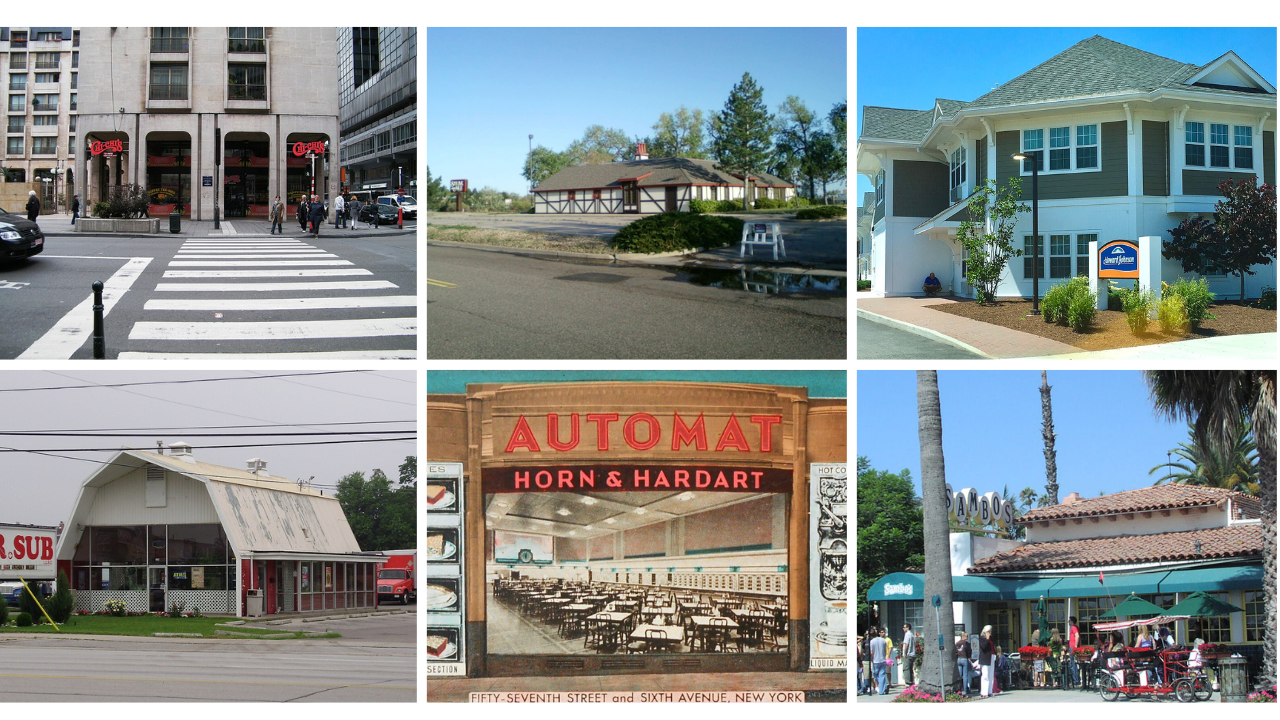
For many American kids of the ’60s and ’70s, growing up came with a rotating cast of familiar signs: an orange roof glowing at dusk, a barn-shaped burger stand, or a wall of little glass doors that traded nickels for pie. These places were more than meals. They marked road trips, post-game celebrations, first paychecks, and the quiet pride of ordering something without help. Inside, the air smelled like fried onions and coffee, and every booth held its own tiny rite of passage, long before the same few logos claimed every exit. Some vanished fast; others lingered as memories, spoken in shorthand that still feels like home.
Gino’s Hamburgers
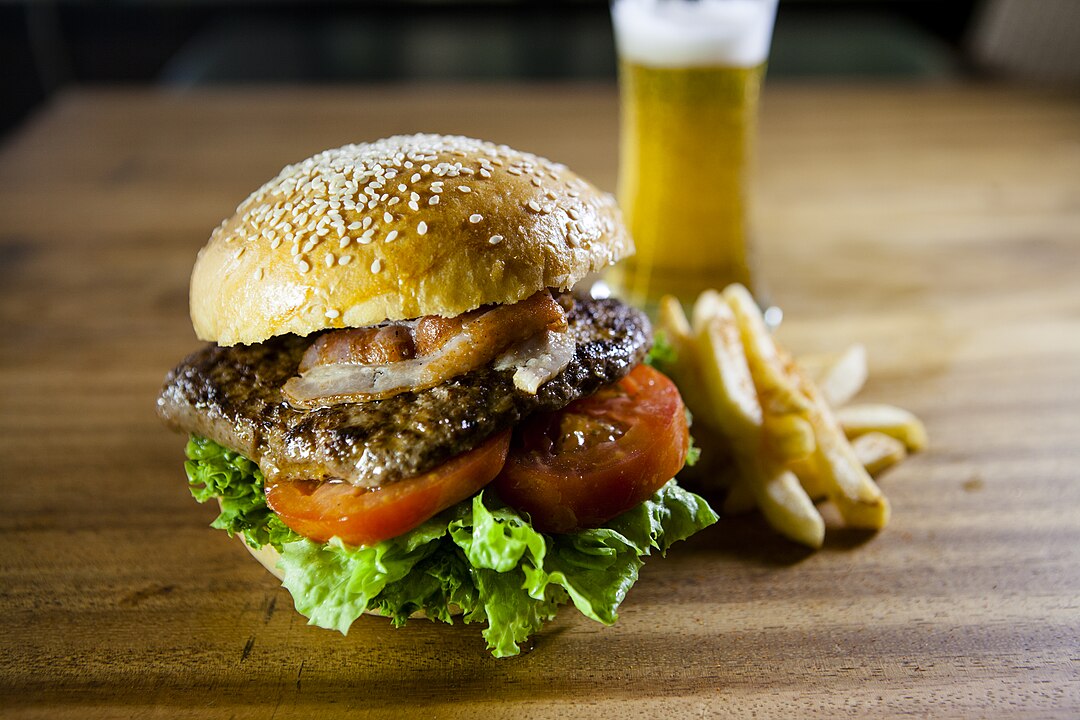
In Baltimore, Colts defensive end Gino Marchetti and running back Alan Ameche turned gridiron fame into burgers in 1957, partnering with Joe Campanella and Louis Fischer to launch Gino’s Hamburgers. At its peak, 359 company-owned locations made it a real player in the fast-food wars, and the sports tie-in gave the brand a little hometown swagger on the East Coast. The triple-decker Gino Giant arrived before the Big Mac became national shorthand, but Marriott’s 1982 purchase folded the chain into Roy Rogers conversions, and the last independent Pasadena, Maryland, location shut its doors in 1986 with little fanfare.
Howard Johnson’s
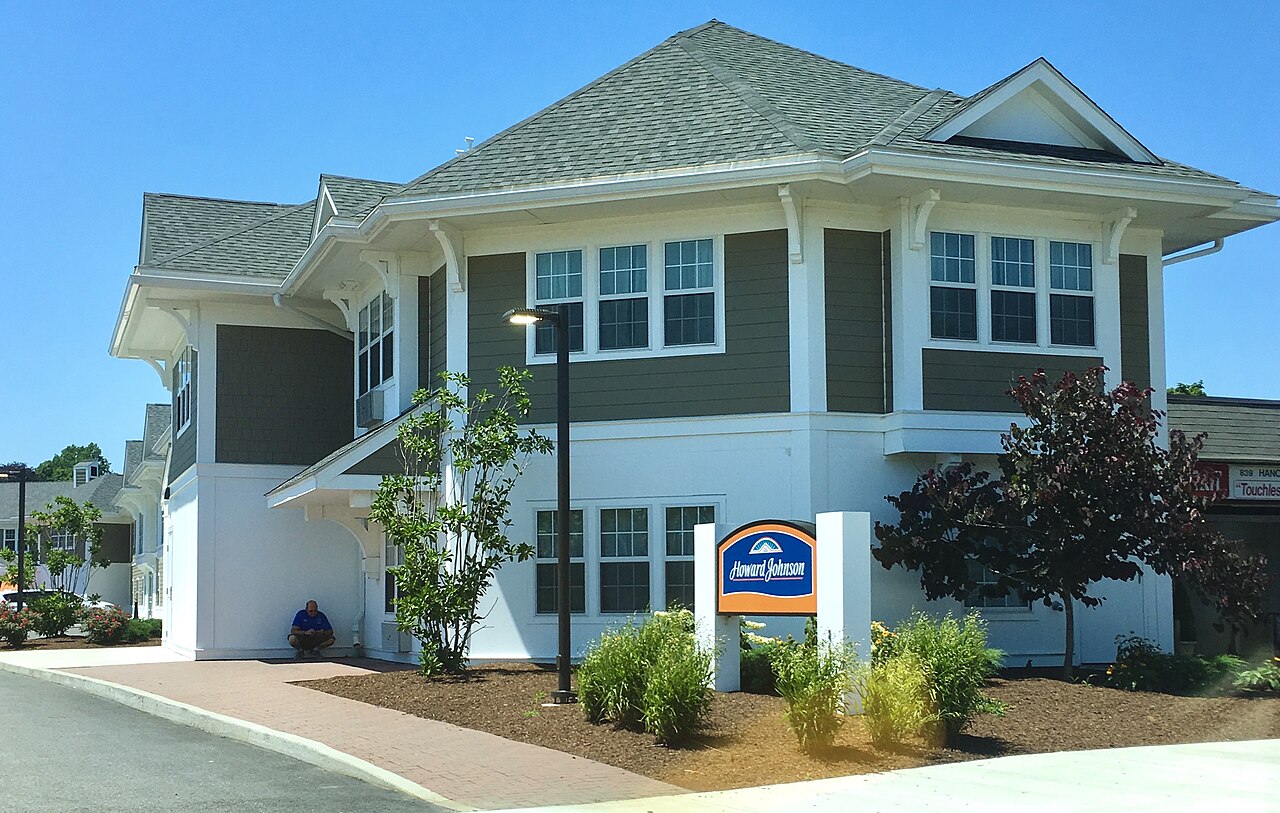
Howard Johnson’s, with its bright orange roof, became a landmark of American motion, the kind of place families trusted when the highway felt endless. It went public in 1961 with 605 restaurants and 88 motor lodges, then expanded until the brand dominated the ’60s and ’70s with more than 1,000 combined company-owned and franchised outlets, perched along major routes like mile markers. As fast food chains offered cheaper meals and lightning-quick service, the sit-down model lost ground, and the last surviving restaurant in Lake George, New York, eventually closed, ending a long run of roadside certainty for travelers.
Burger Chef
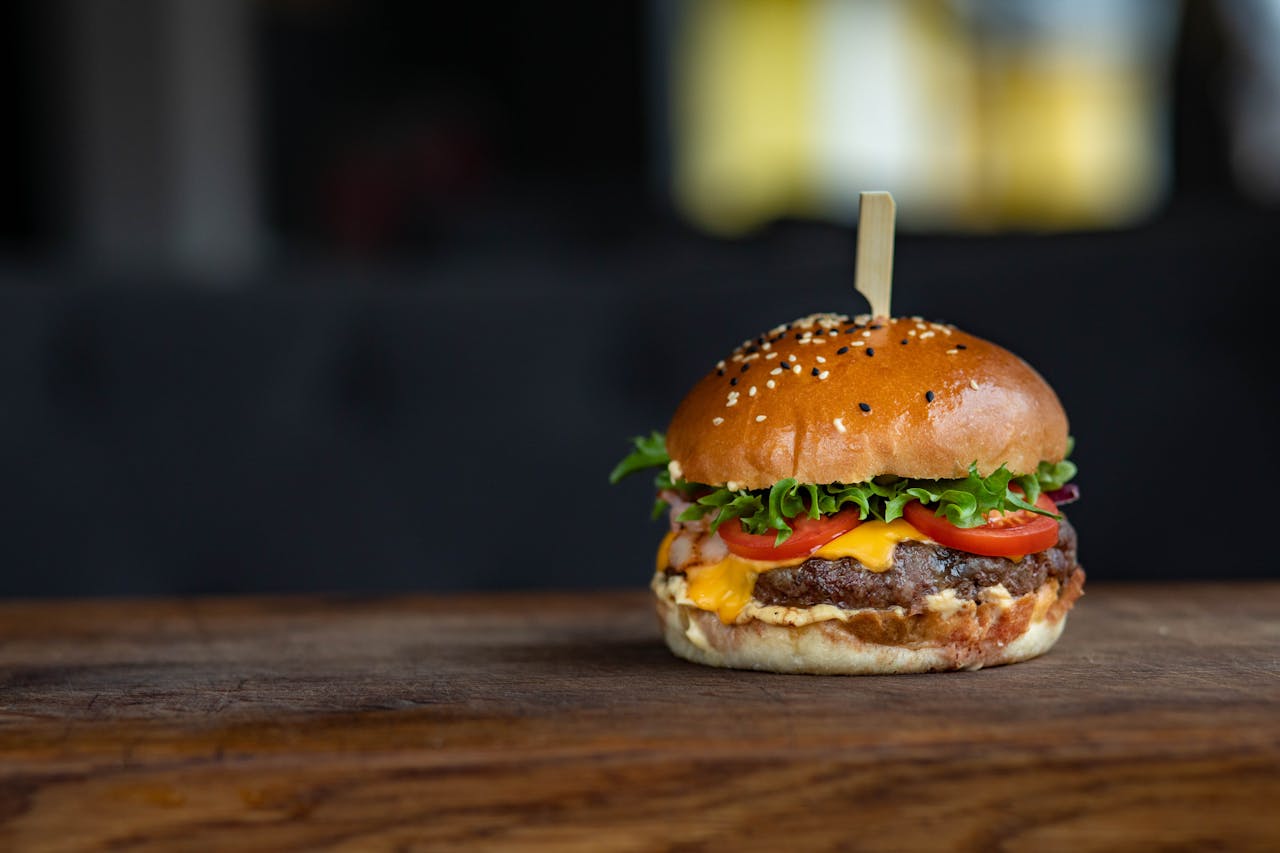
By 1972, Indianapolis-based Burger Chef had grown so big that only McDonald’s had more locations, with about 1,200 sites to McDonald’s 1,600, a rival that once felt everywhere. The chain helped invent the kid-focused fast-food ritual: the 1972 Funburger came in puzzle-packed packaging with a small toy, followed in 1973 by the Funmeal that bundled a burger, fries, a drink, a cookie, and a toy into one excited order. In 1982, General Foods sold Burger Chef to Imasco, owner of Hardee’s, and conversions and quiet closures rolled across the map until the final branded restaurant vanished in 1996, leaving nostalgia in its wake.
Steak and Ale
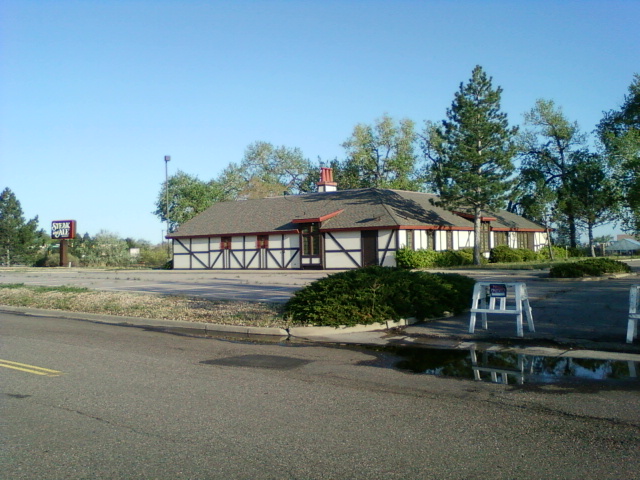
Steak and Ale opened in Dallas on Feb. 26, 1966, under restaurateur Norman E. Brinker, and it taught America a new kind of night out: dim light, Tudor-style beams, and an unlimited salad bar that felt almost extravagant. The chain rode the ’70s and ’80s into a late-1980s peak of 280 locations, shaping the idea of affordable steakhouse dining for the middle class. Competition multiplied, the model thinned out, and a Chapter 7 filing ended the remaining 58 restaurants on July 29, 2008, before a new location finally returned on July 8, 2024, in Burnsville, Minnesota. More are planned, like a reunion with an old booth.
Chi-Chi’s
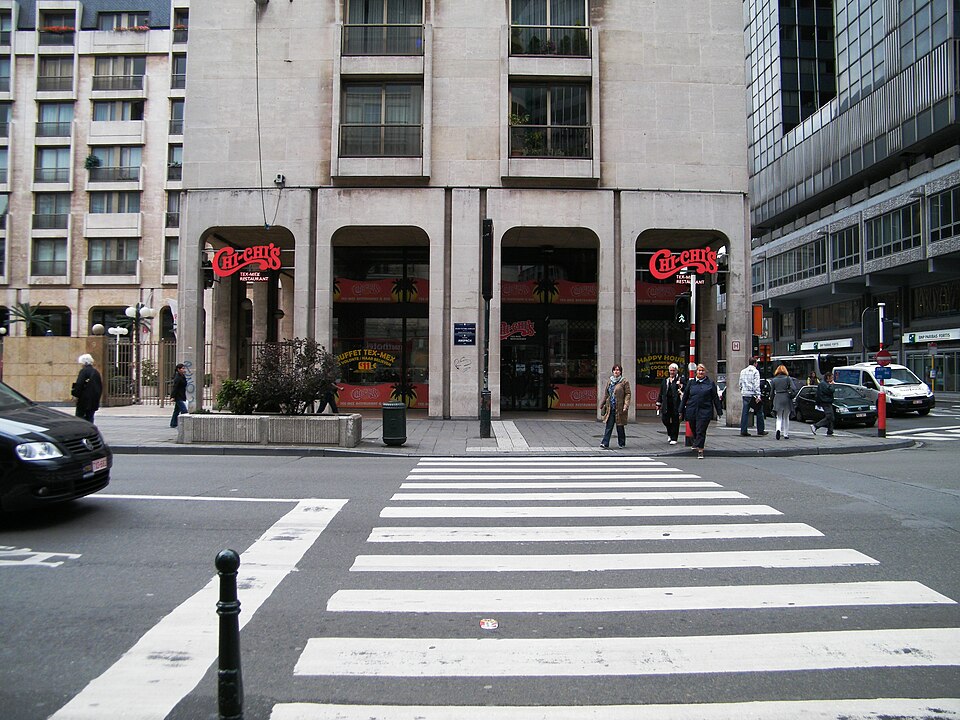
Chi-Chi’s brought a festive version of Tex-Mex to suburbs, turning tacos, burritos, and salsa into a family-night tradition, and it grew to more than 200 locations. The bright atmosphere carried into the ’80s and ’90s, with sizzling fajitas and a room that made weeknights feel special. But the chain’s end came fast: in 2003, green onions served at a Pittsburgh-area restaurant sparked the largest hepatitis A outbreak in American history, sickening 660 people and killing at least four. Bankruptcy followed that same year, and the remaining 65 restaurants closed the next year, a hard lesson in how fragile trust can be.
Red Barn
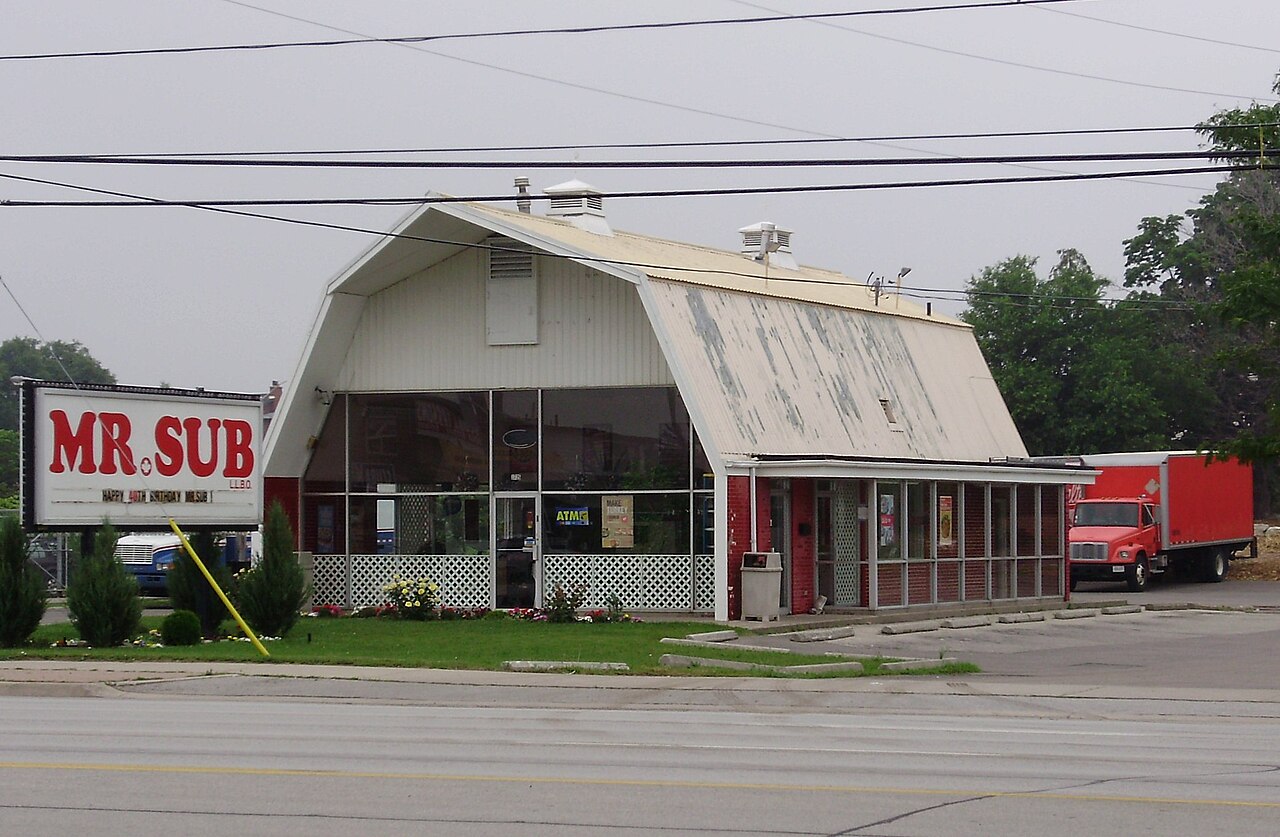
Red Barn began sprouting around Dayton, Ohio, in the 1960s, and the buildings looked like exactly what the name promised, barn-shaped and hard to miss from the road, with a jingle that chirped When the hungries hit, hit the Red Barn. The chain swelled to about 400 locations in the ’60s and ’70s, and it offered a surprisingly broad menu for the era: burgers and cheeseburgers alongside fried chicken, fish sandwiches, and even a salad bar, well ahead of its time. Deeper-pocketed rivals tightened the market, and the last locations closed in 1988, yet the barn silhouette still shows up in memories and online nostalgia.
Horn & Hardart
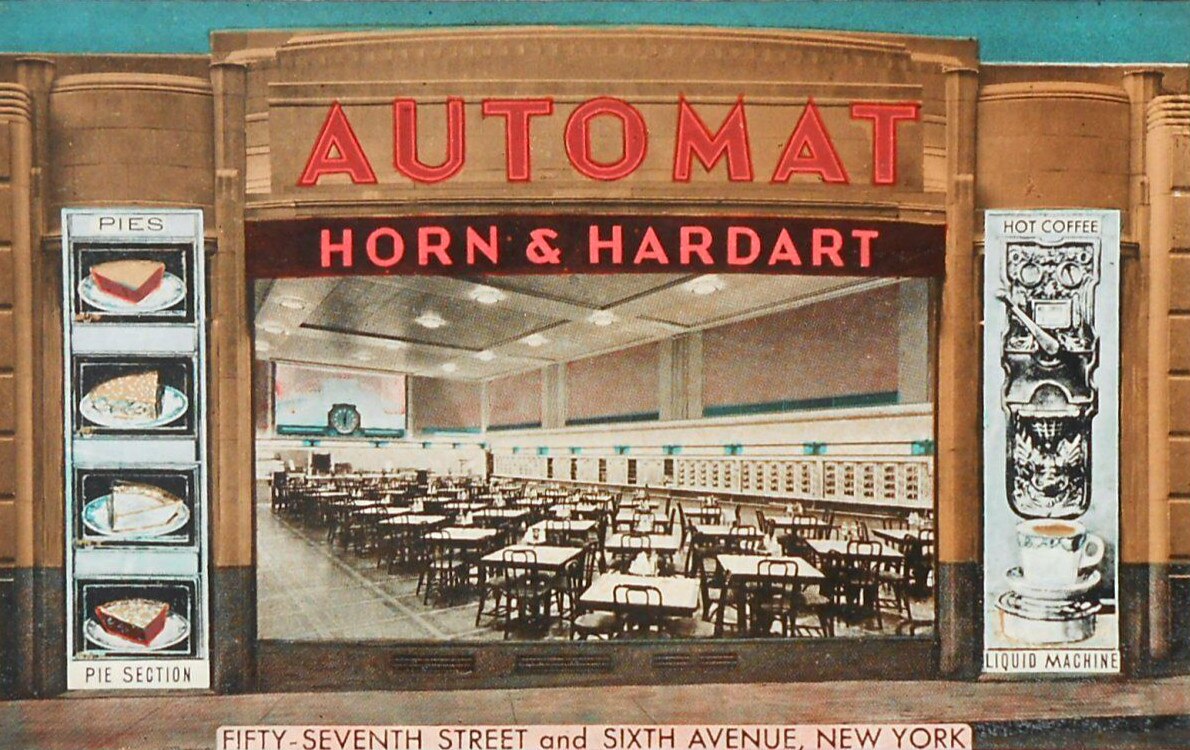
Horn & Hardart turned eating into a tiny act of theater, with rows of glass doors displaying sandwiches, salads, pies, and cakes, and nickels unlocking dinner one compartment at a time. Founded in Philadelphia in 1888, it ruled the automat era, boasting more than 150 locations in Philadelphia and more than 50 in New York during its 1920s-to-1950s heyday, like a science-fiction wall that fed people. As fast food, drive-thrus, and delivery reshaped expectations in the ’60s and ’70s, the format lost its edge, and the final New York automat at 42nd Street and Third Avenue closed in 1991, leaving a brilliant oddity behind.
Sambo’s
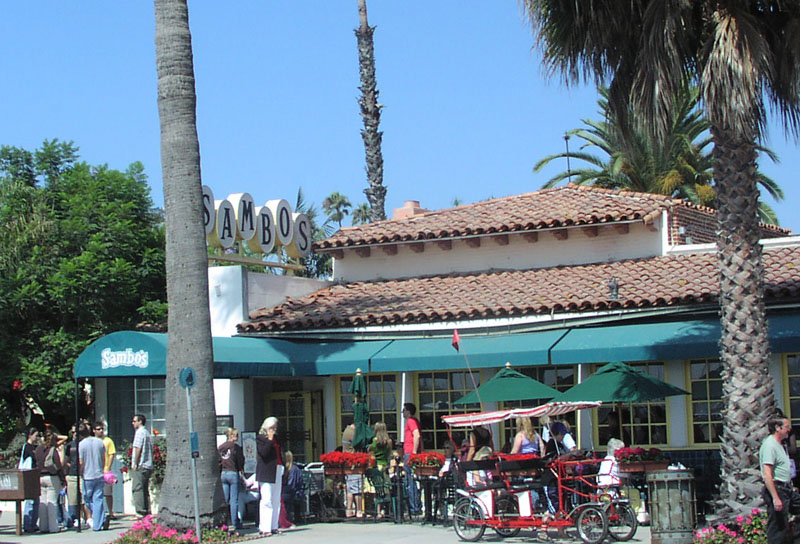
Sambo’s grew fast from a 1957 start by Sam Battistone and Newell Bohnett, becoming a pancake house chain with more than 1,100 locations by the late 1970s. Yet the brand carried a name widely criticized for racist connotations, and by the early 1960s that backlash was no longer ignorable; Black communities filed lawsuits and fought back. In many places, permits were refused or stores were pushed out of city limits, and the mix of legal fights, social pressure, and changing cultural attitudes meant the chain could not survive the decade intact, a reminder that branding has consequences, even if the pancakes were beloved.