Olympic medals still carry the aura of ancient treasure, but the metal story is colder than the podium moment. Modern first-place medals have not been solid gold for more than a century, and the last all-gold Olympic awards date back to Stockholm 1912. Current standards use silver as the core and a thin layer of gold for finish, which means the symbol stayed the same while the metallurgy changed long ago.
That gap between appearance and composition matters more in 2026 because precious-metal prices have surged. Reuters reported spot gold at $5,056.82 per ounce and spot silver at $82.44 per ounce on February 11, 2026, levels that sharply lift intrinsic medal value compared with earlier cycles. Even so, intrinsic value and real-world resale value still live in different economic universes.
The Medal Is Gold-Colored, Not Gold-Core
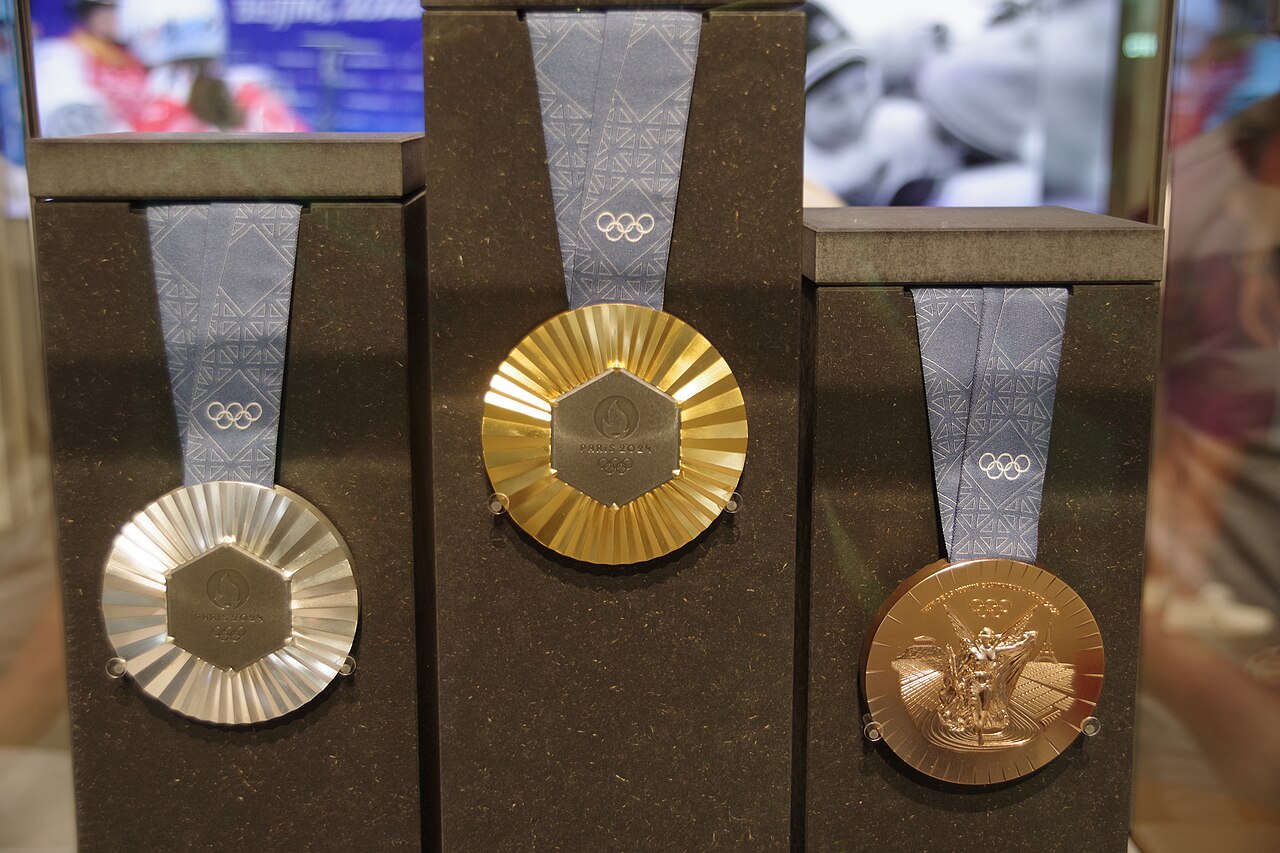
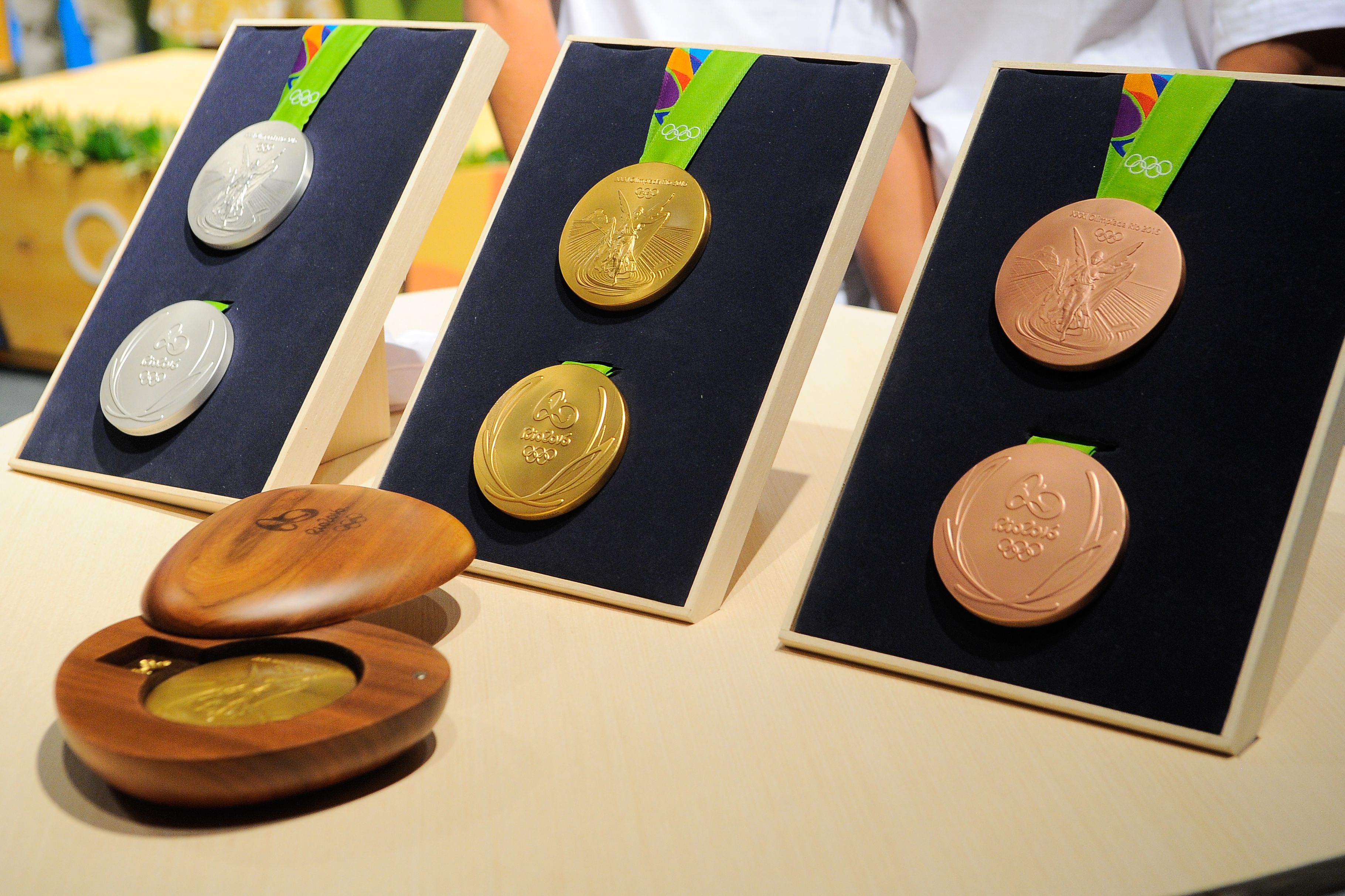
The basic formula is straightforward: a modern Olympic gold medal is primarily silver, with a minimum sterling-grade base and a thin coating of pure gold. The widely cited working breakdown for current medals is about 500 grams of silver plus six grams of gold plating. Silver medals use the same silver base without gold plating, which is why first and second place are materially closer than most people assume.
That is the first hard truth. What fans call a gold medal is best understood as a silver medal with a gold skin. The prestige is real, but the metal mix is engineered for symbolism, consistency, and practicality, not bullion heft. Reuters has described the modern standard as silver-gilt under IOC guidelines, and that framing is more accurate than the popular imagination.
Melt Value Sounds Big Until the Math Gets Precise
Melt value means only the value of the raw metals if the medal were treated like commodity input. Using Reuters spot prices from February 11, 2026, the calculation starts with gold at $5,056.82 per ounce and silver at $82.44 per ounce. A six-gram gold layer and a 500-gram silver core can look huge on paper, but the result depends on the unit conversion method used in public writeups.
With troy-ounce conversion, six grams of gold is about 0.193 troy ounce, and 500 grams of silver is about 16.08 troy ounces. That implies roughly $975 in gold and about $1,325 in silver.
Add those components and the intrinsic value lands near $2,301 at those Reuters prices. Some reports round differently and arrive near $2,474 to $2,500 using simplified ounce assumptions, so the headline number varies, but the core point does not: this is high for melt value, still modest for a career-defining artifact.
And that number moves daily with metals markets, currency strength, and rates. It is a snapshot, not a fixed tag.
Market Price and Medal Price Are Different Economies
Collectible pricing follows a different logic than melt value. CBS reported that a newly won Olympic medal might fetch around $50,000 to $80,000 in near-term resale scenarios, far above its commodity base, because buyers pay for scarcity, provenance, event context, and athlete identity.
This is where many discussions get flattened. Melt value is chemistry and arithmetic; collectible value is narrative and cultural memory. One market asks, What is this made of; the other asks, What moment in history does this object hold. That discrepancy is not hype, it is the structure of high-end memorabilia markets.
Auction Records Show Where Real Value Comes From
The clearest example remains Jesse Owens. One of his 1936 Berlin gold medals sold for $1,466,574 in 2013, a landmark result that dwarfs any metal-content estimate and illustrates how legacy can dominate pricing for Olympic artifacts.
That figure was treated as a record-setting Olympic memorabilia result at the time. It remains the benchmark case for the gap between material and meaning.
Greg Louganis offers a modern comparison with cleaner documentation from a single sale event. RR Auction reported that three of his medals sold for $430,865 in 2025, including his 1988 Seoul gold at $201,314, plus strong results for his 1984 gold and 1976 silver. Again, none of those numbers are explainable by metal content; they are driven by career stature and collector demand.
In other words, once a medal enters the memorabilia market, bullion is background noise. Biography becomes price discovery.
Why Some Athletes Sell, Even When It Hurts
Athletes do sell, and not always for luxury reasons. AP reported Ryan Lochte auctioned six Olympic medals in 2022 to raise money for a children’s charity, saying memories mattered more to him than physical pieces kept in storage. CBS and RR coverage also tied Louganis’s medal sales to financing a major life reset.
That adds a human layer often missing from price talk. A medal can be a sacred object, a financial bridge, a philanthropic tool, or all three at once depending on an athlete’s life stage. Reducing these decisions to sentiment versus money misses the point; for many athletes, the decision is about agency after the spotlight fades.
Milan 2026 Added an Unexpected Twist: Durability
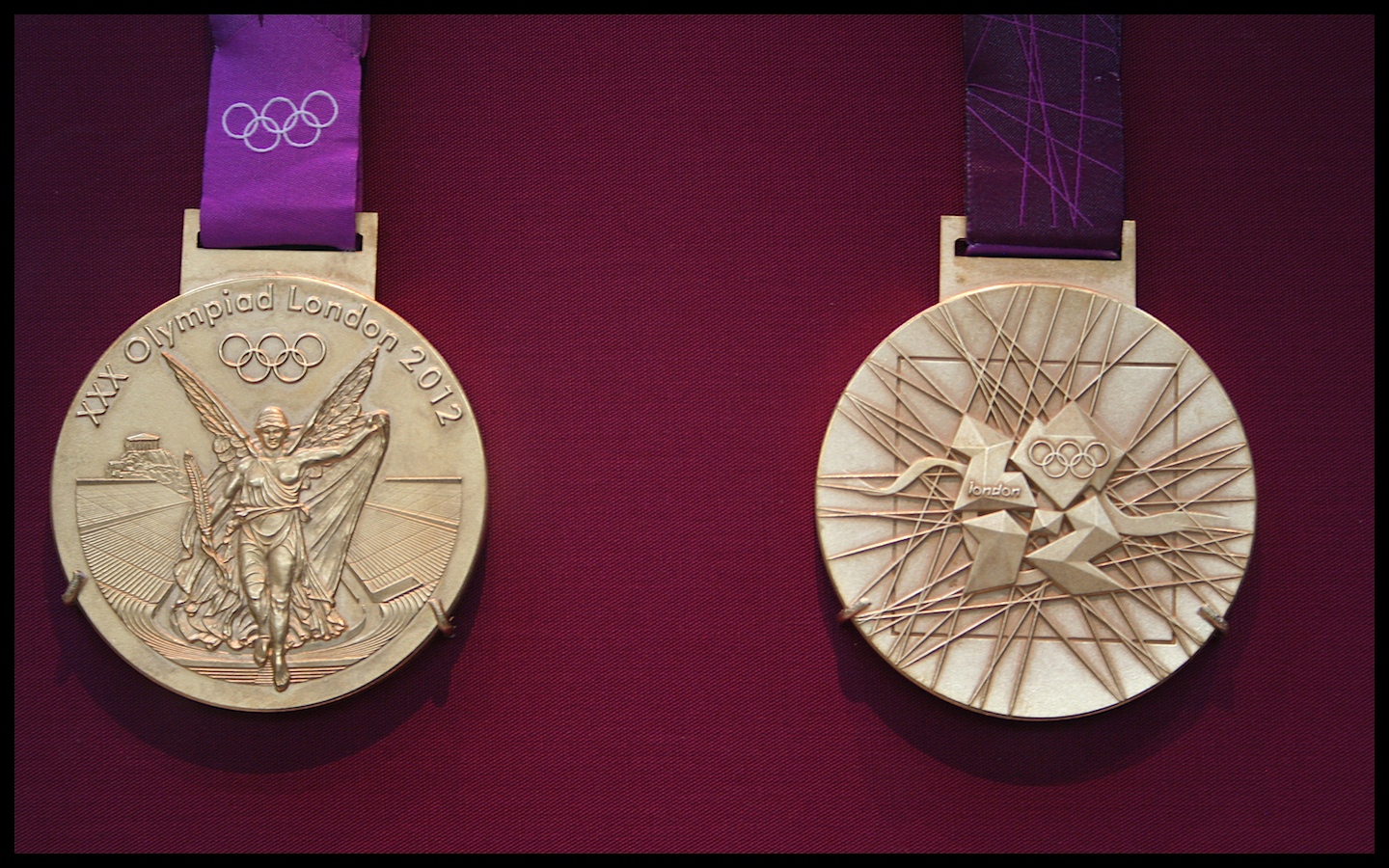
The Milan Cortina Games also exposed a separate issue: durability. AP reported complaints that a small number of medals broke or came apart shortly after ceremonies, including remarks from U.S. gold medalist Breezy Johnson about damage during celebration.
Reuters later reported organizers and the Italian state mint identified a fix and offered prompt repairs for affected athletes. So even while metal prices pushed intrinsic values up, the practical conversation shifted to build integrity and post-ceremony handling. That contrast says a lot about modern medals: symbolic perfection is expected, physical perfection still requires iteration under real-world use.
The Hard Truth Behind the Shine
So the headline reality is simple. A modern Olympic gold medal is mostly silver with a thin gold layer, and its raw metal value, even in a strong market, is a few thousand dollars, not a fortune.
The bigger truth is economic and cultural at the same time. The same object can be worth about two thousand dollars as metal, tens of thousands in ordinary resale, and hundreds of thousands or more when attached to a legendary career or era-defining performance.
That is why this topic keeps resurfacing every Olympic cycle. The medal is both commodity and mythology, and those two values almost never match. Milan 2026 only made that split more visible by combining soaring metal prices with very public questions about medal durability and repair.