From street level, the tallest towers on Earth can feel like pure triumph, glass needles that signal wealth, confidence, and national ambition. Engineers see something more fragile and far more impressive: structures negotiating wind, heat, pressure, vibration, evacuation time, and constant mechanical demand every hour of the year.
This ranking tracks the current top 13 by architectural height and pairs each with a less visible engineering risk. None of these risks cancels the achievement. They reveal the deeper story, where success means not only rising higher, but staying reliable under relentless stress, season after season.
Burj Khalifa, Dubai, UAE (828 m / 2,717 ft)
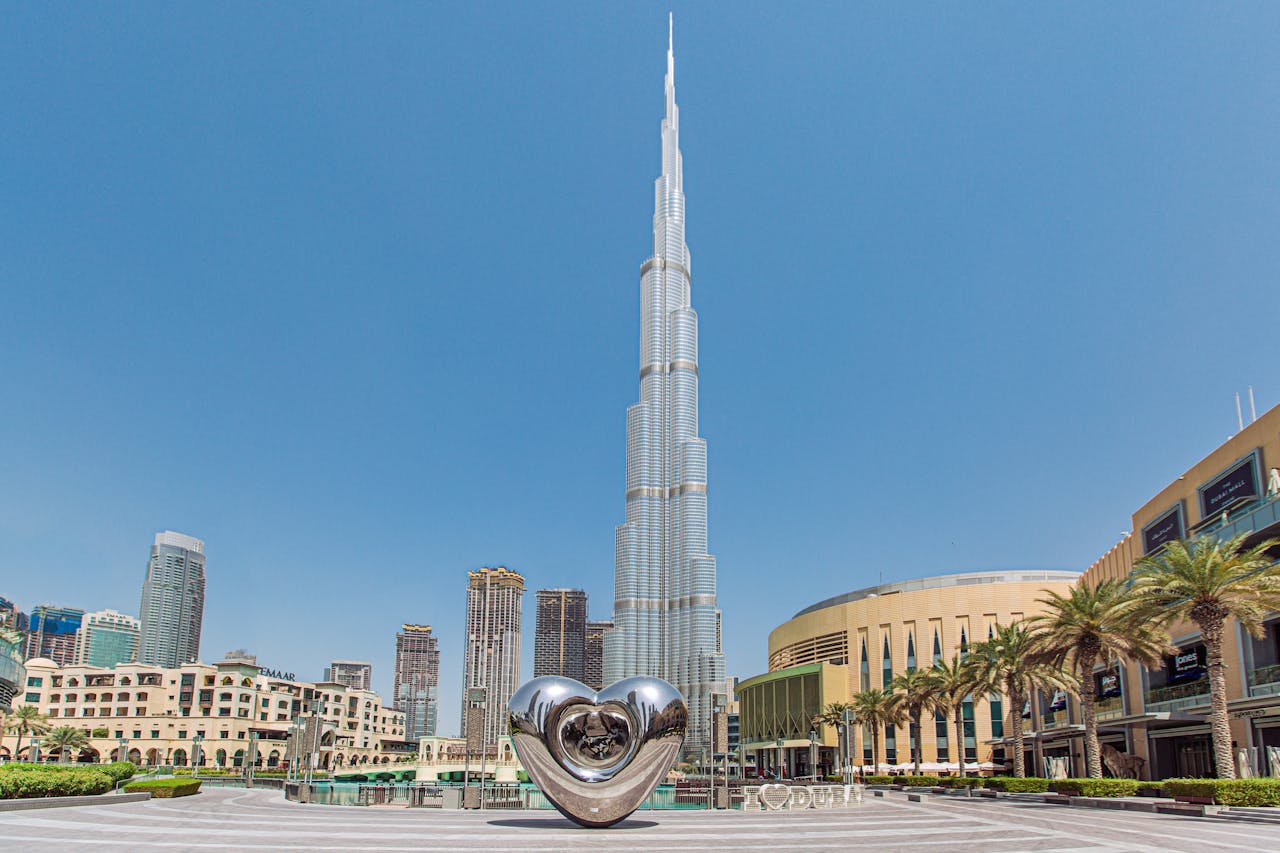
Completed in 2010, Burj Khalifa remains first in height at 828 meters, with 163 occupied floors and a structural strategy shaped around a buttressed core and stepped setbacks. Its form was not only aesthetic; it was tuned to disrupt vortex shedding that can magnify sway in very tall towers.
The hidden risk is not sudden failure but cumulative motion, material fatigue, and comfort drift at upper levels during strong wind events. Wind engineering, damping, and continuous monitoring keep the tower within acceptable movement and serviceability limits over decades, not just on opening day, during storms and heat cycles alike.
Merdeka 118, Kuala Lumpur, Malaysia (678.9 m / 2,227 ft)
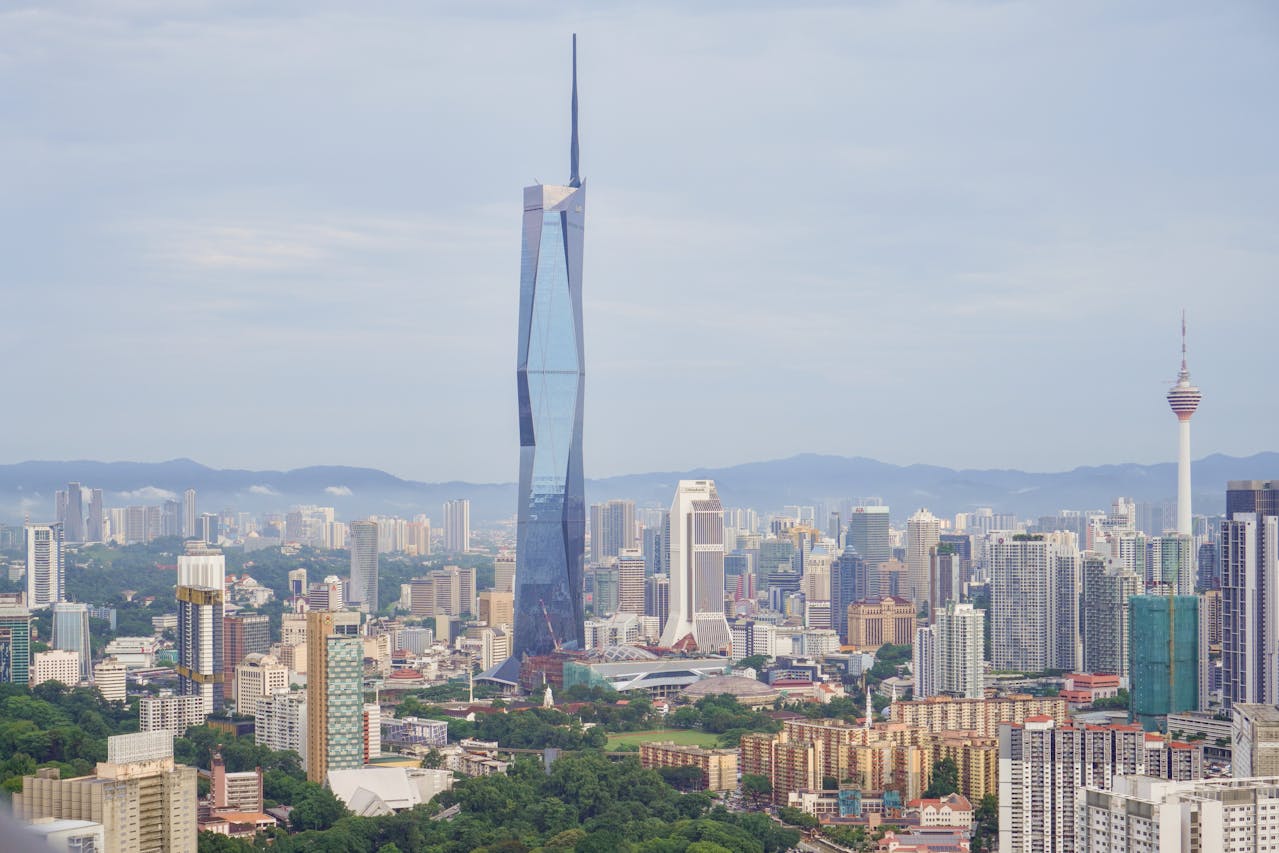
Merdeka 118 in Kuala Lumpur ranks second at 679 meters and rose into the global top tier with a sharply faceted profile and a long, tapering crown. Its height and geometry push engineers into a narrow margin where wind behavior, façade pressure, and vibration criteria must all be balanced at once.
A less visible risk sits in the tower skin and spire interface, where rain, heat, lightning exposure, and maintenance access complicate long term performance. The structure can be sound while envelope systems quietly become the deciding factor in durability, comfort, and operating cost over time, especially in humid tropical weather.
Shanghai Tower, Shanghai, China (632 m / 2,073 ft)
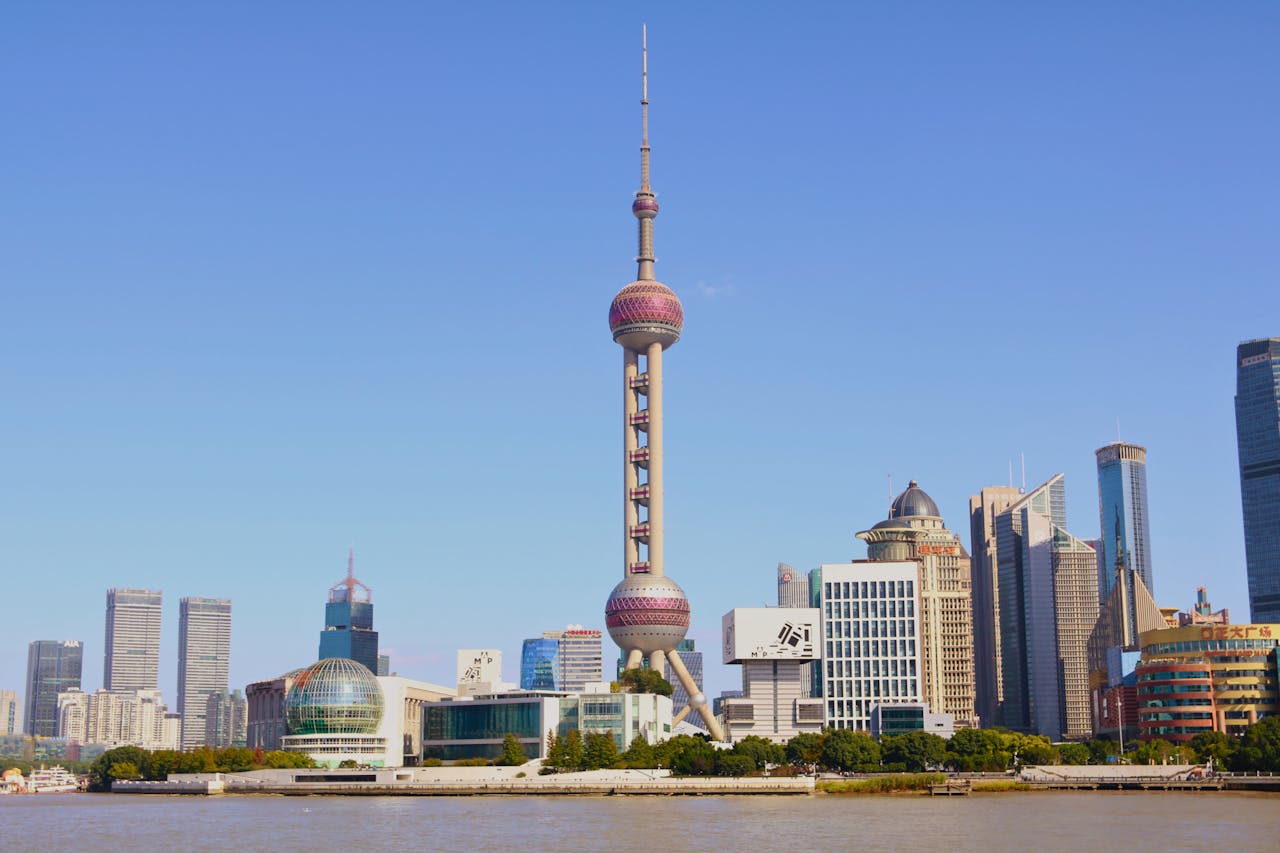
Shanghai Tower stands third at 632 meters and is famous for its twisting form, a move that reduced wind loads and trimmed material demand compared with a conventional straight mass of similar height. Its double skin concept also helps energy performance while protecting occupied zones from harsh exterior conditions.
The hidden engineering risk is system coupling: when structure, façade, mechanical services, and vertical transport are this interdependent, small faults can cascade into large operational pain. A supertall can remain structurally safe yet lose efficiency, comfort, and uptime if integration is not constantly tuned.
Makkah Royal Clock Tower, Mecca, Saudi Arabia (601 m / 1,972 ft)
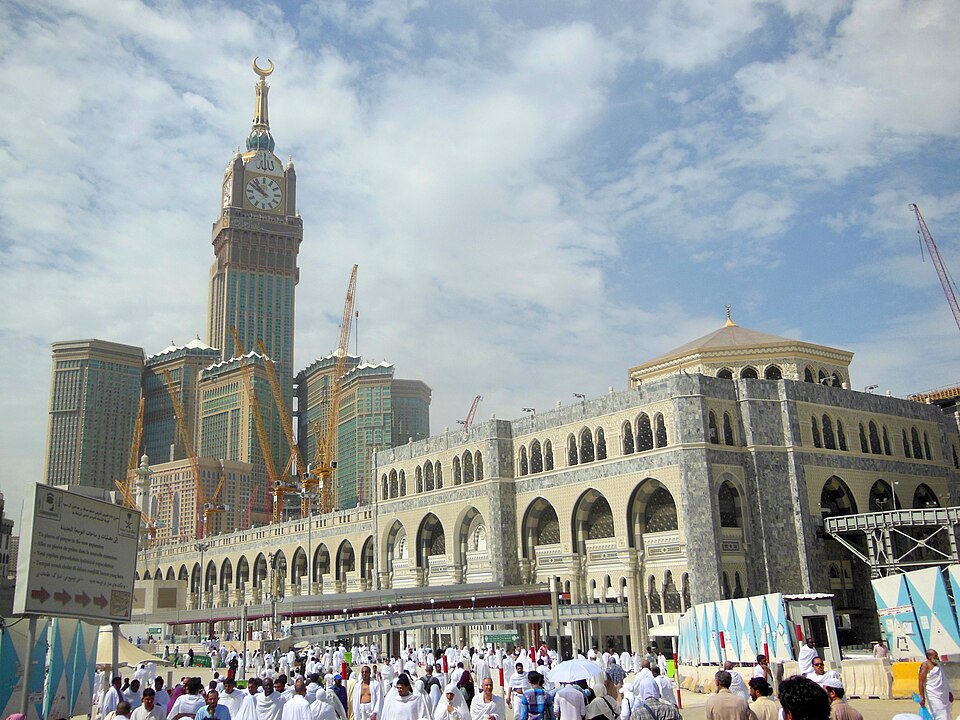
The Abraj Al Bait Clock Tower in Mecca ranks fourth at 601 meters and anchors one of the most intensely used mixed use vertical complexes on Earth. Beyond height, its engineering challenge is occupancy rhythm, with religious travel cycles creating sudden surges that stress circulation systems, lobbies, elevators, and life safety planning daily.
The hidden risk here is not a single structural weakness but peak load choreography. When people movement, service logistics, and emergency routes overlap at scale, timing becomes a safety variable. In towers like this, operations engineering is as important as concrete and steel.
Ping An International Finance Center, Shenzhen, China (599.1 m / 1,966 ft)
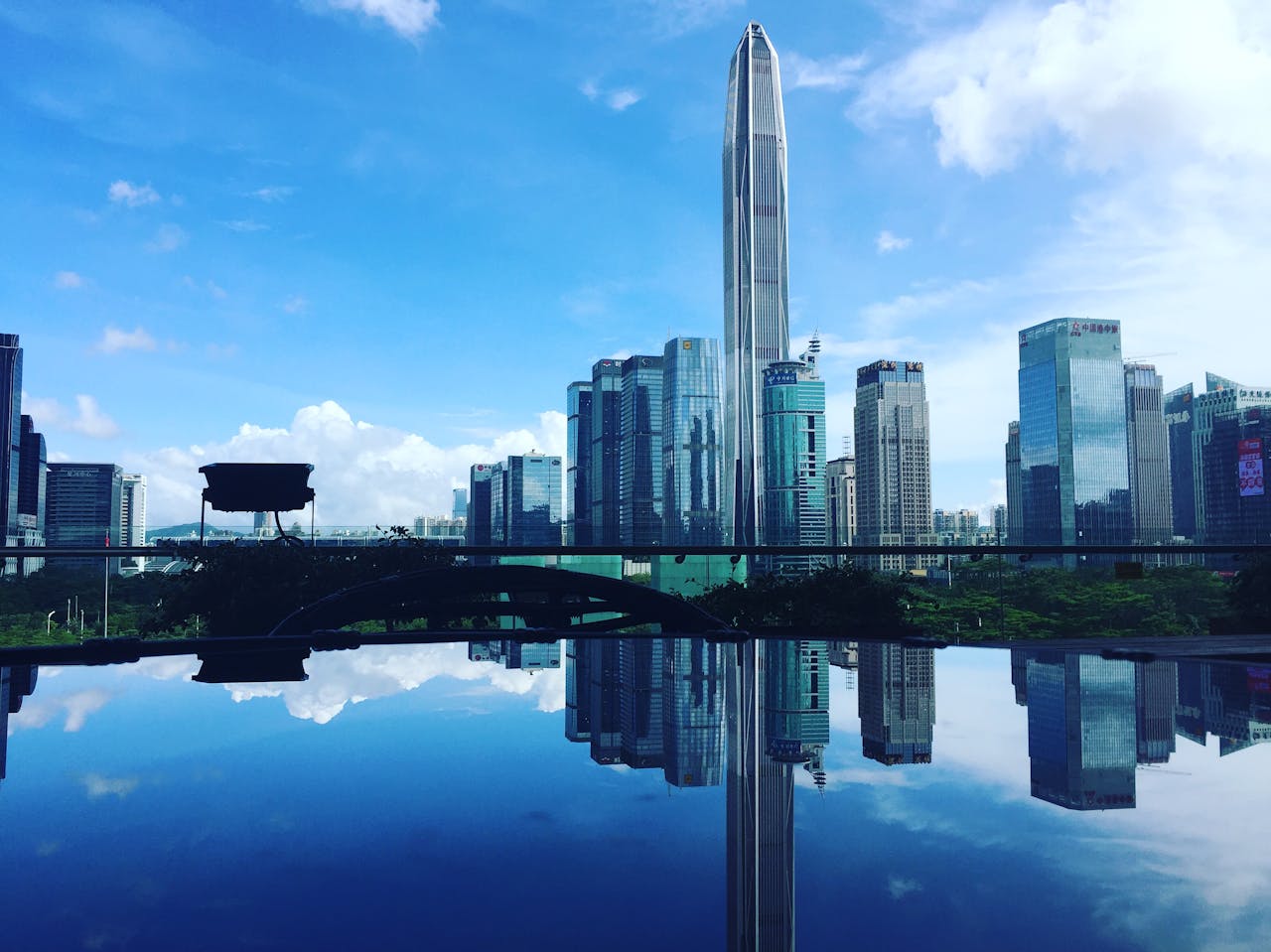
Ping An International Finance Center in Shenzhen ranks fifth at 599.1 meters and is among the tallest office towers in the world. Its slender profile and high occupancy intensity force designers to balance rentable floor area against core space for elevators, refuge, structure, and fire protected circulation.
The hidden risk is vertical transportation bottlenecks that quietly erode safety margins during abnormal events. As height rises, elevator zoning and evacuation logic become design drivers, not afterthoughts. A tower may look efficient on paper but still fail its real test if movement systems cannot absorb shocks in demand.
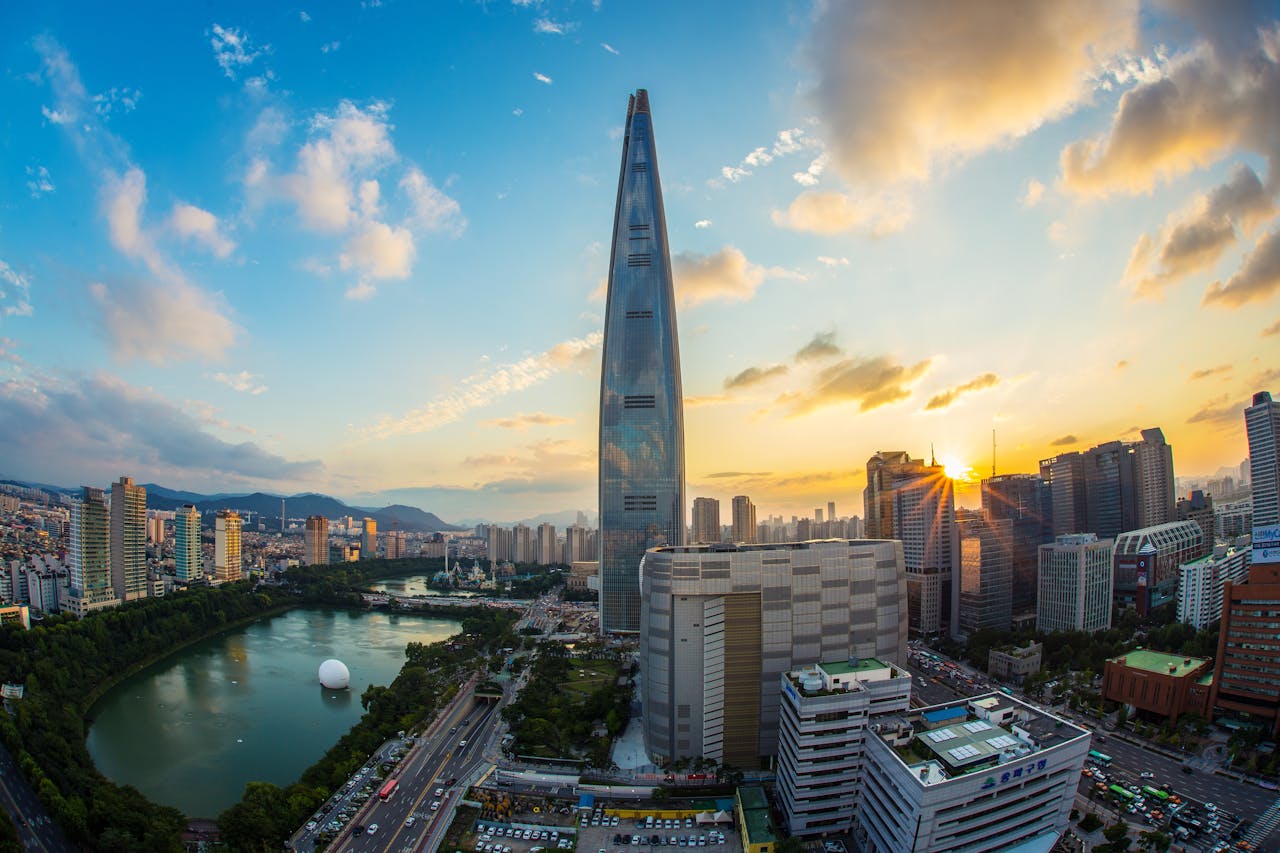
Lotte World Tower, Seoul, South Korea (554.5 m / 1,819 ft)
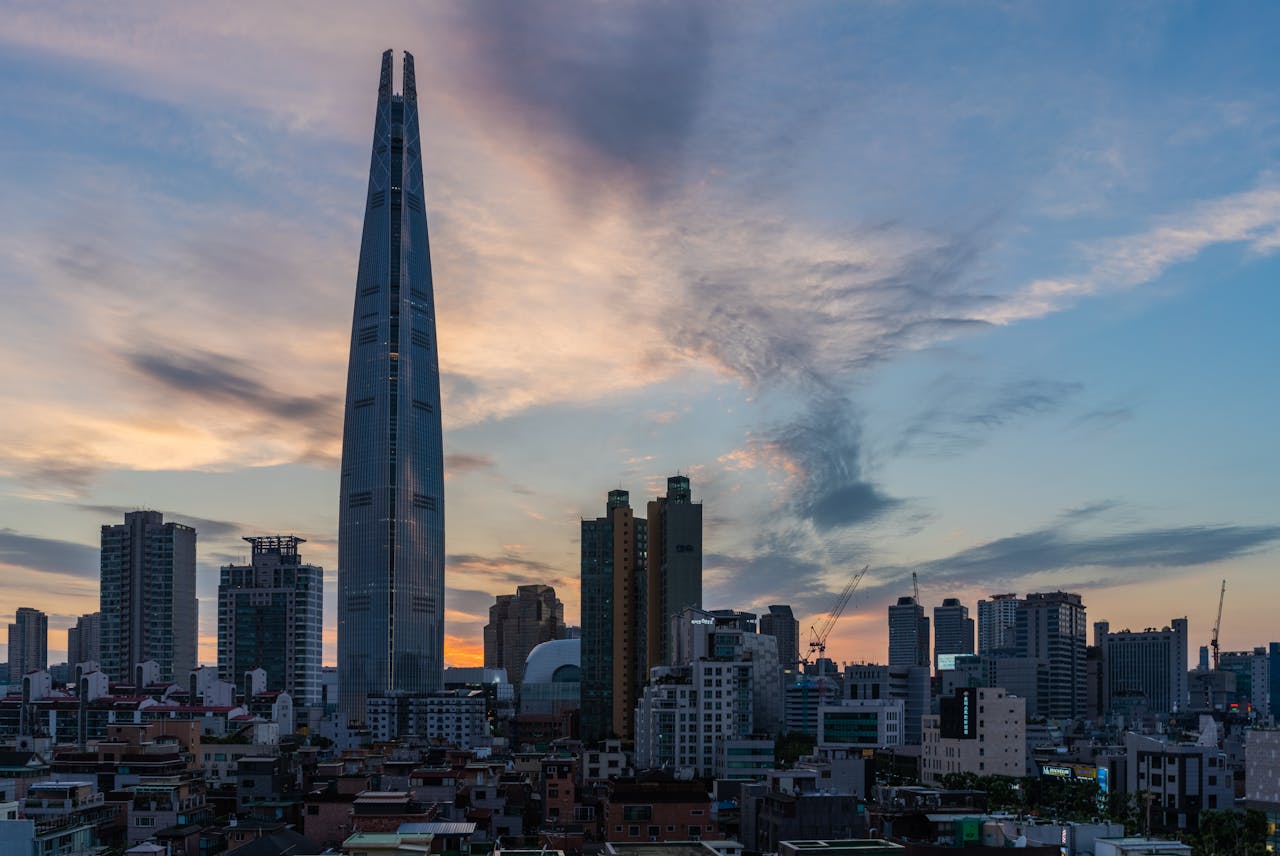
Lotte World Tower in Seoul ranks sixth at 554.5 meters, with a mega column and outrigger system built for major lateral loads. Its engineering narrative is shaped by dual exposure: strong wind behavior linked to supertall form and regional seismic expectations that require resilient detailing across the full height.
The hidden risk is not merely resistance to one extreme event, but performance under repeated moderate actions over years. Connections, damping behavior, and nonstructural components must retain function after cycles of motion. Long term resilience is won through inspection discipline, not only headline design capacity.
One World Trade Center, New York City, USA (541.3 m / 1,776 ft)
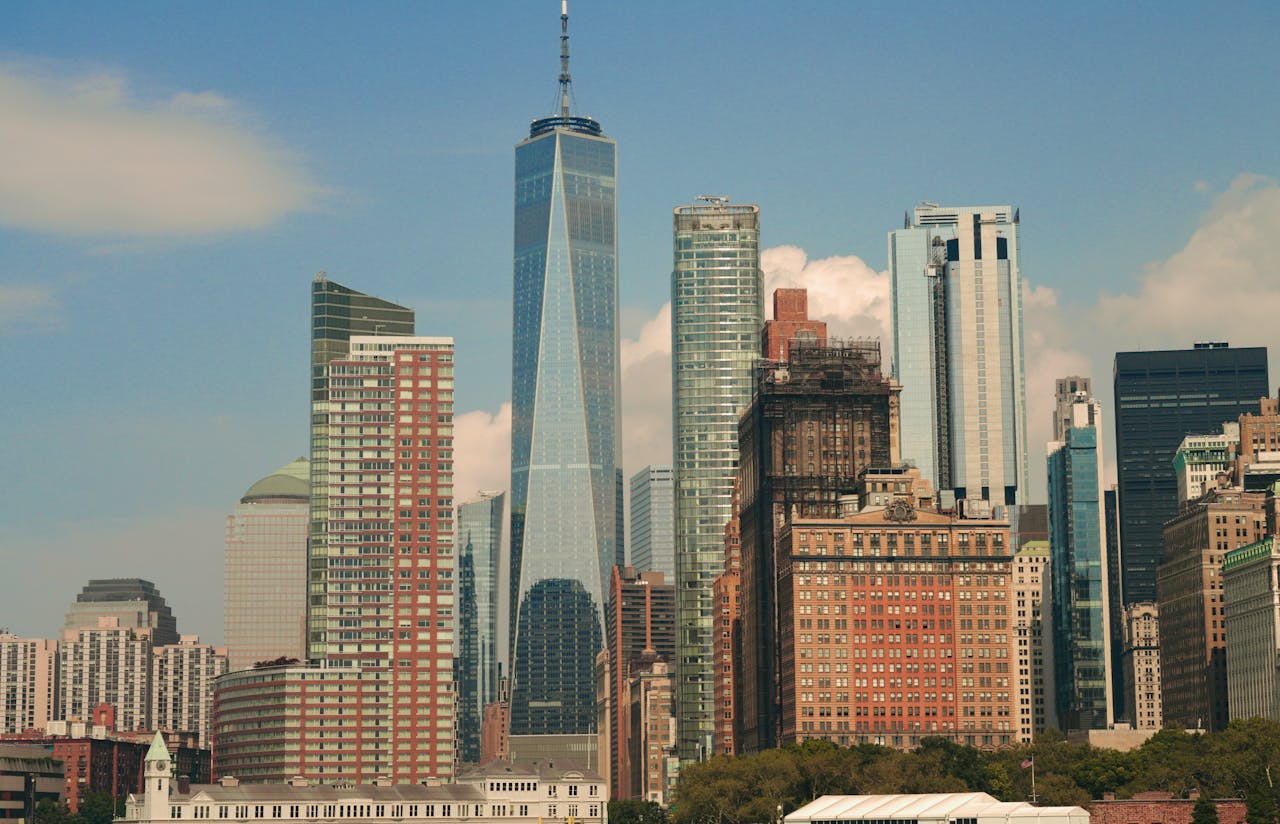
One World Trade Center in New York ranks seventh at 541.3 meters and carries meaning beyond metrics. Its post 9/11 design integrated enhanced life safety features, including hardened core strategies, protected egress, and provisions that reflect revised thinking about emergency access in very tall buildings.
The hidden engineering risk in towers of this class is complacency after code compliance. Fire systems, stair pressurization, communications, and response coordination only work if maintained and drilled continuously. Safety is less a one time design achievement and more a live contract between building teams and occupants.
Guangzhou CTF Finance Centre, Guangzhou, China (530 m / 1,740 ft)
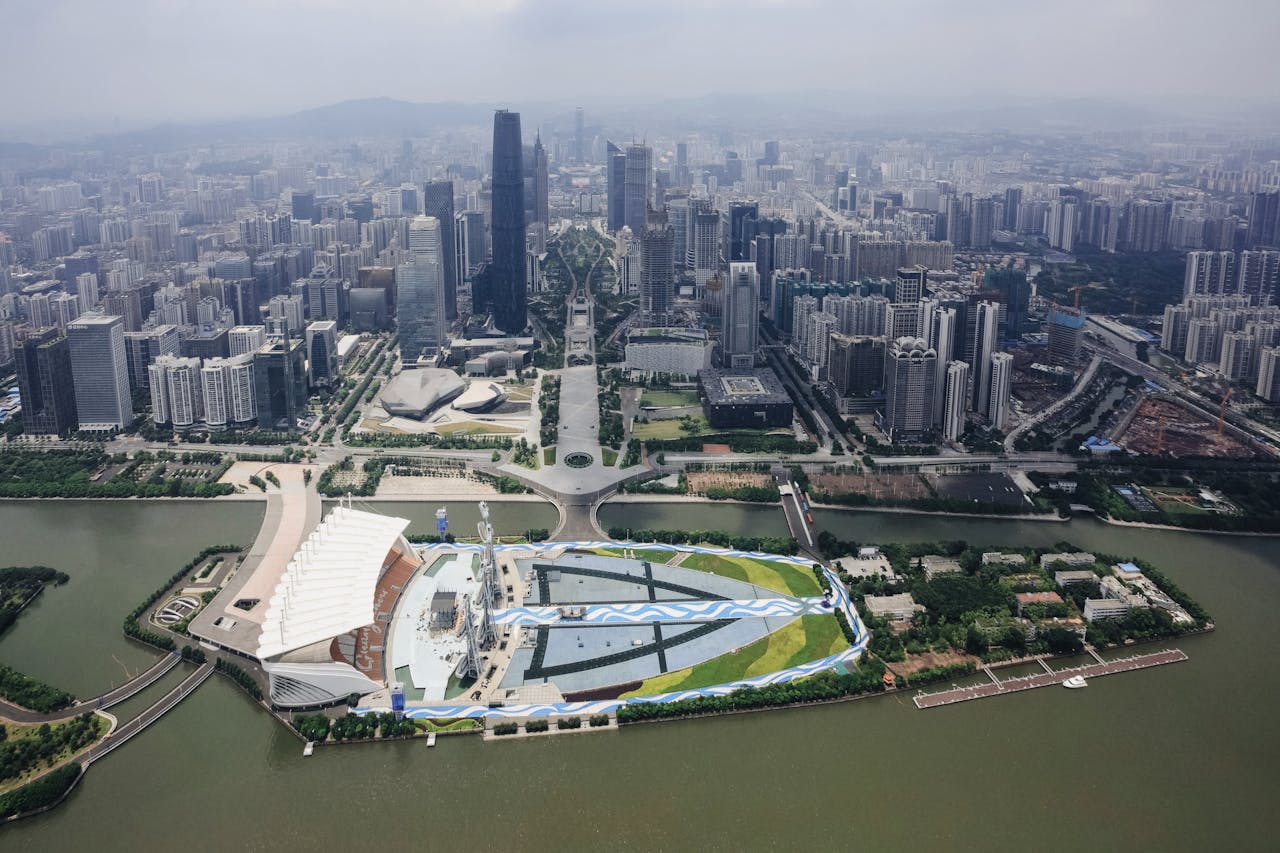
Guangzhou CTF Finance Centre stands eighth at 530 meters, tied in height with Tianjin CTF but distinct in program mix and urban context. Like many supertalls, it combines offices, hotel, and other uses, so structural, mechanical, and egress strategies must perform across very different occupancy patterns.
The hidden risk comes from transition zones where one use hands off to another. Pressure control, smoke compartmentation, and elevator logic can become vulnerable at these boundaries. When mixed use complexity is underestimated, disruptions appear first as inconvenience, then as safety exposure during peak or emergency conditions.
Tianjin CTF Finance Center, Tianjin, China (530 m / 1,740 ft)
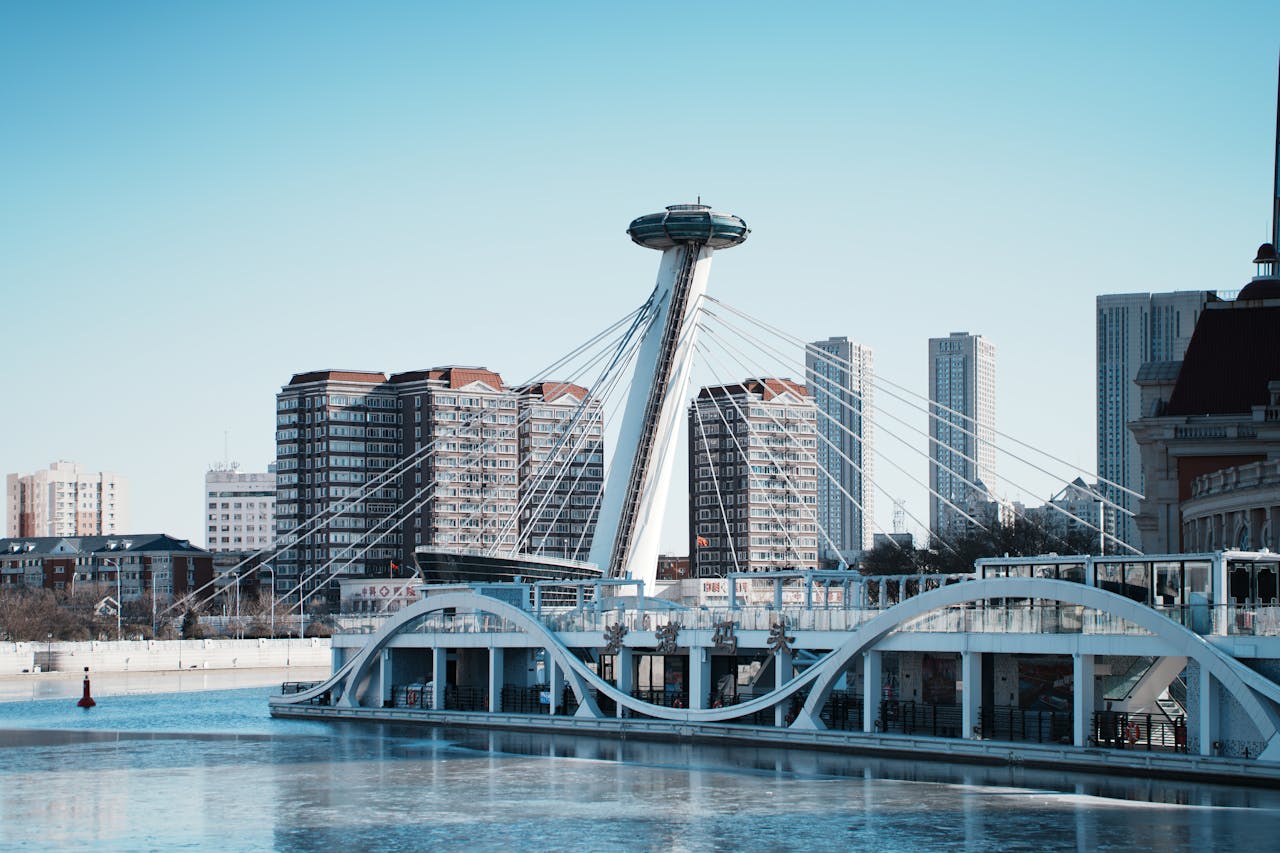
Tianjin CTF Finance Center is also 530 meters, ranking ninth by order in this sequence and notable for its aerodynamic shaping to reduce wind demand. Curved form is not visual theater alone; in supertall design it can lower structural stress, improve comfort, and reduce the burden on damping systems.
The hidden risk is calibration drift between predicted and real behavior once the tower is occupied. Wind climate, interior fit out mass, and mechanical changes can alter dynamic response over time. Continuous measurement and periodic retuning are essential, because supertall performance is a moving target rather than a fixed state.
China Zun, Beijing, China (527.7 m / 1,731 ft)
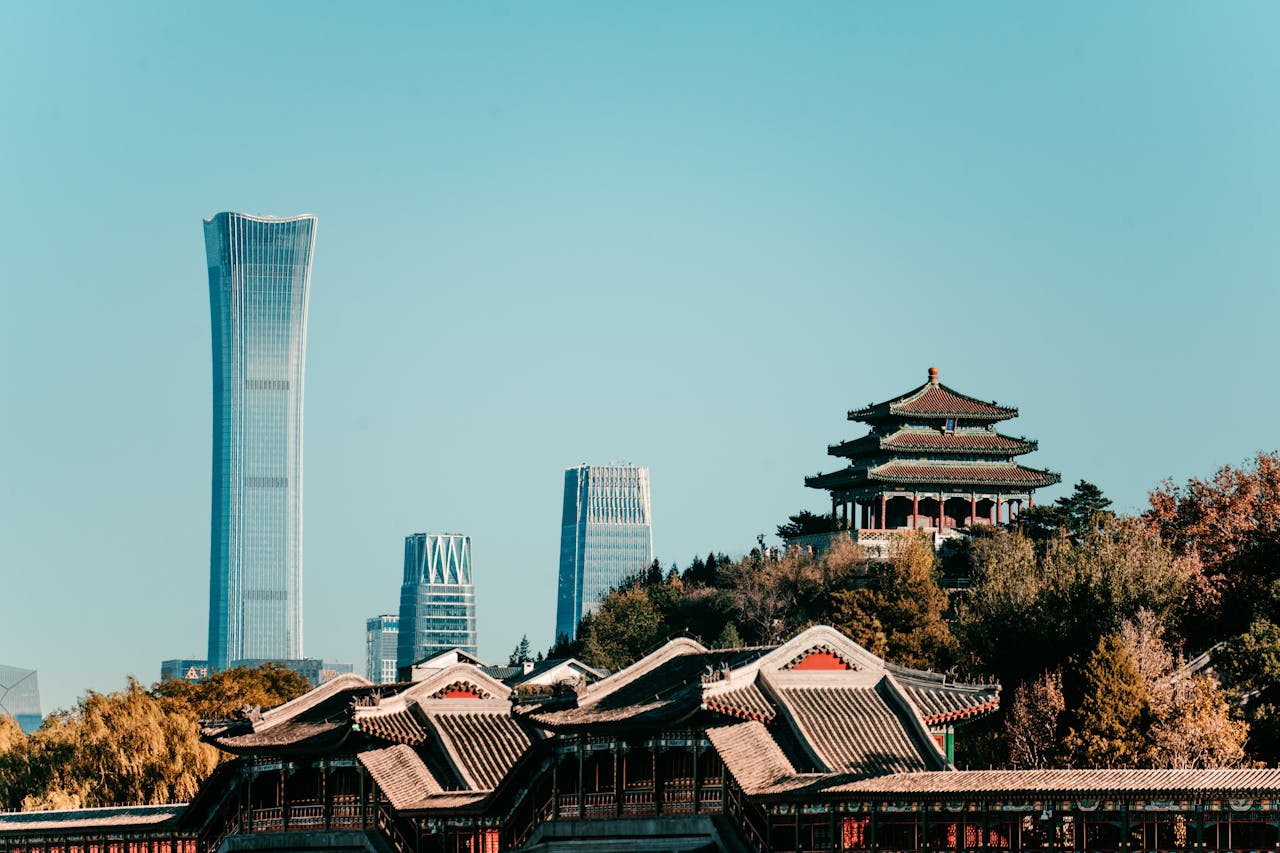
CITIC Tower, widely called China Zun, ranks 10th at 527.7 meters and brings a culturally rooted silhouette into a modern structural frame. Its widening and narrowing profile draws from ritual vessel geometry, but that elegance demands exacting load paths and transfer behavior.
The hidden risk lies in geometric transitions, where force flow and movement compatibility become less forgiving than in a simple prism. Differential vertical shortening between core and perimeter systems can accumulate and affect cladding alignment or interior tolerances. Careful prediction, staged construction, and adjustment planning are essential.
Taipei 101, Taipei, Taiwan (508 m / 1,667 ft)
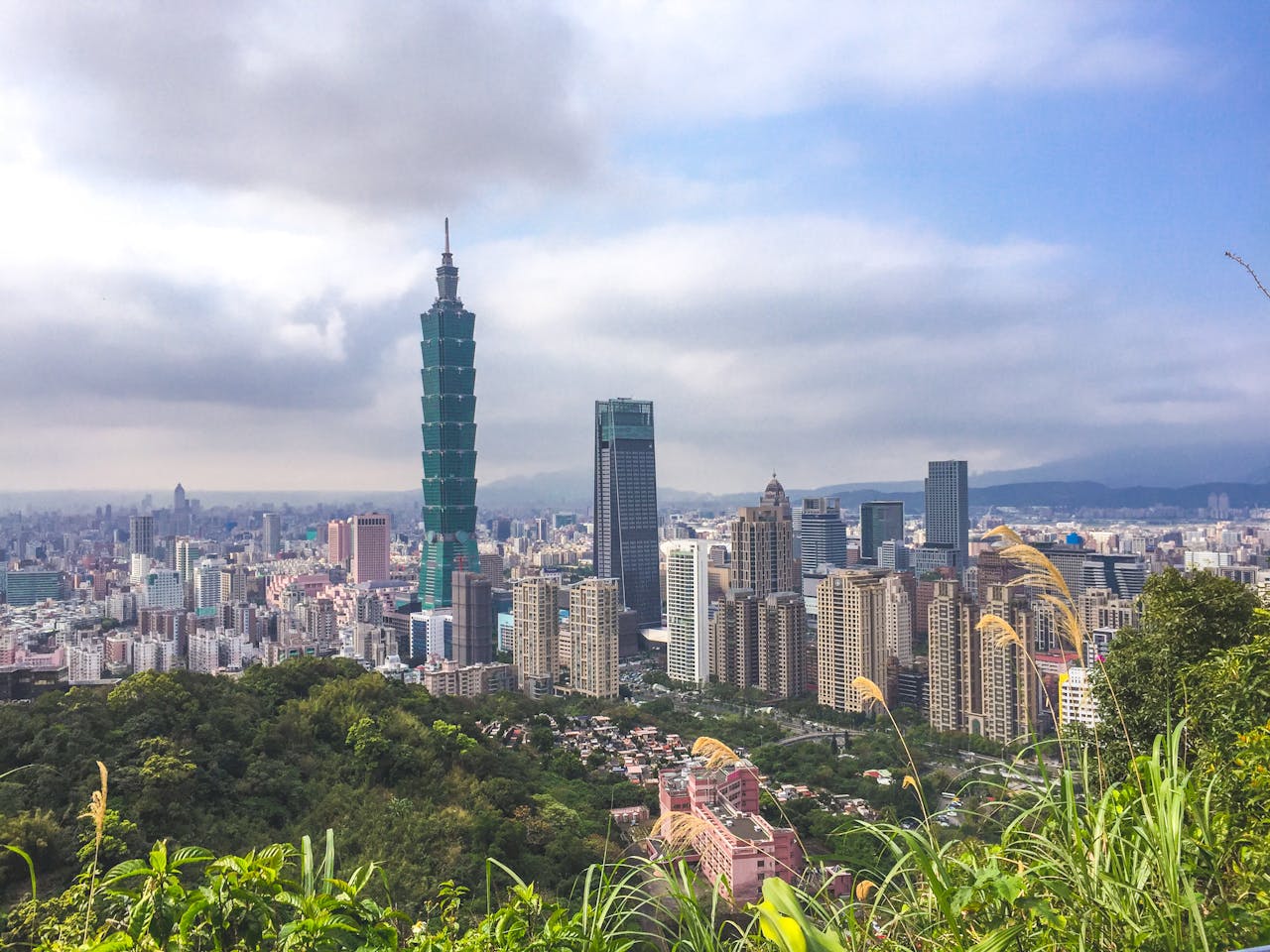
Taipei 101 ranks 11th at 508 meters and remains a defining case study in wind and seismic response. Its famous 660 metric ton tuned mass damper, suspended high in the tower, helps control movement under typhoon winds and improves occupant comfort during extreme weather cycles.
The hidden risk is often misunderstood as a one device solution. Dampers, structural framing, and operational limits must work together, and each depends on monitoring and maintenance discipline. In very tall buildings, resilience is a systems problem, where visible technology matters less than invisible coordination over the building’s full life.
Shanghai World Financial Center, Shanghai, China (492 m / 1,614 ft)
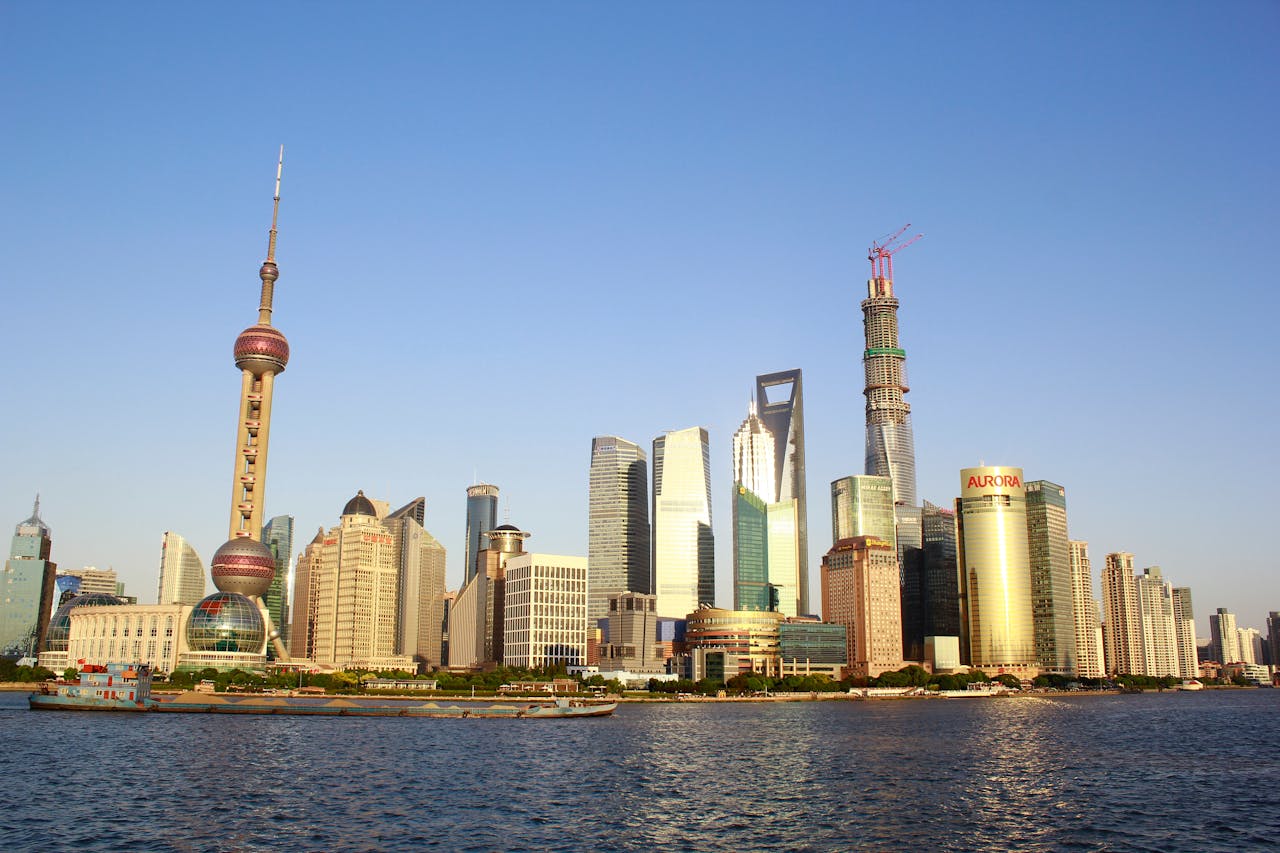
Shanghai World Financial Center ranks 12th at 492 meters and is recognized by its trapezoidal aperture near the crown. That opening is often treated as iconography, yet it also supports aerodynamic intent by reducing wind pressure effects at upper elevations where forces intensify.
The hidden risk in legacy supertalls is not always original design quality, but modernization pressure over time. Retrofits for energy, controls, and tenant expectations can introduce new interface stresses across old systems. Strong asset management keeps a mature giant performing like a contemporary one without compromising safety margins.
International Commerce Centre, Hong Kong, China (484 m / 1,588 ft)
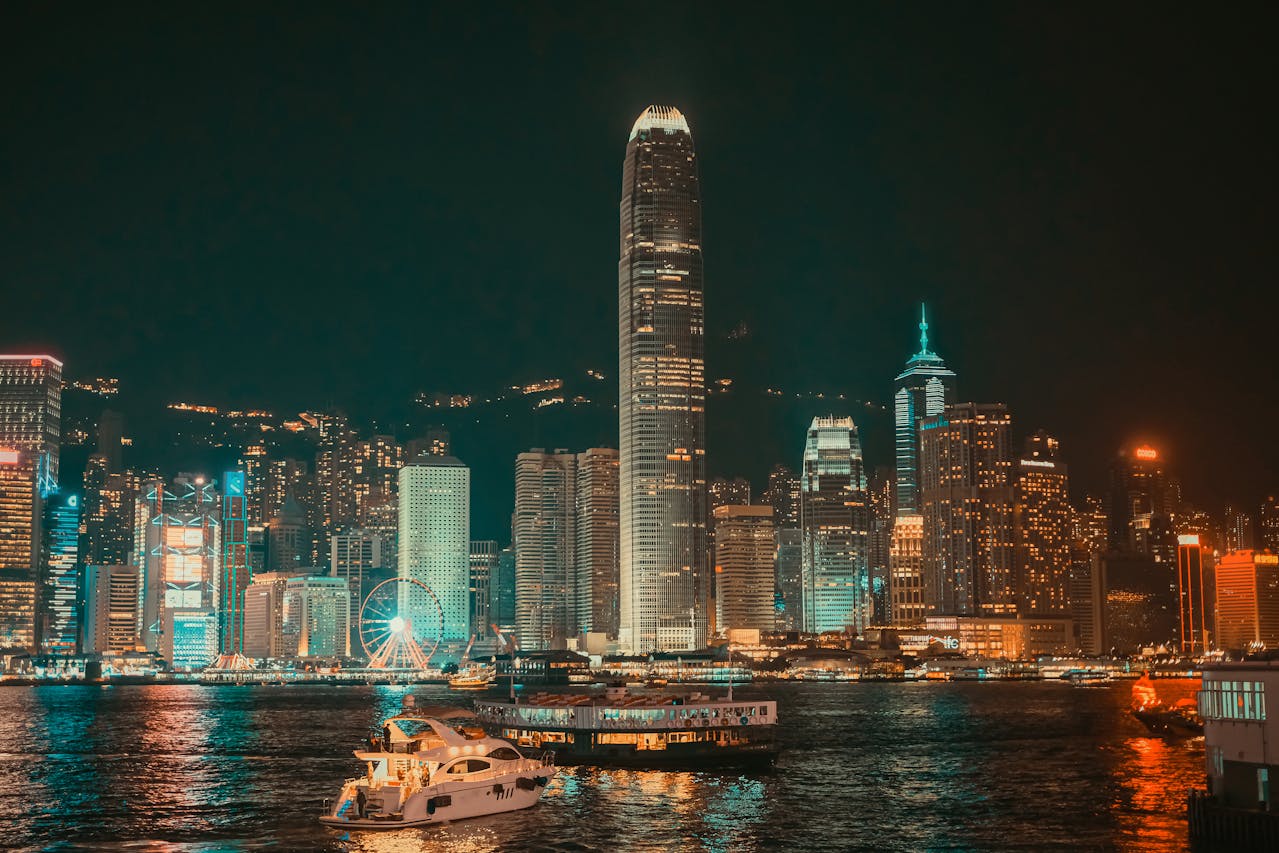
International Commerce Centre in Hong Kong ranks 13th at 484 meters and stands in a dense coastal city where wind, humidity, and salt exposure shape maintenance strategy as much as structural design. Its mixed use stack requires coordination between hospitality, office, and observation operations.
The hidden risk is lifecycle corrosion and envelope wear in marine air, especially at height where access is complex and downtime is expensive. In towers like ICC, engineering success depends on relentless upkeep culture. The skyline impression is immediate, but durability is earned slowly, inspection by inspection, year after year.