Lake Mead’s latest danger signal did not come from a dramatic flood or sudden closure. It came from wind, timing, and a reservoir already operating with less margin than it once had. A government advisory warned that ordinary recreation conditions could turn hazardous within hours, especially for smaller boats crossing exposed water.
Behind that short-term warning sits a longer story of falling buffers, shifting shorelines, and high-stakes negotiations over post-2026 river rules. What appears to be a single weather alert now reflects a broader reality across the Southwest: safety risk and water-management risk are tightening into the same daily challenge.
1. The Advisory Marked a Real Shift in Risk
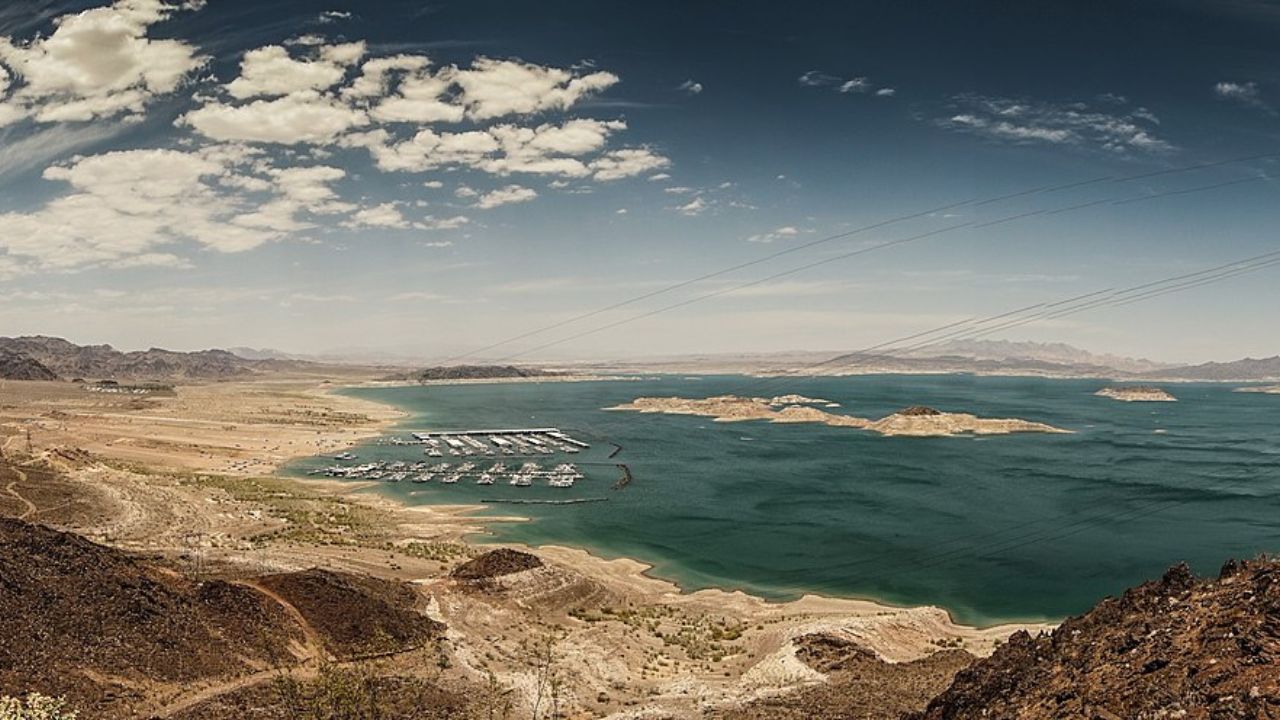
The National Weather Service issued a Lake Wind Advisory for Lake Mead and Lake Mohave on Feb. 10, 2026, shifting the lake from ordinary boating weather into a higher-risk period by late morning. The alert covered Hoover Dam, Mohave Valley, Bullhead City, Laughlin, and Oatman, showing that exposure stretched across the area.
Forecasters called for south winds of 15 to 25 mph, gusts up to 35 mph, and one- to three-foot waves. On open water, that mix can build quickly and reduce control for smaller vessels. The warning described these conditions as hazardous for small craft, where a late decision to turn back can become the day’s biggest error.
2. Fast-Building Waves Create Decisions Under Pressure
Lake Mead can look manageable near shore while rougher water builds across open reaches, a pattern that catches even experienced operators off guard. During wind advisories, long stretches of exposed water allow waves to stack quickly, so small boats face repeated side hits and slower response time when turning back toward launch points.
Risk in that setup is not just wave height. It is also lost maneuvering room, higher fuel burn while pushing into chop, and narrower channels that feel rougher as swell reflects off rock walls. That is why forecasters urge close weather checks and early plan changes, before whitecaps spread across the basin.
3. Roads Near the Lake Carry Their Own Hazard Layer
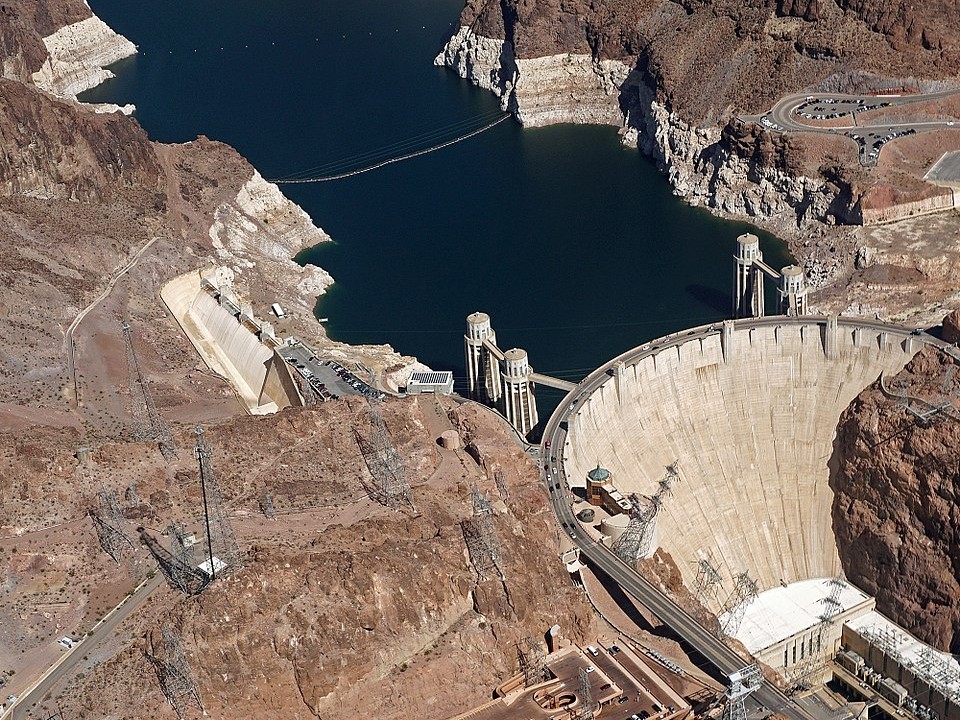
The same advisory that warned boaters also warned drivers. NWS stated that gusts this strong can make travel difficult for high-profile vehicles, a practical concern around Hoover Dam approaches and open roads near the lake where crosswinds arrive with little shielding from terrain.
That crossover matters because safety at Lake Mead is not divided into neat categories of land or water. A family towing a boat can face risk before launch, during transit, and again at retrieval when afternoon winds peak. Treating the warning as a corridor alert, not only a boating alert, is often what keeps trouble from becoming a chain of bigger problems.
4. Lake Mead Is Operating with a Thin Water Cushion
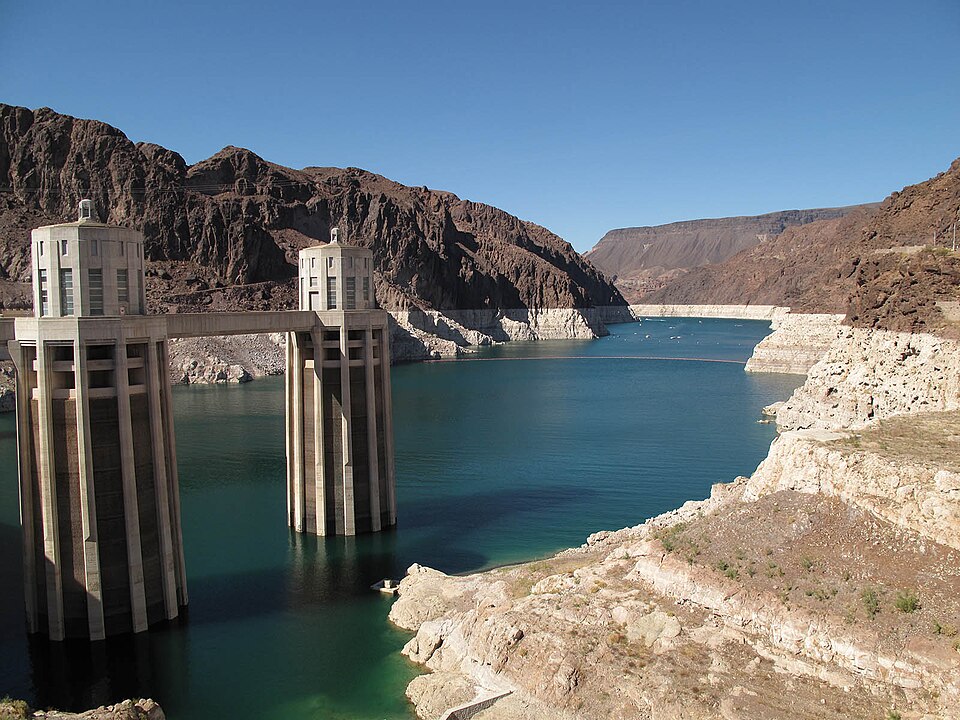
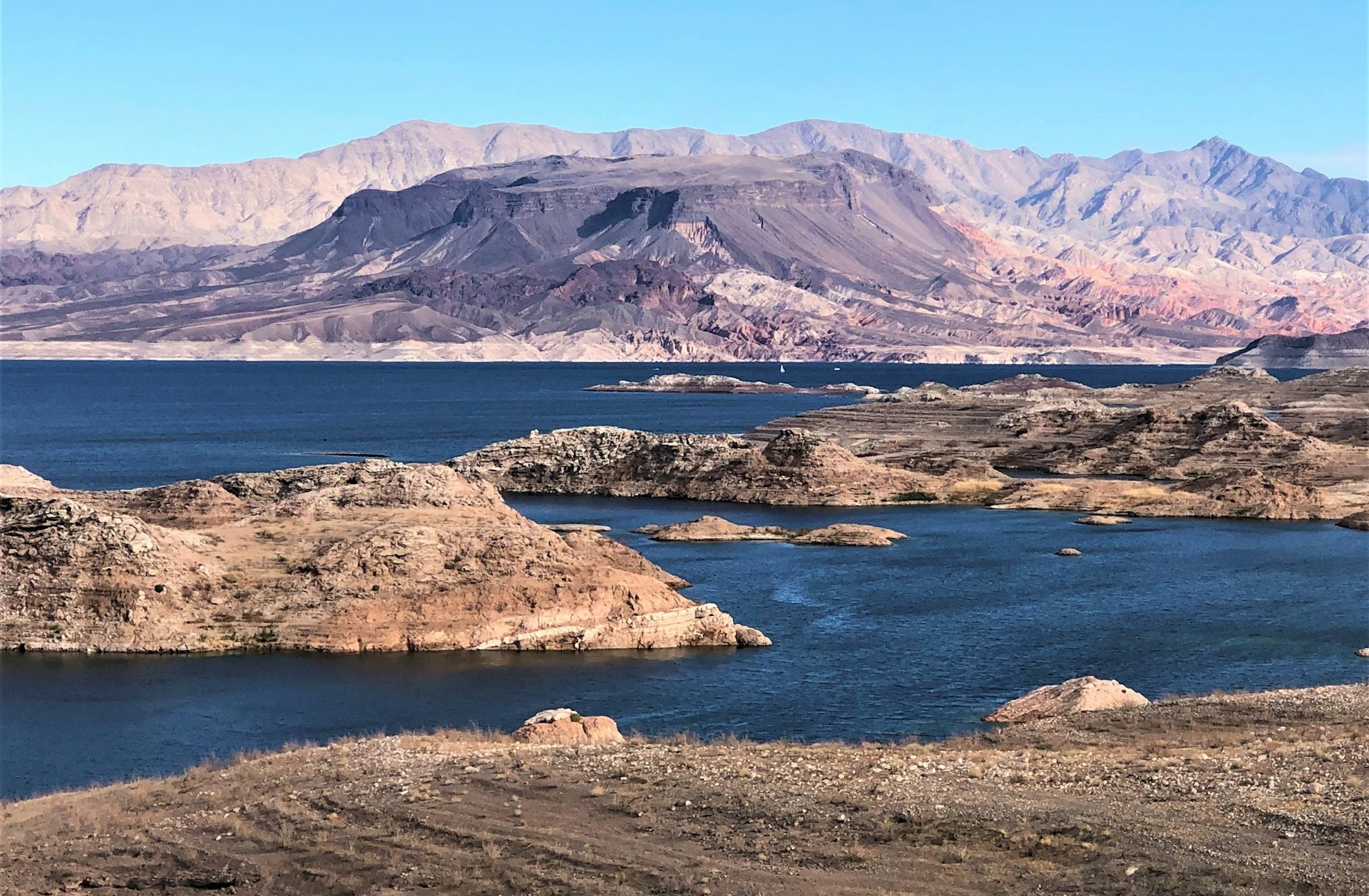
Reclamation’s weekly update placed Lake Mead at elevation 1,065.91 feet and 8,878 thousand acre-feet in storage, about 34 percent full as of Feb. 8, 2026. The lake is operating, but with much less buffer than past decades when ramps and response systems were planned around higher and steadier water.
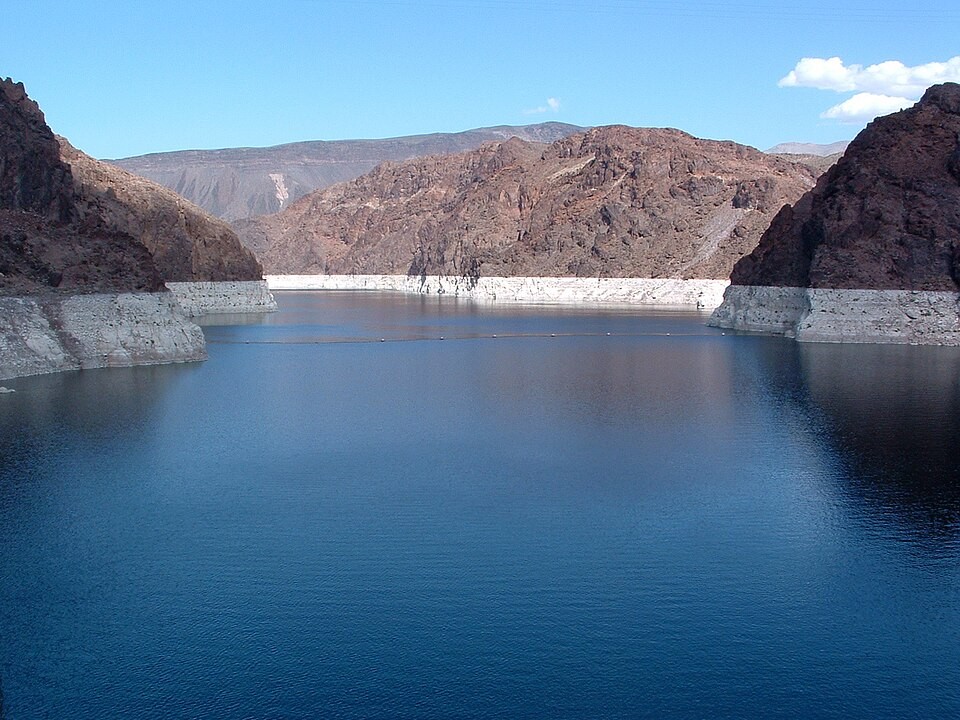
Compared with the high-water line of 1,229 feet, current levels sit more than 160 feet lower than full. That gap changes launch geometry and shoreline navigation, because terrain that once stayed submerged now shapes daily operations. For crews and visitors alike, low water has become the standing condition rather than the exception.
5. Recovery Since 2022 Has Been Real but Unstable
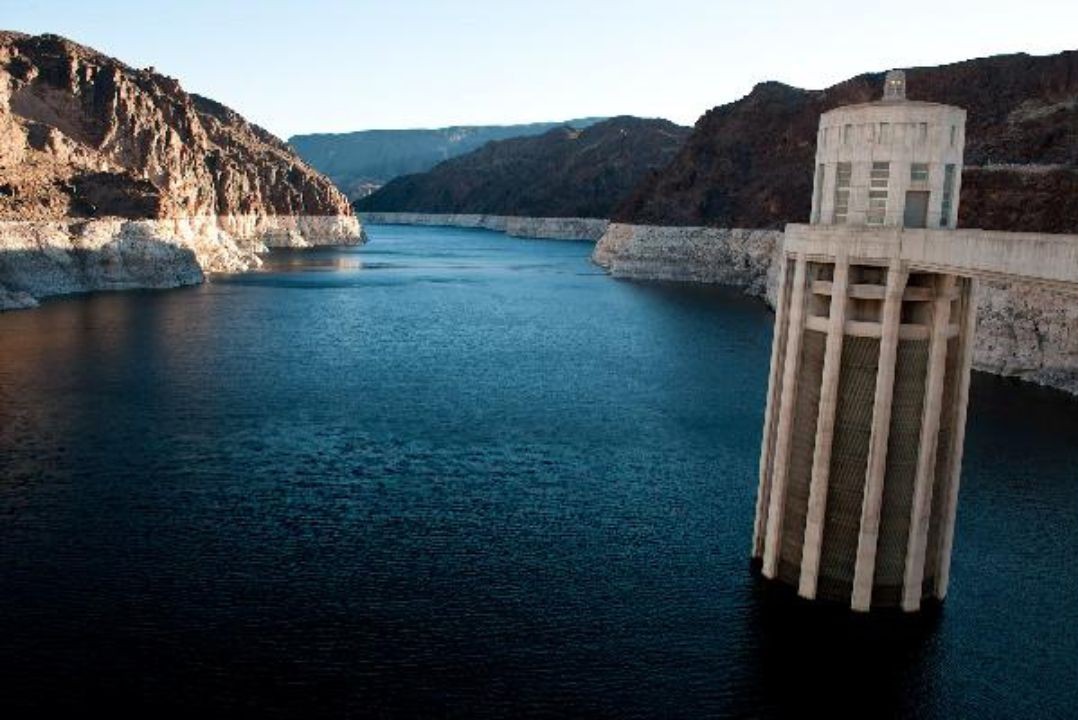
Lake Mead has recovered from its 2022 plunge, but the historical table shows how narrow that recovery band remains. End-of-month elevation fell to 1,040.92 feet in July 2022, then climbed through 2023 and reached 1,076.52 feet in Feb. 2024 before slipping again. By Jan. 2026, the figure stood at 1,065.37 feet.
That pattern tells a clear story: one better runoff season can lift the lake, but sustained heat and dry inflows can quickly erase gains. The reservoir is no longer following an old rhythm of predictable refill and drawdown. It now moves through sharper swings, where relief years exist, yet stability remains temporary.
6. Infrastructure Was Built for Higher Elevations
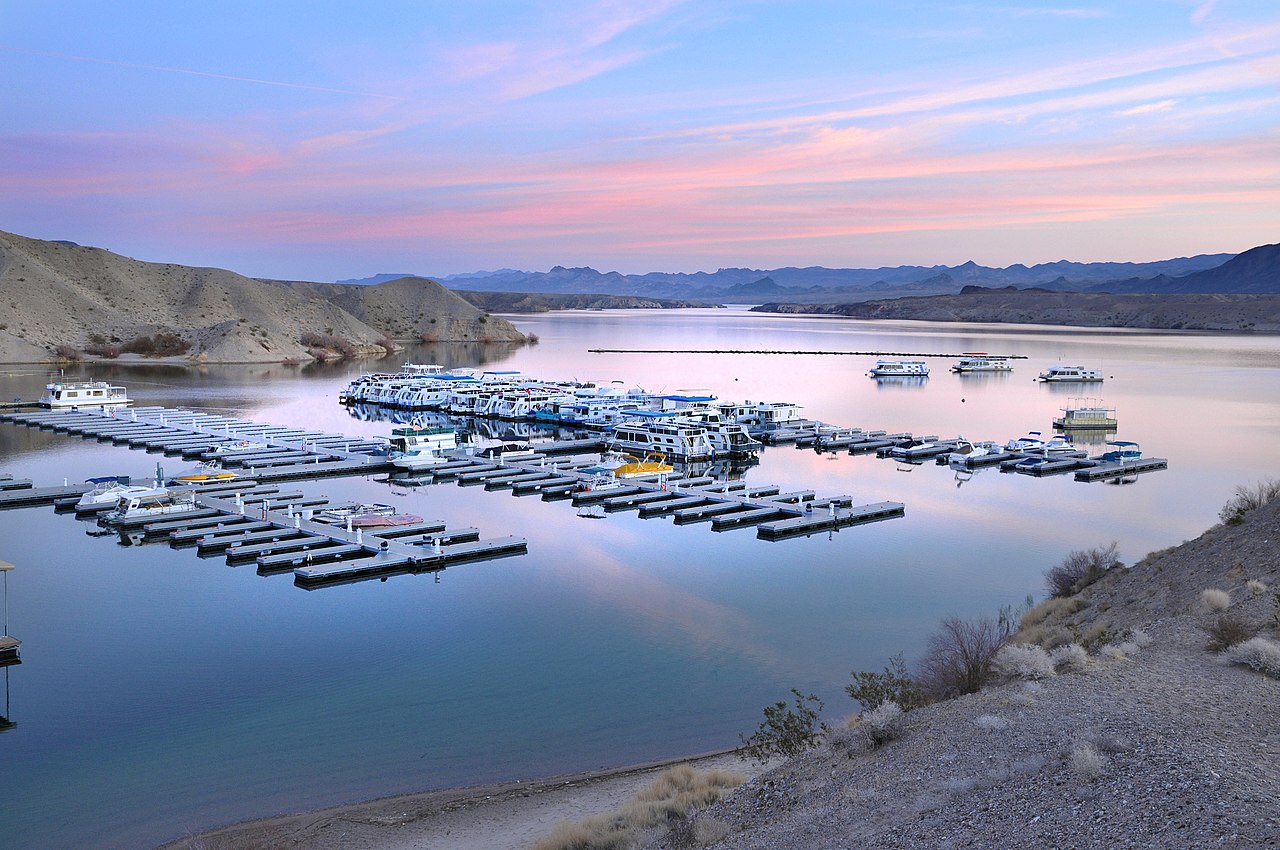
NPS says declining lake levels have reshaped shorelines and made ramp extensions harder and more expensive as water recedes. The agency also notes that much of the park’s infrastructure was built to run best when Lake Mead sat between 1,180 and 1,220 feet, a range far above current elevations.
That design gap explains why access updates change so often. Visitors are urged to check launch status, review current elevation data, and expect delays or modified ramp surfaces during low-water periods and windy weekends. What appears to be a routine convenience issue is, on the ground, an active safety and operations problem managed day by day.
7. 2026 Shortage Rules Are Already in Effect
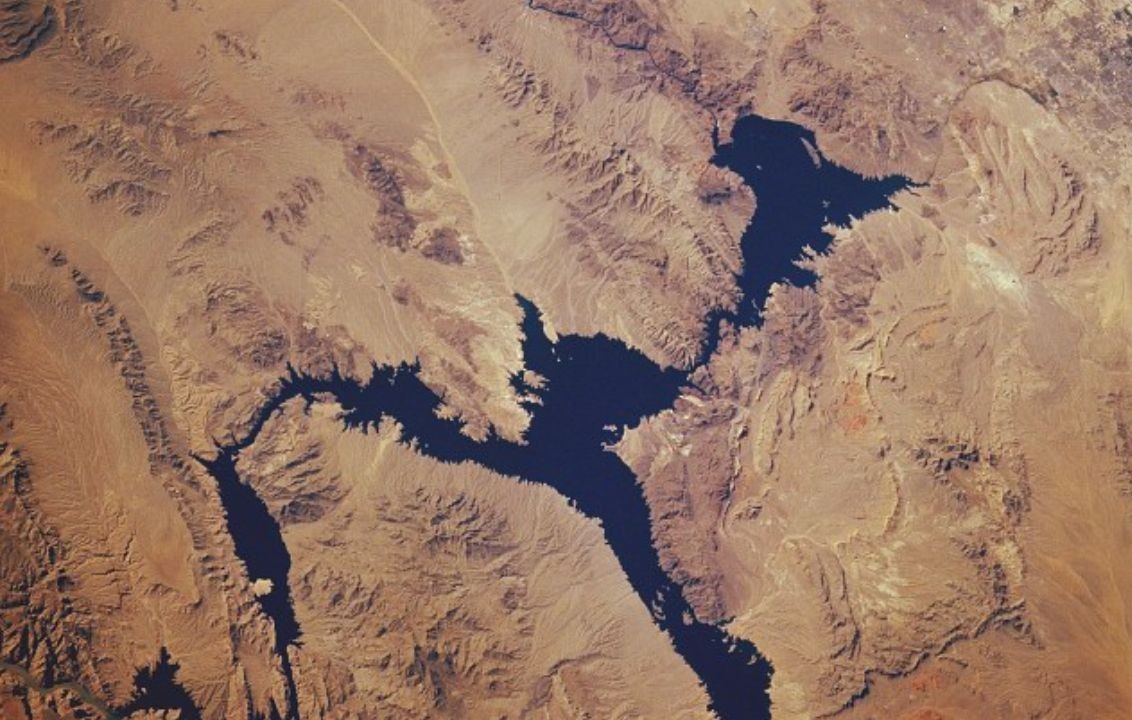
Allocation pressure is already built into 2026 operations. Reclamation projected Lake Mead in a Level 1 Shortage Condition, with an expected elevation of 1,055.88 feet, and set required contributions of 512,000 acre-feet from Arizona, 21,000 acre-feet from Nevada, and 80,000 acre-feet from Mexico under the current framework.
Those are not symbolic numbers. They influence city planning, farm decisions, and political debate across the basin. When the lake trends down, even modestly, attention shifts fast from recreation risk to system reliability, because millions of residents and major regional economies depend on this single storage hub.
8. The Operating Rulebook Expires at the End of 2026
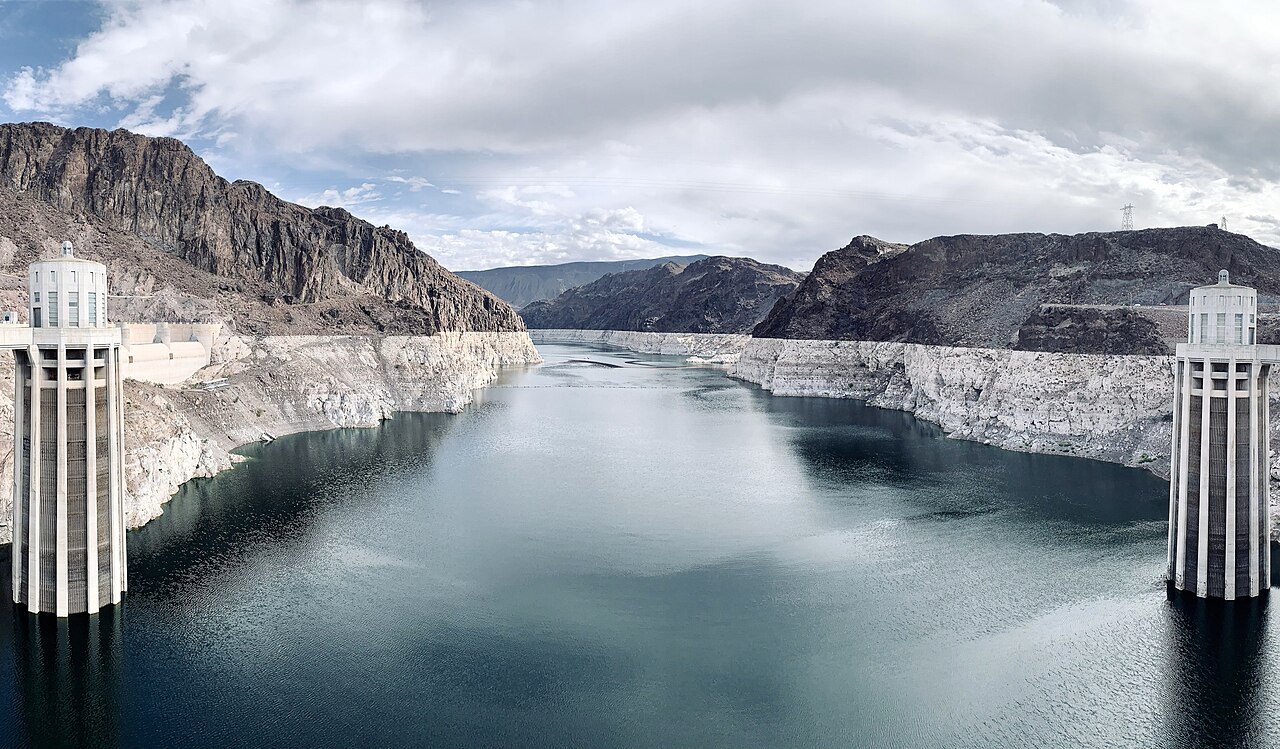
The policy clock now matters as much as the hydrology chart. Reclamation says key operating documents, including the 2007 Interim Guidelines and 2019 drought contingency plans, expire at the end of 2026. That deadline forces new rules to be negotiated while reservoir conditions remain volatile.
On Jan. 9, 2026, Reclamation released the Post-2026 Draft EIS, with a formal comment period from Jan. 16 to March 2 and virtual public meetings in late January and early February. The process is technical, but the stakes are practical: future Lake Powell releases and Lake Mead operations will shape risk, access, and water certainty for years.
9. Why One Wind Warning Now Feels Much Bigger
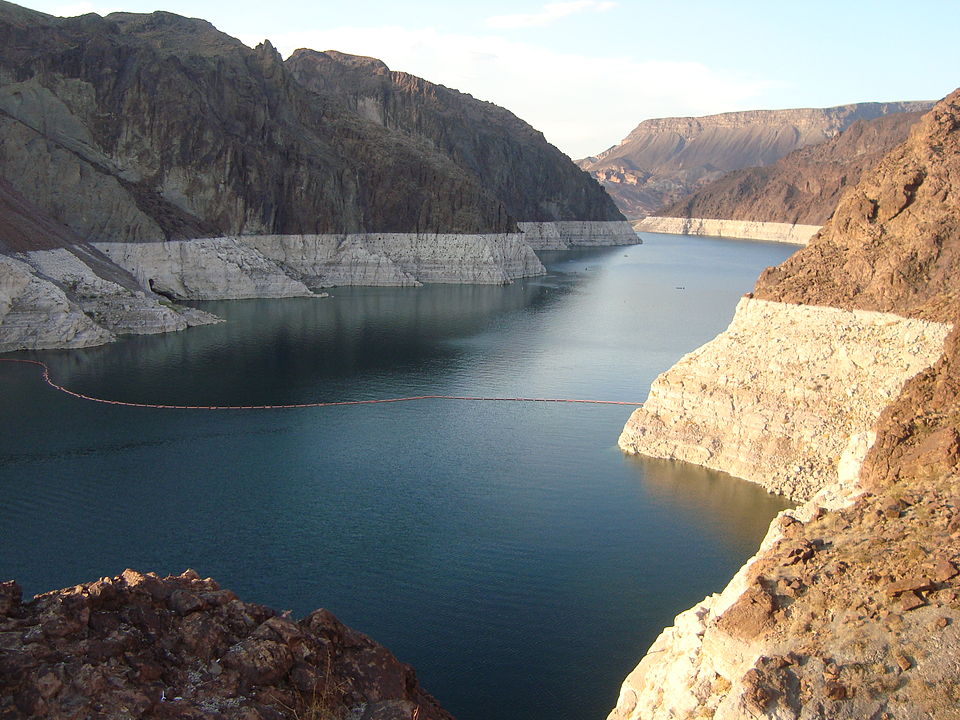
Current projections still show a tight operating window. Reclamation’s weekly report listed an end-of-2026 projection near elevation 1,060.13, while August 2025 operations planning used an expected 1,055.88 under shortage conditions. Update timing can shift those figures, but both points sit deep in low-water territory.
That is why a wind advisory now feels bigger than weather. It arrives alongside low storage, moving shorelines, expensive infrastructure fixes, and an expiring interstate rulebook. Lake Mead remains open and active, yet each warning carries a second message: safety choices and water-governance choices are now tightly linked.