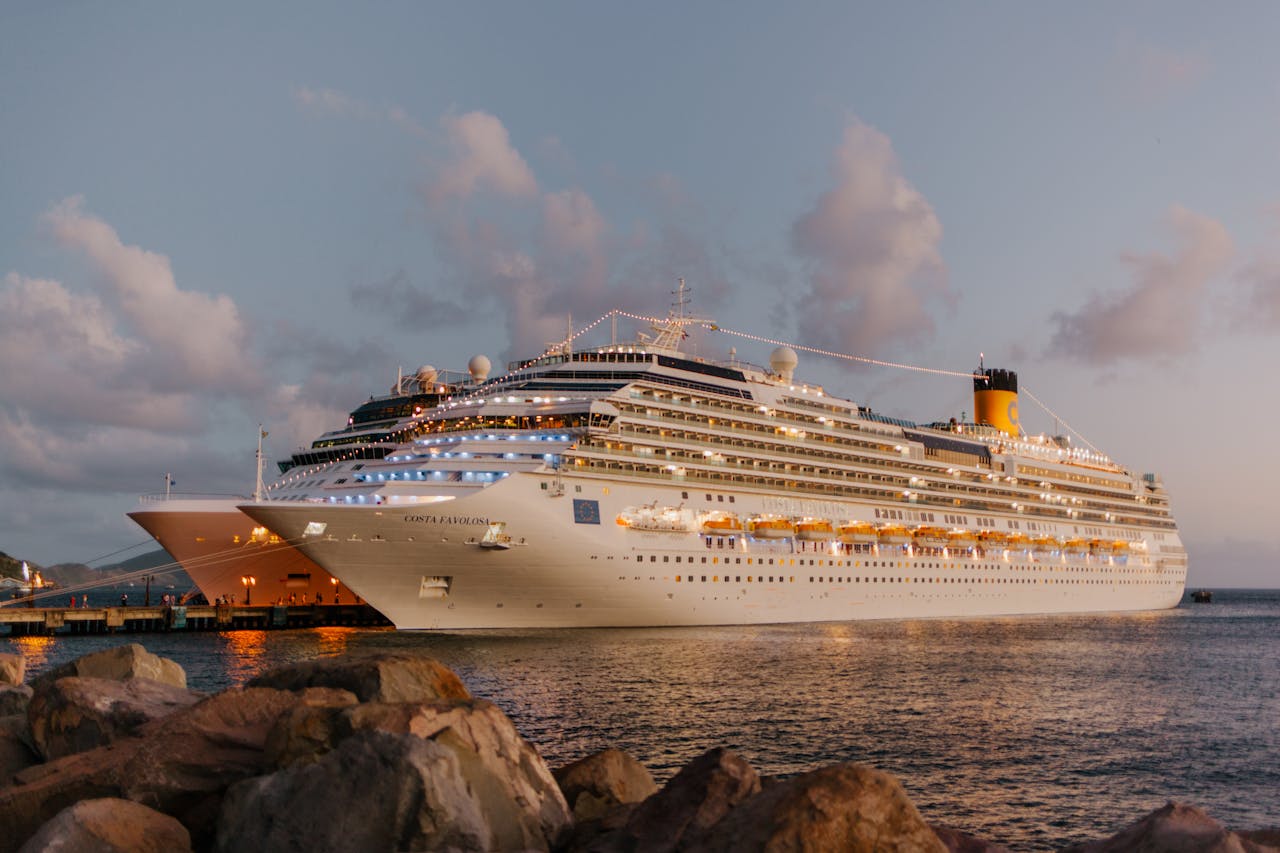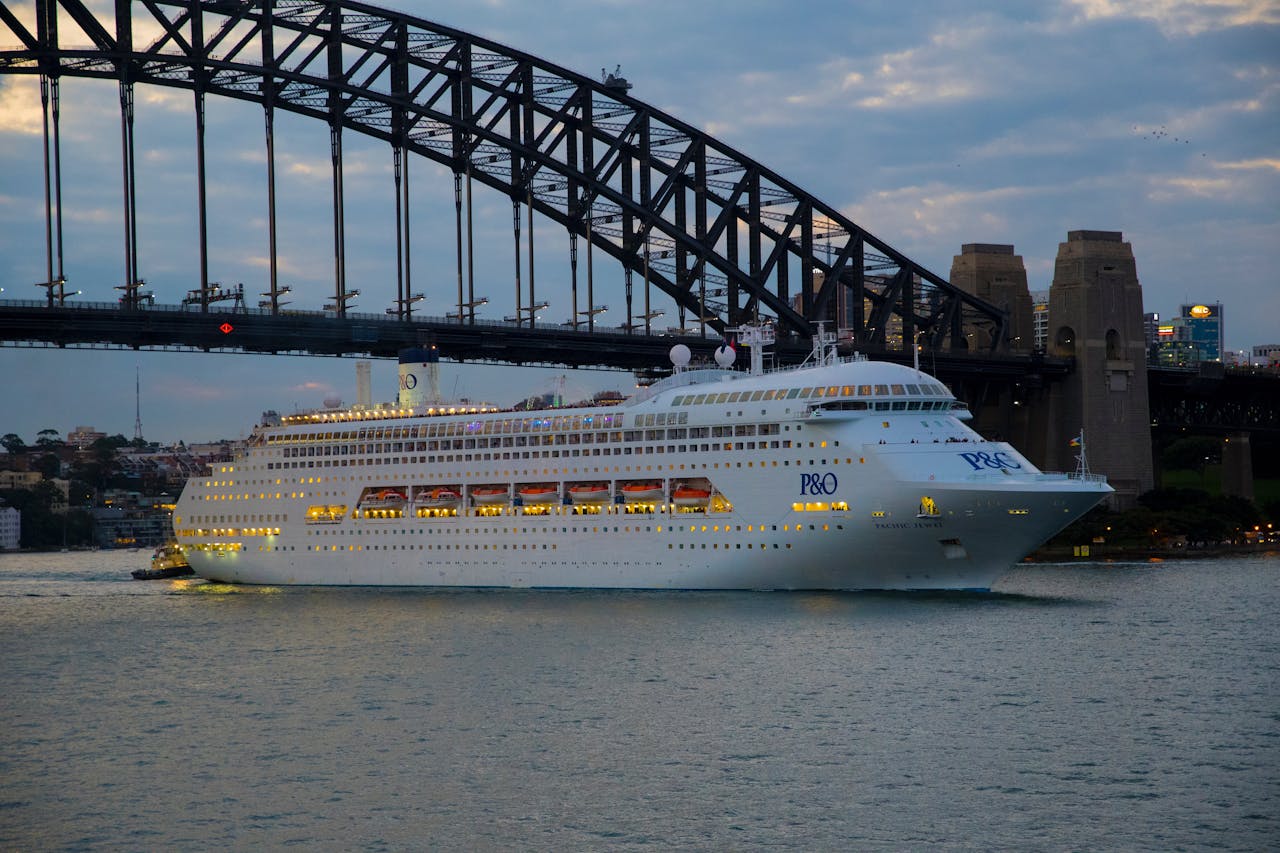
Cruise travel often makes sense when the journey itself needs to carry some of the emotional weight. At its best, a ship becomes hotel, restaurant, and night train folded into one moving backdrop. Families, solo travelers, and older guests can all find their own rhythm while the shoreline drifts past. In certain seasons of life, the calm of waking to a new horizon without repacking bags turns travel from a chore into a kind of reset, and that is when time at sea truly earns its place.
When Generations Share One Floating Home

A big cruise ship is one of the few places where three or four generations can share a trip without sharing every activity. Grandparents linger over long breakfasts or trivia, parents slip away to a wine bar or spa, and kids tear between pools, slides, and supervised clubs. No one has to host, cook, or drive, yet everyone sleeps under the same roof. In the evenings, they regroup over dinner and a show, comparing stories from the same day lived in very different ways. It eases strain,ok.
When The Destination Is Built For A Wake Trail
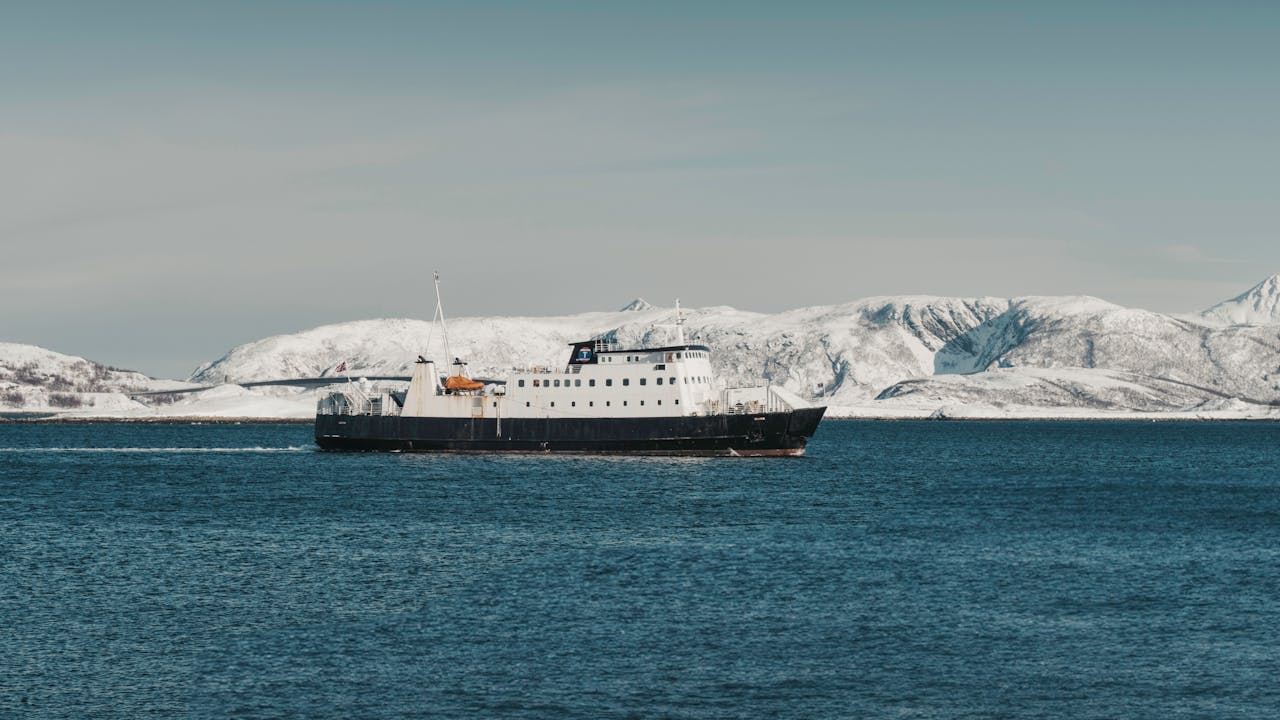
Some destinations reveal their character only from the water, not from a roadside overlook or airport gate. Sailing into an Alaskan fjord, watching glaciers glow blue and crack, or threading between tiny uninhabited islands creates a sense of scale that maps cannot deliver. Antarctica, the Norwegian coast, and parts of French Polynesia feel less like stops and more like moving panoramas. The ship is not just transport between ports; it becomes a mobile viewpoint that turns sea days into the main event. Even when big cities sit on the schedule, arriving by sea adds a slow reveal, from faint skyline to crowded harbor, so first steps ashore feel quietly earned Too.
When Flying Feels Like Too High A Price
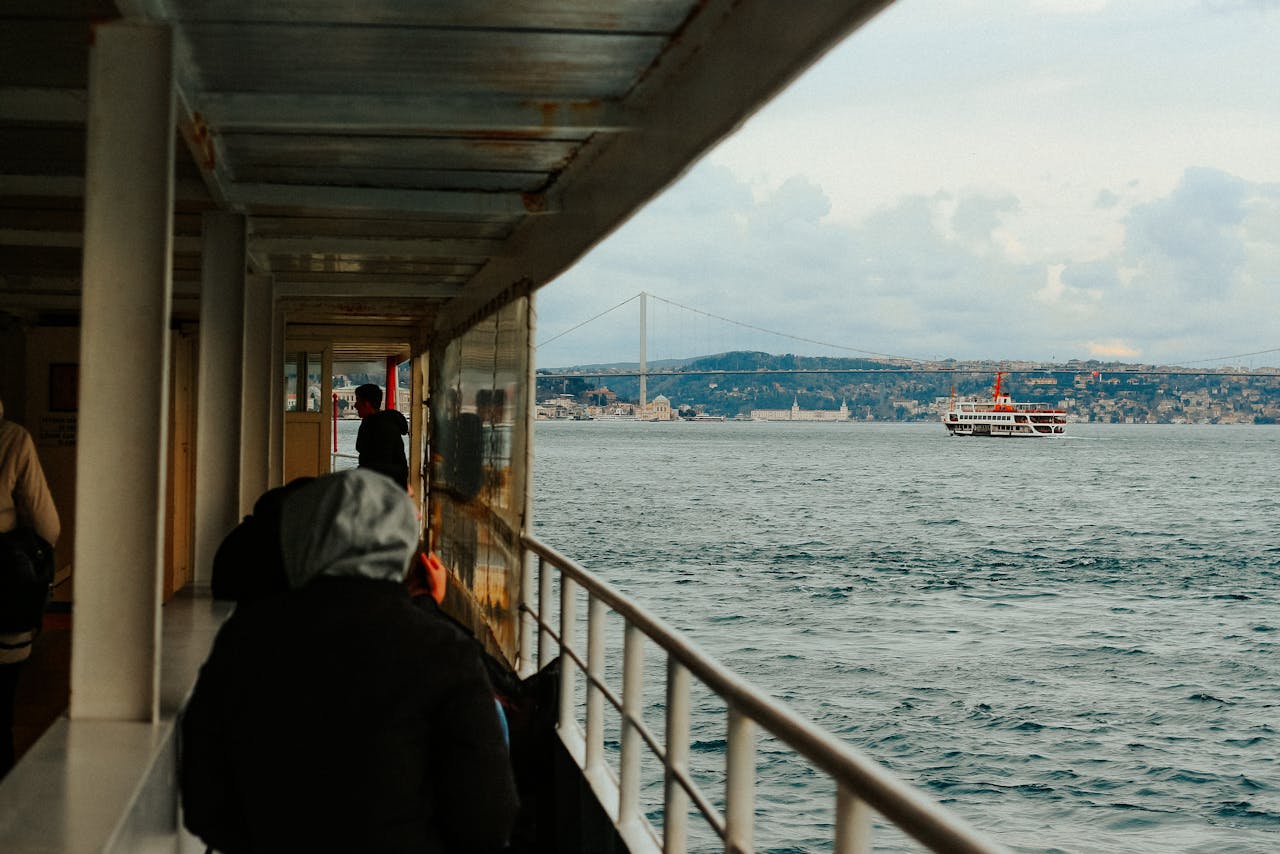
For travelers who dread long-haul flights or tight connections, a cruise crossing can feel like reclaiming the journey instead of enduring it. Days at sea between North America and Europe, or from the Pacific coast to Hawaii, replace jet lag with slow adjustment as clocks shift by an hour at a time, sunsets stretch, and routines settle. Repositioning cruises often price lower than regular sailings, turning the necessary move of a ship into an unusually relaxed, budget-friendly way to reach faraway regions. On board, music, pools, and quiet corners help anxious travelers settle, trading cramped seats and security lines for a rhythm shaped by meals and walks soon.
When A Mostly Inclusive Budget Matters
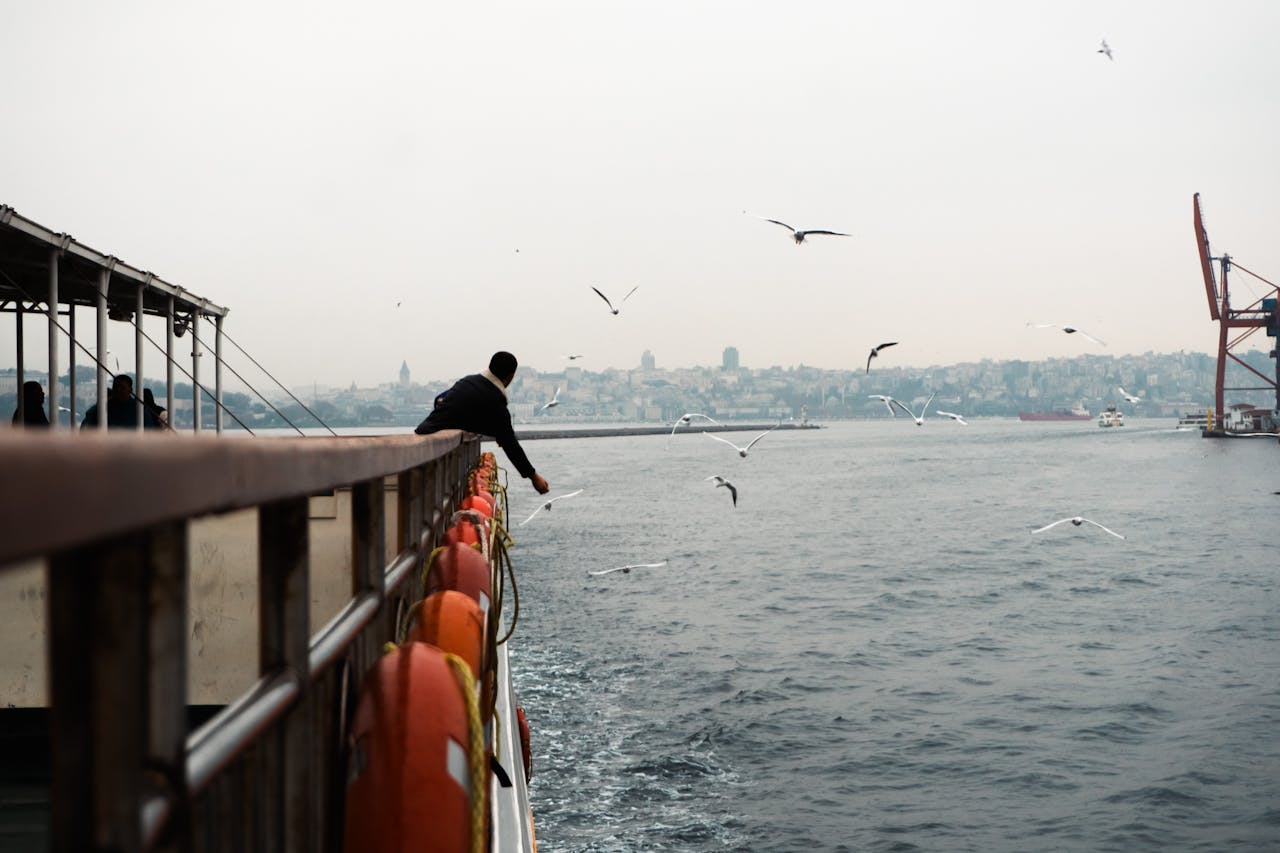
When money and mental energy are limited, a cruise can make costs feel more predictable than a string of hotels and flights. The fare usually covers the cabin, standard meals, entertainment, kids clubs, pools, and basic activities, which means a large part of the bill is settled before boarding. Guests who skip specialty dining, premium drinks, and constant shopping can enjoy full days with little extra spending. For families or groups, that clarity can reduce arguments and quiet the constant background math of every decision. It also suits travelers who feel overwhelmed by hotel rates, yet still want a mix of ports and sea days with minimal late night budgeting.
When Accessibility Shapes Every Decision
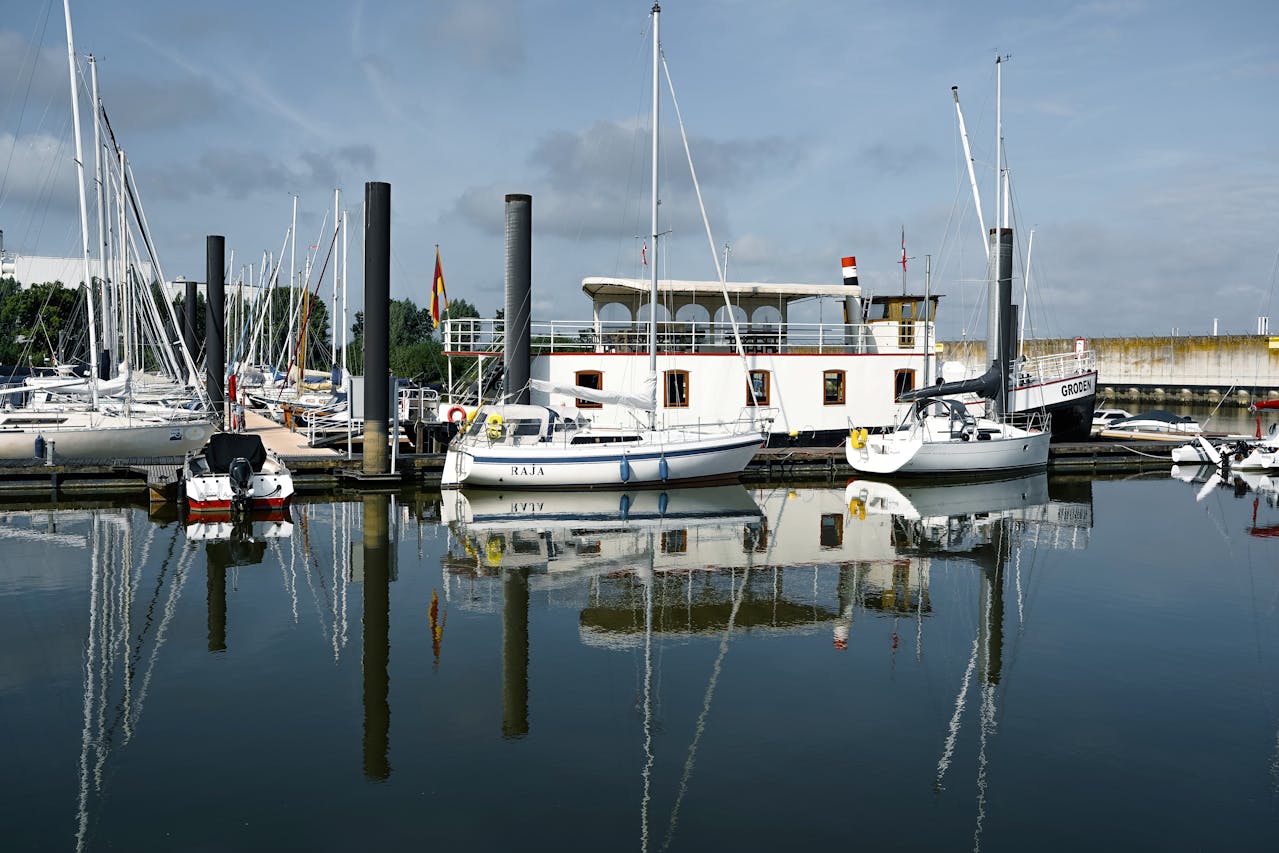
For travelers with mobility challenges, a well-chosen cruise can unlock destinations that might otherwise feel out of reach. Many newer ships include accessible staterooms with wider doors, roll-in showers, and grab bars, plus elevators that reach nearly every public deck. Ramps, pool lifts, and attentive crew can make everyday tasks less exhausting. While not every ship or port meets the same standard, the right combination allows guests using wheelchairs, scooters, or walkers to experience glacier bays, historic harbors, and tropical islands with more confidence. That support changes the trip, shifting attention from problems toward shared views and meals. too
When Unpacking Once Unlocks Many Ports
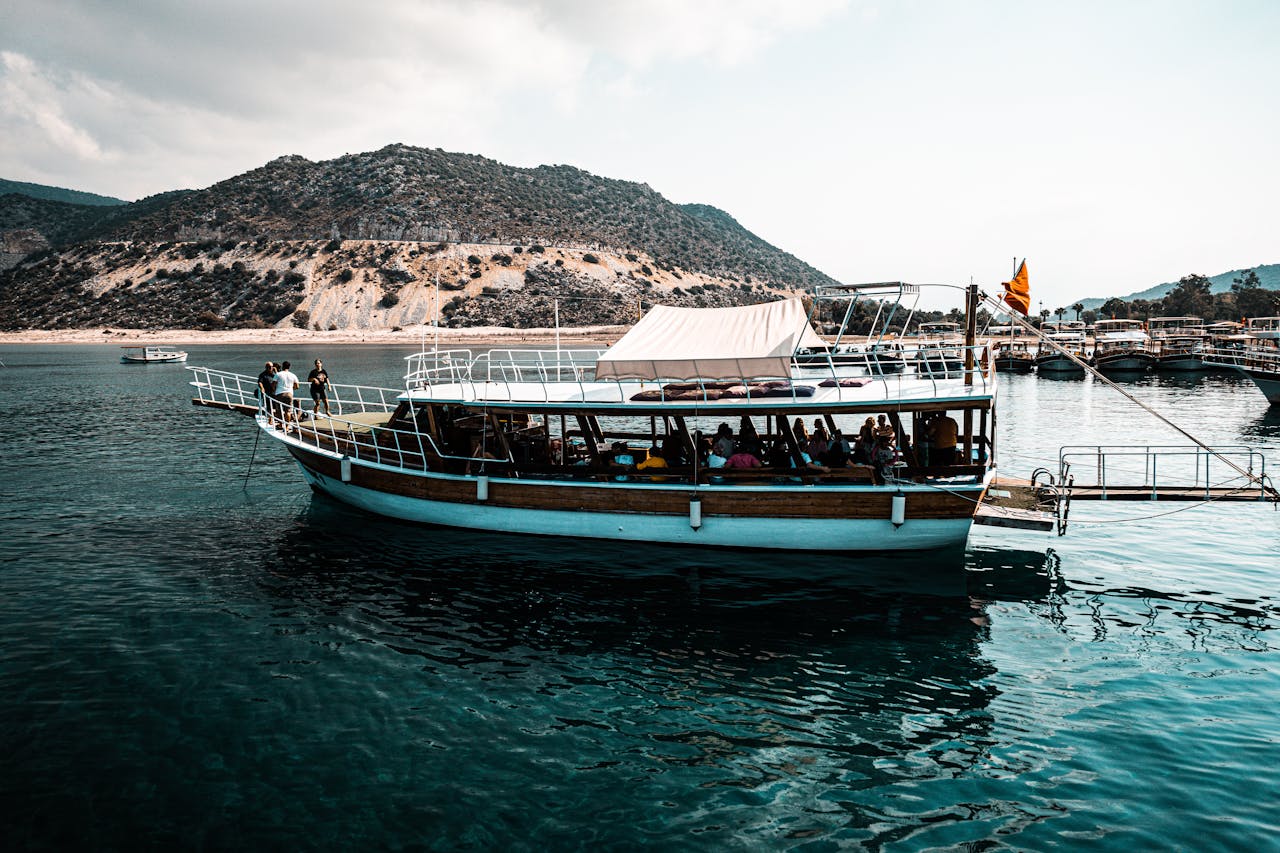
Itineraries that hop between many cities in one region can look thrilling on paper but exhausting in practice. A week in the Mediterranean, for example, might include Rome, coastal France, and a string of islands that would demand constant packing, checkouts, and early alarms on land. On a ship, the suitcase is unpacked once and then forgotten under the bed. Each morning brings a new port without a new hotel, so energy goes into wandering markets and side streets instead of wrestling zippers and luggage tags. That detail matters for older travelers, families with small children, or anyone hauling gear, because effort saved in the cabin often returns as patience.
When A Done-For-You Trip Saves Sanity

Some seasons of life call for a trip that does not require a dozen tabs of research and a color-coded calendar. Cruise itineraries bundle transport, lodging, meals, theater shows, and kids programming into one framework, so the main choices are when to sleep, eat, or step ashore. In regions like the Mediterranean or Caribbean, routes can string together multiple countries or islands in a week. Instead of fighting train schedules and hotel availability, travelers move through a ready-made arc with room to improvise. That structure suits new travelers, busy professionals, or caregivers who spend days deciding for others and want time when the plan already works!!