People have always tried to peer around the corner of time, from court astrologers and philosophers to engineers with notebooks full of sketches. Most predictions age badly and end up as curiosities, but a few land with such unnerving precision that they feel like messages smuggled forward. These strange successes say less about magic and more about how sharply some minds read their own era. They caught early signals of technologies, tensions, and habits that would later shape ordinary life for billions.
Tocqueville Imagines A U.S.–Russia Duel
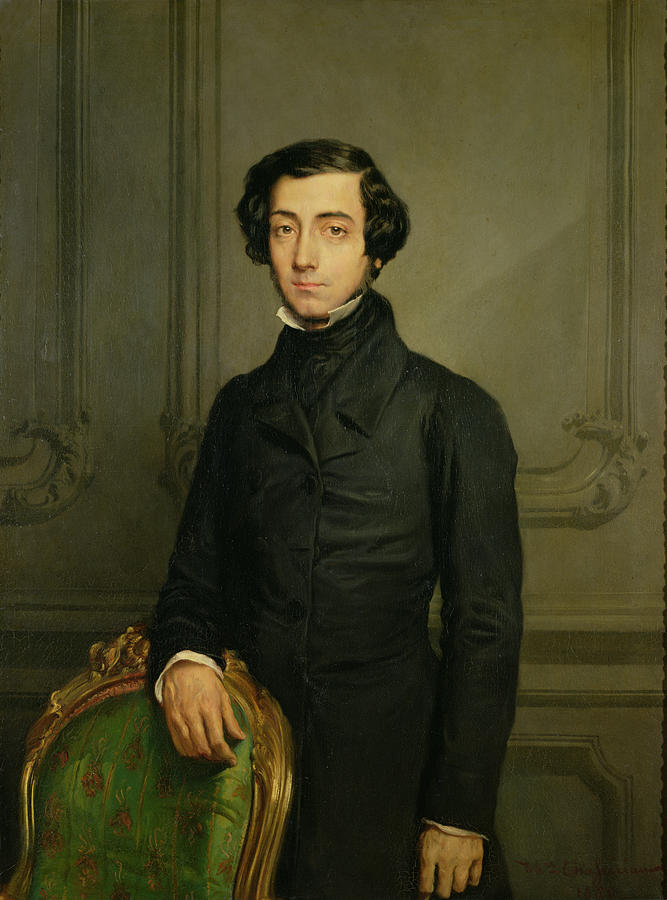
In 1840, Alexis de Tocqueville studied young America and distant Russia and saw two powers gathering strength on opposite horizons. He argued that they were likely to shape the fate of much of the world, one driven by restless democracy and the other by strict obedience. Long before missiles, proxy wars, and rival alliances, he sensed that their ambitions would collide on a global stage and pull smaller nations into their orbit, a sketch of the tense twentieth century that followed. Modern arguments about sanctions, spheres of influence, and security guarantees still echo his early reading of character, ambition, and power. It still feels uncomfortably accurate.
Jules Verne Sketches A Proto Moon Landing
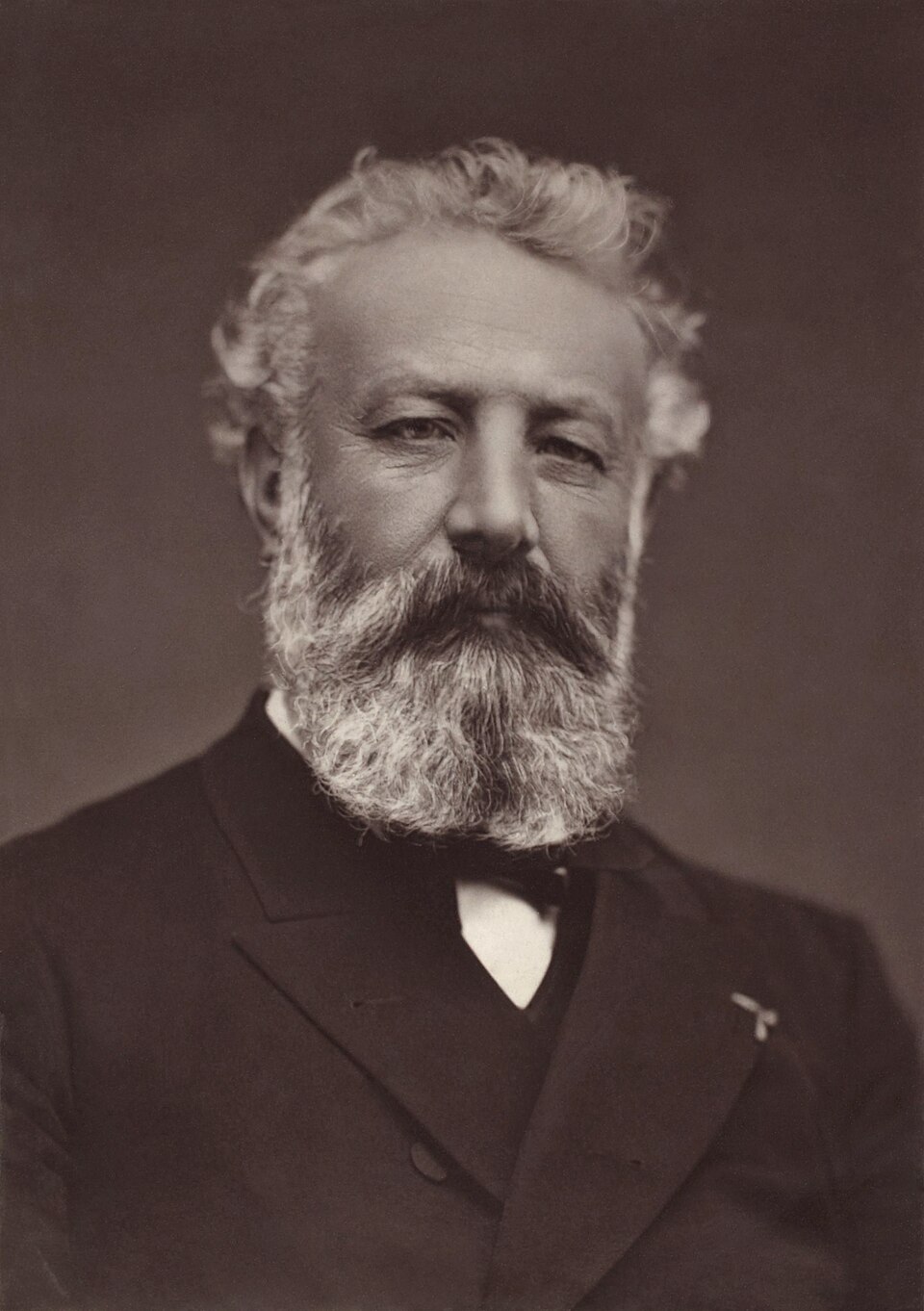
In 1865, Jules Verne imagined a journey from Earth to the Moon that now feels oddly familiar to anyone who has watched Apollo footage and old newsreels. He chose Florida as the launch site, sent three men in a cramped capsule, and dropped them back into the ocean, wrapped in national excitement and spectacle. The details were off, yet the broad arc mirrored the real lunar program so closely that modern readers sense the same mix of bravado, risk, and engineering gamble when they follow his fictional shot at the sky. Written as entertainment for a restless age of steam and gunpowder, it ended up sketching the emotional script of a future space race so very true.
H. G. Wells Foresees Atomic Destruction
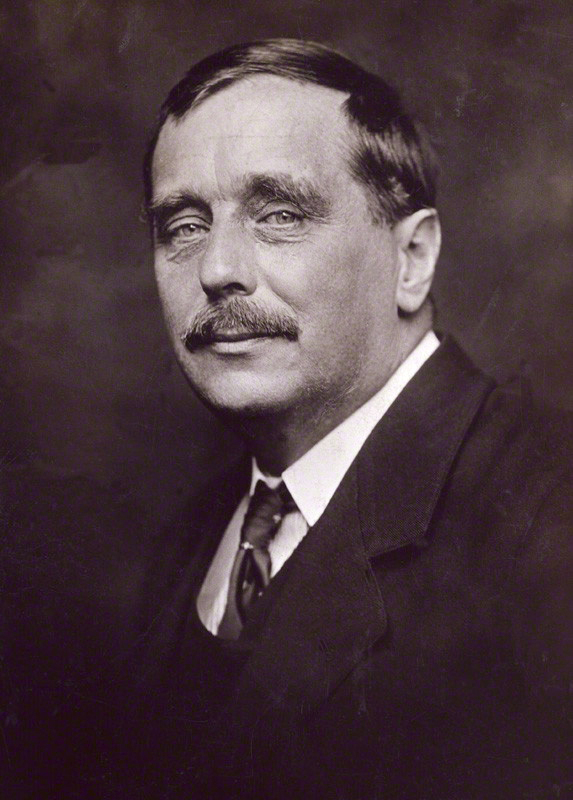
H. G. Wells watched early twentieth century physics peel back the atom and pictured a world shattered by controlled nuclear fire. In his novel about a world set free, he described weapons that released immense energy, poisoned landscapes with lingering radiation, and forced nations to confront a new kind of total war. Decades before test sites and mushroom clouds, he sensed that the real shock would be moral as much as technical, a change in what leaders dared to threaten when they stared across borders and weighed their next move. Later scientists admitted that his bombs haunted their thoughts, nudging nuclear plans away from abstraction and toward human costs.
Arthur C. Clarke Draws The Satellite Web
In 1945, Arthur C. Clarke set aside fiction long enough to outline a practical idea and accidentally sketched the modern communications grid. He proposed placing three radio relays in high orbit above the equator so that signals could hop around the globe in near real time instead of crawling through cables under the sea. At first it sounded like clever theory, yet within a generation satellites quietly turned his triangle in the sky into the scaffold for television, phone calls, weather maps, navigation, and data. His note feels modest, but it outlined the skeleton that lets weather, news, and family conversations jump from continent to continent in seconds now
Nikola Tesla Describes A Smartphone World
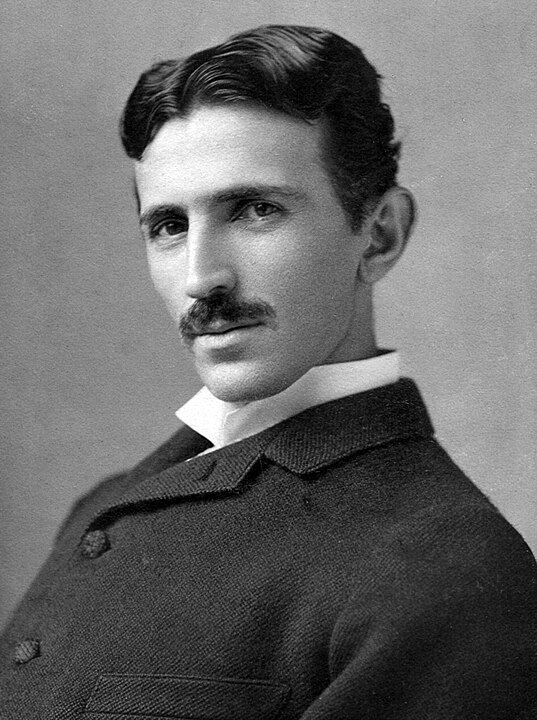
In a 1920s interview, Nikola Tesla drifted away from coils and turbines and started talking about people carrying small wireless devices in their pockets. He claimed that through these instruments voices, news, and even images would be shared instantly across the globe, shrinking distance to almost nothing and tying daily lives together in a loose net. He believed that once information flowed that easily, political borders would matter less than shared arguments and interests, an early glimpse of a social world wired more by habit and curiosity than by ships and paper letters. Today those words sit beside glowing screens and feel oddly close to present life now.
Mark Twain Links His Life To Halley’s Comet
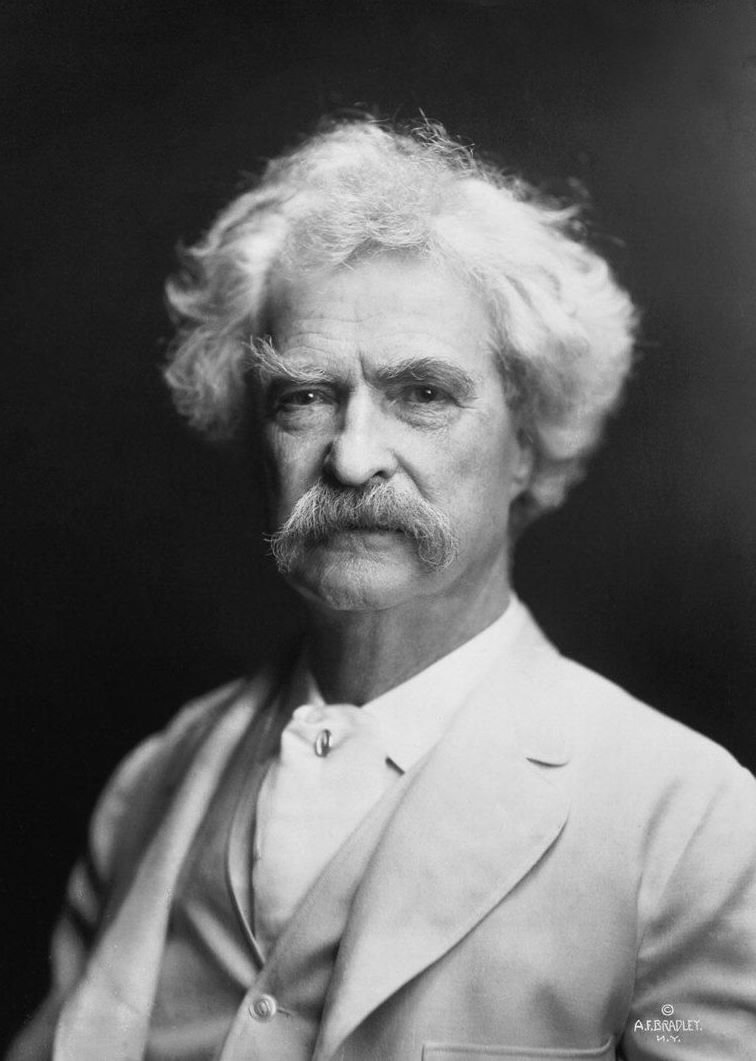
Mark Twain was born in 1835, just after Halley’s Comet, and he decided the coincidence was too tempting to ignore. Late in life, with the comet due back in 1910, he joked that he had come in with it and expected to leave when it returned, folding his own death into the show. The line sounded like pure performance, one more flourish from a man who treated timing as an art. Then the comet flared again in the night sky, and he died the very next day, sealing the story in a way no biographer could improve. Ever since, people have argued over whether it was mere chance or more, but it fixed him in memory as a writer who even turned his own departure into a story.
A Novel Mirrors The Titanic Disaster
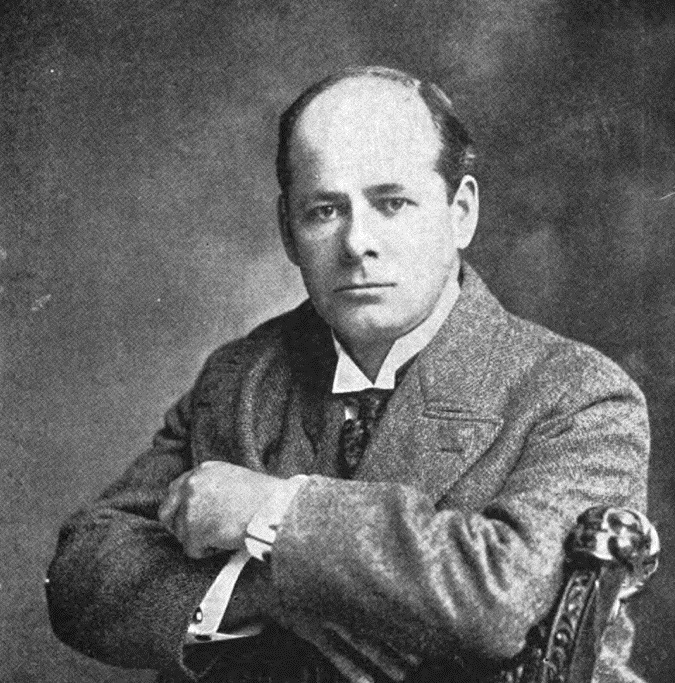
In 1898, writer Morgan Robertson published a novella about a massive British liner named Titan, praised as practically unsinkable and racing through the North Atlantic in April with too few lifeboats. In the story, the ship hits an iceberg on its starboard side and vanishes into the dark ocean, carrying wealthy passengers and crew to their deaths while the world looks on in shock. Fourteen years later, Titanic went down in chillingly similar fashion, and readers suddenly treated his earlier tale less as a curiosity and more as a troubling echo. The details are not identical, but the setting and arrogance feel close enough that readers compare the two and shiver.
E. M. Forster Anticipates Screenbound Living
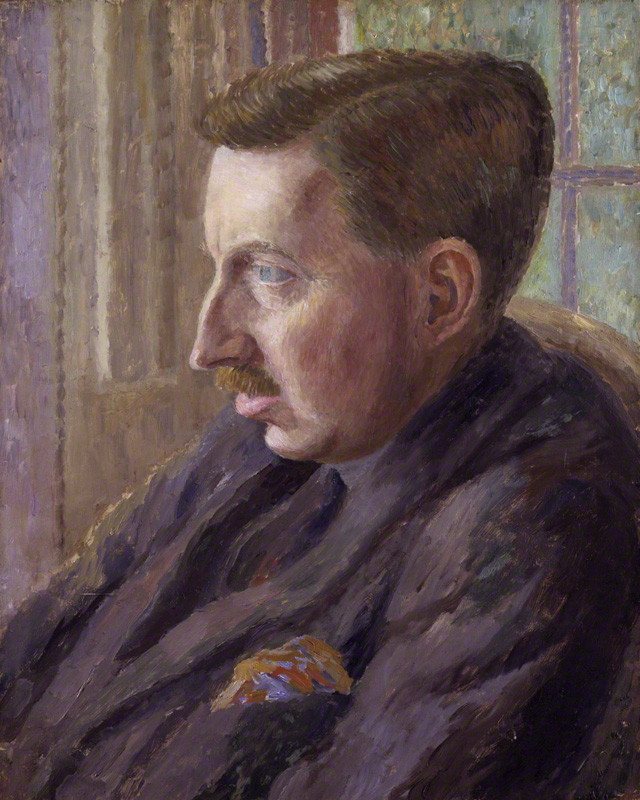
In 1909, E. M. Forster wrote The Machine Stops, a strange novella about people who live alone in small rooms and speak mostly through glowing screens. Travel is discouraged, direct contact feels risky, and culture arrives in formulaic lectures delivered by a vast system that most citizens treat as unquestionable authority. When the machine falters, almost no one remembers how to live without its constant guidance. More than a century later, the story feels sharp and familiar to anyone who has watched families bend over phones while sitting at the same table. It now feels less like fantasy and more like a field note on loneliness, and the pull of glowing devices.
Isaac Asimov Writes 2014 From 1964
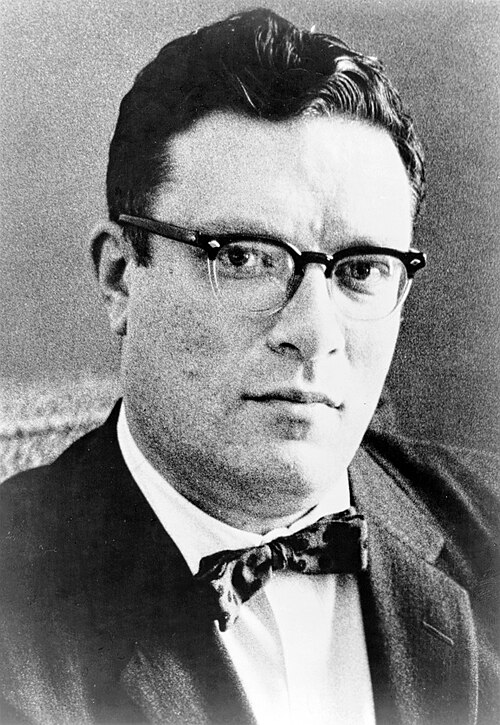
After visiting the New York World’s Fair in 1964, Isaac Asimov wrote a casual essay guessing what daily life might look like 50 years later. He pictured wall sized screens, cordless appliances, and clumsy household robots stained by spills as they worked in kitchens and halls. He suggested that many dull tasks would be automated, that people would work more with their minds than with their hands, and that remote communication would feel ordinary rather than novel. Many specifics were off, yet the mood of glowing displays, gadgets, and indoor lives shaped around screens landed close enough that it now reads like a postcard from the past to readers inside its idea.
John Elfreth Watkins Predicts Everyday Tech
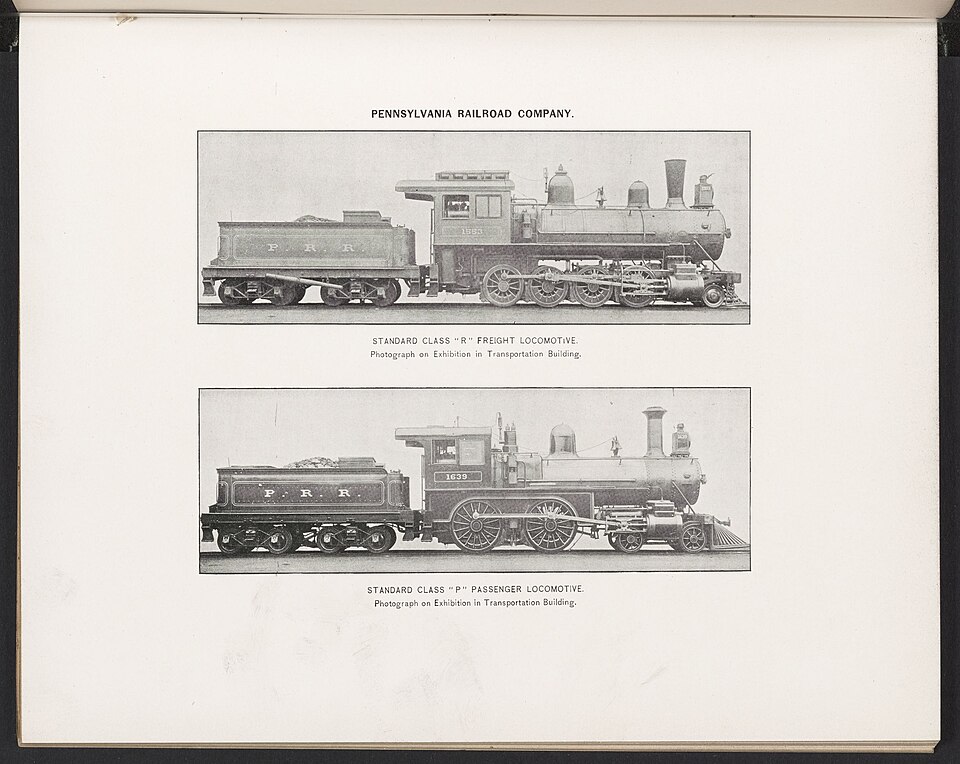
At the start of the twentieth century, American engineer John Elfreth Watkins wrote a list of bold predictions for the year 2000 that sounded like bar talk at first. He imagined color photography, images sent quickly over distance, high speed trains, and telephones small enough to carry like a watch. He thought cities would swell upward, new roads would reshape how people moved, and some animals might become rare or vanish as habits changed around them. Many guesses missed, but his idea that normal life would circle around images, fast travel, and quick messages feels close to the way modern cities actually work. Today it feels less wild and more like calm fact.