A salon appointment is built on time, focus, and trust. Colour timing, careful sectioning, and a clean finish depend on steady attention, clear communication, and a team that stays in sync when the schedule is packed. The work also includes setup, clean up, product costs, and the quiet labour that keeps the station ready for the next guest.
Gratuity is one of the choices that can shift the mood at checkout. In many salons, tips are part of expected income, not a random bonus. Salon owner Kendall Mc Elveen has said 20% of the service fee is a solid starting point, and more can mark truly excellent care when it happens in real time.
Treating 20% As Optional

Some clients treat the tip as a flexible add-on, then default to a low number out of habit. In many salons, pay is commission-based, and that can land as a quiet signal that the time, the consultation, and the precision were not valued, even when the service went smoothly. Long services also block the chair for hours, limiting how many appointments can fit in a day.
McElveen has said 20% of the service fee is a dependable starting point. More can reflect standout care, but starting far below that baseline forces uncomfortable guesswork at the register. It can also strain rebooking, because the next visit starts with uncertainty instead of trust.
Tipping On The Discounted Total
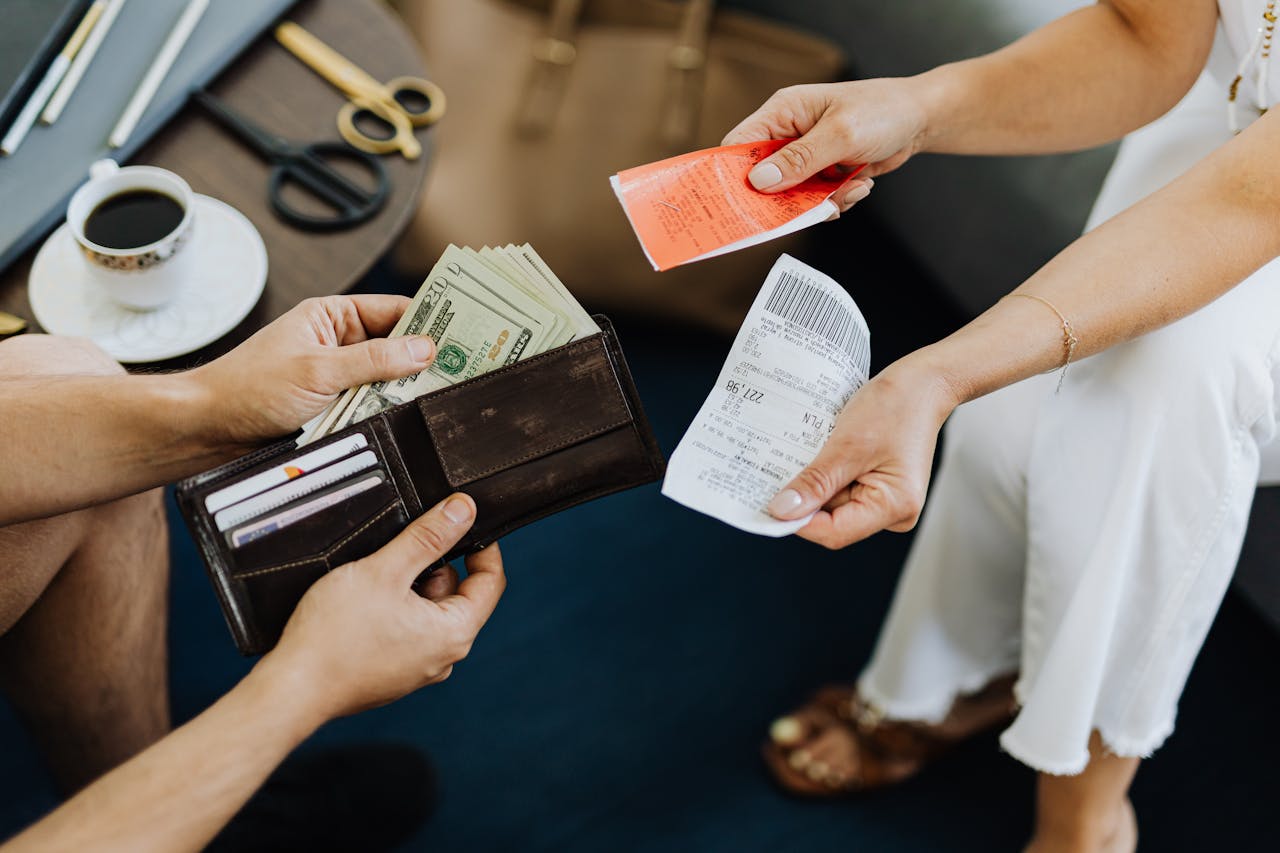
A coupon or promo can make checkout feel like a win, but tipping on the reduced number can make the message feel off. The chair time, product use, and technical steps usually stay the same, even when the final bill drops, so the work behind the result does not shrink. Promotions may lower the price, but they do not reduce the effort required.
Many salons view 20% on the original, non-discounted service price as the fairest approach. If the full price is unclear, asking the front desk avoids awkward math and keeps the tip aligned with the value delivered. The discount stays a benefit without cutting into the stylist’s take-home pay.
Not Splitting Tips When Multiple Pros Help

Modern services are often collaborative. One stylist may handle the cut while a colorist manages the formula, timing, and toning, and someone else finishes the blow-dry. Leaving one combined tip with the last person seen can leave earlier work unrecognized, even though it shaped the final look. Each calendar is blocked, and each person carries responsibility.
McElveen advises tipping each stylist based on their regular service fee, aiming for at least 20% per service. A $45 haircut suggests about $9, and a $75 color suggests about $15. When the front desk knows the split, gratuity can be distributed fairly, without anyone guessing later.
Ignoring The Assistant Who Did Key Steps
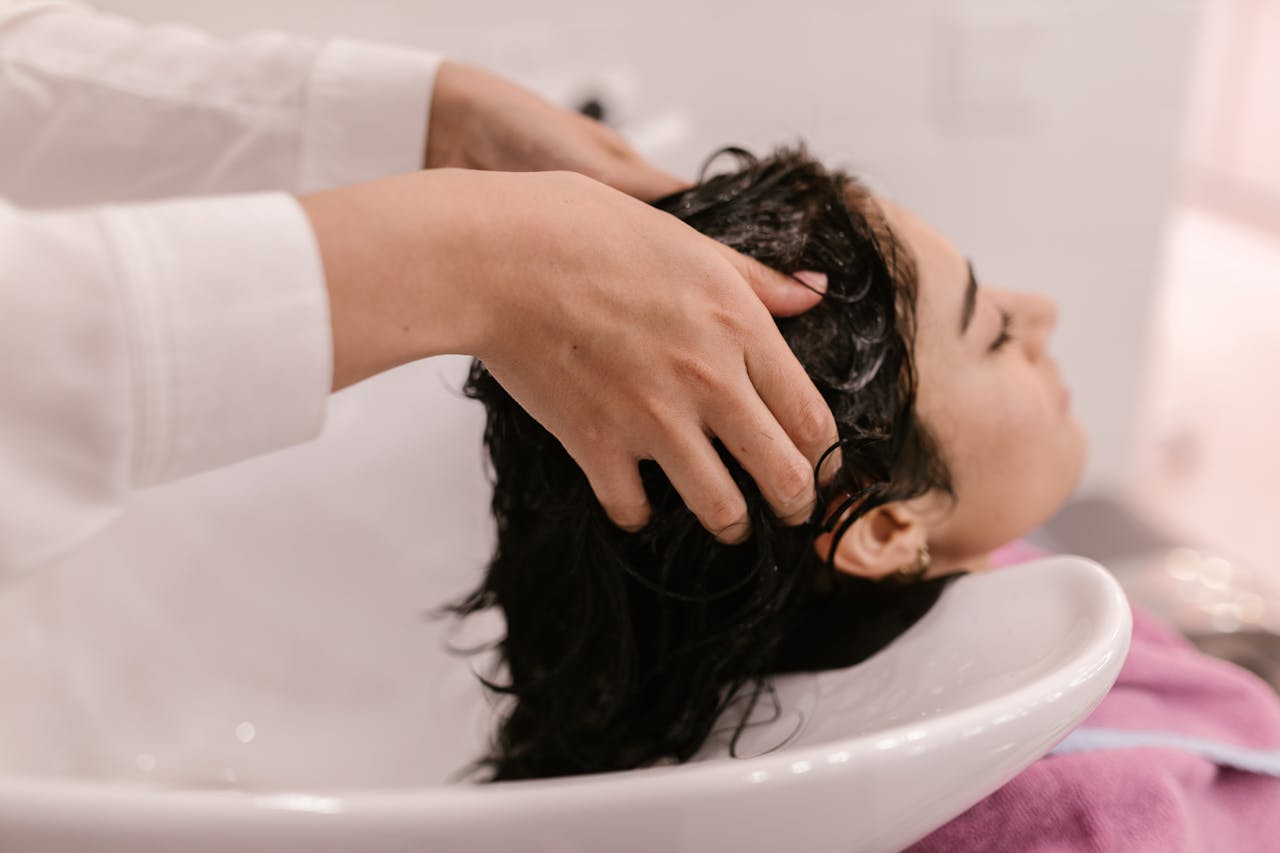
Assistants and trainees handle shampooing, detangling, rinsing, sweeping, and resetting stations between clients. They may mix color, watch timers, and sanitize tools while the lead stylist stays focused on the result. When an assistant is deeply involved, skipping their tip can make the labor feel invisible, even though it protected the schedule and the service quality.
Many salons consider about $5 a reasonable starting tip for an assistant, with more when the assistant handled the wash and blow-dry or provided steady help during color. A small note of thanks at the end keeps the team spirit intact and helps newer pros feel respected.
Assuming Salon Owners Should Never Be Tipped
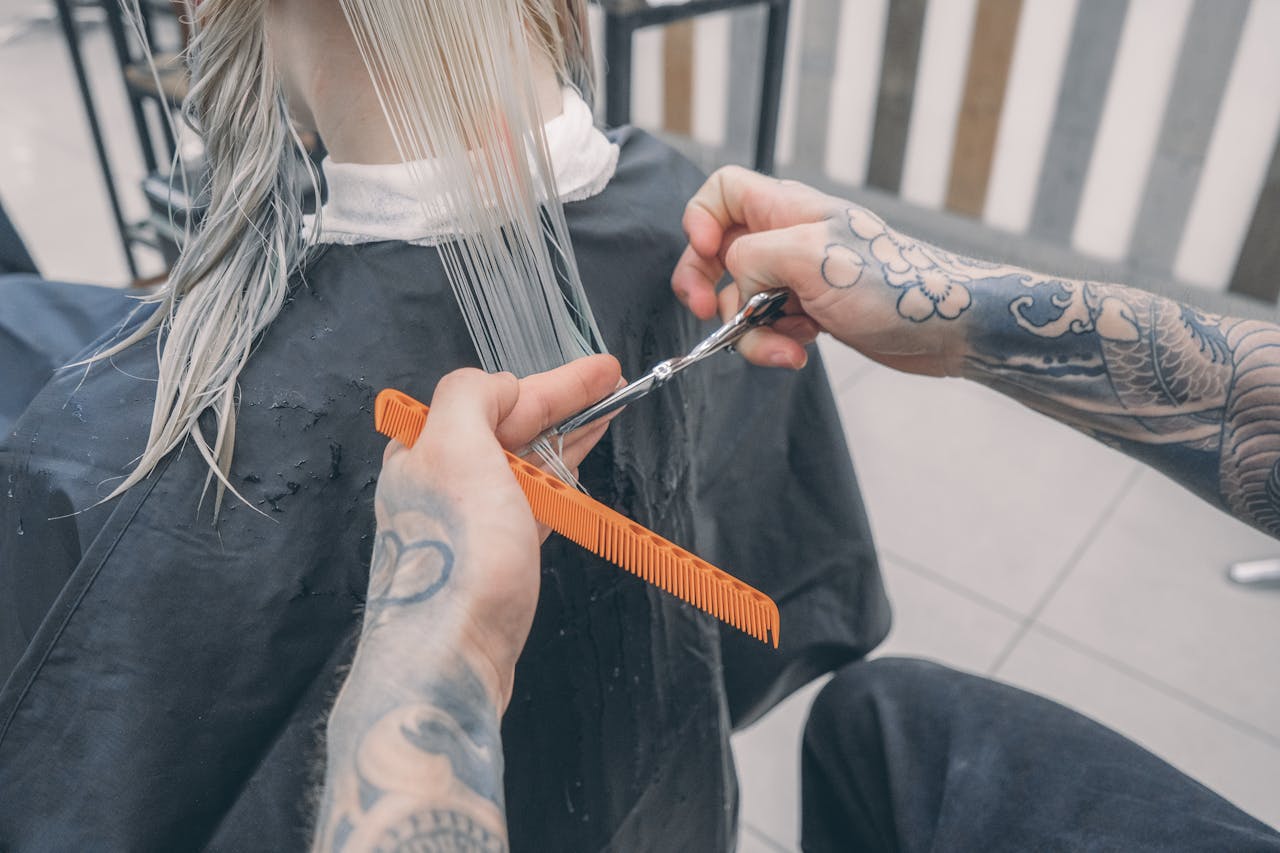
Some clients hesitate when the stylist is also the owner, because of the idea that owners should not take gratuity. Many owners do not expect it, but the service still required time, technique, and attention, and the same gratitude can apply. Freezing at the register can also slow checkout and delay the next appointment.
When the policy is unclear, asking the stylist or the front desk keeps the checkout calm. In many salons, tipping the owner is considered appropriate, especially when the owner is behind the chair all day. Clarity protects the relationship, supports rebooking, and keeps appreciation from turning into a debate.
Letting Payment Friction Shrink The Tip
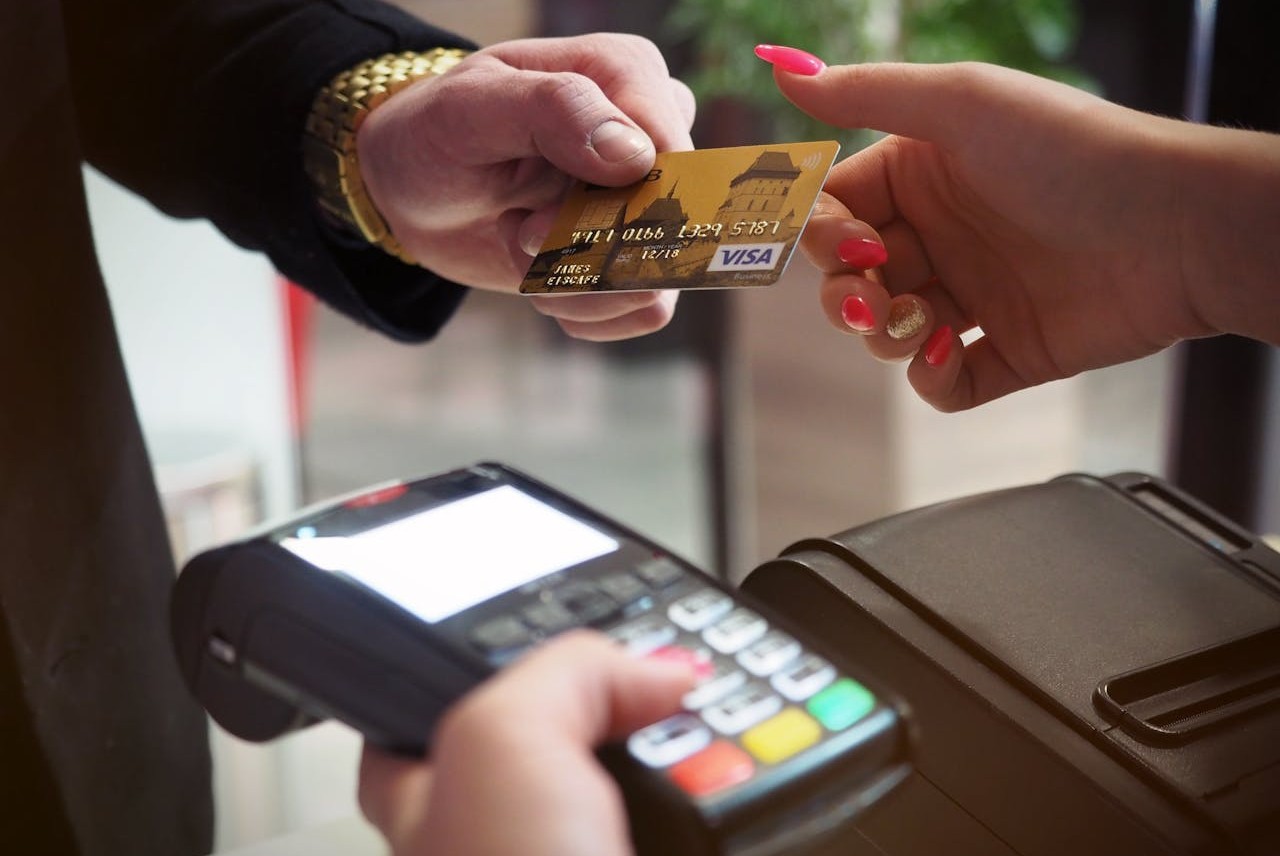
A common awkward moment happens when the tip plan is an afterthought: no cash, uncertainty about card tipping, or a last-second search for an ATM. Cash is often most appreciated because it reaches the stylist immediately and gives control over where it goes. Card tips can be delayed or routed differently depending on how a salon processes payroll.
That said, a card tip is better than leaving too little. Some stylists also accept Venmo, Zelle, or PayPal, but it varies by salon and by team member. A quick question before checkout keeps the goodbye smooth, and it prevents gratitude from being lost in logistics. Planning removes the tension.
Making Checkout A Public Debate

Some clients wait until the card reader appears to ask whether tipping is expected, then talk through doubts in front of staff. The conversation can feel personal, even when it is meant as a general question, because it happens inches from the person who just did the work. It also holds up the line and adds pressure to a busy front desk.
A calmer approach is to treat tipping as part of planning, not as a surprise decision. Asking about gratuity options when booking, or quietly confirming at the front desk before paying, keeps the moment respectful. When the goodbye is clean, the appointment ends with confidence instead of tension.
Using The Tip To Signal Unspoken Dissatisfaction
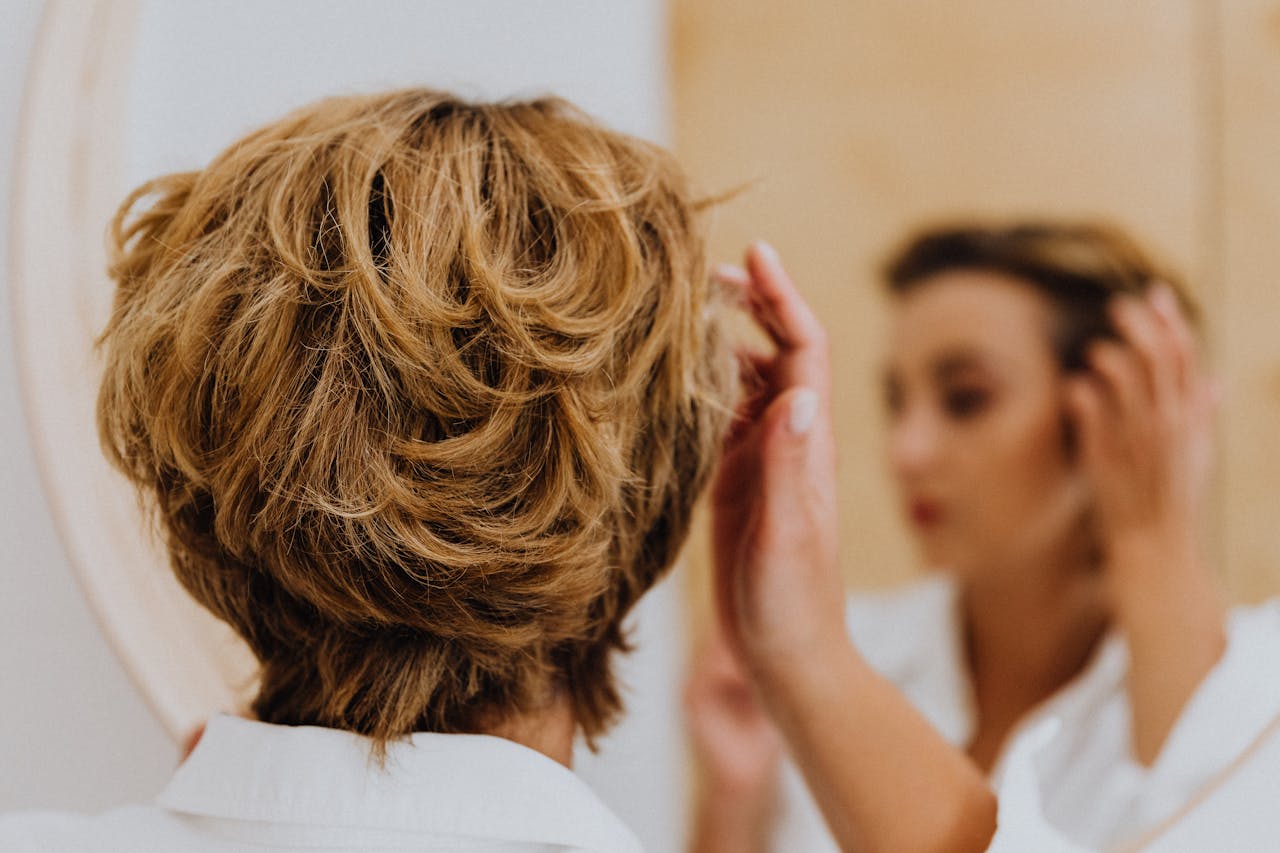
When something feels off, some clients stay silent in the chair and let the tip carry the message. That choice usually creates confusion, because the stylist may believe the service is on track and would have gladly adjusted a tone, a layer, or a curl pattern in the moment. The result is an uncomfortable goodbye instead of a fix.
McElveen has advised clients to communicate concerns while still in the chair, because adjustments should be made the same day when possible. Clear feedback keeps both sides grounded. It also separates craftsmanship from gratitude, so the end of the appointment reflects honesty, not quiet frustration.