
In the 1980s, toy shelves looked brighter than ever, but safety often lagged behind the hype. A TV gag, Bag O’Glass, captured a truth: confident marketing could make almost anything seem approved for family life. It sounded absurd, then felt close to the toy aisle.
Parents leaned on age-label guidance, yet children rarely stayed inside those boundaries. Careful homes had blind spots. Behind the packaging sat familiar risks: parts that snapped off, questionable coatings, cords and batteries that misbehaved, and recalls that arrived after the toy had already been shared. The decade’s lessons were learned in living rooms, not laboratories.
The Joke That Would Not Go Away
Bag O’Glass began as a 1976 “Saturday Night Live” bit, a fake toy sold as a bag of glass shards for curious kids. The laugh came from the calm tone, the glossy pitch, and the idea that a warning label could turn anything into a product.
By the 1980s, the gag still landed because toy aisles already felt like a gamble during the holiday rush. Marketing leaned on big claims and tiny disclaimers, and the first real feedback loop was often a parent’s panic, an ER visit, or a recall notice that arrived after the toy was already in the bin. Trust got outsourced to the box, and the joke never needed an update. That was the punchline.
Small Parts Turned Into A Rulebook

In 1980, federal rules tightened around toys intended for children under 3, focusing on the simplest risk: tiny parts that could block a child’s airway. A small testing cylinder became the blunt tool for deciding what could not be sold for that age group, and manufacturers had to think about what shook loose after rough handling, chewing, and drops.
The hard lesson was that danger often appeared later, not on day one. A rattle that survived the store shelf could still split at home, and a button, cap, or wheel could end up on the floor where toddlers explored fast. Labels helped, but homes rarely kept toys separated by age.
When Play Turned Into Statistics
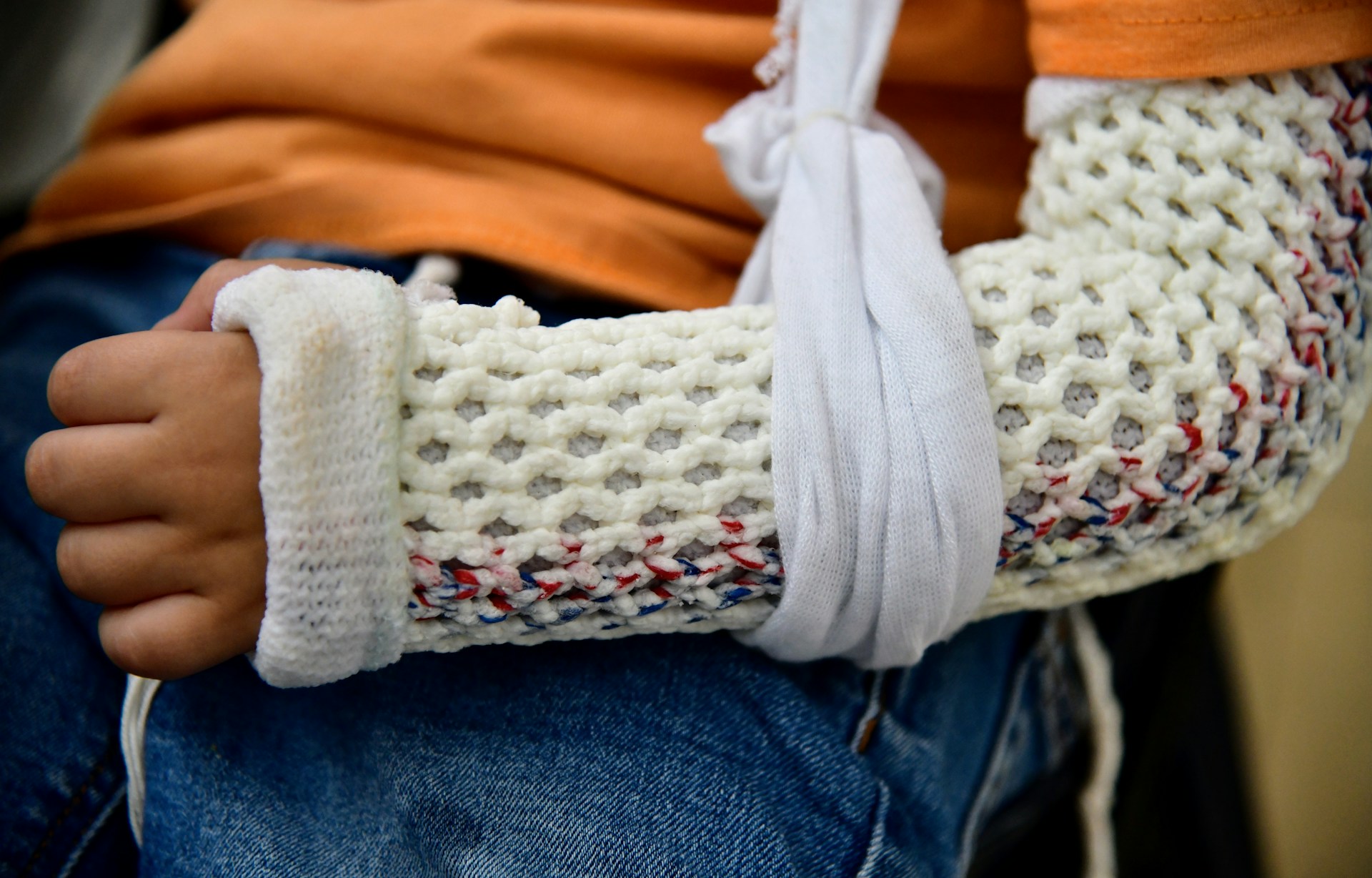
By the early 1980s, toy injuries were not just scary stories, they were tracked. Federal summaries from that era put the number of toy-related emergency room visits for children under 15 at roughly 600,000 in a single year, with falls and blunt impacts leading the list. The pattern made one point clear: harm often came from how toys filled a room.
Tripping on clutter, tumbling onto hard plastic, and collisions during roughhousing were treated as normal childhood chaos until the numbers piled up. The spike around gift seasons was familiar. That data pushed safety talk beyond choking risks and toward the rooms where toys lived.
Age Labels Were Not A Fence

Age guidance looked precise in the 1980s, but it worked more like a suggestion than a barrier. A box might say 5+, yet the toy still ended up in a mixed-age living room where toddlers crawled through the same pile of blocks, figures, and game pieces. The safety story changed the moment siblings started sharing.
Hand-me-downs, daycare bins, and secondhand finds blurred categories more. That gap mattered because many hazards were not dramatic. They were ordinary: small accessories, detachable hats, tiny wheels, and balloons kept for parties. When the youngest child reached for whatever was nearby, the label no longer controlled the risk.
Lead Paint Hid Behind Bright Colors

Some 1980s safety failures were invisible until regulators tested the finish. In 1987, a major recall hit certain Voltron Lion robot toys after lead levels in paint on metal parts were found above legal limits. The risk was not the robot’s story line, it was the coating on the parts that kids handled, mouthed, and chipped through normal wear.
Lead warnings felt abstract to many families, especially when the toy looked solid and expensive. Recall notices moved slower than shopping habits, so many sets were already at home when the news broke. A scuffed edge could expose risk. It reminded families that safety was also about materials.
Strings, Cords, And Heat Did Their Own Damage
Not every hazard came in the form of a tiny part. Safety reviews in the 1980s repeatedly flagged cords that could wrap around a child during play, kite strings that conducted electricity, and battery toys that overheated, warped, or smoked. These were risks that looked harmless in the store because they were built into the fun feature.
A pull cord seemed like a simple motor, and a shiny string seemed like a small upgrade. At home, the same features mixed with cluttered rooms and distracted supervision. The problem was not that kids played wrong, it was that products assumed perfect conditions. Common sense is not a standard.
Projectiles Were Sold As Harmless

The 1980s normalized toys built around speed: spring launchers, foam rockets, suction darts, and plastic arrows that flew at face height. Packaging treated plastic as proof of safety, yet speed and close-range play still caused injuries. Many designs assumed wide open space, even when most play happened indoors.
Living rooms were tight, siblings played close, and excitement did the rest. Safety goggles were rare outside of school, and a quick shot across the couch felt ordinary. Adults often noticed only after a loud cry. Even soft tips could hit hard at short range. Bag O’Glass mocked the habit of hiding behind a warning label.
Lawn Darts Pushed The Line Too Far

Few 1980s toys now feel as unbelievable as lawn darts, heavy darts meant to land upright near a plastic ring target. For years they were sold as backyard fun, even though the design rewarded sharp weight and a steep drop. After a long record of severe injuries, U.S. regulators banned their sale in 1988.
The ban mattered because it exposed a weak excuse: that families could manage any risk with careful play. Many sets lingered in garages long after the rule changed. Outdoor space did not make a hazardous product safe, and a single bad toss could change a day in seconds. Bag O’Glass worked as satire because lawn darts were already real.
Standards Eventually Caught Up To Reality

The 1980s did not lack rules, but many of them were reactive, narrow, or easy to dodge with clever labeling. Over time, the system shifted toward stronger material limits, clearer testing, and more accountability for manufacturers, including tighter lead restrictions and broader safety checks for products meant for kids. Testing got tougher.
What changed was the assumption behind safety. Instead of expecting families to anticipate every failure, regulators pushed companies to prove a toy could survive real use without turning into a hazard. Bag O’Glass remains a cultural marker because it captured the old approach with one blunt joke.