British etiquette can seem formal at first glance, yet everyday life across the U.K. runs on modest acts of consideration rather than grand ceremony. A late arrival, a blunt request, or a misplaced greeting can create friction faster than many Americans expect, especially in homes, offices, trains, and neighborhood pubs where tone carries as much weight as content. Once those cues are understood, interactions often feel calmer, kinder, and more predictable. The customs below are practical, and they help American visitors avoid preventable social stumbles while building genuine goodwill in everyday moments with locals.
Arrive On Time, Or Give Honest Notice

In most British settings, punctuality signals respect, not rigidity. Hosts, managers, and friends often plan the evening around exact arrival windows, meal timing, and transport schedules, so late entrances ripple through everything. A fifteen-minute delay may be tolerated, but silence usually feels discourteous.
When a delay is unavoidable, the polite move is a quick message with a realistic estimate, not optimistic guesswork. Saying five minutes when thirty is likely can feel more impolite than admitting the full delay. Clear notice allows a host to decide whether to serve, wait, or adjust gracefully. That honesty is remembered.
Use Please, Thank You, Sorry, And May I

British speech leans heavily on verbal courtesies, and those little words do real social work. Please, thank you, and sorry appear in shops, trains, offices, and family kitchens because they soften requests and acknowledge effort. Even brief exchanges sound warmer when gratitude is stated plainly.
Choice of wording also matters. May I have often lands better than can I have in formal or mixed company, where permission and politeness carry extra weight. The difference is small on paper but noticeable in tone. Respectful phrasing makes ordinary interactions smoother, especially with service staff, and older guests daily.
Keep Small Talk Light Before Going Deep

Early conversation in Britain usually favors neutral territory: weather shifts, travel, books, food, sports, or local events. Jumping straight into income, relationship status, family plans, or private health details can feel abrupt, even when curiosity is friendly. Trust is often built first, then personal subjects follow naturally.
A useful social cue is to let the other person set depth. If someone answers briefly, the topic may be sensitive or simply off-limits. Questions like Where is home for them can feel gentler than direct identity probing. Tactful pacing preserves comfort and keeps introductions relaxed, gently.
Respect Personal Space In Greetings

Many Britons prefer a handshake and a bit of distance on first meetings, including introductions through friends. Immediate hugs can read as overfamiliar in formal settings, workplaces, and multigenerational gatherings. Warmth is still present, but it tends to unfold through conversation rather than physical closeness.
This reserve is often misunderstood as coldness, yet it usually reflects boundary awareness. Once rapport grows, social style becomes more relaxed. Starting with moderate distance allows both people to calibrate comfort without awkwardness. In practice, that restraint often prevents missteps and builds trust.
Queue Patiently, Even When It Feels Slow

Queuing is a serious civic habit across much of Britain, especially at bus stops, cafés, ticket counters, and busy station platforms. Order matters, and line-cutting is remembered instantly, even when nobody raises a voice. Politeness here means honoring turn-taking, not testing how quickly a gap can be used.
There are practical exceptions, such as clustering under shelter during rain, but sequence still returns when boarding begins. The expectation is simple: first arrived, first served. Americans who adopt that rhythm avoid friction and read the room faster. Nothing signals awareness more clearly than waiting without impatience.
Offer A Drink Quickly When Hosting

In many British homes, a guest is offered tea, water, or another beverage soon after stepping inside. It is a small act with outsized meaning: hospitality begins immediately, not after the host settles down. Delaying that offer can make a room feel uncertain, even when intentions are generous.
For hosts, the rule is less about ceremony and more about care. A prompt offer establishes comfort, eases first-minute awkwardness, and signals that the guest has been noticed. For visitors, accepting or politely declining keeps the exchange easy. This tiny ritual often sets the tone for the entire visit, and the meal that follows.
Bring A Thoughtful Gift, Not A Burden

A dinner invitation in Britain is often paired with a small host gift, but the best choices are low-pressure and easy to place. Good options include quality chocolates, preserves, tea, or a bottle of wine given without expectation that it will be opened that night. The point is appreciation, not performance.
Flowers can still be welcome in many homes, yet they may create extra work if the host is actively cooking and greeting arrivals. Practical gifts usually reduce that burden. Personalized touches, like a favored author or regional treat, can be especially well received. Consideration matters more than price, scale, or display.
Keep Knife And Fork Working Together
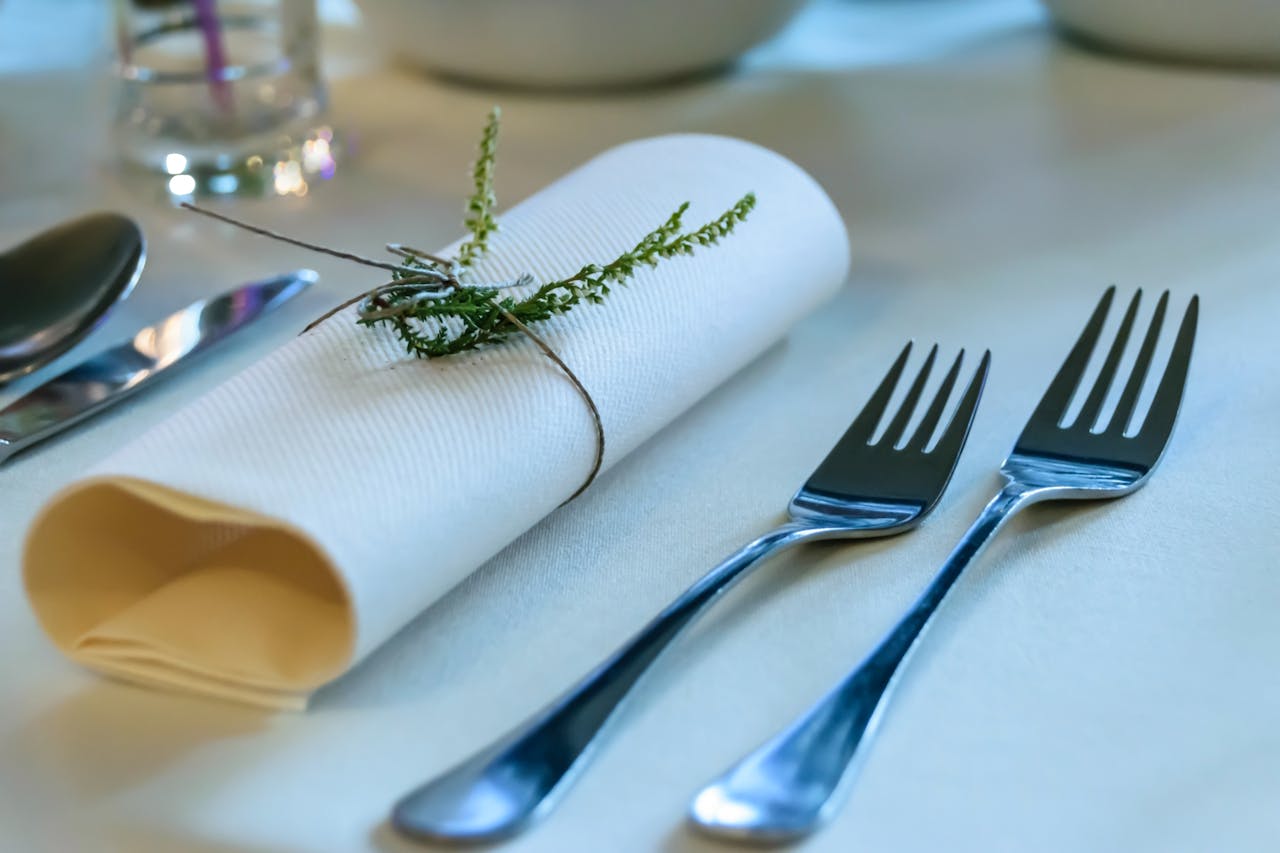
At many British tables, diners keep the fork in the left hand and the knife in the right through most of the meal rather than switching after each cut. This method looks composed and continuous, and it avoids the stop-start rhythm common in American dining patterns. Pace stays steady and less performative.
The same principle extends to bite size. Cutting one piece at a time is generally preferred over pre-cutting several bites in advance. The style is associated with poise rather than speed, especially at formal dinners. Americans who mirror this flow are rarely judged harshly if imperfect, but effort is noticed quietly.
Lay Down Silverware To Signal Finished
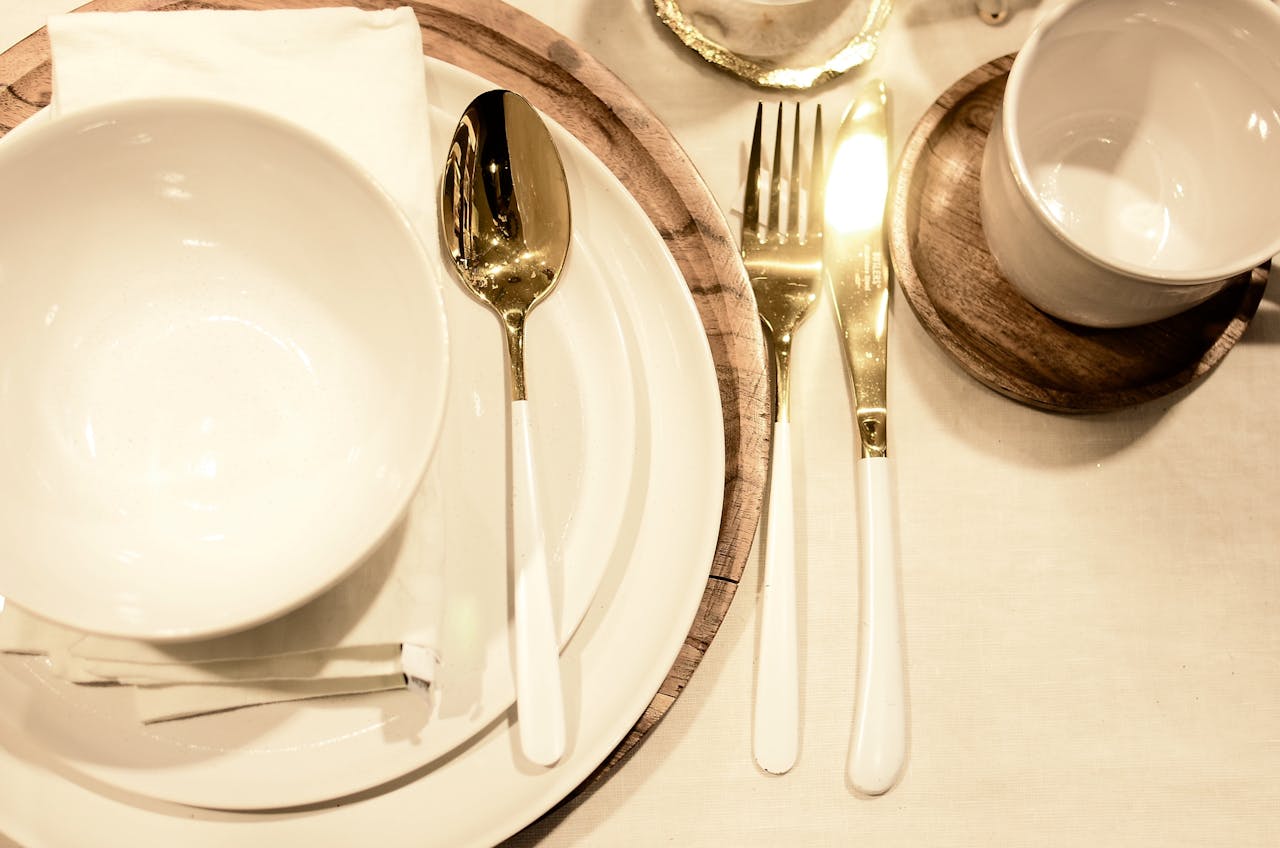
When the meal ends, placement of fork and knife communicates status to servers and hosts without extra words. In British practice, utensils are often placed parallel around the six-thirty position, with knife and fork aligned to indicate completion. Mixed placement can suggest a pause rather than a finish.
This custom is not moral law, and minor variation is common across households and regions. Still, clear placement helps service run smoothly and prevents unnecessary check-ins. At business lunches or formal events, these small signals matter more because staff must read multiple tables quickly. Quiet clarity is the goal.
Keep Phones Out Of Sight In Company

British etiquette treats shared attention as a basic courtesy, so frequent phone checking during meals or conversation is often read as dismissive. Even quick glances can fracture group rhythm, especially in small gatherings where one distraction pulls the table off balance. Presence remains a central marker of respect.
If an important call is expected, the polite approach is advance notice, silent mode, and stepping away when the call arrives. Long speakerphone conversations at the table are frowned upon. Americans who follow that sequence come across as considerate. Social ease improves when devices stop competing with people.
Dress Presentably For Quick Public Errands

In many British neighborhoods, stepping outside in sleepwear, slippers, or visibly at-home clothes can attract negative attention, even for late-night errands. Standards vary by city and generation, but public presentation still carries social weight. The expectation is simple: streetwear should look intentional, not private.
This norm reflects an older idea that chance encounters matter, whether with neighbors, colleagues, or future contacts. It is less about fashion and more about signaling self-respect and awareness. Americans used to casual convenience may find the shift surprising, yet effort often earns smoother interactions.
Start Formal In Work Emails And Speech

British business communication often favors courteous openings, indirect phrasing, and polite sign-offs, especially in first contact. Jumping straight to demands can feel abrupt, even when the request is legitimate. Titles and surnames are commonly safer at the start, then first names can follow once rapport is established.
Word choice matters in speech too. Overusing filler terms can weaken clarity and authority in meetings or presentations. Concise language, measured tone, and a respectful close tend to land better. A formal opening is rarely punished, while premature informality sometimes is. Starting polished gives room to warm.