
Air Transat’s summer 2026 calendar just lost its U.S. chapter. The Montreal links to Fort Lauderdale and Orlando, two routes that carry warm weather plans, are being suspended for the entire season, per the carrier’s spokesperson, Marie-Ève Vallières. Familiar Florida getaways now hinge on connections and shifting dates.
The change is not an overnight cut. Flights taper through spring, then stop as June begins, tracking a broader cross-border slump reported by Statistics Canada early in 2026. For many households across Quebec, the surprise is not just logistical, it is the feeling of a summer plan bending months in advance.
The Florida Routes That Vanish

Air Transat built a steady leisure rhythm between Montreal and Florida, and summer 2026 breaks that pattern. Nonstop service to Fort Lauderdale and Orlando, long treated as dependable seasonal staples, will be suspended for the entire season.
The loss lands hardest on Quebec travelers who rely on simple, direct flights to reach beaches and theme parks without crossing multiple terminals. For an airline with a strong leisure identity, stepping away from these sun routes signals caution. Demand will still exist, but it will scatter across other carriers, longer routings, and layovers that steal time and add risk when schedules shift.
The May 4 End Date For Orlando
One date stands out in the wind-down. Air Transat’s Montreal to Orlando service is set to run through spring, then end on May 4, 2026, according to spokesperson Marie-Ève Vallières. It is an early cutoff for a route tied to school calendars and warm weather escapes.
Fort Lauderdale follows soon after, and the carrier’s U.S. flying goes quiet as June begins. That timeline reshapes planning in a subtle way. Trips that would have started with a simple nonstop now require earlier travel, a connection, or a different airport pairing. The ripple reaches hotels, park tickets, and vacation time approvals built around direct timing.
A Progressive Wind-Down Into June
The suspension is being staged, not slammed into place. Trade reporting tied to the airline’s confirmation describes weeks of trimming as spring advances, with flights removed step by step before the full stop. That approach reduces operational shock, but it can feel messy for travelers watching dates disappear.
A progressive cut usually means earlier departures stay intact while later ones are pulled as the schedule is updated. Some passengers learn of changes in waves, depending on when each flight is taken out of the system. It is a slow fade that still ends in the same place: no Air Transat U.S. flights for the summer season.
The Numbers Behind The Pullback
On paper, the move looks dramatic, but the backdrop is a measurable slide in cross-border travel. A trade analysis cited Statistics Canada data showing total return trips between Canada and the United States were down 24.3% in Jan. 2026 from the prior year. Air travel fell too, with air return trips down 17.8%.
For a leisure carrier, those percentages matter more than headlines. When fewer people cross the border, Florida routes can lose the volume and pricing that make them work. Air Transat has not laid out every factor in public, yet the timing fits a market where demand is softer and every aircraft hour has to justify itself.
What Happens To Existing Bookings
For passengers, the first impact is simple: fewer nonstop choices from Montreal to Florida during the busiest weeks. Coverage of the suspension notes that customers booked on later flights are often contacted in stages as each departure is removed, rather than being canceled all at once.
Air Transat has framed the change as seasonal. In practice, affected travelers can expect standard remedies: rebooking on alternative dates where service still exists, rerouting through other gateways if seats are available, or refunds when re-accommodation does not fit. Early notice matters because remaining seats tighten in peak season.
The Workarounds Travelers Will Lean On
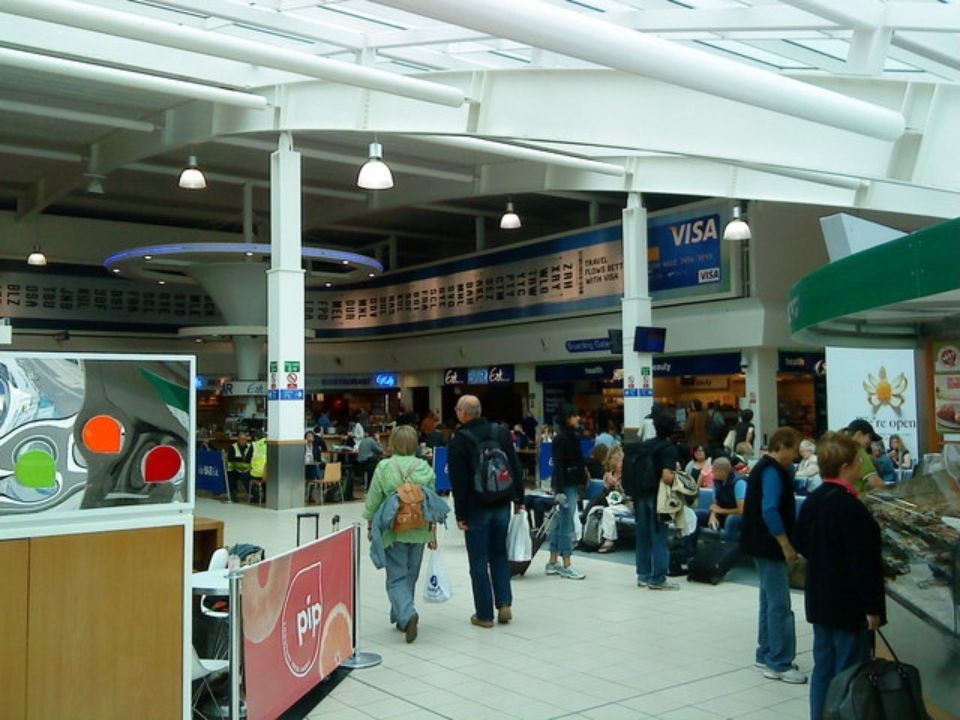
With nonstops gone, Florida is still reachable, just less straightforward. The most common substitute will be connecting itineraries through other Canadian or U.S. hubs, with a longer day of travel. Some passengers will shift to nearby airports when fares or timings make the trade worth it.
The reporting around the suspension does not point to a specific partner arrangement that replaces the lost flights. That leaves travelers comparing connection times, baggage rules, and fees across carriers, then deciding whether to keep the trip, move it into spring, or pause plans until direct service returns. Time buffers become the math.
How The Airline Can Reuse Planes And Crews
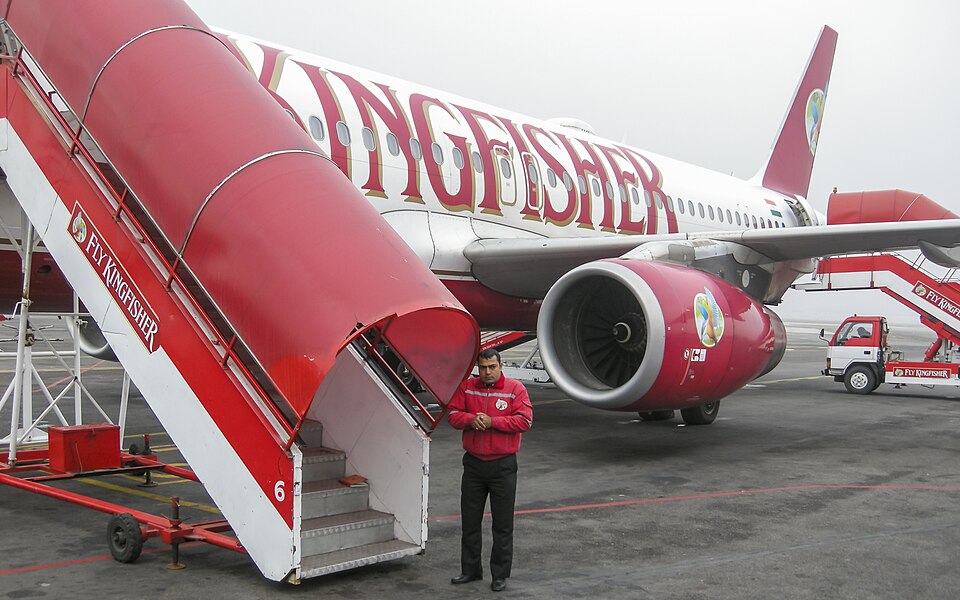
Suspending U.S. flying for summer 2026 frees up aircraft and crews that would have been tied to Florida rotations. Industry coverage suggests that capacity will be redeployed elsewhere in the network, even if the new destinations are not detailed in available reporting, without idle time.
From an operations standpoint, the gradual wind-down helps. Crew pairings, maintenance windows, and airport staffing can be reshaped over weeks instead of being rewritten overnight. For the business, it is a familiar play: pull back from a weaker market, keep assets working, and place those seats where demand is steadier or yields are stronger.
A Wider Leisure Airline Retrenchment
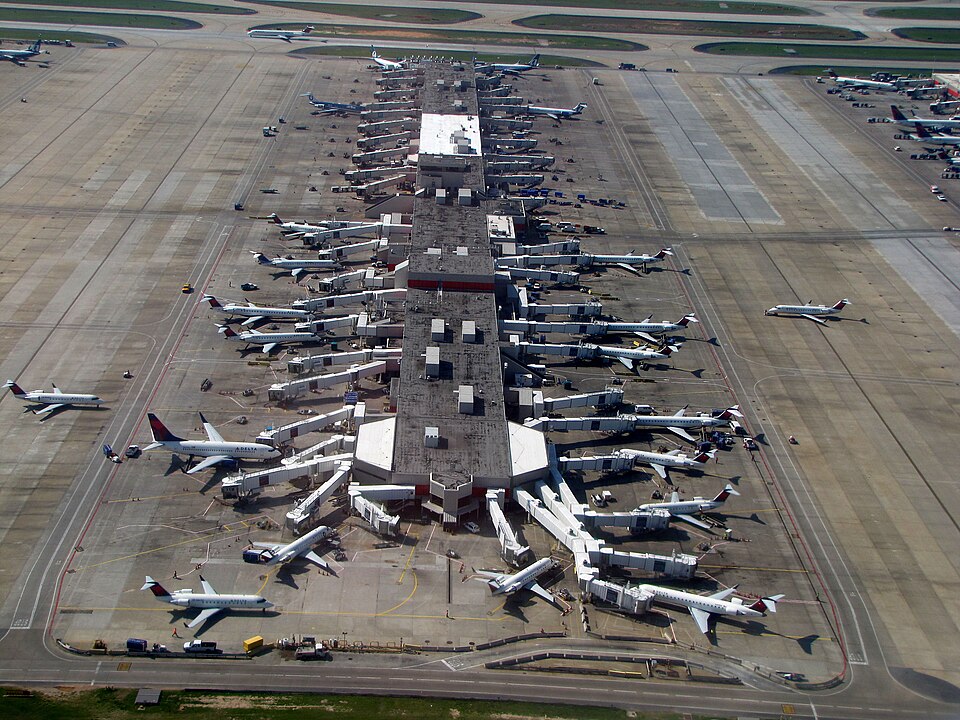
Air Transat is not acting in a vacuum. Industry coverage has pointed to other leisure focused carriers pruning routes when the math no longer works, including Italy’s Neos ending its flights to Toronto. Different networks, same pattern: seasonal travel gets trimmed early when demand softens.
The Statistics Canada declines help explain the mood. With fewer trips between Canada and the United States, and air return trips down as well, airlines face a smaller pool of customers to fill planes. Route exits can look abrupt, yet they often reflect months of booking data that never reached the confidence needed for a full summer schedule.
The Unclear Path Back To U.S. Service

The airline has framed the suspension as specific to the summer 2026 season, but public reporting does not include a firm restart date. Coverage describes a full halt in June after the spring wind-down, then stops short of promising when flights resume.
That uncertainty matters because travel planning starts early. Families, tour operators, and frequent Florida visitors watch schedule filings months ahead, not weeks. For now, the shape of any 2027 U.S. schedule remains unverified in available sources, so the safest assumption is that alternatives will carry the summer load unless demand trends reverse clearly anytime soon.