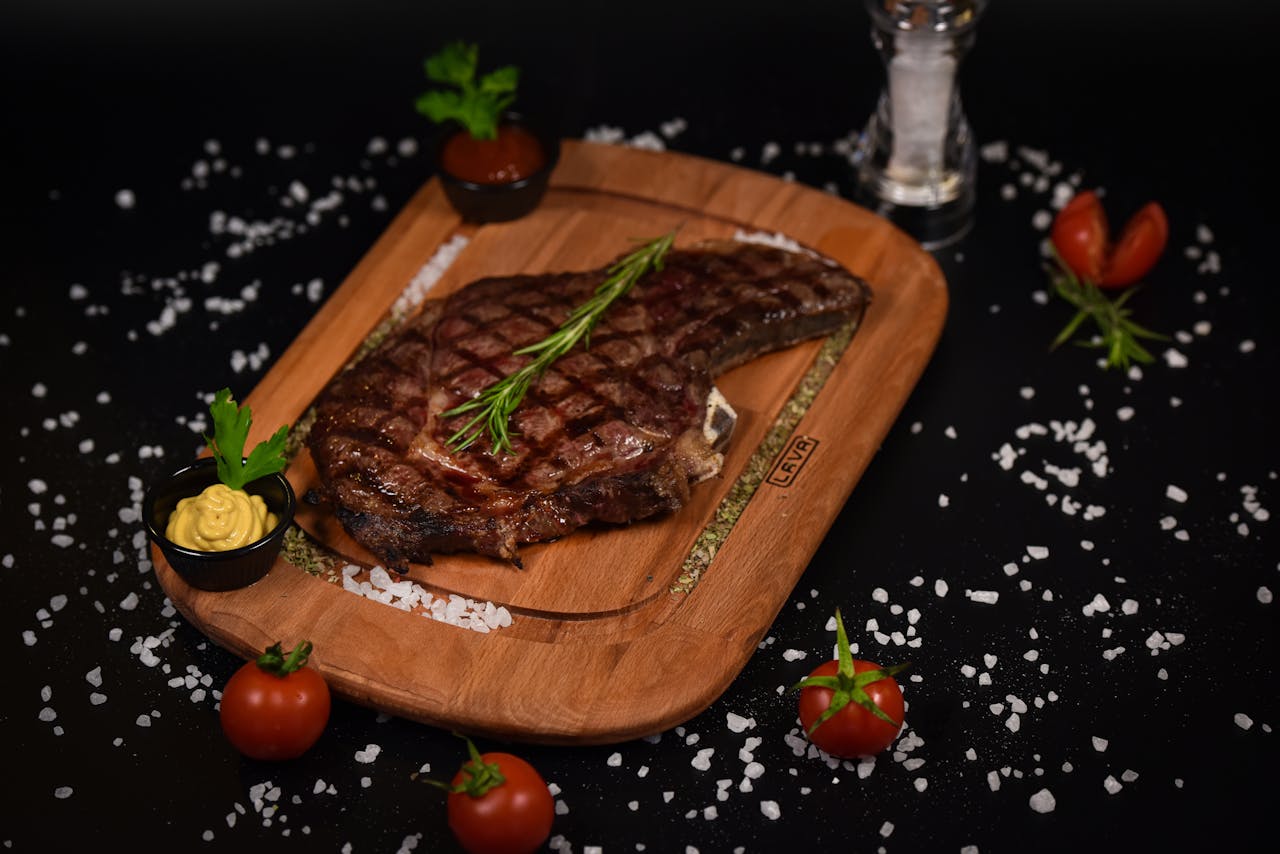
Plant-based once felt like the default punchline on new menus. Now it is starting to look more like a quiet option than a movement.
That shift is not really about ideology. It is about what sells on a Tuesday night when budgets feel tighter.
Restaurants have always followed the math of food cost and the psychology of comfort. Right now, meat is scoring on both.
At the same time, diners are getting more specific about what they want. They are less impressed by labels and more picky about flavor.
Plant-based dishes are not disappearing. They are just being judged like everything else.
That is a big change from the hype phase, when novelty alone could earn a menu spot. Now the bar is higher.
Chefs are responding by trimming the gimmicks and keeping the winners. Owners are responding by putting proven earners back at the center.
What this really means is the market is maturing. The story is moving from trends to trade-offs.
The Meat Comeback Is Part Cost, Part Comfort
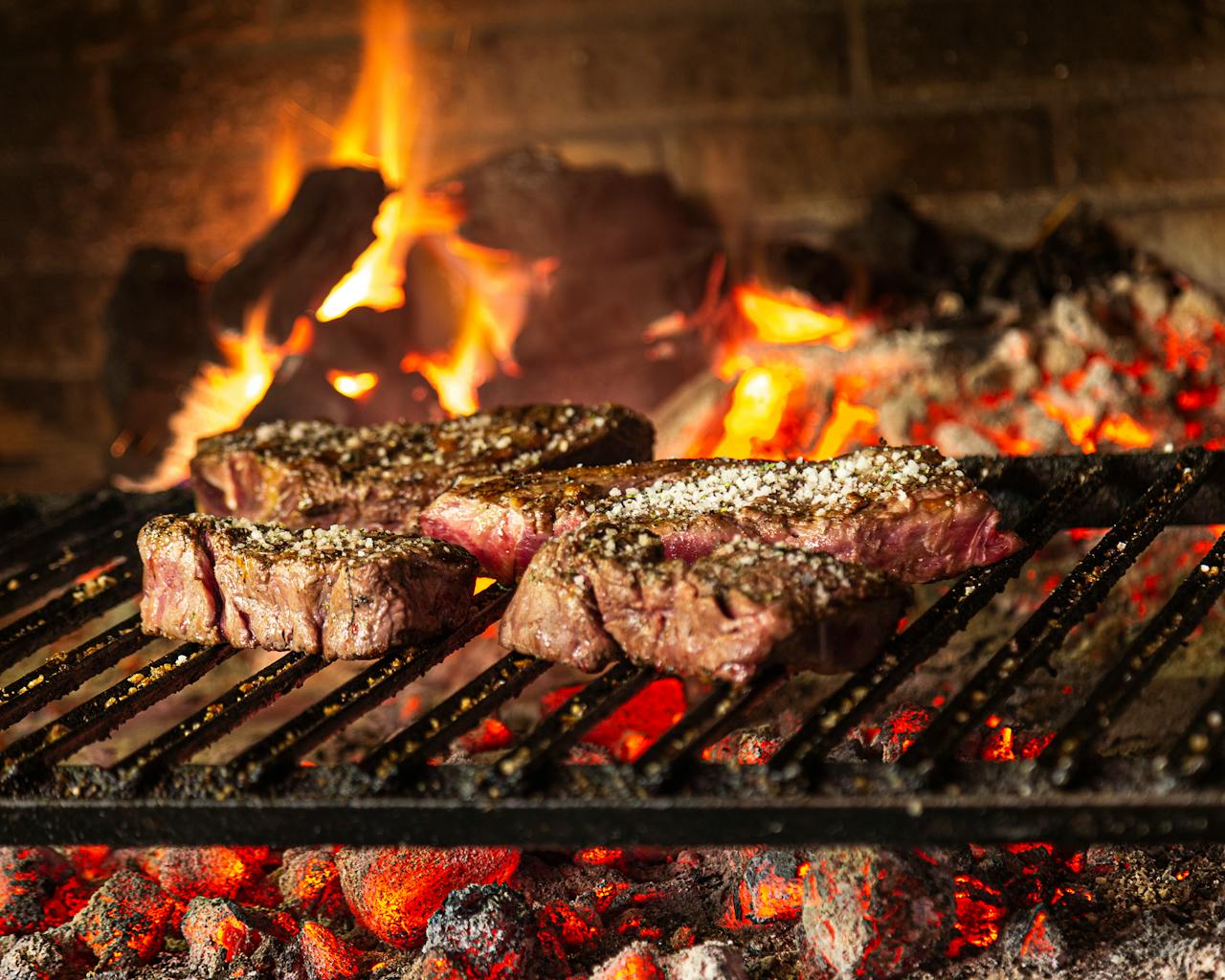
Meat dishes are easy to price, easy to explain, and still feel like a treat. That clarity matters when diners scan a menu fast.
Chicken sandwiches, burger builds, and steak frites are familiar anchors that reduce decision fatigue. They also pair cleanly with high-margin sides and drinks.
Restaurants do not need a speech to sell a brisket special.
They need repeatable items that hold up across locations and staff changes. Meat-heavy staples often do that job better than fragile, niche builds.
Plant-Based Still Sells, Just Not as a Headline
The biggest change is placement, not existence. Plant-based is moving from center-stage to a supporting role.
Some menus are keeping one or two alternatives instead of building an identity around them. That is a sign of normalization, not failure.
When a plant-based item stays, it usually earns it through taste.
It also earns it through operations, like using ingredients that work across multiple dishes.
Vegetable-forward plates are quietly taking the spot that faux-meat once held. Think charred brassicas, hearty grains, and sauces that feel indulgent.
Those dishes do not ask diners to compare them to meat. They just taste good on their own terms.
A lot of diners still want lighter meals sometimes. They just do not want a lecture with dinner.
So the menu language is changing too. It is less about replacements and more about cravings.
Taste and Texture Finally Stop Being a Debate
Here is the thing, people do not order dinner to make a point. They order it to feel satisfied.
Many diners tried substitutes, then returned to the originals. Not out of spite, but because the experience did not match the promise.
Even when flavor improved, texture stayed polarizing for some crowds.
That creates a ceiling for mass adoption in casual dining, where simplicity wins.
Meanwhile, chefs got better at making vegetables feel substantial. Technique does more than mimicry ever could.
Roasting, smoking, fermenting, and smart fat use can make plants feel rich. That is a different lane, and it is proving more durable.
So the menu is splitting into two paths. One path is meat, the other is great cooking.
Protein Talk Gets Louder in a Slower Economy
When people feel uncertain, they gravitate toward meals that feel like value. Protein is still the shorthand for that feeling.
Fitness culture also keeps pushing high-protein choices into everyday eating. It is not just athletes anymore.
Meat makes that story simple.
A steak reads as straightforward fuel, even when it is also comfort food.
Plant-based can compete here, but it often needs more explanation. And menus have limited space for explaining.
Restaurants Are Editing Menus, Not Taking Sides

Most operators are not trying to win an argument. They are trying to reduce waste and speed up the line.
That leads to shorter menus with fewer specialty SKUs. Items that require unique inventory are the first to get cut.
Meat staples fit into that efficiency mindset.
The same proteins can appear in tacos, bowls, salads, and sandwiches with small tweaks.
At the same time, restaurants still need options for mixed groups. One table can include strict vegetarians, casual reducers, and full-on carnivores.
So the smart move is range, not purity.
The result looks like a menu that hedges. It gives meat lovers what they want while keeping credible plant choices for everyone else.
What Replaces the Old Plant-Based Pitch
The new pitch is less about identity and more about appetite. Diners respond to food that sounds delicious first.
Ingredient transparency is taking the role that buzzwords used to play.
Restaurants are also leaning into craft over claims. A dish wins when it is built well, not when it is branded loudly.
That is why sauces, spice, and texture are getting more attention. The food has to stand up without a storyline.
The New Middle: Flexitarian, Not Factional
Most people are not choosing teams. They are choosing meals based on mood, price, and who they are eating with.
That creates demand for menus that mix and match. A meat entrée, a vegetable side, and a shareable salad can satisfy a whole table.
The winners will be restaurants that make both paths feel intentional. Nobody wants the vegetarian option to feel like an afterthought.
Where Menus Go Next

Expect more blended options that split the difference, like burgers cut with mushrooms or lentil-rich sauces. These can lower cost and keep the bite people like.
Pure plant replacements will still exist, but they will be fewer and more targeted. They will show up where the audience consistently orders them.
The real growth may be in vegetable-forward comfort food.
If a cauliflower sandwich hits like a classic, it will survive any trend cycle. And if it does not, the menu will move on fast.