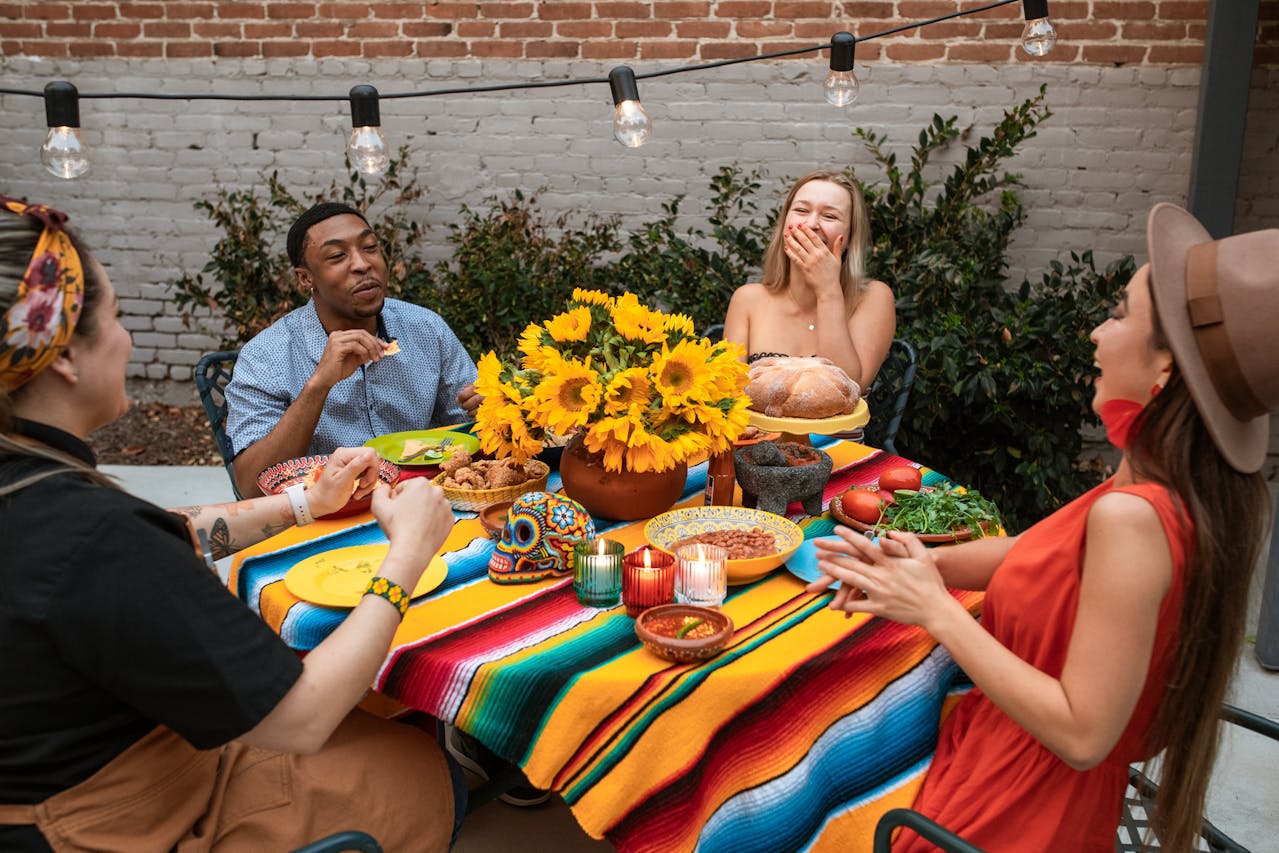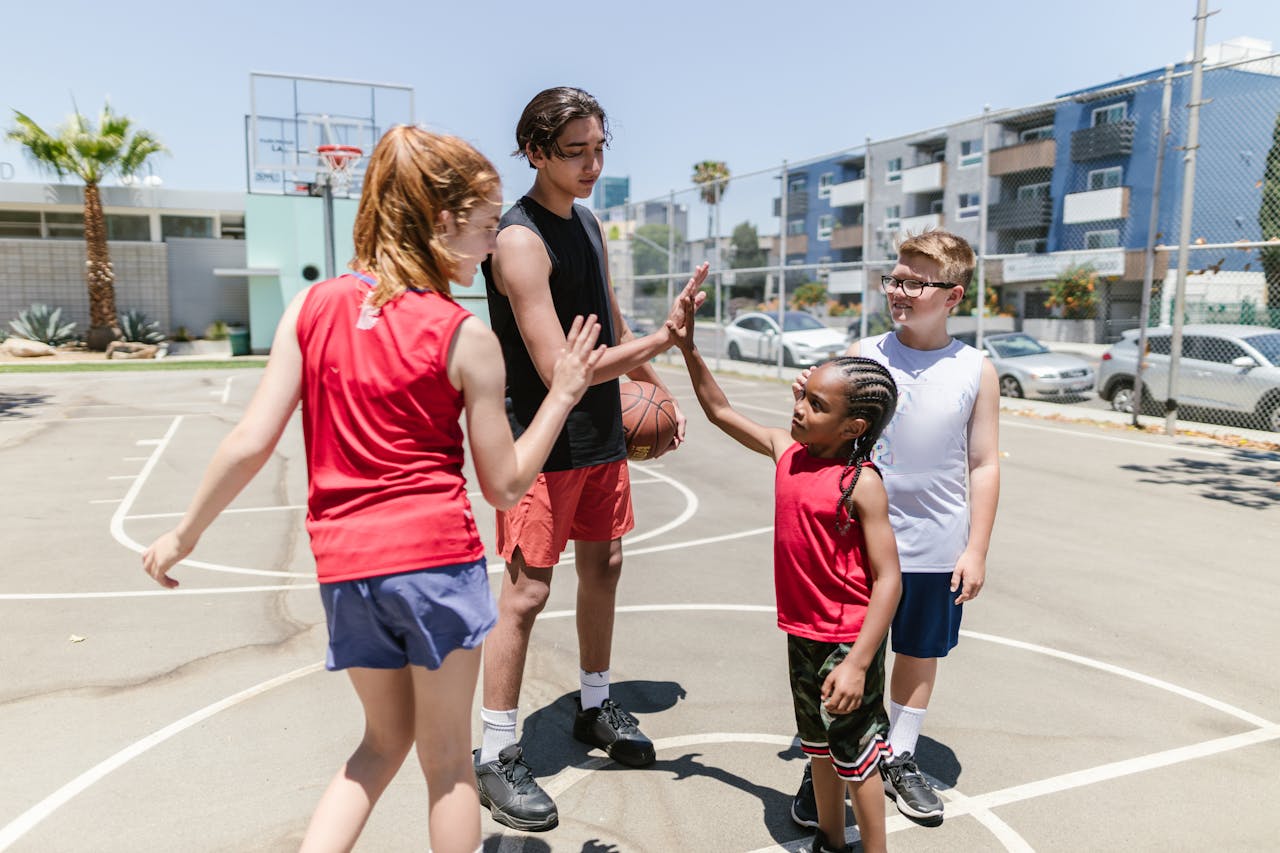
Childhood in much of twentieth-century America came with built-in apprenticeships. Errands meant talking to adults. Play spilled into sidewalks, basements, and ball fields where rules were negotiated on the fly. On humid July evenings and crisp Sept. afternoons, kids moved through neighborhoods with more range and more responsibility. They learned competence because life required it: finding a pay phone, fixing a bike chain, or making change at the corner store. Screens did not erase learning, but they rerouted it into taps and menus. What fades is the quiet confidence that comes from handling ordinary problems without a coach nearby.
Reading Paper Maps And Following Directions

A folded road atlas or gas-station map once lived in glove boxes and kitchen drawers, and kids learned it by habit on long rides, weekend errands, and summer trips. They traced routes with a fingertip, read the legend, measured miles, decoded exit numbers, and used rivers, rail lines, county lines, state lines, and water towers as anchors when directions got fuzzy, construction rerouted traffic, or a sign got missed. They learned to fold the map back up, circle a route with a pen, mark exits, call out rest stops and the next turn in time, and admit a wrong turn early so the family could recover without panic, calmly.
Making Change And Doing Cash Math
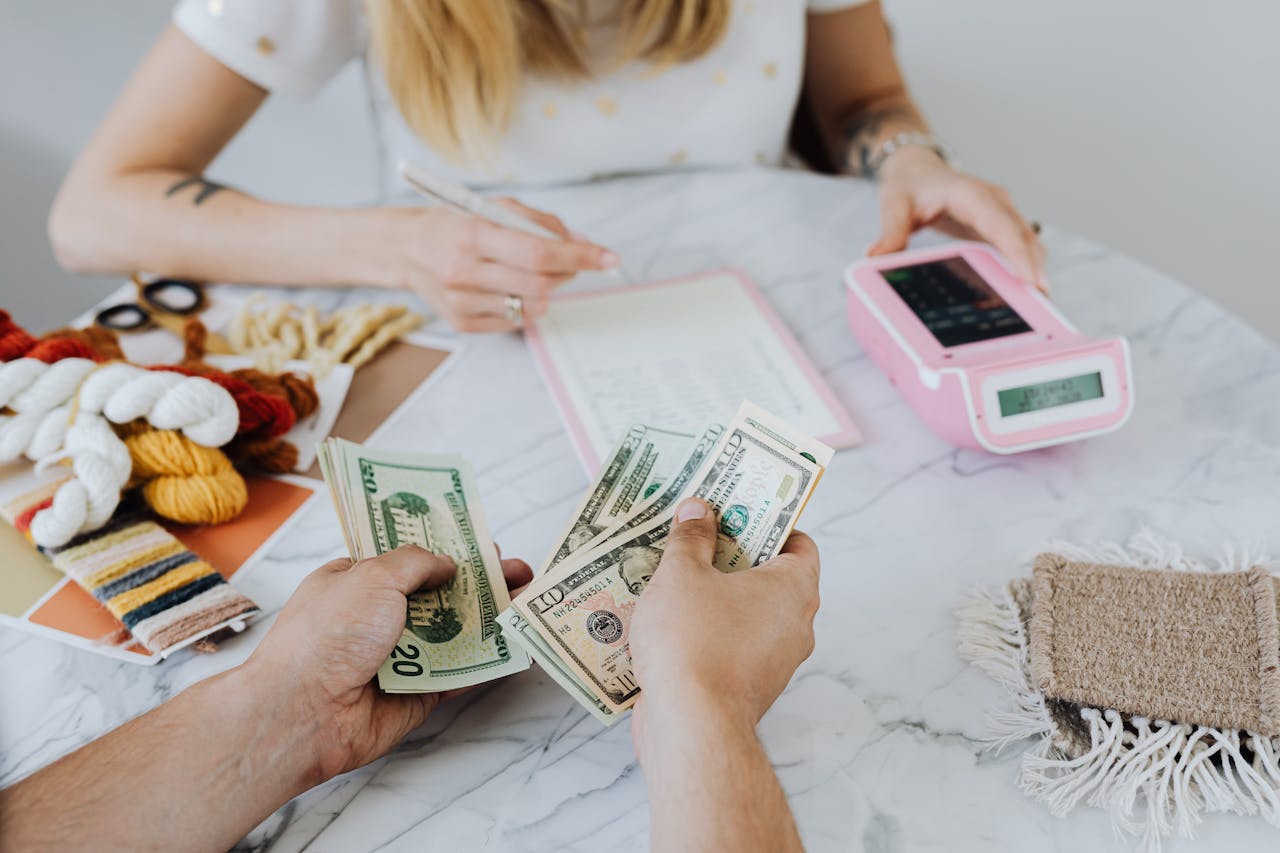
Cash used to be a kid’s first calculator, disguised as fun, whether it was allowance money, a paper-route payday, or a crumpled bill from a grandparent tucked into a birthday card. At candy counters, school fundraisers, and rink snack bars, children counted coins, made change, compared prices, watched unit costs, and estimated totals before the clerk rang anything up, because being short even 25 cents stung and the line kept moving. They learned to count back change, spot a mistake, budget for tax, split a bill with friends, compare two items fast, and keep a running total in their heads at the register, without guessing.
Calling Adults And Speaking On The Phone

Calling a friend once meant entering a whole household, because someone else usually answered first and the conversation started in public, with a parent listening from the kitchen. Kids learned to greet an adult, say their name clearly, ask to speak to someone, and leave a message with a time and number, then handle busy signals, wrong numbers, and the long pause while someone went to fetch the right person from another room. They practiced calm confidence, repeating details when needed, taking a message for a sibling on a notepad by the phone, and speaking clearly without mumbling, rushing, or sounding rude at all.
Cooking Simple Meals Without A Script

Many kids learned to cook because someone had to get dinner started before a parent came home, and the pantry held the usual suspects rather than a recipe printed from the internet. They browned ground beef, scrambled eggs, boiled pasta, packed lunches, and figured out timing by watching the clock and smelling what was happening in the pan, tasting sauces, seasoning by feel, and learning the line between heat that sears and heat that burns. They learned cleanup, leftovers, and how to feed a sibling, set the table, use an oven mitt, check labels, cook from what was on hand, then wash up and put food away before homework.
Fixing Small Things With Basic Tools
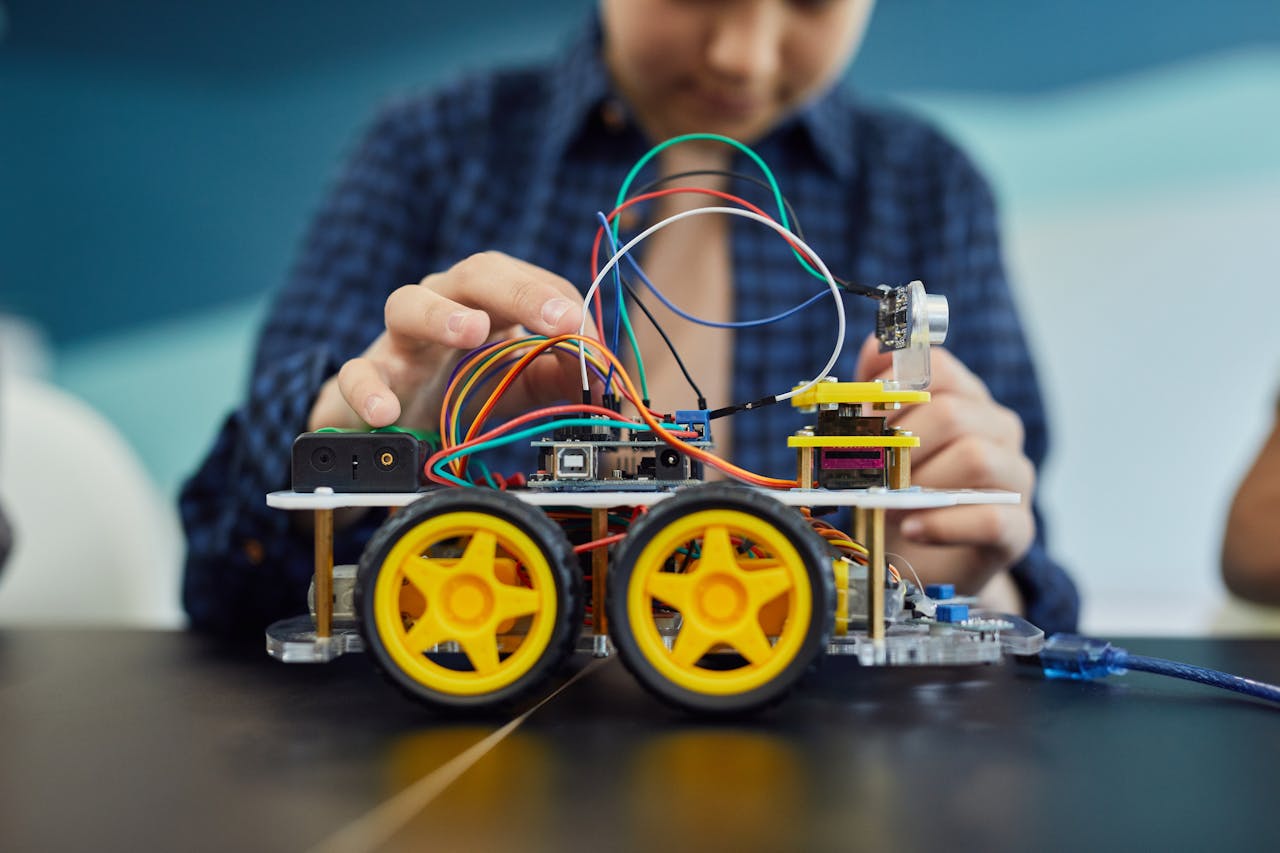
A loose screw, a flat tire, or a wobbly drawer once invited tinkering, not replacement, because most homes had fixable annoyances and a basic toolbox within reach. Kids watched adults grab a screwdriver or pliers, then learned to tighten bolts, patch tubes, oil a squeaky hinge, straighten a bent bracket, reset a tripped breaker, and improvise a repair that held until morning, usually in a garage with a radio playing low and a jar of spare parts nearby. They learned to measure twice, check stability, replace a washer, and respect electricity and sharp blades as things that do not forgive carelessness, even when the fix feels simple.
Writing Clearly By Hand
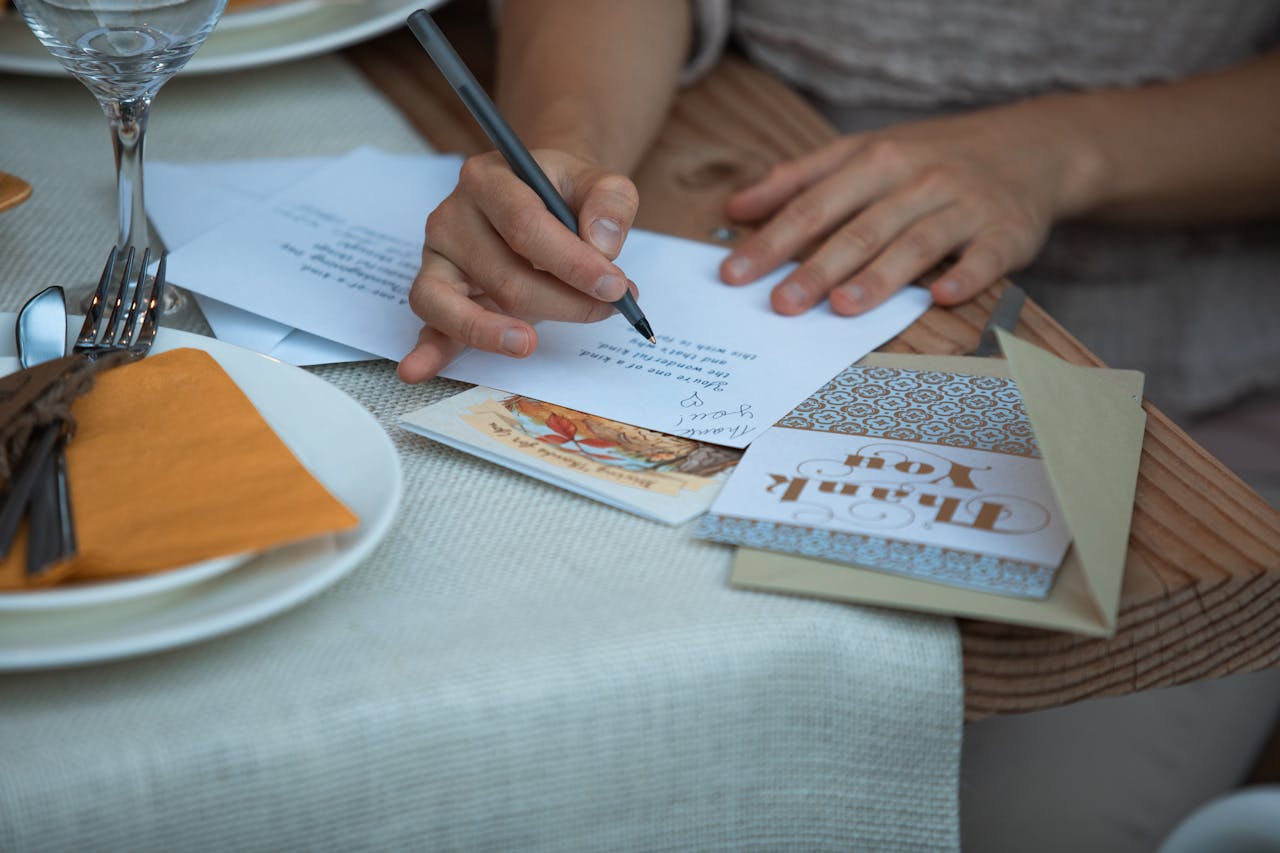
Handwriting used to be a daily instrument, not a decorative talent, and speed mattered as much as neatness in classrooms, kitchens, and church-basement meetings. Kids practiced cursive, wrote thank-you notes, copied phone messages, addressed envelopes, and filled notebooks with margins full of reminders, learning to keep letters readable when a pencil got dull, a desk was shaky, or a worksheet had to be passed down the row. They learned to sign their names, fill out forms, label school supplies, write legibly on permission slips, and keep handwriting steady during timed tests, even under pressure, on the spot, daily.
Navigating Neighborhood Freedom Safely
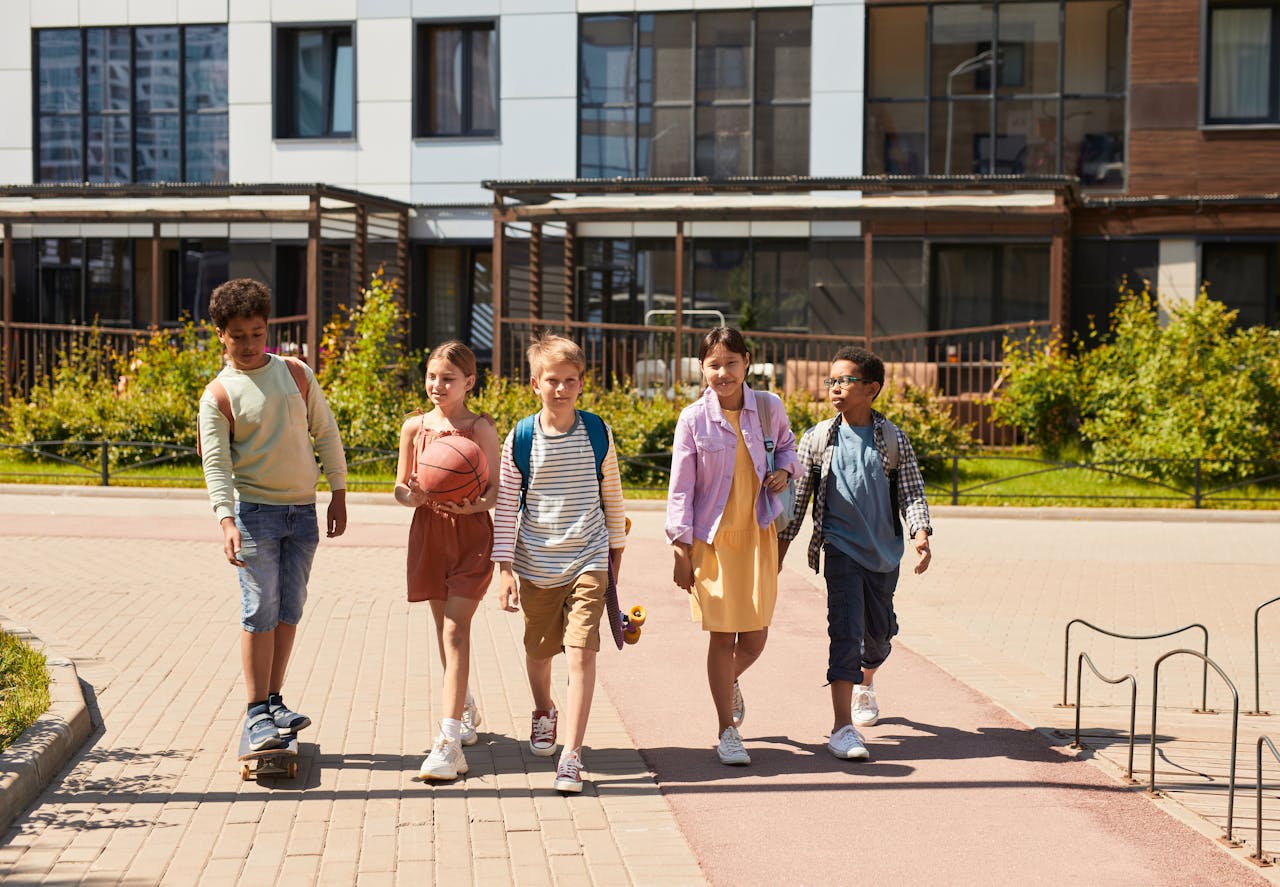
Roaming on bikes and on foot taught judgment that no worksheet could replicate, because the lesson came from choices made in real time, with small risks and real consequences. Kids learned which houses had friendly dogs, which corners felt sketchy at dusk, how to read traffic, cross streets safely, and get home when a shortcut turned into the wrong block, all while keeping an eye on time and listening for a parent’s whistle. They learned backup routes, meeting spots, buddy rules, how to read the weather, where to find a phone, and which porch light meant home, even if plans shifted, and adults were late, too, sometimes.
Negotiating Rules And Settling Disputes
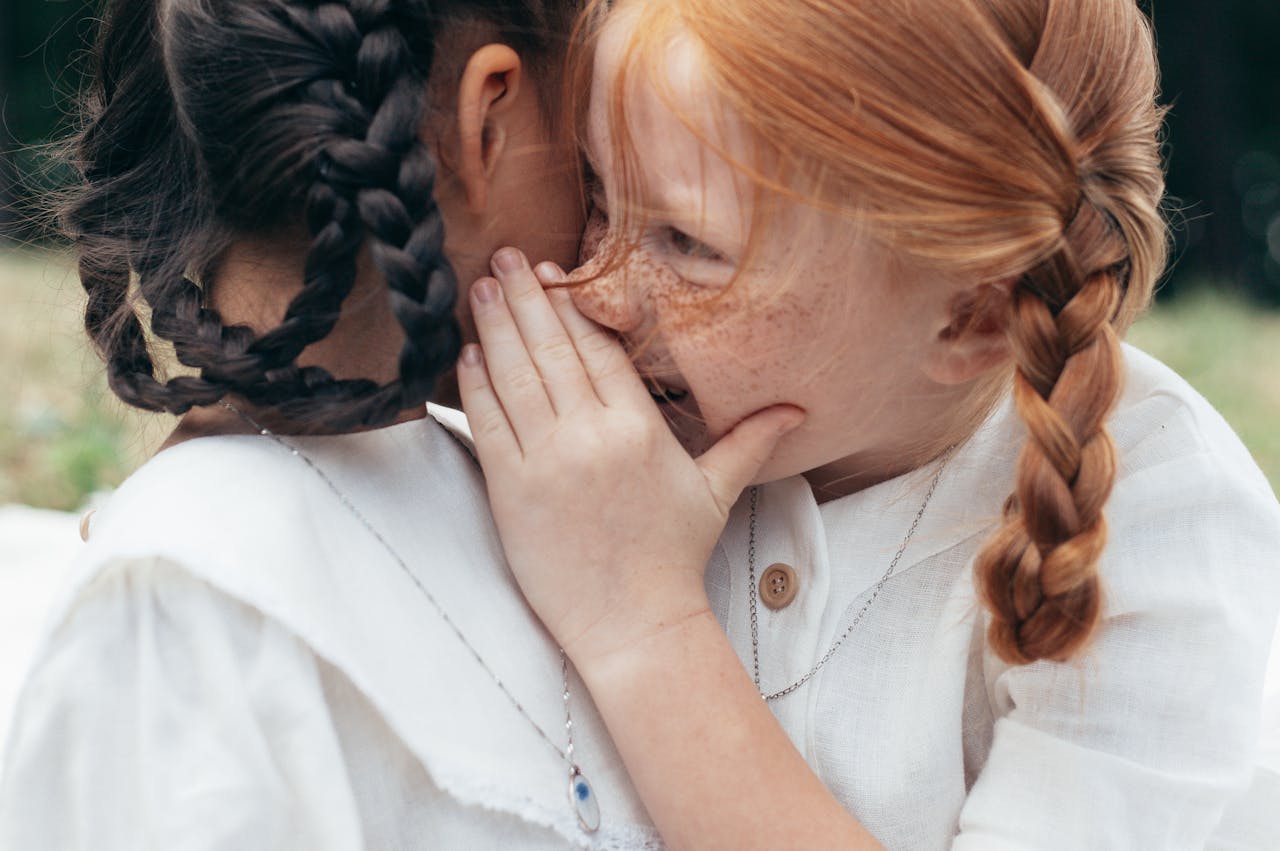
Pickup games and backyard hangouts carried a quiet civics class: nobody was officially in charge, yet everyone had to keep playing together until dinner or the streetlights ended the day. Kids argued calls, set boundaries, chose captains, negotiated the score limit, swapped teams to balance things out, and learned when to apologize so an afternoon would not end in a feud, often with older kids mediating and younger ones watching how fairness gets made under pressure. They learned that a rematch, a hand shake, and a quick reset could save friendships, especially when pride ran hot and everyone still had to play tomorrow.
Researching Without A Search Bar

Research once started with shelves, not a search bar, and curiosity had to travel farther to find answers on homework nights, sometimes with a bus ride to the library and a book put on hold. Kids learned to scan indexes, skim encyclopedias, use library databases, and ask a librarian for help without feeling foolish, then copy citations carefully and take notes that still made sense later at the kitchen table with a lamp humming nearby. They learned to cross-check sources, compare timelines, track down a primary account, and accept that a good answer might take two visits and a little patience, too, in the end, still.
Memorizing Numbers And Essential Details
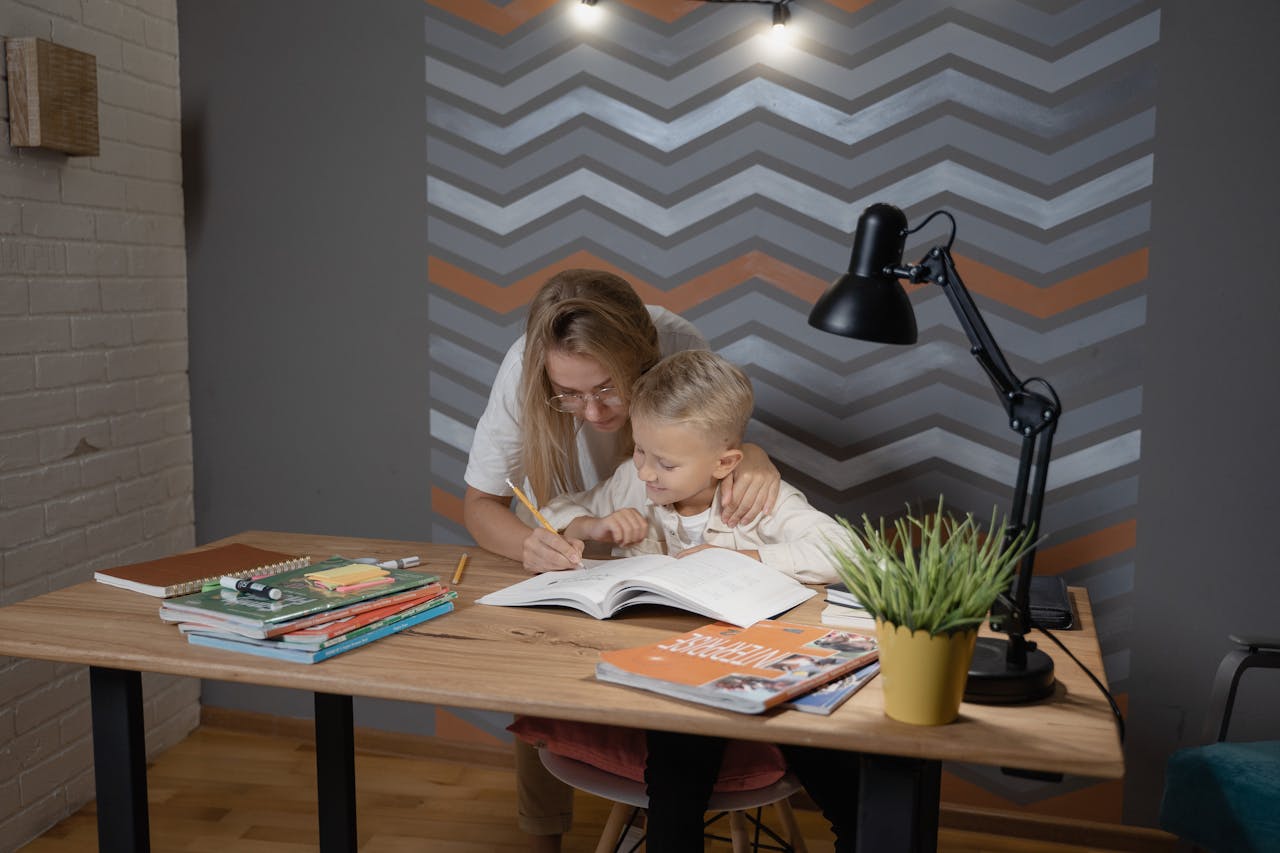
Before contacts synced across devices, kids kept essential information in their heads, because memory was the backup plan when a pay phone, a neighbor, or a school office was the only option. They memorized home phone numbers, street addresses, and a parent’s work line, practiced spelling last names for adults, and knew which neighbor to call when plans changed, because a missed ride demanded a real solution. They also memorized bus routes, meeting places, a coach’s number for practice pickups, a parent’s work address, and a grandparent’s line, so a dead battery did not erase their next step or their story at all.