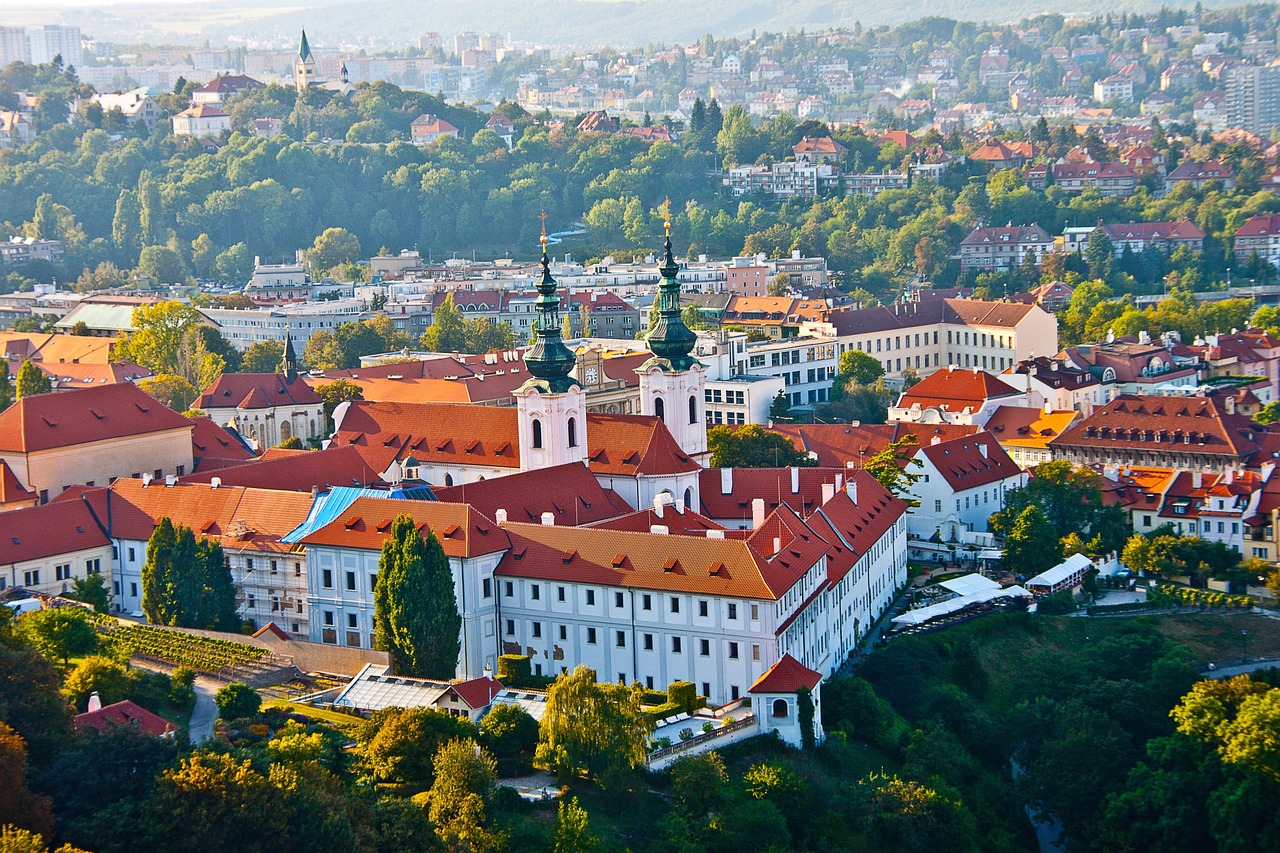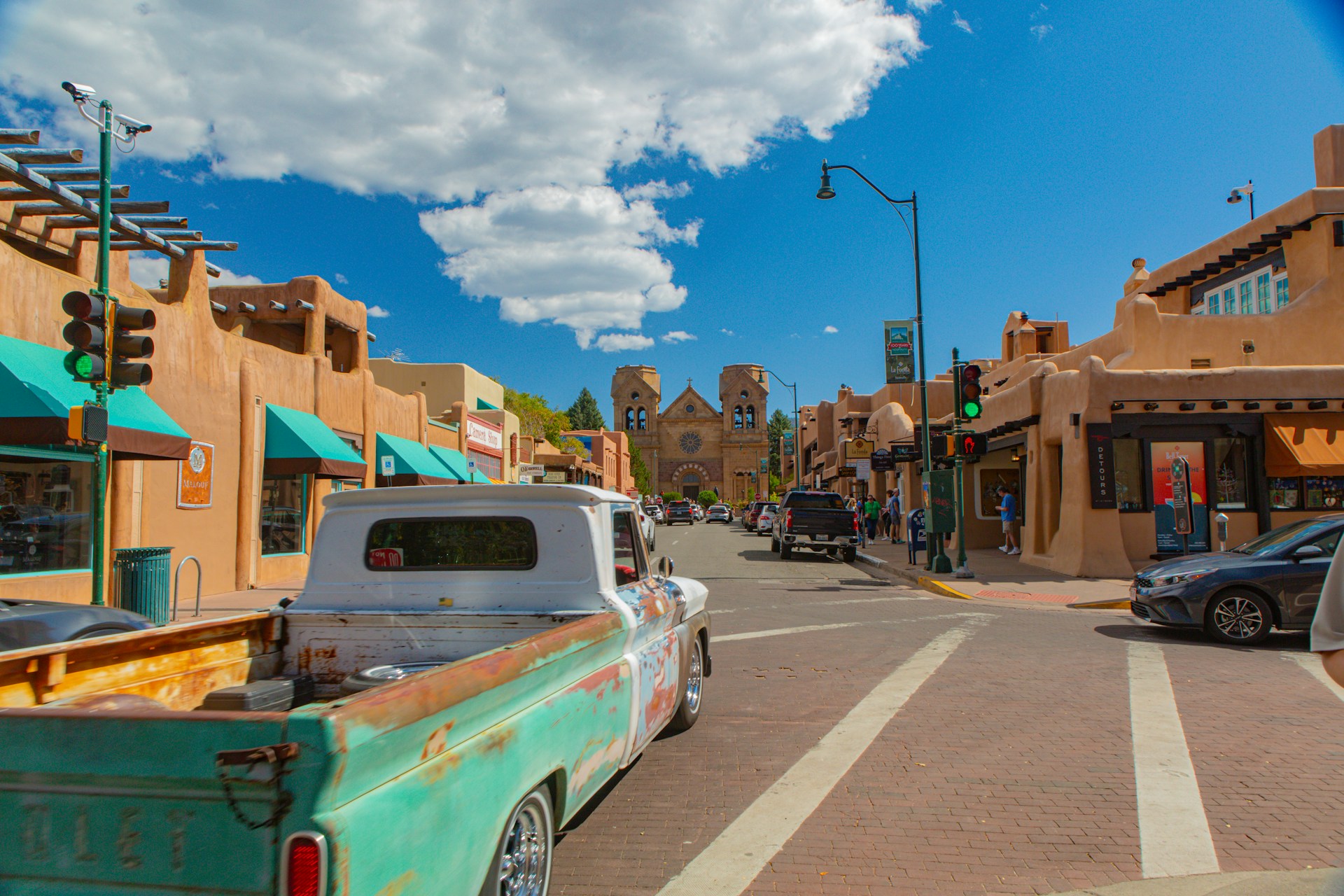
For years, certain destinations carried an easy promise: familiar streets, friendly routines, and trips that felt both exciting and dependable. That confidence is thinning. Housing pressure, visible crowding, tougher enforcement, environmental stress, and constant security headlines are reshaping choices faster than tourism offices can respond. What is changing is not simple popularity but trust itself. When uncertainty rises, even places once considered automatic favorites start to feel unpredictable, and hesitation quietly becomes the first decision many travelers make, long before any ticket is booked for many families.
Barcelona, Spain

Barcelona remains magnetic, but frustration with mass tourism has moved into the streets. In 2024, demonstrations included chants of tourists go home, and Reuters captured protesters using water pistols in busy areas. Local leaders linked the anger to affordability after years of steep rent and home-price growth.
Travel planners now describe a mood shift. Reuters reported about 26 million visitors in Barcelona in 2024, even as resident concern about tourism’s local impact reached a record in city polling. For cautious travelers, that mix of crowd pressure and public tension can outweigh the city’s cultural draw for now.
United States
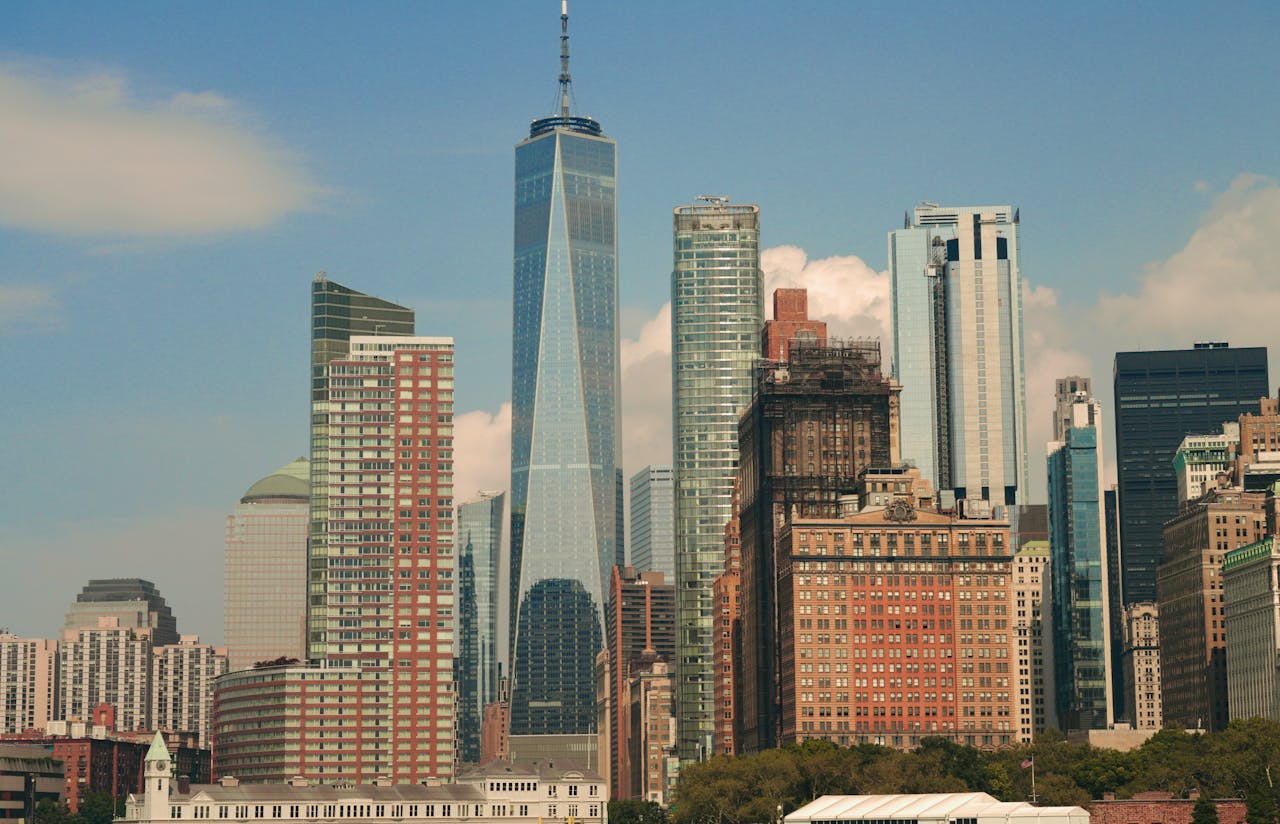
The United States still offers variety, yet perception has become a barrier for international visitors. Tourism Economics moved from projecting an 8.8% rise in inbound travel for 2025 to a 9.4% decline after tariff shocks and political friction, a sharp reversal. Reuters also reported four months of hotel occupancy decline through June 2025.
Safety narratives add to hesitation. Industry analysis cited by Reuters says concern about gun violence still shapes how overseas travelers judge U.S. trips. When economic uncertainty and personal-risk headlines combine, familiar city plans can shift from likely booking to delayed decision.
Thailand

Thailand has not lost its charm, but confidence around entry certainty has weakened. Reuters reported foreign arrivals were down 5.62% year over year by mid-July 2025 and 7.08% by mid-Sept., while the Bank of Thailand cut its full-year forecast from 37.5 million to 35 million visitors. Those revisions suggest caution, not a brief wobble.
Part of the anxiety comes from mixed expectations around enforcement and documentation checks. Even when most trips move smoothly, uncertainty at the border can influence decisions months ahead. For first-time visitors, clarity now matters nearly as much as beaches, food, and value today.
Canary Islands, Spain
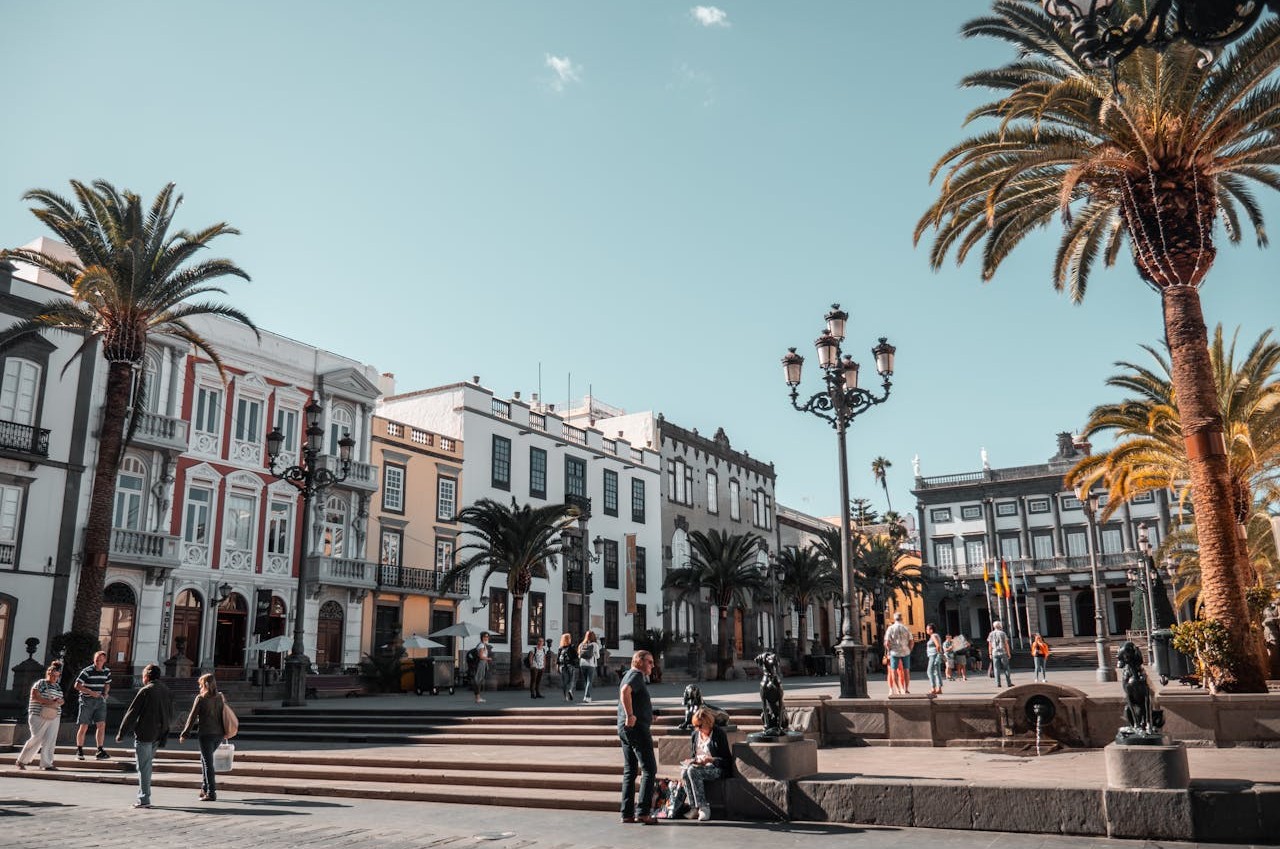
The Canary Islands were long sold as easy sunshine, but resident pushback has changed the climate. In 2024, anti-overtourism protests spread across Tenerife, Gran Canaria, Lanzarote, and Fuerteventura, with residents arguing that housing pressure and strained services rose faster than local pay. The message was that the islands had a limit.
Authorities are moving toward tighter controls on short-term rentals and development, while demonstrations continue. Even without direct confrontation, travelers notice the shift. For family holidaymakers, concern now extends beyond weather or airfare to whether the welcome feels less certain.
Venice, Italy
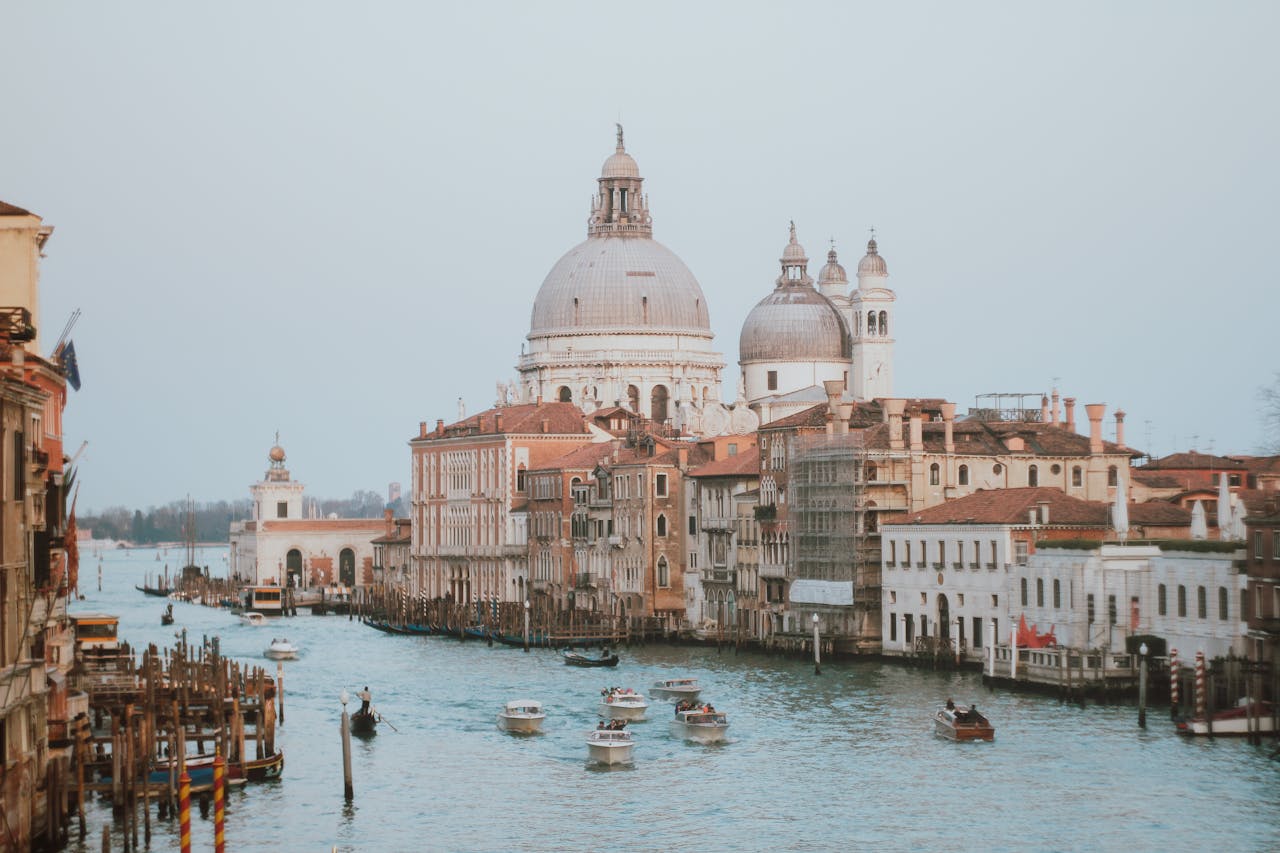
Venice remains extraordinary, yet it increasingly feels like a city managing crowds rather than hosting them. Reporting in 2024 described roughly 5.9 million visitors and 13.3 million overnight stays, while resident counts in the historic center sat near 48,500, deepening depopulation concerns. The pressure is visible in movement, services, and housing.
The city expanded its entry fee for 2025, but Reuters reported trial data showing no clear drop in arrivals, with about 7,000 more visitors on fee dates. For travelers who value lived-in character over spectacle, Venice can feel less like a neighborhood and more like a queue.
Bali, Indonesia

Bali still photographs like paradise, yet on-the-ground perception has grown complicated. Official Bali statistics recorded 616,641 foreign arrivals in Aug. 2024 alone, and wider reporting estimated 6.33 million international visitors for 2024. Growth supports income, but it has increased pressure on roads, waste systems, and coasts.
Authorities introduced a tourist levy and stricter behavior rules, but uneven compliance has limited impact, according to reporting on Bali’s overtourism response. When branding promises calm but visitors meet congestion and litter in peak zones, confidence slips quickly, even if arrivals stay strong.
Kenya
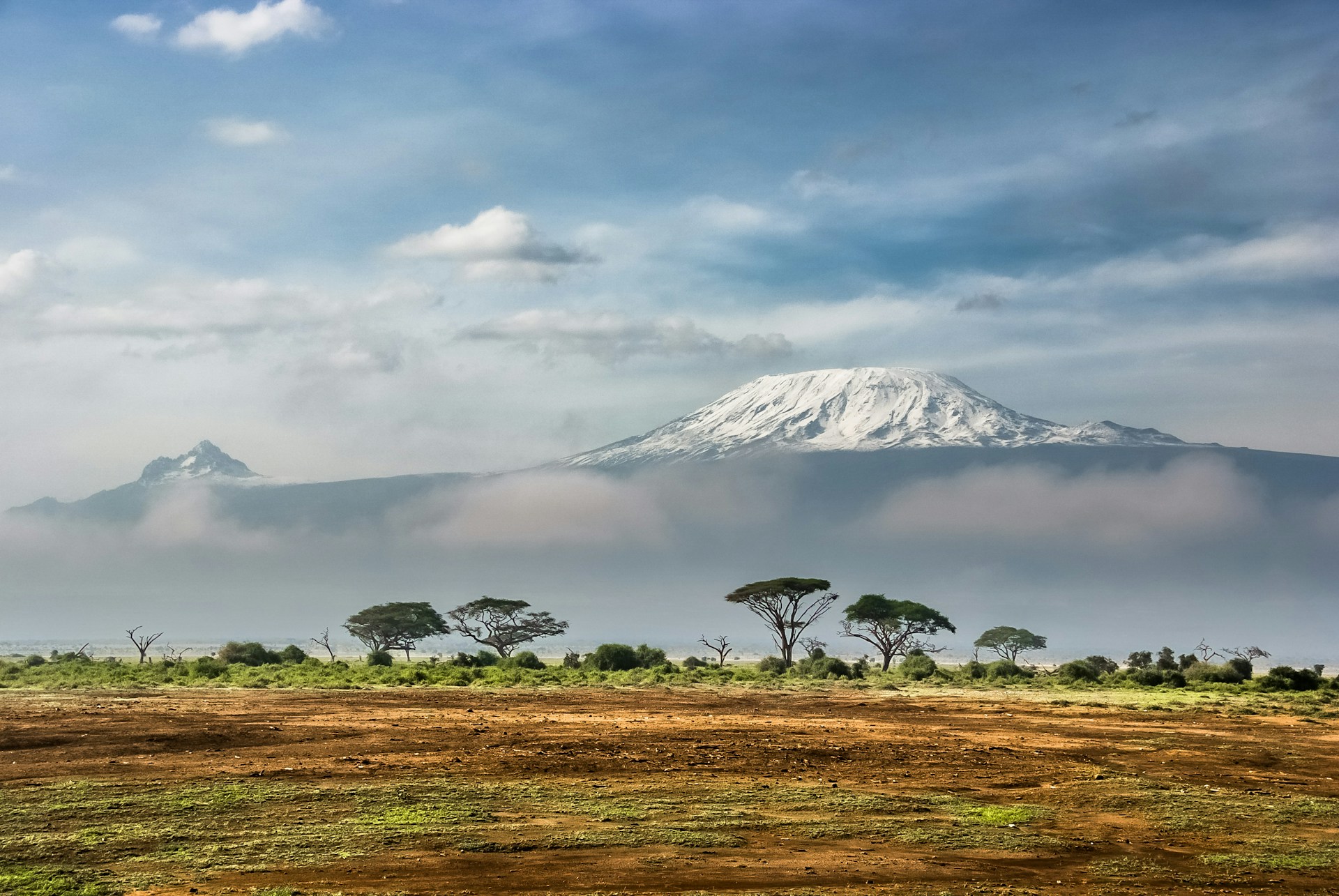
Kenya’s tourism rebound is real. The 2024 Tourism Sector Performance Report recorded 2,394,376 international arrivals, up 14.6% from 2023. Government targets point to faster expansion, including larger visitor ambitions and a stronger push for cruise traffic along the coast.
That progress carries management pressure. When arrivals rise quickly, infrastructure, waste handling, wildlife corridors, and community services can drift out of sync unless capacity planning keeps pace. Kenya still offers exceptional safaris and shoreline experiences, but risk-aware travelers increasingly watch whether growth is matched by stewardship.
Mexico

Mexico remains one of the hemisphere’s most desired destinations, yet security perception now shapes itinerary choices. The U.S. State Department keeps a caution advisory nationally, with stronger warnings for specific states. Canada also advises a high degree of caution and flags criminal activity and kidnapping as risks.
Recent Reuters reporting from Mexico City showed how high-profile incidents can quickly affect confidence, even in places long viewed as stable. Most visits still proceed without incident, but fear-driven planning often generalizes risk. That spillover effect has become one of Mexico’s toughest tourism headwinds.