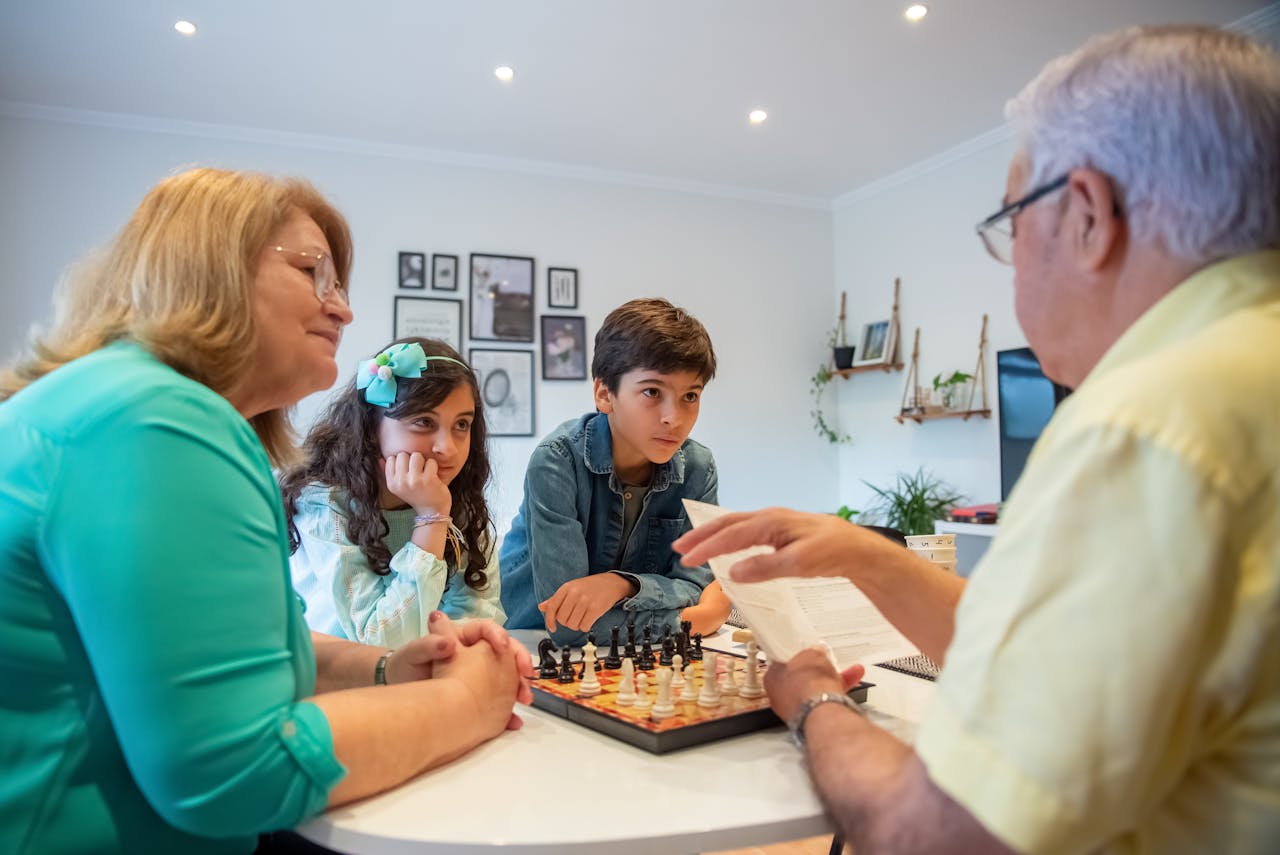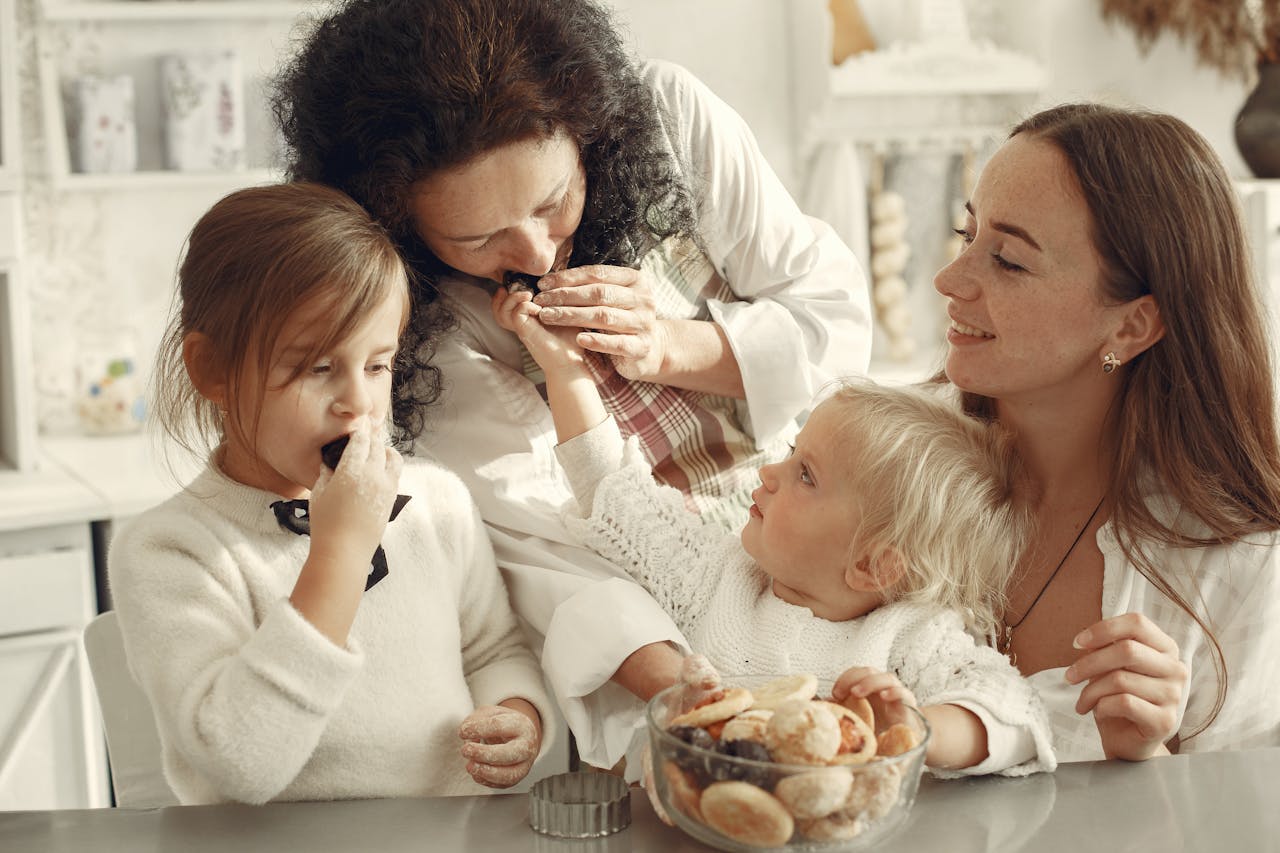
Boomers often grew up with short, sharp phrases meant to steady kids quickly and keep families moving. In many homes, postwar optimism mixed with strict manners, and adults expected children to adapt without a long talk.
Those lines rewarded self-control, obedience, and getting on with it, even when feelings were big. The lessons did build grit, but they also taught many to doubt their own needs, swallow questions, and handle pain quietly. Years later, the same hard truths can show up as guilt about rest, discomfort with asking for help, or a reflex to keep smiling when something hurts. The echoes can be stubborn in quiet moments.
Because I Said So

Because I said so ended the conversation in many Boomer households. It was a shortcut for case closed, teaching respect for rules and the idea that authority did not owe an explanation. In crowded routines, that clarity kept dinner, homework, and bedtimes from turning into daily negotiations.
The scar came later. When questions were treated as defiance, kids learned to hide curiosity and needs. As adults, some still feel a jolt of anxiety when asking for context at work or at home, so silence becomes a safety strategy. Even healthy boundaries can feel like backtalk, and approval can seem tied to compliance. For far too long.
Life’s Not Fair
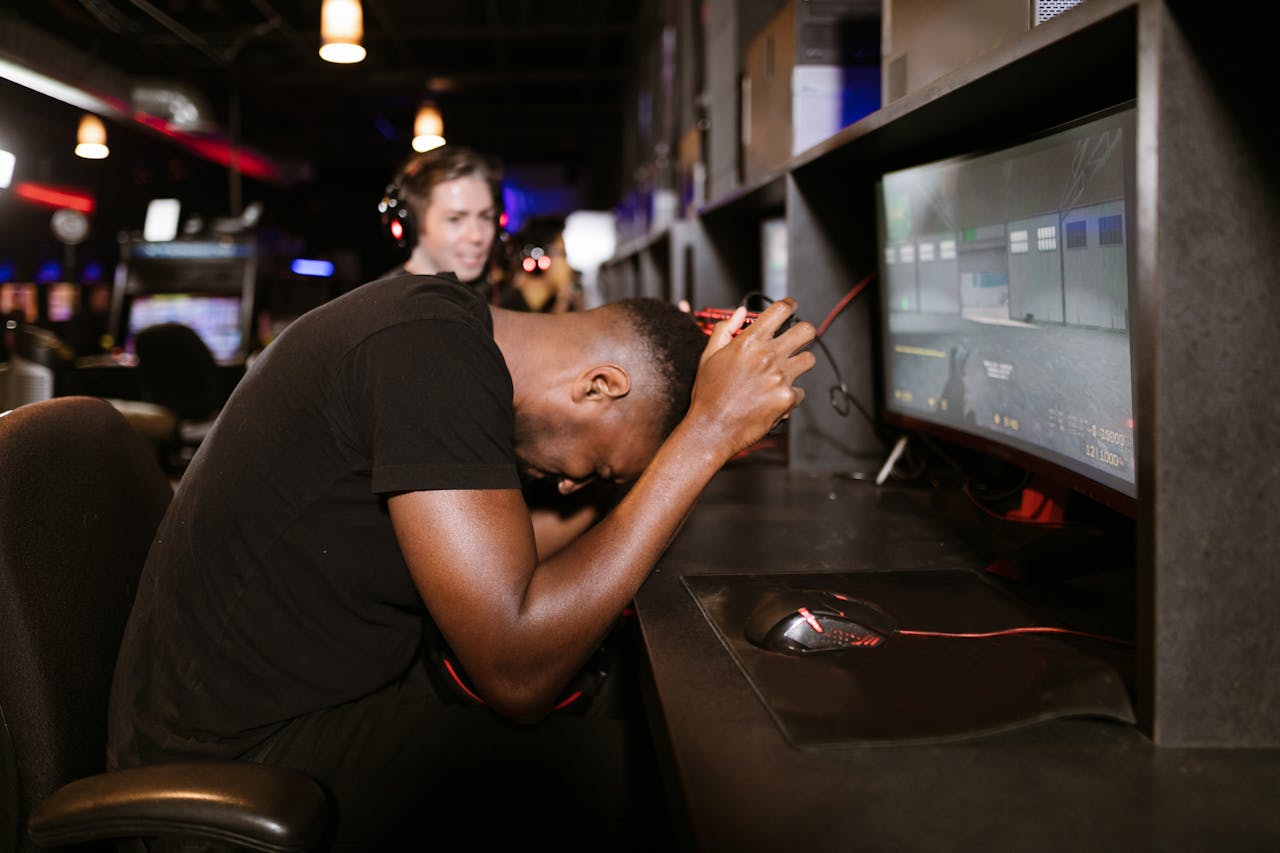
Life’s not fair was often delivered after a lost game, a missed chance, or a sibling getting the bigger slice. It trained Boomers to adjust expectations fast and keep going when outcomes did not match effort. The message pushed resilience and discouraged entitlement, and it mirrored the disappointments adult life would bring.
The scar was how quickly feelings were brushed aside. If unfairness was framed as something to endure alone, many learned to downplay hurt and move on without naming it. Some turned the phrase inward and blamed themselves for what they could not control, carrying grief while avoiding support even when it was available.
Not Made Of Sugar, Will Survive

Not made of sugar, will survive was the pep talk for rain, scraped knees, and awkward first tries. It reminded kids that discomfort would pass, and that courage often meant doing the thing anyway. The upside was a steady confidence built through small acts of endurance, from walking to school in weather to trying again after a mistake.
The scar was the shame around needing help. When pain was waved off as minor, many learned to ignore body signals and treat vulnerability as failure. That can show up later as delayed care, overwork, and a habit of managing emotions alone, even with people who mean well. Strength grew, but softness felt risky.
Money Doesn’t Grow On Trees

Money doesn’t grow on trees showed up at the store, beside bill piles, and during back-to-school shopping. It taught that resources are finite, that wants must wait, and that a paycheck is tied to effort and planning. The upside was early budgeting skills and respect for work, especially in families where one surprise expense could derail a month.
The scar often lived in chronic tension. Scarcity talk can turn spending into guilt and saving into fear, even when income improves. Many tied self-worth to constant productivity, so rest felt irresponsible. Small pleasures could feel like a mistake, not a relief and generosity could trigger worry.
Children Should Be Seen And Not Heard
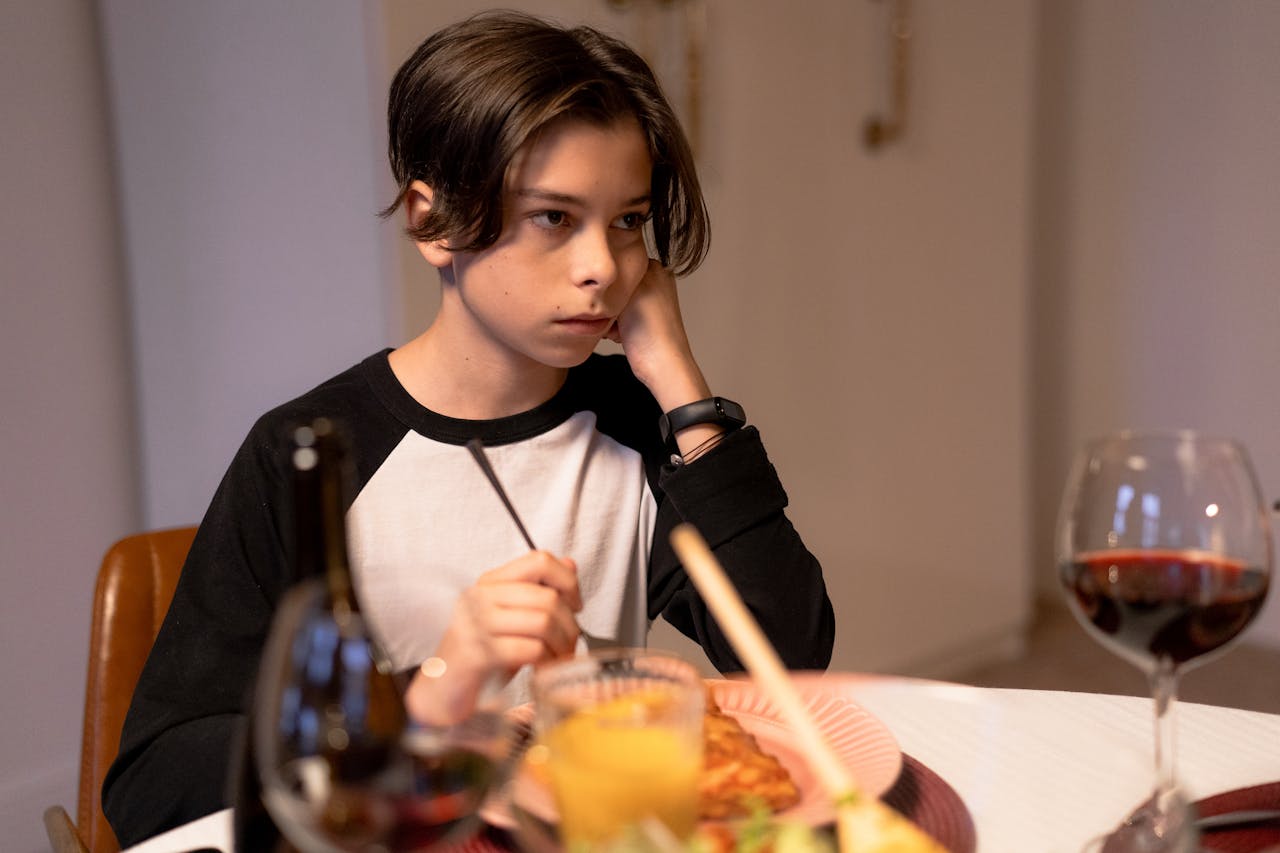
Children should be seen and not heard trained Boomers to sit still, listen, and stay out of adult talk. Quiet was praised as manners, and kids learned to observe first and speak later, if at all. It reinforced hierarchy at home and taught restraint in public.
The scar was a muted sense of self. When speaking up was framed as rude, many learned to doubt their own perspective and wait for permission to take space. That can echo in meetings, relationships, and doctor visits, where advocating for needs feels tense. Conflict can feel dangerous even when it is respectful. Listening is valuable, but enforced silence can linger. For years.
Rub Some Dirt On It
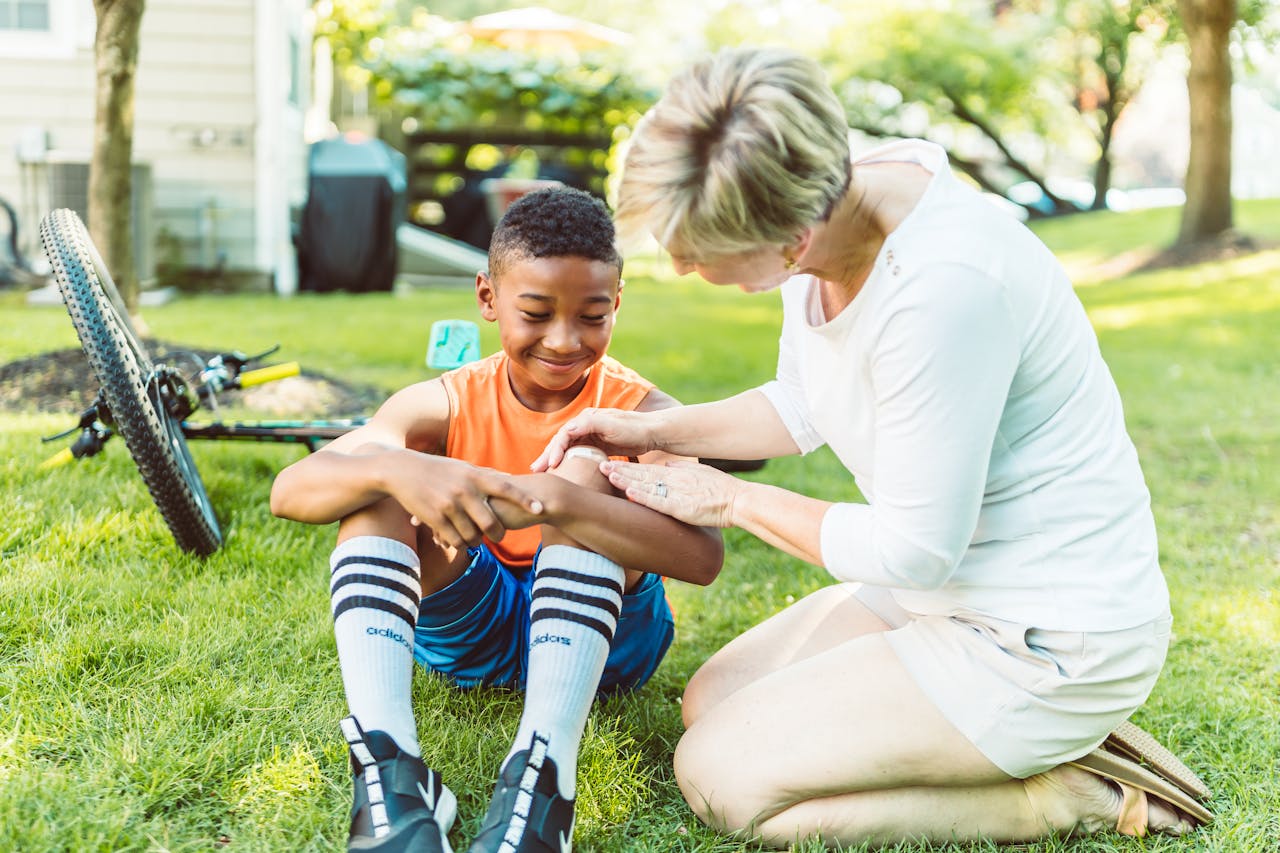
Rub some dirt on it was shorthand for keep going after small injuries, awkward moments, or a bad day. It encouraged self-reliance and a quick return to play, chores, or school, without making every bump a crisis. It also discouraged seeking sympathy, which many adults believed would spoil a child.
The scar was the reflex to downplay pain. When toughness was the only acceptable response, many delayed care, hid anxiety, or brushed off emotional strain. That habit can follow people into adulthood, where support exists but feels undeserved, and closeness feels risky. Resilience is real, yet so is the cost of never pausing to heal.