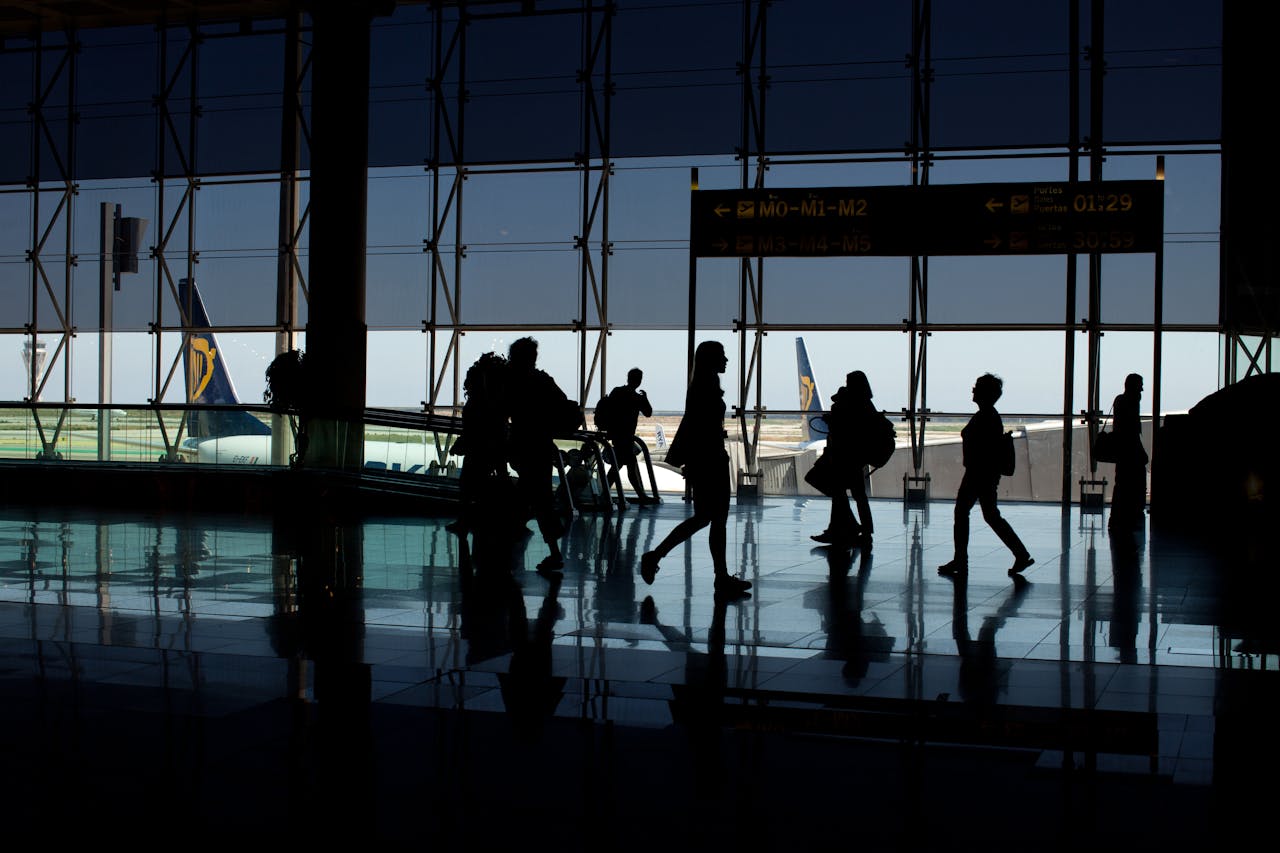
A winter storm can erase a week of careful planning in one airport update. When cancellations pile up, travelers hunt for beds, reroutes, and straight answers while crews race to reset aircraft and schedules.
The U.S. automatic-refund rule, launched in Oct. 2024, now faces a high-volume test as thousands of flights drop off boards at once. Flight tracking data has shown surges centered around big hubs like Dallas and Boston, and the ripple spreads fast. Airline staff say the surprise comes later, when refund timelines, waiver choices, and scattered notices collide into confusion that lingers after the runways reopen.
The Automatic Refund Rule Meets Its First Real Volume Test

The automatic-refund rule is simple on paper: a canceled flight should trigger a full cash refund without a separate request. This storm-driven wave is the first time many airline systems have had to do that at scale, with staff handling reroutes, bags, and reissued tickets in the same breath.
FlightAware counts showed more than 27,000 cancellations since Friday, plus over 2,000 more by Tuesday morning. Airports around Dallas and Boston led the totals on Monday. Staff warn that when cancellations hit that volume, refunds do not fail as much as they stall, waiting behind schedule rebuilds and overloaded payment pipelines.
One Tap Can Change Whether Cash Is Owed Automatically

Refund timing hinges on one decision: whether the passenger accepts an airline offer for alternate transportation or a travel credit. The rule applies cleanly when the cancellation is left unpatched and the refund is the chosen outcome, not a swapped itinerary.
The DOT timeline is specific: seven business days for credit card purchases and 20 calendar days for other payment methods. Staff say the messy cases start when a quick rebook is accepted in the moment, then later dropped as plans change. The reservation can show overlapping segments, banks post on their schedules, and weekends stretch what sounded like a simple countdown.
Waivers Reduce Fees, but They Multiply Moving Parts

Winter travel waivers can be a lifeline, letting passengers reschedule without paying change fees that can reach several hundred dollars. Staff often see smoother outcomes when changes are made early, before gate lines become bottlenecks. After major cold snaps, normal service can take days to rebuild.
Waivers also invite constant edits. Each tweak can create a new version of the trip with fresh timestamps and added segments. If the trip ends in a cancellation, refund teams must untangle which version was declined and which was accepted. That back-and-forth is where an automatic refund can start to feel anything but automatic.
Hub Breakdowns Spill Into Quiet Airports Fast

Mass cancellations rarely stay local. When a hub loses departures, aircraft and crews meant for later routes never arrive, and smaller airports feel it first. Staff describe a domino effect: fewer inbound planes, fewer seats, and stand-by lists that never clear.
Dallas-area and Boston-area airports led cancellation totals on Monday, but the ripple spreads far beyond those terminals. Even after weather eases, airlines still reposition planes, reassign crews, and rebuild schedules. Low temperatures can slow return to normal. Refund requests land in that same window, competing with the urgent work of getting the network moving again.
Customer Service Lines Become a Second Bottleneck
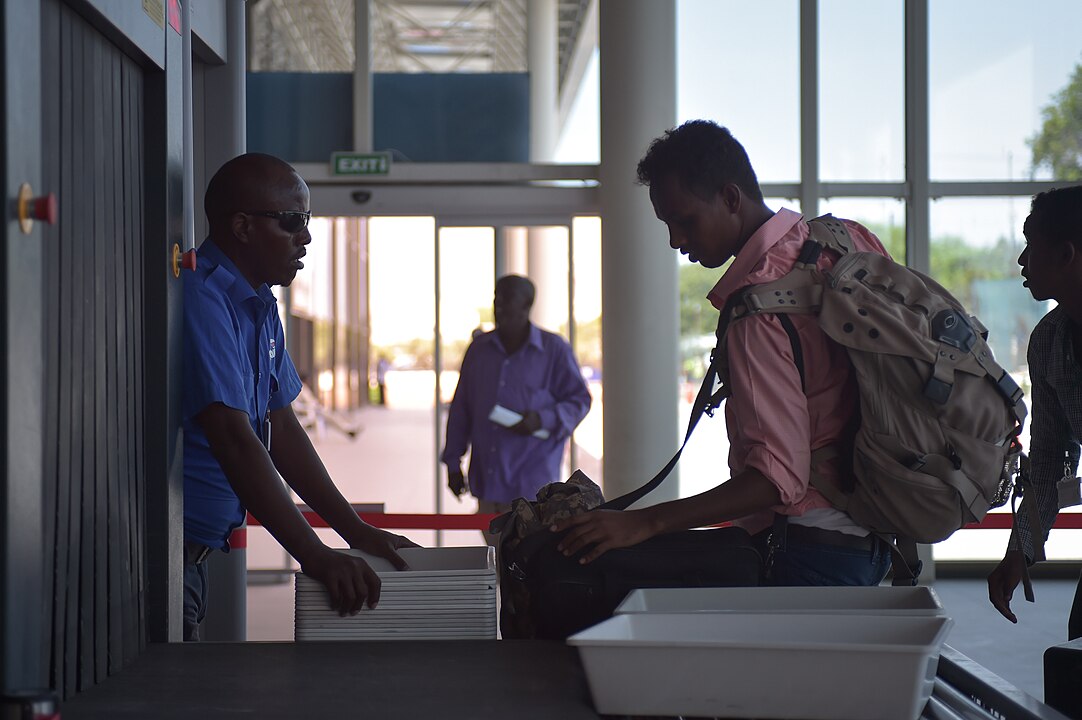
When cancellations surge, customer service becomes a traffic jam. Gate agents juggle rebooking, baggage issues, and crew logistics while phone and chat queues swell. Staff say the same travelers often bounce between counters and apps, hoping one channel answers faster.
Mixed messages add fuel. An app can show one status while an email arrives later with another, and the refund case inherits that mismatch. Confirmation notices can also arrive out of order, so people assume nothing is moving. Often it is moving, but in a system tuned for ordinary weeks, not weeks with thousands of cancellations. The backlog can take days to clear.
Simple Documentation Turns Confusion Into a Clean Case
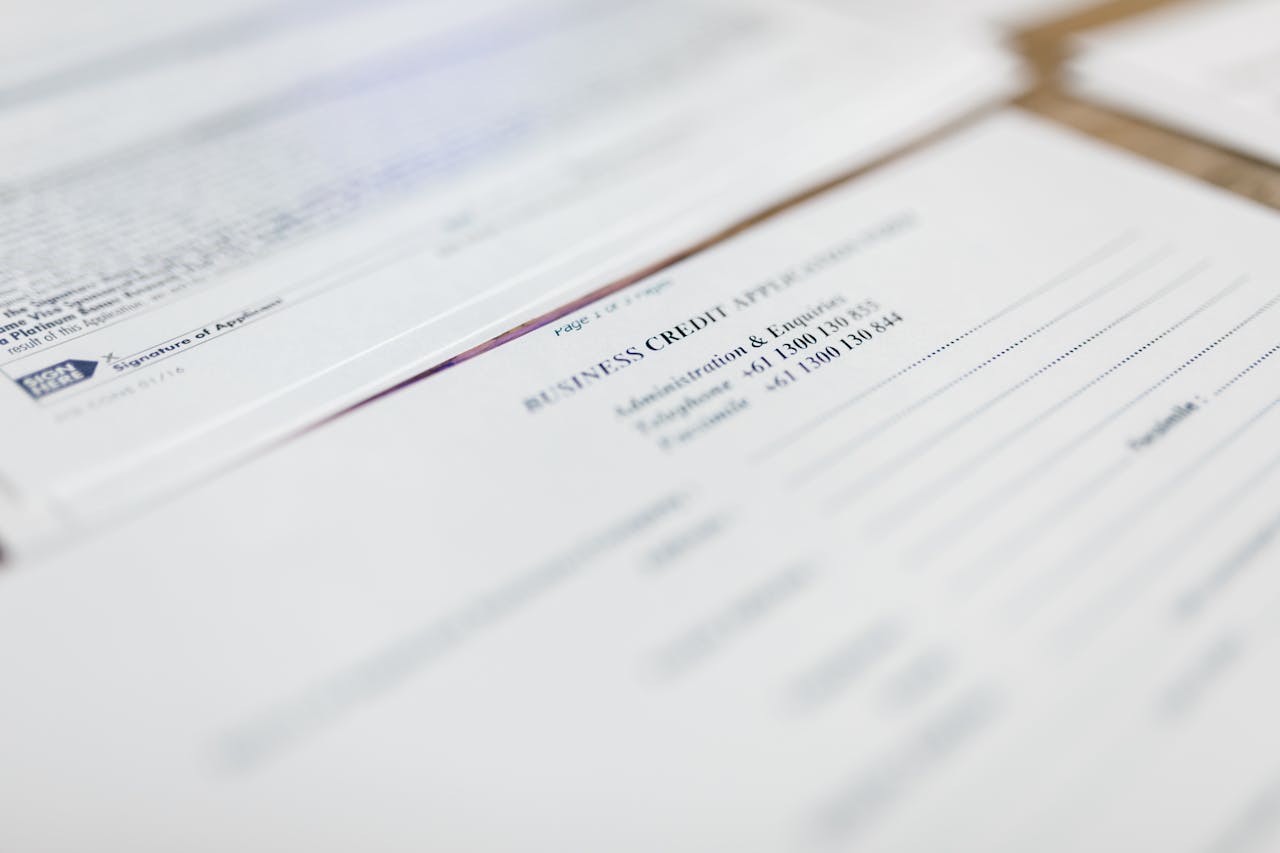
Airline staff say the quickest refunds usually start with a clean record. Not a binder of printouts, just a timeline that matches what the airline can see in its system. A cancellation notice, the receipt, and the ticket number tied to the payment method save time.
Storm weeks scramble details. Reservations change fast and emails can arrive late, so a screenshot of the cancellation time and the final itinerary version helps confirm what was accepted or declined. With deadlines of seven business days or 20 calendar days, clarity keeps a case from bouncing between queues, and those routine cases close first, even in peak weeks.
Weather Cancellations Offer Options, Not Extra Payouts

Weather cancellations come with limited promises, and staff say that mismatch fuels most counter arguments. When a flight is canceled due to weather, the choices are straightforward: rebook with the airline or take a refund. In many cases, there is no extra compensation beyond getting moved or getting money back.
Many passengers still expect hotel and meal coverage because the disruption feels personal, even when the cause is outside airline control. Staff say decisive action helps: take the best rebook while waivers are open, or take the refund and stop revising the trip. Mixing rebooks and refund requests tends to slow both.
Funding Uncertainty Can Tighten Schedules Further
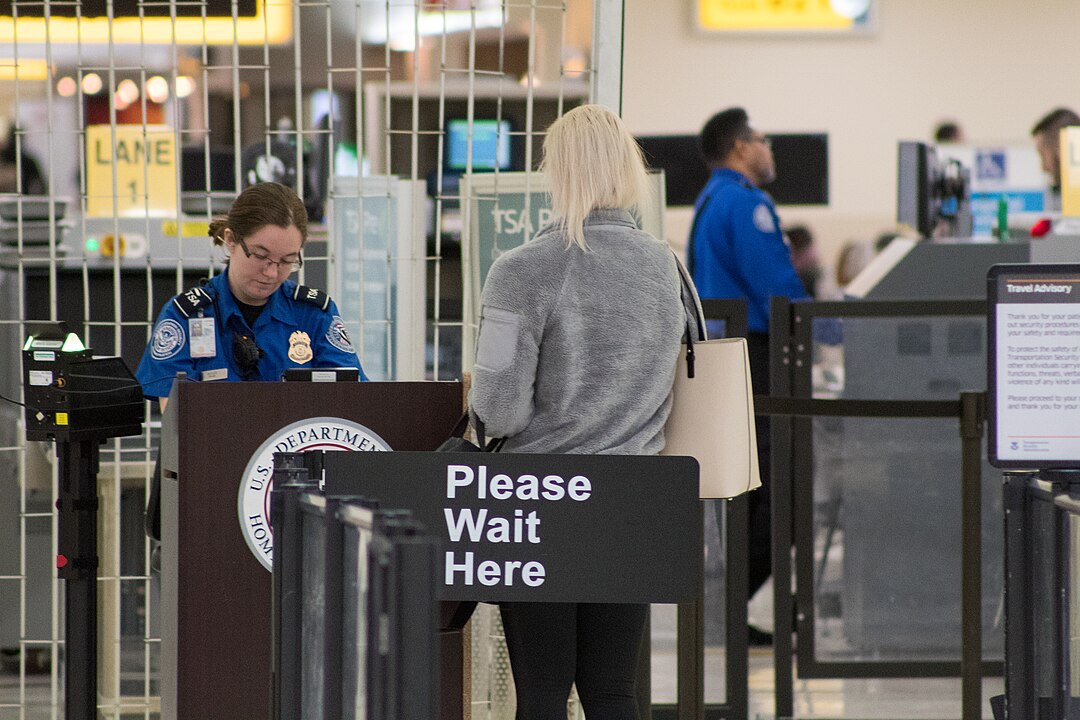
Weather is not the only strain staff watch during heavy travel weeks. A federal funding lapse can threaten a partial FAA shutdown, and even the possibility can complicate planning as airlines try to protect fragile schedules.
When aviation staffing is unsettled, recovery slows. Airlines plan conservatively when airspace resources may be constrained, and that can mean fewer flights for days. In past shutdowns, air-traffic controllers have been required to work without pay, and staffing stress at major airports has led to flight reductions. More reductions mean more cancellations, and those cancellations expand the refund backlog.
The Smoothest Outcomes Come From One Clear Choice
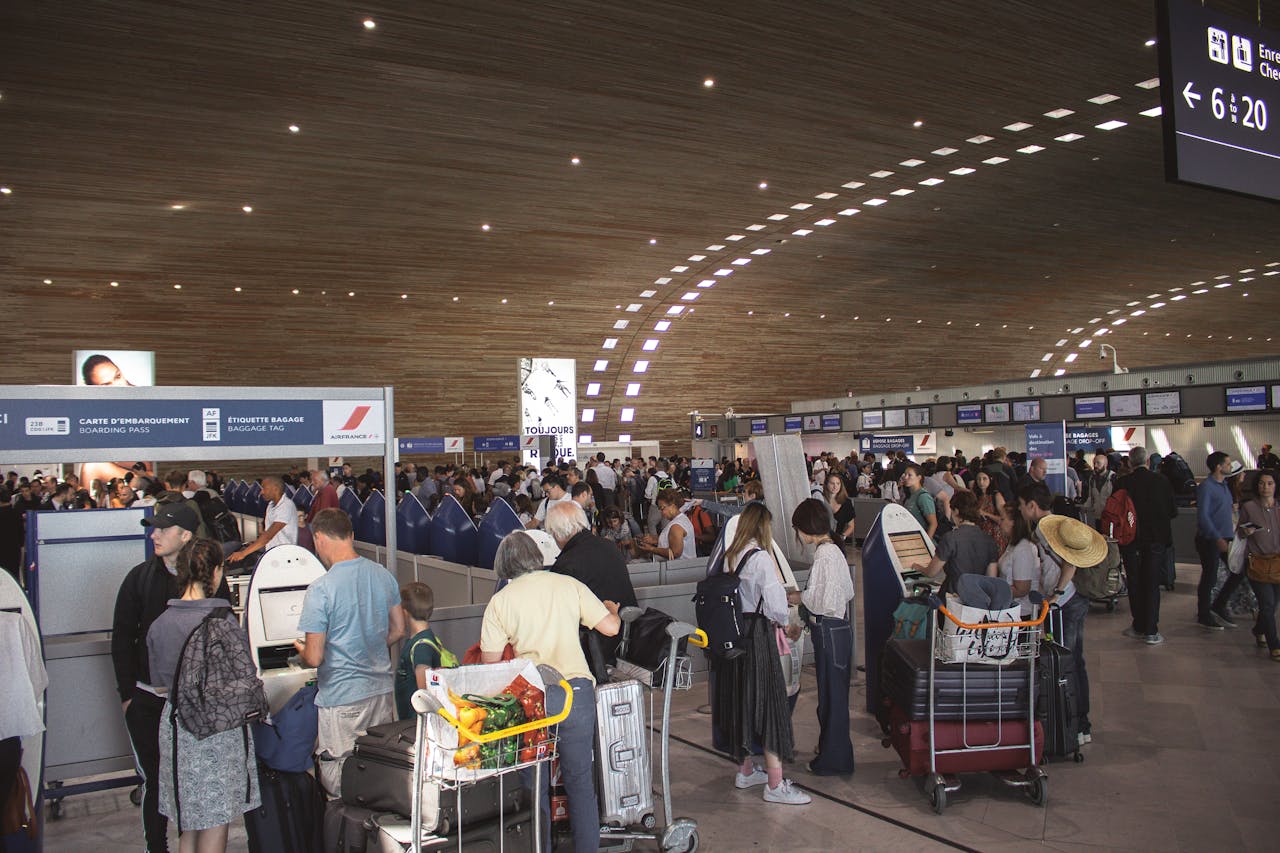
Airline staff say the best antidote to refund chaos is alignment between expectations and the rule. A refund is owed when a flight is canceled and the passenger does not accept an alternate flight or credit, but the money still moves on defined timelines.
Staff recommend choosing one path and sticking to it. If the goal is travel, lock in the best rebook while waivers are active and let the ticket stay stable. If the goal is cash back, decline credits, stop revising the itinerary, and keep a record of the cancellation. That discipline gives refund teams one clear case to close, instead of half-open versions competing for attention.