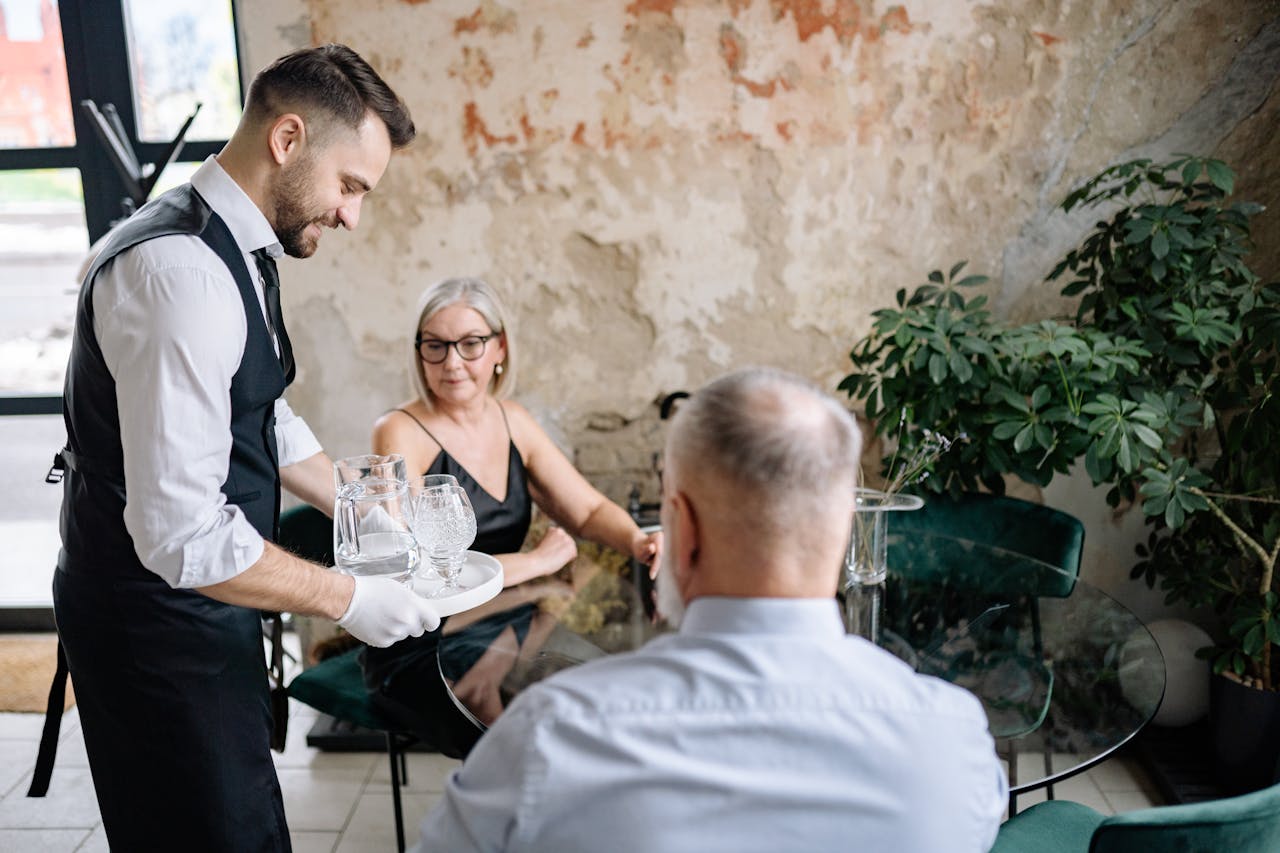
Tipping is a tiny detail that can shape a whole interaction. In some places, the price on the menu is meant to be final, and extra cash can feel misplaced. In others, a small round-up is the quiet way to say thanks, while big percentages feel loud. A few countries bake service into the bill, so the real skill is spotting the line item and not paying twice. Learning these local habits keeps moments smooth, respectful, and pleasantly simple. It also keeps budgets predictable at every meal.
Japan: Service Without A Tip
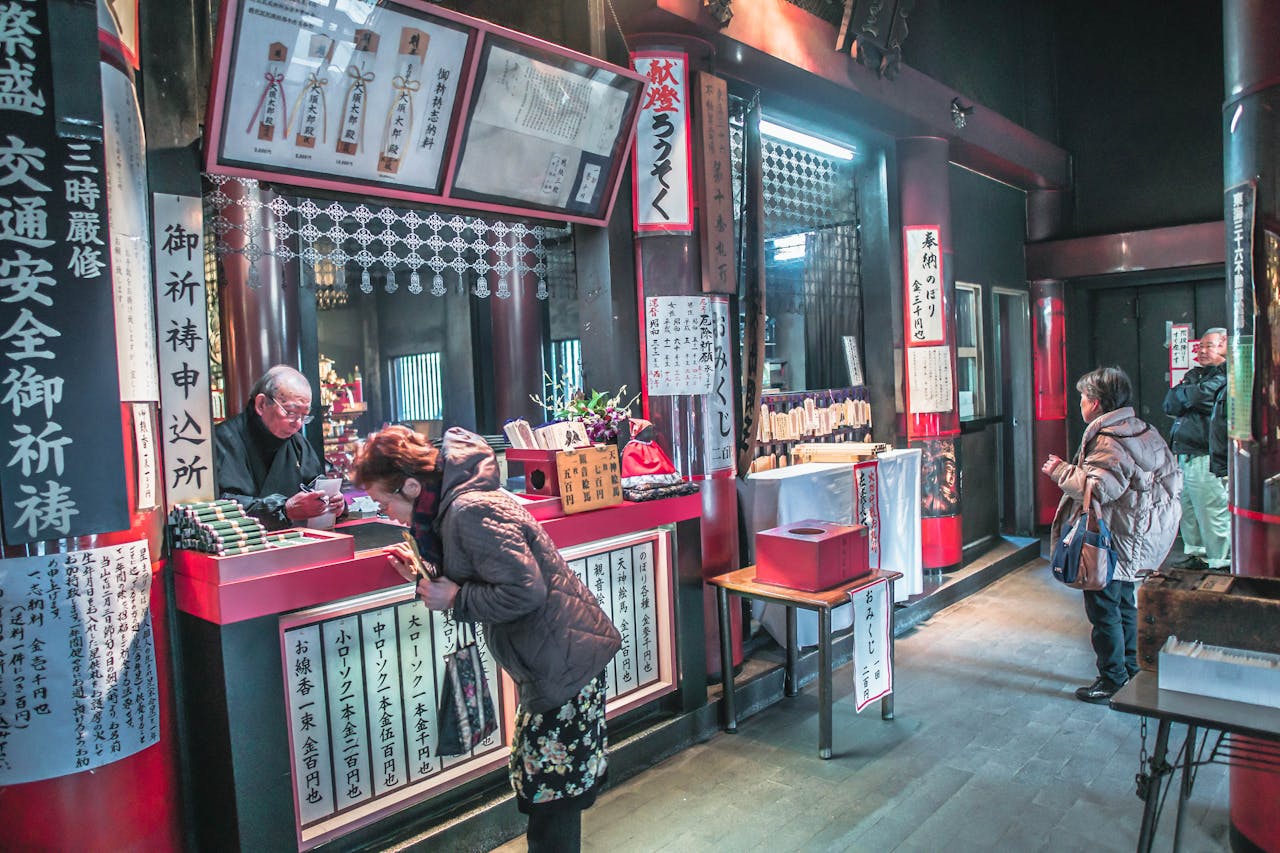
In Japan, service is treated as the standard, not a performance bought with extra cash, so tipping can disrupt the ending of the exchange. Staff may politely refuse it or return it, and money left openly on a table can feel odd in places where the bill is meant to close the moment. Appreciation lands better through calm manners, a clear thank-you, and prompt payment, while private guides or ryokan stays sometimes follow a house policy that uses a small envelope and discreet handling rather than loose bills. That surprise hits in taxis and cafés, where excellent care still ends with a settled receipt.
South Korea: The Price Is The Price
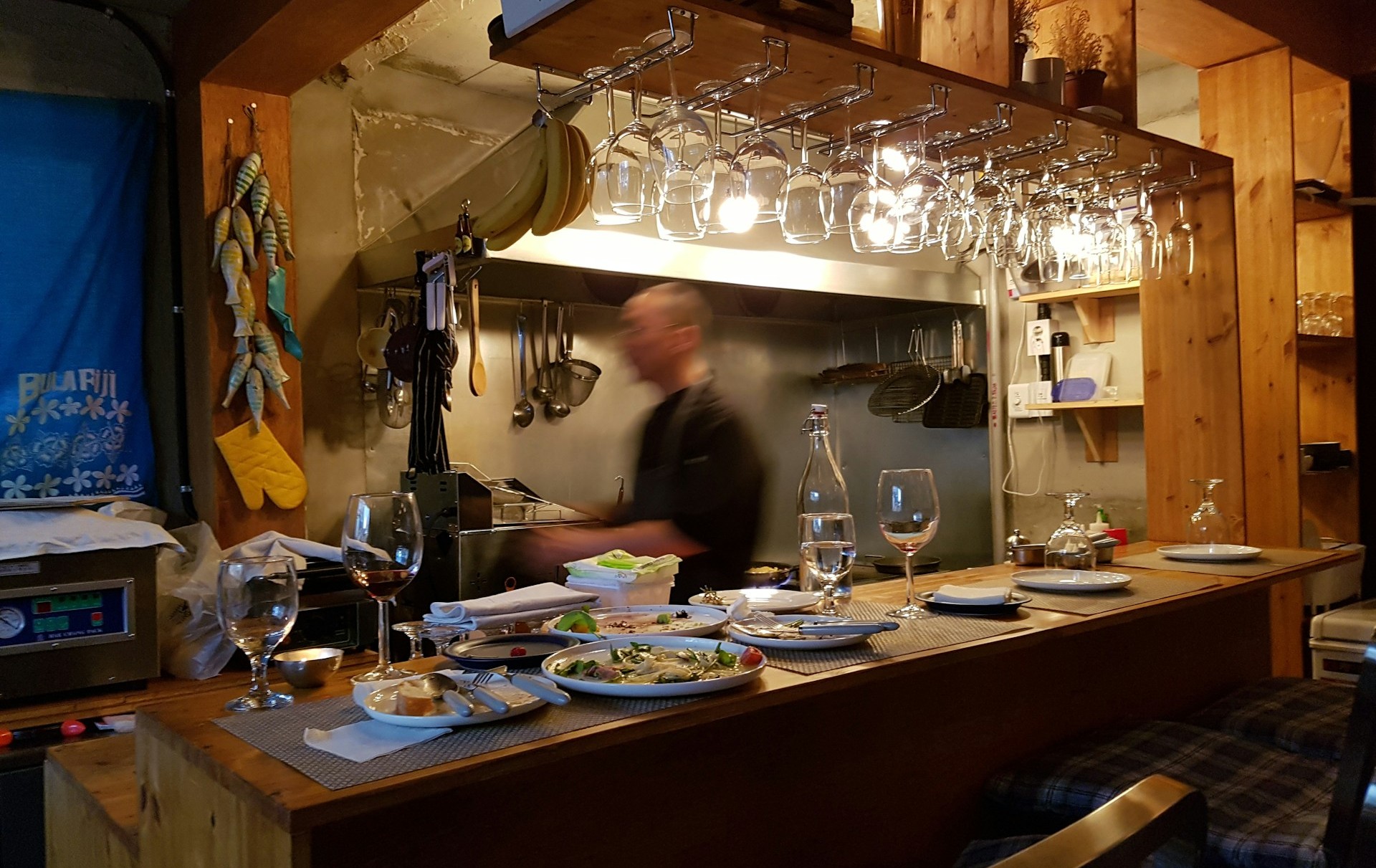
South Korea generally runs on set prices, so tipping at restaurants, cafés, and taxis is not a daily habit and can turn a smooth goodbye into negotiation. Many workers focus on speed and care without expecting a percentage, and a tip attempt may be waved off with a polite refusal that slows the moment down. In hotels, private tours, or luggage help, a small gesture can be accepted when someone clearly goes beyond the basics, but the default stays simple: pay the fare, say thanks, and move on. Even in Seoul’s districts, the most natural signal of appreciation is often a steady, respectful tone and returning again, not adding extra cash.
France: Service Included, Coins Are Enough
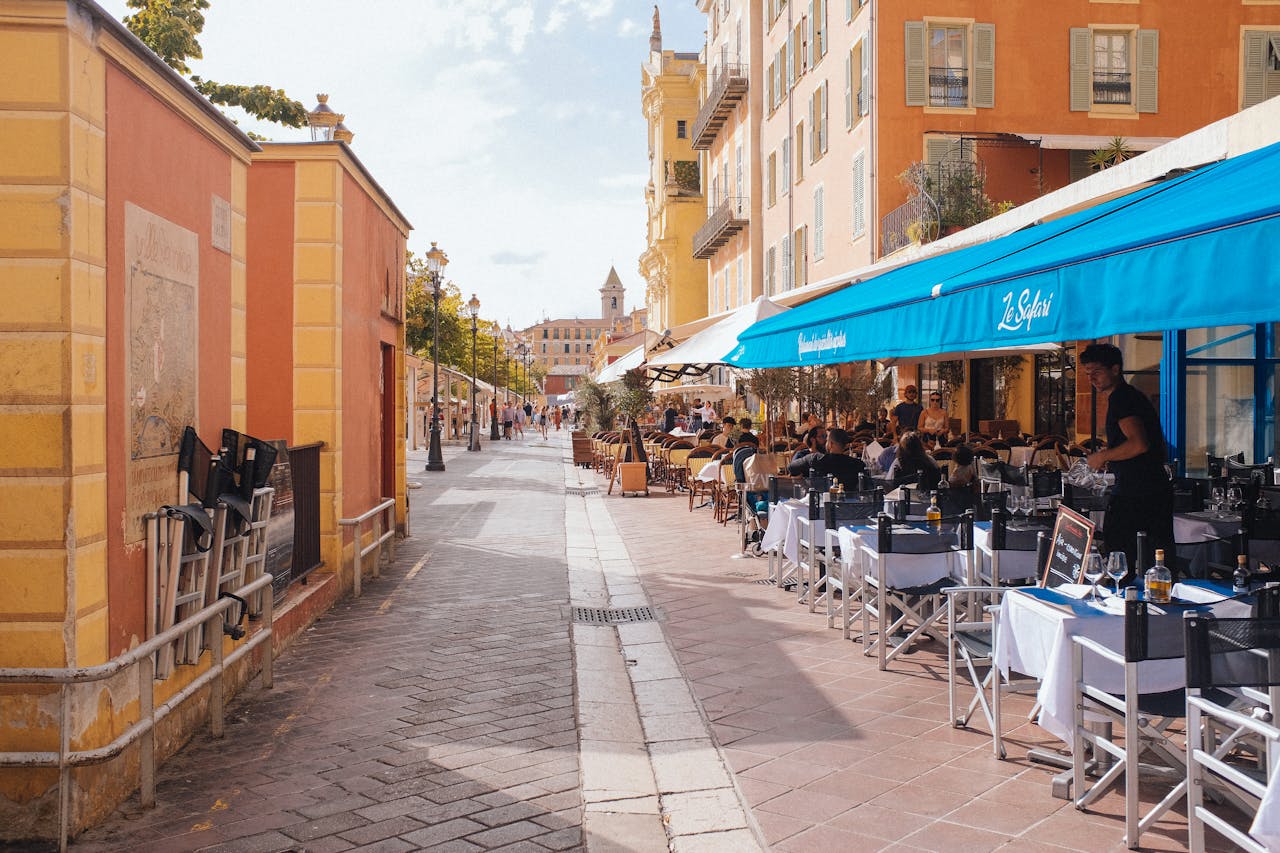
In France, service is typically included in restaurant pricing, which is why locals keep tipping modest and practical instead of percentage-driven. Rounding up, leaving small change, or adding 1–2€ for warm, attentive service fits the tone, especially when paying in cash at a neighborhood brasserie. The surprise for newcomers is that a large gratuity can feel out of scale, because the system assumes staff are already compensated; a quick glance at the receipt for service details keeps it easy and avoids doubling up. For taxis, rounding to a clean number is common, and for cafés, a coin left with the saucer reads as plenty.
Italy: Coperto Changes The Equation
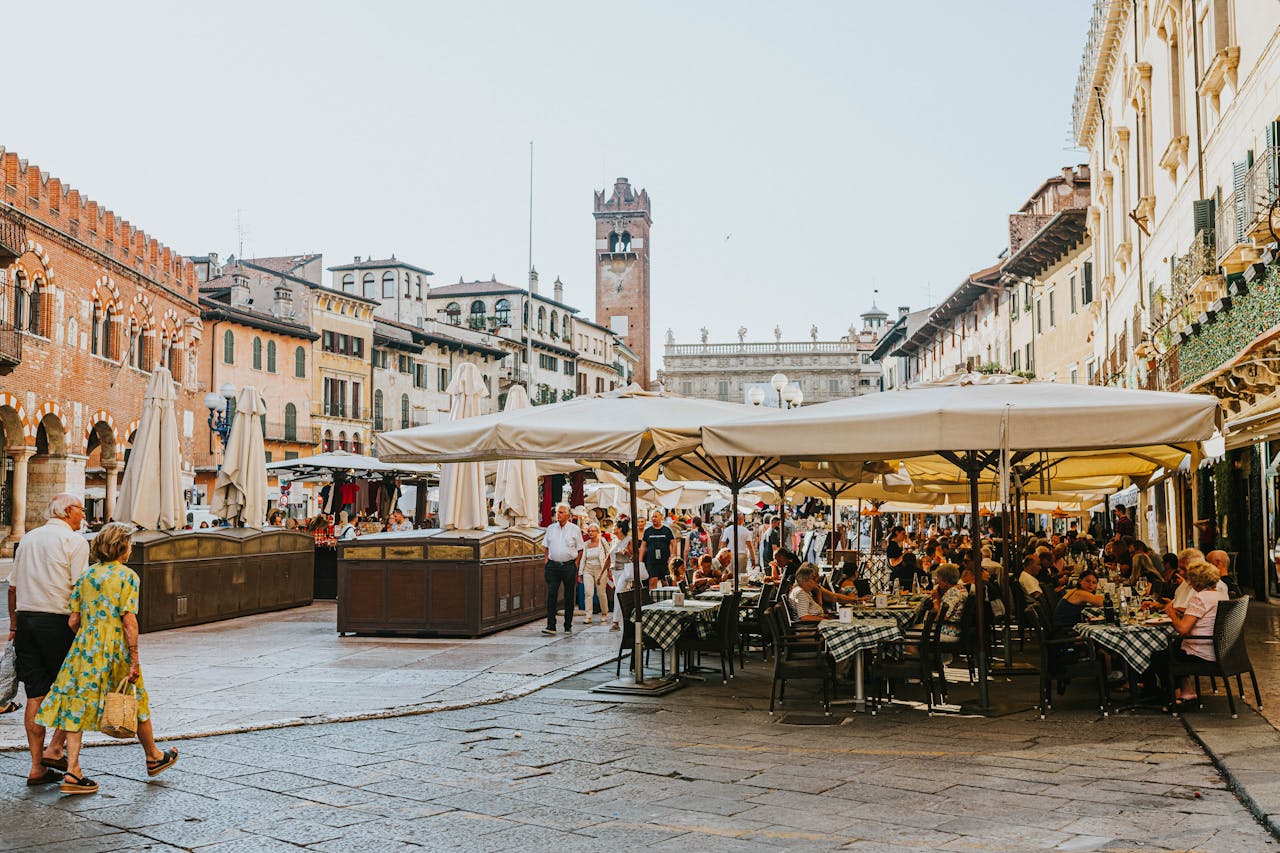
In Italy, a bill may include coperto or a service line, so the table is already paying for bread, settings, and the basics before any tip is considered. That is why many locals leave coins, round up, or add €1–€2 only when service feels especially attentive, rather than defaulting to a big percentage. Café culture is even simpler: a quick espresso at the bar rarely comes with a tipping ritual, and table service may already be priced higher, so checking the receipt keeps expectations aligned. If no service is listed and the meal was memorable, a small cash gesture left neatly is often more in tune than adding a large amount by card.
Brazil: The Familiar 10% On The Bill
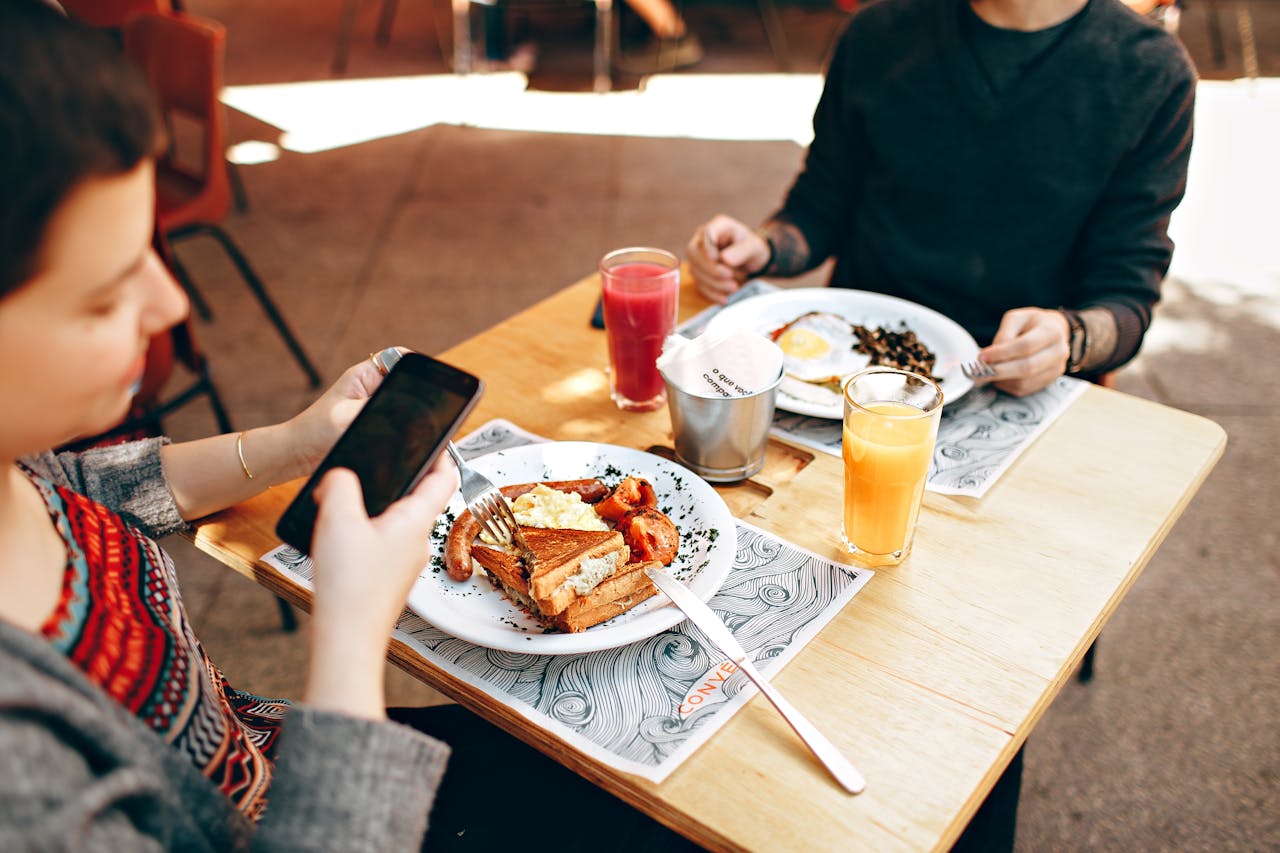
In Brazil, many restaurants add a 10% service fee to the check, and that line often functions as the tip, which surprises travelers used to choosing a number themselves. It may be shown as optional, yet it appears so routinely that visitors sometimes add another gratuity on top without noticing. The clean approach is to read the receipt, keep the service fee if it is there, and reserve extra cash for moments that feel personal, such as a porter handling bags or staff coordinating special requests with patience. In places that do not add the fee, rounding up or leaving a small amount is usually enough.
United Kingdom: The Hidden Service Charge
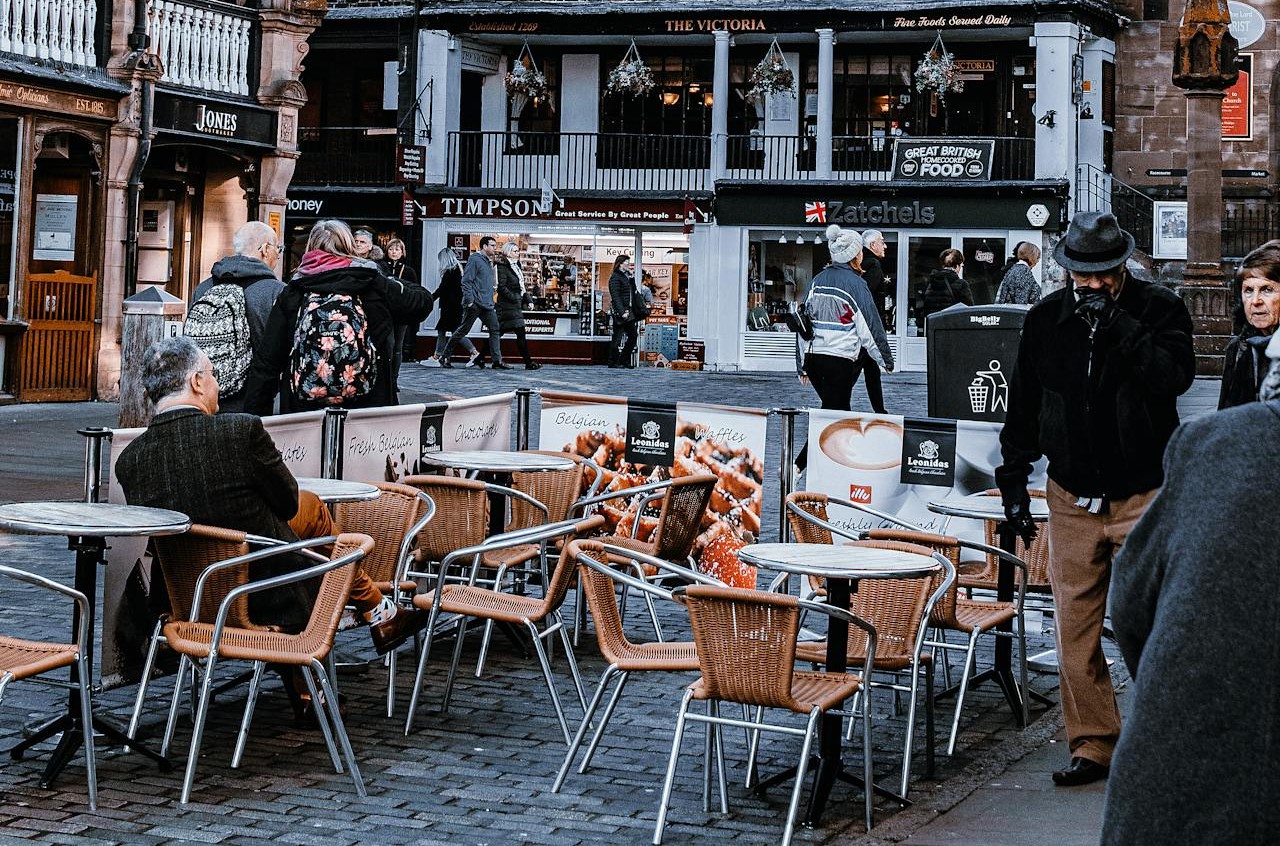
In the United Kingdom, many restaurants add an optional service charge, especially in larger cities, and it is easy to miss on a busy receipt. If it is already included, many diners leave it as-is and do not add another tip, while 10–15% is more typical only when there is no service line at all. Pubs follow a different rhythm, often with no tipping expectation for a quick drink, so a large add-on at the bar can feel awkward rather than generous. The smartest habit is to scan the bill, ask staff if a service charge is included when unsure, and keep any extra small, specific, and consistent with the room.
United Arab Emirates: Common, But Check The Bill

In the UAE, tipping is commonly practiced, yet many venues also add a service charge, so the key surprise is how often the bill already carries part of the gratitude. Many residents handle it by checking the receipt first, then adding a modest extra only when service feels especially attentive rather than defaulting to another full percentage. Small notes are common for porters, valets, and drivers who help with bags, and hotel settings can involve many hands, so quiet, direct gestures tend to work best. A neat amount in dirhams, given without fuss, matches the local tone better than overexplaining or turning payment into a long discussion.
Australia: Optional, Often Just A Round-Up
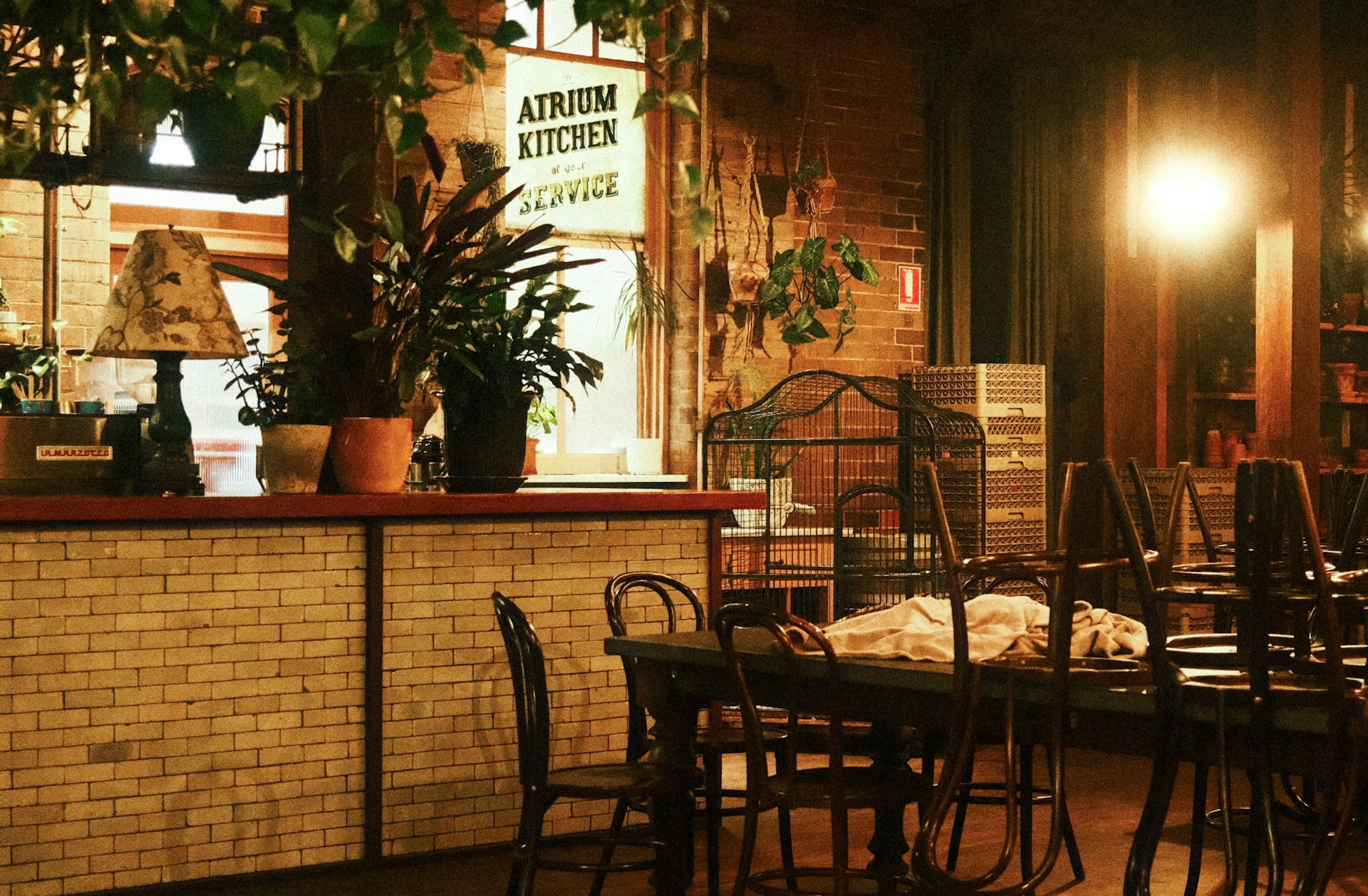
In Australia, tipping is generally optional, and many locals treat it as an occasional thank-you rather than a rule applied to every bill. When it happens, it is often a round-up or a small amount for great service, not the automatic percentages many travelers expect elsewhere. Card terminals may suggest tips, but plenty of people pay the listed price and move on; if money is added, 10% is often viewed as generous, not standard. The custom tends to reward a specific moment, like staff handling a complicated order smoothly, splitting a bill without fuss, or a driver helping with luggage in bad weather.
Iceland: Simple Endings, No Calculation
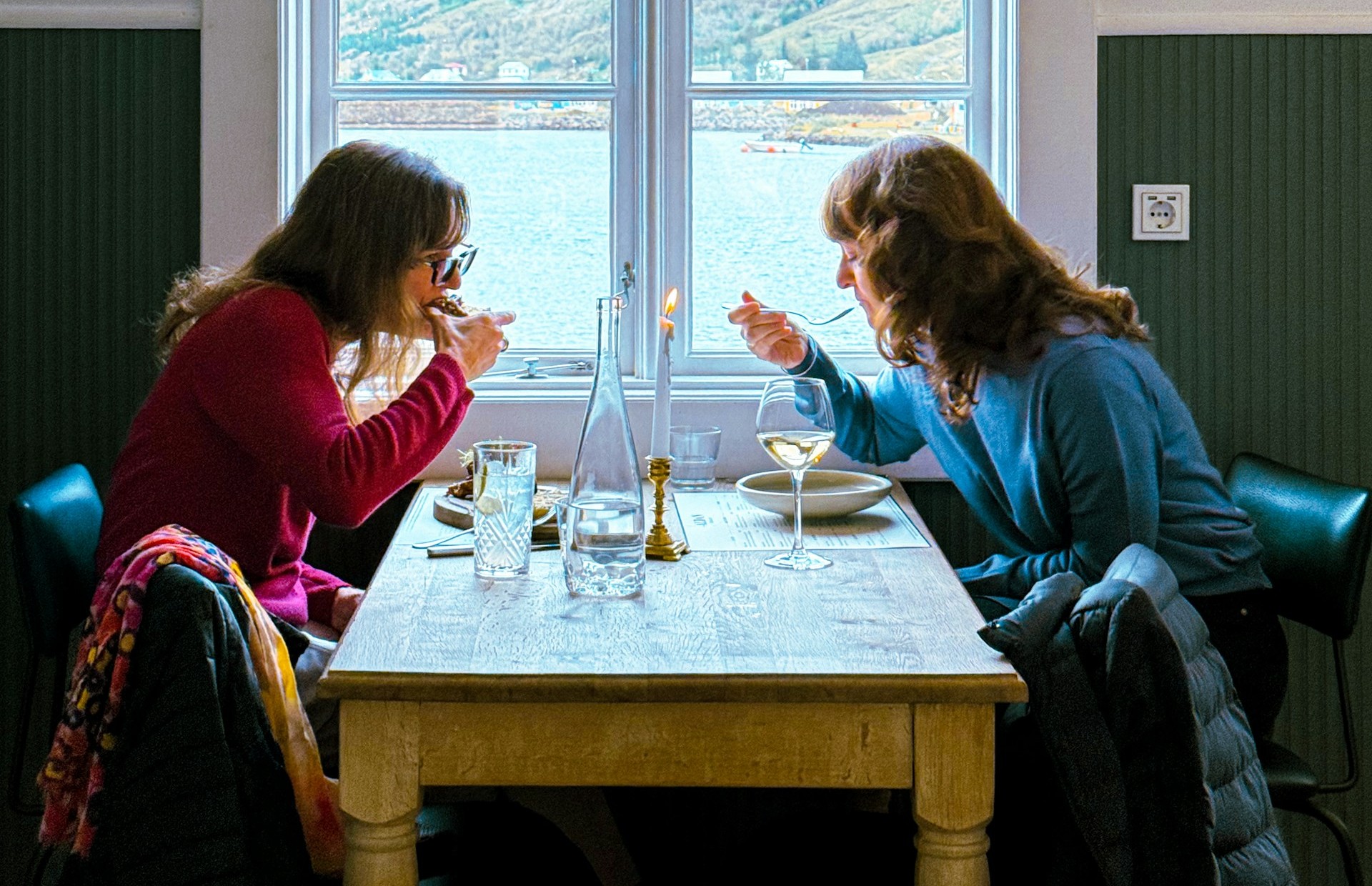
In Iceland, tipping is generally not expected, because wages and pricing are set up so service is not meant to hinge on a gratuity. Some receipts may include a service charge, and many travelers simply pay what is listed, which makes meals end without that familiar calculation pause. When extra appreciation is shown, it is usually small and quiet, reserved for truly standout care, not treated as a routine add-on at every café stop. For tours, guides may accept a modest gesture after a long day, but the local tone still favors simplicity: check the bill, keep it calm, and avoid turning gratitude into a performance.