
Travel advice spreads fast when it sounds like a shortcut. Agents, flight crews, hotel managers, and guides hear the same claims on repeat, then watch trips wobble because a so-called fact was treated as a rule. Real travel is full of variables: inventory shifts, policies differ by route, and what worked once may fail next time. The calm way to plan is to know what is policy, what is preference, and what is pure folklore. Here are the travel “facts” pros correct most often, plus what actually helps.
Flights Are Cheapest If Booked On A Tuesday

Airfare does not obey a weekday spell. Prices react to remaining seats, competing airlines, and fare buckets that open or close in real time, not the day on the calendar. A route with low inventory can jump on a Tuesday and soften on a Sunday, or reverse when a carrier files a sale or matches a rival. Pros set fare alerts, scan flexible date grids, and check nearby airports. They compare the true total including bags, seats, and change rules, and they screenshot the fare rules. When the price is acceptable and the terms allow a painless rebook or refund window, they book and stop refreshing daily.
Incognito Mode Forces Lower Prices

Incognito browsing can limit what a device remembers, but it does not force airlines or hotels to show cheaper public fares. Price shifts usually come from availability, fare rules, point of sale, currency, and whether a site is showing basic, bundled, member, or package rates. Pros compare a few sources in the same currency, then check the brand’s direct site for parity or price-match policies. If they open a private window, it is usually to fix a caching glitch or log in cleanly, not to unlock a secret deal. Better wins come from flexible dates and fair terms. Price alerts help more than browser tricks.
Last-Minute Deals Are Always Better

Last-minute can be a bargain in a quiet market, but in peak periods it often means fewer choices and higher prices as remaining inventory tightens. Airlines price around demand and load factors, and hotels in popular districts can sell out, leaving only premium rooms or distant neighborhoods that add time and rides. Pros go last-minute only when dates and destinations can shift. For holidays, school breaks, and event weekends, they book earlier, choose free cancellation when possible, set alerts, and rebook when rules make it painless, keeping a backup hotel and flight option in mind when inventory is thin.
Travel Insurance Is Always A Waste Of Money

Insurance is not a universal must, but calling it a waste ignores how quickly one disruption becomes extra nights, new flights, and lost deposits. Weather, illness, and missed connections stack costs fast on multi-stop itineraries, cruises, weddings, and tours with strict penalty windows. Pros treat insurance as targeted risk control: they total what is nonrefundable, confirm what a credit card already covers, and then buy only the pieces that matter, like medical, interruption, or evacuation, based on season, destination, and budget. They also read exclusions and claim steps, because a policy is only helpful when it is easy to use.
A Passport Is Fine Until The Expiration Date
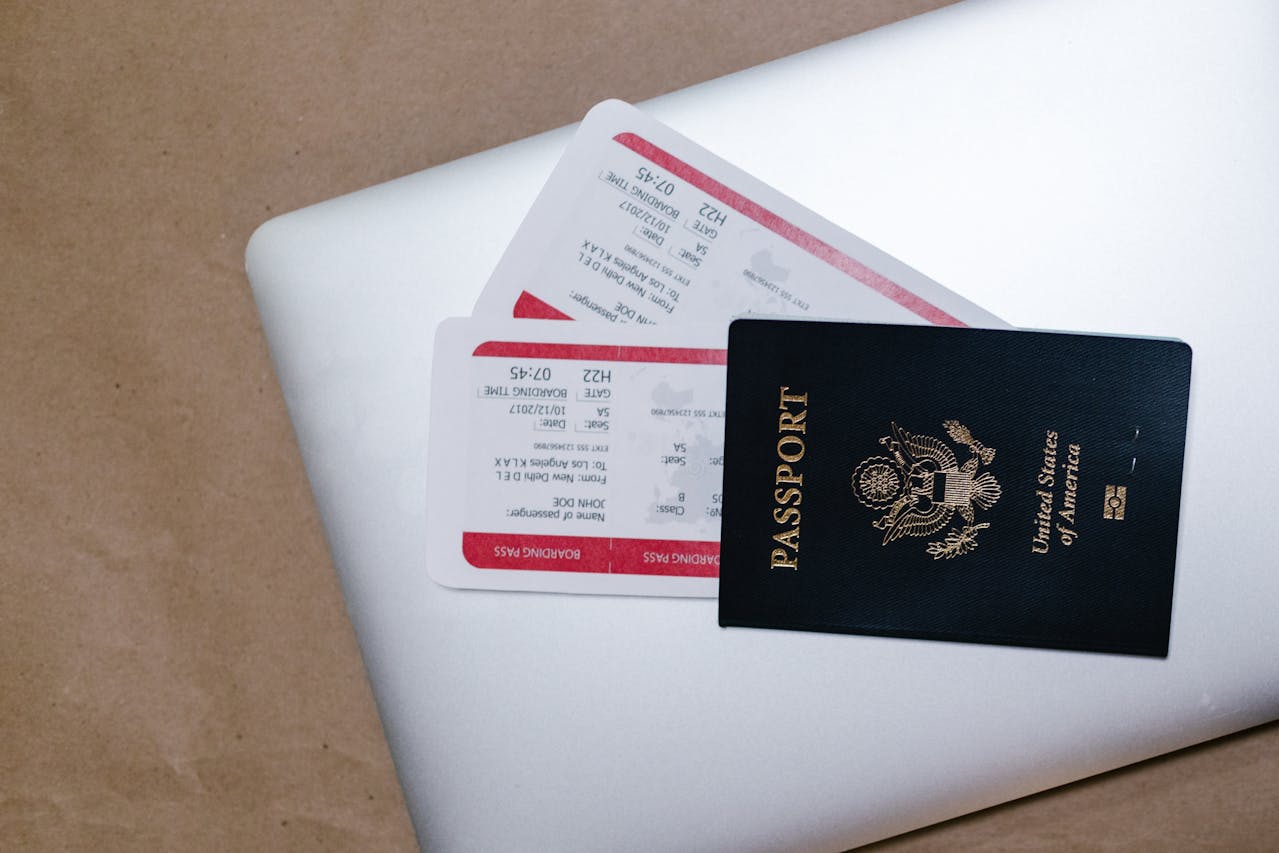
Many destinations and airlines enforce validity rules beyond the printed expiration date, and boarding can be refused even when months remain. The common trap is the six-month policy, plus requirements tied to return dates, visa length, blank pages, or onward tickets, which vary by country and sometimes by transit routing. Pros verify official entry rules before booking, renew early when the window is tight, and keep a saved copy of the requirement so a counter agent can confirm it fast. They also check that the name matches the ticket exactly and that the passport is not worn or damaged at the photo page.
Always Book Direct Or Always Use Third-Party Sites

Neither extreme is reliable, because the trade-off is control versus price, and the right choice depends on how painful a change would be. Third-party sites can help compare options and bundle simple hotel nights, but they can add friction when flights cancel, rooms are oversold, or refunds require multiple handoffs. Pros shop widely, then book direct for complex trips, tight connections, and special requests. They use reputable agencies when the savings are real after resort fees and baggage rules, the terms are clear, and there is a single support desk that answers when plans shift fast and owns the problem.
Hotel Star Ratings Mean The Same Thing Everywhere

Hotel stars are not a universal promise, because rating systems vary by country and platform, and many stars reflect amenities, not day-to-day quality. One place awards points for a staffed desk and a gym, while another weighs room size, concierge standards, or restaurant service, so the same number can hide very different realities. Pros scan recent reviews for patterns in cleanliness, noise, and maintenance, check renovation dates, and study real guest photos. They also watch for repeat notes about elevators, water pressure, and walls, because sleep is the real luxury in any city at any price.
Arrive Two Hours Early And Everything Will Be Fine

Fixed arrival rules ignore how airports behave, because lines and document checks swing wildly by day, terminal, and season. A quiet midweek morning can be smooth, while a holiday rush can turn the same airport into long bag-drop queues, packed trains between concourses, and tight boarding windows. Pros check typical peak times, factor in transit and parking delays, and build buffer for international screening and far gates. They also know airline cutoffs for checked bags and boarding, and they use tools like PreCheck, lounge access, or early flights to reduce friction. Rules are guides, not guarantees.
Carry-On Only Is Always The Smartest Move

Carry-on only can be freeing, but it is not always the smartest choice when winter layers, gifts, sports gear, or work tools make cabin limits unrealistic. Full flights often trigger gate-checking, and tight overhead space can add stress that spills into the day, especially when boarding groups and bin space matter. On regional and international carriers, weight limits can be strict, too. Pros match luggage to the itinerary: essentials go in a personal item, a small carry-on covers simple routes, and a checked bag is used when it reduces hassle. Trackers and a spare outfit up top protect comfort if delays happen.
Airport Currency Exchange Is Convenient And Therefore Best

Airport exchange counters are convenient, but convenience often comes with weaker rates and extra fees, especially at tourist-heavy terminals. Another common trap is dynamic currency conversion at a card reader, which can lock in a poorer rate than letting the bank convert at the network rate. Pros withdraw a starter amount from an ATM tied to a low-fee bank, pay by card in the local currency when possible, and exchange only what is needed on arrival. They decline conversion prompts, keep small bills for tips and transit, and save larger exchanges for banks or reputable city offices with posted spreads and clear receipts.
All-Inclusive Resorts Save Money By Default

All-inclusive can be a value win, but it is not automatically cheaper, because the math depends on meals, drinks, and how much time stays on property. A traveler who loves local restaurants and day trips may pay twice, while a family that mostly relaxes poolside can benefit from predictable costs and fewer daily decisions. Pros compare the full spend: nightly rate plus transfers, tips, premium alcohol, resort credits with fine print, and excursions. They choose all-inclusive for ease and budget control, not because the label guarantees a bargain in every room category or season. Spa treatments and specialty dining often cost extra.