Road signs are the quiet choreography of a trip, turning chaos into something close to order. Yet many of the most familiar symbols get read as suggestions, warnings, or even permission slips, and small misunderstandings can ripple into sudden braking, missed turns, and tense honks at dusk. On unfamiliar rural highways, in construction corridors, or near new roundabouts, the brain defaults often to habit, not meaning. The most common mix-ups usually come from assuming a sign describes what is happening now, instead of what must happen next. Once the intent clicks, the roadway feels calmer, clearer, and oddly kinder.
Yield Means Give Right of Way, Not Just Slow Down
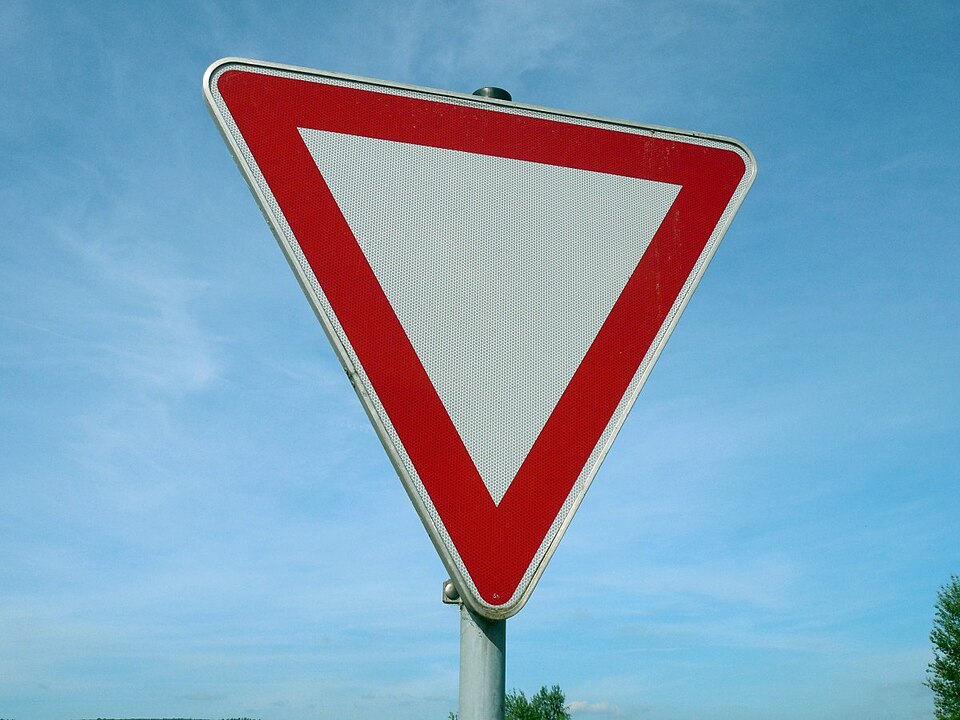
That red-and-white triangle gets misread as a gentle suggestion to slow down, then proceed no matter what. In reality, it assigns responsibility: the driver entering must give the right of way to vehicles already moving through the lane, and to pedestrians in the crosswalk, stopping completely if no safe gap exists, even if the road looks open at first glance. Where painted shark-tooth yield lines appear, they mark the exact place to pause, and the best yields feel almost invisible: a quiet lift, a clean scan left and right, and a merge that never forces anyone to brake hard or swerve at the last second in panic.
Merge Warns Two Lanes Become One, Not Who “Owns” the Road
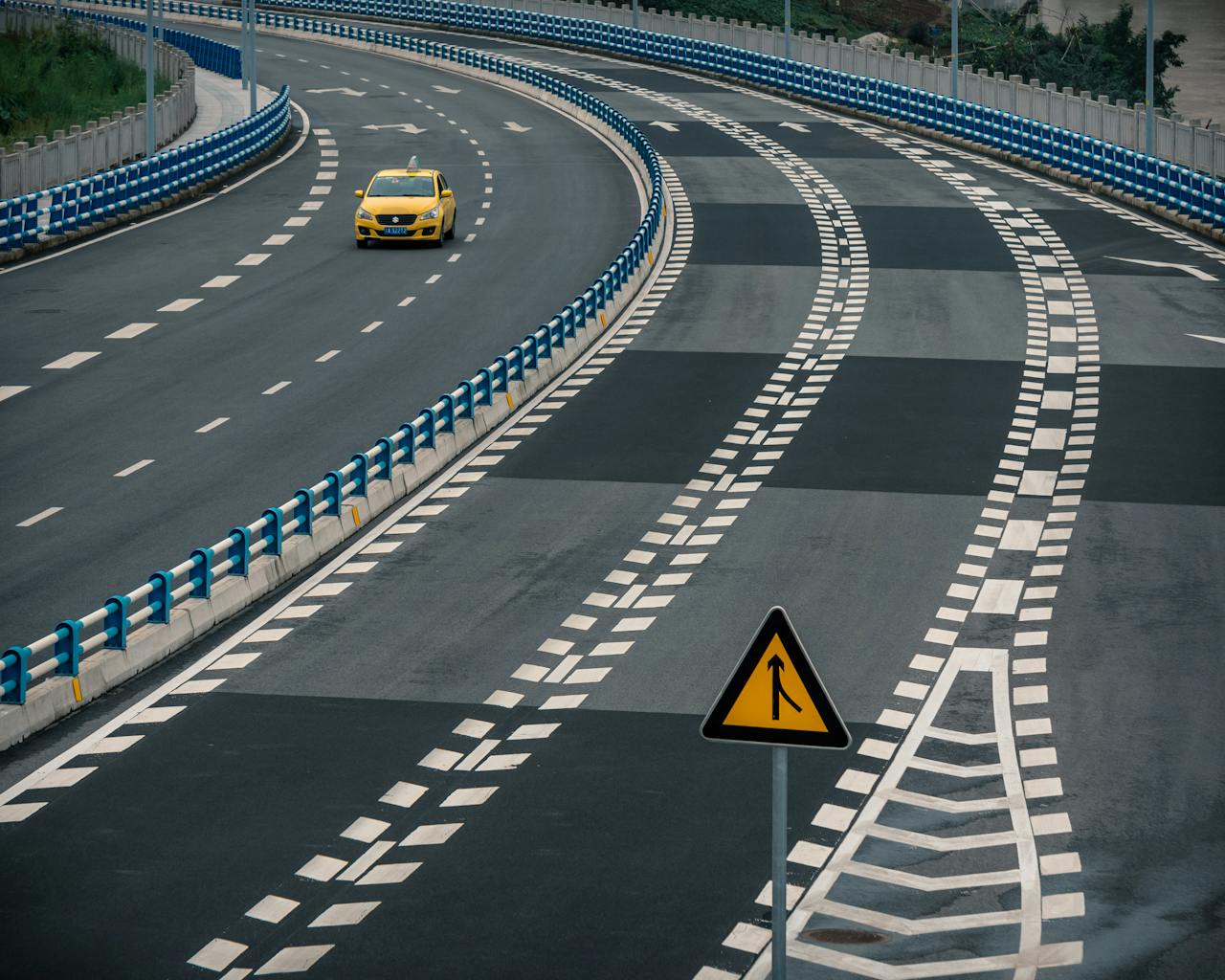
The yellow or orange merge symbol is often read as a courtroom verdict about who must yield, when it is really a warning that two streams will become one. Unless a separate yield sign appears, neither lane has automatic priority; drivers in both lanes are expected to adjust speed, signal, and take turns using available gaps, with the ending lane matching the flow instead of racing it or stopping dead at the taper. On ramps and in work zones, the safest merges happen when spacing is protected like a buffer, leaving room for one car at a time to slide in without triggering a chain of hard braking behind for miles after.
Do Not Enter And Wrong Way Are Not The Same Warning
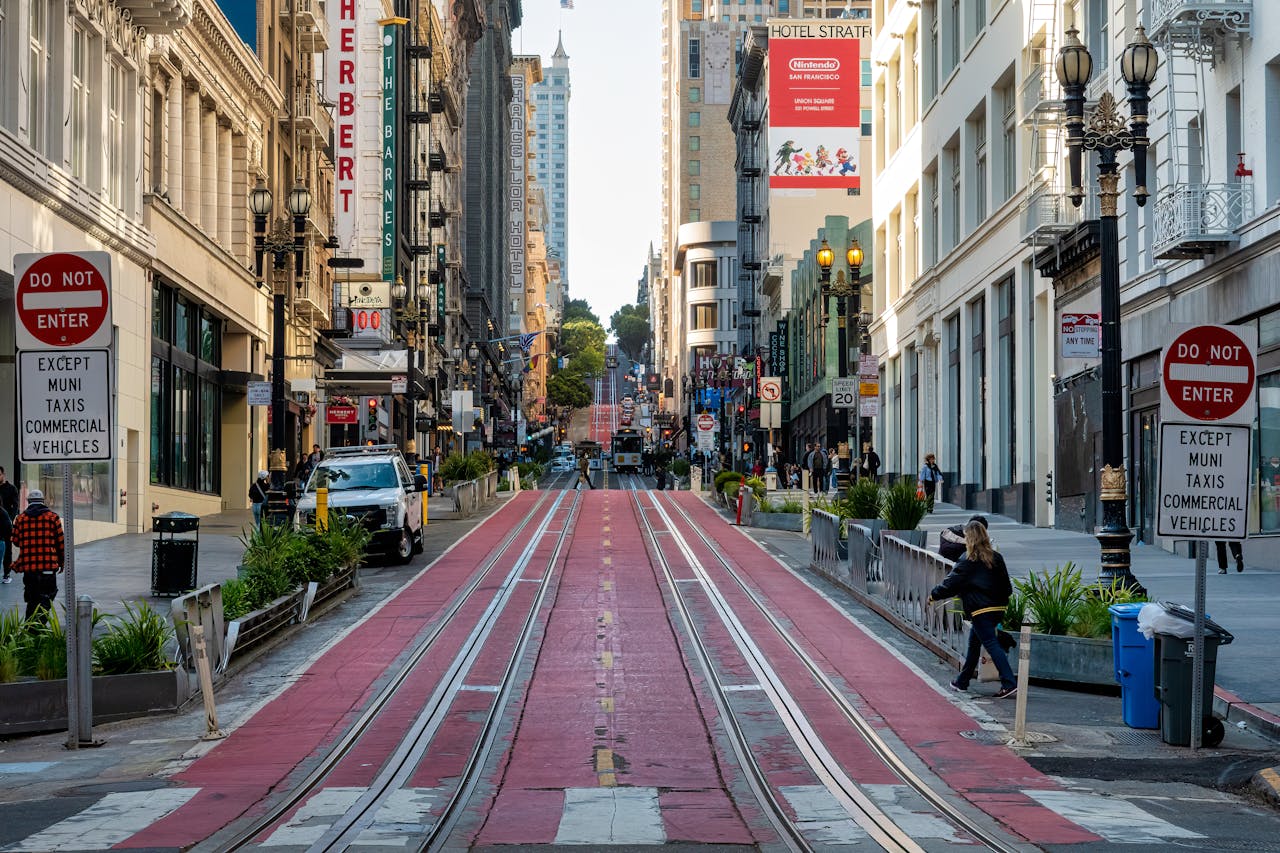
Do Not Enter is frequently mistaken for a general warning sign, but it is a hard boundary: that red circle with the white horizontal bar means the roadway beyond is not legal to enter from that direction, ever. Wrong Way, often paired nearby, carries a more urgent message that travel is already against the intended flow, a common clue at freeway off-ramps and divided streets where mistakes escalate fast. Together, the signs are built to interrupt a wrong turn before it becomes a head-on scenario, and the best response is controlled: stop, signal, and reposition only when a safe, permitted turn-around is possible.
No Turn On Red Cancels The Usual Default
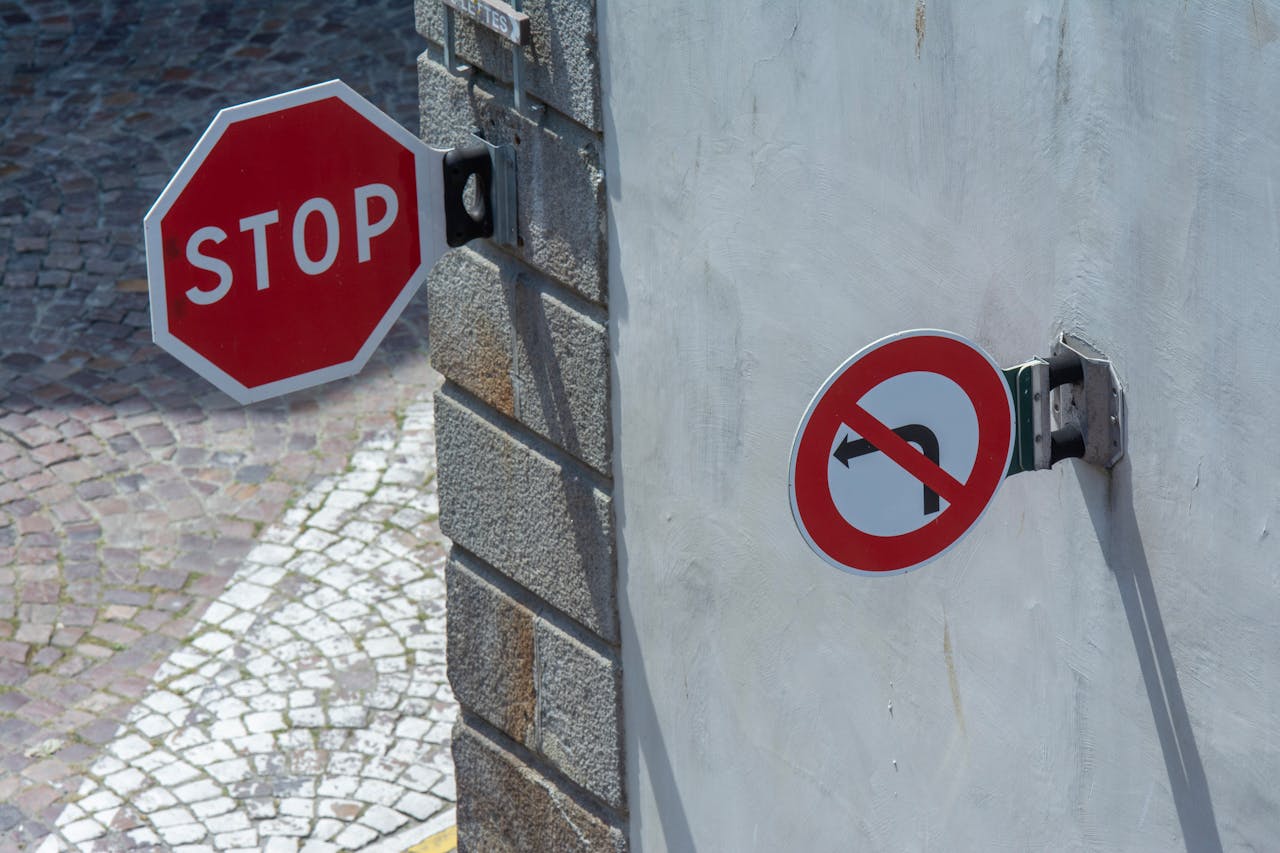
No Turn on Red gets ignored because many drivers carry the default rule in their head: come to a complete stop at a red light, then turn right after yielding if the way is clear. This sign cancels that default at one intersection, usually because sight lines are tight, buses swing wide, or pedestrians and cyclists cross in dense waves during commutes, games, and school dismissals. When it is posted, stopping is only the first step; the turn itself must wait for a green indication, and treating it like optional guidance is how near misses stack up at corners that already run hot, especially after dark, in rain, and glare.
Stop Here On Red Marks The Exact Safe Line
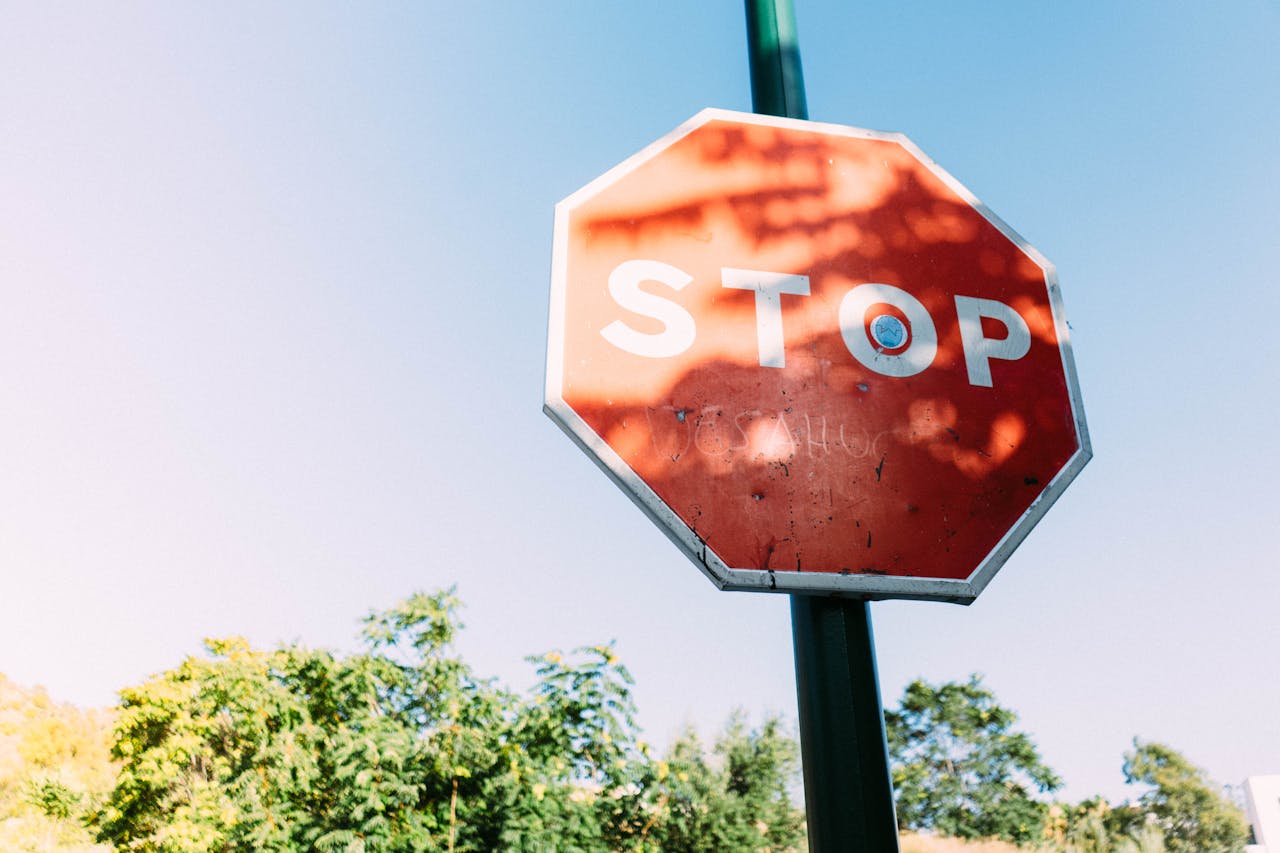
The small white sign that says Stop Here on Red is easy to miss, so many drivers stop where the signal head feels convenient, sometimes edging the hood into the crosswalk or even the intersection. Its purpose is geometric: it pairs with the thick white stop bar on the pavement to mark the precise point that preserves pedestrian space, keeps turning trucks from clipping corners, and helps sensors and timing systems read the queue correctly. When vehicles roll past that line, everything tightens, from sight lines for turning traffic to the simple feeling of safety for someone stepping off a curb with a coffee and a backpack.
Slower Traffic Keep Right Applies To Everyone
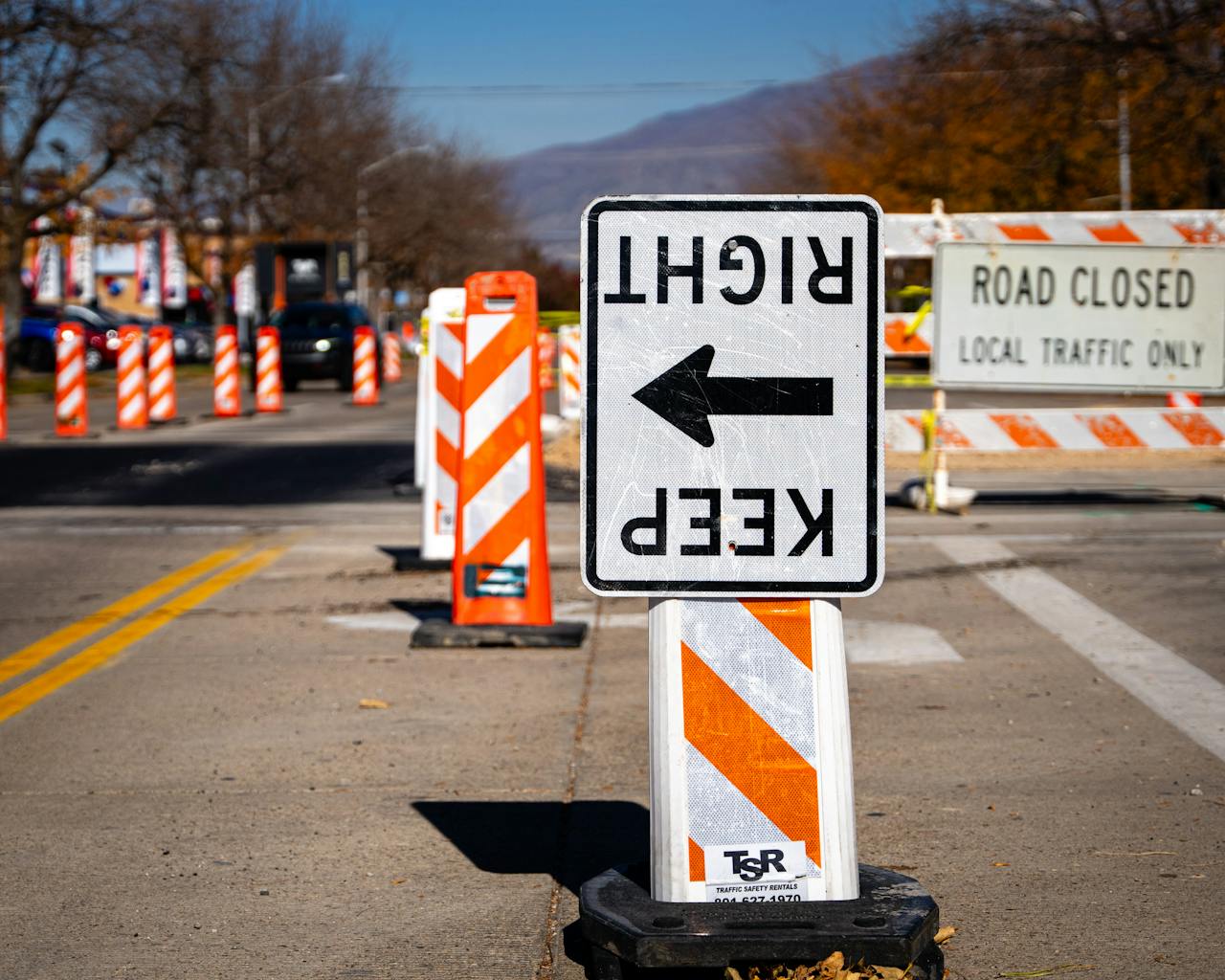
Slower Traffic Keep Right is often treated as advice for semis only, while everyday drivers camp in the left lane and wonder why tempers rise behind them. The sign is a fairness rule: the left lane is primarily for passing, and anyone traveling below the prevailing flow should return right once a pass is complete, reducing weaving and leaving a clear path for faster traffic and emergency vehicles. When the rightward drift happens naturally, passing becomes predictable, tailgating eases, and long highway stretches feel less like a power struggle and more like a shared rhythm under open sky, with steady wheels all day.
Yellow Advisory Speed Is Guidance, Not The Legal Limit
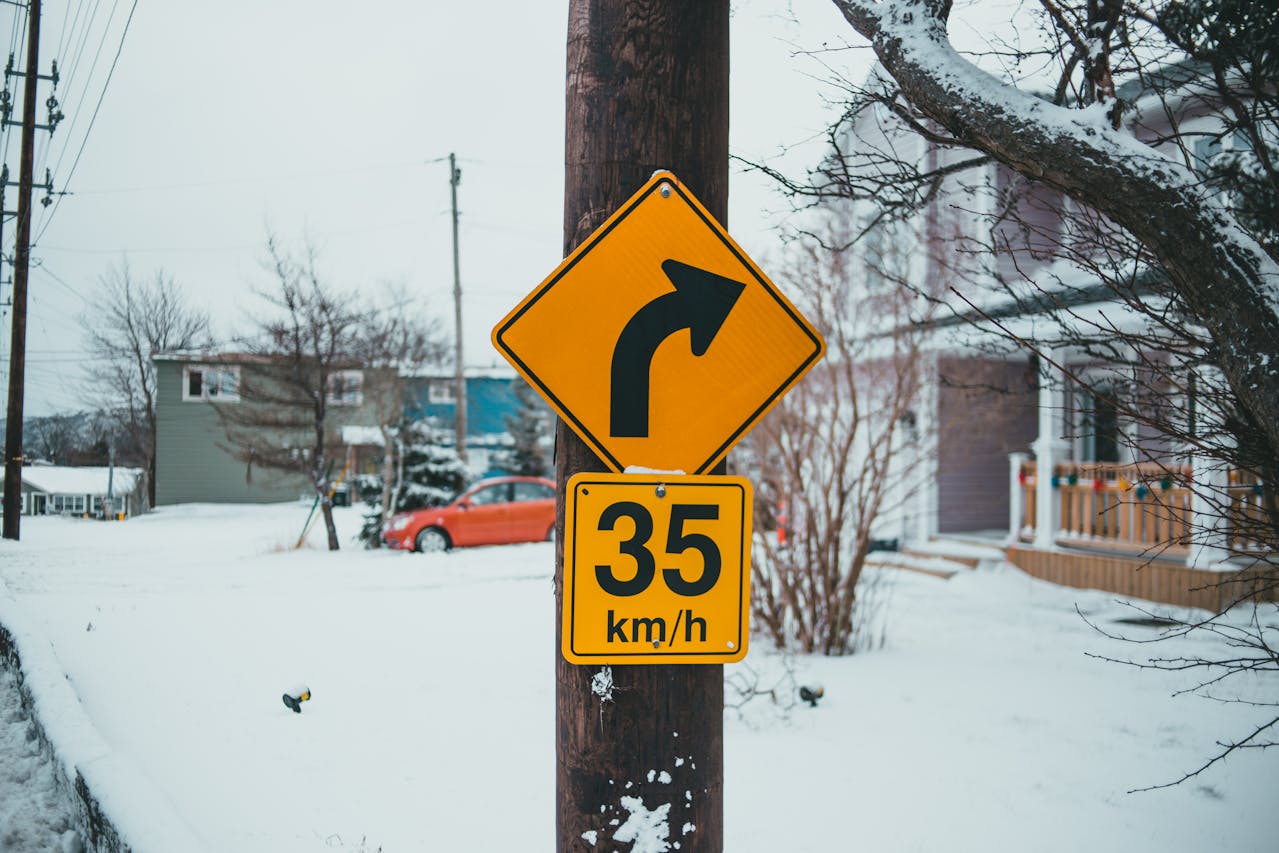
That yellow curve sign with a smaller yellow speed plaque gets mistaken for a legal speed limit, and some drivers brake abruptly out of fear of a ticket. In most places, the number is an advisory speed chosen to help average vehicles handle the curve comfortably in good conditions, with the actual enforceable limit shown on the white regulatory sign nearby, sometimes far back on the approach. Advisories still matter, though: they are often set using ball-bank data and crash history, and rain, gravel, ice, or a top-heavy load can make the suggested pace feel optimistic, so the best reading is guidance, not a dare.
School Zone Rules Are Usually Time-Based
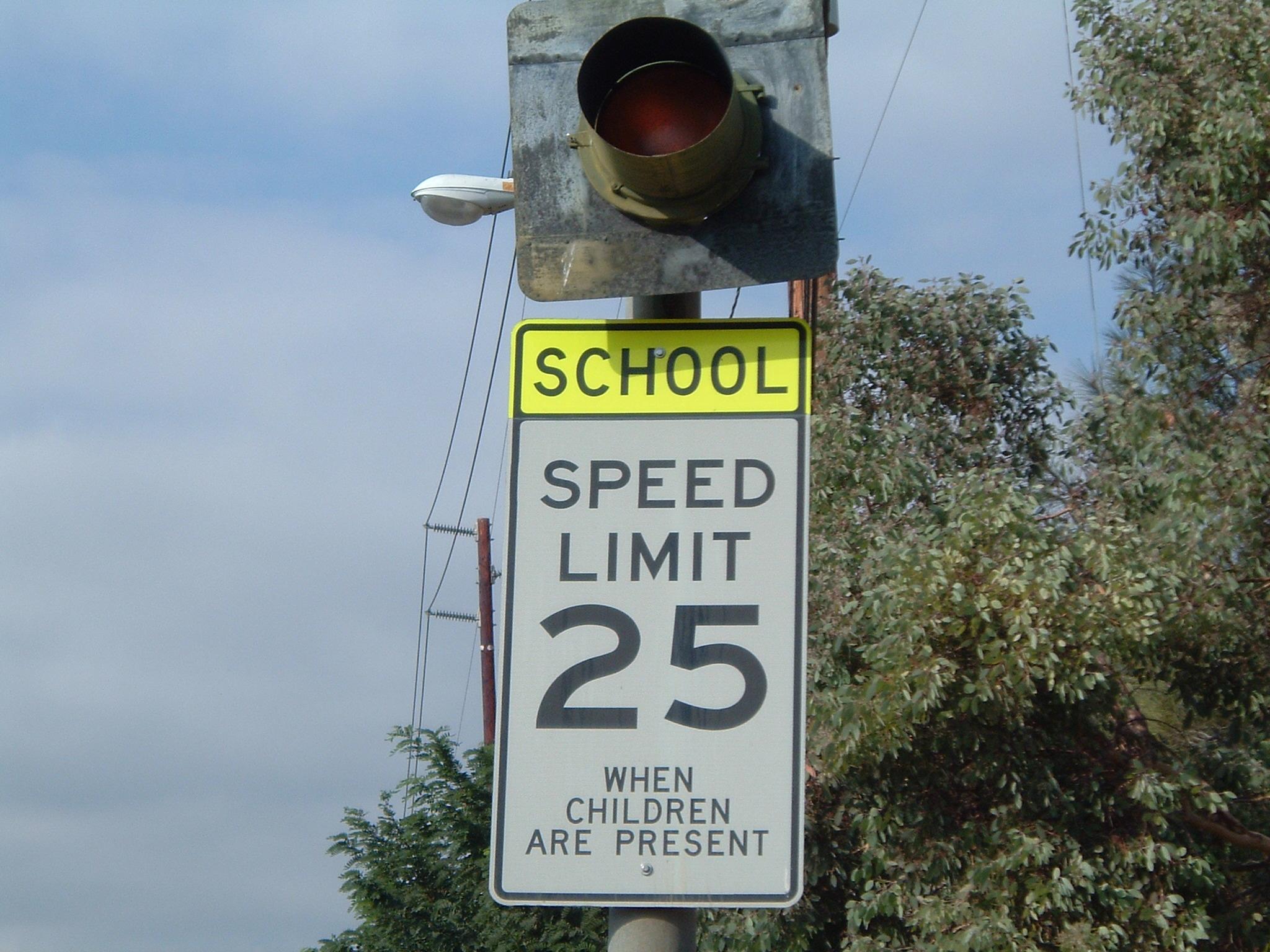
School Zone signs get misread as an all-day speed mandate, which leads to sudden slowdowns long after dismissal and angry passes in the next lane. What the sign really means is conditional: the reduced speed applies only during posted hours or when the yellow lights are flashing, and the boundary is usually defined by a companion sign that marks the end of the zone, with fines often higher when active. Even outside those windows, the symbol is a reminder of unpredictability, from late buses to kids chasing a ball, and the calmest drivers treat the area as a place for extra patience, not just numbers on a pole at all.
Divided Highway Ends Signals A Closer, Riskier Transition
Divided Highway Ends is often mistaken as a general note about road quality, but it is a heads-up that the physical separation between directions will disappear. After the sign, the median tapers out, opposing traffic runs closer, sometimes with only paint between lanes, and left turns, passing, and headlight glare become more consequential in a short stretch that can feel smaller. Drivers who understand it tend to tighten discipline: staying centered, avoiding casual lane drift, and reading oncoming movement with the same attention usually reserved for narrow bridges and mountain cuts, especially in fog and at night.