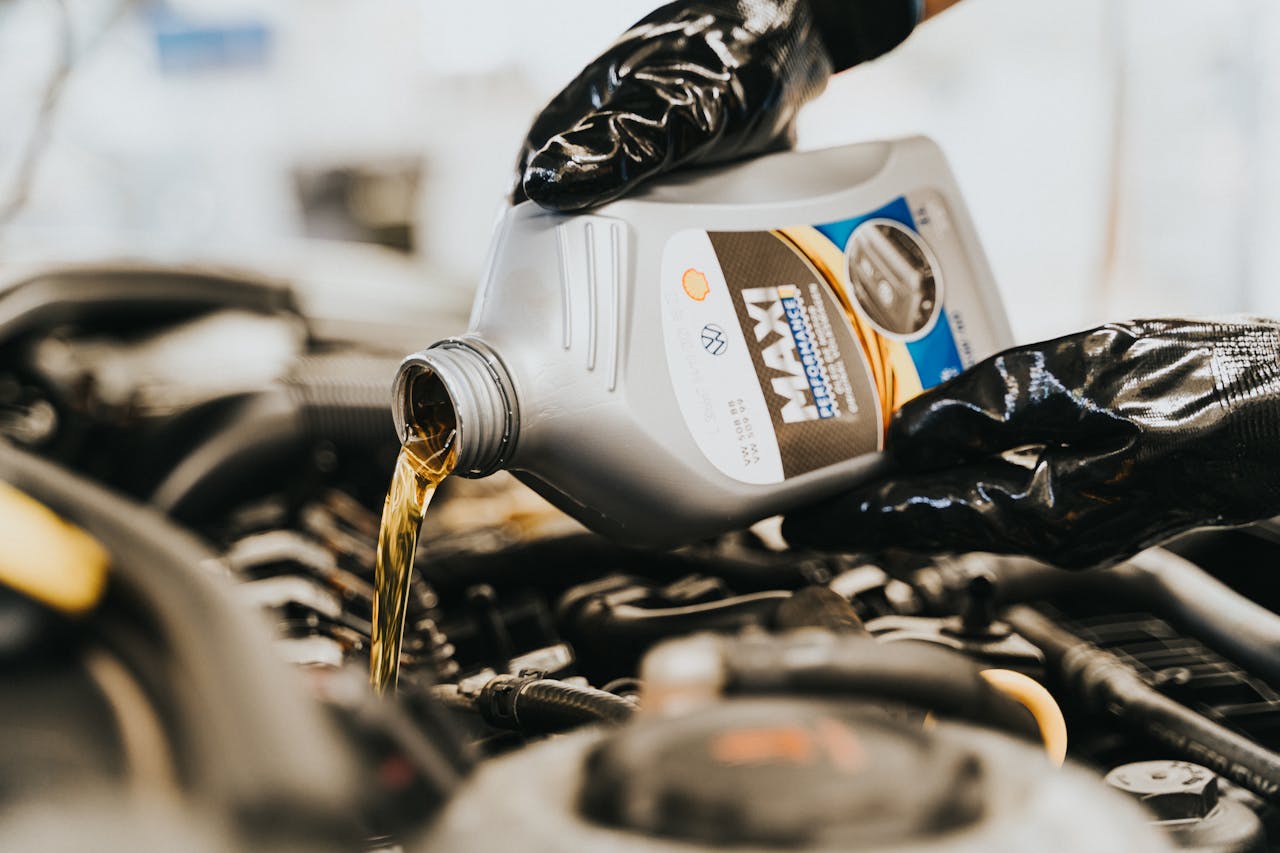
For drivers and technicians, oil labels can look deceptively simple: same viscosity grade, familiar branding, confident promises. Under the cap, chemistry can differ in ways that matter over time. American API categories and European ACEA sequences share core goals, yet they classify protection through different frameworks.
Add manufacturer approvals from brands such as Volkswagen and Porsche, and shortcuts become risky fast. When an oil misses the exact requirement, wear control, drain stability, and emissions-system compatibility can drift quietly. The bill often appears later, during diagnosis, not during the fill.
Why API And ACEA Labels Are Not Interchangeable
At first glance, a bottle marked API and one carrying ACEA claims may look equivalent, especially when both show the same SAE viscosity. The standards are not twins. API service categories describe broad performance levels for gasoline and diesel markets, while ACEA sequences split oils into more tightly defined classes and categories.
ACEA separates high-SAPS A/B oils from catalyst- and filter-compatible C oils, then divides those again by viscosity behavior and protection targets. That added granularity is why a simple crosswalk rarely works in real service, even before brand-specific approvals enter the conversation.
Emissions Hardware Changes The Oil Equation
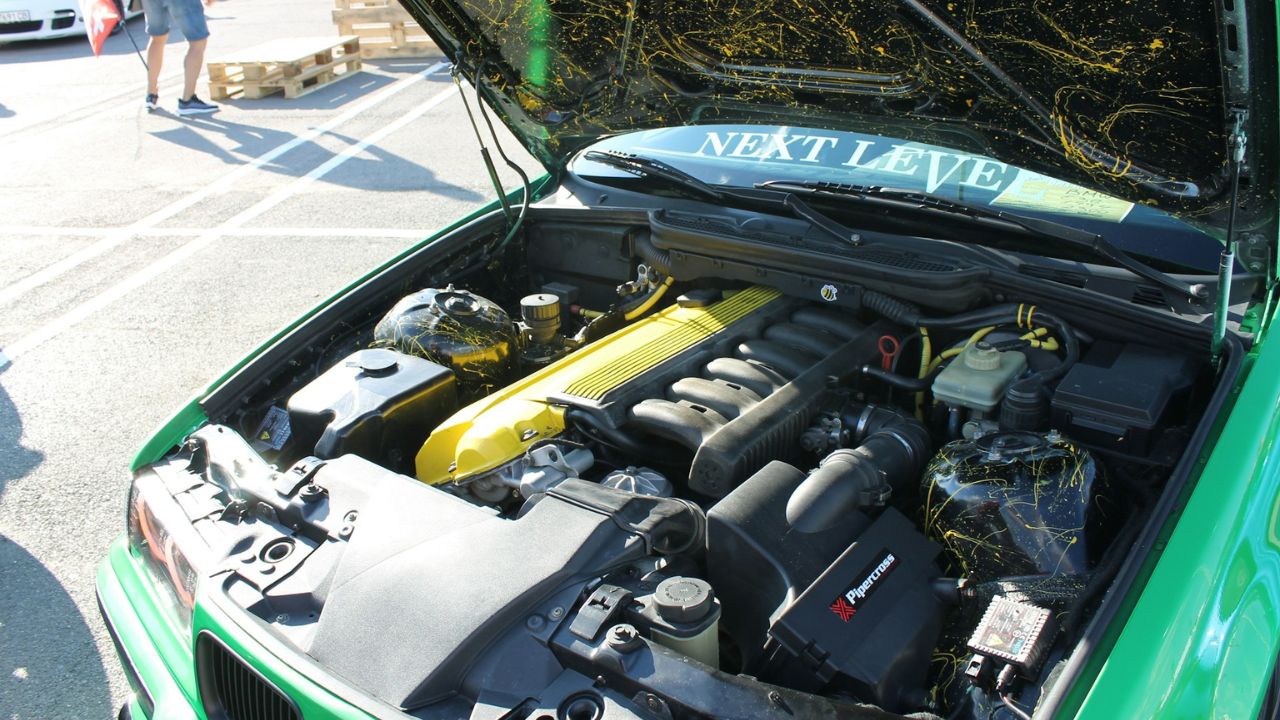
Emissions hardware sits at the center of compatibility. ACEA states that its C categories are built for engines with exhaust aftertreatment devices, including diesel particulate filters, gasoline particulate filters, and three-way catalysts. Those systems are sensitive to sulfated ash, phosphorus, and sulfur, so additive balance matters as much as base oil quality.
An oil can perform well in one engine and still be the wrong chemical fit for another. Even within ACEA C, categories differ by SAPS level and high-temperature high-shear viscosity targets. The right choice depends on the engine family, not just a market label.
OEM Approvals Are A Separate Gate
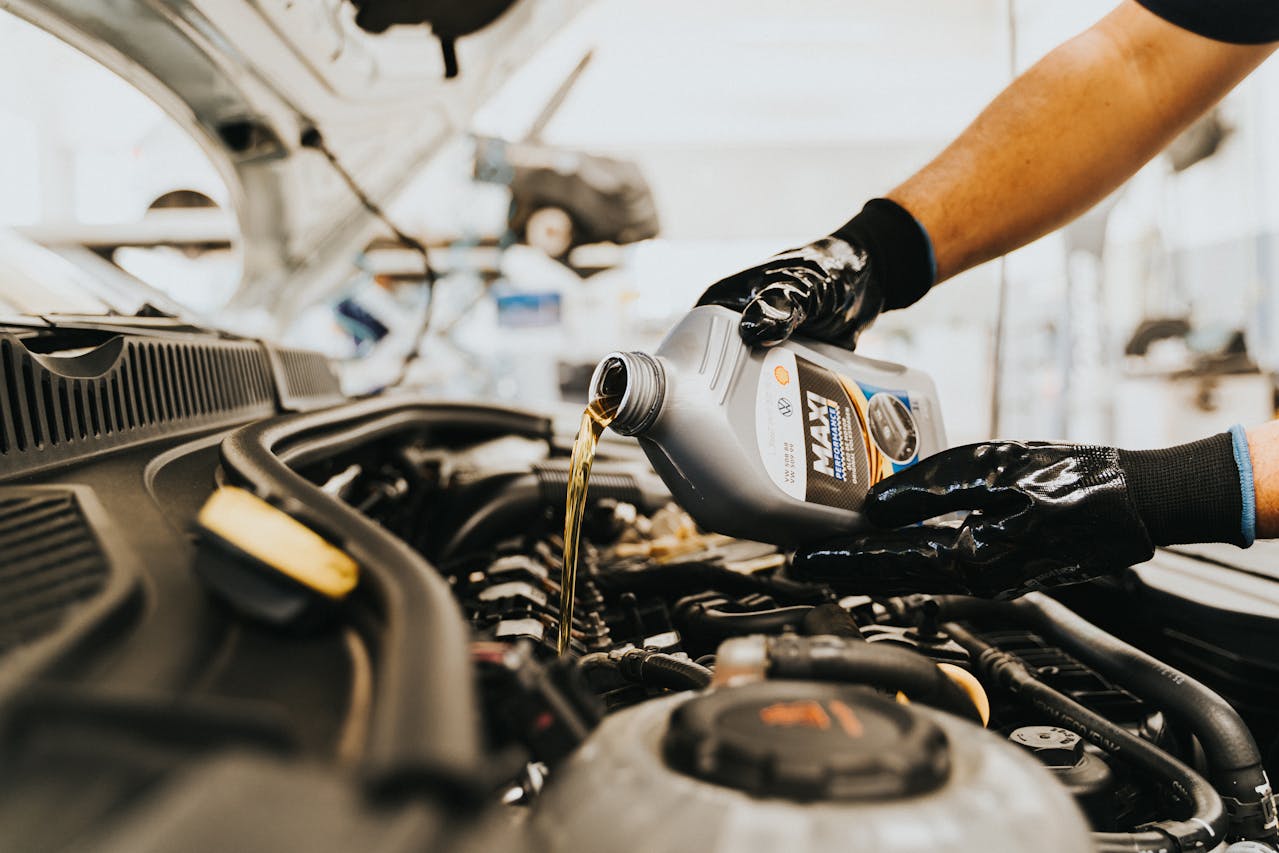
Manufacturer approvals are where many service errors begin. ACEA and API describe baseline performance frameworks, but major European brands often require additional approvals tied to internal engine tests. Volkswagen’s U.S. technical bulletin lists multiple proprietary standards, including VW 504 00 and 507 00, and warns that oil availability can vary by market.
Porsche’s C30 approval list is even more explicit: approvals carry validity windows, and older approvals can expire unless renewed. That means two oils with similar front-label claims may still differ in official acceptance for a given engine and model year range.
Viscosity Match Does Not Mean Chemistry Match
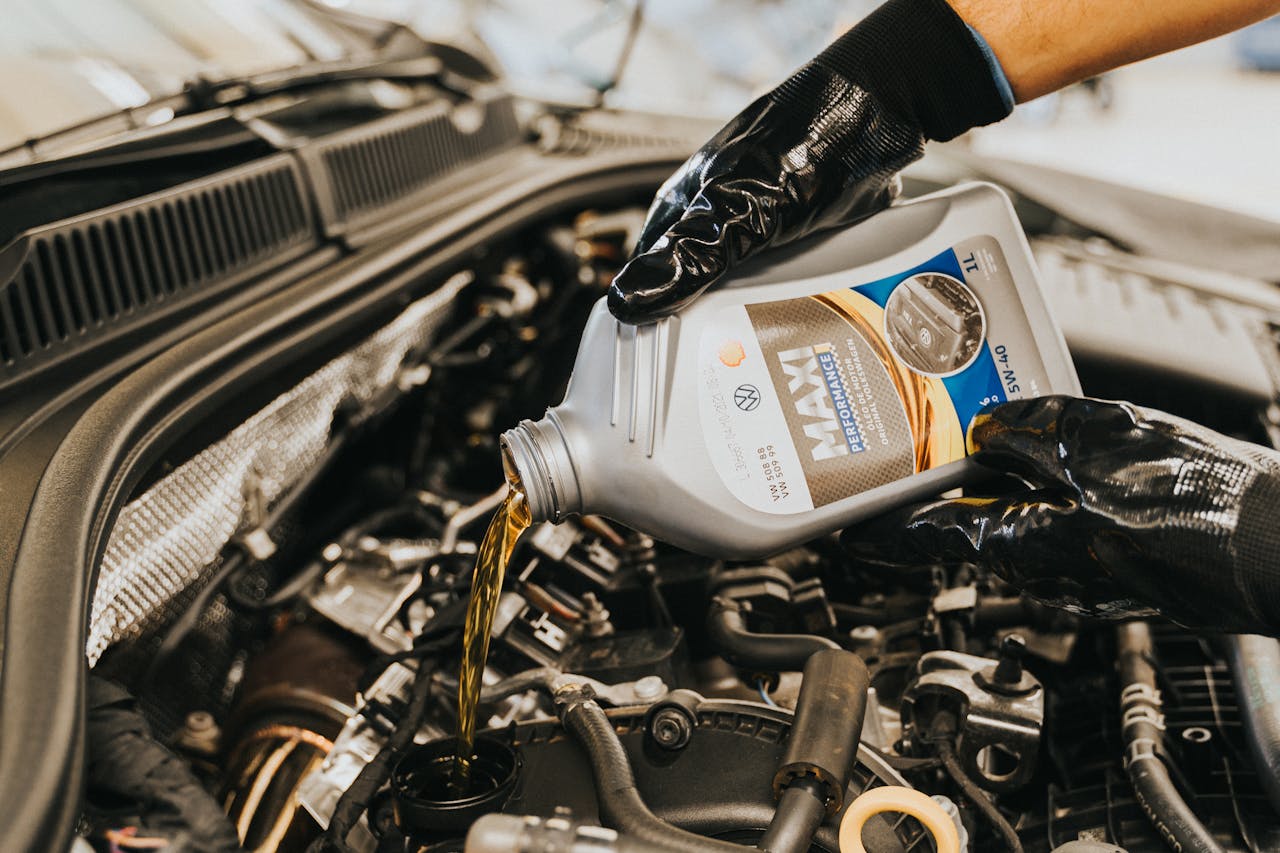
Viscosity grade is essential, but it is only one checkpoint. Two products labeled 5W-30 can carry different additive systems, volatility behavior, and high-temperature shear characteristics. ACEA sequences set distinct HTHS ranges across categories, explaining why equal viscosity labels do not guarantee equal protection under load, heat, or turbo stress.
That is why workshop shorthand can backfire. Treating SAE grade as a full specification ignores the chemistry behind deposit control, catalyst compatibility, and wear performance. A correct match is a full code match: viscosity, standard category, and any required OEM approval.
API Progress Is Real, But Scope Still Matters

American categories have evolved quickly, and that progress is real. API’s latest gasoline category, SQ, was introduced in March 2025, with stronger protection goals for issues such as low-speed pre-ignition, timing-chain wear, sludge, and turbo deposits. API also notes that SP remains current for older applications and includes SN PLUS requirements.
The key point is not that API oils are weak. The key point is scope. API categories are designed for broad market compatibility, while many European engines still require a narrower target through ACEA category plus brand approval. One system does not automatically replace the other.
Drain Intervals Depend On Approval, Not Assumptions
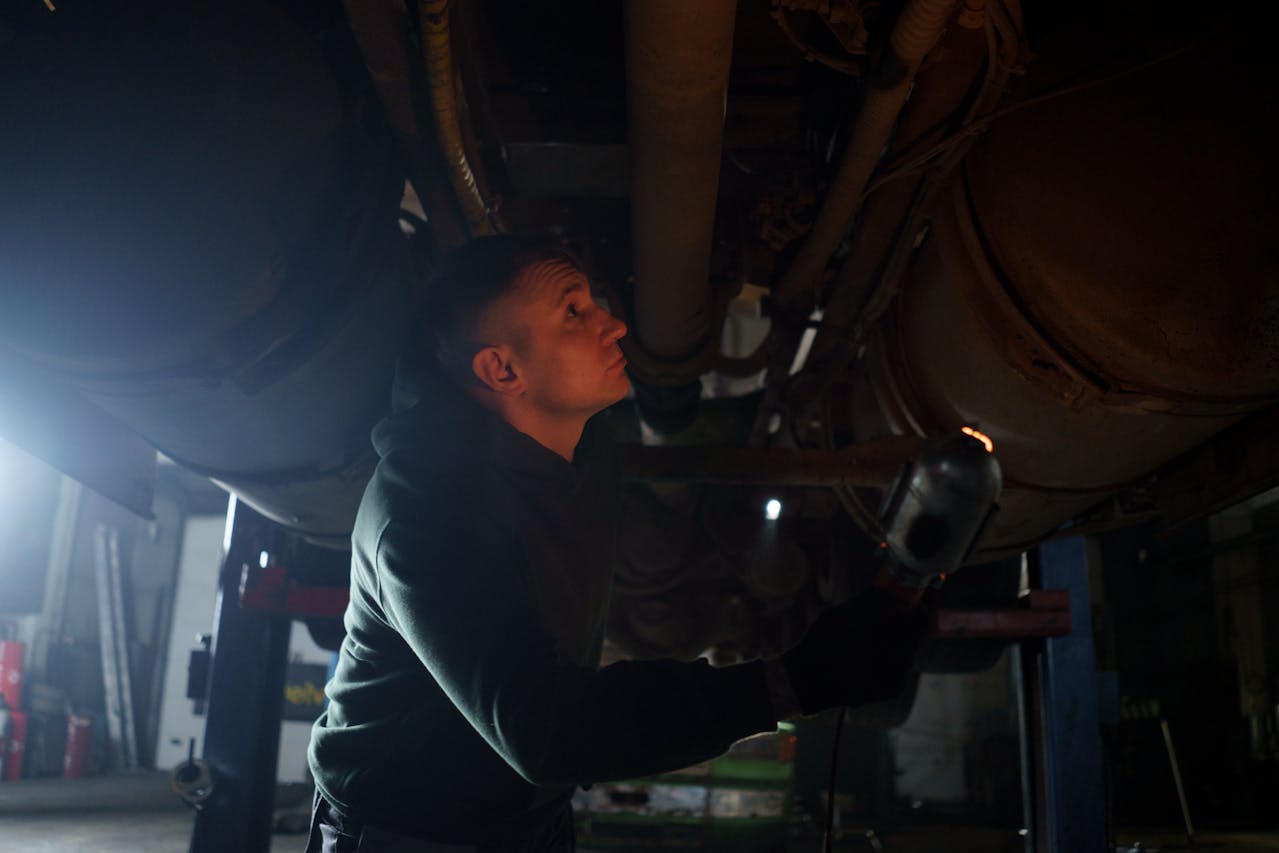
Drain interval myths still distort maintenance decisions. The old blanket rule of very short oil changes no longer fits many modern vehicles, yet long intervals are not universal either. ACEA consumer language references extended drain use for several A/B and C categories, but only where the engine is designed and approved for that chemistry.
In practice, interval length is a system decision, not a guess. Oil quality level, fuel type, soot loading, driving cycle, and hardware design all interact. A market swap that overlooks those factors can push oxidation, viscosity shift, and residue growth before the next scheduled service.
Aftertreatment Systems Feel The Wrong Oil Slowly

For diesel and direct-injection gasoline engines with particulate filters, ash management is not a side detail. ACEA’s low- and mid-SAPS categories are explicitly positioned to support DPF, GPF, and catalyst life. When the wrong ash, phosphorus, or sulfur balance is used repeatedly, aftertreatment systems can face a heavier chemical burden over time.
Technicians often spot the problem late, because drivability may stay normal early on. The pattern is cumulative: more deposits, tighter filter margins, and harder regeneration behavior. That is why the bottle’s full approval code matters as much as the viscosity printed in large type.
Precision In Oil Choice Protects More Than Parts

The real takeaway is disciplined specificity. Many American oils are excellent within their intended category, and many European oils are engineered for long-drain, aftertreatment-sensitive platforms. Problems arise when market language is treated as interchangeable and the final approval code is ignored during routine service.
Mechanics who verify the full requirement set protect more than moving parts. They protect fuel economy, emissions performance, service intervals, and customer confidence. In a world of tighter tolerances and pricier hardware, careful oil matching remains one of the simplest ways to prevent expensive wear.