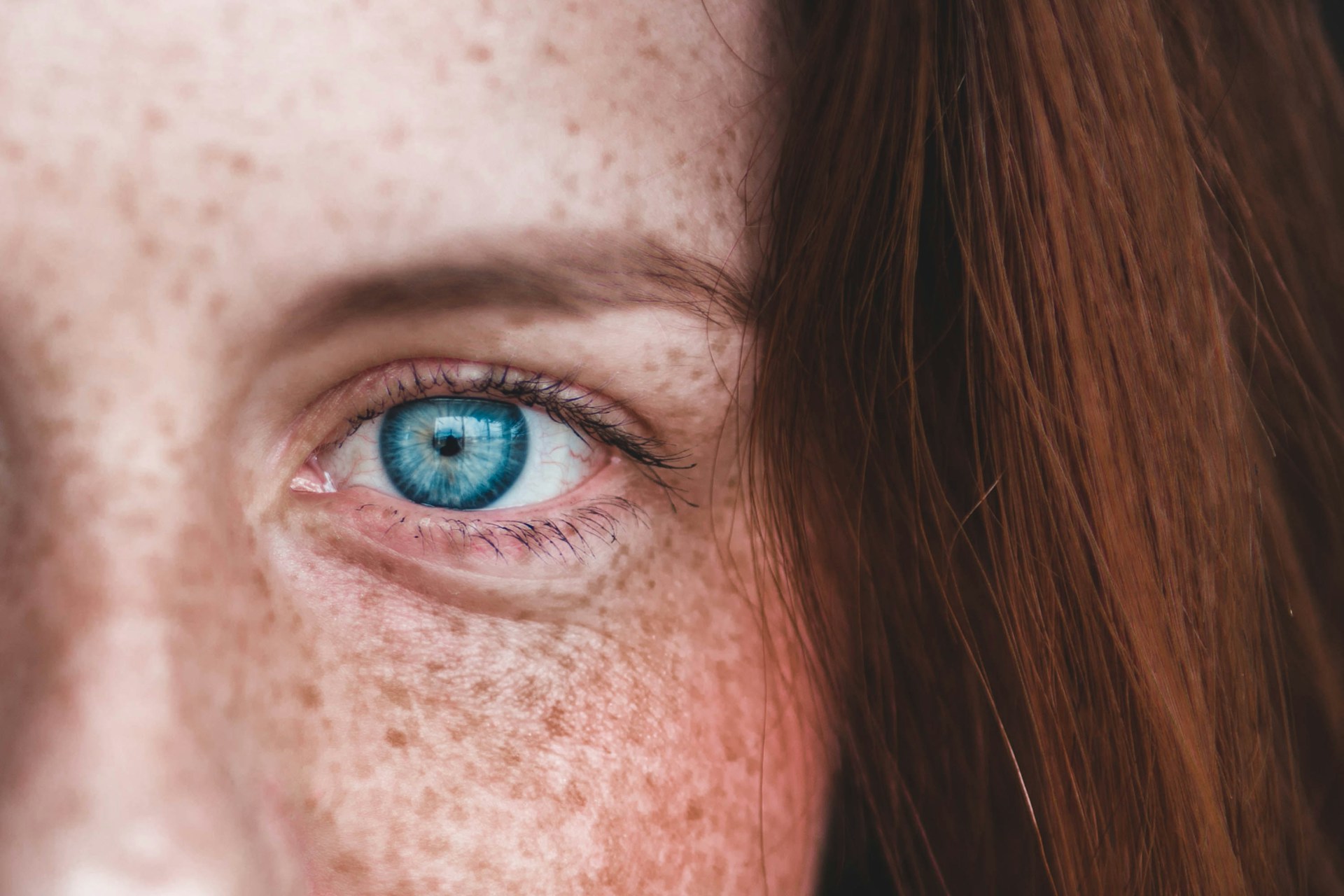
For centuries, eye color seemed like a family detail, noticed in portraits and passed along in stories, but rarely treated as a map of shared ancestry. Genetics changed that. Research on iris pigmentation found that many blue-eyed people carry the same regulatory DNA variant tied to lower melanin in the iris. Instead of many separate origins, the evidence points to a narrow ancestral event that expanded through migration and time. A familiar shade, once framed as chance, now reads like a biological echo from prehistory that still lives in modern faces. It links biochemistry, population history, and identity in one glance.
Brown Eyes Were the Original Baseline
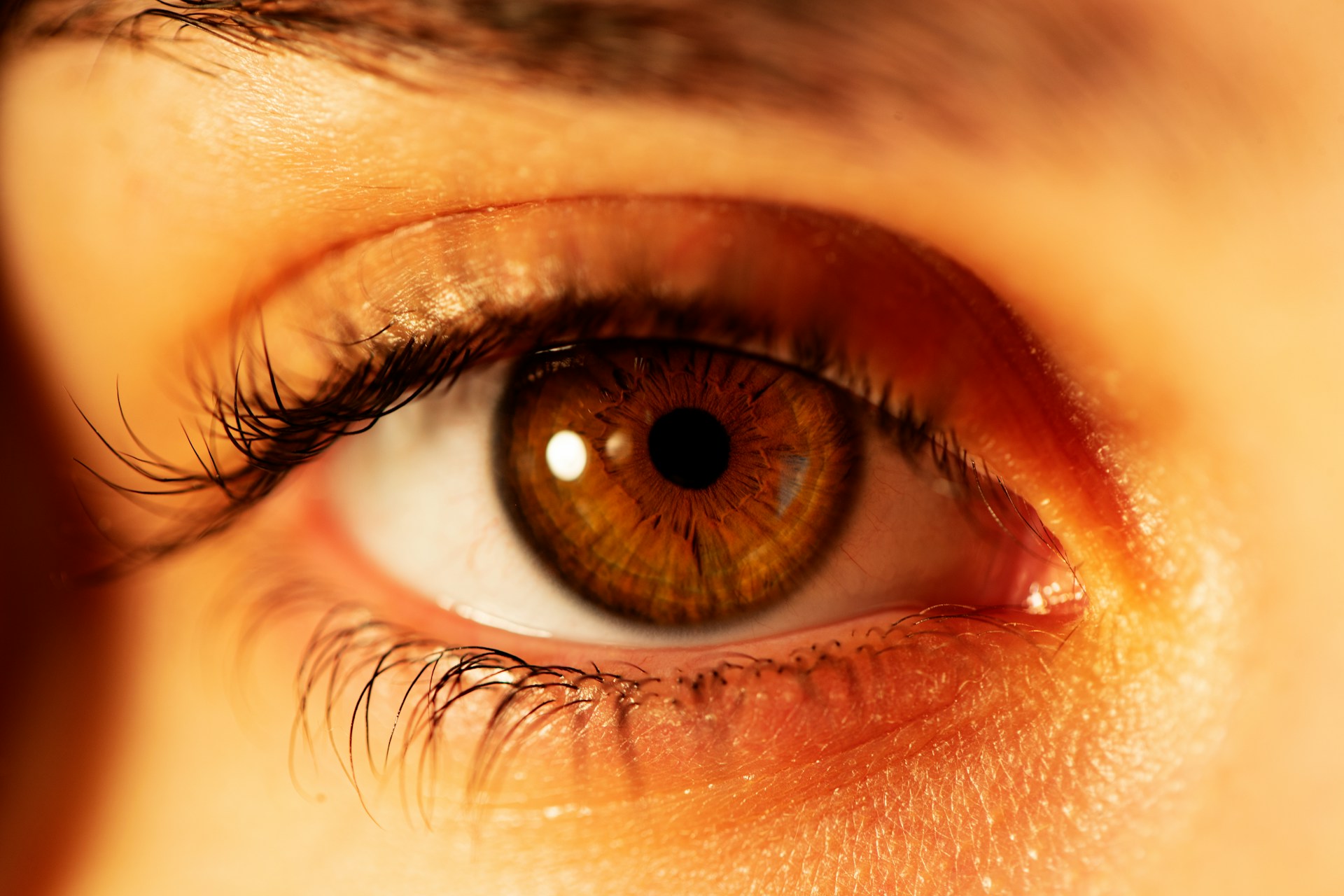
For most of human history, dark irises were overwhelmingly common because higher melanin levels in the iris were the default pattern in early populations. Medical genetics references still describe brown as the most frequent eye color worldwide, which fits that deep ancestry pattern and the broad global record.
That baseline matters because blue eyes did not emerge as a separate pigment system. They appeared after a regulatory shift altered how much melanin was made in the iris, creating lighter optical outcomes from the same biological toolkit rather than inventing a brand-new color chemistry for human eyes. This matters.
The Key Change Sits Near OCA2, Inside HERC2
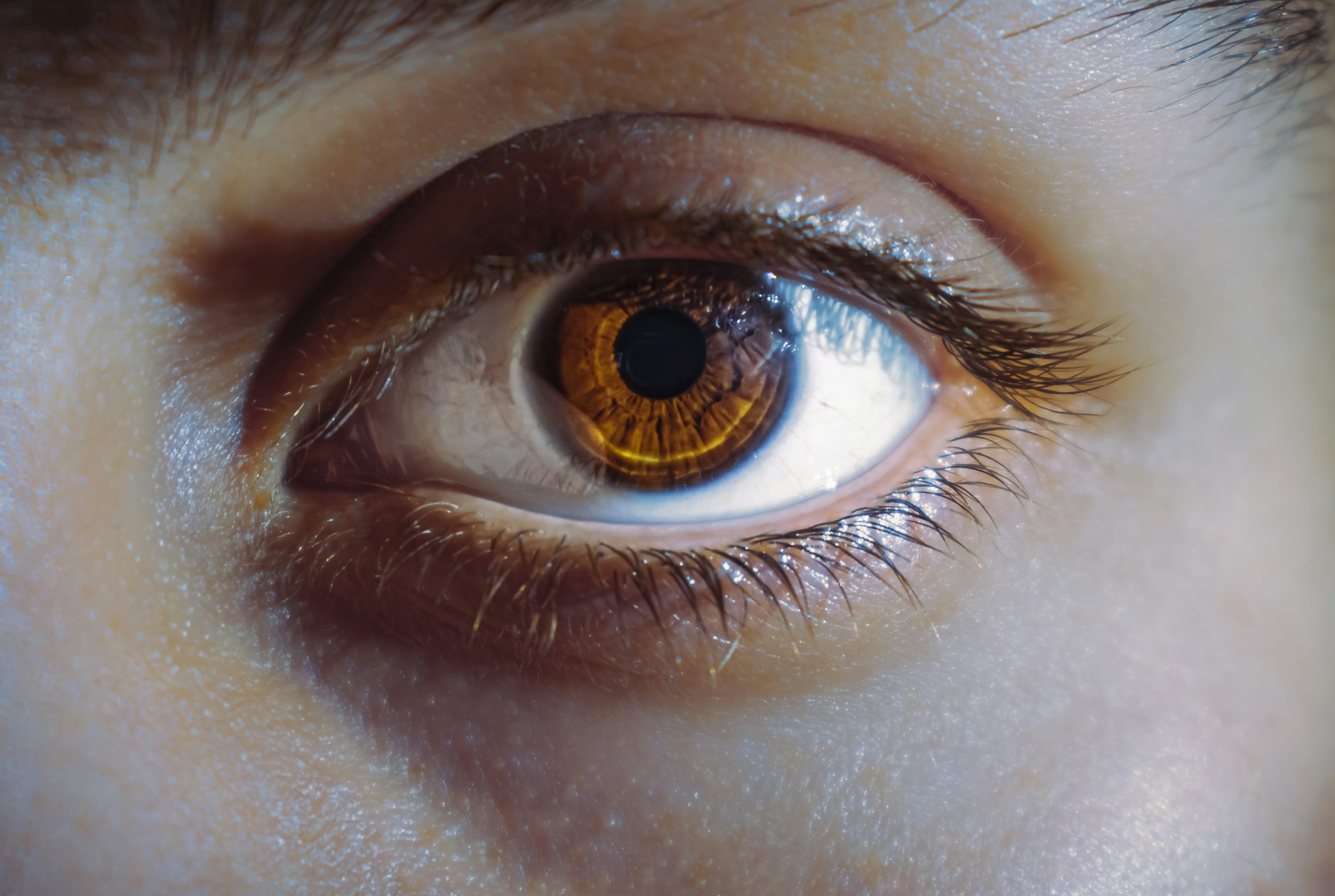
The strongest signal behind blue-brown eye variation is tied to a variant in HERC2 that influences OCA2 activity. OCA2 helps regulate melanin biology, and the HERC2 region acts like a control switch, changing how strongly OCA2 is expressed in iris melanocytes as development unfolds.
Classic studies in Human Genetics and the American Journal of Human Genetics reported that this region explains a large share of blue-brown differences, which is why it became central to modern eye-color research rather than a minor side finding buried among weaker associations in pigmentation data. The signal has replicated repeatedly. Globally.
Blue Eyes Come From Light Physics, Not Blue Pigment
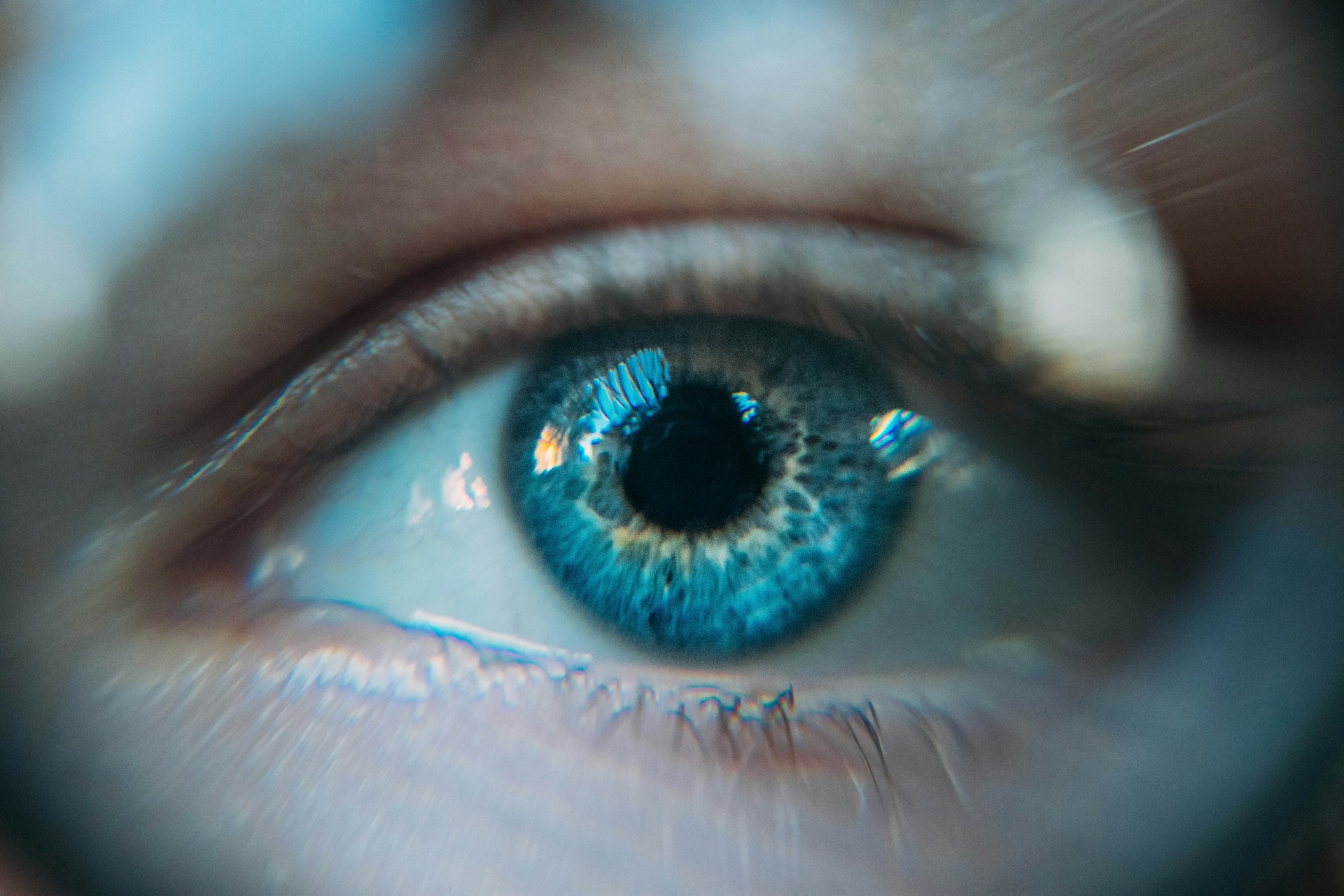
Blue irises do not contain blue dye-like pigment. Ophthalmology guidance explains that the appearance comes from low melanin plus light scattering in iris tissue, similar in principle to why the sky looks blue under daylight conditions instead of appearing colorless to the eye.
When melanin is lower, shorter wavelengths scatter back more visibly, and the eye reads that reflected pattern as blue. That is why blue, gray, and green shades can sit on a continuum, with subtle structural differences in the iris and stromal texture changing the final color impression across individuals. It is optics, not added dye. Across groups.
A Shared Haplotype Linked Distant Blue-Eyed Groups

One reason this topic drew global attention is the haplotype pattern. In the Danish-led work, blue-eyed participants from different regions carried a highly similar DNA signature around the same regulatory area, even when family histories were geographically far apart and culturally unrelated.
That repeat pattern supports a founder event: one ancient change that spread through descendants, rather than many identical mutations emerging over and over in separate places. In population genetics, that kind of consistency is rare enough to stand out and shape how the trait is explained in both science classrooms and public conversation.
Migration, Drift, and Demography Helped It Spread

Once the variant entered human populations, ordinary demographic forces likely did the rest. As groups moved, mixed, and formed new communities, allele frequencies shifted through founder effects, genetic drift, and local marriage patterns across generations, sometimes rapidly in smaller populations.
Large association work in recent years still finds HERC2-OCA2 as the strongest axis for eye color, but distribution differs by region because history, not genetics alone, sets who meets whom. The result is a familiar map: lighter irises cluster more in parts of Europe and neighboring regions, while brown remains globally dominant.
Blue Eyes Do Not Mean One Gene Alone Controls Everything
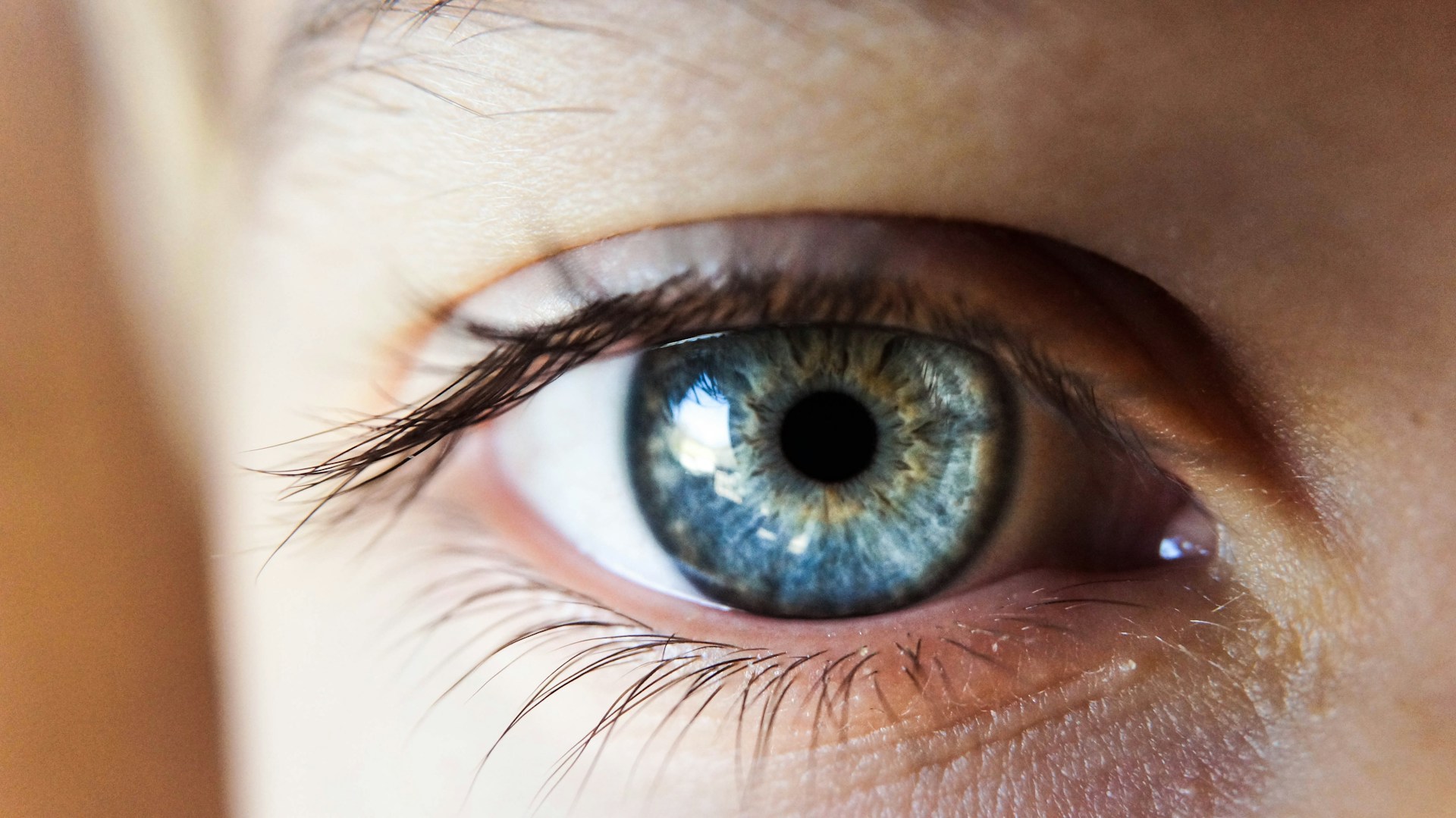
The blue-eye story is powerful, but eye color is not a single-switch trait in every person. Medical genetics sources describe a continuum shaped by several genes, with HERC2 and OCA2 carrying heavy weight and other loci adding smaller effects that can shift shade and intensity in measurable ways.
That is why real populations show exceptions. Recent work reports cases where predicted color from one major marker does not fully match observed iris color, reinforcing a practical point: strong association is not the same as absolute determinism in complex human traits, especially across mixed ancestries. The nuance matters in reporting.
Family Patterns Can Shift During Early Childhood

Infant eye color can change during early development as melanin production in the iris increases after birth. Clinical references note that final shade may settle later, which is why newborn observations do not always predict adult color with precision, even within the same family line.
This developmental timing aligns with the broader genetics story: regulatory pathways influence pigment output over time, not in a single frozen moment. So family resemblance in eye color is real, but it unfolds gradually, with biology refining the visible result month by month during the first years of life. Parents often notice this slowly.