Winter used to feel longer, not because the days were harsher, but because people filled the dark with things they made themselves. Pastimes grew out of necessity and boredom, then turned into traditions: skating under lanterns, sewing by lamplight, arguing over parlor-game rules, and writing letters that carried warmth across counties. Even work took on a social glow when neighbors showed up together. These habits were local, improvised, and often physical, shaped by frozen water, steep hills, and whatever fit in a pocket or a pantry. Some disappeared when appliances, indoor entertainment, and safer infrastructure arrived. What remains is the mood they created: a season softened by shared effort, noise, and small rituals that made cold nights feel lived in.
Lantern-Lit Pond Skating
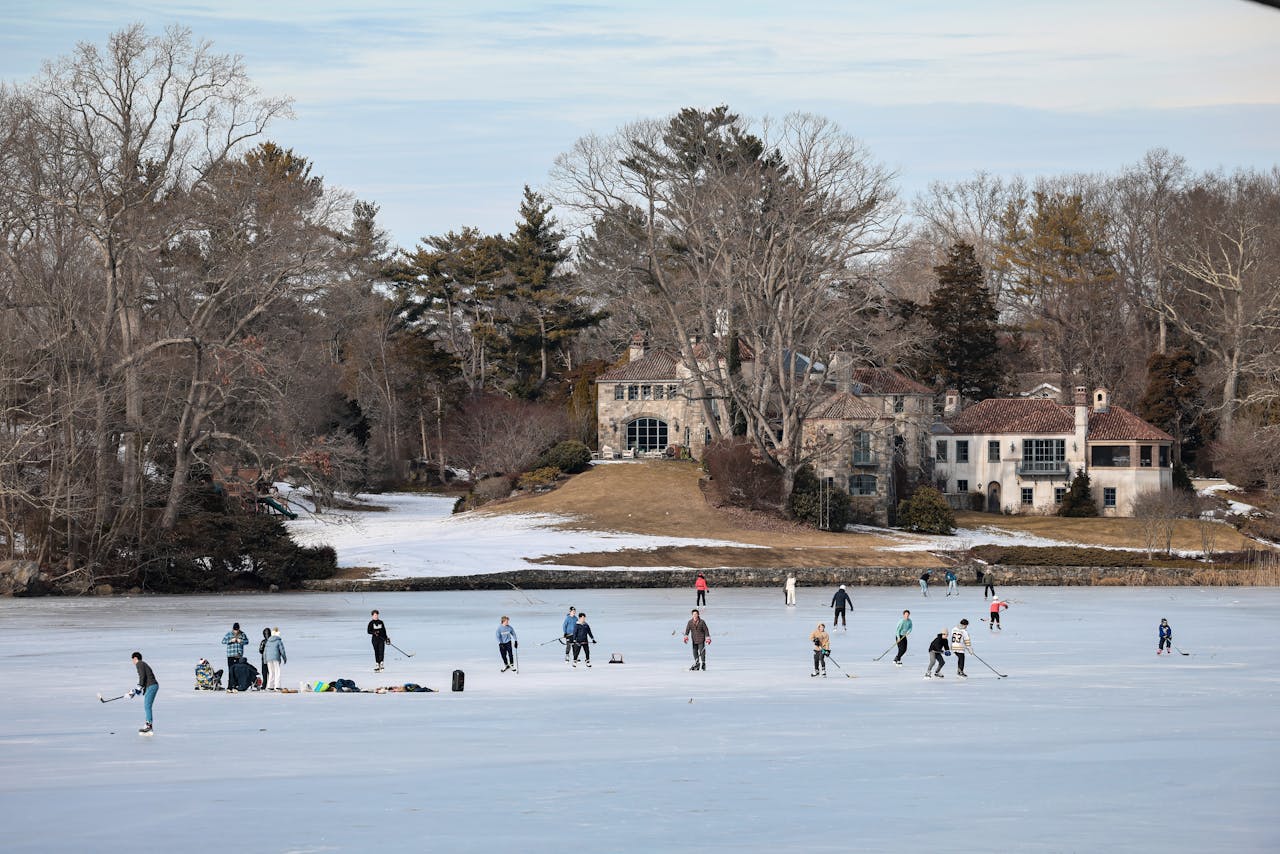
Before indoor rinks, skating belonged to whatever froze first: a mill pond, a flooded meadow, a canal edge, even a baseball field if it held after two hard nights. Someone shoveled a rough oval, set lanterns along the bank, and the ice became a winter social hall where laughter carried farther than light, where blades sang, and where strangers became familiar after one shared wobble. Teenagers practiced daring stops, parents listened for the wrong kind of crack, and a steady stream of cocoa, coffee, and neighborhood gossip flowed under lantern glow until numb fingers and sharp wind sent everyone home, skates clacking on boards.
Shinny On a Frozen Patch
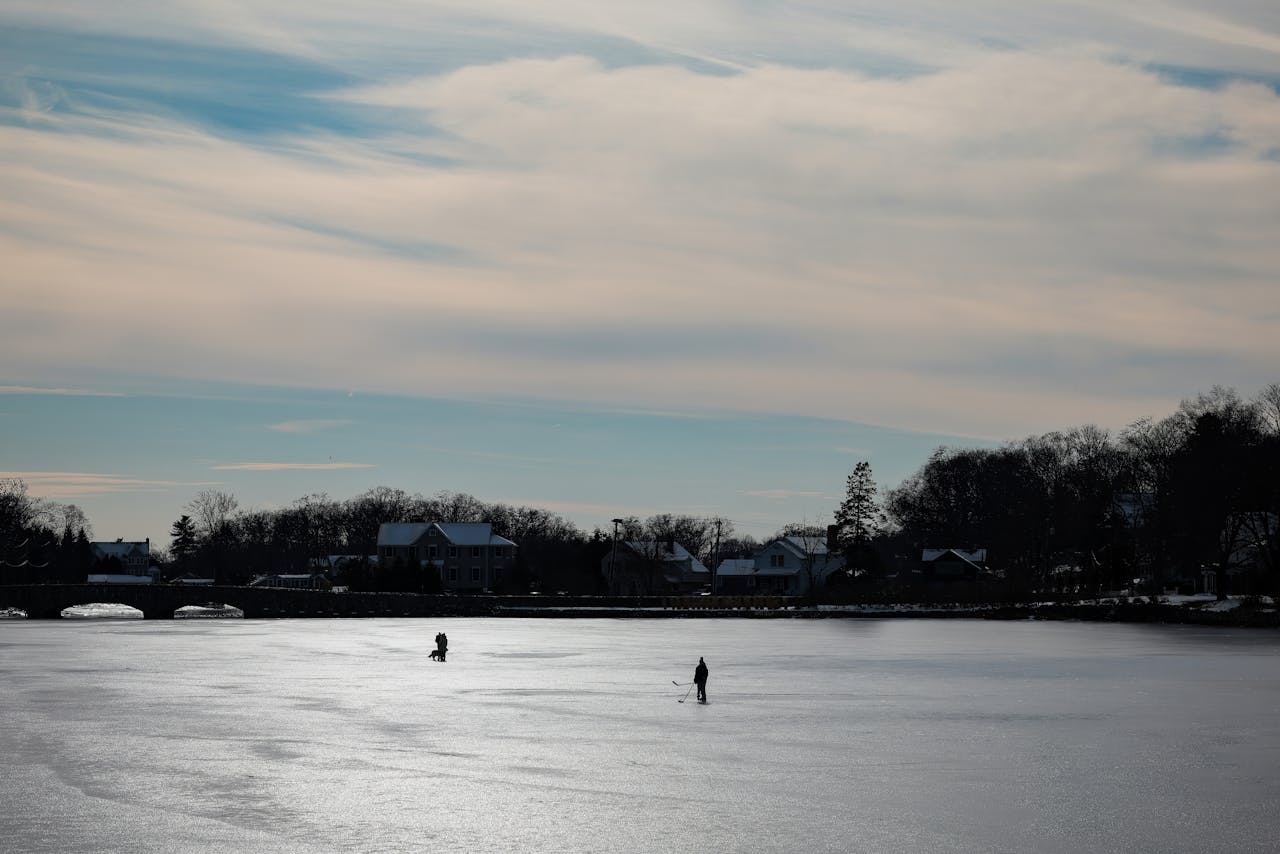
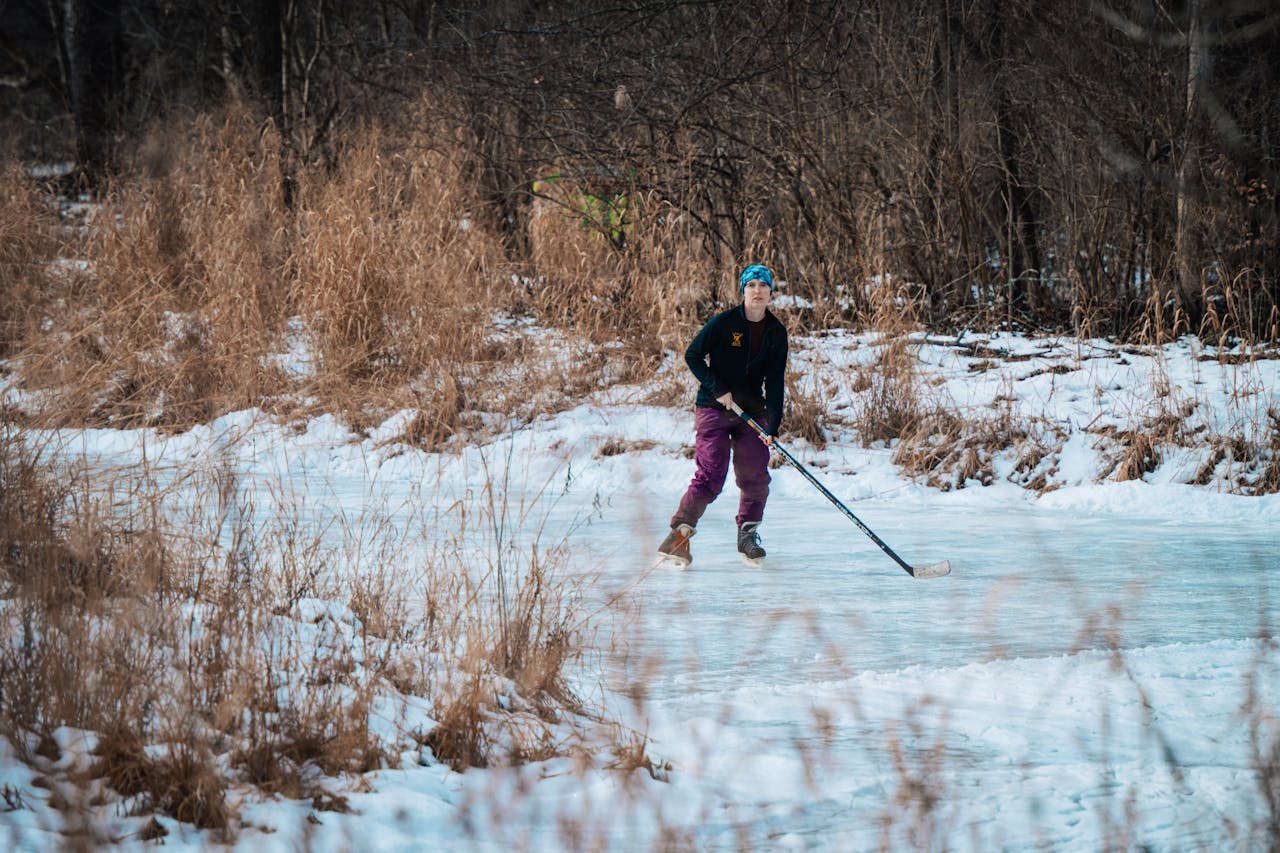
Shinny turned any frozen patch behind farms and rowhouses into a rink, marked with boots for goals and a shovel-scraped slot for a crease, with fences and snowbanks doing the work of boards. Sticks were mismatched, gloves were improvised, and the puck might be a chunk of wood or a taped ball that slid just well enough to reward quick passing, short tempers, and faster apologies when elbows bumped. Games began the moment two kids showed up, then swelled as siblings and adults joined, coats flapping, breaths steaming, and the score forgotten as soon as a clever deke, a ringing shot, or a harmless wipeout made everyone howl together.
Homemade Sleds and Toboggan Runs
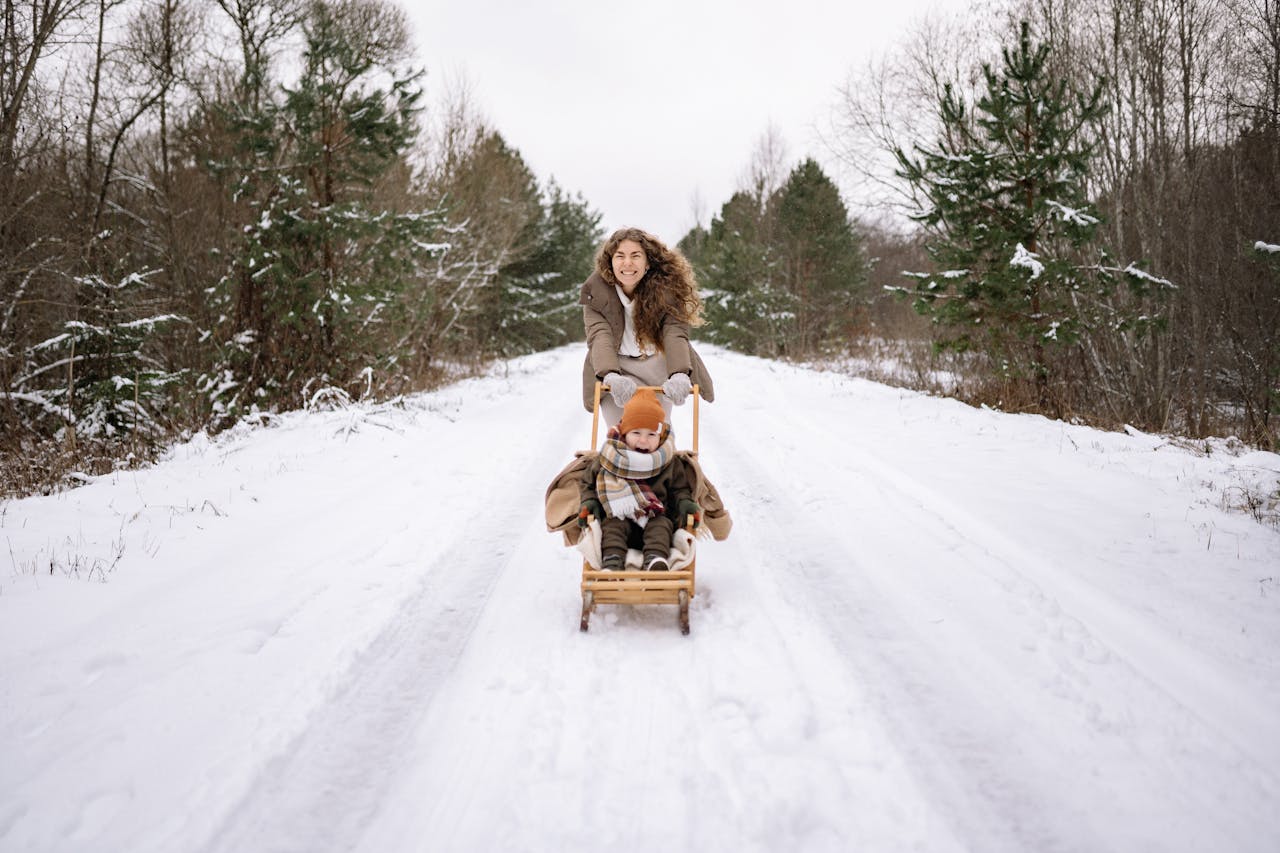
Winter hills once belonged to anything that could glide: sleds built from crate wood, metal runners rescued from barns, and long toboggans meant for three riders gripping side rails, knees tucked to dodge crusted drifts. Runs formed by repetition, each descent packing the snow smoother and faster, until the hill had its own rules, its own ruts, and a track that felt like a dare carved into the season. Older kids taught steering by weight, younger ones learned when to bail before the fence, and everyone trudged back up laughing, comparing bruises, warming hands on pockets, and arguing over who got the front seat on the final ride.
Snowshoe Rambles at Dusk
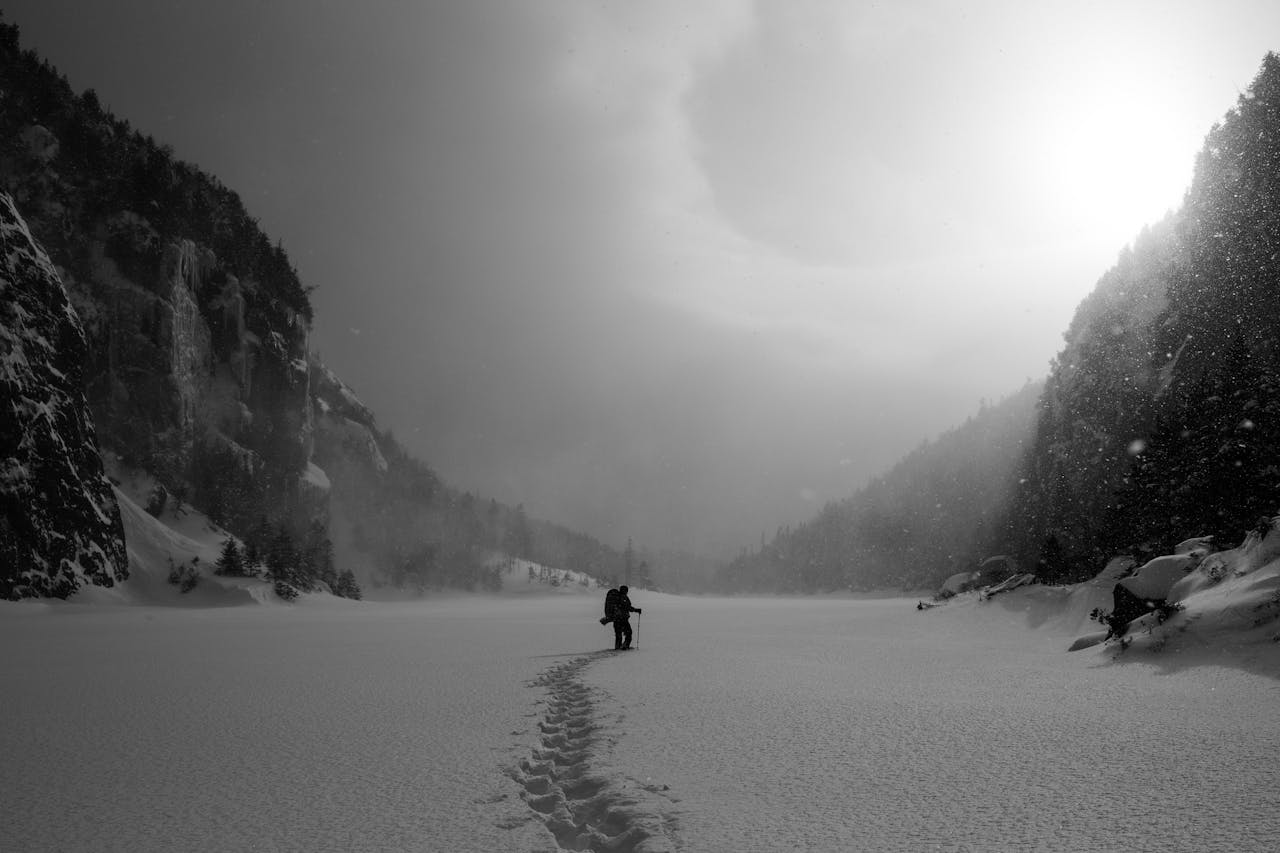
Snowshoes were less a pastime than a passport when drifts swallowed roads and winter narrowed the world to the nearest porch light, the barn door, the line of trees that meant home. Families followed fence lines, creek beds, and the memory of paths buried under powder, moving in a steady rhythm that made distance feel possible again, while conversation came in short bursts between breaths. The reward was detail: pine boughs sagging, owl calls, rabbit tracks stitched across fields, and a sky that looked sharper after snow, followed by the slow return to a warm kitchen where boots thawed, mittens steamed, and stories poured out.
Ice Harvest Days

Cutting lake ice was hard work, but it drew a crowd the way a barn raising might, because everyone knew summer cold depended on winter muscle, and the window was brief. Crews scored the surface into a grid, sawed thick slabs free, and slid clear blocks toward an icehouse, stacking them like glass bricks under sawdust for insulation, sometimes using horses to keep the line moving. The shoreline filled with spectators and helpers, listening to saw teeth and sudden cracks, watching sunlight turn the blocks blue at the edges, and by afternoon sleeves were soaked, hands were raw, and hot soup tasted like a reward earned honestly.
Quilting Bees by Lamplight

When storms kept travel short, quilting bees turned parlors into winter workshops where every chair had a job and every visitor arrived with a sack of scraps, thimbles, and a bit of news. A frame took over the room, patterns emerged from worn shirts and flour sacks, and hands moved in practiced circles that made conversation easier, even when the talk wandered from weddings to debts to grief. Gossip, advice, and quiet problem-solving traveled with the thread, while someone kept the kettle on, children learned stitches and patience, and the finished quilt carried the season’s warmth, thrift, and memory long after the snow melted.
Parlor Music and Sheet-Music Nights
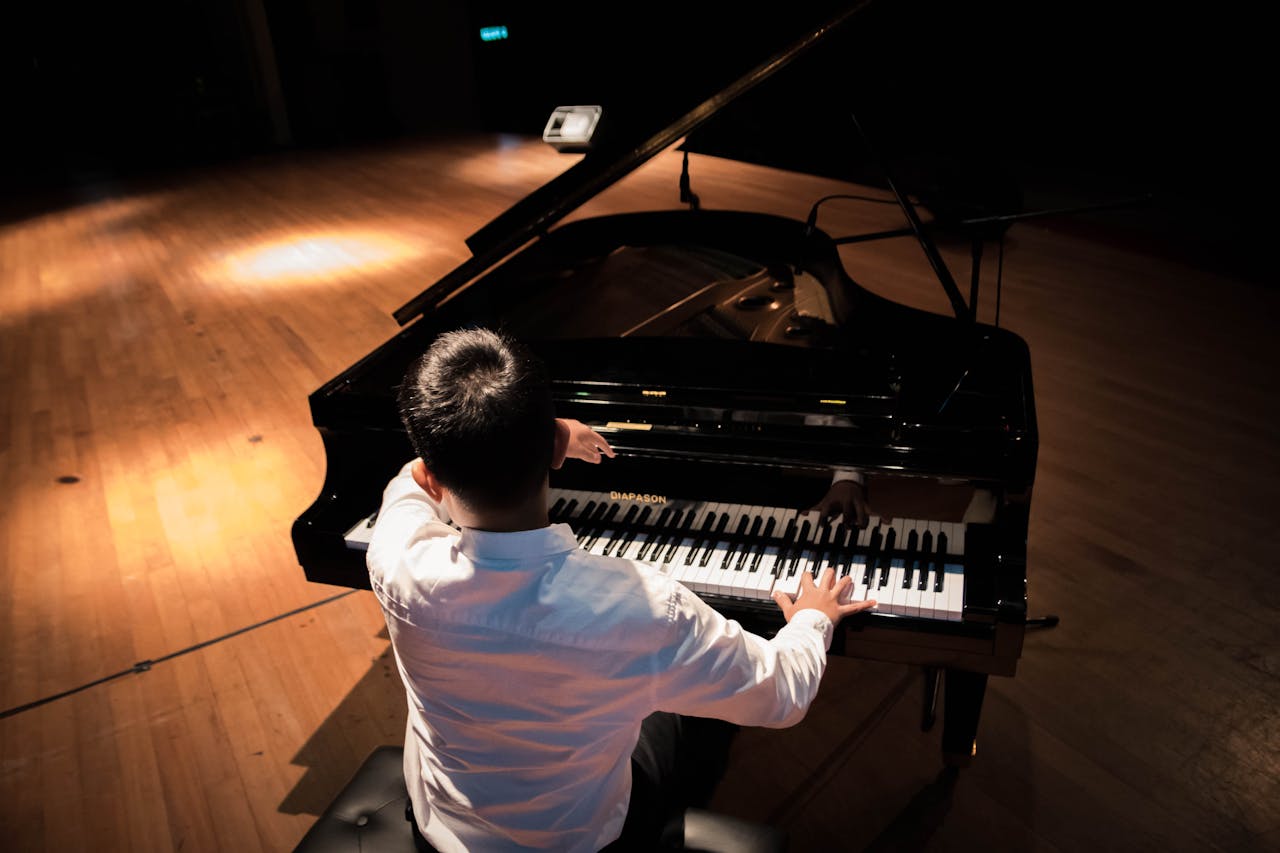
Before playlists, a piano bench or a fiddle case could anchor an entire winter evening, especially when the radio signal was weak or nonexistent and snow pressed against the windows. Someone chose a hymn, a waltz, or a popular tune from dog-eared sheet music, and the room became a small concert hall where page-turners, clappers, and singers mattered as much as the player, and where mistakes were met with teasing, not shame. Practice smoothed rough notes into something shareable, pride showed in small smiles, and the night ended with one last chorus, chairs scraping back, and the fire settling down to embers in the corner softly.
Winter Letter Circles and Postcard Swaps
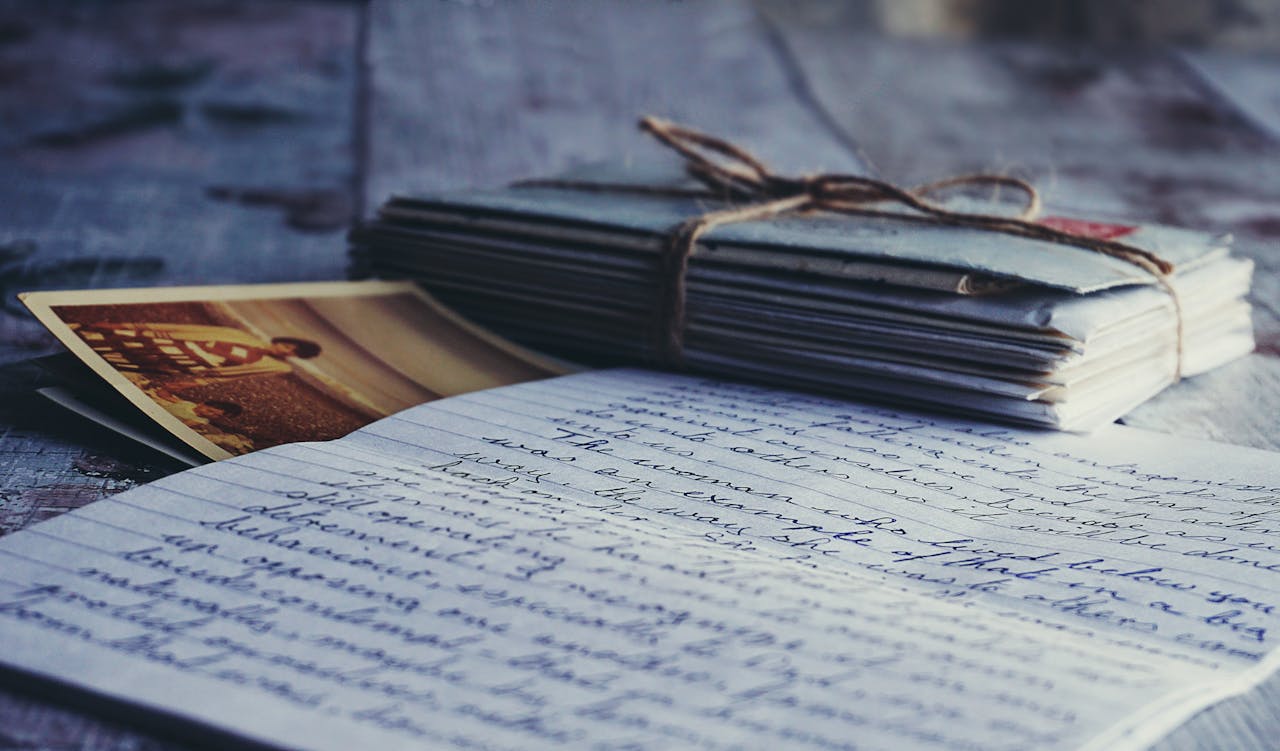
Mail moved slower, which made it feel heavier, like attention that could be held in a hand, folded, and saved for later when the house went quiet. In winter, people kept letter circles with relatives and friends across counties, trading news when roads were bad and visits rare, then reading it aloud by lamplight as if the sender had stepped into the room. Pages carried recipes, church notes, farm updates, and tiny sketches of the first good snow, while postcards offered miniature travel in the off season, and the waiting itself became a discipline, rereading lines until the writer’s voice seemed to settle near the stove at night.
Old-Fashioned Parlor Games on Cold Nights
Cabins and townhouses relied on parlor games that needed little more than a table, a few household objects, and a group willing to be ridiculous when the wind rattled the panes. Charades, riddles, and guessing games filled long nights when weather pinned everyone indoors, and the best ones built suspense without requiring much talent, just nerve, timing, and an audience that played along. A shy cousin could steal the room with one perfect clue, a loud aunt could ruin it in the funniest way, and rules shifted as the night went on, snacks disappeared, and laughter, not winning, became the point that kept everyone up past bedtime.