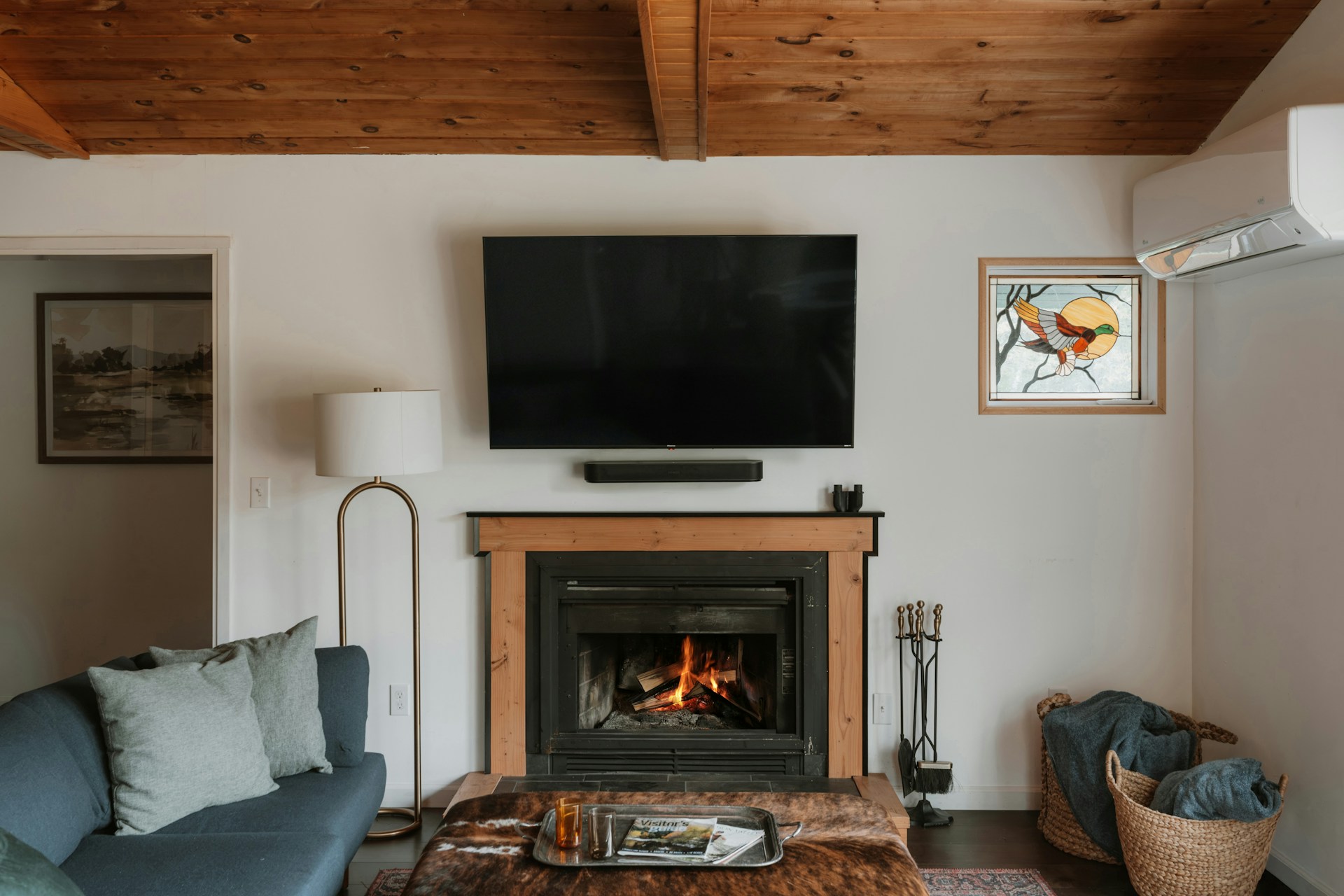
Years of scrollable interiors trained the eye to hunt for flawlessness: crisp corners, matching woods, and pillows that never slump. Now the mood is shifting. People are tired of homes that look like they are waiting for permission to be used. After long stretches indoors, comfort and function stopped being negotiable, and the fantasy of untouched surfaces felt brittle. A dented oak table, a reading chair by the window, and art collected over years can feel more honest than a flawless vignette. As costs rise and attention splinter, the most magnetic spaces feel flexible and personal, made for real days, not staged photos.
Signs of Life Feel Like Proof
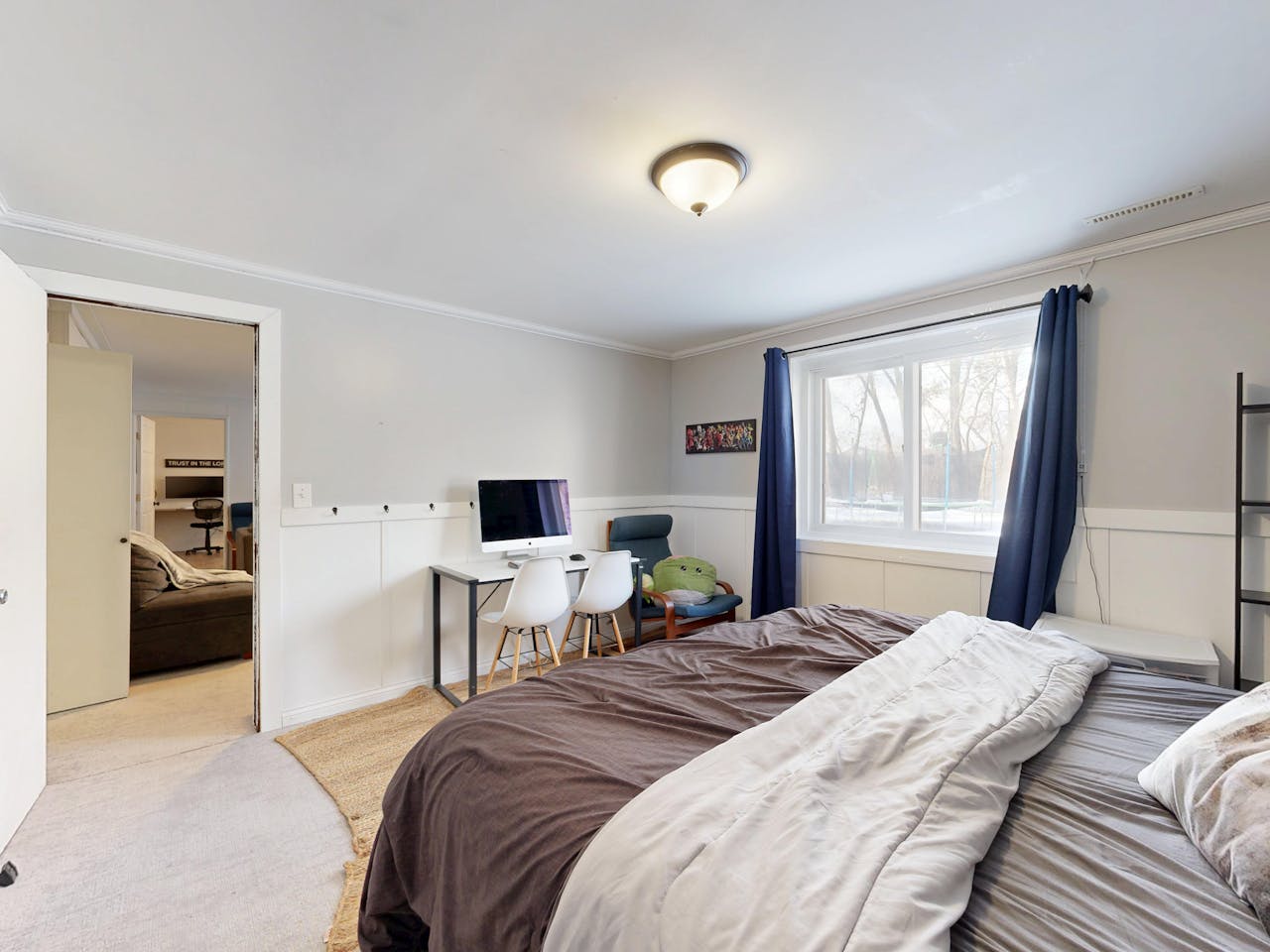
A perfect room asks everyone to tiptoe, which quietly turns a home into a museum with better lighting, and that pressure is exhausting to live under. Scratches on the coffee table, a throw tossed after a late movie, a dog’s favorite spot on the rug, and chairs pulled close for conversation read as evidence of belonging, not failure, especially when the room still functions beautifully. Patina on brass, sun-faded linen, and that scuffed baseboard at the hallway corner can make a space feel earned, like it has carried birthdays, visitors, and ordinary Tuesdays without flinching, then welcomed the next moment anyway.
Comfort No Longer Feels Like a Compromise

Perfect rooms often privilege proportion and polish over the small things that make a day easier, like deep seating, forgiving fabrics, layered lighting, and places to set a mug without much anxiety. As work, rest, and hobbies blend under one roof, people notice when a sofa photographs well but fails on movie night, when a white rug punishes every crumb, or when a sharp-edged coffee table turns life into careful choreography. The new status signal is comfort that holds up: washable covers, chairs that invite lingering, and layouts that welcome naps, laptops, and laughter without requiring a reset to look acceptable.
Uniform Style Feels Less Interesting
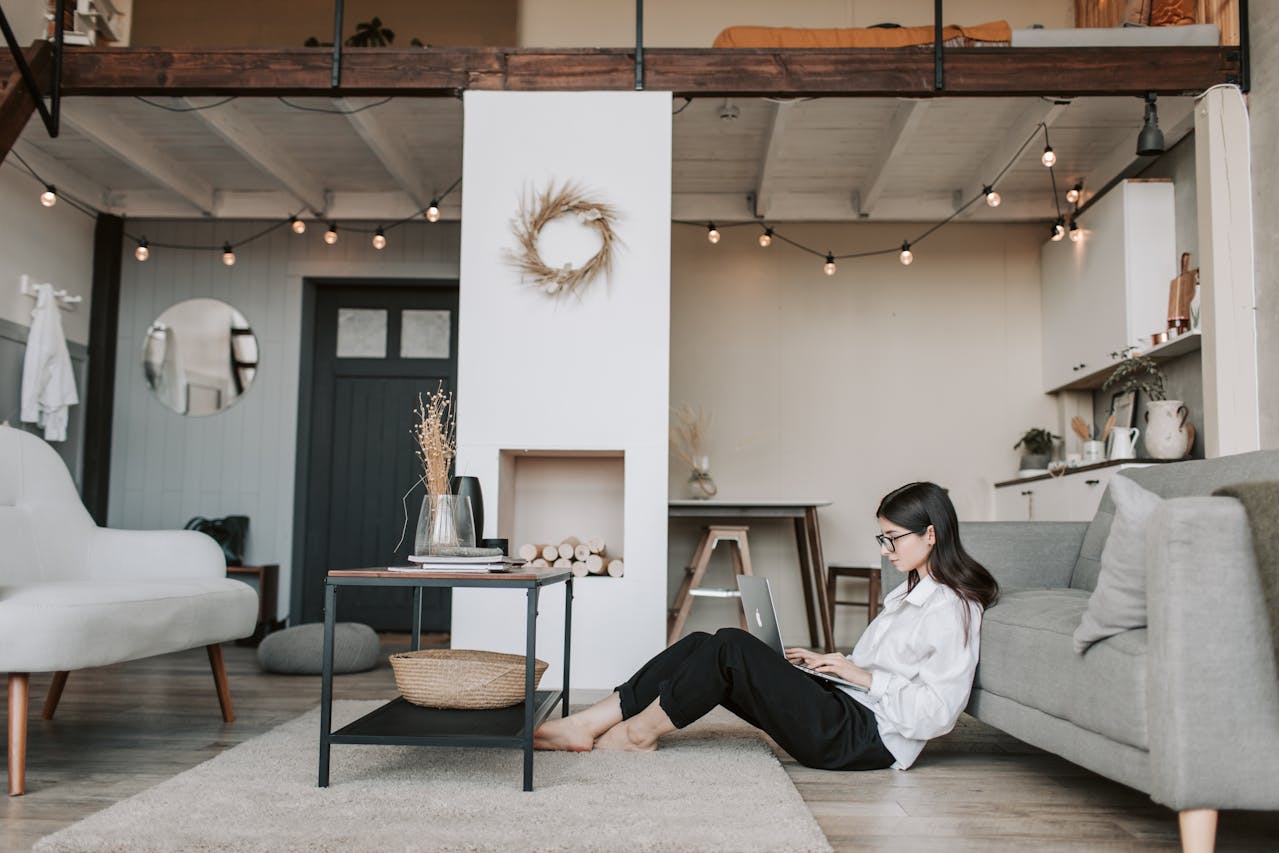
Perfect rooms tend to follow one strict storyline: one era, one palette, one finish, and nothing that interrupts the theme, which can make a space feel like a showroom, even when it is beautiful. Real homes collect mismatched pieces, hand-me-downs, thrifted ceramics, travel textiles, and the odd bargain that becomes beloved, plus practical upgrades over time, like a new lamp where an old one failed. When a vintage dresser sits beside a modern chair, the contrast reads as character, not clutter, and the room gains depth because it holds more than one chapter at once, letting personality show through each decision.
The Algorithm Made Perfection Predictable
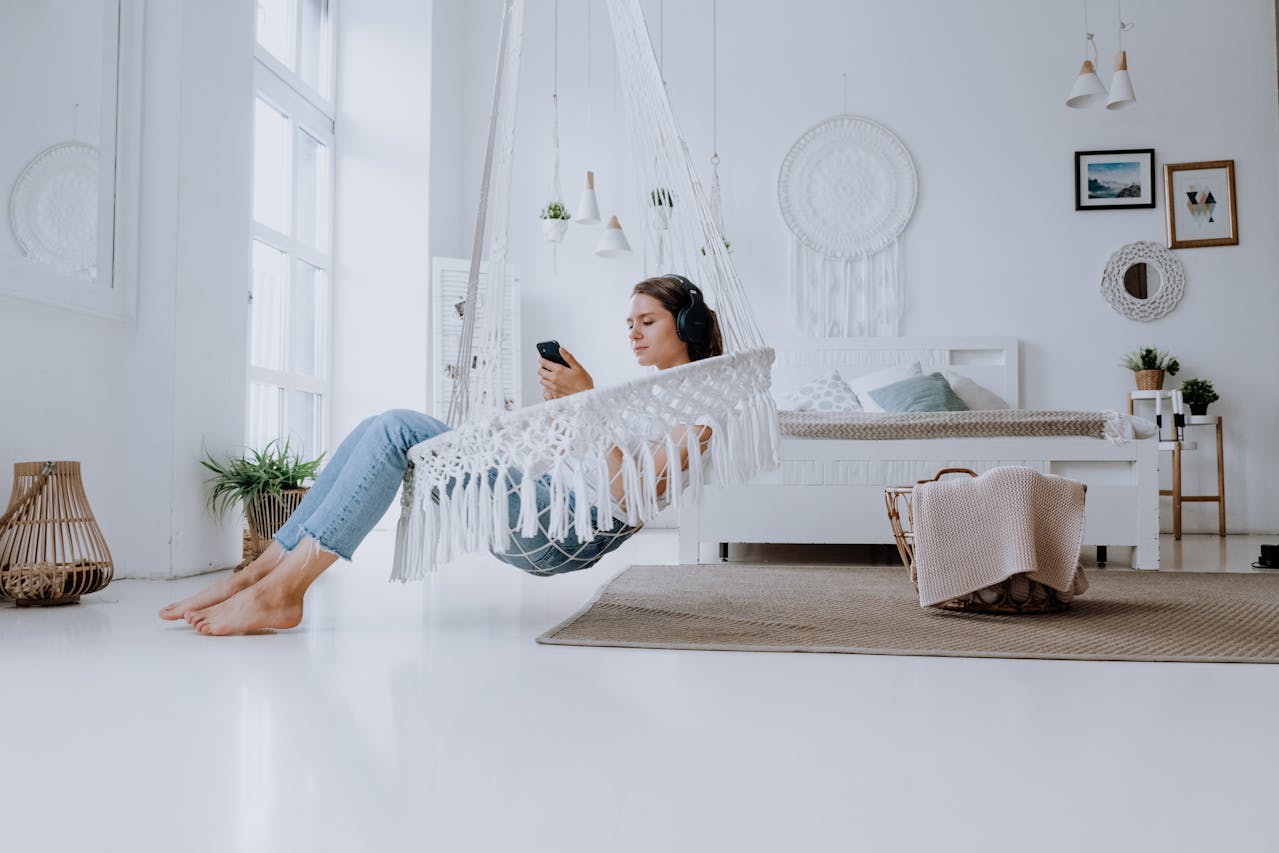
Online, the perfect room became a repeating template: the same neutral boucle, the same sculptural vase, the same arched floor lamp, shot from the same corner and lit the same way, until it felt less like taste and more like a default setting. As dupe culture and fast trend cycles sped up, a polished space could look finished on Monday and dated by Sept. 6, not because it was wrong, but because the feed moved on and took the novelty with it. Rooms with quirks, personal art, a weird thrift-store find, or an unexpected color break the pattern, and that hint of surprise reads as real life rather than content production.
Perfection Is Priced Like a Luxury
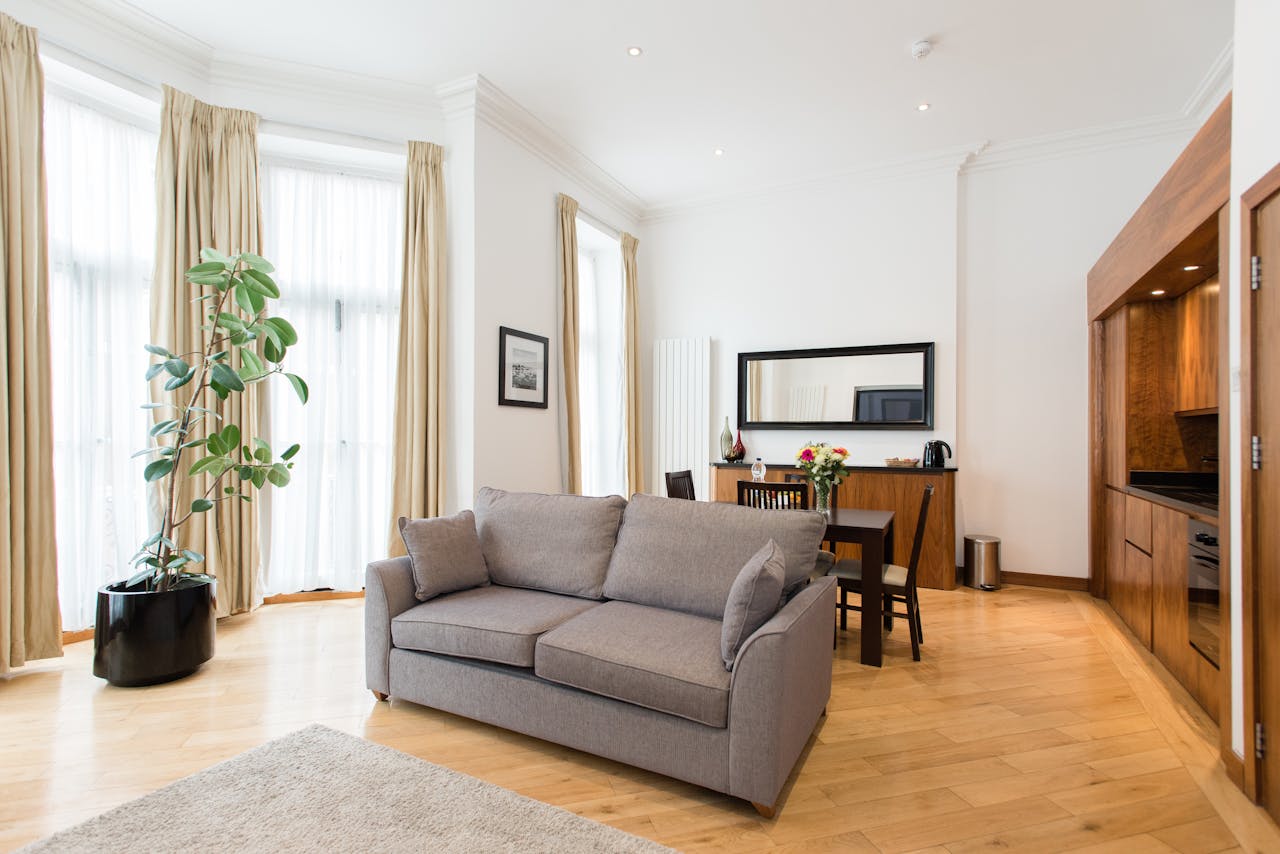
A perfect room usually demands too perfect inputs: larger scale furniture, custom window treatments, flawless walls, and repeat purchases to keep finishes matching, all at once. With rent, groceries, and interest rates squeezing budgets, fewer households want to pour money into styling that cannot survive a spill, a pet, or a sudden move, especially when delays and returns add friction to every upgrade. The appeal shifts toward smart investments, like a great mattress or good lighting, while the rest becomes a mix of secondhand, inherited, and intentionally imperfect pieces that still feel cohesive and cared for.
Sustainability Changed the Definition of Beautiful
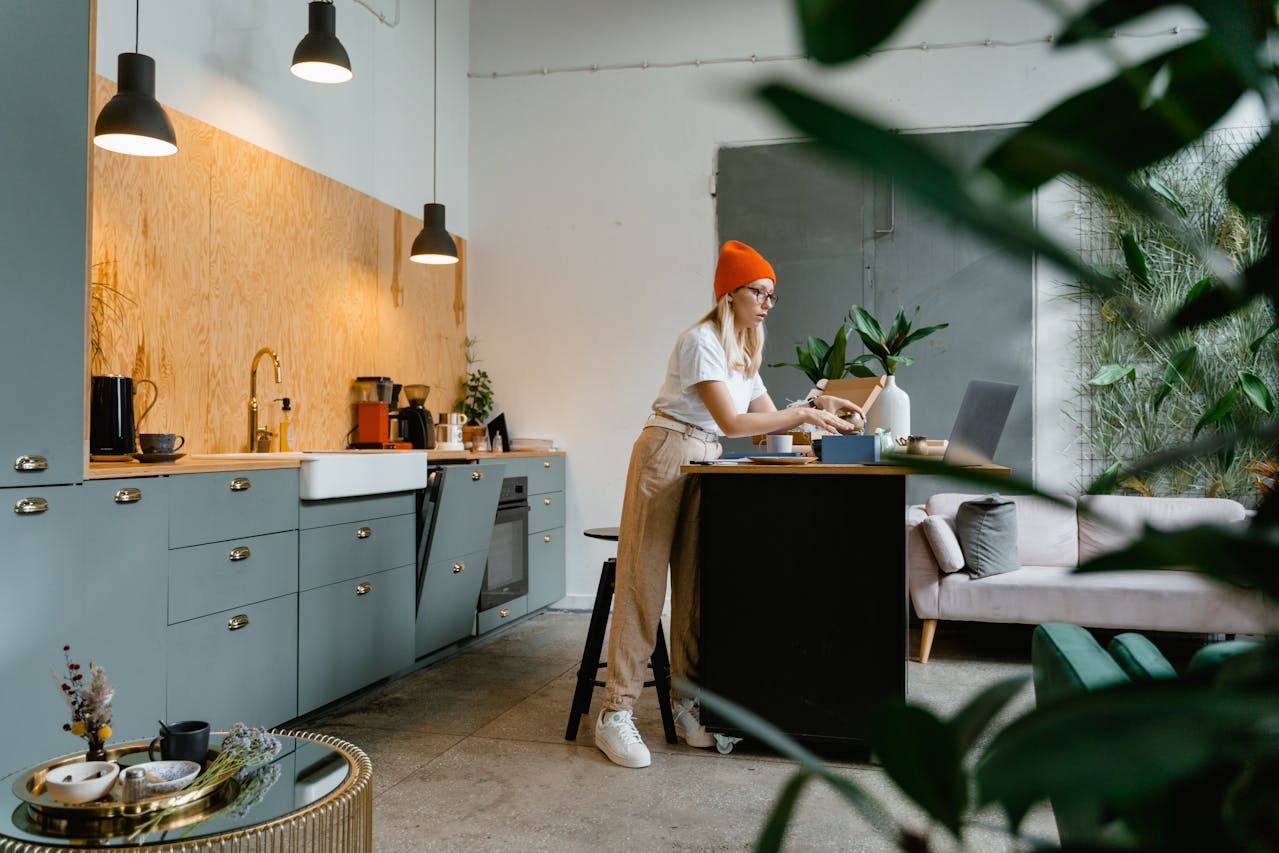
Perfect rooms often depend on constant refreshing: swapping accessories, buying the new rug, and discarding pieces that still function because they no longer match the mood, even when nothing is broken. More people now weigh the footprint of that churn, and they notice how quickly fast furniture, foam cushions, and fragile decor can become landfill, especially when a trendy item lasts one lease and cannot be repaired. A room built to last, with repaired wood, reupholstered chairs, thrifted finds, and fewer but better objects, reads as intentional and responsible, and that kind of care carries its own beauty and calm.
DIY Pride Beats Store-Bought Uniformity
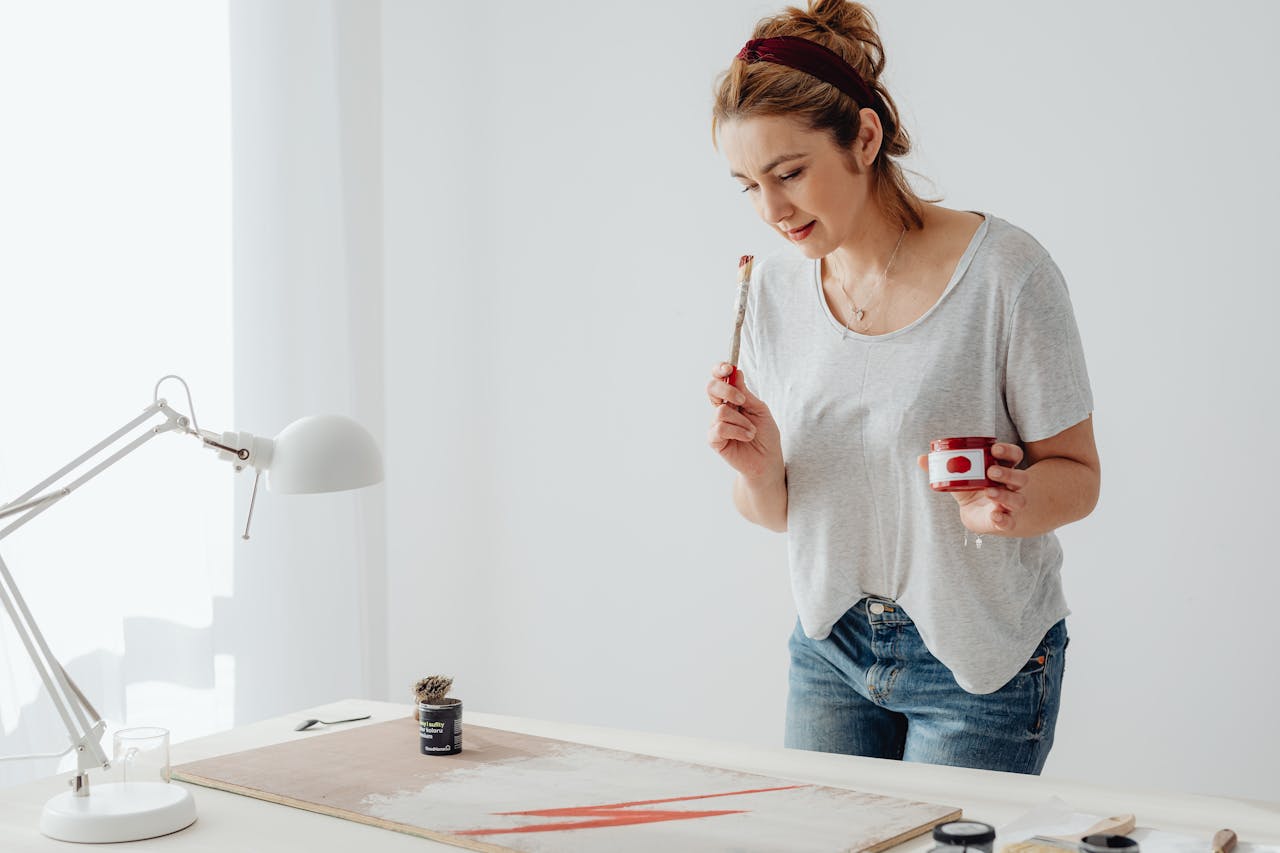
Perfection often arrives in boxes, preselected and identical, which can make a space feel assembled rather than made, like it is following instructions instead of reflecting a family’s habits. Thanks to tutorials, rental-friendly hacks, and accessible tools, more people paint trim, add peel-and-stick wallpaper, swap cabinet pulls, or build a simple shelf, and that hands-on effort creates a look that cannot be duplicated by a single shopping cart. Those DIY marks also soften the fear of mistakes, because once a room has been adjusted by hand, it becomes easier to keep evolving for years instead of freezing in place.
Smaller Homes Need Rooms That Move
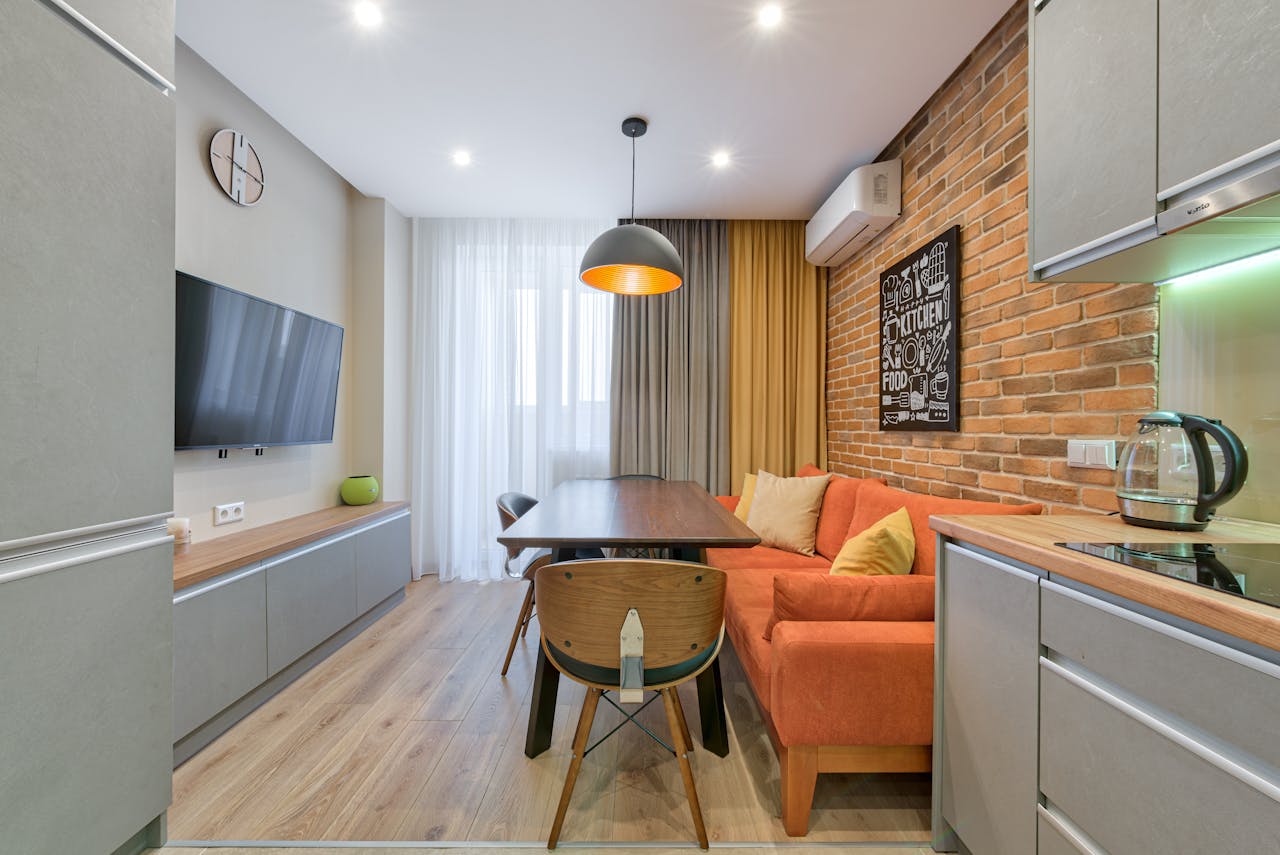
The perfect room is often designed for one job, like a dining room that never hosts homework or a living room that forbids charging cables, toys, and the evidence of normal schedules. In smaller homes and apartments, every square foot has to earn its keep, which rewards nesting tables, storage ottomans, wall-mounted hooks, and lighting that adapts from 9 a.m. emails to late night conversation without a full rearrange. When a chair can shift for guests, a shelf can hold books and baskets, and a table can fold away, the space feels capable, and that capability is more appealing than a static, picture-perfect layout.
Personal Collections Beat Matching Sets
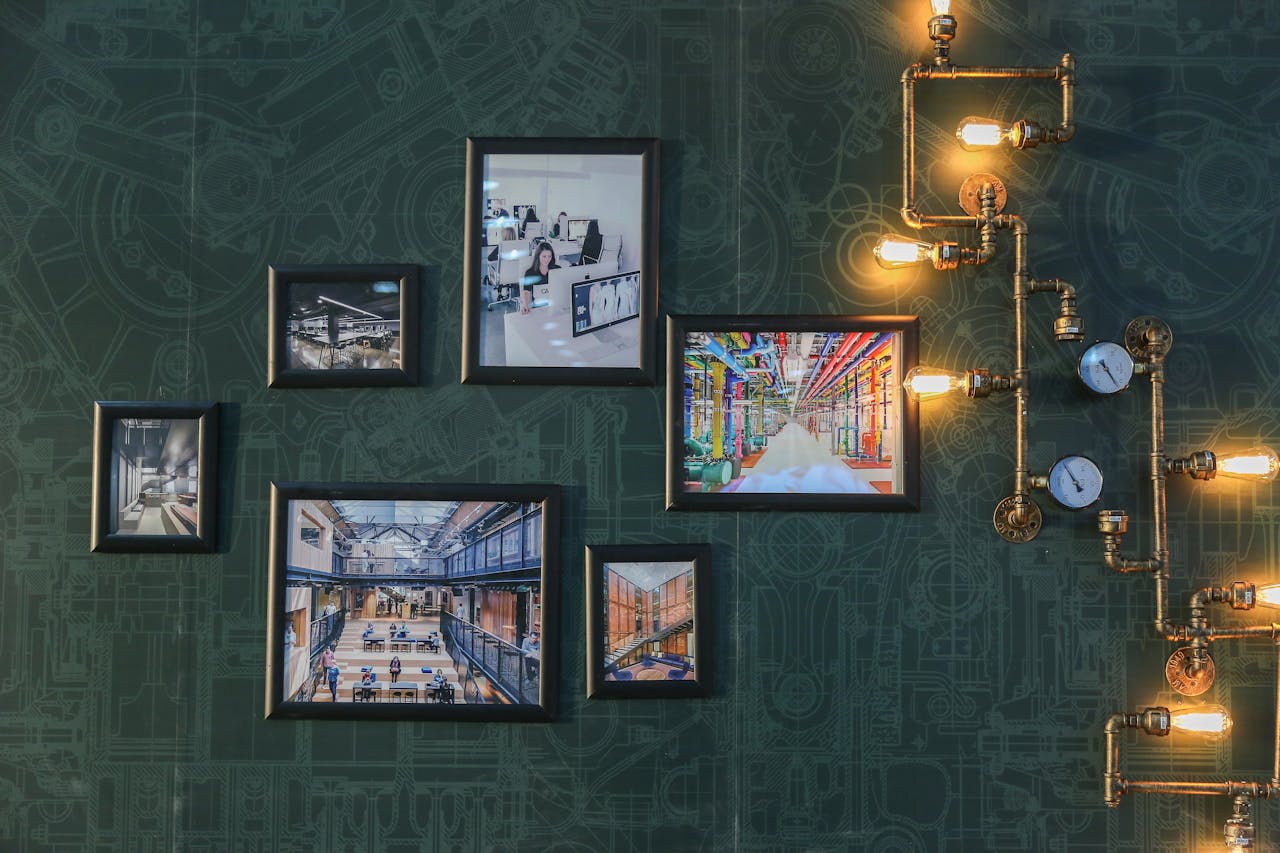
Perfect rooms often edit out the oddities: the souvenir bowl, the inherited quilt, the stack of records, the child’s drawing on the fridge, even the well-used cookbook that refuses to stay pristine. Yet those specific objects are what make a home emotionally legible, because they point to people, places, and time, and they invite stories in a way a perfectly matched set of decor rarely does. As minimalism loosens its grip, shelves fill with framed photos, ceramics gathered slowly, and books that show wear, and the room gains warmth when it can display a life instead of hiding it behind closed doors when friends drop by.
Color and Pattern Feel Like Relief
The perfect room’s safest route is beige, because it photographs well and offends no one, but it can flatten emotion out of a space and make everything feel temporary, with each accessory expected to do the work. After years of quiet palettes, people are choosing paint that shifts with daylight, tile with variation, patterned rugs that hide wear, and curtains in stripes or florals, because the home can handle personality without looking chaotic. A saturated chair or a lamp shade with punch makes the room feel awake, and it signals confidence: the goal is not universal approval, it is a home that feels like its owners.
Homes Are Hosting More Real Moments

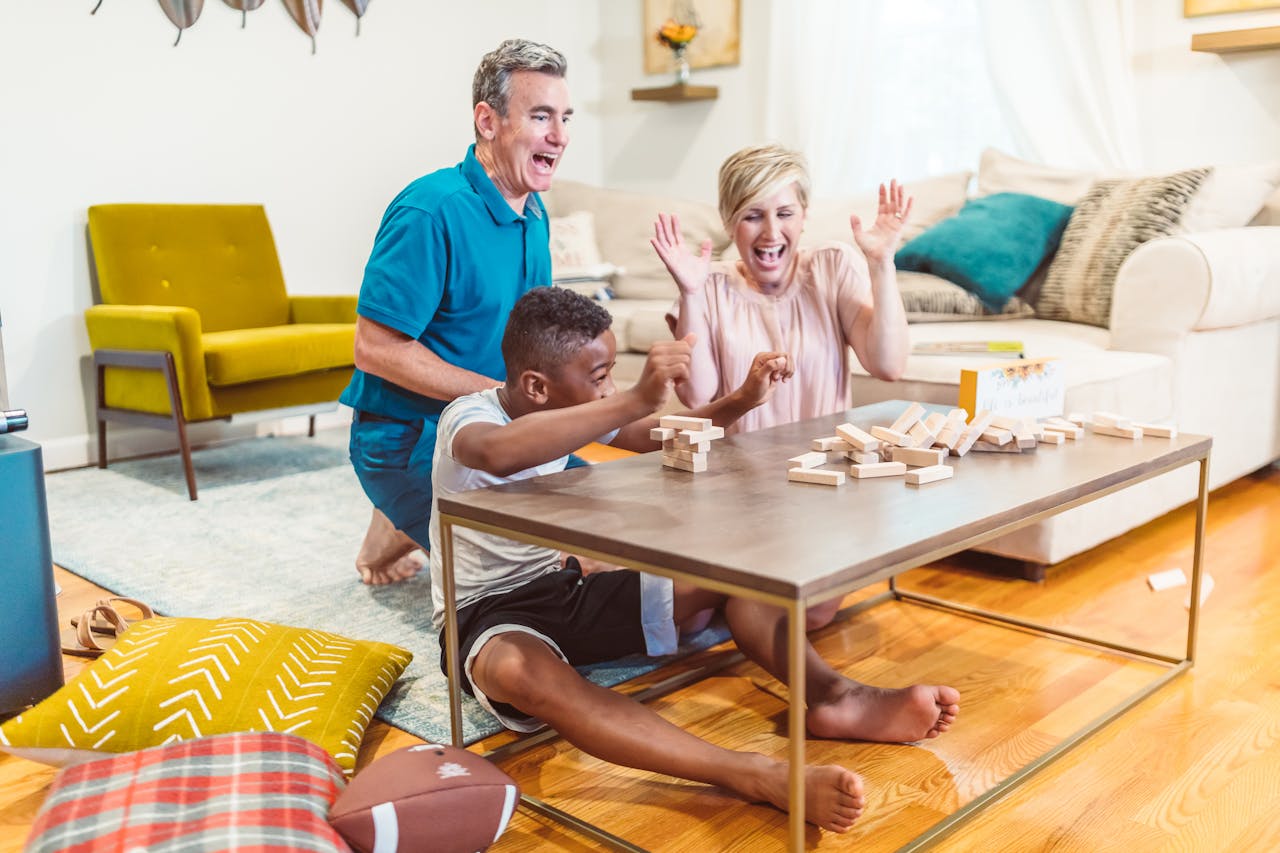
Perfect rooms were designed to look ready for company at any time, with every surface cleared and every pillow aligned, but modern hosting is often casual, last-minute, and more about ease than impressing. A room that can handle takeout containers, board games, backpacks by the door, and extra bodies on the sofa feels kinder than one that requires coasters, staging, and constant vigilance, especially when friends drop in after work or family stays the weekend. When the goal is connection, not performance, the room can be softer around the edges, and it still feels beautiful because it is doing its job, night after night.