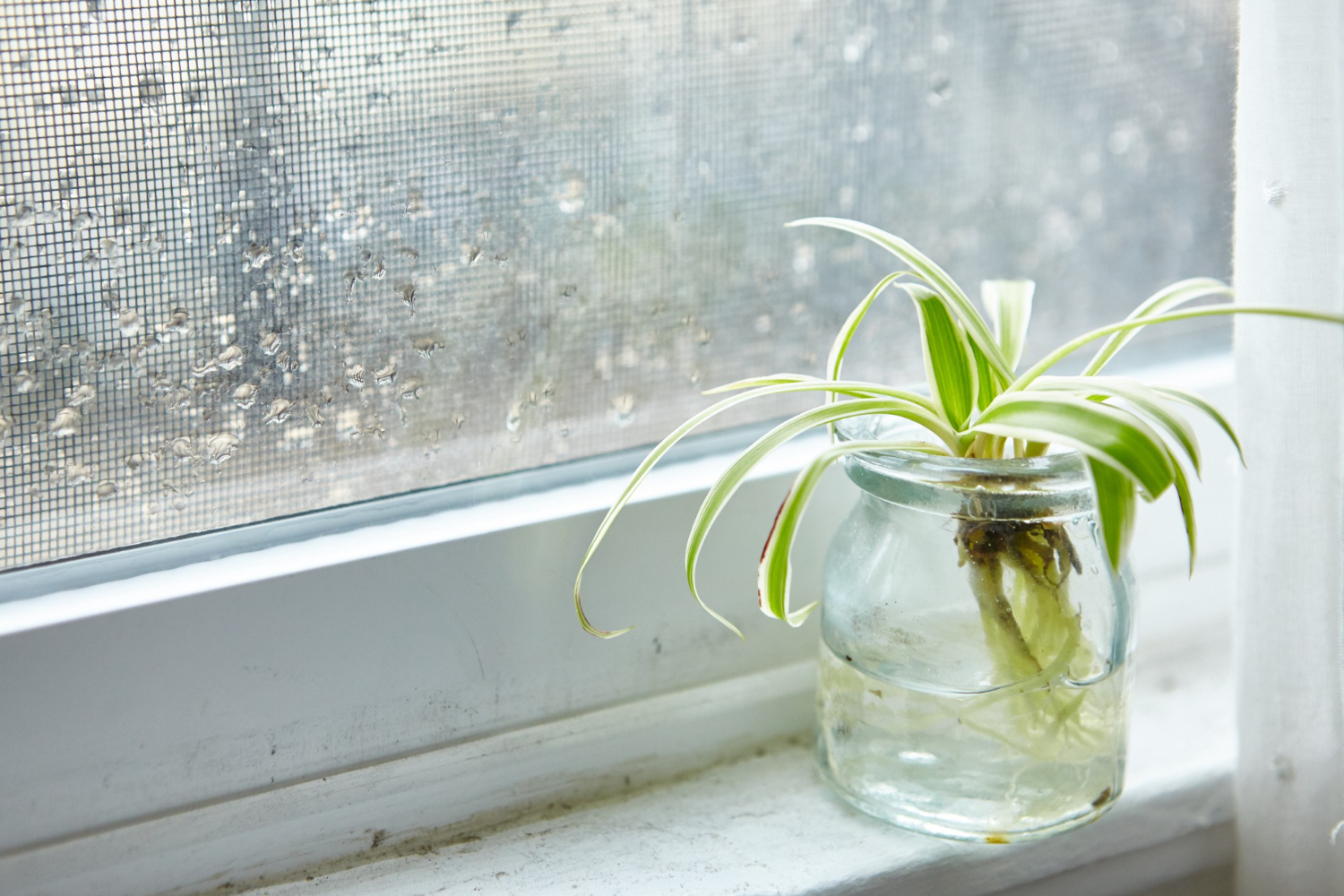
Moisture zones rarely fail with drama. They soften quietly, then repeat the same small injuries: a shower corner that never quite dries, a laundry nook that stays humid under a mat, or a basement wall that turns clammy after rain. The signs can look harmless at first, more like age than a problem without obvious leaks.
Over months, finishes lift, cabinet seams puff, and fasteners blush orange. The root is usually simple: water finds a path, air cannot clear it, and materials are forced outside their comfort range. In that slow cycle, minor defects become expensive repairs, especially when they hide behind tile, paint, and trim for years.
Failed Caulk Lines Around Tubs And Showers
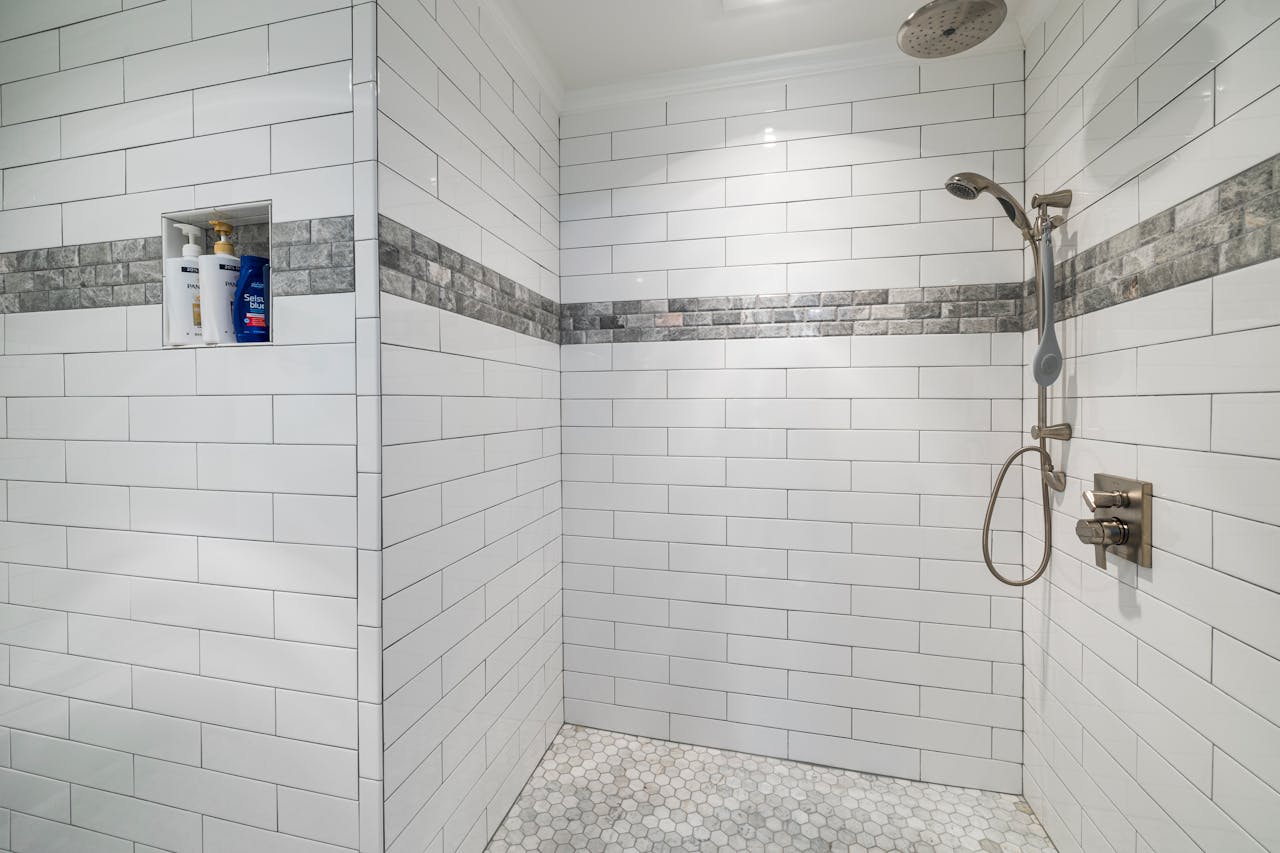
Caulk gets treated like a permanent gasket, but it is a flexible seal that ages under heat, soap, and aggressive cleaners. When it shrinks or pulls away, water slips behind tile edges and tub lips, then sits where air barely moves and drying stalls. Daily seepage can keep materials damp.
Early clues are subtle: corners that darken, grout that stays wet, or a shower that smells stale after steam clears. Recaulking lasts only when the joint is clean, dry, and supported end to end, with the bead pressed into the gap. If gaps return fast, the real fix is steadier backing, cleaner prep, and a fan run long enough to clear moisture between uses.
Cracked Grout That Becomes A Water Highway
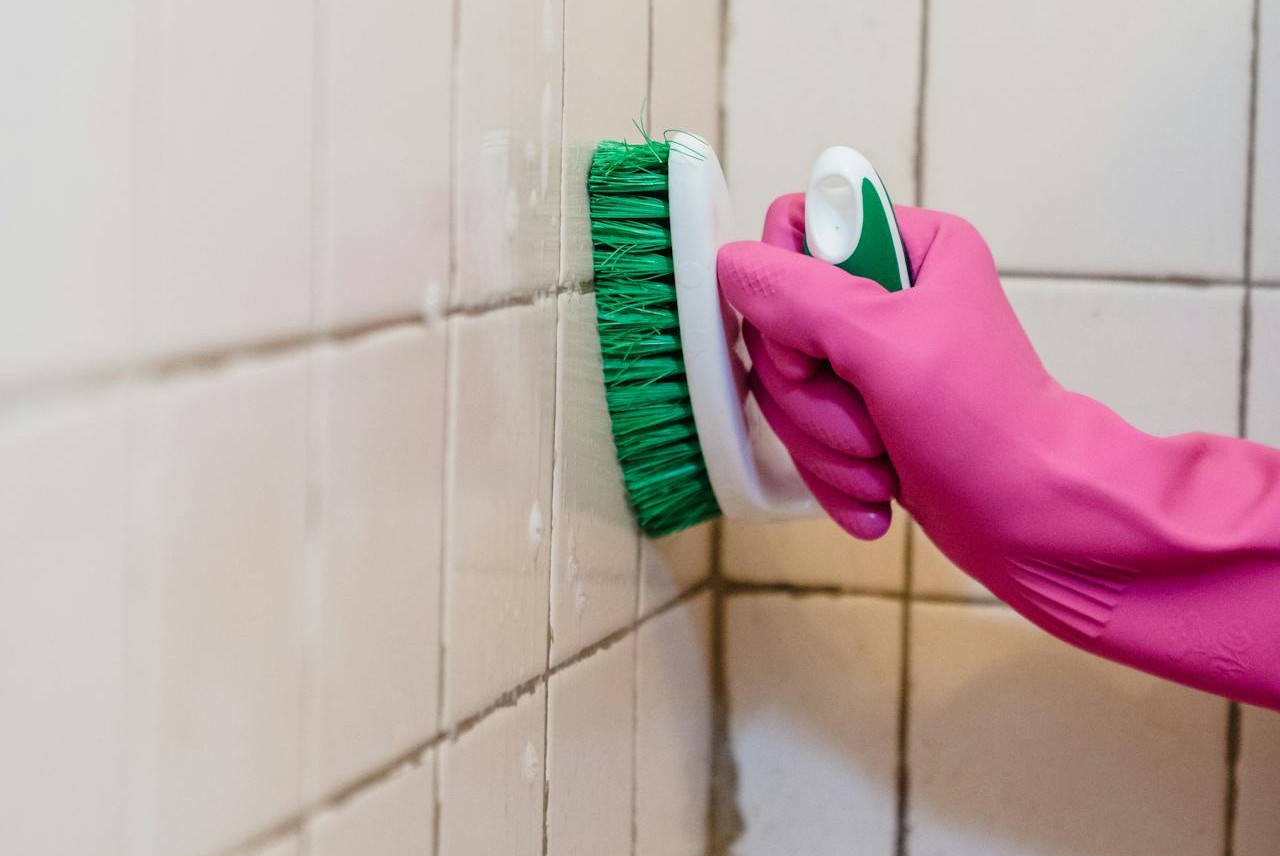
Grout cracks usually come from movement, not neglect. A settling floor, a bouncy subfloor, or a tub that flexes under weight can fracture rigid lines, especially at corners where materials expand at different rates. Hairline breaks can appear after a humid season.
Once cracked, grout becomes a wick. Water migrates to backer layers, loosens thinset, and can soften nearby drywall paper in older installs. Tiles start to sound hollow, then shift slightly underfoot. Sealing over a crack rarely stops the moisture. A lasting repair stabilizes the structure first, then rebuilds with the right substrate and flexible change of plane joints.
Peeling Paint On Bathroom Ceilings
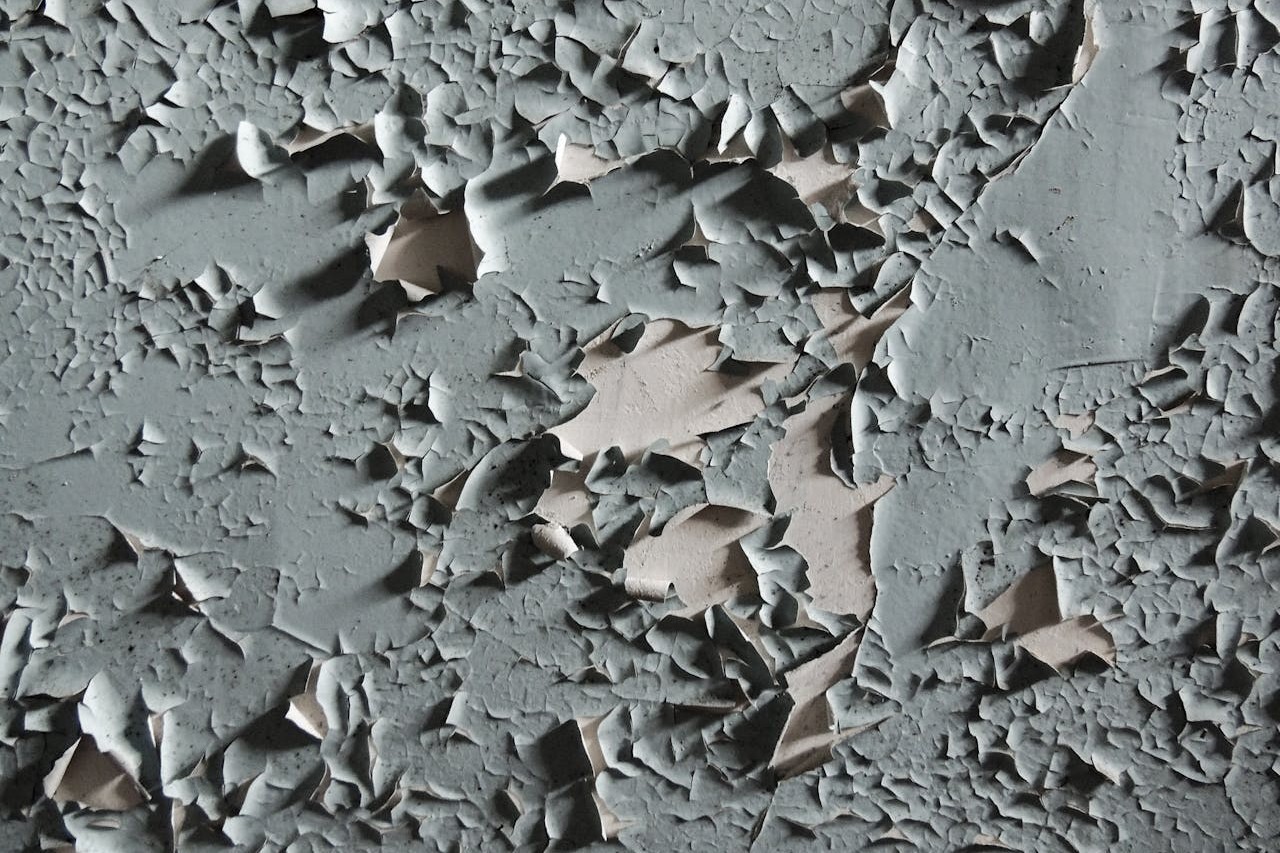
Ceiling paint fails when warm vapor meets a cooler surface and condenses into a thin film. A small bath can generate surprising moisture, especially in winter when attic air is cold and the ceiling stays below the dew point. The damage often starts above the shower line.
Blistering, peeling, or yellowed patches usually mean the room stays damp too long after use. The surface may look dry, yet condensation returns in short cycles. Repainting without changing airflow repeats the failure, and fans that vent into an attic can worsen it. Better exhaust sizing, longer run times, sealed joints, and humidity rated paint let the ceiling dry cleanly.
Swollen Vanity Bases And Delaminated Cabinets
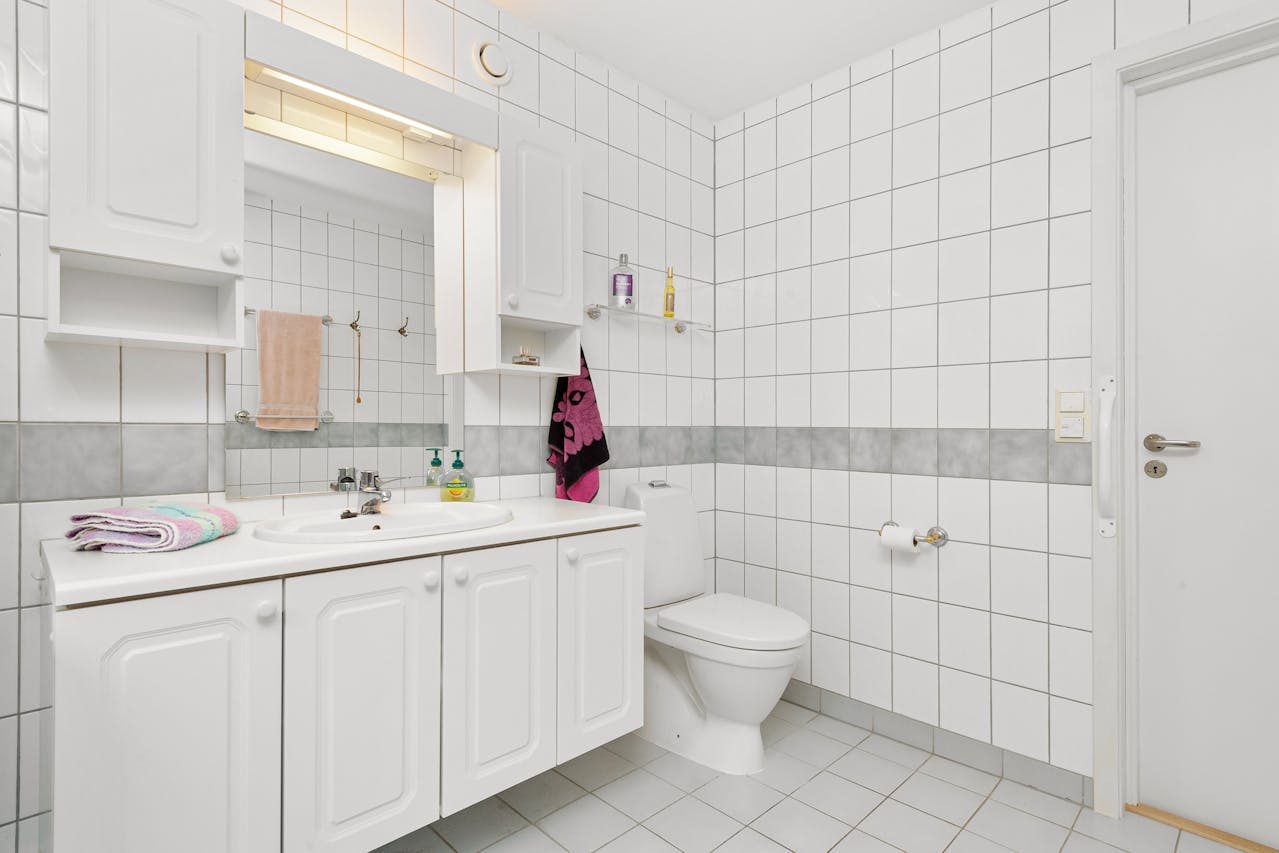
Particleboard and low grade plywood absorb water from splashes and slow leaks. The first sign is often a drawer that sticks, a door that rubs, or a toe kick that looks slightly rippled after cleaning. Damp mats pressed against the base can trap moisture at the edge.
As fibers swell, laminates lift and fasteners lose grip, so hinges sag and gaps widen. Moisture concentrates around plumbing cutouts and under stored bottles where drips go unnoticed. High humidity can keep the base from fully drying between uses. Cabinets last longer when edges are sealed, leaks are caught fast, and wet items stop living on the floor for days.
Efflorescence On Basement Masonry
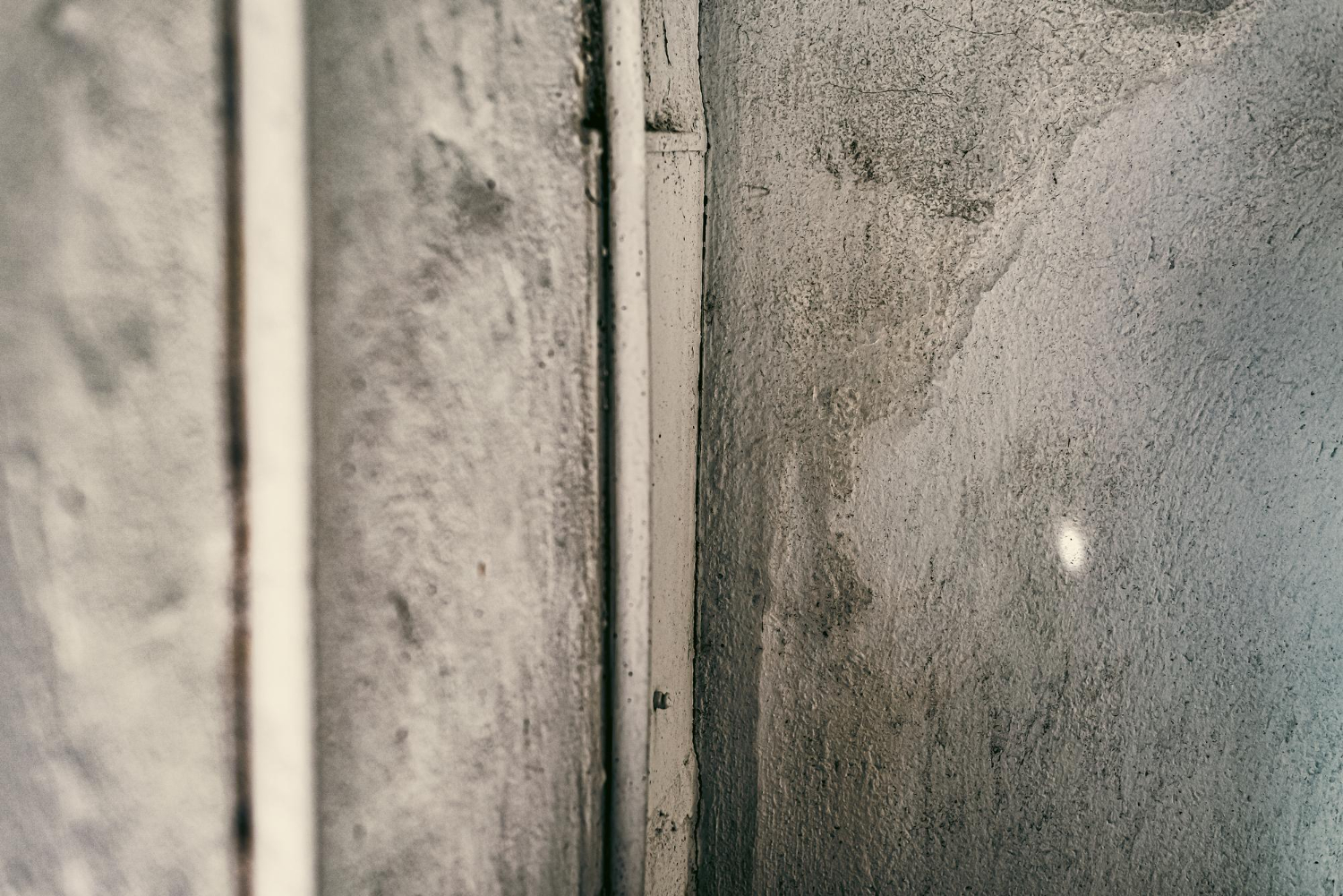
That white, chalky crust on concrete or block is often efflorescence. Salts ride outward with moisture moving through masonry, then remain when the water evaporates on the surface. It can look like dust, but it signals a steady moisture push through the wall.
It often flares after storms, snowmelt, or irrigation that keeps soil wet against the foundation. Scrubbing rarely changes the pattern, and paint applied over it often blisters. A dehumidifier may improve comfort, but it will not stop moisture moving through masonry. Persistent bloom points to grading, gutters, downspouts, and exterior drainage at the source outside.
Spongy Subfloors Near Toilets
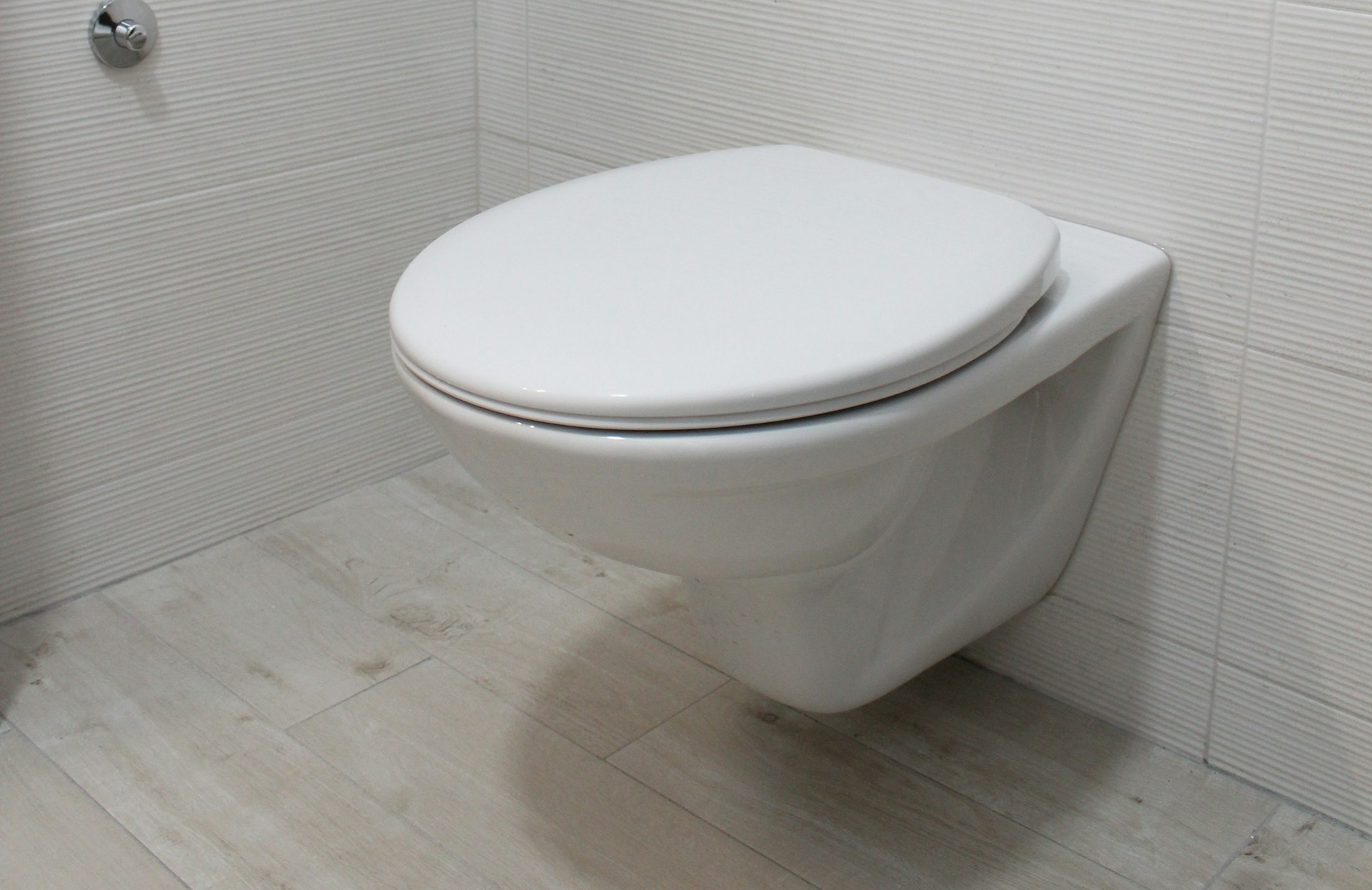
A toilet can leak quietly at the wax ring or the flange, releasing small amounts of water with each flush. The surface may look fine while subfloor layers soften under vinyl or tile, and moisture spreads along seams like an invisible spill. Fasteners can corrode in the same damp pocket.
A slight rock in the bowl, cracked caulk at the base, or a stubborn odor can be the giveaway. On upper floors, a faint ceiling shadow below may appear weeks later. Over time, bolts loosen, the flange drops, and the leak rate rises as the toilet shifts more. Early repairs reset the seal, stabilize the flange, and replace weakened layers before decay spreads.
Cupped Or Buckled Wood Flooring
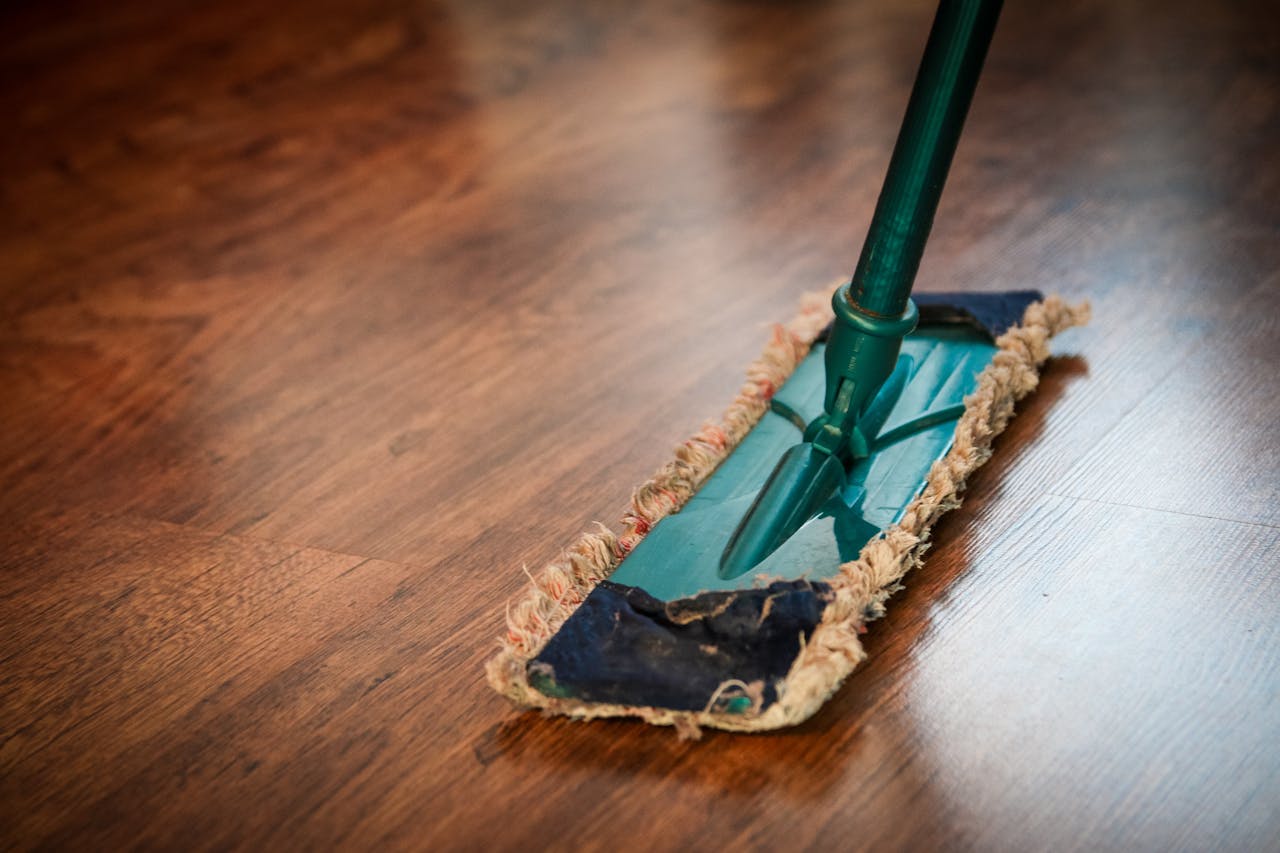
Wood flooring reacts to moisture imbalance by changing shape. When the underside stays wetter than the top, boards cup; when moisture swings hard, seams lift and boards can buckle. Even engineered planks can telegraph stress at joints when humidity stays high for weeks.
The pattern often starts near exterior doors, kitchens, and basements during muggy months or after a small plumbing incident. Fans may flatten boards briefly, then the curve returns. Lasting repairs begin by fixing the moisture source and stabilizing indoor humidity. Only then does sanding or board replacement hold its shape through the next season without surprises.
Rusting Fasteners And Metal Connectors
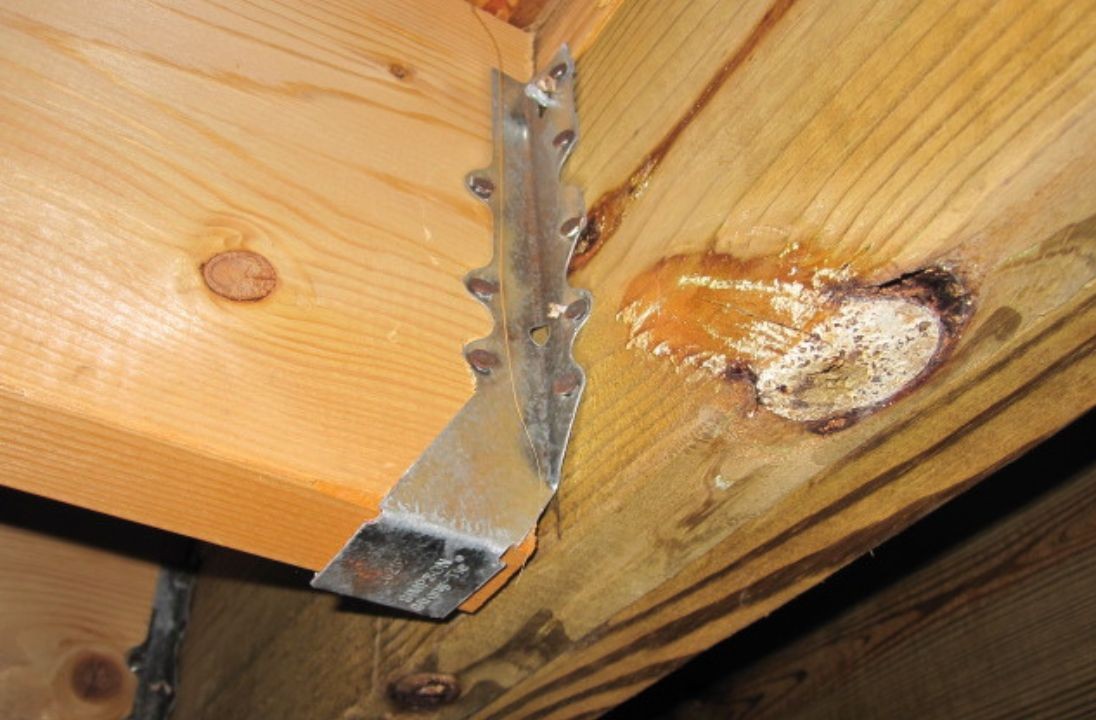
Moist air in crawl spaces, coastal homes, and poorly vented bathrooms can corrode screws, joist hangers, and duct straps faster than expected. Condensation on cold pipes can drip onto hardware below, and salt in the air speeds the reaction. Rust often begins where air stays still.
Corrosion is not only cosmetic. As metal thins, connections weaken, and orange staining can bleed through drywall or appear along baseboards. Squeaks and small shifts may follow as joints lose bite. Corrosion resistant hardware helps, but controlling humidity and stopping condensation is what keeps connectors reliable over time year after year.
Condensation On Windows And Blackened Sills
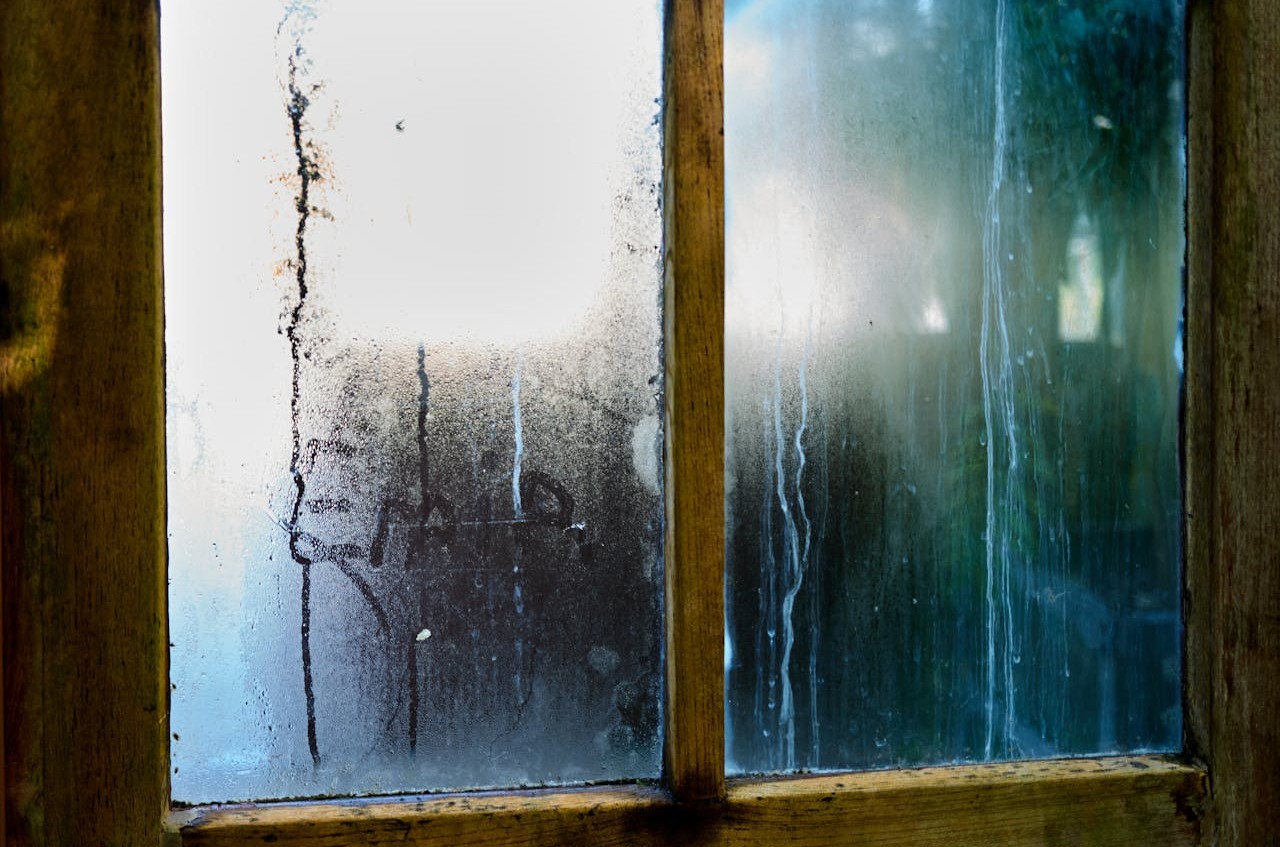
Condensation gets blamed on old windows, but indoor humidity and cold glass do the real work. When water beads each morning, sills and trim stay damp, and paint films soften until joints open. A small draft can funnel moist air straight to the pane and keep the cycle active.
Dark corners are usually mildew feeding on dust and residues where air barely moves. Long showers and simmering pots can raise indoor humidity, especially in winter. If the sill stays wet, wood fibers stain and soften. Lower indoor humidity, seal air leaks, and improve glass warmth to cut the hours surfaces spend below the dew point overnight in cold snaps.
Musty Crawl Spaces And Sagging Insulation
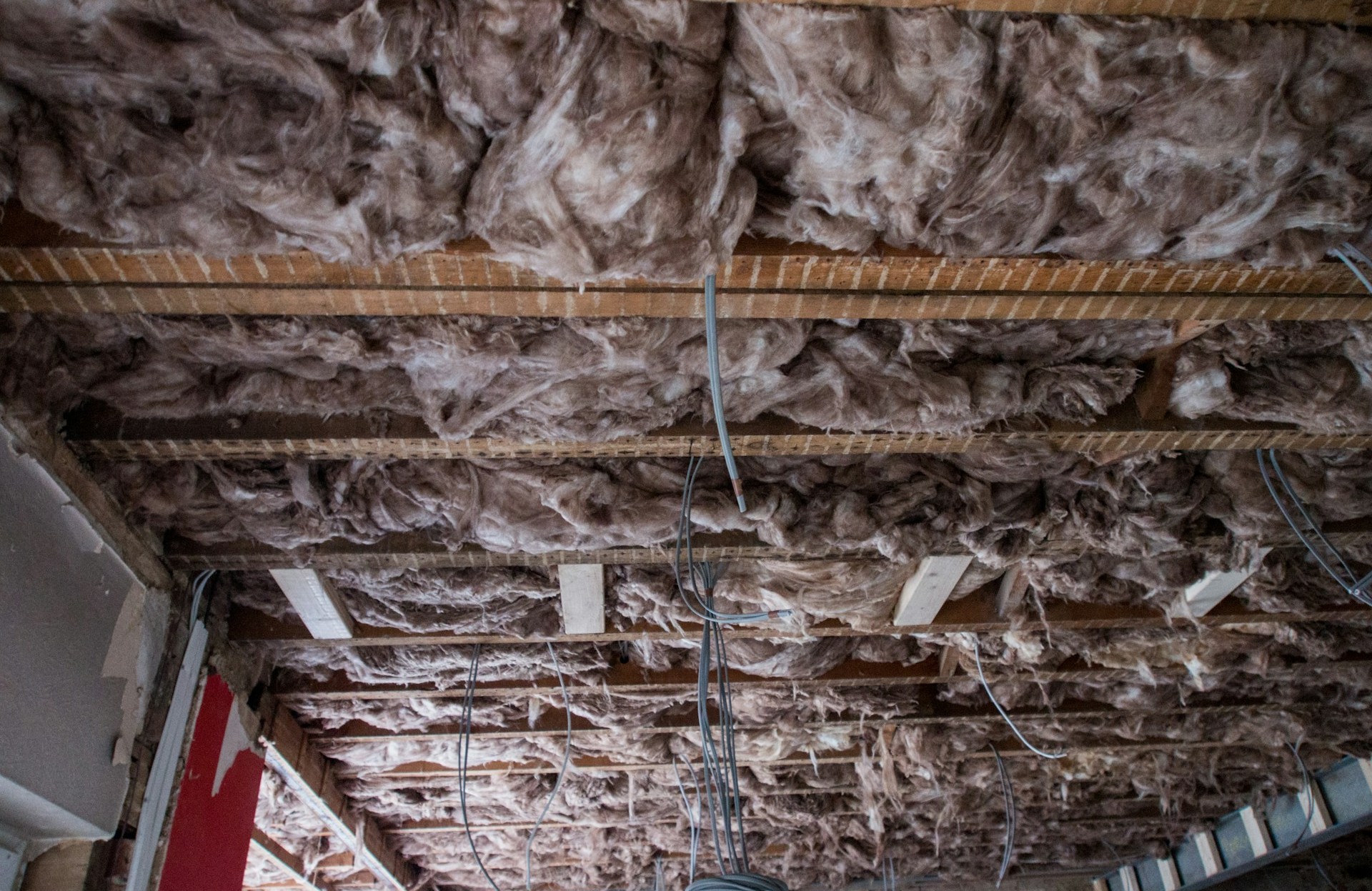
A crawl space becomes a moisture zone when ground vapor rises and humid air condenses on cooler surfaces. Fiberglass batts then slump, trap damp air, and sometimes fall away from joists after repeated wet and dry cycles. The odor often appears before anything looks broken.
With insulation sagging, floors above feel colder, and framing stays damp longer after storms. Ducts may sweat, adding more moisture, and metal hardware can corrode. Effective fixes usually start with a ground vapor barrier and drainage, then a strategy that fits the region, either controlled ventilation or a sealed, conditioned crawl space done carefully.
Loose Tile In Laundry And Mudroom Areas
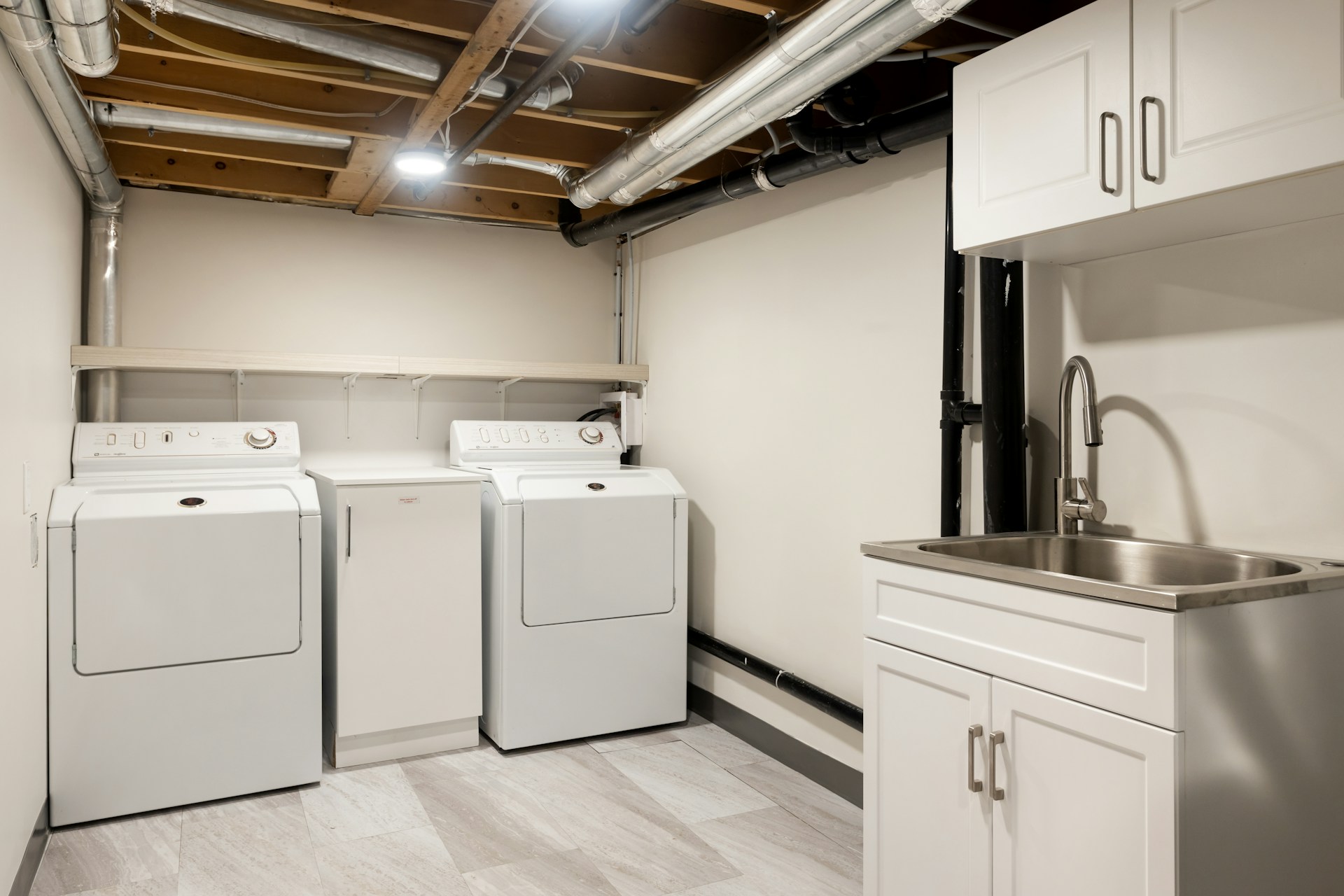
Laundry rooms and entries handle wet loads, melting snow, and the occasional hose mishap. Repeated wetting can break down thinset and swell subfloor layers, especially at thresholds where water collects and drying air is blocked. Appliance vibration adds stress to damp seams. Damage often hides under rugs.
Tiles start sounding hollow, grout hairlines appear, and corners lift enough to snag socks. In older homes, failure often traces to underlayment not rated for wet areas or seams that were never reinforced. Repairs last when floors are stiff, transitions are sealed, and small leaks get caught early with drip trays or simple leak alarms.
Wet Attics From Roof Leaks And Ice Dams
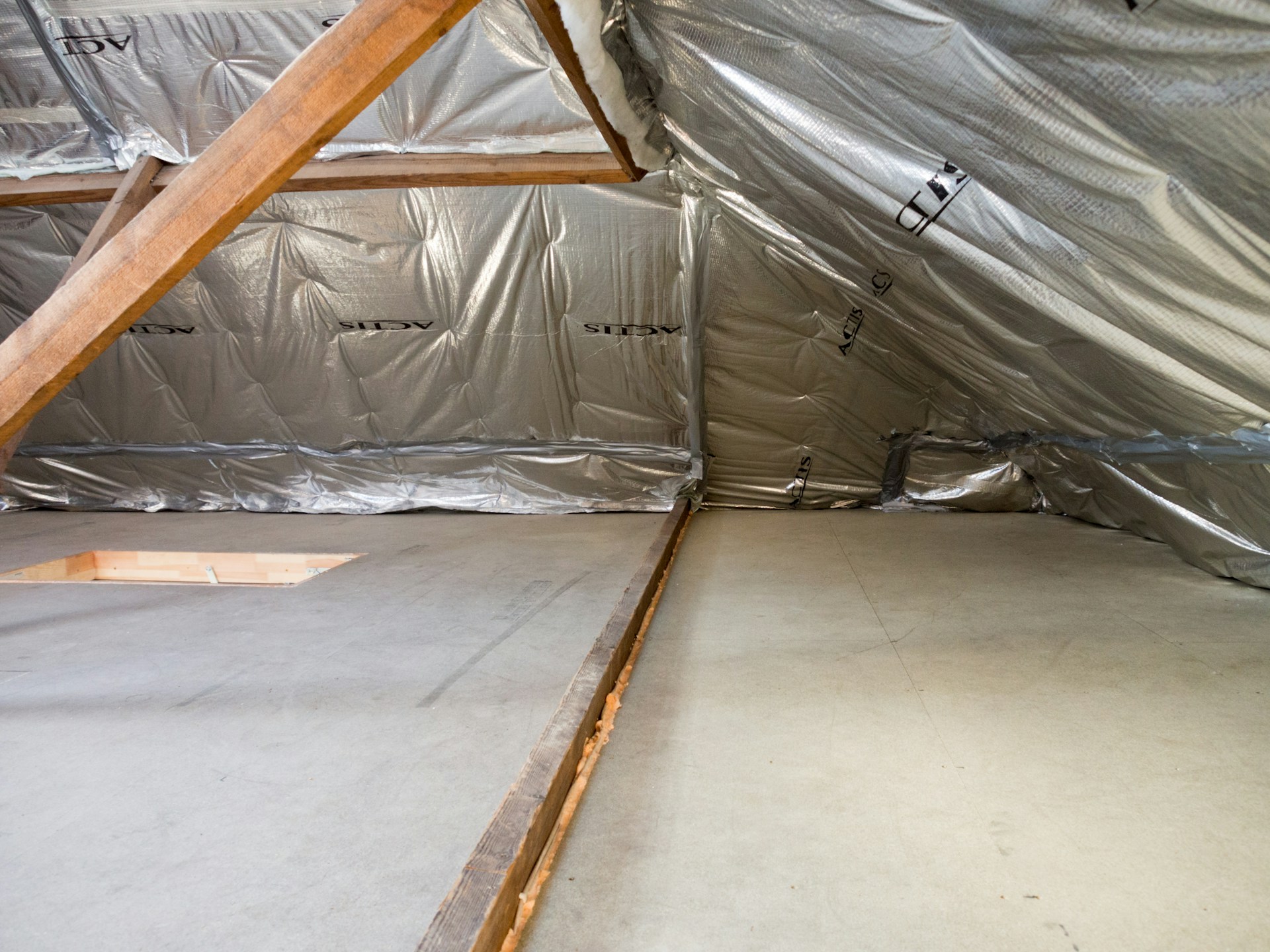
Attics become moisture zones when roof leaks, wind driven rain, or ice dams let water reach insulation. Warm indoor air can also leak upward and condense on cold roof decks, leaving frost that later melts. A misrouted fan that dumps into the attic can feed this wet cycle. Because wetting is uneven, damage can hide.
Wet insulation loses performance, and roof sheathing can darken or warp, sometimes showing rusty nail points. In cold regions, ice dams form when heat loss warms roof edges while snow above stays frozen, making meltwater back up. Strong fixes tie together roof detailing, air sealing at the ceiling plane, and balanced ventilation.