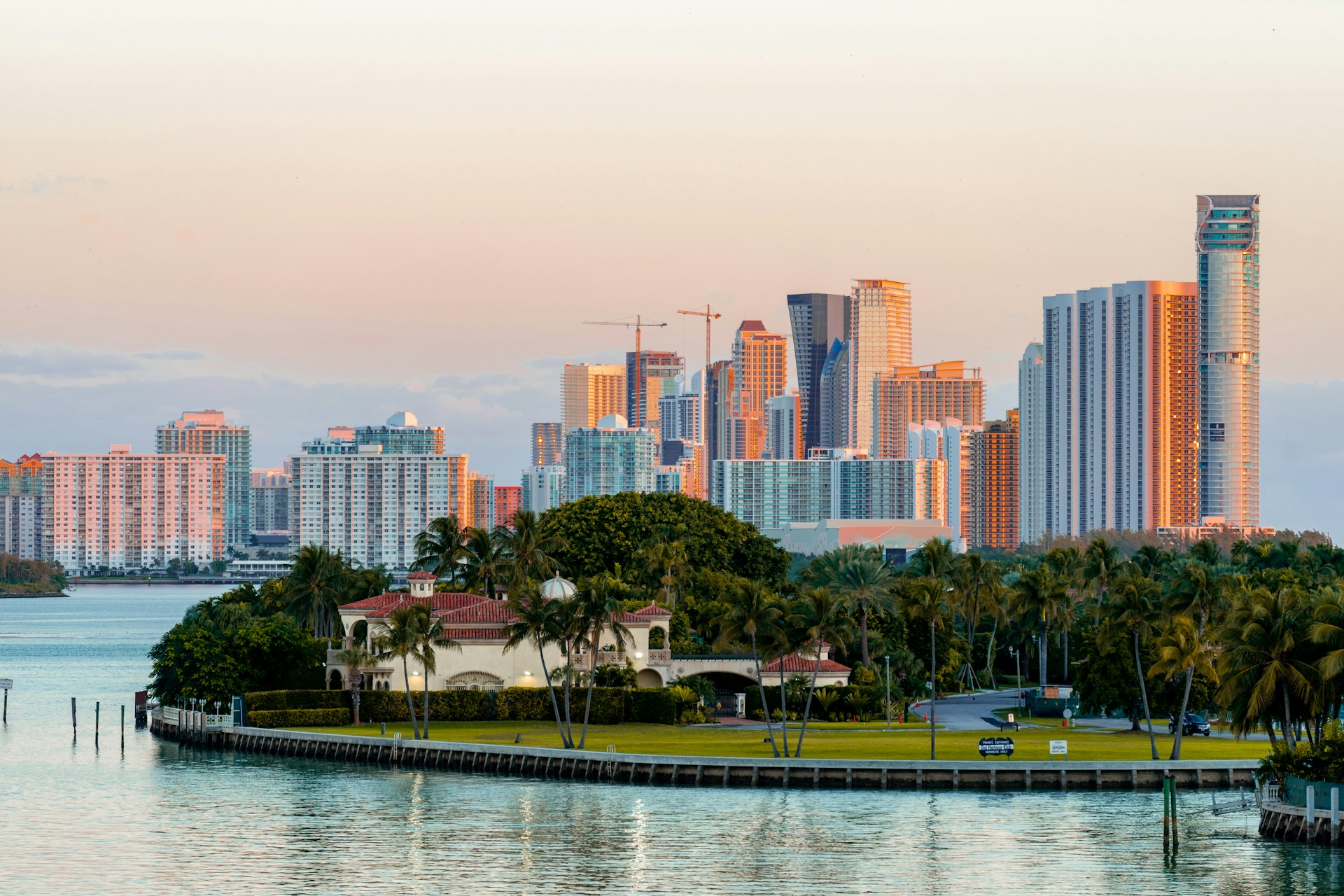
Florida’s latest travel controversy arrived with unusual speed. A coalition of rights groups warned that the state had become unsafe for some international visitors ahead of the 2026 FIFA World Cup, pointing to aggressive immigration enforcement and detention risks. State tourism leaders responded almost immediately, calling the alert politically motivated and insisting lawful travelers remain welcome.
What followed was less a single argument than a collision of narratives: rights, reputation, law, and economics. The timing made every word heavier because global attention is already locked on Miami.
Alert That Triggered the Clash
The flashpoint started when a coalition of civil and human rights organizations issued a statewide travel alert for Florida tied to World Cup travel. Their warning said stepped-up immigration enforcement could increase risks of profiling, wrongful detention, and deportation for some international visitors.
The language was direct, and the timing amplified it. Reuters reported the coalition advised travelers to carry identification, register plans with consulates, and reconsider travel until enforcement practices show stronger accountability and transparency. That framing turned a local policy fight into an international headline in hours.
Why The Pushback Was Immediate
State officials and tourism leaders moved quickly because Florida’s brand depends on confidence, not hesitation. Visit Florida’s CEO called the advisories politically motivated and said lawful visitors had no reason to worry, signaling a hard public rebuttal instead of a cautious response.
The speed of that reaction reflected real stakes. Florida markets itself as a high-volume destination, and hesitation can ripple through airlines, hotels, events, and local businesses. In a World Cup year, officials are treating perception itself as an economic variable, not just a communications issue. That explains the force and timing of the response.
What The Warning Is And What It Is Not

A crucial point got blurred online: this was not a federal travel ban or a U.S. State Department restriction. It was an alert from advocacy groups, designed as civil-rights guidance. That distinction matters because the policy impact and legal force are very different.
Even so, social platforms often flatten nuance into alarm. Once Florida and not safe appeared in the same headline cycle, many readers interpreted the message as government action. The resulting confusion fueled backlash and made fact-checking harder in real time, especially for international audiences planning summer travel and deciding where to enter the U.S.
How Immigration Policy Entered The Conversation
The coalition tied its warning to broader enforcement conditions, including expanded cooperation between local law enforcement and federal immigration authorities. Florida law now includes a state grant program supporting local participation in federal immigration work under section 908.1033 and related 287(g) activity.
Supporters describe those partnerships as public-safety tools. Critics argue they can widen over-policing risks during routine encounters like traffic stops, and Reuters said it could not independently verify each specific case cited in the alert. That divide now sits at the center of the travel debate for visitors.
The Legal Backdrop Is Still In Motion

Court proceedings have added another layer of uncertainty. AP reported a federal judge said a temporary order pausing enforcement of a new Florida immigration statute applied to local law enforcement agencies statewide, rejecting a narrower interpretation from state legal leadership.
When legal directives and political messaging move in opposite directions, travelers see noise instead of clarity. Even people who never follow state law closely can sense instability when judges, attorneys general, and enforcement agencies appear publicly out of sync. That uncertainty, more than any single headline, is what magnifies fear across borders.
World Cup Timing Raised The Temperature

The alert landed as the United States, Canada, and Mexico prepare to host the expanded 48-team, 104-match FIFA World Cup from June 11 to July 19, 2026. Miami is scheduled to host seven matches, placing Florida at the center of global fan movement and media scrutiny.
That context changed the scale of the story overnight. A regional dispute about enforcement suddenly became a global travel-planning issue discussed across consulates, supporter groups, and sports media. When one host market is framed as risky, perception can spill far beyond that state and affect confidence across the tournament corridor months before kickoff.
Florida’s Tourism Numbers Explain The Sensitivity
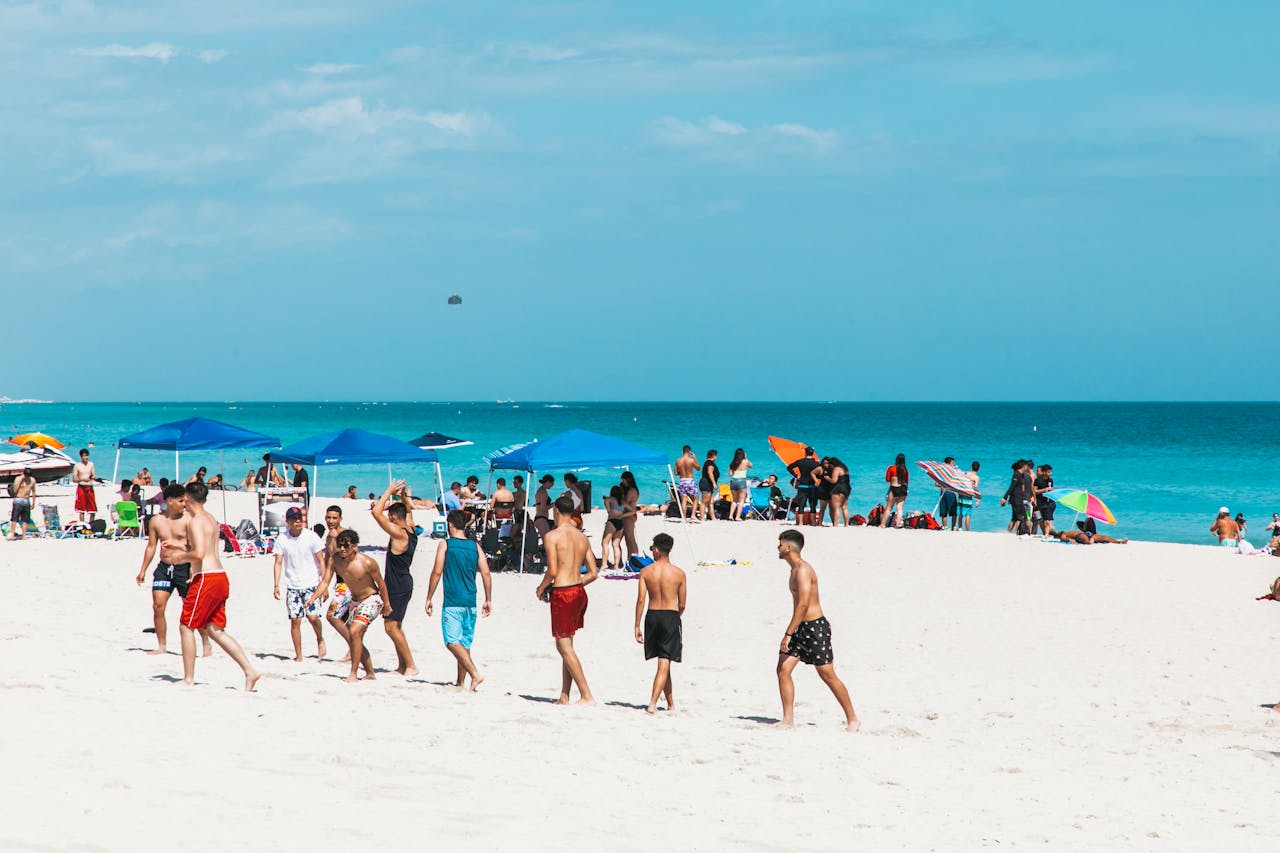
Florida’s tourism agency says the state welcomed an estimated 34.3 million travelers in Q3 2025, with domestic visitors making up 91.7 percent and overseas arrivals also rising year over year. Those figures help explain why officials treated the alert as a direct challenge, not a niche political statement.
Tourism in Florida is not a side sector; it is a central economic engine for thousands of small businesses and service workers. When a warning suggests elevated risk, even without legal force, industry leaders worry about booking behavior, conference decisions, and family travel plans months before departure dates arrive.
What Travelers Are Left To Weigh Now

The hardest part is that both narratives speak to different kinds of risk. Rights groups are focused on edge-case but high-impact harms involving enforcement encounters and legal access. State tourism leaders are focused on broad visitor volumes and normal travel outcomes across millions of trips.
For many international travelers, especially first-time U.S. visitors, trust becomes the deciding factor. They are not just comparing airfare and match tickets; they are comparing institutional signals. When those signals conflict, caution often rises even if most trips proceed normally, and that hesitation can shape choices long before kickoff.