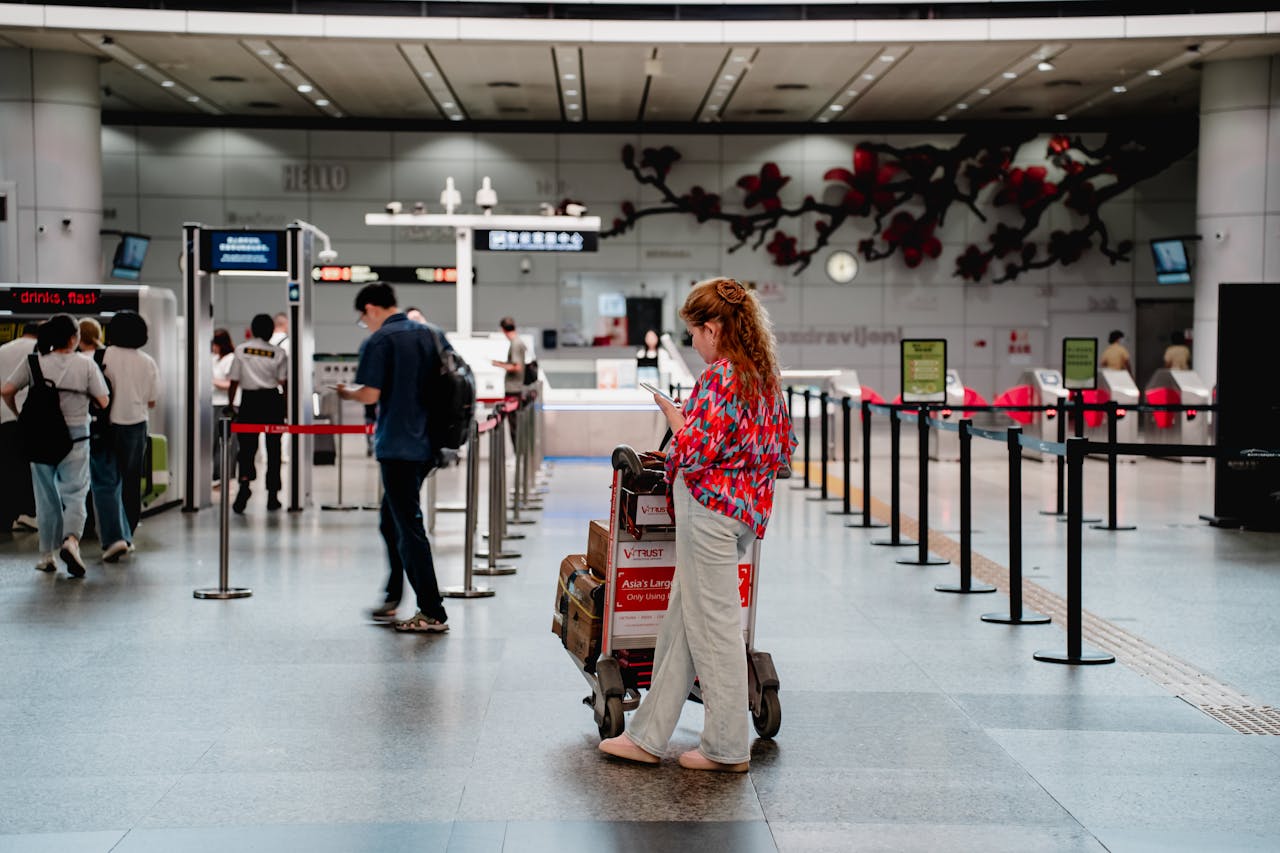
Airports once existed to be endured, a fluorescent corridor between home and elsewhere. Over the past two decades, that mindset flipped. Terminals began borrowing cues from downtowns, museums, and hotels, building spaces where time could be spent rather than killed. Long layovers stopped reading as punishment and started feeling like a chance to eat well, see something beautiful, or sleep in a real bed steps from the gate. Holiday rushes and storm-season disruptions made the need for comfort obvious, pushing airports to compete on atmosphere, not just efficiency. People started arriving early on purpose, not fearfully. In many places, the terminal now introduces the region before the wheels ever touch down, turning waiting into part of the trip’s texture.
Design Became a City Walk
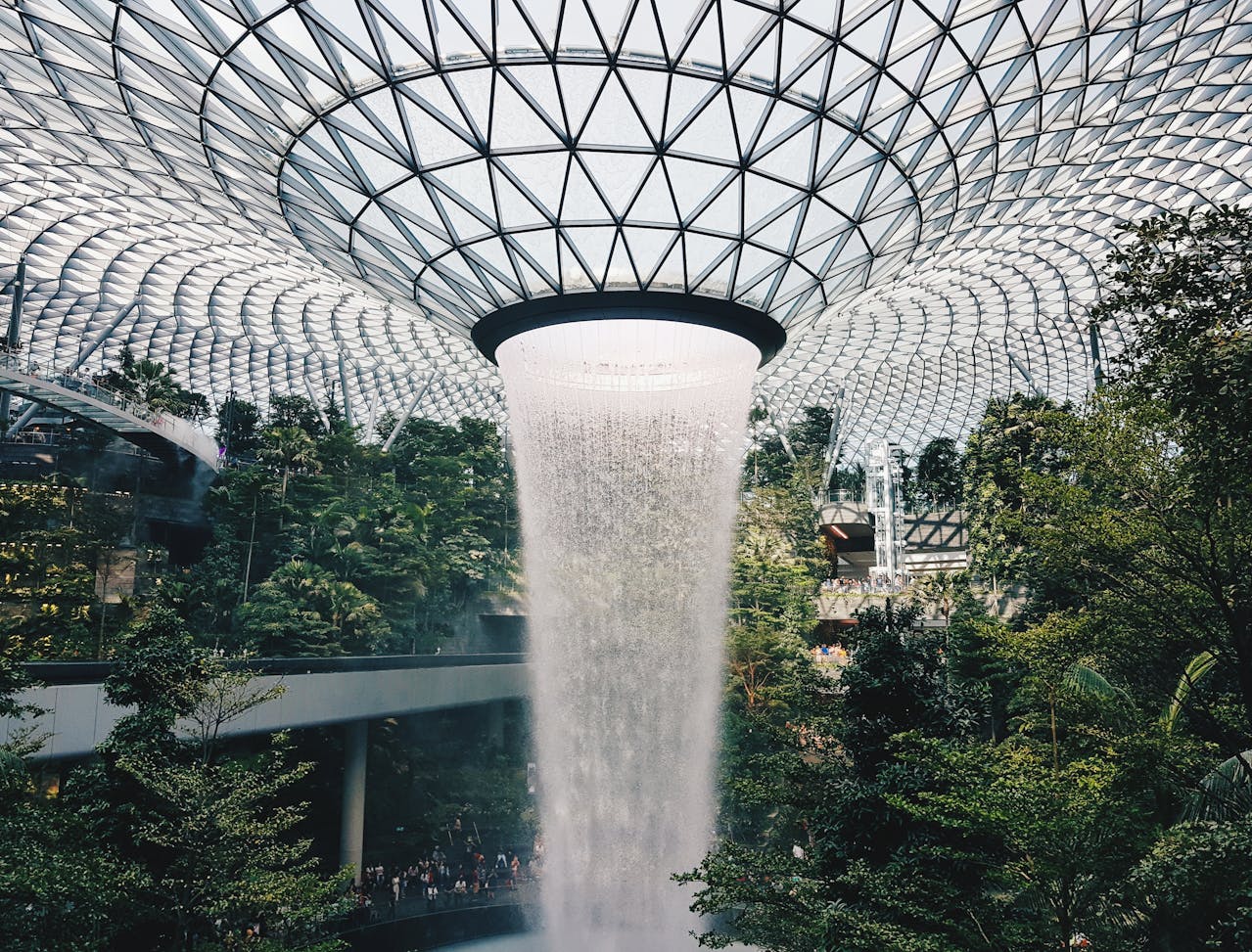
Terminals that once felt like tunnels now move like neighborhoods, with daylight, planted courtyards, and long sightlines that steady the mood and make navigation feel intuitive. Retail streets are laid out like promenades, so a connection can include a slow loop past bookstores, local makers, and pocket exhibits, with cafés set up for lingering and a real meal instead of camping beside one outlet. Materials hint at the region, wayfinding is cleaner, and seating is split into zones for work, conversation, kids, and runway-watching, sometimes with terraces facing the airfield, turning dead time into a calm, human routine on purpose.
Dining Turned Regional
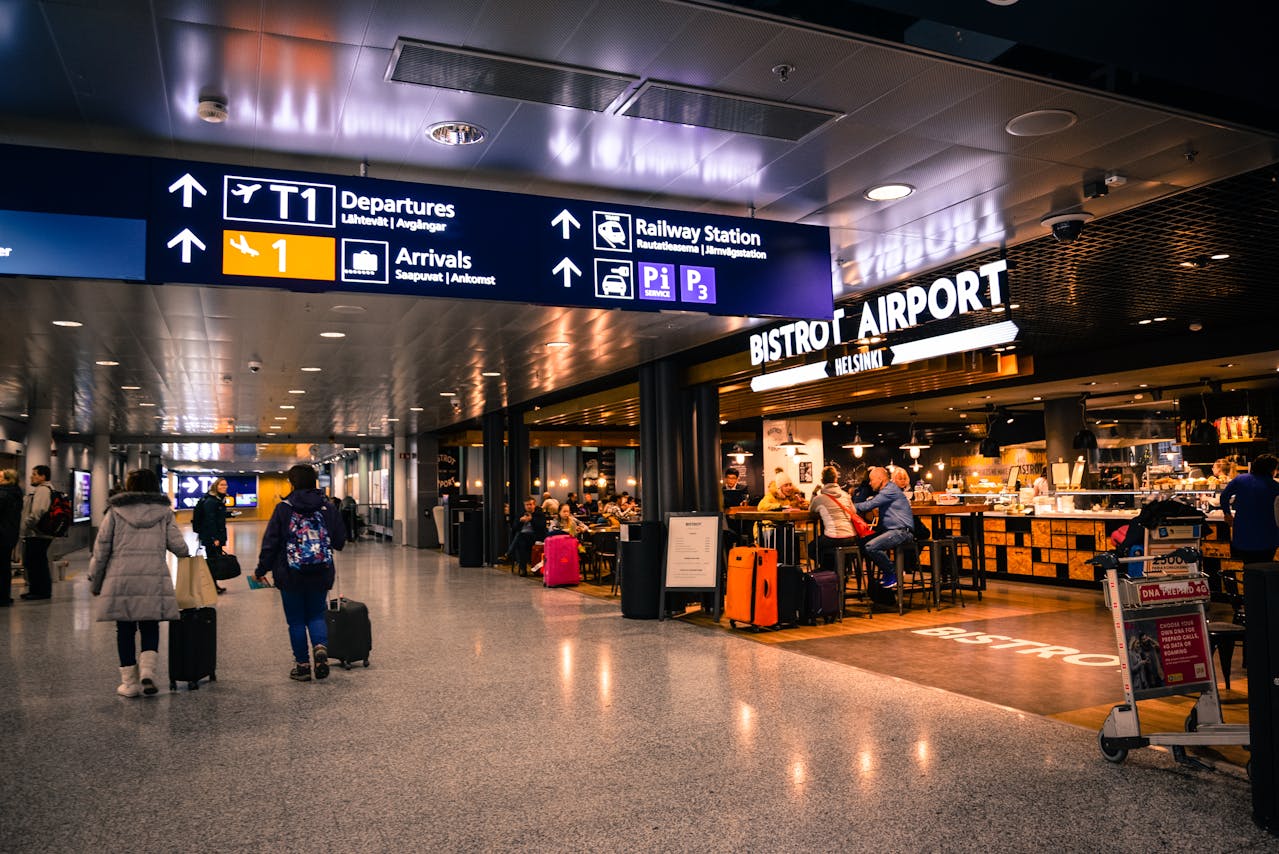
Food courts used to be a blur of the same brands and the same lukewarm choices, built to feed crowds rather than reflect place or mood. Many airports now curate menus that taste like the region beyond the runway, from early-opening bakeries and dumpling counters to barbecue pits, seafood bars, and local coffee, plus grab-and-go kiosks that still feel thoughtfully made. Because the operators are often hometown favorites, a layover can deliver the first bite of a city’s identity, not a generic compromise, and longer hours, comfortable booths, real plates, and local beer make even a 2-hour delay feel like time well spent, quietly.
Art Took the Walls
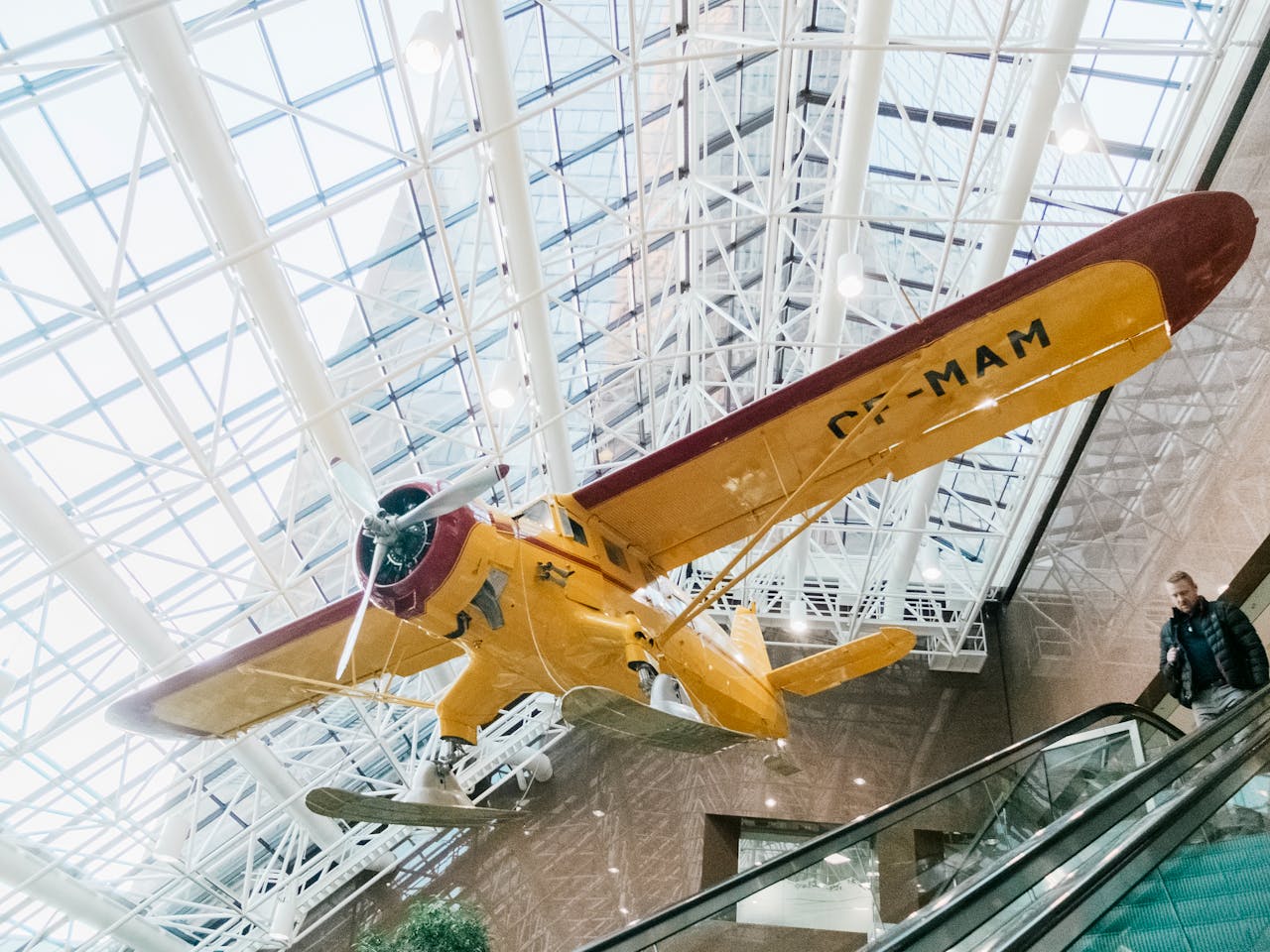
Airports learned that walls do more than hold up ads, and serious art programs moved in with real budgets, curators, and local partnerships. Rotating exhibits, large installations, and regional photography give the terminal a point of view, tying into nearby museums, neighborhoods, and history without turning the concourse into a lecture or slowing foot traffic. Some hubs add performance corners, gallery lighting, or short-term murals, and simple labels or QR codes let travelers go deeper if they want, so a rushed connection still picks up a hint of place and the wait feels less sterile, more generous, and oddly memorable at last.
Hotels Moved Inside the Perimeter
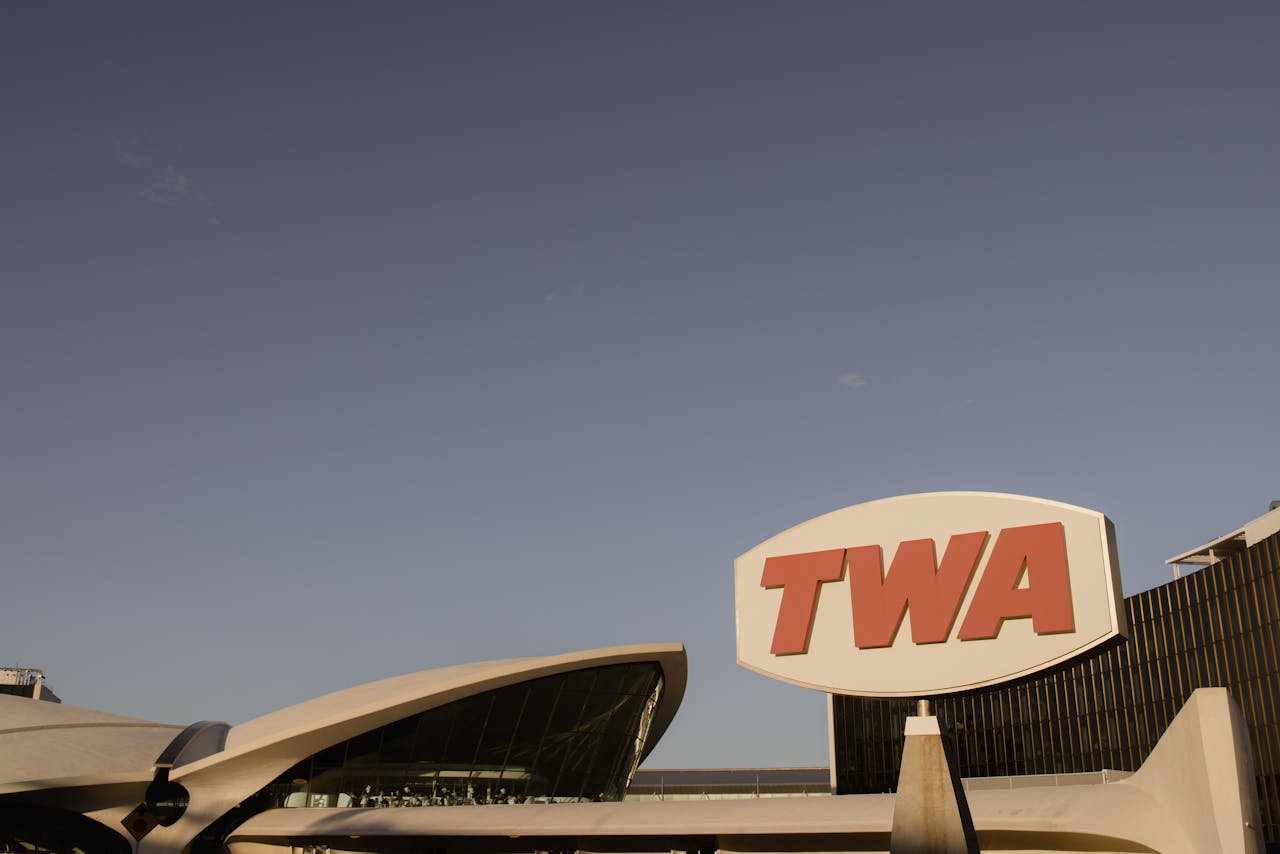
Missing a connection once meant fluorescent misery, overpriced snacks, and a chair that never quite fit the human body. Now capsule hotels, micro-rooms, and full-service properties sit inside or right beside terminals, designed for a shower, blackout sleep, and privacy without a long shuttle ride, a risky taxi, or a complicated check-in. Rooms are often soundproofed and built for quick turnover, with a desk, strong Wi-Fi, and luggage storage, so delays become manageable, and a long layover can include a real reset, not just endurance, with breakfast timed to first-wave departures and staff who treat disruption as normal, too.
Wellness Became Part of the Itinerary

Wellness used to be something travelers promised themselves after the trip was over, once the suitcase was unpacked and the body stopped buzzing. Yoga rooms, meditation nooks, walking paths, and short spa services reframed airport time as recovery time, especially when time zones, holiday crowds, and storm delays stack up. Small details do the work: softer lighting, hydration stations, massage chairs, shower suites, and spaces where phone calls feel out of place, plus corners built for a guilt-free nap and quiet soundscapes, turning the terminal into a buffer that steadies the body and mood before the next gate change hits again.
Tech Smoothed the Friction
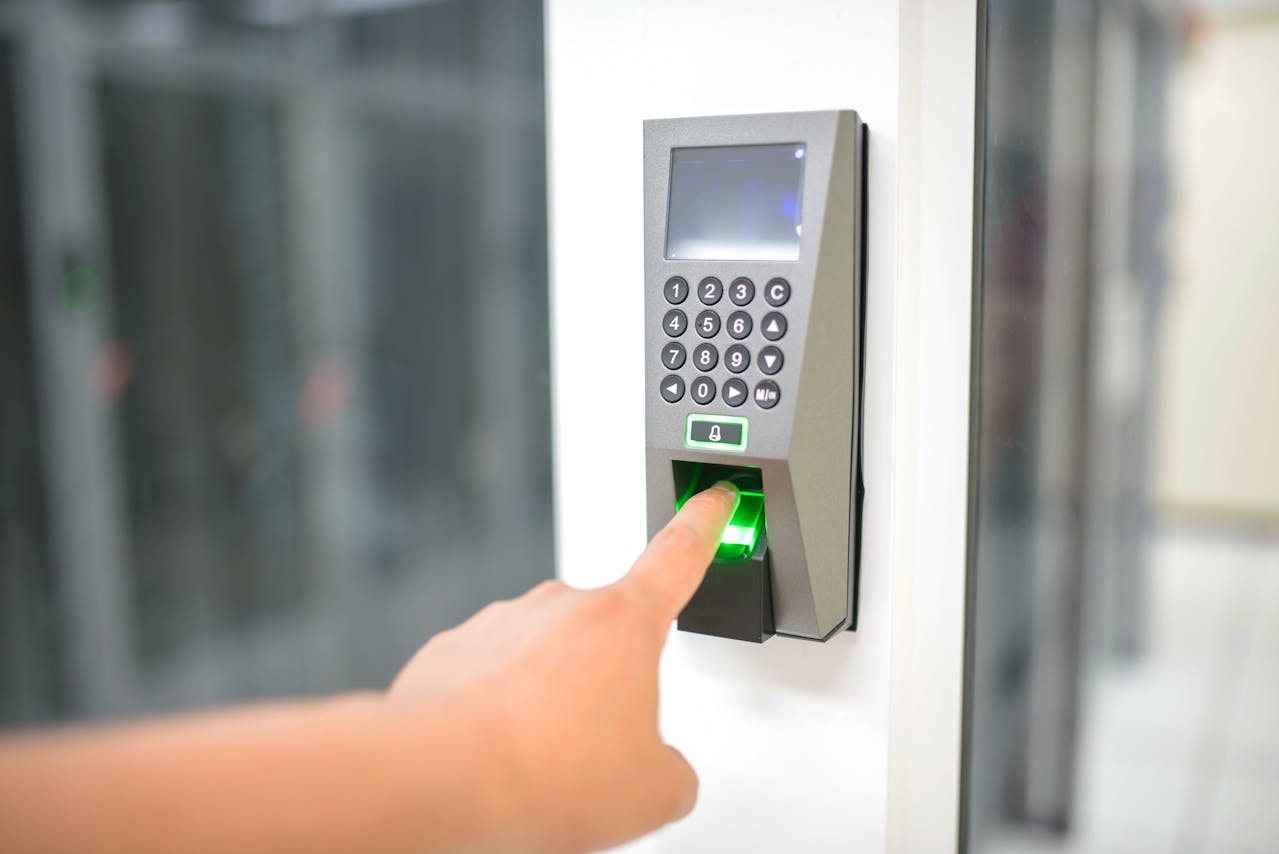
The real luxury on travel days is not guessing what happens next, especially when weather and tight connections make every minute feel charged. Better wayfinding, stronger Wi-Fi, and app updates that actually match reality cut down the low-grade stress that used to build from security lines, gate changes, and unclear boarding calls. Biometric lanes, self-tag bag drops, live wait-time displays, and power at nearly every seat remove the tiny annoyances that pile up, and extras like charging lockers and clearer multilingual signs let travelers settle in and actually use the terminal instead of hovering like the gate might vanish.
Shopping Became Curated, Not Random

Duty-free is no longer the only shopping story, and that shift changed the mood from frantic browsing to something closer to a neighborhood stroll. Many airports now host pop-ups, local makers, and limited collaborations that feel closer to a good retail district than a generic mall built for impulse buys, with displays that read well at a walking pace. Layouts respect the clock with fast checkout and travel-friendly goods, from regional skincare and books to small-batch snacks and craft objects, so purchases become keepsakes with a clear origin, not panic grabs at the last call, and packaging can handle a flight home easily.
Families Got Real Infrastructure

Airports finally started treating families as travelers, not problems to manage, and that single mindset shift shows up everywhere. Play zones, nursing suites, stroller-friendly corridors, and family bathrooms make delays workable, while sensory rooms and calmer lighting help overwhelmed kids and adults decompress without feeling watched. Add microwaves, bottle warmers, and kid-friendly dining that is easy to navigate, plus staff routines built for strollers and car seats, and the whole terminal runs steadier, with fewer small crises spilling into gate areas, more room for patience, and happier boarding lines during peak weekends.
Layovers Turned Into Mini Trips
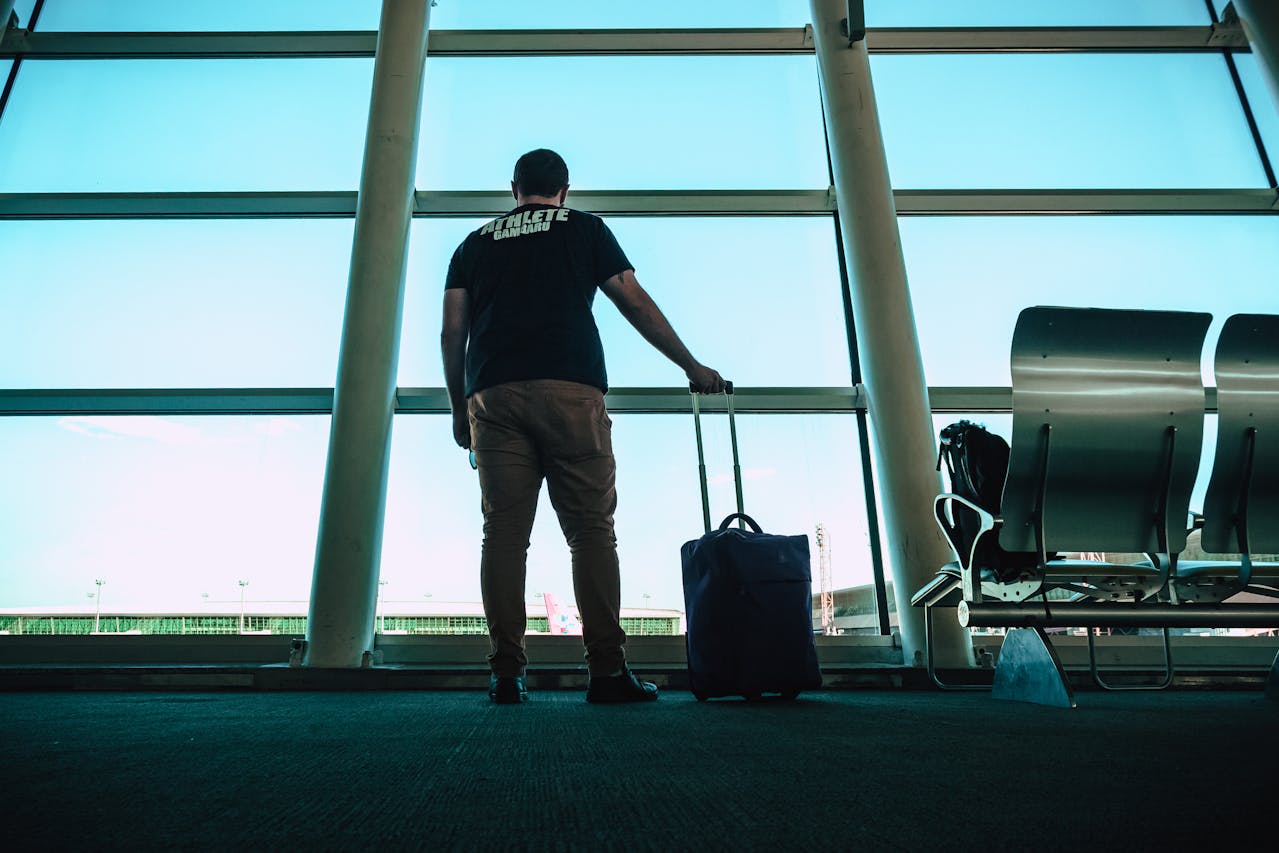
Airports began leaning into the stopover as a feature instead of an inconvenience, and that reframed the layover from lost time to usable time. Fast rail links, luggage storage, and timed city tours make a 6-hour gap practical, turning it into a waterfront walk, a museum hour, or a market lunch that still ends with time to spare. Clear re-entry routes, better signage, and predictable security flows make the return feel doable, and some airports publish layover guides with routes and timing, so the itinerary gains a bonus chapter without adding a hotel night or mental stress, just a quick breath of the city outside before boarding.