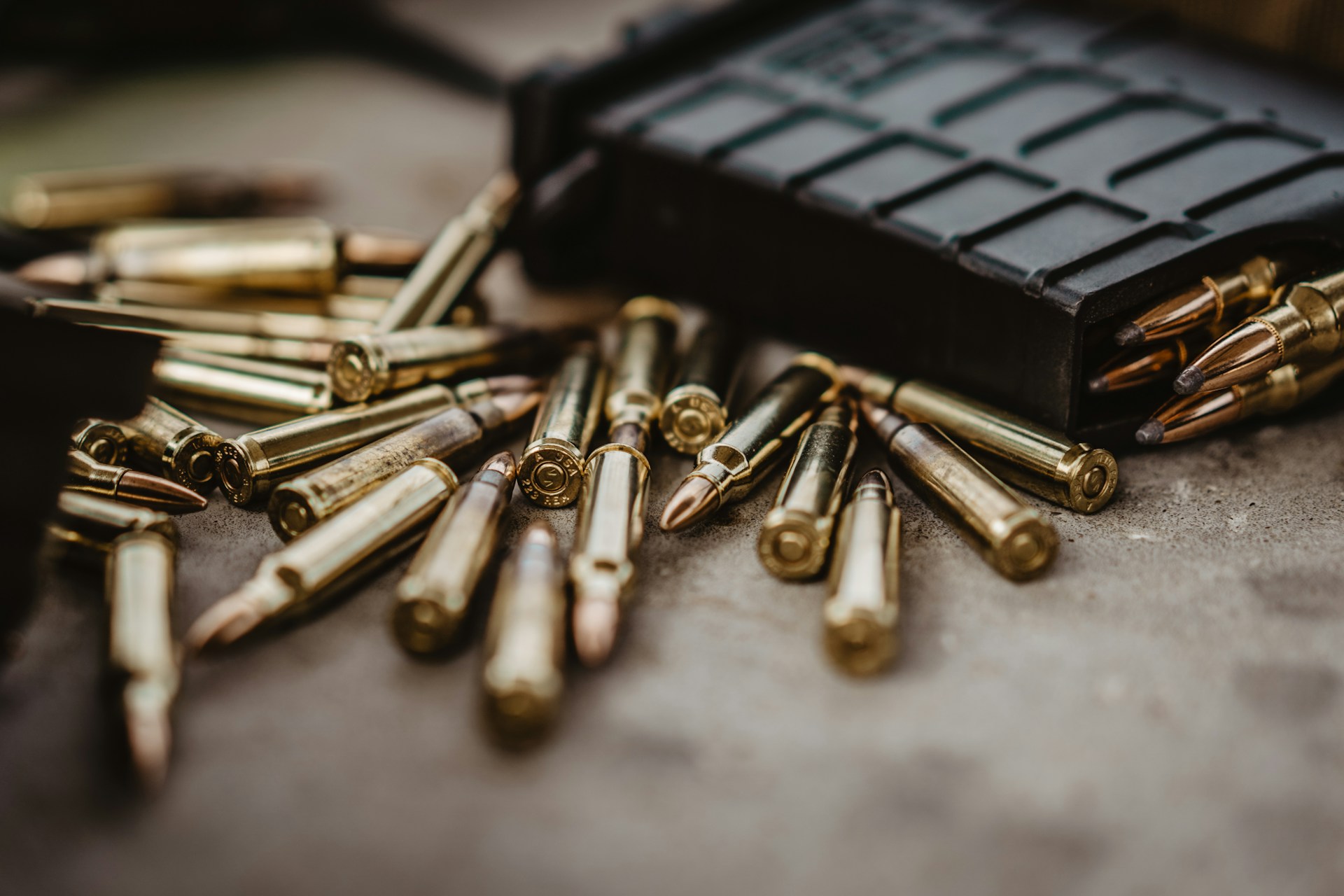
Across hunting camps and family safes, old cartridge names still carry memory. They are tied to first mornings in cold fields, mentors who taught patience, and rifles that kept working long after fads moved on. That continuity gives them a place in family language, not just on shelves.
What stands out now is not whether those calibers still work, but how modern expectations changed around them. Better optics, tighter regulations, lead concerns, recoil sensitivity, and uneven ammo supply have exposed tradeoffs earlier generations often absorbed without complaint. The cartridges endured, but the context around them changed.
.22 Long Rifle Still Teaches Fundamentals but Masks Reliability Limits
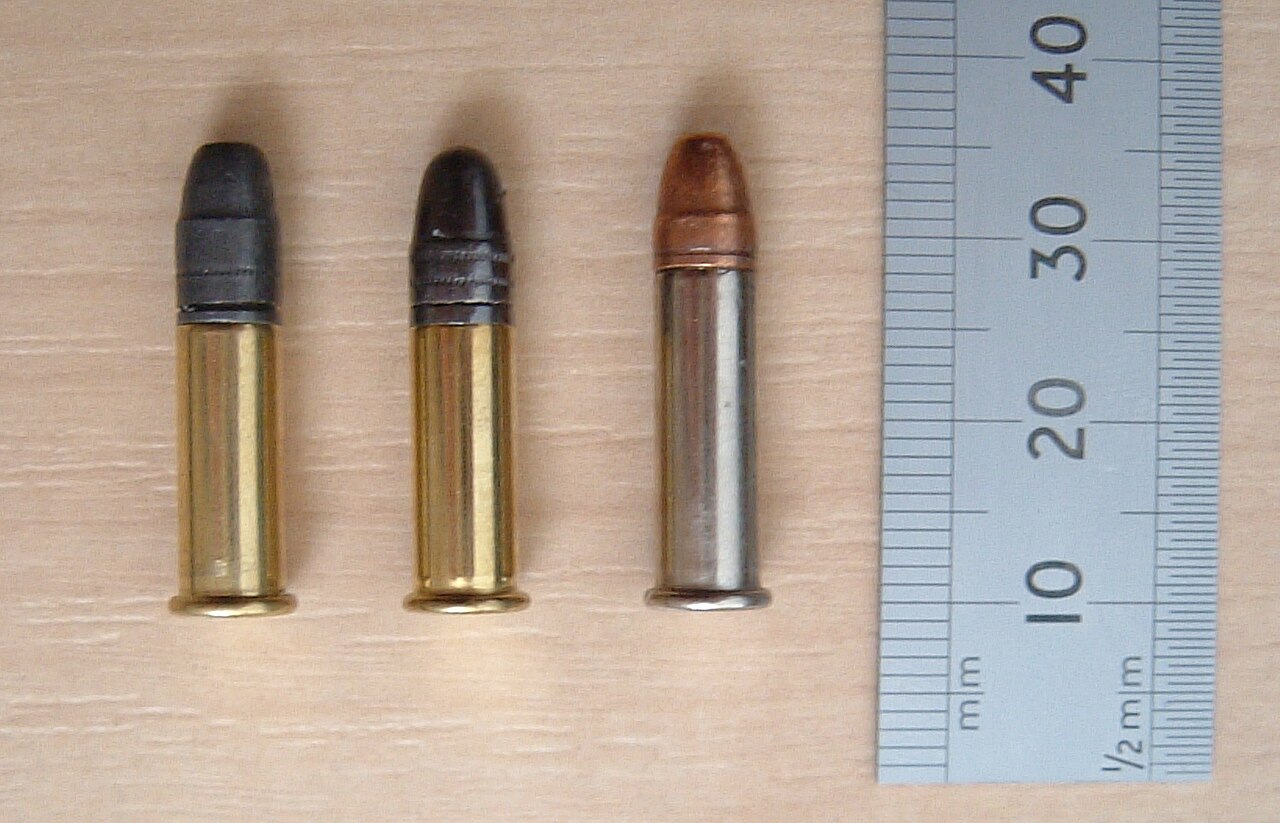
The .22 Long Rifle remains the cartridge families trust for first range days because recoil stays mild, cost stays manageable, and practice volume stays high. A Ruger 10/22 or a worn bolt gun still teaches sight picture, trigger control, and patience better than louder options.
The overlooked downside is that modern shooters sometimes treat .22 outcomes like centerfire outcomes. Rimfire ignition can be less consistent, and performance margins are narrower when conditions get windy or distances stretch farther. So the round still builds skill beautifully, but it rewards realistic expectations and careful ammo selection.
.30-30 Winchester Still Feels Right in Timber but Shows Range Limits
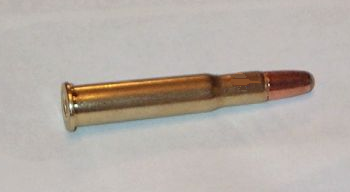
The .30-30 Winchester still feels like home in dense timber, where quick handling matters more than long ballistic charts. In a classic lever gun such as a Model 94, it shoulders fast, carries light, and keeps the promise of practical performance at ordinary woods distances.
Modern use reveals the tradeoff: many traditional loads are built around blunt bullets for tubular magazines, which limits aerodynamic efficiency as range increases. That leaves less forgiveness for misread distance or wind than newer high-BC setups. The caliber endures because it is honest and effective, but its sweet spot remains close to medium range.
.270 Winchester Stays Practical but Demands More Intentional Load Choices
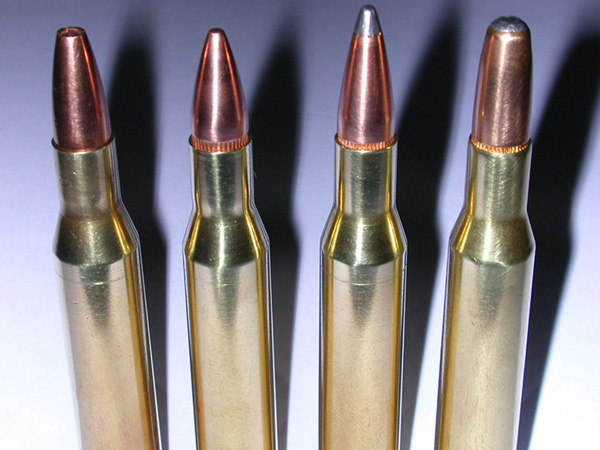
The .270 Winchester keeps its reputation as a dependable one-rifle answer for open country deer camps. In rifles like the Model 70, it offers a flat-shooting feel that helped generations learn holds, wind calls, and confidence beyond short woods distances.
Its modern downside appears at both ends of the user spectrum. Newer hunters may still find recoil sharp enough to disturb consistency, while experienced hunters sometimes want heavier, larger-diameter bullets for specific terrain or game plans. So .270 remains capable, yet it asks for thoughtful bullet choice and honest range discipline instead of nostalgia-driven assumptions.
.30-06 Springfield Still Covers Everything but Carries Quiet Costs
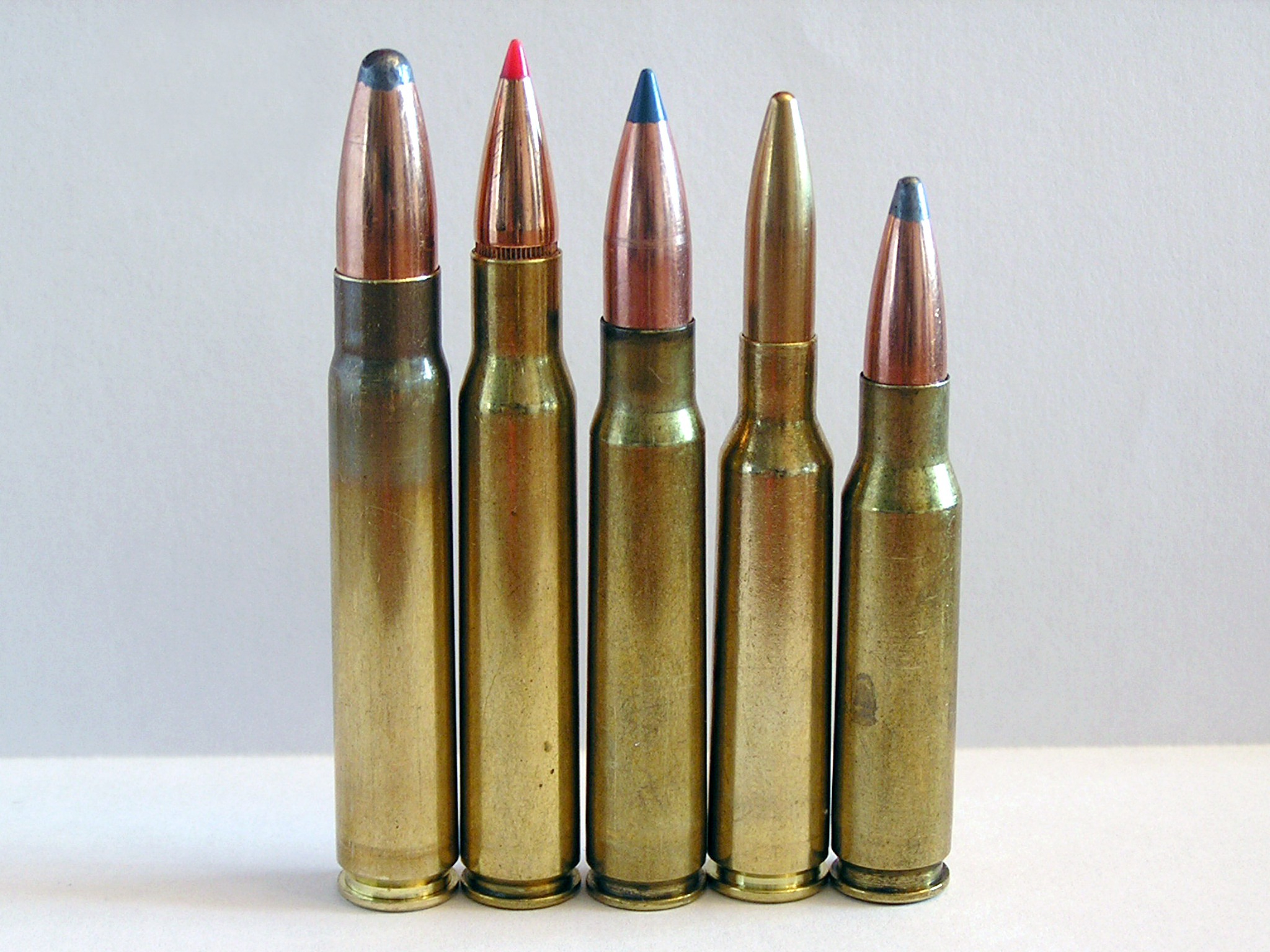
The .30-06 Springfield still anchors many family safes because it covers an unusual amount of ground without drama. With lighter bullets it suits deer camps well, and with heavier bullets it remains trusted for larger game. That versatility explains why old bolt guns in .30-06 keep getting carried.
Modern use exposes two costs. Recoil and blast can wear down practice quality, especially in lighter rifles, and premium loads can stretch seasonal budgets faster than expected. So the cartridge remains a classic for good reason, but comfort, training volume, and ammunition price now influence whether it gets chosen or simply remembered.
.308 Winchester Remains Efficient but Is Less Plug-and-Play Than Assumed
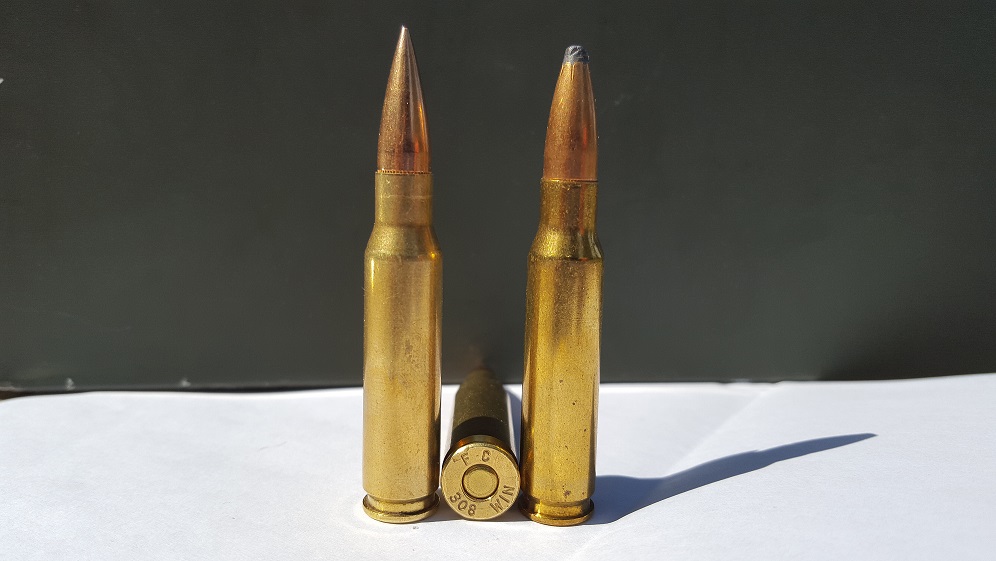
The .308 Winchester earned generational trust by being efficient, accurate, and widely supported across practical rifles. It asks less of the shoulder than many magnums, and its long service history helped keep factory options familiar in many stores and camps.
The modern downside is expectation creep. People treat .308 as the automatic answer, then discover that rifle weight, barrel length, and load choice sharply change recoil feel and downrange behavior. Short barrels can be loud, and bargain loads may not match premium point of impact in real conditions. It still excels, but setup details matter more than tradition suggests.
.243 Winchester Keeps New Hunters In the Game but Leaves Less Margin
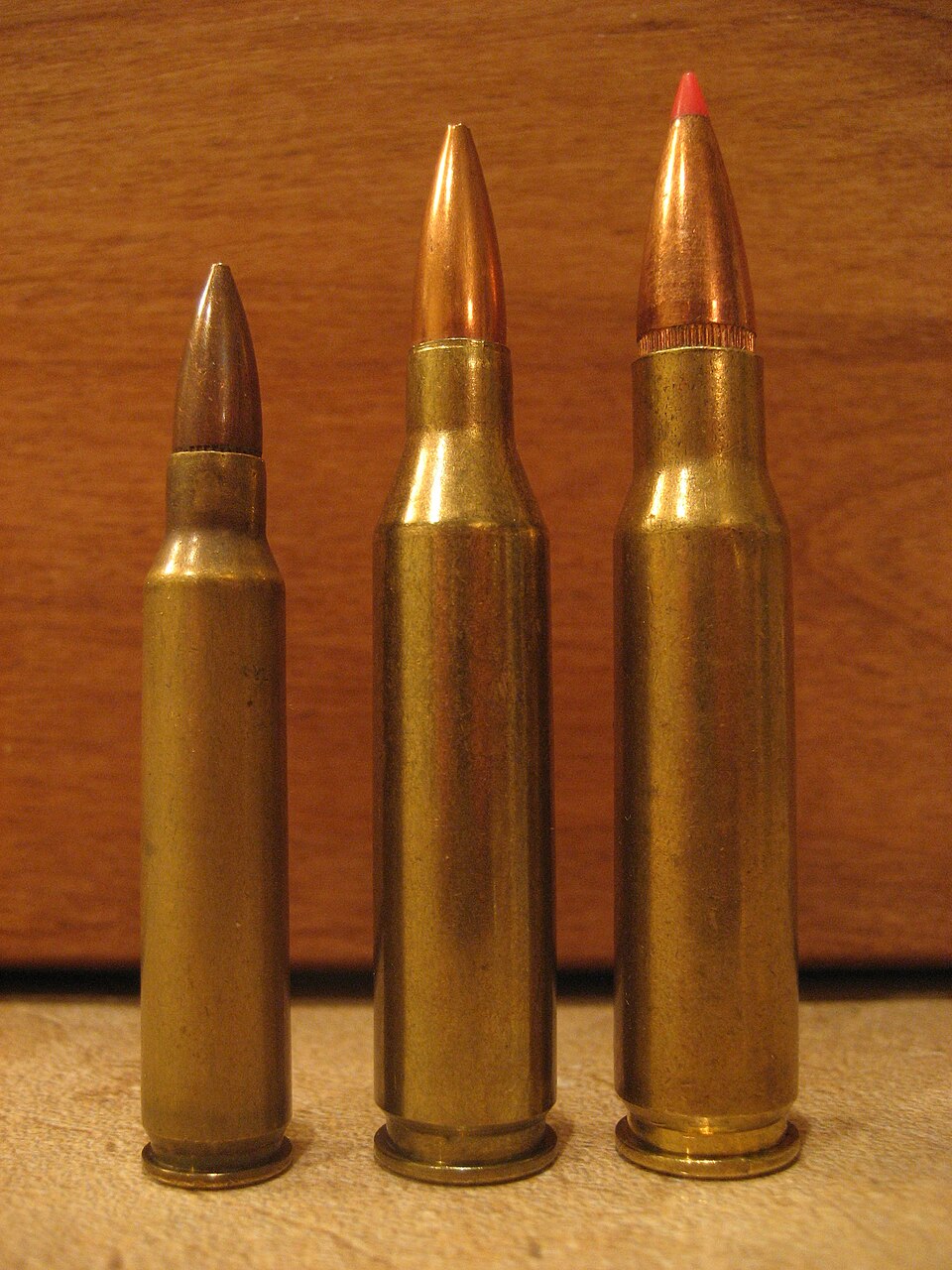
The .243 Winchester stays in family rotation because it lowers the barrier to good shooting habits. Recoil is mild, trajectory is forgiving, and rifles chambered in .243 often become first-success stories that keep getting reused for years instead of traded away.
Its overlooked downside is margin. Bullet construction and shot placement matter more than casual descriptions admit, especially when winds build or range estimates drift. The cartridge can do excellent work with proper loads and discipline, but it leaves less room for rushed decisions than heavier options. In modern use, patience is part of the package each season.
.45-70 Government Still Hits With Authority but Demands Honest Limits
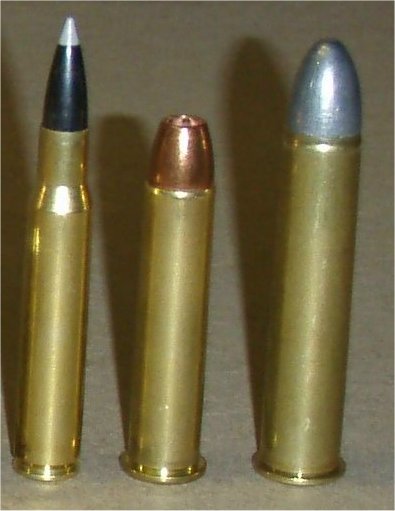
The .45-70 Government has survived every trend cycle because it delivers a style of field confidence people can feel. In lever guns like the Marlin 1895, it carries history and present-day utility in the same rifle, especially where shots are close and decisions happen quickly.
Modern downsides are hard to ignore. Recoil can be punishing in light rifles, trajectory drops quickly at longer distances, and ammunition cost often discourages the regular practice that mastery requires. The caliber still has serious purpose, but it asks for honest range limits, shoulder-friendly setup choices, and a training budget that matches the dream.
.357 Magnum and .38 Special Still Win on Versatility but Not on Capacity
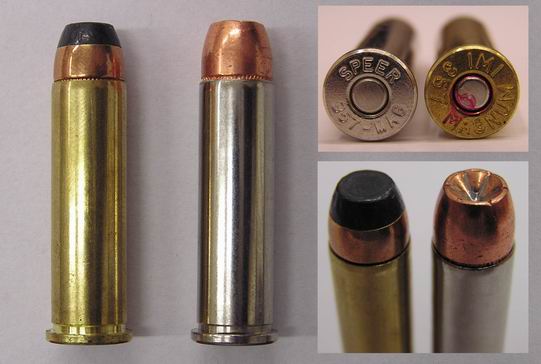
The .357 Magnum and .38 Special pairing remains one of the clearest examples of generational practicality. A sturdy revolver can train softly with .38 loads, then step up in power with .357 loads, which is why these guns often pass from one household era to the next.
The overlooked downside in modern contexts is capacity and pace. Revolvers are simple and durable, but they generally carry fewer rounds and reload slower than many contemporary platforms. Small-frame models can also feel sharper in recoil than expected. So the legacy still holds, yet choosing size, load, and purpose carefully matters more now than nostalgia alone.
.44 Magnum Still Commands Respect but Punishes Inconsistent Practice
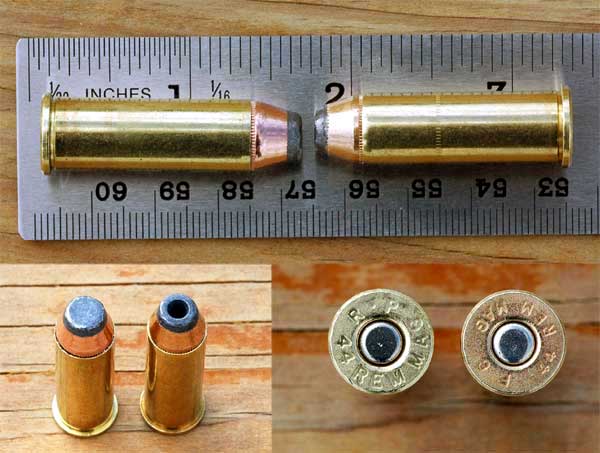
The .44 Magnum still carries a larger-than-life reputation, and many inherited revolvers prove it can remain dependable for decades. It represents an older idea of confidence: one sidearm, heavy bullets, and the discipline to run it well under pressure.
Modern use reveals a practical downside that gets understated. Muzzle blast, recoil impulse, and follow-up speed can challenge consistency for many shooters, especially with compact grips or limited training time. Loads vary widely, which helps, but point-of-impact shifts are common across ammo types in the same gun. The cartridge endures, yet it rewards realism over image.
12-Gauge and 20-Gauge Stay Ubiquitous but Carry Modern Safety Tradeoffs
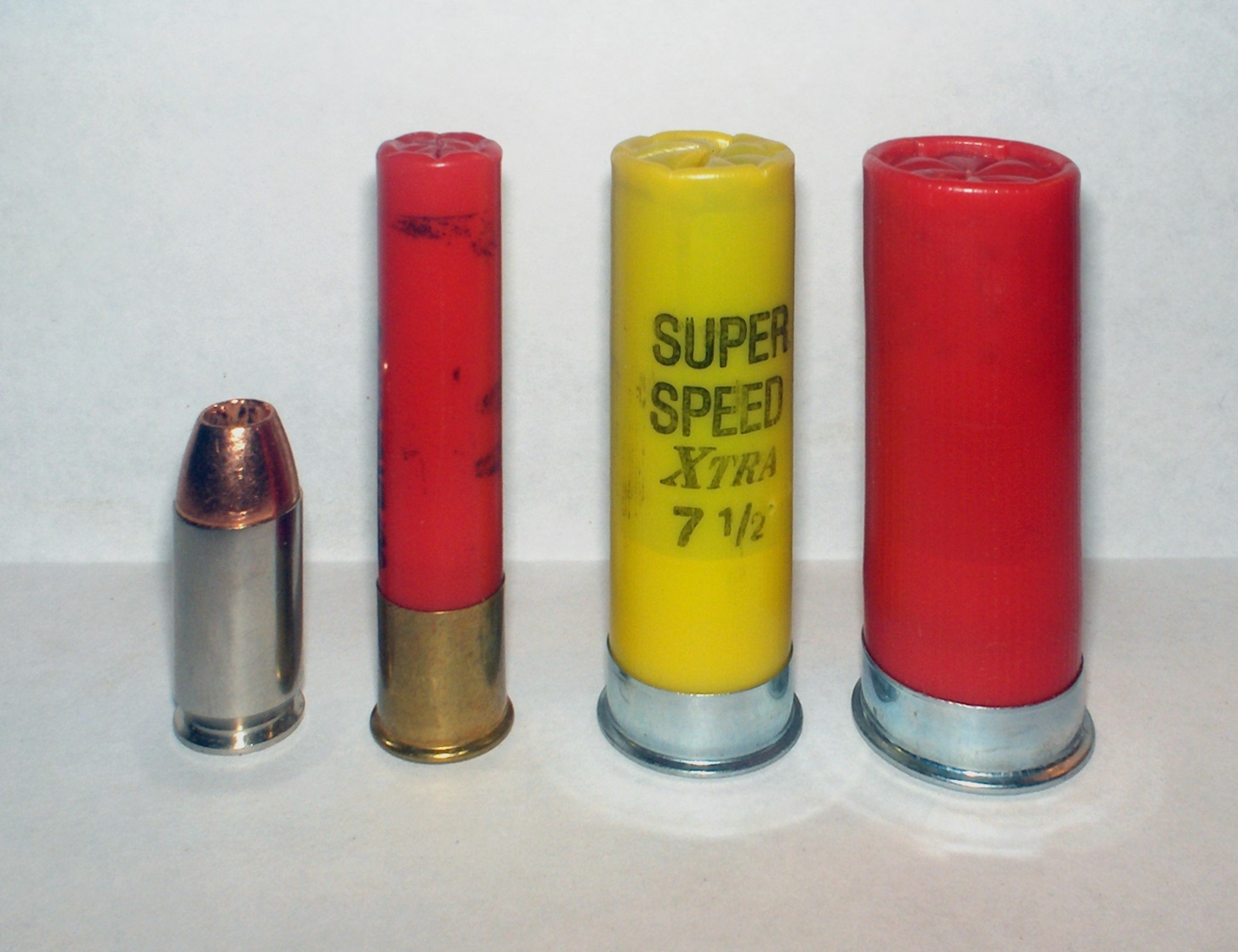
The 12-gauge and 20-gauge still span more real-world use than almost any other long-gun option. Old pumps stay in families because they are durable, familiar, and easy to keep running through hard seasons and rough weather year after year.
Modern downsides go beyond recoil. Public-health agencies continue to document lead exposure concerns around range use and cleanup, and peak firearm noise can exceed the 140 dB occupational ceiling. Safety groups also warn that loading a 20-gauge shell into a 12-gauge can create a dangerous obstruction in the barrel. Heritage holds, but health and handling discipline now sit at the center.