
Moving day often looks like logistics, labels, and cardboard, but experienced crews read a home through a stricter safety lens. Every tote can hide heat, pressure, fumes, or residue that turns risky once it rides in a sealed truck for hours. Rejections rarely feel dramatic in the moment; they look like a quiet pause beside the liftgate and a marker note on the inventory sheet. Yet those pauses protect households from avoidable damage, costly delays, and tense claims conversations later, when the new address should feel calm, clean, and ready for a real first night. That is why safe moves start with what never gets loaded.
Gasoline Cans and Residual Fuel Containers
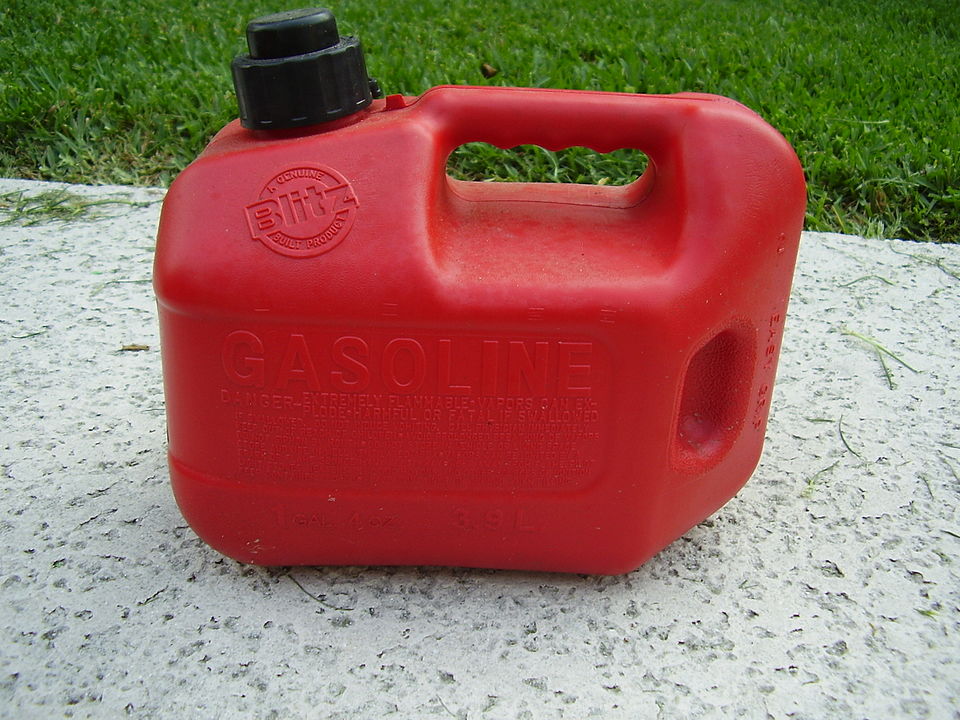
Gas cans and leftover fuels are among the fastest no-go calls on loading day. Even when a can looks empty, vapors can remain, and enclosed cargo spaces amplify ignition risk when heat builds during transit. Crew leads treat these containers as unstable cargo, not ordinary supplies.
Major carriers flag gasoline and fuel storage items as restricted, and federal hazardous materials rules require commercial transporters to follow strict classification, packaging, and handling standards for dangerous goods. Insurance teams also view fuel-related damage as serious exposure, so drivers are trained to reject first and document quickly.
Propane and Other Pressurized Cylinders
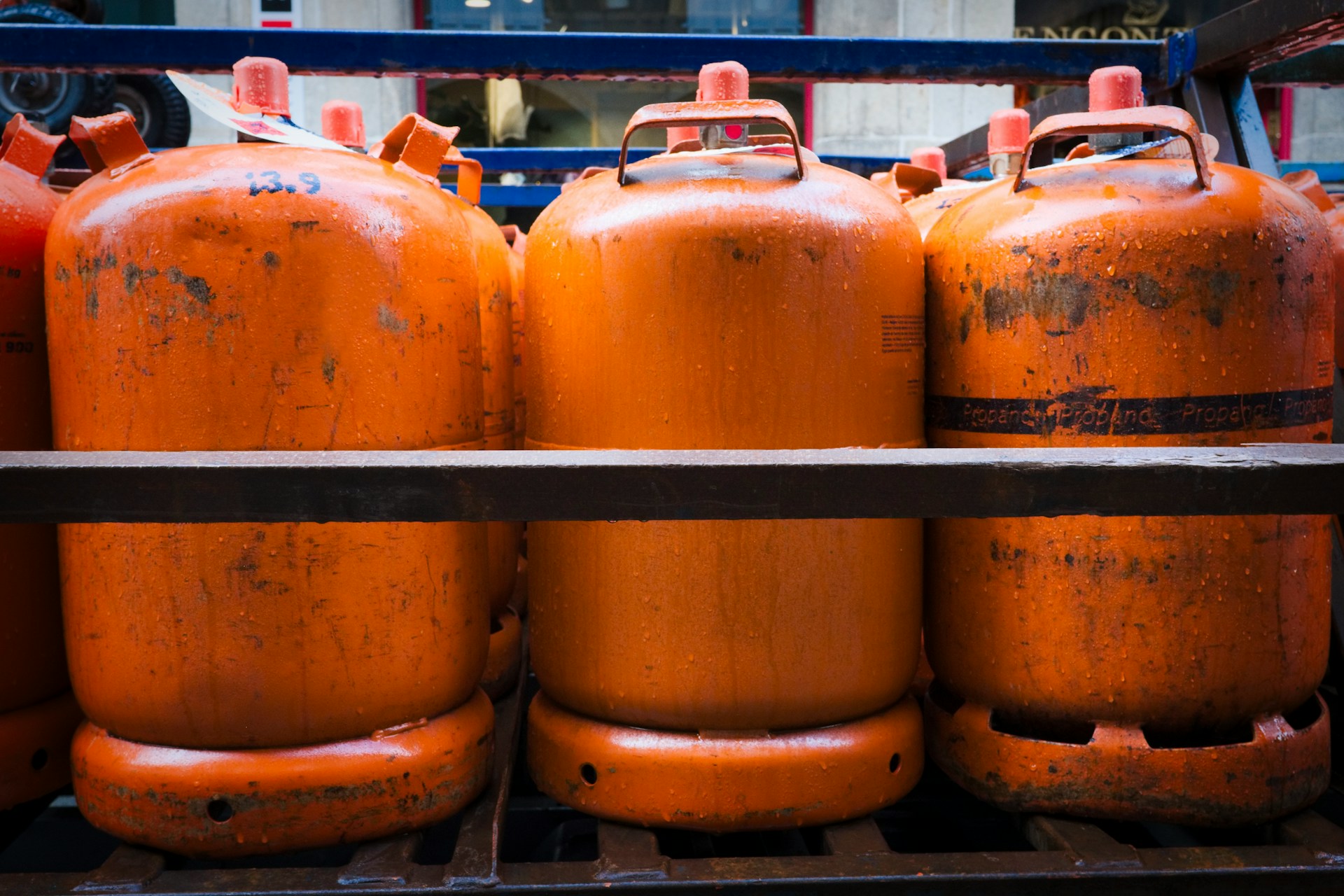
Propane tanks, butane canisters, and other pressurized cylinders are regular moving-day refusals because pressure and temperature shifts can turn minor valve problems into major hazards. Even a partially used cylinder can still contain enough gas to create risk inside a truck.
National mover checklists commonly place compressed gas cylinders and scuba tanks in restricted categories, and many crews require professional servicing before any related equipment is transported. From an operations standpoint, this is less about inconvenience and more about eliminating unpredictable pressure events in tightly packed loads en route.
Paint Thinners and Reactive Cleaning Chemicals

Paint thinner, varnish remover, strong degreasers, and reactive cleaners often sit quietly under sinks, yet they are exactly the kind of household products movers scrutinize. EPA guidance treats many leftover paints, oils, batteries, pesticides, and cleaners as household hazardous waste when they can ignite, corrode, react, or release toxic effects.
Large carriers mirror that risk profile by listing corrosive chemicals, poisons, and flammables among prohibited items. When a crew sees mixed bottles, unlabeled containers, or partly used solvents, the safest choice is immediate separation from the shipment and documented refusal.
Lawn, Garden, and Pool Treatment Products

Lawn treatments, weed killers, pool shock, and fertilizer blends are easy to underestimate because they are common in sheds and patios. On a moving truck, broken caps, humidity, and vibration can create leaks, irritating fumes, or unsafe reactions with nearby products.
Mover restriction lists routinely include lawn and garden chemicals, and EPA hazardous waste guidance explains why these products demand special handling even in normal disposal. Drivers are trained to prevent cross-contamination first, since one compromised container can spread residue across cartons, furniture, and fabric in a single trip. That margin matters.
Damaged or Loose Lithium Battery Devices
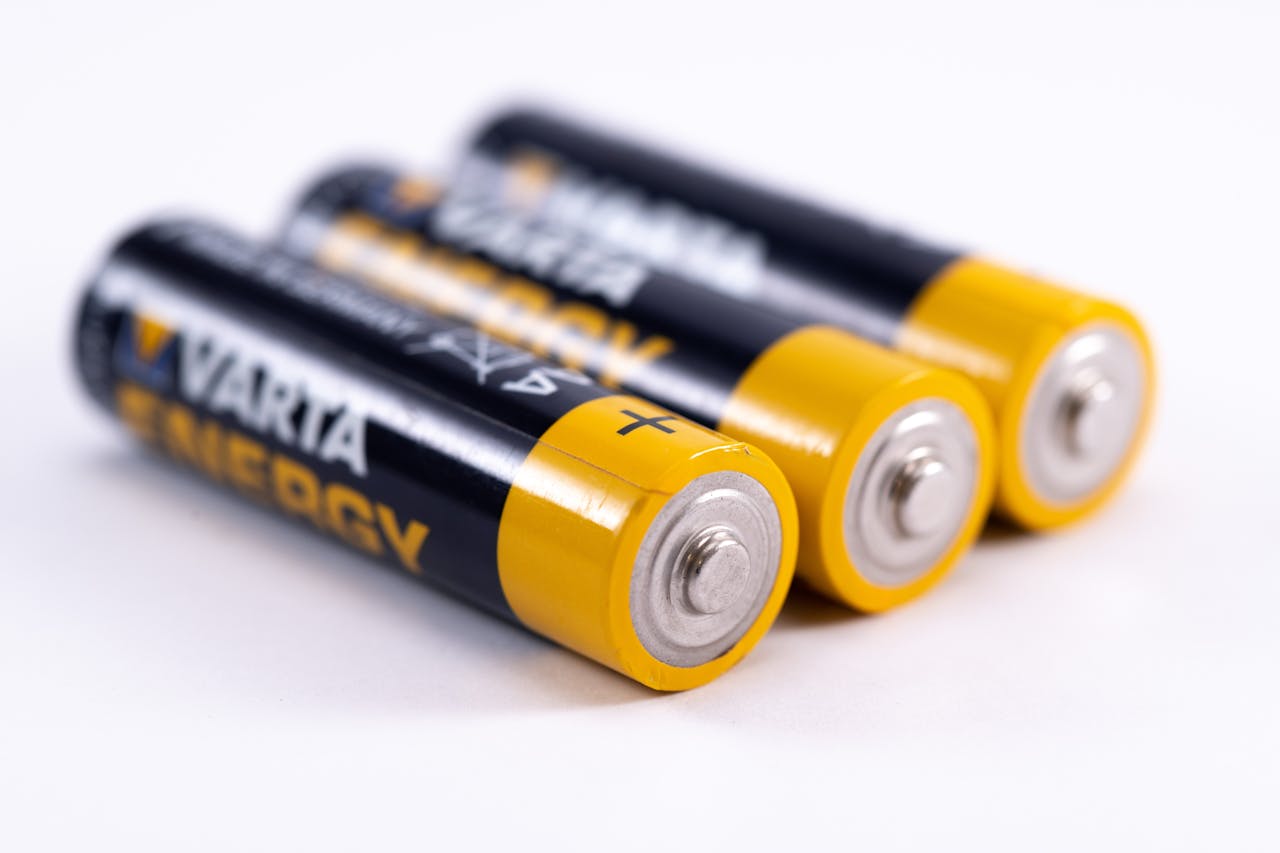
Loose lithium batteries, old power banks, and damaged micromobility battery packs create a newer category of moving-day concern. These cells can overheat after impact or internal failure, and the danger is harder to spot than a visible leak. Crews now ask whether batteries are swollen, recalled, or loosely packed.
FAA safety guidance warns that lithium batteries can catch fire if damaged or short-circuited, and recalled or defective units should not be carried. Even though household moves are not air travel, movers use the same precaution logic: isolate, inspect, and refuse uncertain battery condition before loading.
Ammunition and Certain Firearm-Related Items

Ammunition, gunpowder components, and certain firearms are another frequent refusal zone, especially for interstate loads managed by national carriers. These items trigger legal, insurance, and handling constraints that most household crews are not set up to absorb on the spot. Timing can force a same-day rejection.
Carrier policies commonly mark ammunition and firearms as restricted or customer-transport items, with some allowing only tightly defined exceptions after advance notice. When paperwork is incomplete or storage condition is unclear, crews typically decline loading to avoid chain-of-custody and safety disputes later.
Perishables and Immediate-Use Medicines

Perishable food, open containers, and medicine needed for immediate use are often separated from van loads, even when packed neatly. Food can spoil, leak, or attract pests in transit, while temperature-sensitive prescriptions can be compromised by delays or heat. The risk clock starts the moment packing ends.
North American and other major movers flag perishables and immediate-use prescription drugs as non-transportable or not recommended on the moving van. Crews are not refusing a household; they are protecting health access and preventing contamination that can spread from one failed container to surrounding cartons.
Live Plants and Pest-Carrying Outdoor Materials

Live plants are emotionally hard to leave behind, yet many movers decline them because living material brings moisture, soil organisms, and strict routing complications. Across long hauls, plants can rot in dark trailers, leak into cartons, or arrive stressed beyond recovery.
Mayflower and other national carriers list live plants among restricted items, and USDA warns that pests can hitchhike on plants, produce, firewood, and outdoor gear moved to a new home. The refusal is not cold policy. It is a practical guardrail against biological spread, property contamination, and avoidable disputes at destination. It protects both ends.