Old cleaning tips get passed down like recipes, and they can feel just as comforting. The catch is that modern homes are full of finishes, fabrics, and appliances that do not forgive rough shortcuts.
In winter, when windows stay shut and heaters run, sticky sprays and sharp fumes hang around longer than expected. What once worked on sturdy tile, thick cotton, and simple metal can leave residue, dull shine, or trap grime today, so the next cleanup gets harder. Experts still love simple solutions, but they want them matched to the surface, so cleaning stays quick, safe, and worth the effort without surprise damage.
Hairspray on Curtains for Static
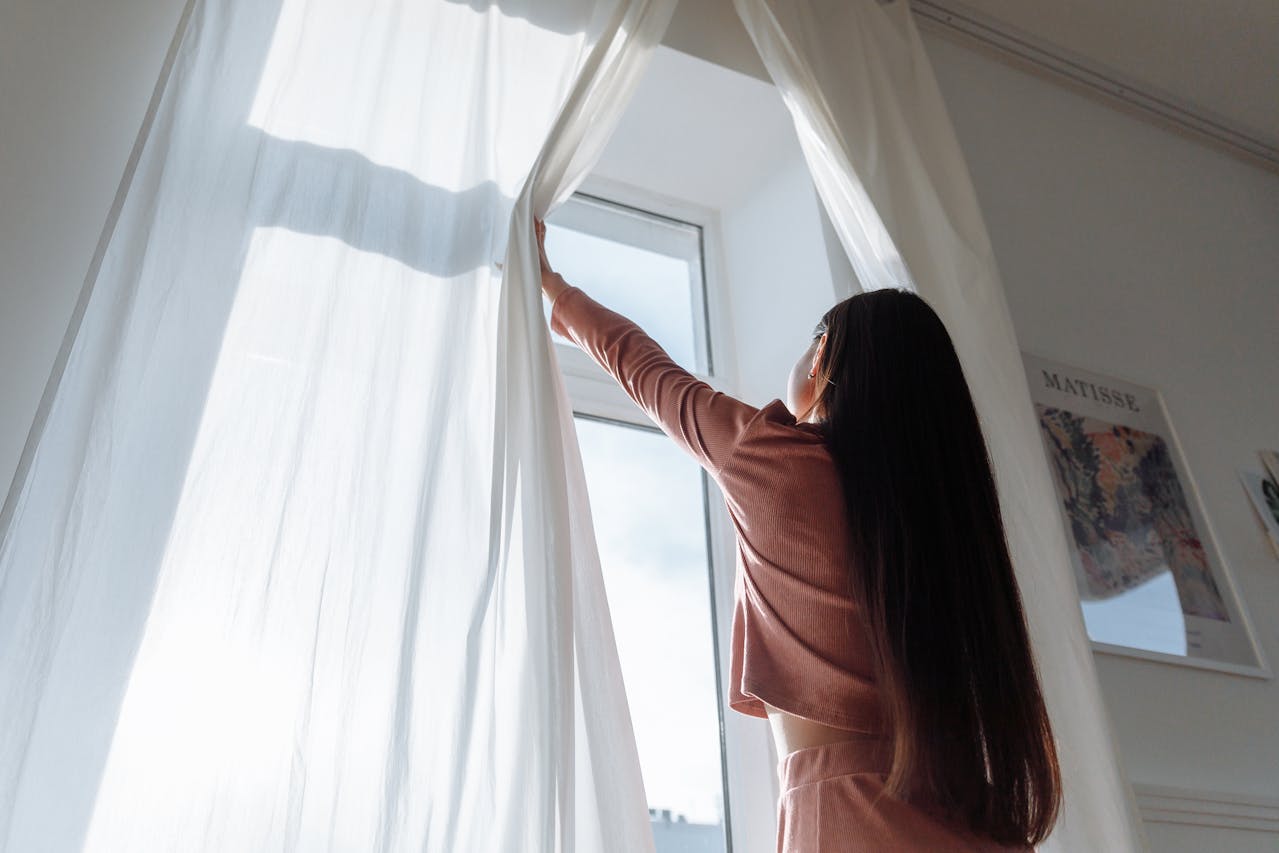
Curtain static feels harmless, but hairspray is a messy trade. The film that holds hair in place also grabs dust, cooking haze, and pet dander, so panels start to look dull and feel tacky when sunlight hits the fibers.
Dry winter air and nearby vents can make cling worse, which tempts another spray and deepens the grime. As the residue builds, fabric stiffens at the hem and pleats lose their soft fall, and the stickiness makes vacuuming risky on delicate weaves. Pros use a true anti-static spray, or a lightly damp microfiber pass followed by a dry buff, which calms cling without turning curtains into a dust magnet over time.
Overnight Vinegar Soaks for Shower Heads
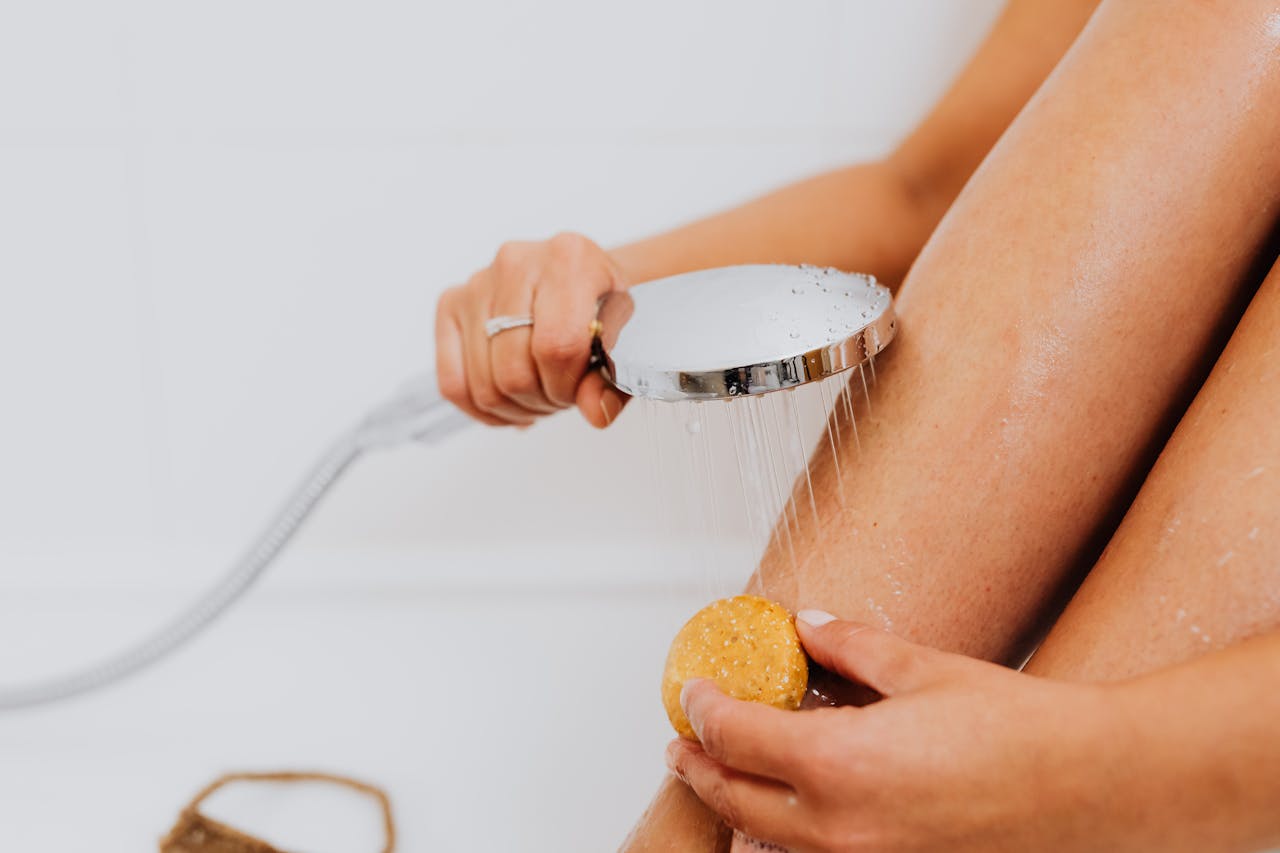
Vinegar can loosen mineral scale, yet the overnight soak is where the old advice turns risky. When a shower head sits in a vinegar-filled bag for hours, acid can creep into seams, dull plated surfaces, and leave a cloudy cast on brushed metals.
The sharp smell can also linger in a warm bathroom, especially when windows stay closed and the fan is weak. Experts keep vinegar on a short leash: dip a soft brush, scrub the nozzles and faceplate, then rinse well and wipe dry. For stubborn buildup, repeat short sessions rather than one long soak. The result is fewer deposits without gambling on the finish or the warranty, too.
Wax Paper Between Stored Linens
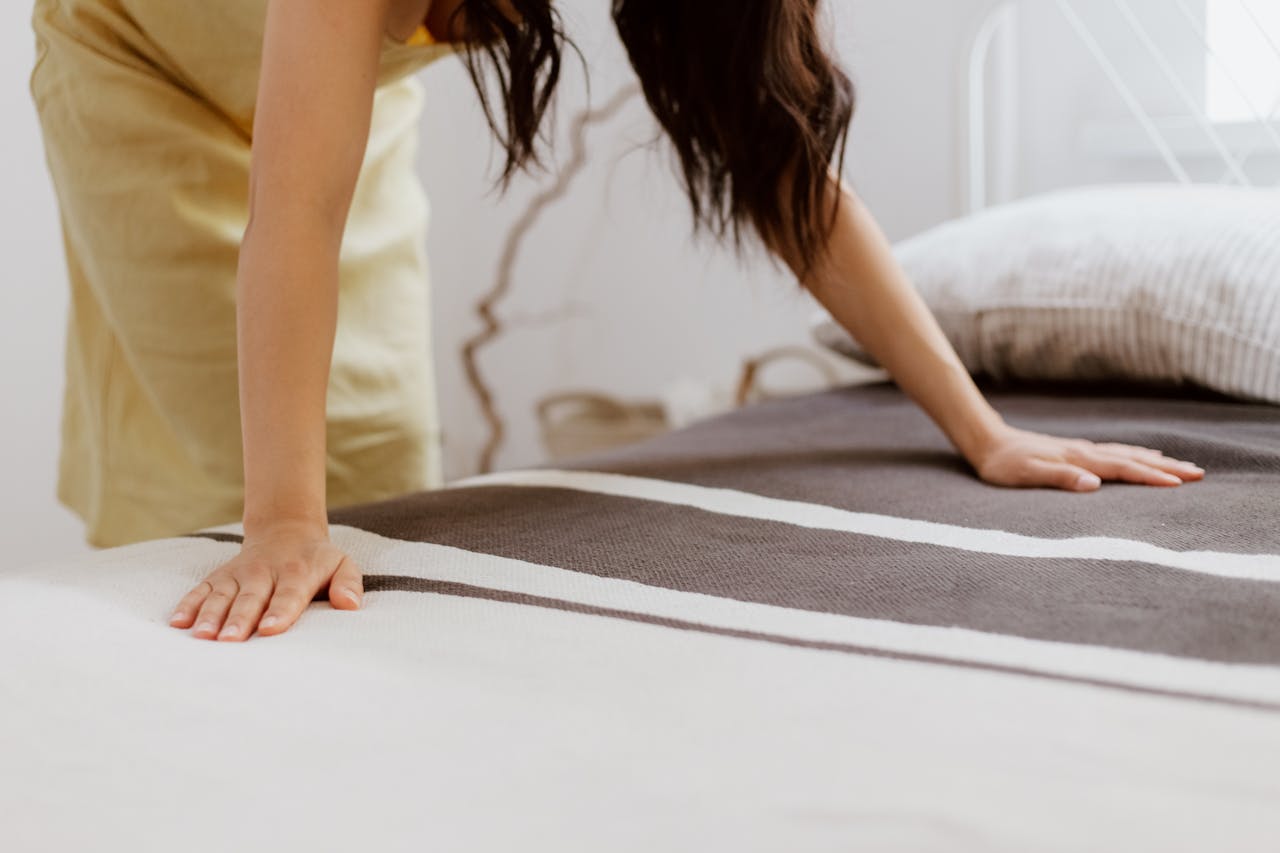
Wax paper between folded linens sounds tidy, but modern storage makes it a gamble. Near a heater vent or sun-warmed closet wall, the wax can soften and transfer, leaving faint greasy patches that attract dust and cling to fabric.
Pressure from stacked sheets can press that residue deeper into cotton fibers, and it may show up later as dull spots that resist washing. Organizers prefer acid-free tissue paper, which reduces friction and color transfer without melting, and it avoids a faint wax smell. A cool, dry shelf and breathable cotton bags do more to keep linens fresh than any waxy barrier. It matters most when closets run tight.
Air Vent Covers in the Dishwasher
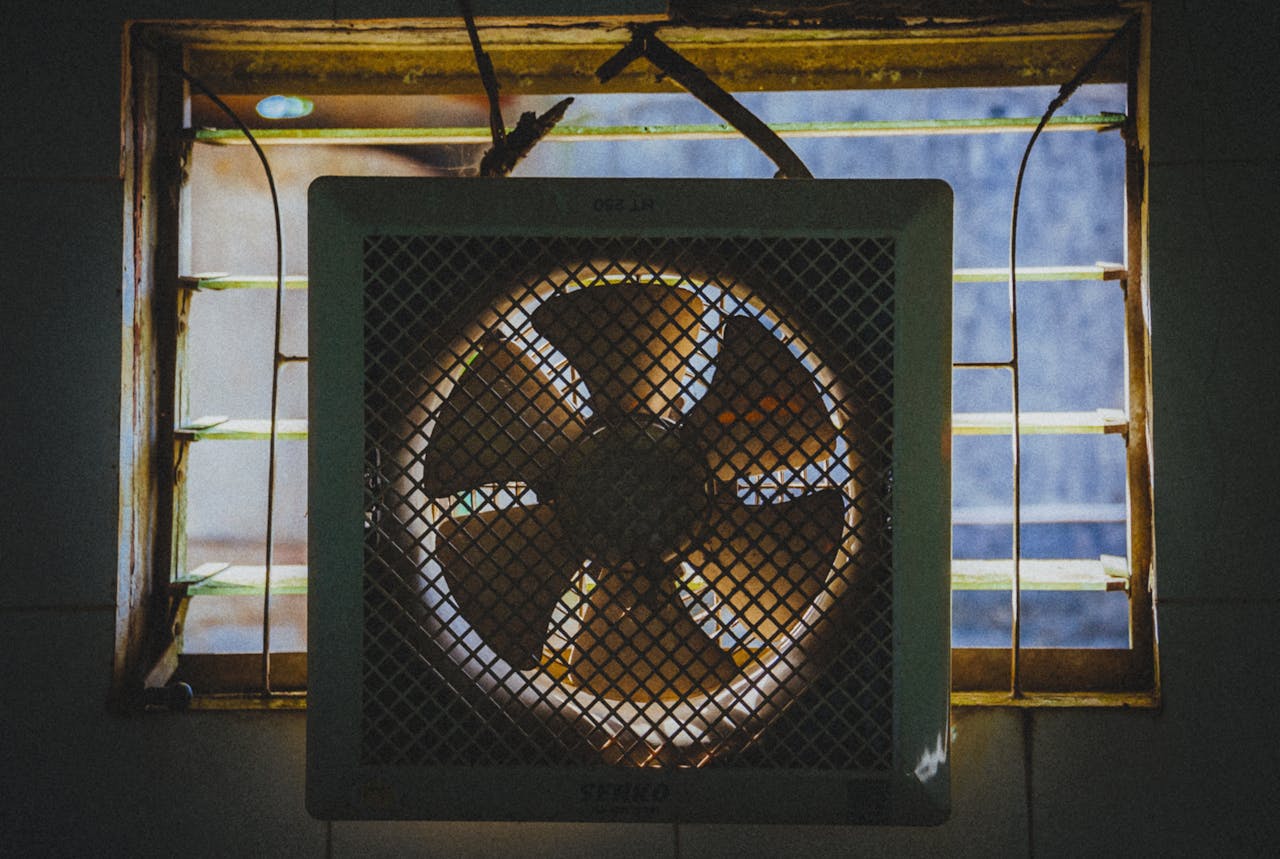
Putting air vent covers in the dishwasher feels efficient, but it can foul the machine and the kitchen. It also drags grime into the drain. Dust, hair, and drywall grit rinse off in chunks, settle in the filter, and can clog spray arms, lowering wash power.
Even when the metal survives, debris can leave a dusty film inside the tub. Some covers, especially uncoated aluminum, may discolor or pit under heat and detergent, and painted grilles can chip. Cleaning pros stick to the sink: hot soapy water, a soft brush, and a careful rinse. A full dry before reinstalling helps prevent rust and keeps start-up air from smelling stale.
Newspaper for Streak-Free Windows

Newspaper on windows has a nostalgic reputation, but modern inks and coated glass make it less reliable. Ink can smear onto sills, frames, and hands, and the paper can shed lint that shows up as streaks when low sun hits.
On tinted or energy-efficient panes, rough fibers can leave faint scuffs over time, especially if grit is trapped in the sheet from recycling bins. Pros use microfiber cloths, which hold dust instead of dragging it, paired with a streak-free cleaner. The cloth rinses clean and goes back into service, and a final dry buff along the edges keeps drips from drying into lines. It is faster in big rooms, too.
Salt Water Soaks to Stop Fading
Salt-water soaks to lock in color sound practical, and many households swear by them, especially for denim. The issue is that testing has not supported the promise. If a new shirt bleeds dye, it usually points to how the fabric was finished, and salt does little to change that.
The extra soak can even stress delicate knits, add rough rinsing, and leave fibers feeling less soft. Laundry experts lean on cold water, gentle detergent, and turning bright pieces inside out, then drying on low heat. Color-catcher sheets can help in mixed loads, but the real fix is separating new darks until they settle after 2 or 3 washes fully.
Vinegar Mops on Wood Floors
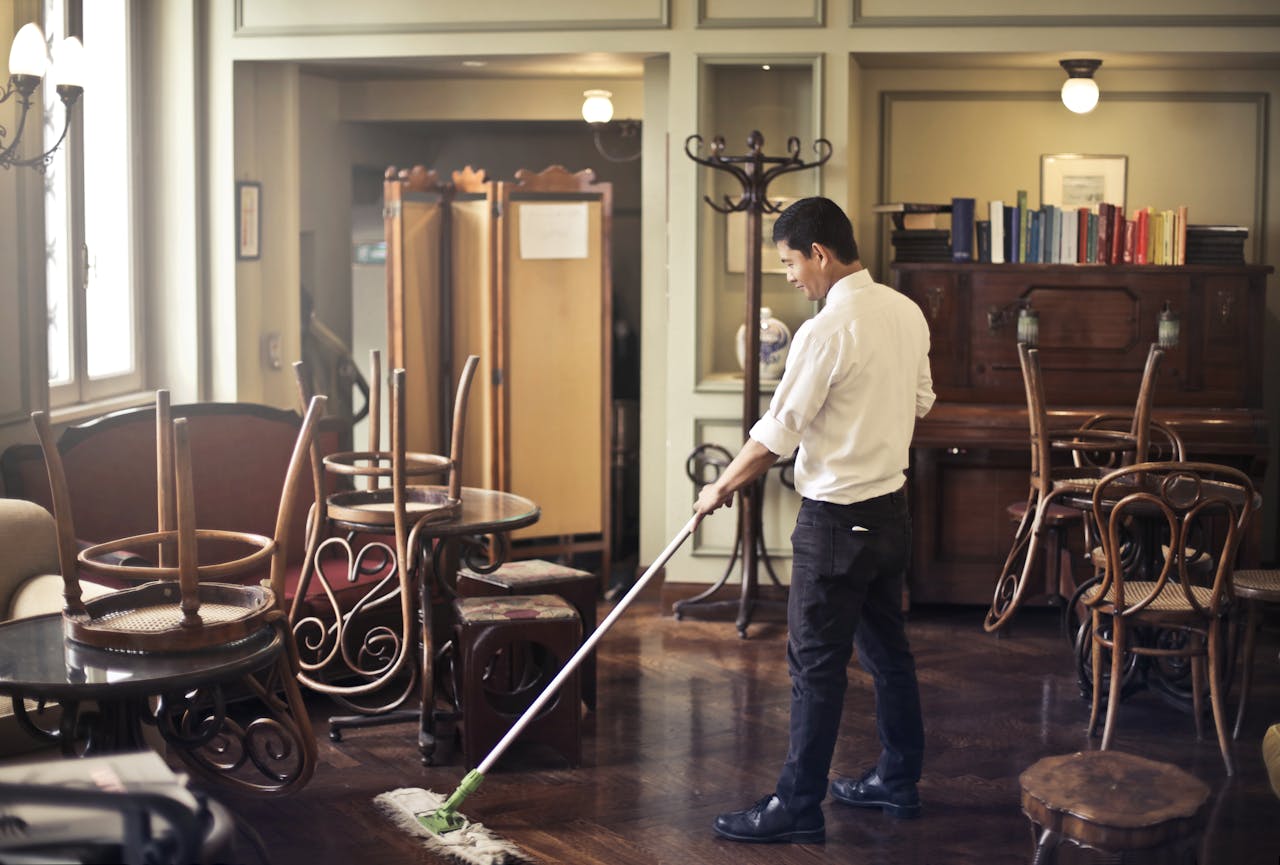
Vinegar feels like the ultimate budget cleaner, but wood floors are where it backfires. On polyurethane, waxed, or factory-sealed boards, the acid can dull the protective finish, turning shine into a flat haze and making the grain look washed out.
Moisture adds trouble. Wet mopping can seep into seams, lifting edges or leaving dark lines near joints, especially in older homes during seasonal swelling. Grit under shoes acts like sand, so pros vacuum first, then use a pH-neutral hardwood cleaner with a barely damp mop, followed by a quick dry pass. The floor stays bright without slow, quiet damage. It is boring, and it works.
Fear of Frequent Vacuuming
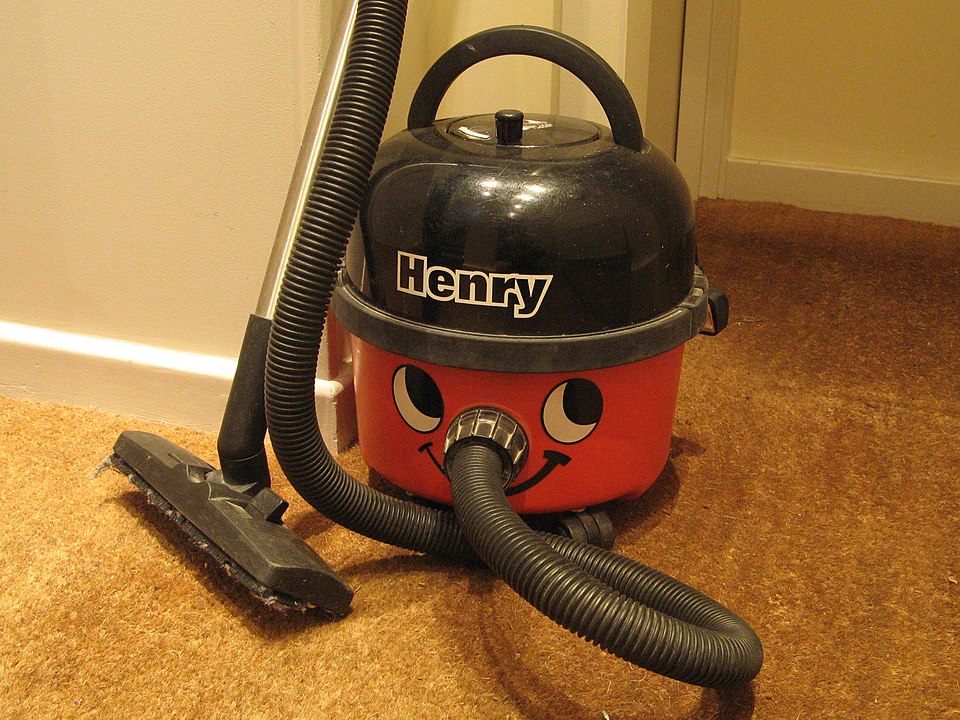
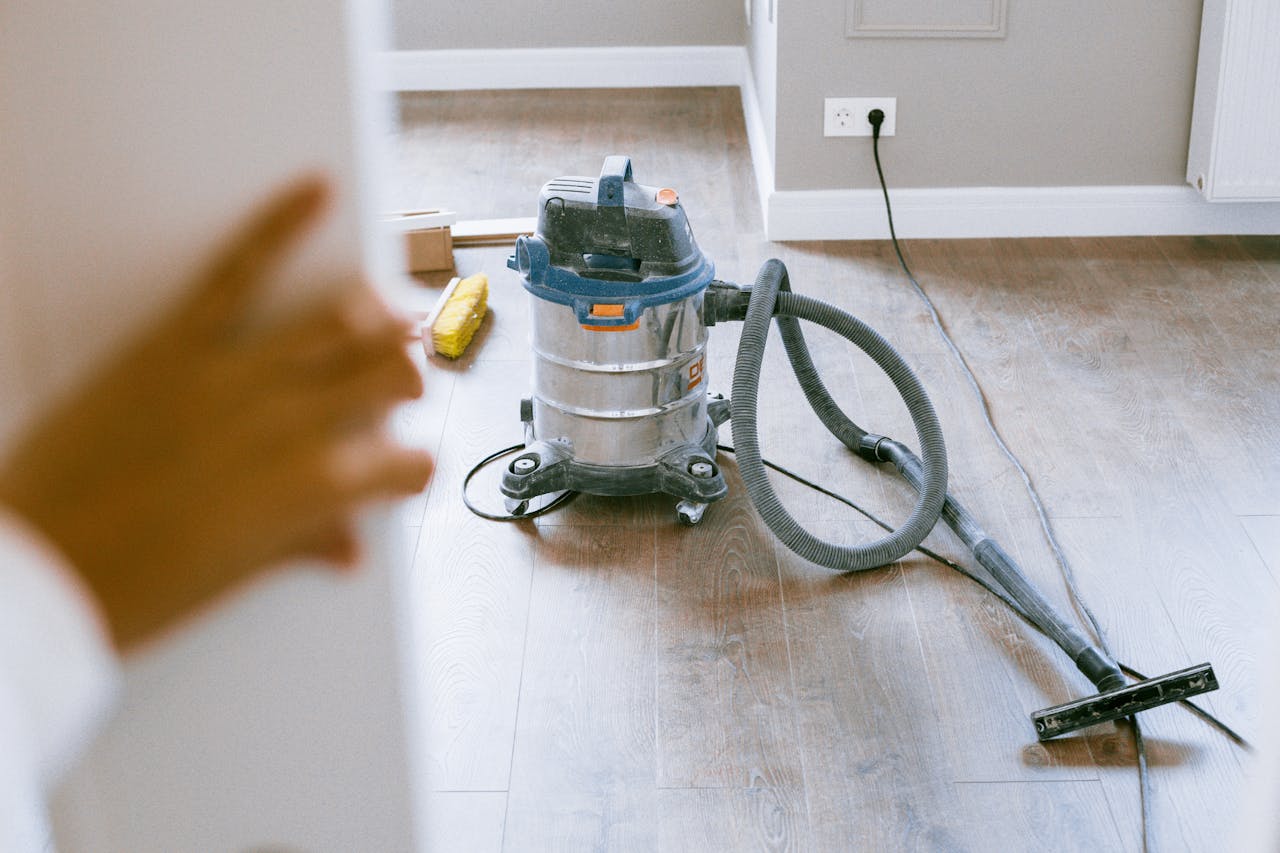
The idea that frequent vacuuming ruins carpet has stayed alive for decades, but experts say dirt is the real threat. Grit works like sandpaper underfoot, abrading fibers, flattening the pile, and dulling color in walkways.
Regular vacuuming lifts that grit before it gets ground in, and it also clears dust that can cling in winter, when homes stay closed up. The smarter caution is technique: use the right height setting, keep filters clean, and match the brush roll to the carpet type. On fringed rugs, turn off the brush or use a suction-only tool. Slow passes in traffic lanes help carpet look fuller without stressing the threads.e iron stays dependable, and shirts stay spotless. That small routine saves repairs later.