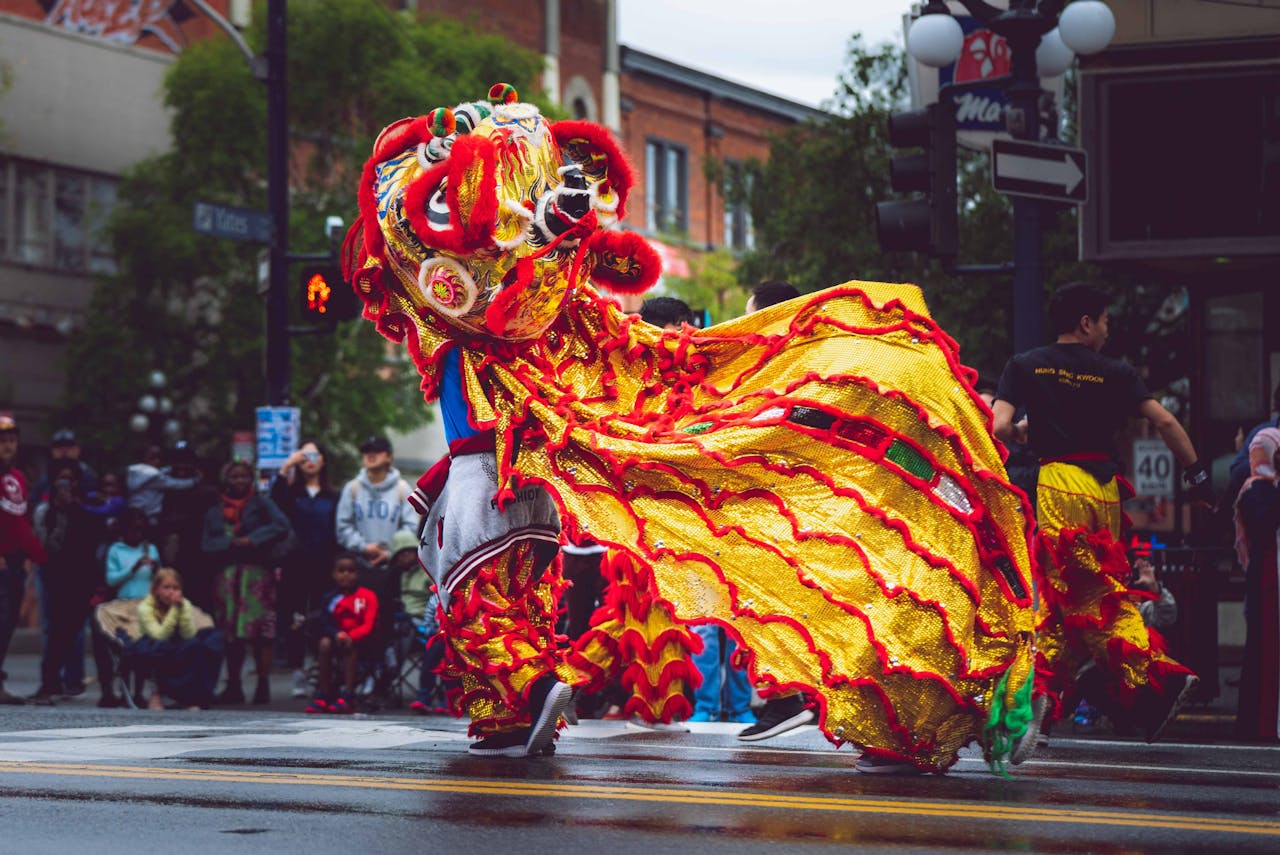
On the final nights of the year, cities brighten, kitchens stay warm, and small rituals begin to matter more than speeches. New Year traditions carry a simple hope: that the next chapter arrives lighter, luckier, and more connected than the last. Across continents, people welcome the change with bells that rinse the air, foods shaped like coins, and gestures meant to open doors, literal or symbolic. Some customs lean quiet and reflective; others lean loud, communal, and funny in the best way. Underneath the variety sits the same human impulse: to mark time with meaning, to honor what survived, and to invite the future in with intention, not just noise, even when the year has been complicated.
Japan’s Ōmisoka Bell-Ringing
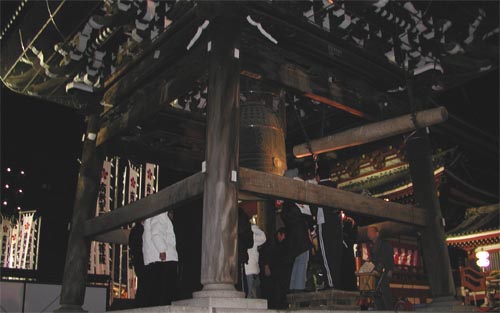
On Dec. 31, Japanese Buddhist temples mark Ōmisoka with joya no kane, striking the temple bell 108 times while neighborhoods pause to listen. Each toll is tied to releasing the year’s 108 worldly passions, so the sound carries a wish for fewer compulsions, steadier judgment, and a mind that feels newly arranged. People queue in winter coats, breath visible in lantern light, some taking a turn at the rope and wooden beam, others holding warm cups and watching the streetlights blur, and the last note lands at the threshold, lingering in the body long after the air goes still as if the year has been gently untied at last.
Spain’s Twelve Grapes at Midnight
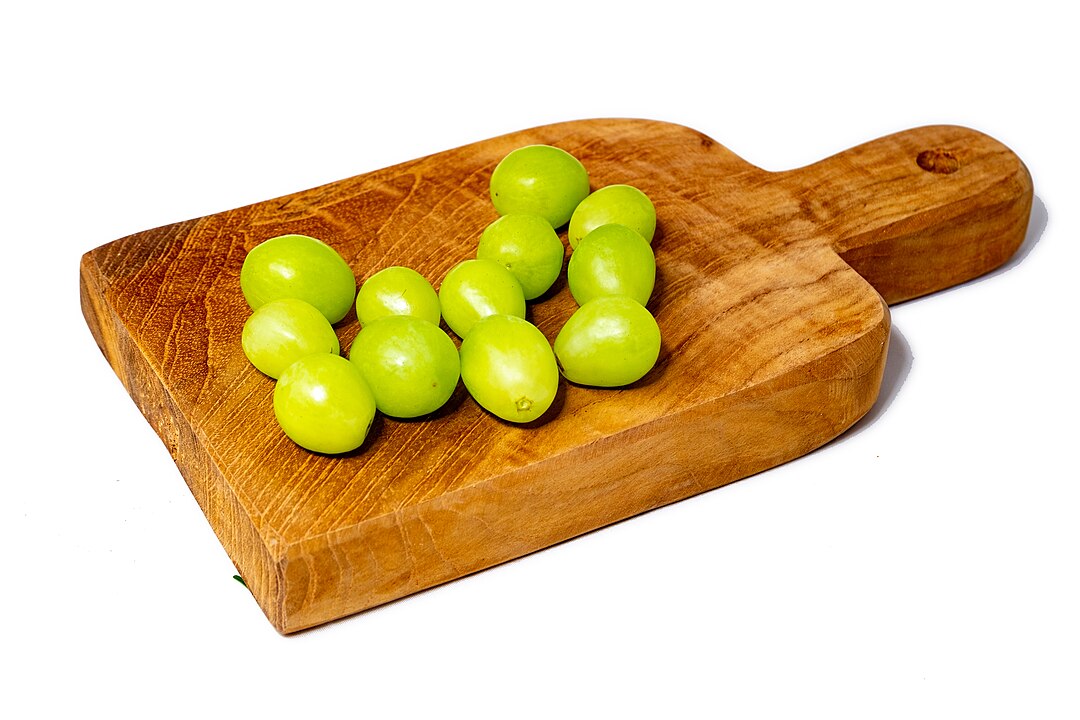
In Spain, midnight on Dec. 31 comes with las doce uvas, a ritual of eating one grape with each of the 12 clock chimes. Each grape stands for a month ahead, and the custom, popularized in the early 1900s, turns a minute of chewing into a playful forecast of luck, love, health, and work, as families bargain with time. At home, grapes are counted onto saucers and peeled for kids, while plazas like Madrid’s Puerta del Sol fill with strangers, cameras raised, following the bells in a single pulse, laughing when someone falls behind, then hugging as the last skin is swallowed and, for a second, everyone is on the same clock.
Scotland’s Hogmanay First-Footing

Hogmanay in Scotland carries a familiar question after midnight: who will be the first-foot to cross the threshold. Tradition often favors a dark-haired guest arriving from outside the home with tokens like coal, whisky, or shortbread, small symbols that the house will have warmth, cheer, and food. The visitor is greeted, coats are shed, and the first minutes of the year fill with chatter, Auld Lang Syne humming in the background, and glasses clinking, as if luck is not summoned by wishing, but by someone choosing to show up with something in hand and stay awhile even if wind and rain are waiting outside at the door.
Greece’s Vasilopita Coin Cake
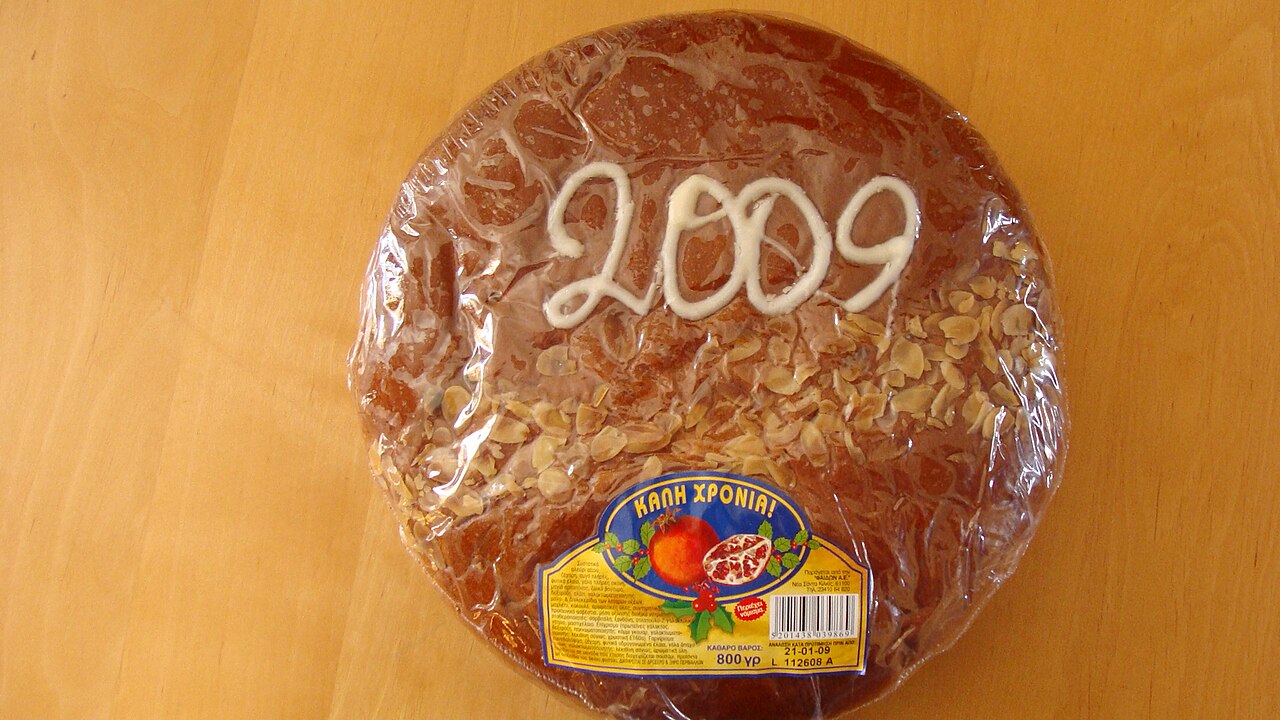
Across Greece, Jan. 1, Saint Basil’s Day, is sweetened by vasilopita, a New Year’s cake or bread baked with a hidden coin. Slices are cut in a set order and passed around, and everyone listens for the small clink that means luck has landed, often followed by teasing, applause, and quick stories about last year’s winner. The person who finds the coin is said to have extra good fortune all year, so dessert becomes suspense and blessing at once, tying the year’s first bite to a shared hope that the household will grow lighter, kinder, and more prosperous with every slice cut clean and passed with care to each person.
The Philippines’ Twelve Round Fruits
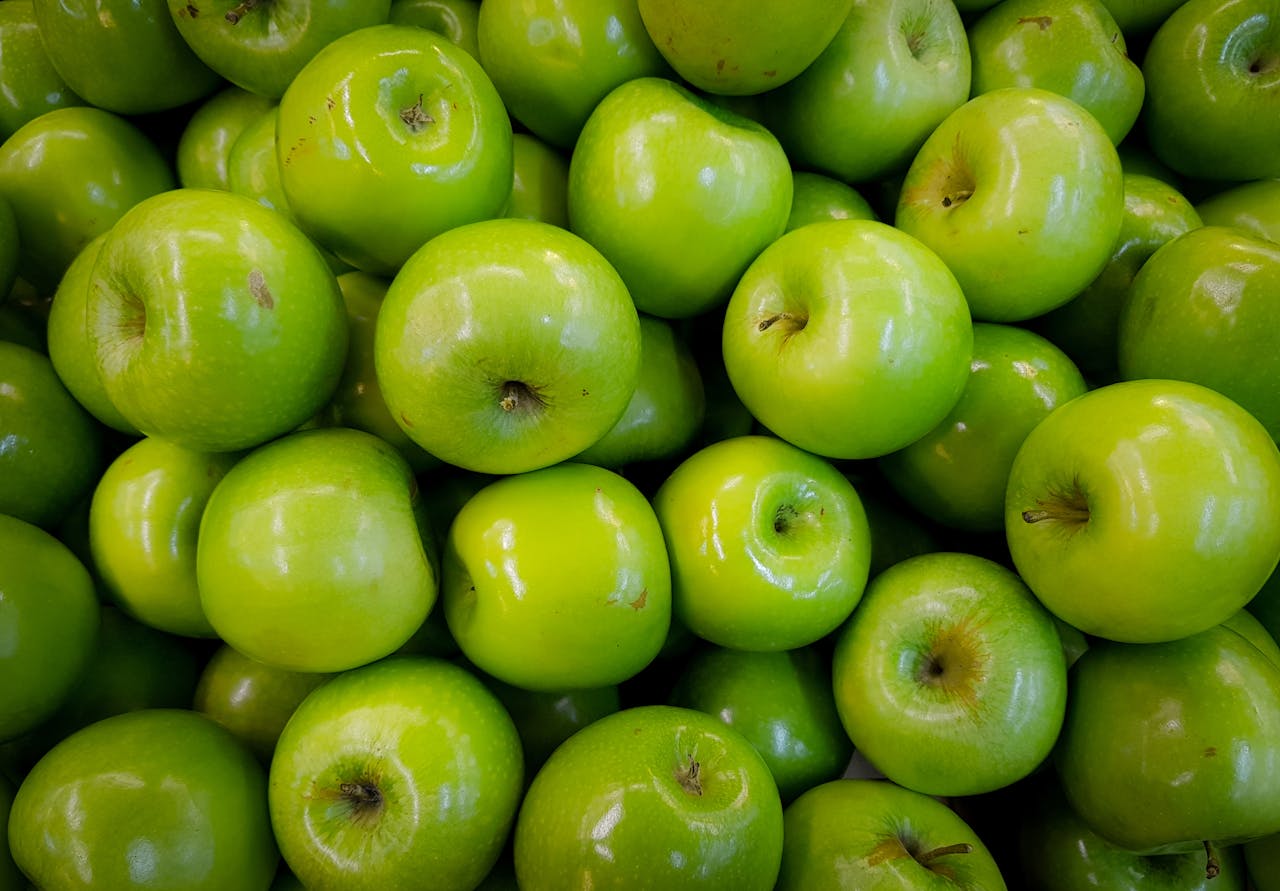
In many Filipino households, Media Noche features 12 round fruits arranged like a bright promise for the months ahead. The coinlike shapes are linked to prosperity, and the round motif often continues in polka-dot clothing, round pastries, and bowls of sticky sweets meant to keep bonds strong, with some families scattering coins or making sure wallets feel full. Tables look like edible color wheels, from grapes to oranges, and the room hums with fireworks outside and laughter inside, as if abundance is something that can be invited by setting it out plainly, counting it carefully, and sharing it without rushing tonight.
Brazil’s White Clothes and Seven Waves

Along Brazil’s coast, Réveillon often glows in white, a color many wear to invite peace as the year changes, especially on big city beaches where the crowd feels endless. At midnight, some step into the surf to jump seven waves, making a wish with each leap, and, in many places, honoring Iemanjá with white flowers, perfume, or small offerings set afloat. The beach becomes a corridor of lanterns, drums, and laughter, yet the ritual keeps its quiet core: a pause between waves, a private sentence spoken into wind, and the tide pulling that hope outward as fireworks echo across the water until it disappears from sight.
Colombia’s Suitcase Walk

In Colombia, welcoming the year can include a suitcase dragged into the street just after midnight, wheels rattling over the curb like a dare. Some people walk around the block with luggage in hand to attract travel and new opportunities, sometimes choosing an empty case to leave room for whatever the year might bring. It looks humorous from a window, yet it lands sincerely, because the longing is real, and neighbors often cheer, laugh, or honk as the traveler-in-training completes the loop, returns the suitcase to the doorway, and toasts to destinations not yet booked with a grin that feels like permission to dream.
Ecuador’s Año Viejo Effigy Burning

In Ecuador, New Year’s Eve often ends with años viejos, effigies built to represent the old year and then burned at midnight. The figures can resemble politicians, pop-culture characters, or personal stand-ins, usually stuffed with paper and sawdust, and their quick collapse into sparks becomes a public way to release what should not follow. Families gather around street bonfires, fireworks crackle above rooftops, and the heat pushes faces into a shared circle, as if everyone is agreeing to drop the weight of the last 12 months together, laugh at it once, and then let it go before the first coffee of the year is poured.
Italy’s Lentils for Prosperity
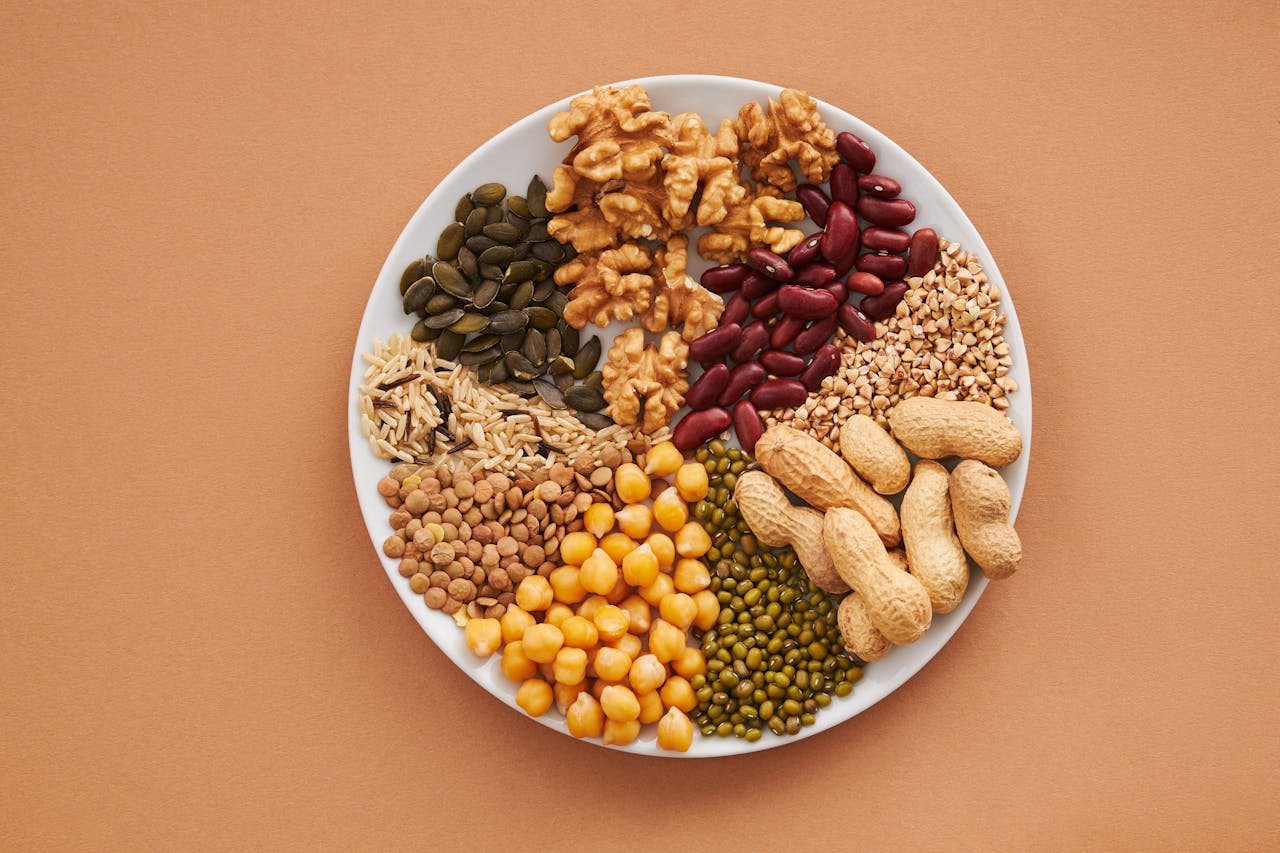
In parts of Italy, lentils appear on New Year’s Eve tables because their tiny, round shape resembles coins, and certain regions prize local lentils as a point of pride. They are often paired with pork such as cotechino, turning a cozy plate into a culinary wish for prosperity in the months ahead, and the meal is timed to feel like a practical blessing. Some families linger over one more serving after midnight, letting conversation stretch, because the point is not haste but continuity: a warm bowl, a steady toast, and a belief that small, ordinary things, repeated with care, can add up to a richer year for everyone.
Puerto Rico’s House Cleaning and Water Toss

Puerto Rico often welcomes the year with a sweep of the broom before the music gets loud, treating a clean home as a good omen and a fresh start that can be seen. Many families tidy up, then, in some places, toss buckets of water out the window at midnight to send away bad spirits and the lingering heaviness of the year before, a quick, dramatic gesture that resets the mood. Some also sprinkle sugar outside or make sure the pantry looks full, but the core message stays simple: clear the space, then invite joy in, so the first minutes of January feel lighter, safer, and more possible inside the walls for everyone.