Home meals rarely fail from one big mistake. Flavor slips away in small habits: a pan that never gets truly hot, garlic that turns bitter, meat that is sliced too soon, or salt that arrives only at the end. Chefs notice these patterns because the same tiny choices show up night after night, and the results taste muted even when ingredients are fresh and the recipe is solid.
In colder months, when stews, roasts, and sauces do more work at the table, those habits stand out fast. Most fixes cost nothing. A few minutes of heat, breathing room in the pan, and tasting along the way bring back crisp edges, brighter aromas, and depth.
Using Dull Knives That Crush Instead of Cut
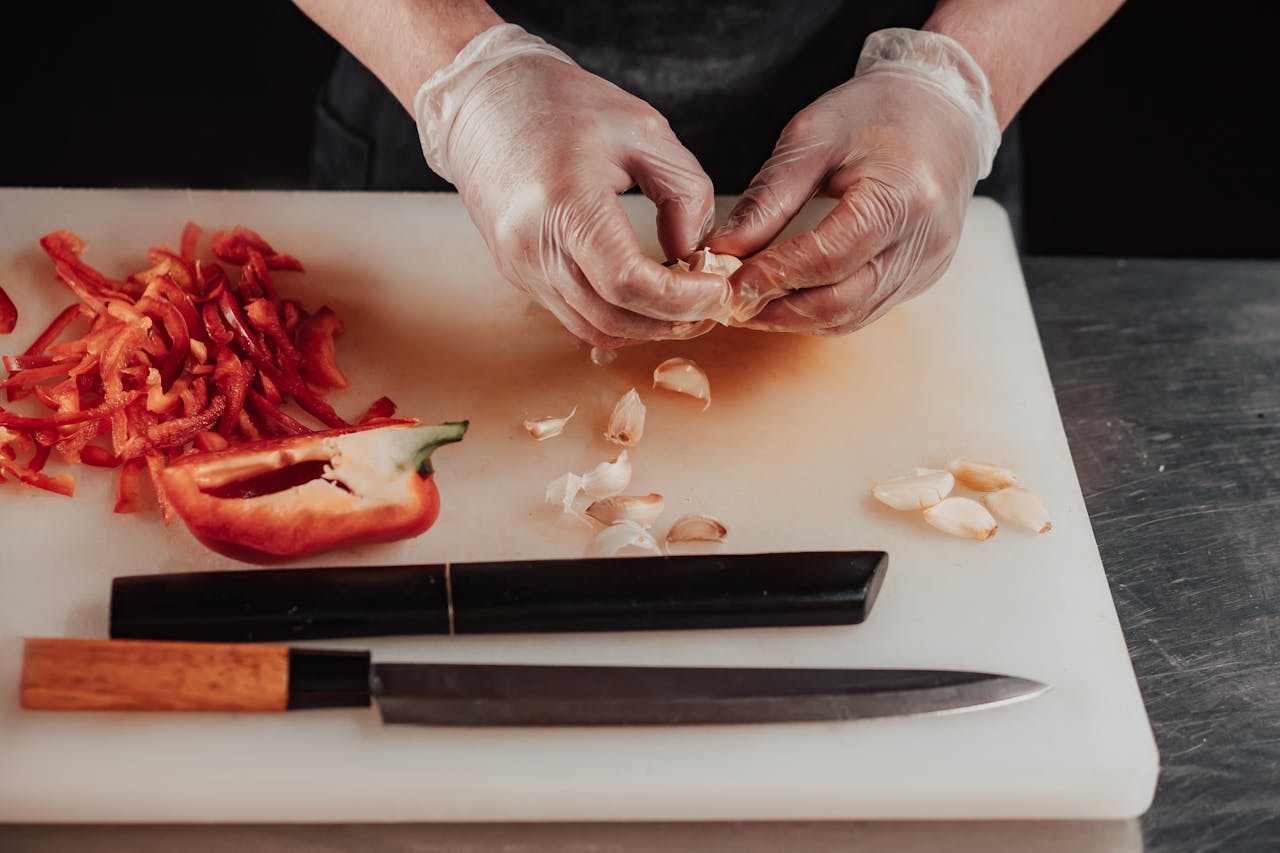
Dull knives do more than slow prep. They crush herbs, tear tomatoes, and bruise onions, breaking cells so moisture and aroma escape before heat can concentrate them. That wet, mangled surface also resists browning, so sautéed vegetables turn soft instead of sweet and toasty. The extra force makes slips more likely, and uneven chunks cook at different speeds.
Sharp blades leave clean surfaces that sear, roast, and caramelize with less fuss, and they reduce onion sting by slicing instead of smashing. A basic sharpener at home, or a professional sharpening every few months, is enough to make prep calmer and flavor more precise.
Adding Garlic Too Early and Burning It
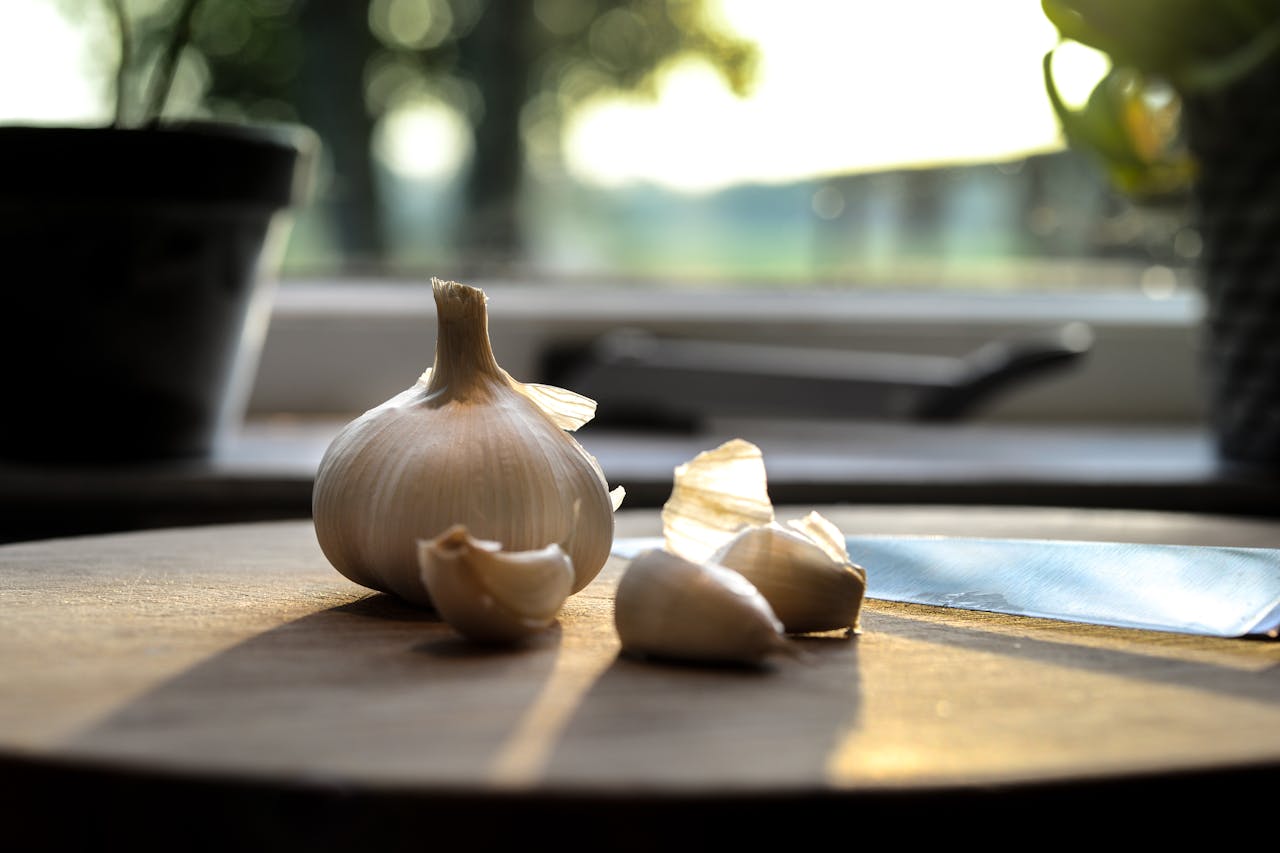
Garlic has a short window between fragrant and ruined. When it goes into the pan too early, especially minced, it can brown fast and tip from sweet to bitter in seconds. Many home cooks add it with onions, but onions need time, while garlic wants a brief, gentler contact with heat. Once garlic burns, the harsh edge spreads through the whole dish.
Chefs often add garlic near the end of a sauté, about 30 to 60 seconds before broth, tomatoes, or wine. For long simmers, they stir it in later, use whole cloves, or roast it first so the flavor stays rounded and warm, not sharp. The aroma should smell nutty and savory, never acrid.
Overcrowding the Pan and Creating Steam Instead of Sear
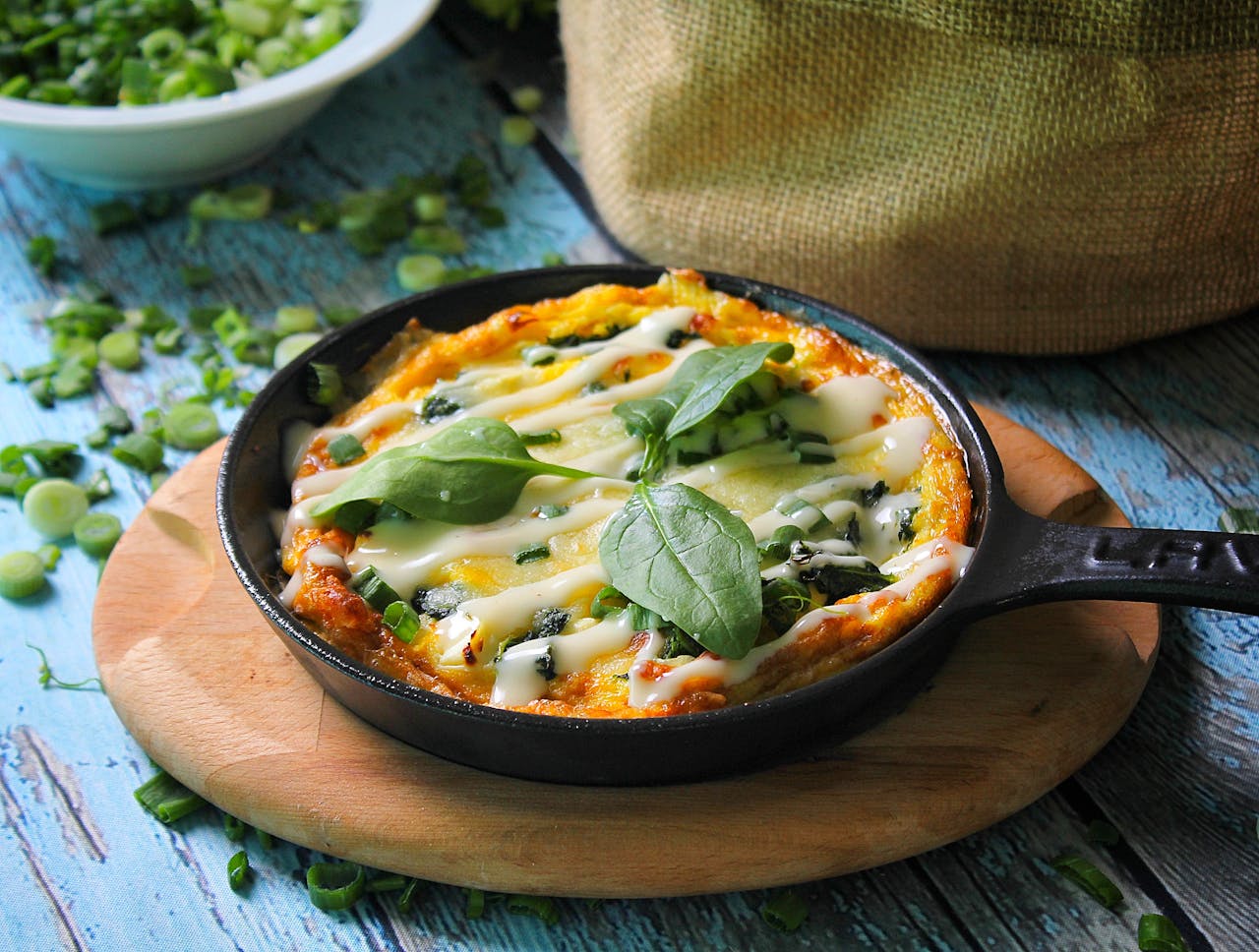
Overcrowding turns searing into steaming. As meat and vegetables heat up, they release moisture; when too much food shares one surface, that liquid pools, the pan temperature drops, and browning stalls. Instead of a caramelized crust, everything cooks in its own vapor, so flavor stays flat and texture turns soft.
Restaurant cooks protect space the way bakers protect measurements. They use wider pans, higher heat, or quick batches, then give pieces room to sit still and brown. On sheet pans, they spread food out for airflow and roast harder. Two rounds usually beat one crowded shortcut, even when time feels tight at home.
Not Seasoning Throughout the Cooking Process

Seasoning only at the end leaves food oddly hollow. Salt is not just a final sprinkle; it shapes how ingredients taste as they cook, drawing out moisture for browning and smoothing bitterness in vegetables. When it arrives late, it can taste sharp on the surface while the center stays bland, and sauces feel detached from noodles, rice, or beans.
Chefs season in layers: pasta water, then sauce, then a final adjustment after reduction. They taste often because heat changes balance, and salty ingredients like soy sauce or cheese concentrate as liquids cook down. A small pinch early and another later beats a heavy hand at the finish.
Failing to Preheat Pans Properly
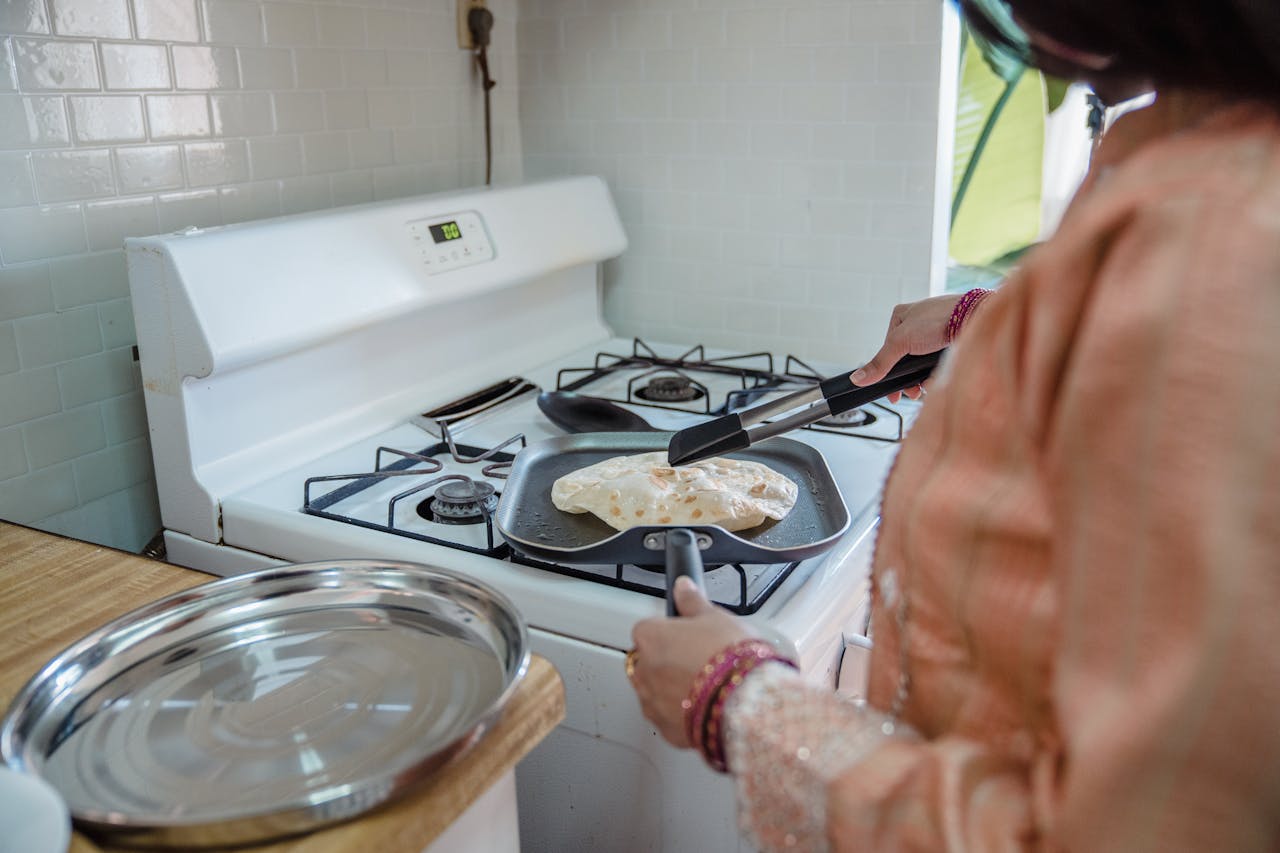
Skipping proper preheat is a quiet way to lose both texture and taste. Food dropped into a lukewarm pan sticks, leaks moisture, and cooks slowly, so chicken skin stays soft and vegetables turn watery instead of browned. The surface never gets the heat that triggers caramelization, and even baking suffers when an oven is not fully up to temperature.
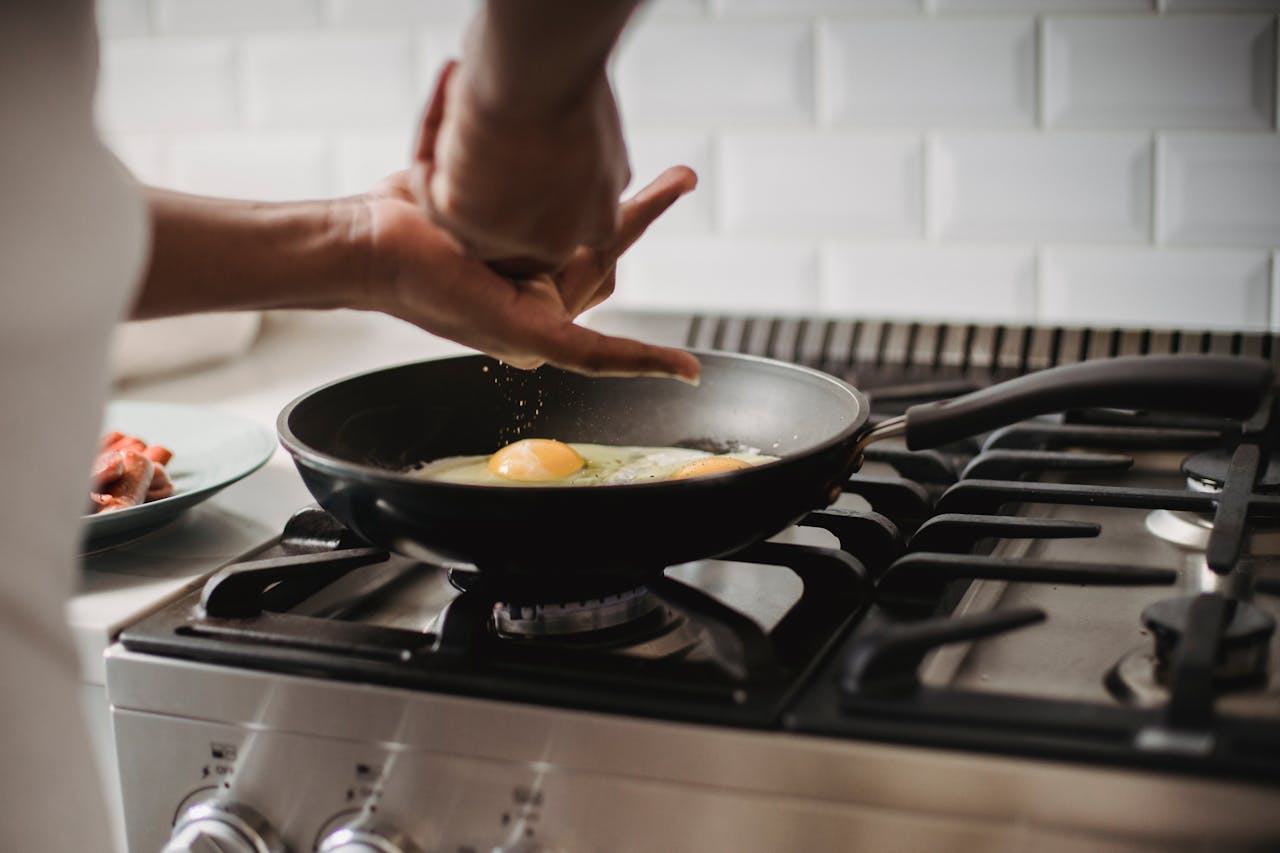
Chefs treat heat like an ingredient. They warm the pan first, then add oil and wait for a shimmer before the first piece goes in. After that, they adjust so the pan stays hot without smoking. A steady sizzle helps fond form and builds roasted notes that make simple food feel complete.
Stirring and Flipping Too Much
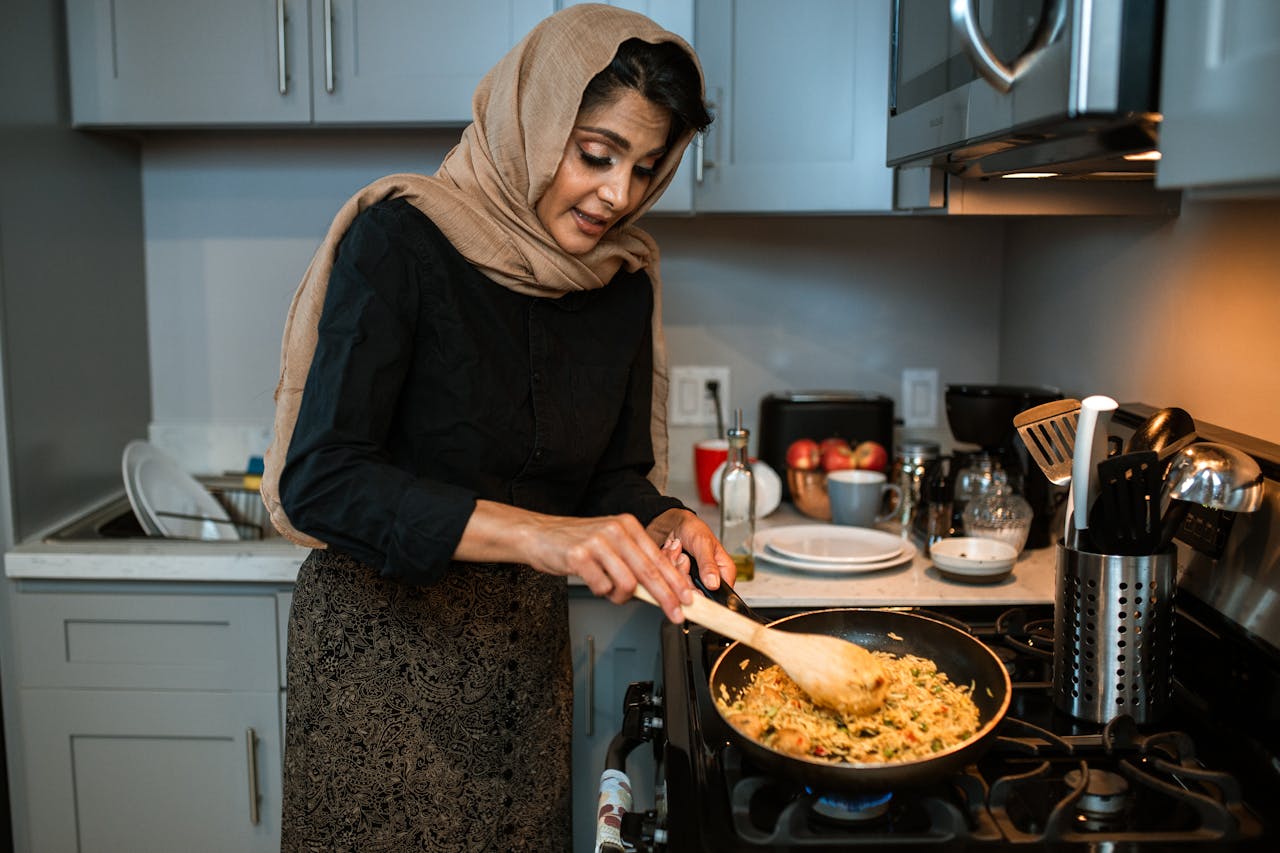
Constant stirring feels productive, but it blocks browning. Color and flavor build when food sits on hot metal long enough to dry out and toast. If meat and vegetables are pushed around every few seconds, steam clings to the surface, crusts never set, and the pan cannot develop fond. Stainless steel, cast iron, and nonstick all reward stillness.
Line cooks move food with purpose, then leave it alone until it releases naturally. They flip once, let the second side color, and deglaze browned bits for depth. That patience creates crisp edges on potatoes, deeper mushrooms, and a richer base for sauces without extra ingredients.
Cutting Into Meat Immediately After Cooking
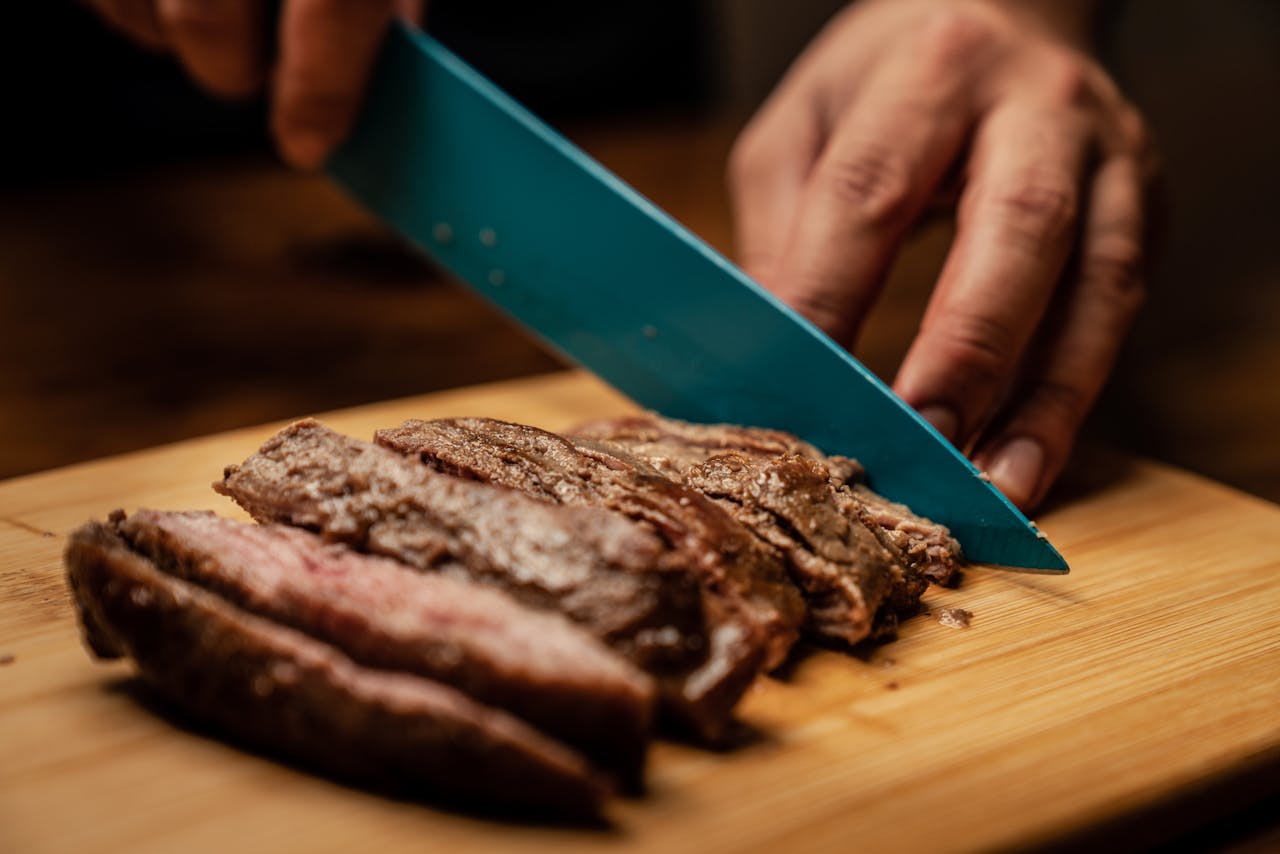
Slicing meat the moment it leaves the heat sends its best flavor onto the cutting board. During cooking, muscle fibers tighten and push juices inward; cut too soon, and those juices rush out, leaving the center drier and the seasoning less evenly carried through each bite. Thick cuts and birds suffer most, because the heat gradient is larger.
Chefs rest steaks, chops, and roasts for several minutes, loosely tented, so carryover heat evens out the center while the fibers relax. A chicken breast may need only five minutes, while a roast wants more. The payoff is juicier slices, a cleaner texture, and drippings that enrich sauce.
Using the Wrong Oil for High Heat Cooking
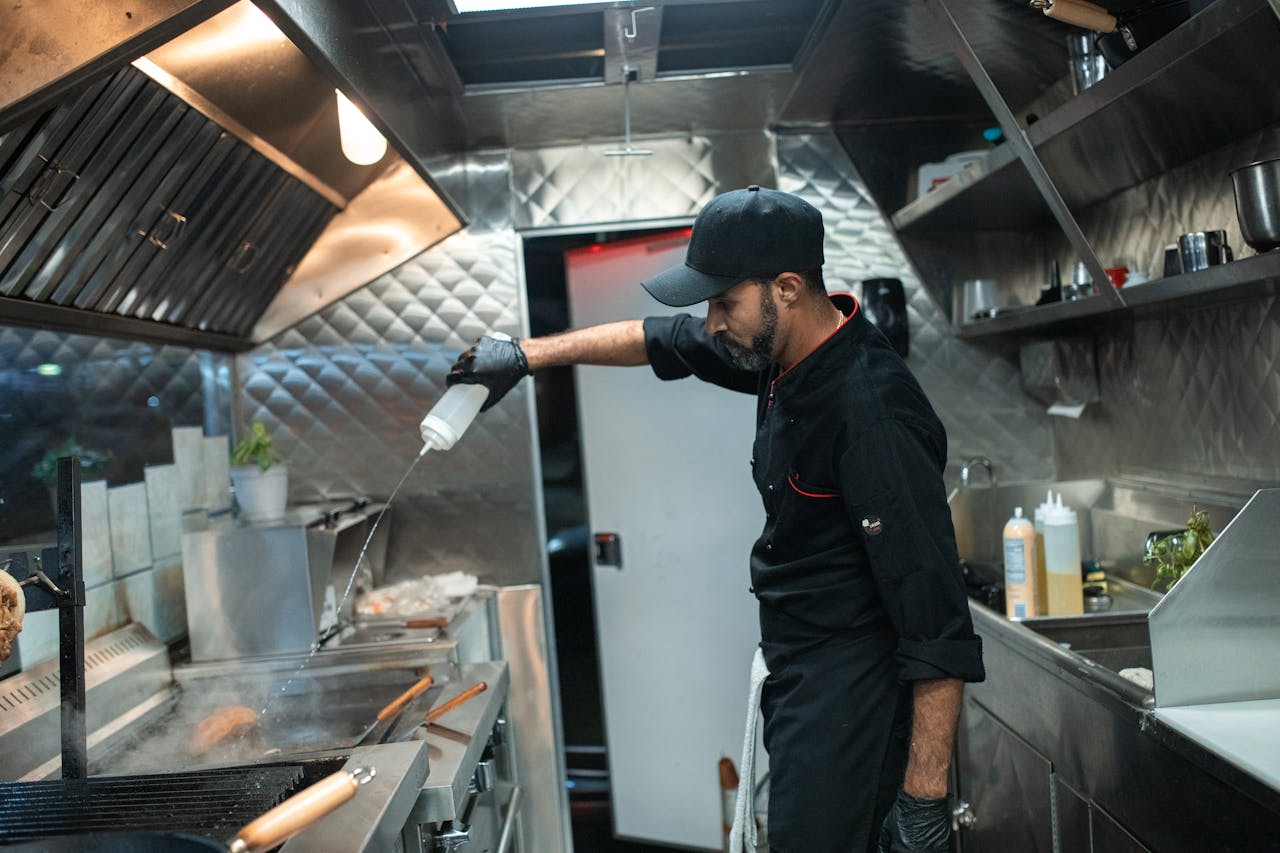
Using the wrong oil for high heat can add a bitter edge before food even browns. Every oil has a smoke point, and once it is exceeded, the fat breaks down, smokes, and leaves acrid flavors that cling to stir-fries, seared fish, and vegetables. Butter can scorch fast, and some unrefined oils darken quickly, so the pan may look fine while the taste turns harsh.
Chefs match the oil to the job. Neutral oils that tolerate high heat work for searing, while extra-virgin olive oil is often saved for lower heat or finishing. If oil starts smoking, many cooks discard it, wipe the pan, and reset rather than layering bitterness into dinner.
Neglecting to Taste and Adjust as You Cook
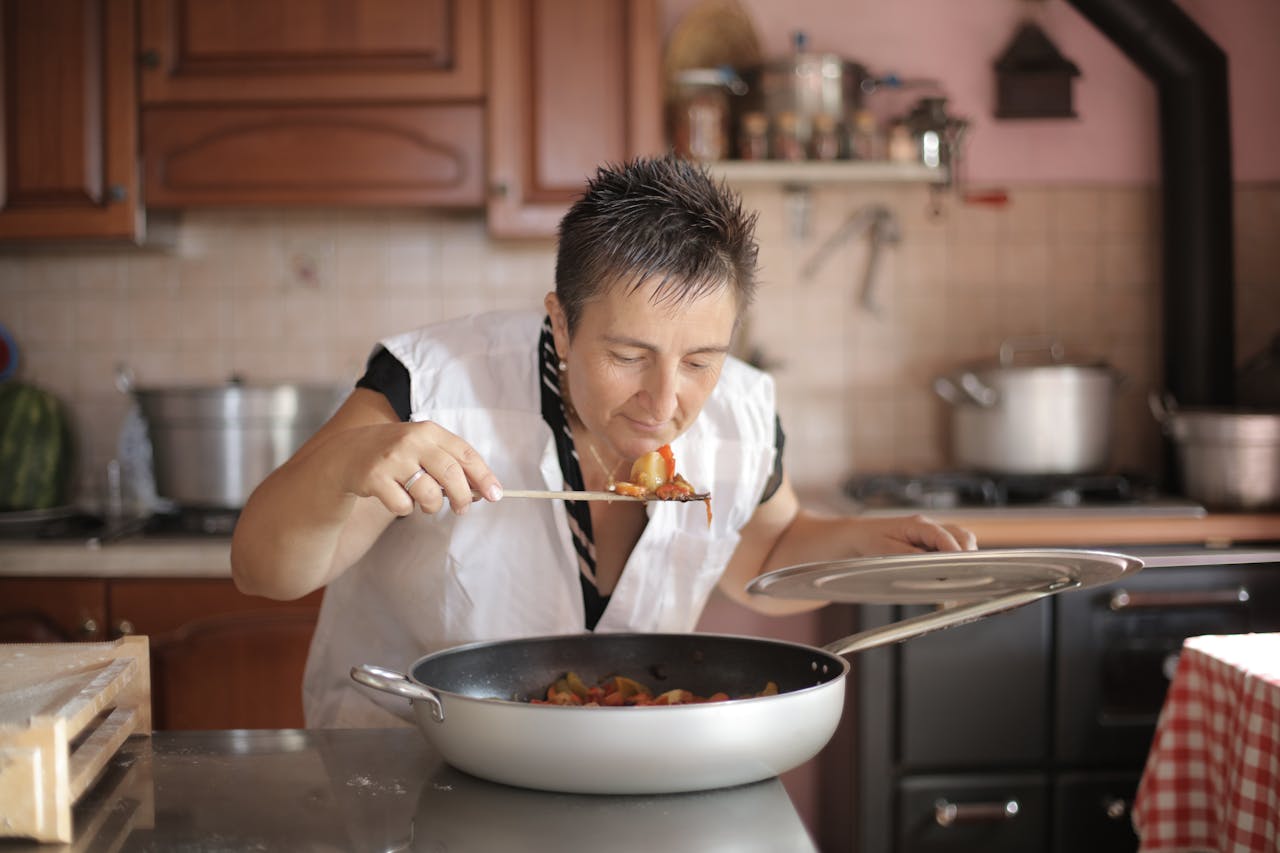
Cooking an entire dish without tasting is how imbalance sneaks in. A sauce can reduce and turn salty, spices can bloom and go sharp, and greens can tip bitter, all while the pot looks perfectly normal. Waiting until plating leaves no room to correct, so meals end up with flat spots that could have been fixed in seconds. Even pasta water benefits from a quick check.
Chefs taste constantly with clean spoons, checking salt, acidity, heat, and texture. Tiny changes made early a splash of stock, a squeeze of lemon, or a pinch of salt, fold into the whole dish and feel natural. Late fixes sit on the surface. It is control, not fussiness.
Skipping the Browning Step to Save Time
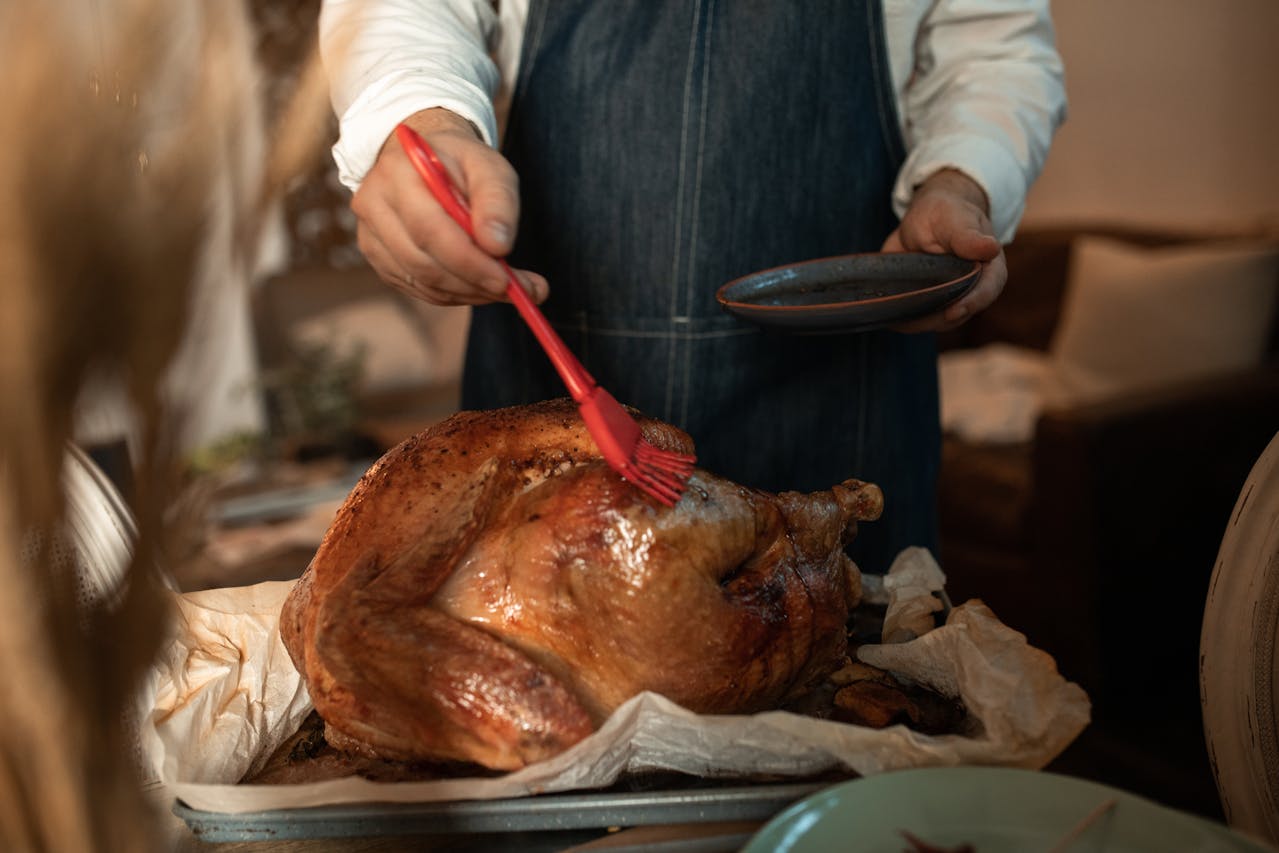
Skipping browning to save time trades depth for speed. When meat, mushrooms, or onions take on real color, they build roasted notes and a dark fond that later melts into sauce. If everything goes into the pot pale and wet, the finished stew tastes thin, no matter how long it simmers. Moisture blocks browning, so surfaces need time to dry.
Chefs sear in a hot pan, often in batches, and pat proteins dry first. They let one side brown, then turn once, and deglaze the browned bits with stock, wine, or tomatoes. Those minutes pay back with richer aroma, deeper color, and a base that makes simple ingredients feel complete.