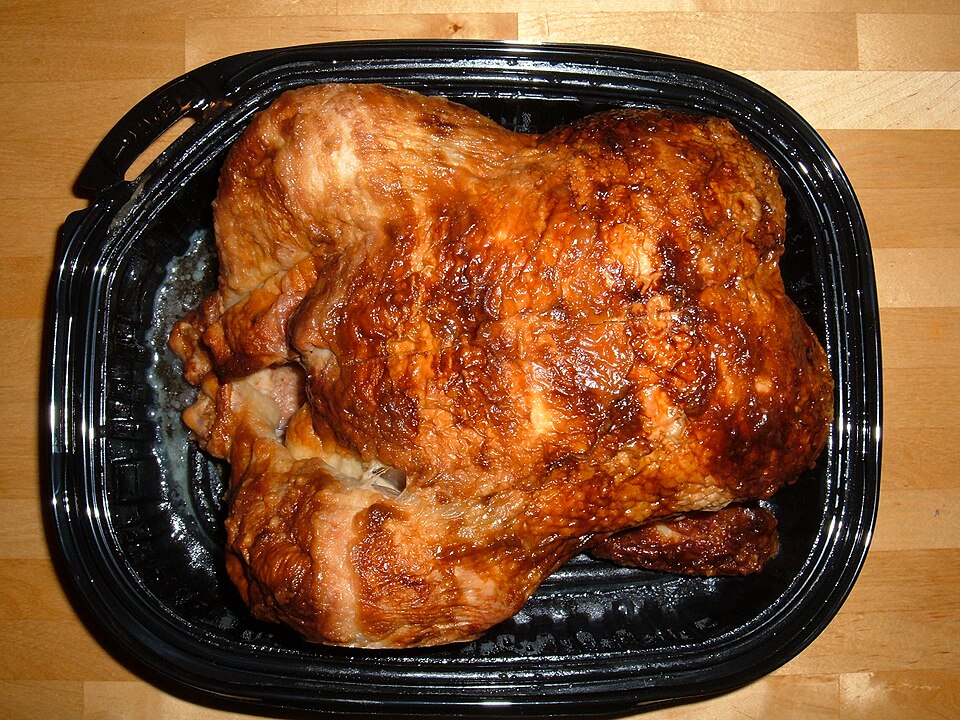
Southern thrift cooking was never about scarcity alone; it was a practical art built from pantry basics, garden greens, and the patience to turn humble ingredients into something worth gathering around. Across porches, church kitchens, and weeknight tables, cooks stretched small amounts of meat, saved drippings, and leaned on slow heat to deepen flavor. Summer gardens fed the pot, winter pantries carried it forward, and every season had a workaround. What endured was food that felt generous even when it started plain, anchored by staples that store well, welcome improvisation, and keep heritage alive one pot at a time.
Stone-Ground Grits
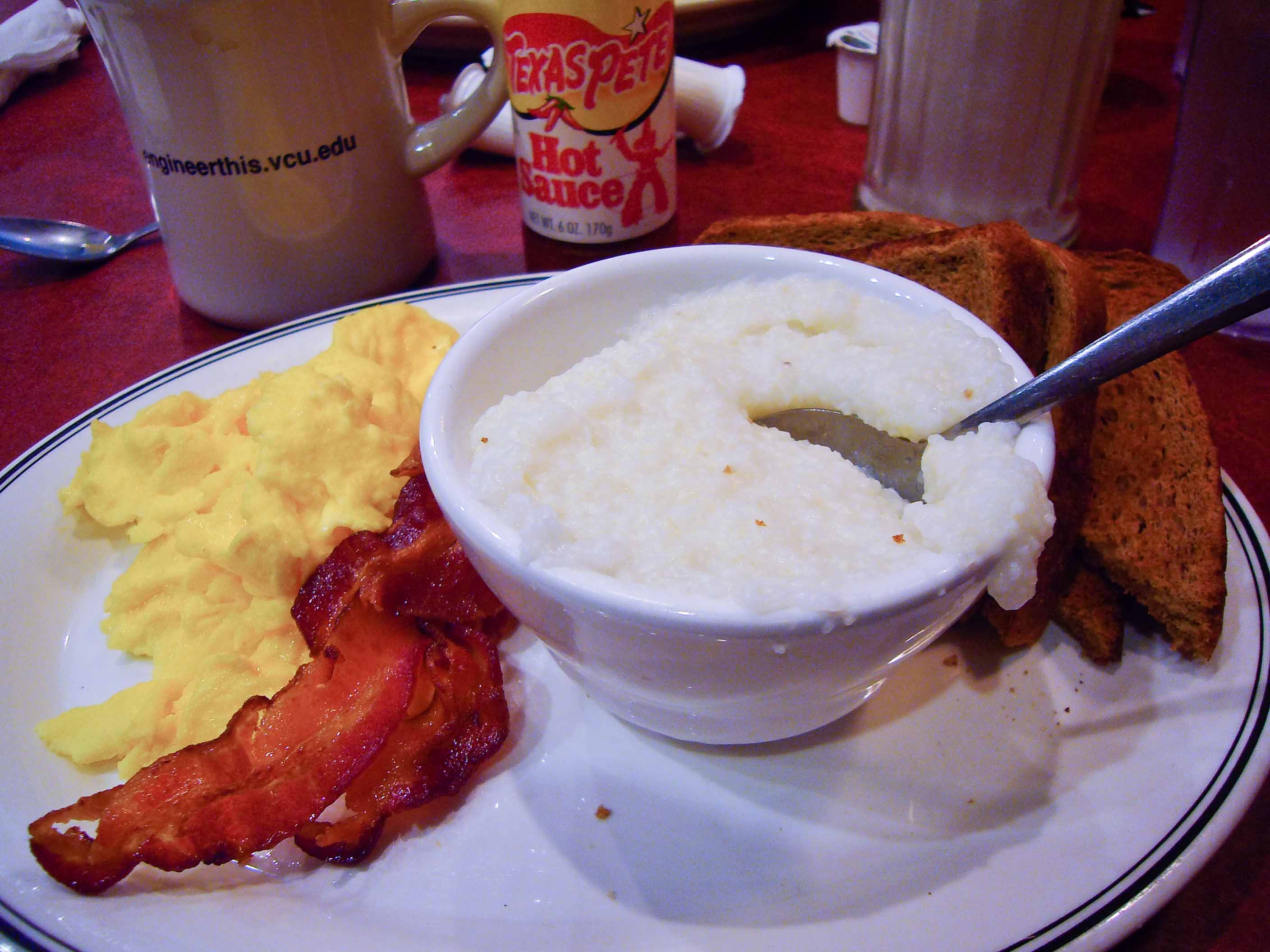
Stone-ground grits keep returning because they are affordable, forgiving, and tied to the South’s oldest corn traditions, from mill towns to family breakfast tables, and they feed a crowd from one modest pot. A long, gentle simmer in water or stock coaxes a nutty sweetness from coarse grain, and leftovers firm up for pan-fried grit cakes that stretch eggs, stewed tomatoes, a few shrimp, or yesterday’s pulled pork into a full supper. Finished with butter, sharp cheese, cracked pepper, or a splash of pot liquor from greens, grits carry thrift and ceremony, weekday comfort and Sunday pride, in the same warm bowl every time.
Long-Grain Rice
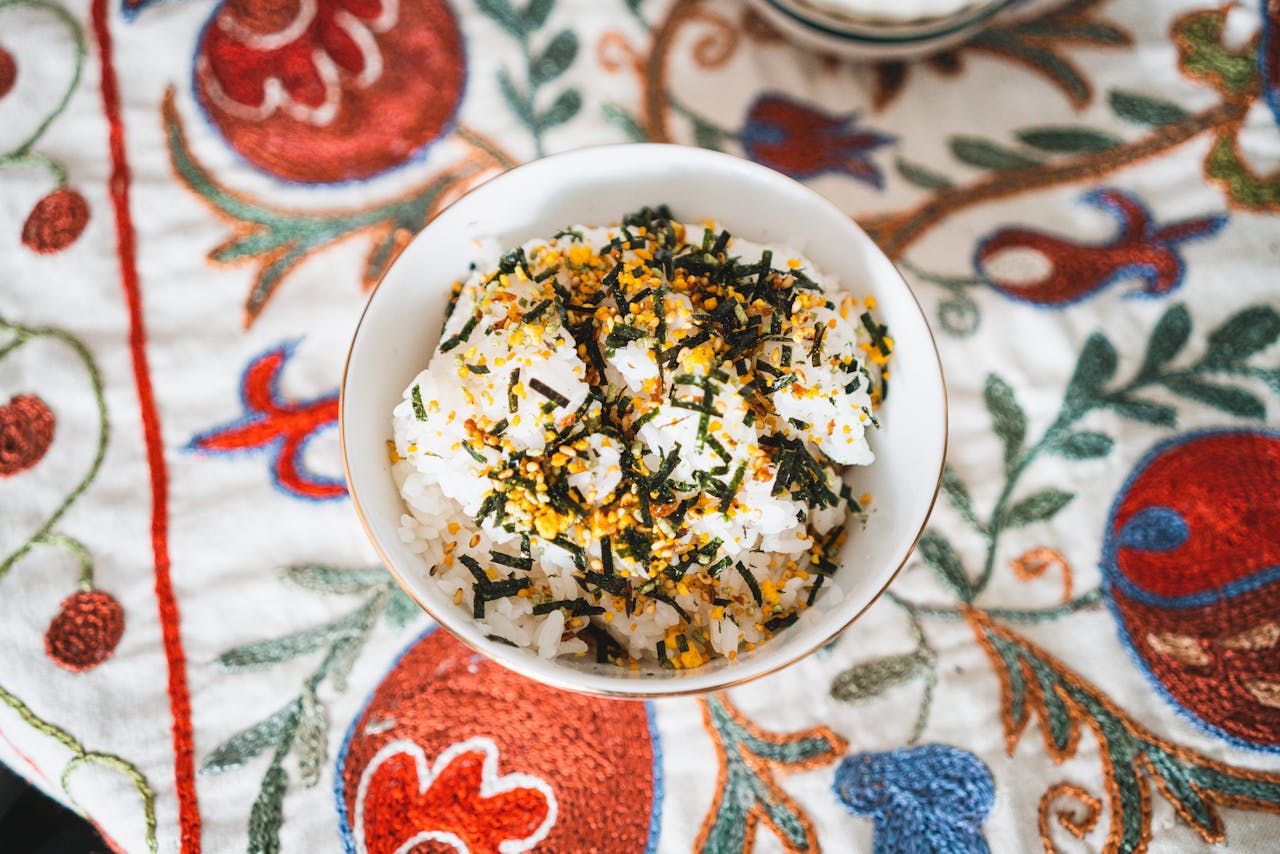
Long-grain rice endures as a Southern staple because it is inexpensive, dependable, and built for leftovers, especially in coastal and Lowcountry kitchens where rice has long anchored the table and absorbed whatever the season offered. It turns pot liquor from greens, tomato gravy, or bean broth into a full plate, and it welcomes whatever is on hand, from sautéed okra and onions to shredded chicken, bits of smoked sausage, or a single fillet of fish flaked through at the end. Cold rice becomes tomorrow’s fried rice, rice pudding, stuffed peppers, or a skillet casserole that stretches quietly and tastes better on day two.
Canned Tomatoes
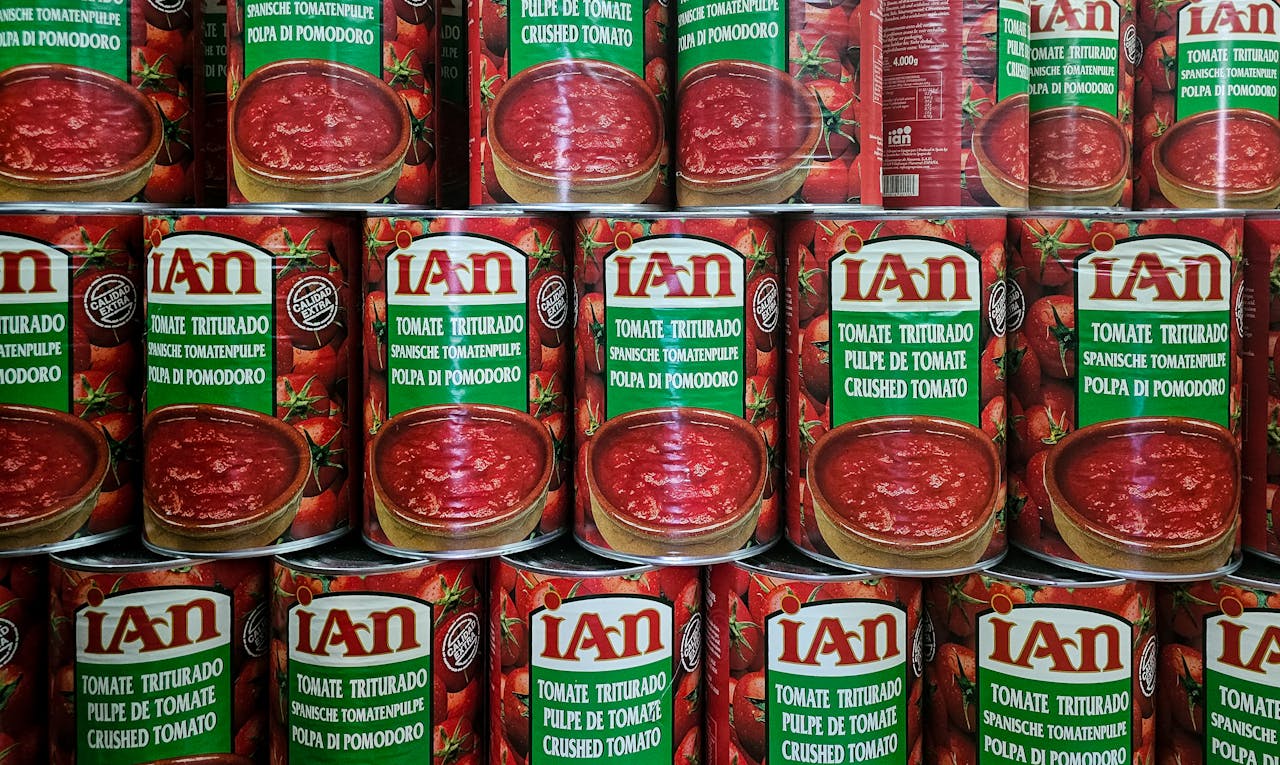
Canned tomatoes bring peak-season flavor into winter kitchens, and they do it at a price that fresh tomatoes rarely match outside summer, which is why so many Southern pantries keep a few cans lined up. Diced, crushed, or turned into paste, tomatoes build the base for red gravies, okra stews, and smothered meats, adding acidity and body without expensive cuts, while the juice loosens browned bits into a sauce that tastes patiently tended. Folded into rice, spooned over cornbread, or simmered with eggs and peppers, tomatoes balance smoky pork, revive leftovers, and keep thrift meals bright, savory, and full of purpose.
Collards, Mustard, and Turnip Greens
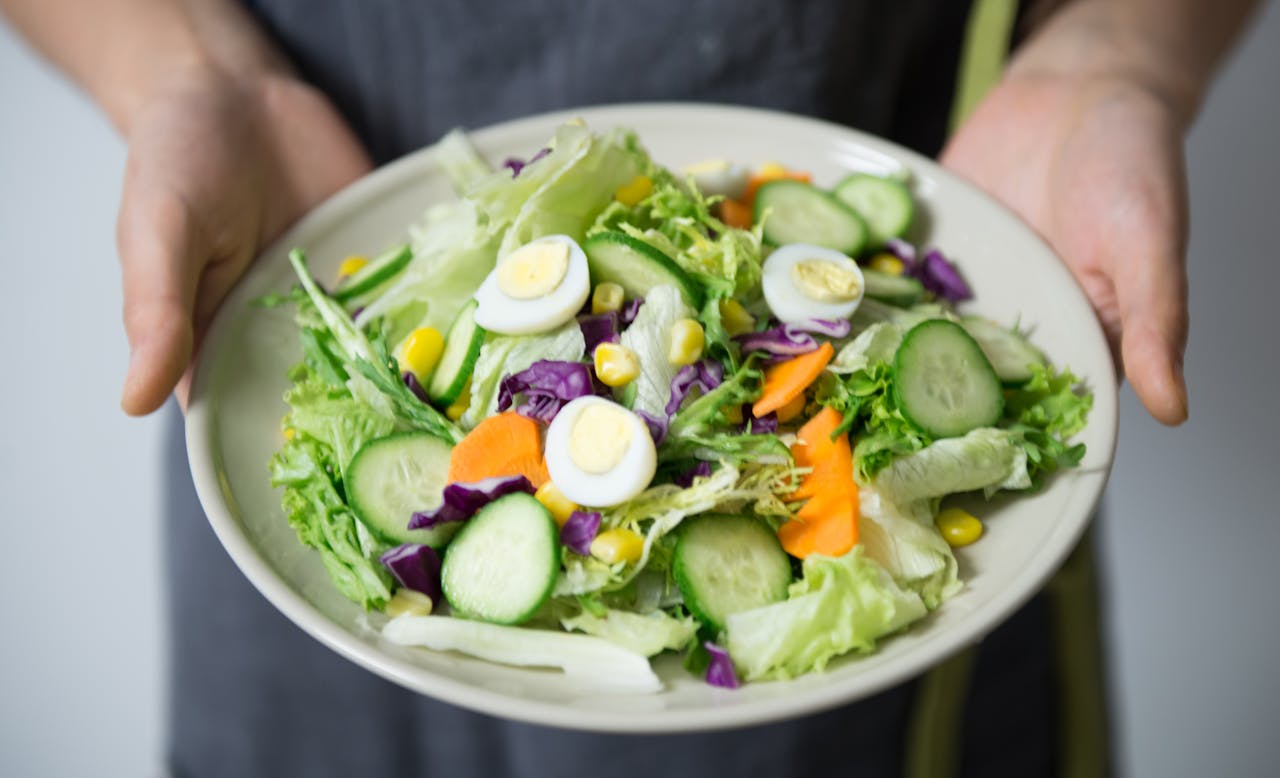
Collards, mustard greens, and turnip greens are thrift favorites because a modest bunch becomes a generous pot, and the flavor improves with time rather than expense, serving the table more than once. After a good wash, long braising with onion, garlic, and a touch of smoked meat builds pot liquor that seasons rice, beans, and cornbread, so the cooking liquid is treated like an ingredient, not a byproduct, and nothing on the stove is wasted. A splash of vinegar or pepper sauce at the end lifts the bitterness, and the greens reheat beautifully, carrying the memory of gardens and Sunday tables into ordinary nights.
Okra
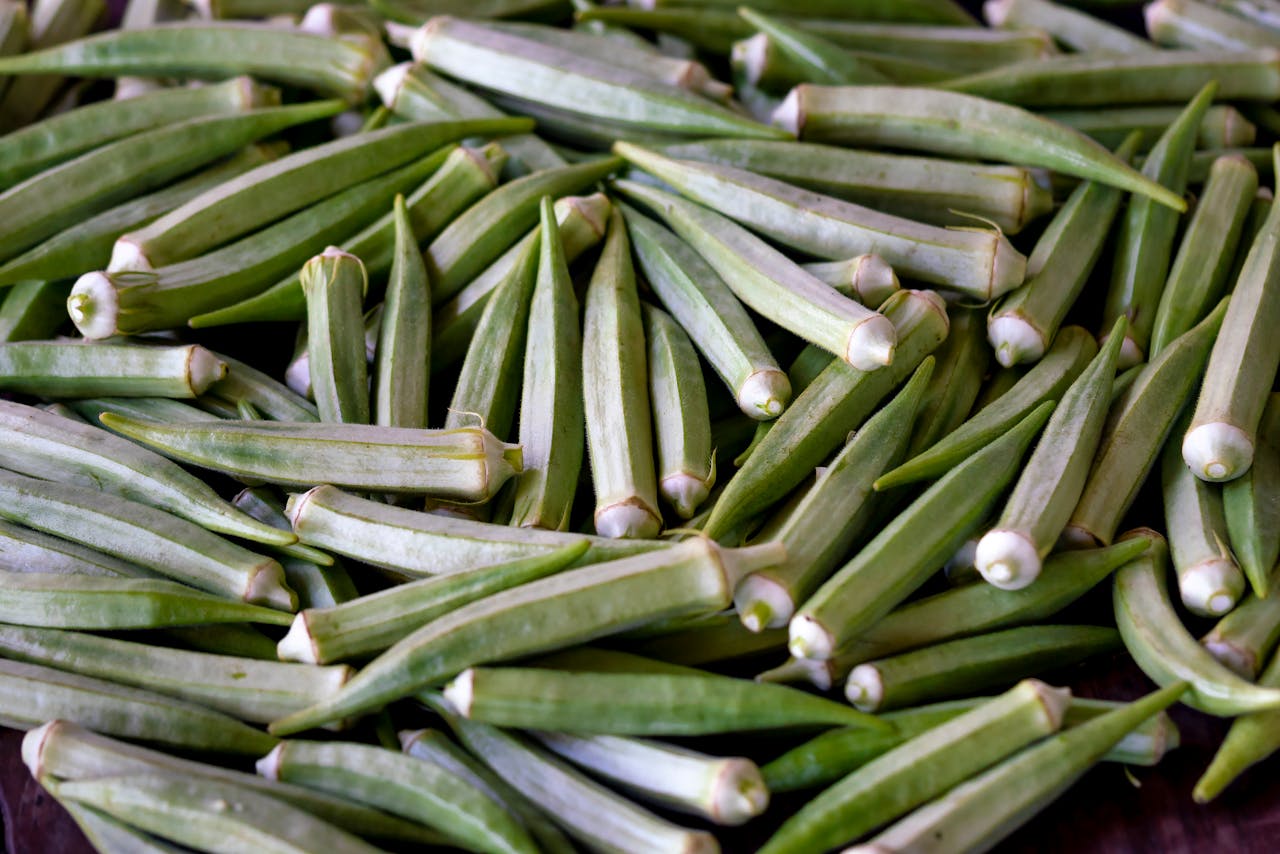
Okra is a budget-friendly thickener and a summer workhorse, used fresh, frozen, or dried, and it shows up everywhere from gumbo to skillet sautés, often bought in bulk when farm stands overflow. Its silky texture binds stews without flour, and cooks manage it with technique: quick sears for crisp edges, gentle simmers for body, or pickling for a bright snack, while a cornmeal dredge turns sliced pods into crunchy bites that make a simple supper feel complete. Paired with tomatoes, onions, and smoky pork, okra delivers that unmistakable Southern mix of comfort, brightness, and thrift without much else in the pantry.
Sweet Potatoes
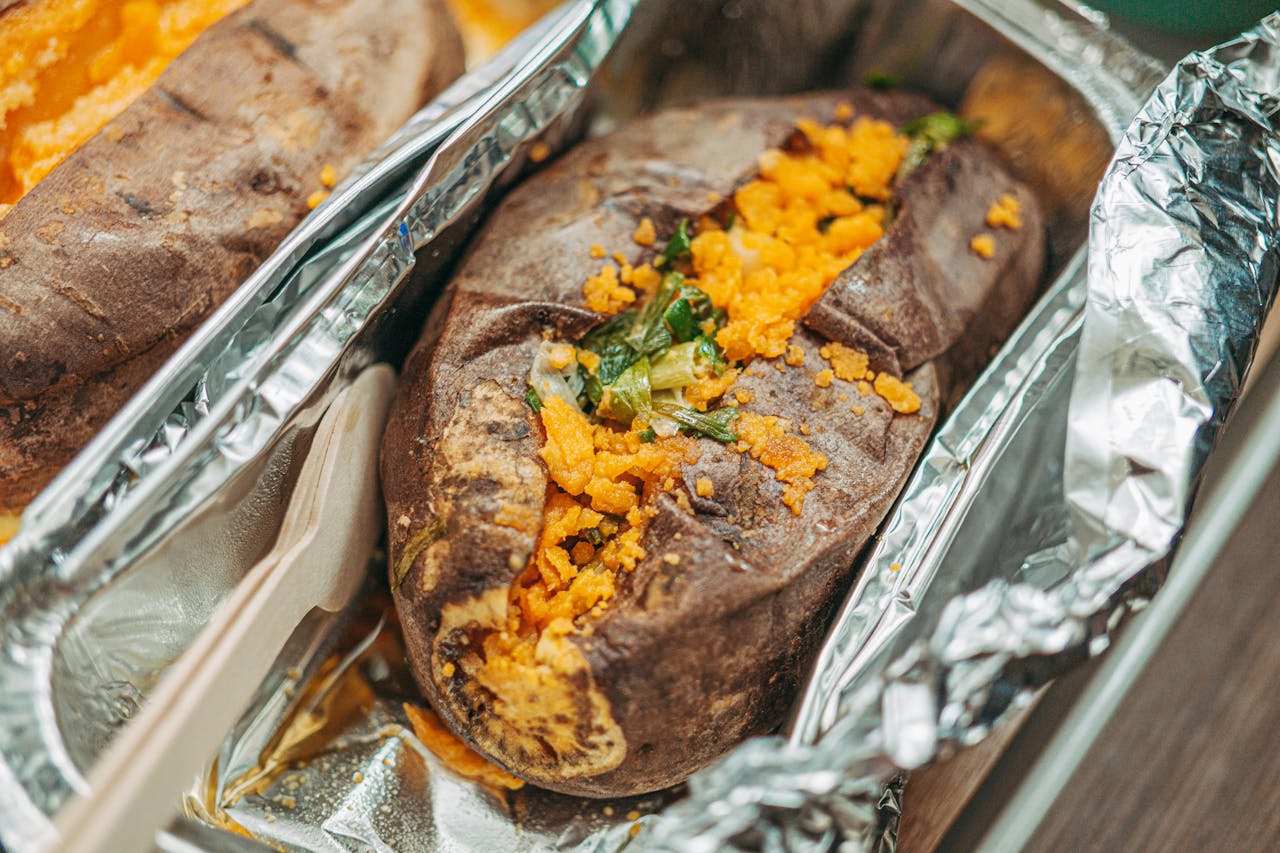
Sweet potatoes are naturally sweet, filling, and often cheaper than baking potatoes, especially in cooler months when they store well and show up in roadside bins, farmers markets, and grocery displays by the sack. They roast into caramelized wedges, mash into a silky side, or simmer into soups that taste rich without cream, and leftovers fold into biscuits, pancakes, or skillet breads, stretching breakfasts and lunches while using what is already cooked. Baked and split with beans, greens, or pulled pork, they bridge sweet and savory, keeping thrift cooking aligned with farm seasons and home-style flavor all year.
Smoked Ham Hocks and Neck Bones
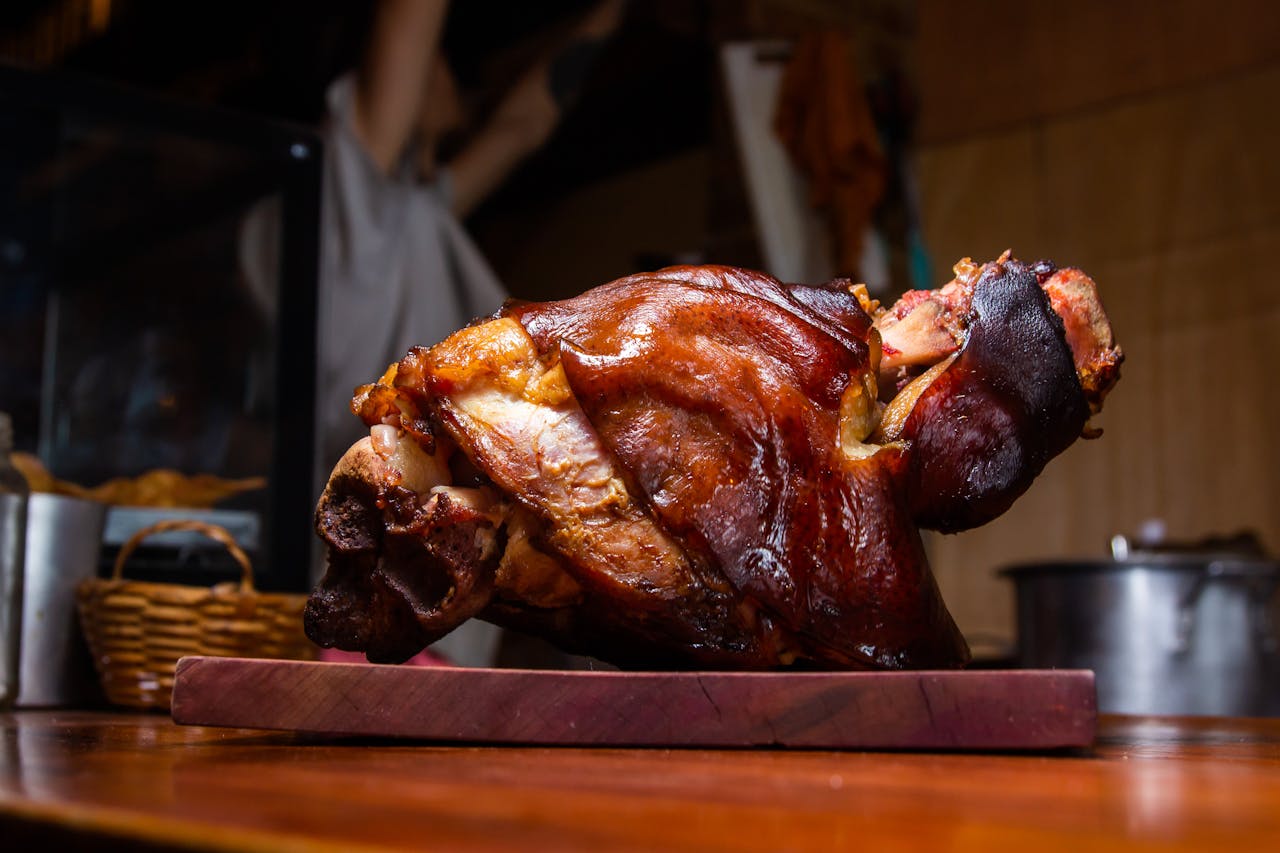
Ham hocks and neck bones stay in rotation because a small piece perfumes an entire pot, turning beans and greens into something deeply savory at low cost, even when the pot starts vegetables, and they are easy to find in Southern groceries. A long simmer pulls out smoke and collagen, and cooks often skim the surface as it goes, letting the broth deepen into a silky base for peas, cabbage, and soup beans, while the tender meat becomes a bonus garnish for rice, cornbread, or vegetable stew. Used with restraint, smoked pork adds richness and honors the old habit of making every ounce count, then making the broth count again.
Chicken Backs, Necks, and Gizzards
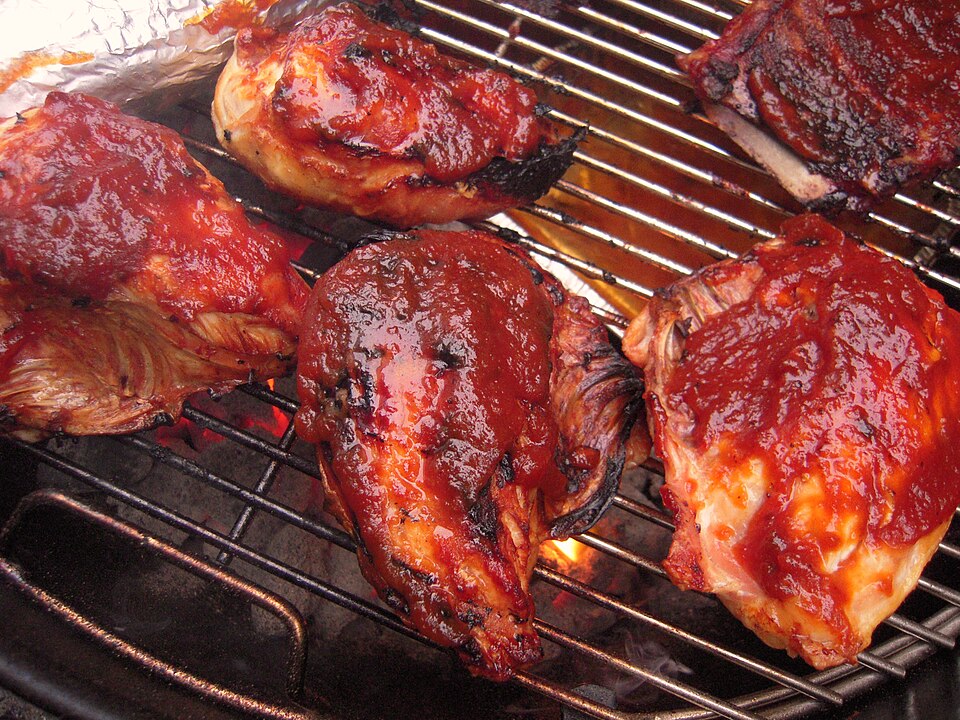
Less glamorous chicken parts, like backs, necks, and gizzards, have long been priced for thrift, yet they build the kind of flavor that packaged broth tries to copy, especially when they are browned first for depth. A slow pot with onion, celery, and bay creates stock for dumplings, rice, and gravies, and the tender bits can be picked into dressing, chicken and rice, or a pan of smothered vegetables, stretching one bird across several meals without tasting repetitive. Cleaned well, simmered gently, and seasoned with pepper, these cuts turn into comfort food that feels humble, but never second-rate at the table, too.
Buttermilk
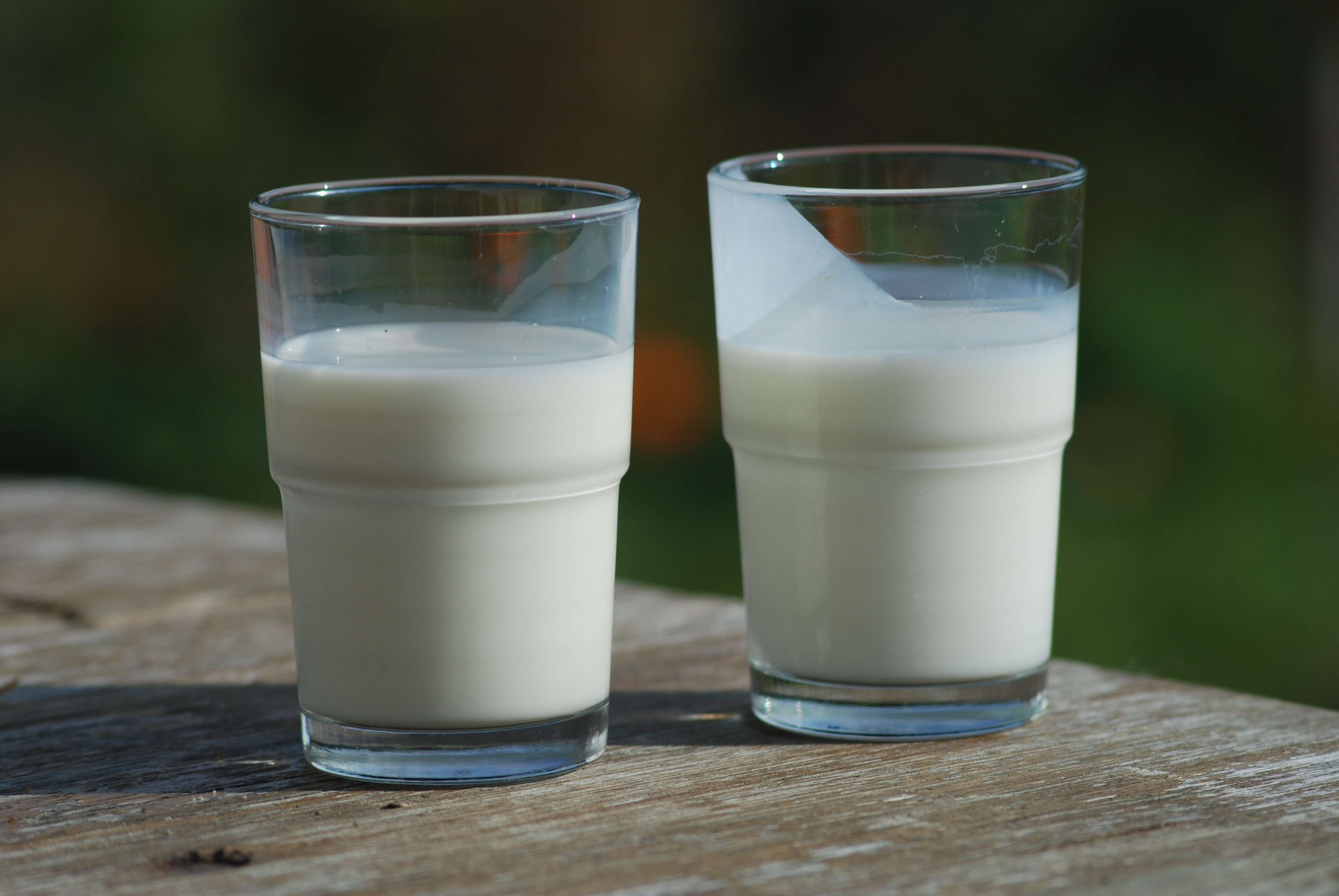
Buttermilk is a small purchase that changes whole kitchens, lending tang, tenderness, and lift to biscuits, pancakes, cornbread, and simple sheet cakes, all while stretching a bag of flour into something that feels special. It also works as a gentle marinade for chicken, helping inexpensive cuts stay juicy, and it turns into quick dressings with nothing more than salt, pepper, and herbs, or a chilled bowl with cucumbers when summer heat makes the stove feel heavy. In thrift cooking, buttermilk is less a luxury than a reliable shortcut to that old, bakery-soft crumb, plus a flavor that tastes unmistakably home always.
All-Purpose Flour
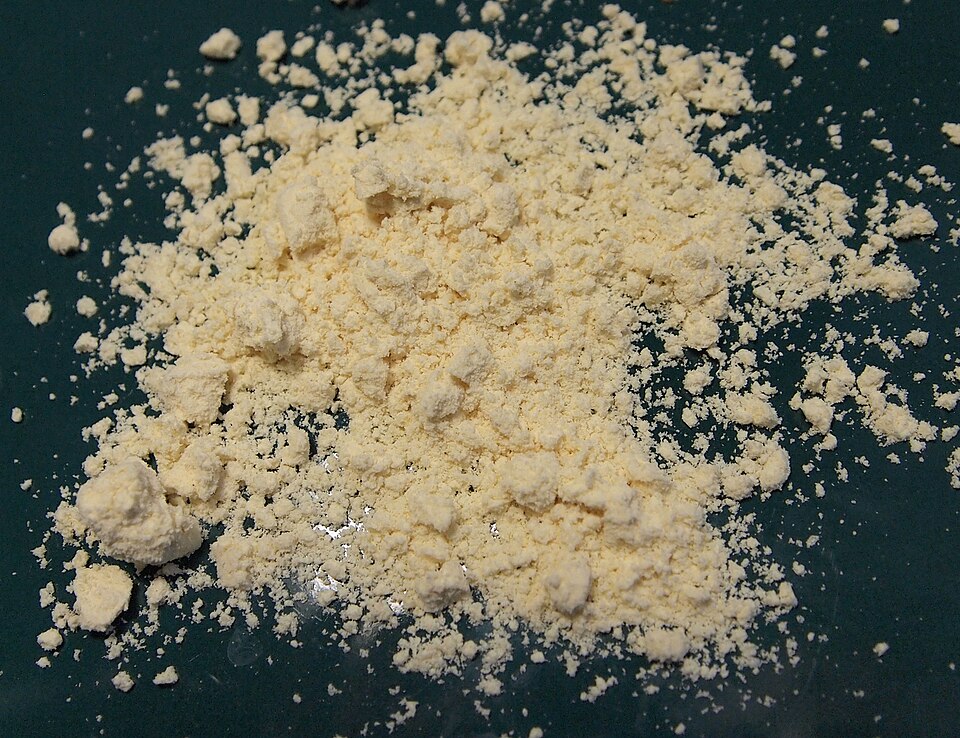
All-purpose flour looks plain, but it is the backbone of Southern thrift cooking, shaping biscuits, dumplings, roux, and quick skillet gravies from almost nothing, and it keeps well enough to be a true pantry anchor. Flour thickens braises, turns pan drippings into sauce, and creates a crisp dredge for fried okra, catfish, or chicken, so inexpensive ingredients still land on the plate with texture and care. With a little baking powder or a spoon of cornmeal, flour becomes drop biscuits, cobbler crust, or dumpling dough, the quiet helper that makes home cooking feel settled even when time runs short and fridge looks bare.
Peanuts
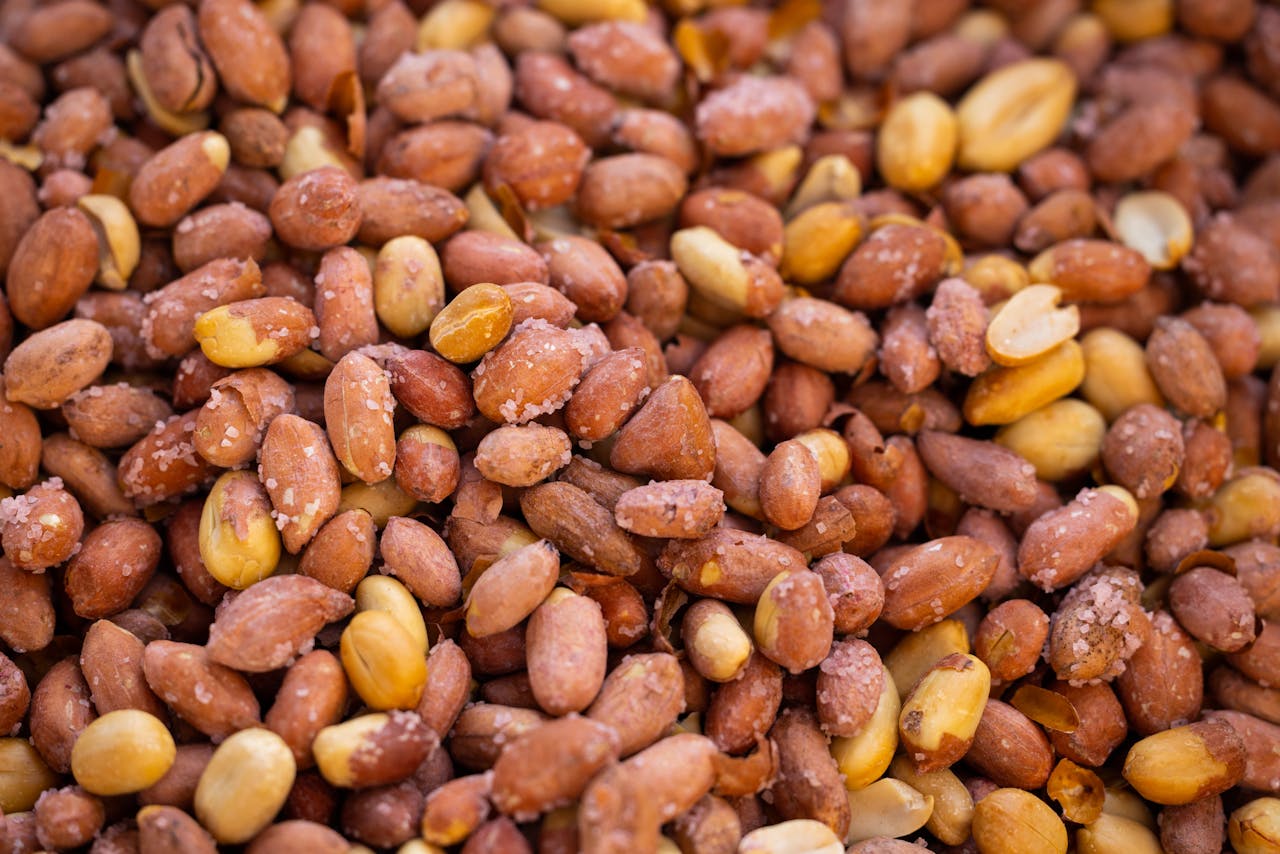
Peanuts are affordable protein with deep Southern roots, and they travel easily from snack to supper without much extra work, showing up at ballgames, road trips, and kitchen counters in the same week. Boiled peanuts turn raw nuts into something soft, salty, and communal, while roasted or chopped peanuts add crunch to greens, stews, and simple desserts, and peanut butter can thicken sauces or sweeten a pan of oats when the pantry runs thin. In peanut country, the ingredient bridges field and table, and its sweet-salty richness reminds cooks that luxury is often just good seasoning and smart use on hand, at home too.
Apple Cider Vinegar and Pepper Sauce
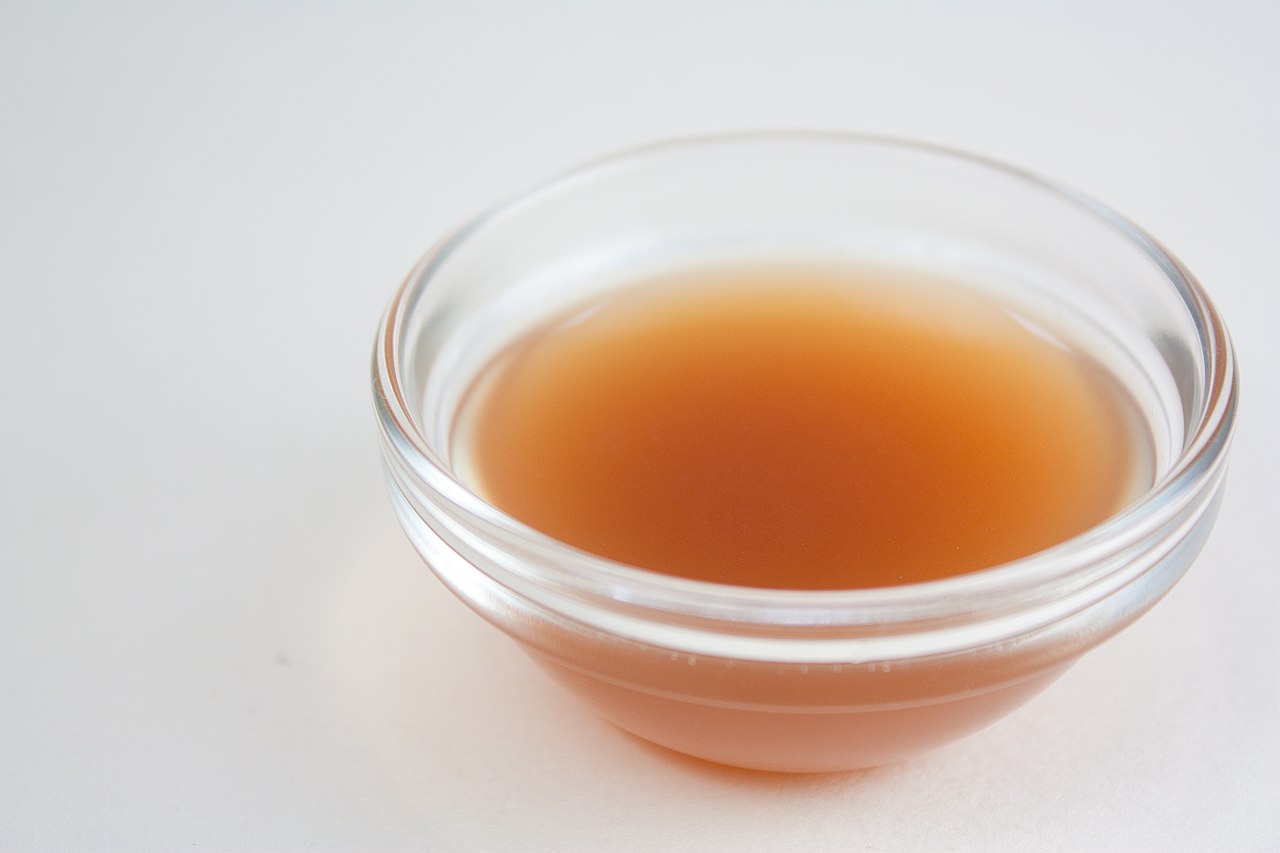
A bottle of apple cider vinegar, sometimes steeped with peppers, is one of the cheapest ways to wake up slow-cooked food without adding cost, and it lasts long enough to become a permanent fixture near the stove. A few splashes brighten beans, greens, and rich meats, cutting heaviness and sharpening flavors that long simmers can blur, and vinegar also anchors quick pickles, slaws, and peppery sauces that stretch fried fish, pork, and hushpuppies. That clean tang at the end is part of the region’s signature, a small ritual that keeps thrift cooking lively, balanced, and never dull, even when the pot started plain.