
A home inspection rarely reveals one big surprise. More often, it reads like a familiar pattern: small problems, skipped upkeep, and quick fixes that aged poorly. Inspectors see the same weak spots across decades of construction: water that drains toward the foundation, air that cannot vent, and aging parts pushed past their service life. None of it means a house is doomed. It means homes react to rain, freezes, and heat, and the report becomes a map for priorities, budgets, and calmer decisions. The most useful takeaway is not fear. It is knowing which fixes protect structure and safety first and which can wait for later.
Drainage That Sends Water Toward the Foundation
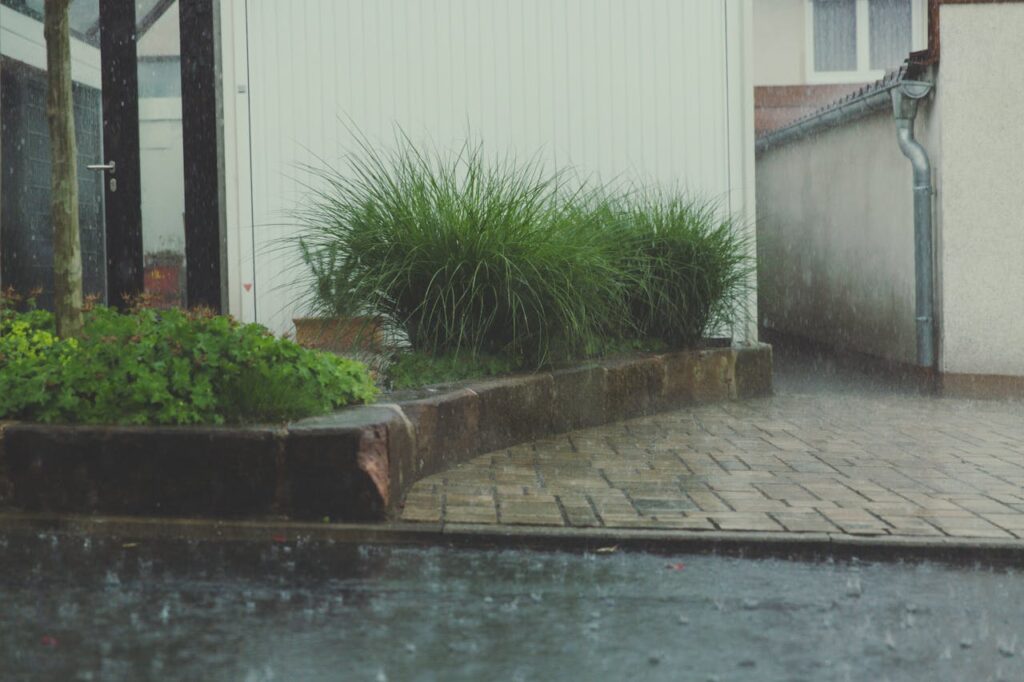
Water around a house is never neutral, and inspectors talk about drainage first for a reason. They often find soil that slopes toward the foundation, downspouts that dump too close, or gutters that overflow during a storm. Patios and walks can also tilt back toward the siding after years of settling.
When water lingers, basements and crawl spaces stay damp, paint blisters, and wood trim begins to soften at the edges. In colder climates, thaw cycles turn small cracks into wider pathways for moisture. The most common fix is also the least glamorous: regrading, extensions, and gutter tuning that send runoff away before it gets a vote.
Roof Flashing and Gutters That Let Water Sneak In
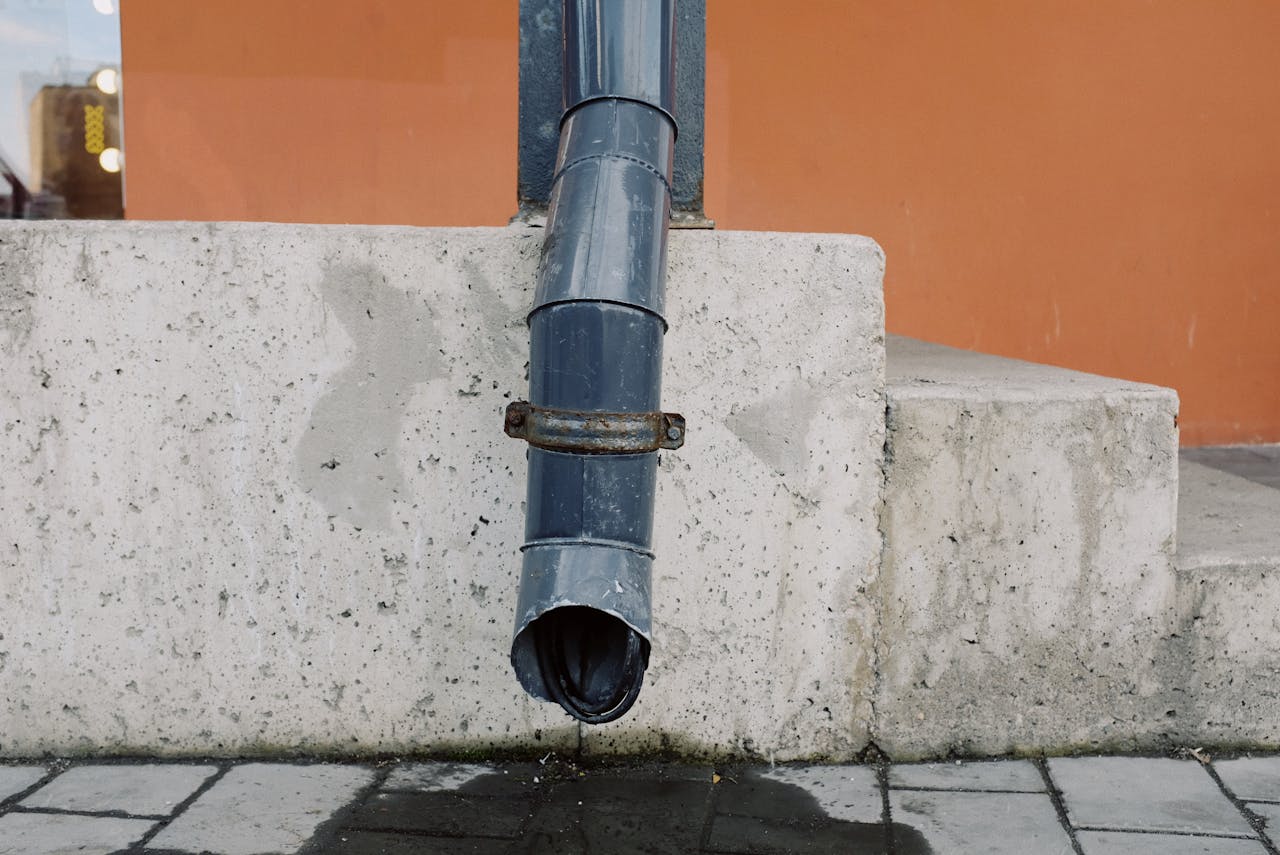
Roof problems rarely start with missing shingles. Inspectors more often spot tired flashing around chimneys and vents, nails that worked loose, or valleys clogged with debris. On older roofs, granules in gutters and uneven shingle edges hint at a surface nearing the end of its run.
Those weak points let water slip under the surface, where it darkens sheathing and stains ceilings weeks later. A quick attic look can reveal damp plywood or rusty fasteners before the living room shows anything. Clean gutters, sealed penetrations, and a post-wind check keep small leaks from growing during the next rainy stretch for months.
Attic Ventilation Gaps That Skew Comfort
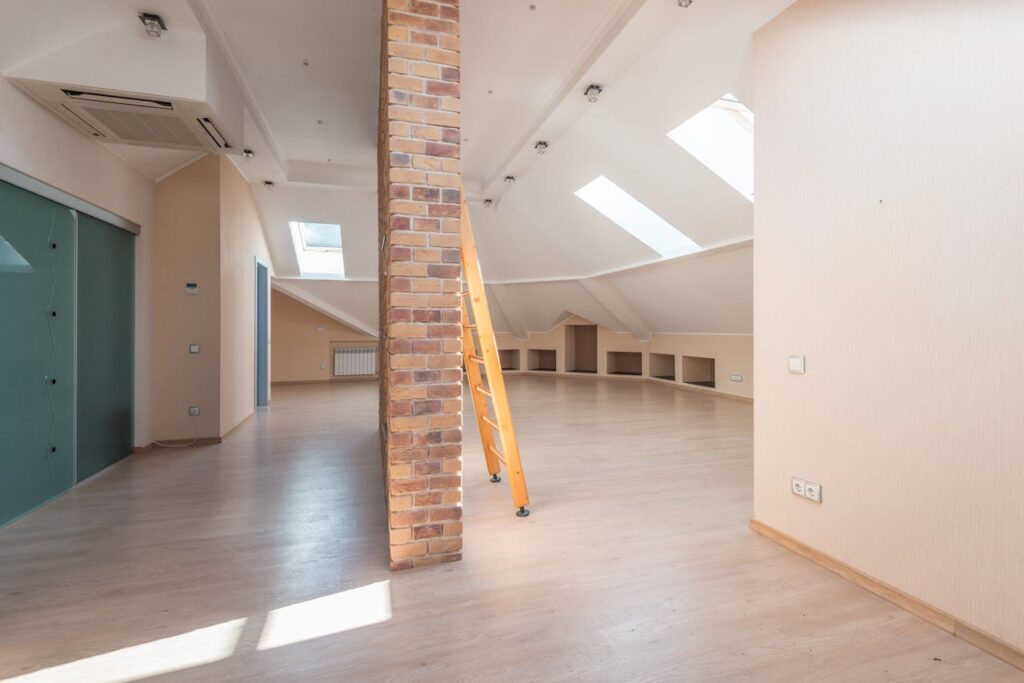
Attics tell the truth about comfort and energy use. Inspectors often find blocked soffit vents, bathroom fans that terminate into the attic, or insulation pulled back by past repairs. Recessed lights and hatch doors are common air-leak spots that were never sealed well.
Poor ventilation traps heat in summer and moisture in winter, which can warp roof decking and leave frost lines near nails. That same imbalance can show up outside as icicles and wet roof edges after a freeze-thaw week. Better airflow, properly ducted fans, and careful air sealing usually deliver the fastest payoff, along with rooms that finally feel even all year.
Slow Leaks and Aging Plumbing Connections

Plumbing issues show up as hints, not floods. Inspectors notice slow drains, patched ceiling spots, loose toilets, or corrosion on shutoff valves under sinks. In older homes, galvanized supply lines and aging traps can narrow with buildup and start leaking at threads.
Water heaters are frequent repeat offenders, especially when the pan is missing, the T&P relief pipe is wrong, or the unit is past its expected service life. Small drips at the shutoff, flexible connectors, and laundry valves often get ignored. Catching them early, labeling shutoffs, and upgrading tired hoses prevents cabinet damage and emergency weekends.
Electrical Shortcuts That Keep Reappearing

Electrical findings are usually about small shortcuts that add up. Inspectors commonly see missing GFCI protection near sinks, loose outlets that wobble, or junction boxes left uncovered after a repair. Older homes may still have two-prong receptacles or ungrounded circuits in updated rooms.
In panels, double-tapped breakers, mixed wire sizes, and weak labeling make future work harder and can point to years of piecemeal changes. Sometimes the service is simply undersized after additions or new HVAC. A licensed electrician can correct most items quickly, and the payoff is safer daily use, not new features with clear records.
HVAC Neglect That Shows Up on Day One

Heating and cooling systems fail quietly before they fail loudly. Inspectors often find dirty filters, rust in the furnace cabinet, or an outdoor condenser choked by plants, lint, and clippings. Service tags sometimes show long gaps, which matters when equipment is already 12 or 15 years old.
Condensate lines can clog, drain pans can overflow, and supply registers get closed for years, starving rooms of airflow. Leaky ducts in an attic or crawl space also waste comfort, especially in humid summers. Regular tune-ups, clean coils, and basic balancing extend equipment life and reduce the odds of a breakdown on a brutal weather week.
Foundation Clues That Need Context
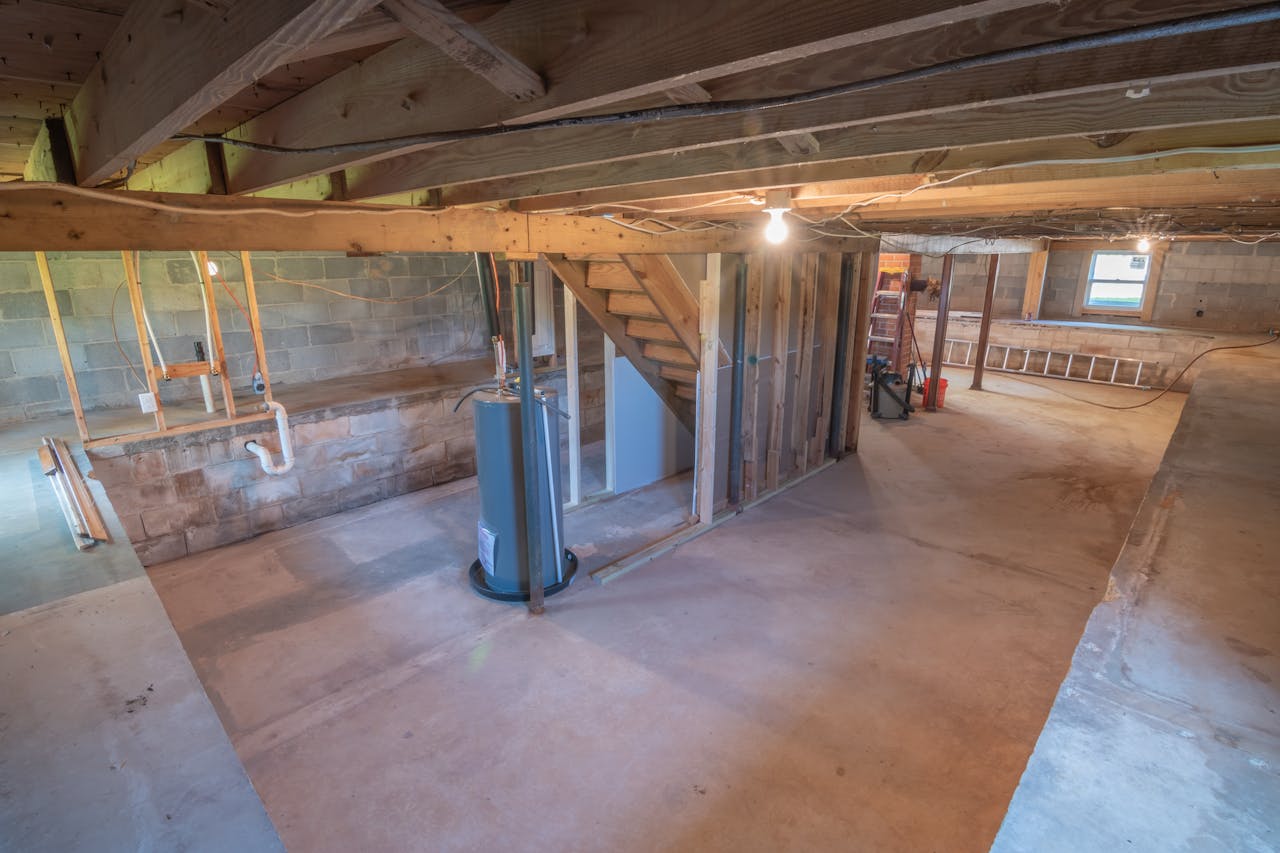
Cracks in concrete worry buyers, but inspectors focus on patterns. Hairline shrinkage cracks and surface checking are common, especially near control joints and corners. Wide, stepped cracks, bowing walls, or fresh paint meant to hide stains deserve a slower look.
Sticking doors, sloped floors, and gaps at trim can come from normal settling, yet they can also signal ongoing movement tied to drainage, tree roots, or expansive soils. The smart approach is documentation: photos, measurements, and a note about whether the crack changes after wet seasons. When the story is unclear, a structural engineer can put numbers to the risk.
Windows and Doors That Leak Air and Water

Windows and exterior doors reveal how a house handles air and water. Inspectors routinely find cracked caulk, failed weatherstripping, or trim boards painted for years but never sealed on the back. Missing flashing above a window can let rain track behind siding.
The result is drafts, fogged glass, and soft sills that invite more repair later. Thresholds can sink, and locks can misalign, turning a simple door into a daily hassle. Sometimes the fix is a careful re-seal and adjustment; sometimes it is replacing a few units that no longer operate safely, which can also steady heating and cooling costs over the long run.
Moisture and Pest Pathways Around Wood

Wood and pests often intersect in quiet places. Inspectors look for earth-to-wood contact, damp sill plates, and stacked firewood against siding, all of which invite termite and carpenter ant activity. Overgrown shrubs can hide damaged trim and keep surfaces wet.
In attics and crawl spaces, droppings, gnaw marks, and torn insulation suggest mice or squirrels found an entry point at vents, pipes, or garage corners. The fix is usually a mix of exclusion and moisture control, not endless traps. Sealing gaps, storing wood away from the house, and keeping mulch below siding lines lowers the chance of repeat visits and repair bills.
Small Safety Fixes With Big Payoff

Safety items seem small, which is why they get missed. Inspectors regularly note missing smoke or carbon monoxide alarms, loose handrails, and steps with uneven risers that make a stumble more likely. In garages, older door openers may lack modern auto-reverse features.
Bathrooms without a working exhaust fan, dryer vents packed with lint, and decks with wide baluster gaps show up across price ranges. In some regions, water heaters also need proper bracing and a correct discharge tube. These fixes are usually inexpensive, and they change the feel of a home fast by lowering everyday worry for families, guests, and older relatives.