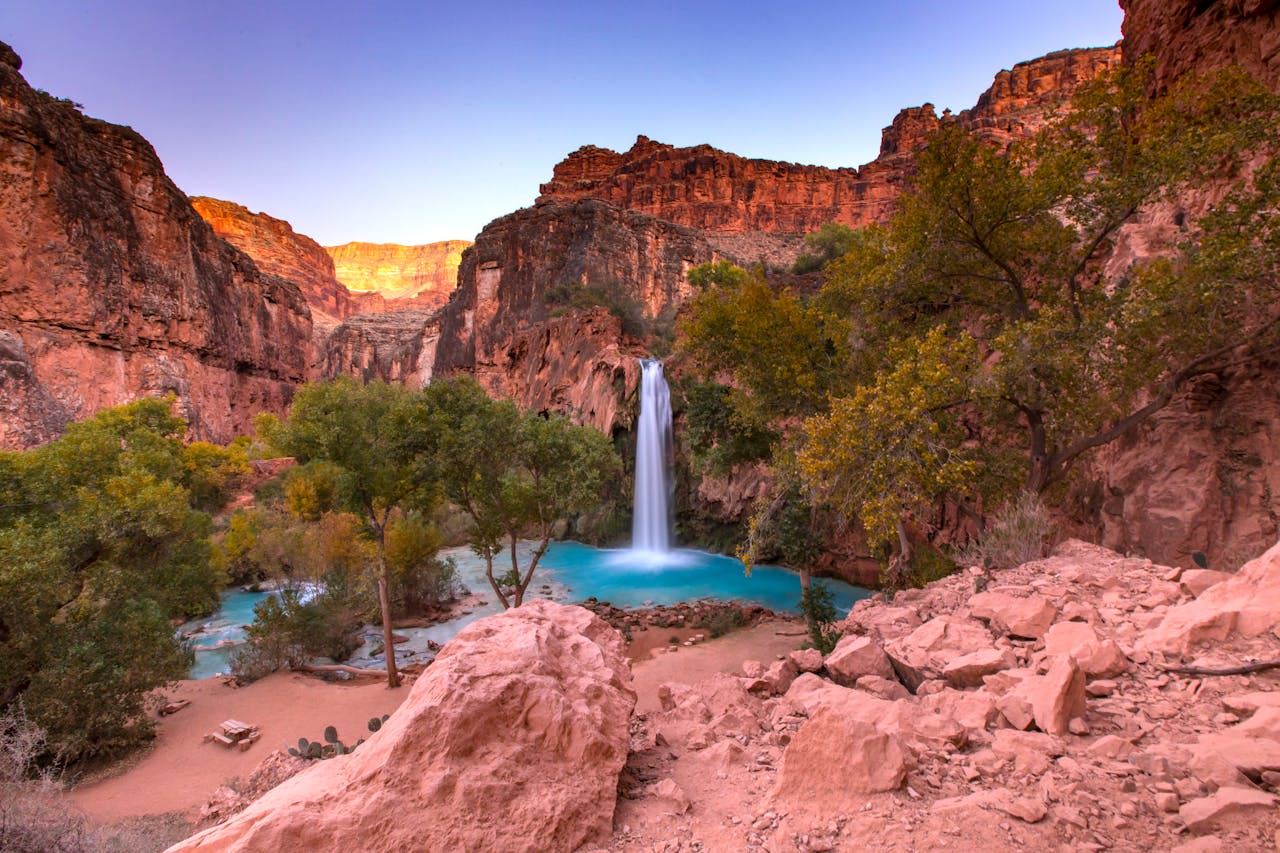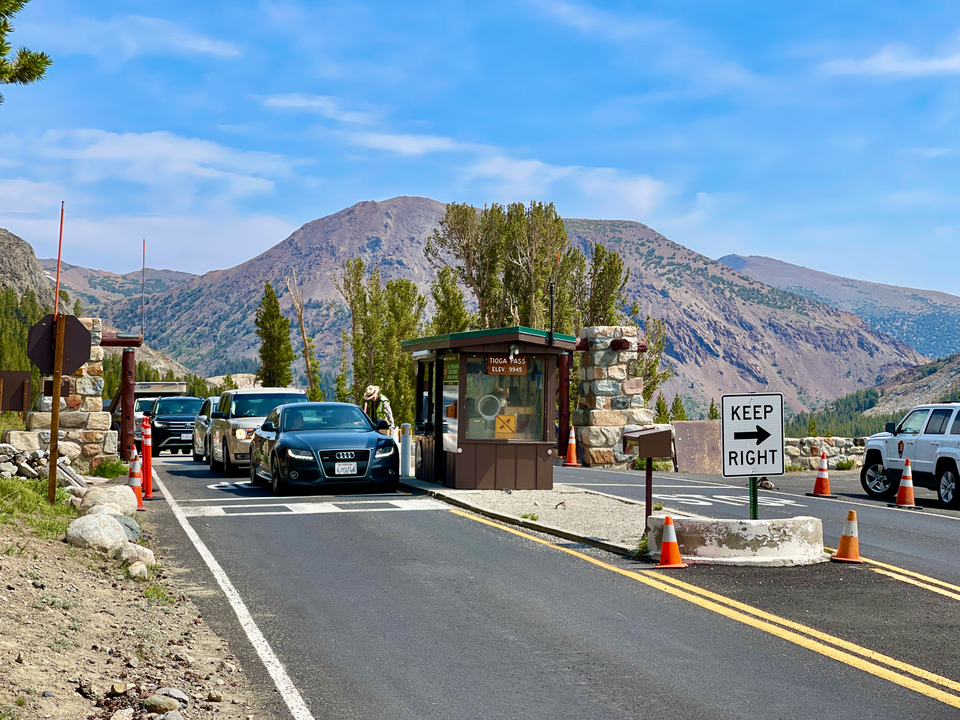
In 2026, some national park entrance booths are adding a question that feels out of place in a vacation ritual. Alongside fees, maps, and pass scans, staff may ask whether anyone in the vehicle is not a U.S. citizen or resident, because the total can change based on the answer. It is simple on paper, but it lands awkwardly in a line of idling cars. Drivers glance at passengers, families do quick mental math, and the lane behind them starts to stack. At high-traffic parks, that tiny pause can ripple into delays and a strained mood before the first overlook even comes into view, especially on busy holiday mornings.
The Question That Freezes The Booth Line
Visitors say the jolt is how unexpected it feels. The booth usually covers campsites, pets, or whether a pass is hanging on the mirror, not a question about citizenship or residency.
When the driver hesitates or looks back at the back seat, the line notices. Some people answer quickly and roll forward, but others stall, suddenly self-conscious in a public lane. Mixed-status groups can get quiet, and even a polite follow-up from staff can feel like pressure. In busy parks, the moment turns the gate into a bottleneck, because one uncertain car can slow a whole row of arrivals before sunrise on peak weekends and holiday Mondays.
The $100 Surcharge Behind The Awkwardness

The awkward question has a practical trigger: a nonresident surcharge described in reports from certain parks. For non-U.S. visitors age 16 and older, the total can include an extra $100 on top of the standard entrance fee.
Nonresident annual passes can also cost more, which makes the math feel steep at a booth window. The surprise stings because it arrives after people have already committed to the drive, the reservation, and the schedule. A family that budgeted tightly can feel cornered into paying without time to compare options. Some pay and move on; others decide the day is better spent elsewhere and exit the lane.
Why It’s Hitting The Busiest Gates First

The policy is showing up where lines are already fragile. Reports point to 11 high-traffic parks, the kind that fill parking lots early and turn a small slowdown into a morning-long backup.
Names that come up often include Yosemite, Yellowstone, Grand Canyon, Zion, and Rocky Mountain, where gate queues can build fast on weekends. In that setting, a 30-second pause is not nothing. A quick question becomes a longer explanation, the explanation becomes a crawl, and drivers behind the booth start to simmer as the sun rises over the hood line. During holiday rushes, the mood can sour before anyone has even unfolded a trail map.
Why It Can Feel Like A Checkpoint Anyway

Rangers and park officials say the intent is pricing, not enforcement. Staff are described as confirming eligibility for a fee rate or a pass, rather than doing immigration checks at the entrance.
Still, visitors say the feeling can be different from the stated purpose. A national park gate is supposed to be a welcome, and residency questions can land as identity-based in a way entrance fees usually do not. Some worry about being judged, misunderstood, or singled out, especially in a crowded lane where people can hear the exchange. For many travelers, the first interaction can feel chilly, even when the tone stays professional.
When Proof Of Residency Becomes The Real Problem
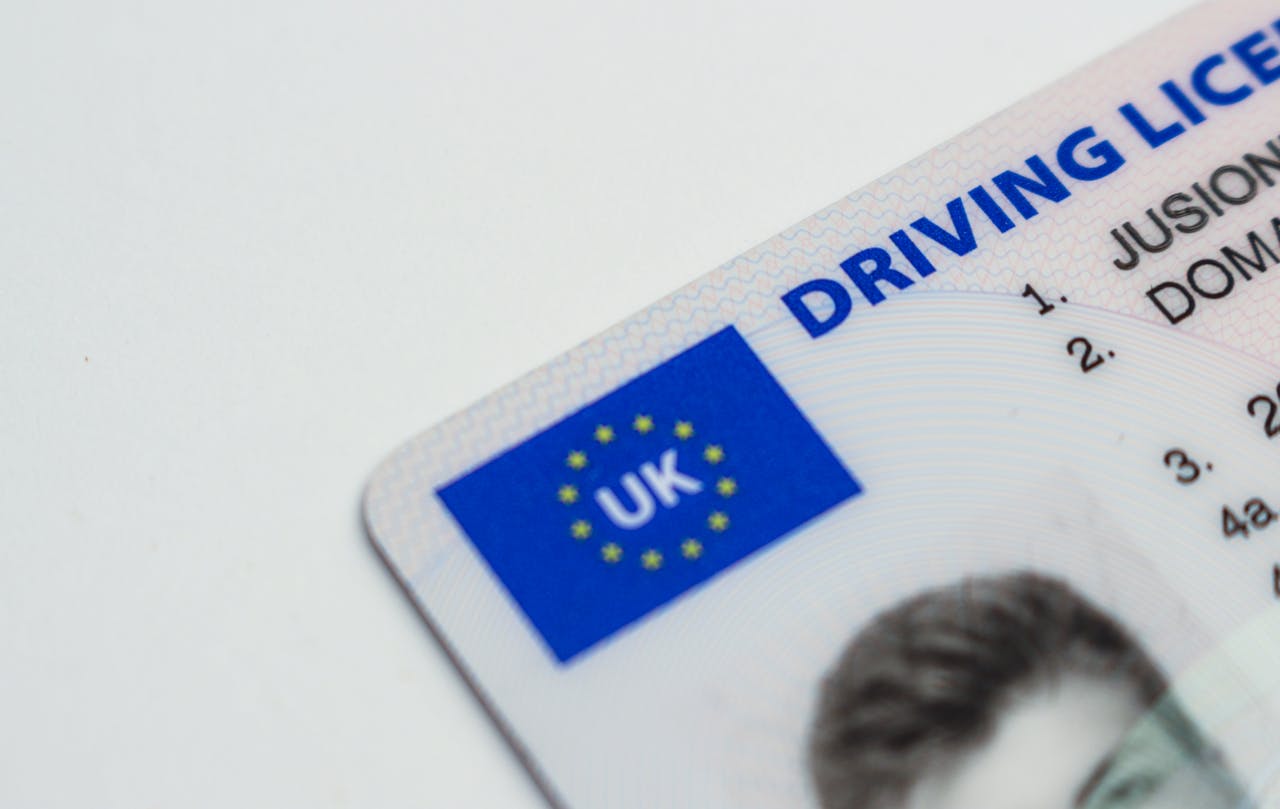
Proof can become the real hurdle. Some annual passes are described as resident-restricted, which means staff may ask for U.S. government-issued ID before honoring a resident rate.
That is where road trips get messy. An ID might be buried in luggage, a pass might be on one person’s account, or a car might include travelers with different eligibility. Many people assume a pass works the same at every gate, until the booth script changes. What should be a quick scan turns into rummaging, clarifying, and recalculating. In a slow-moving line, those small logistics can trigger a blunt decision: pay the higher option or pull out.
How Surprise Turns Into A Line-Blocking Mess
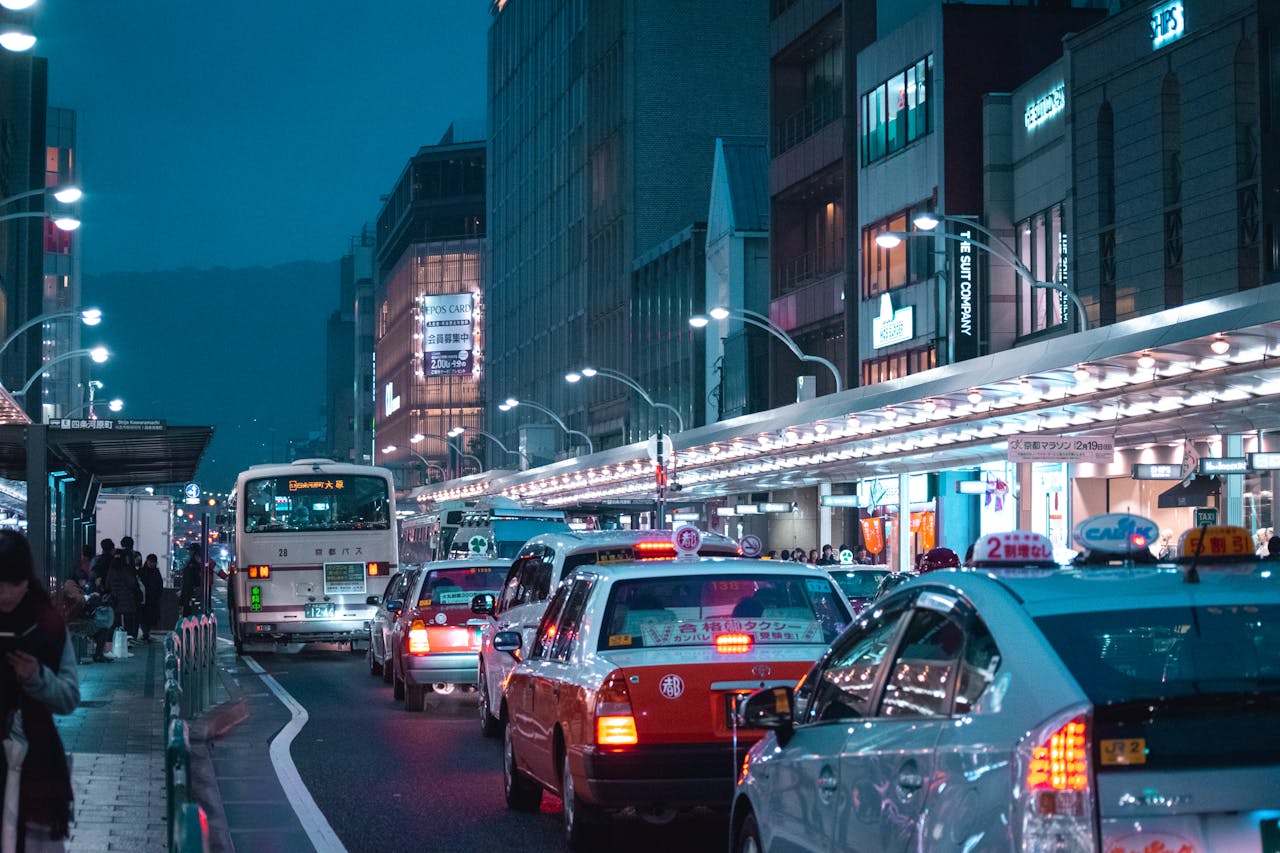
Most frustration comes from surprise, not the question itself. Travelers plan park days down to the dollar, then learn about a new cost while idling in a lane with no easy reset.
That is when confusion does the most damage. People debate in the car, staff try to explain the rule, and the line slows while everyone recalculates. A language barrier can stretch one sentence into several, and a single unclear answer can invite follow-ups. In parks with limited staffing, tiny delays stack into long waits, and the tension spreads person to person. By the time the gate finally opens, the morning already feels hurried, not restful.
How The Gate Mood Follows Visitors Inside

The entrance interaction can set the tone for everything that follows. Even when visitors decide to go in, a tense booth moment can linger, making the day feel less welcoming and more watchful.
People report carrying that edge onto shuttle lines, viewpoints, and visitor centers, where patience is already a limited resource in peak season. Small frictions hit harder after a stressful start, and group dynamics can shift from excited to guarded. The park may be unchanged, but the mindset entering it is not, and that can flatten the joy of the first trail in a way no brochure warns about for hours afterward, well into the afternoon.
The Quiet Hit To Gateway Towns
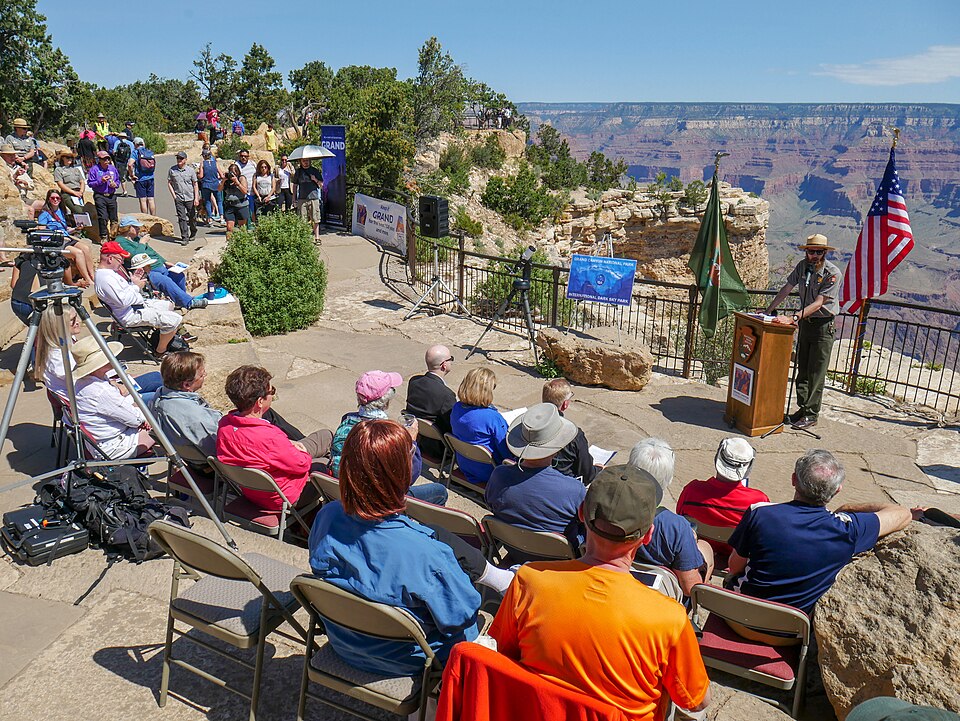
When a family decides the new total is not worth it and turns around, the impact spreads beyond the gate. Gateway towns depend on visitor flow for meals, hotel nights, groceries, tours, and gift shop sales.
A sudden change at the booth can cut that flow in a single morning. Even visitors who still enter may trim spending to balance the budget, skipping a second night or choosing a packed lunch instead of a restaurant stop. In places where tourism supports seasonal jobs, those small decisions add up fast, especially when they cluster around the same crowded weekends that keep local businesses afloat through the shoulder season.
Why This Is Bigger Than One Awkward Moment
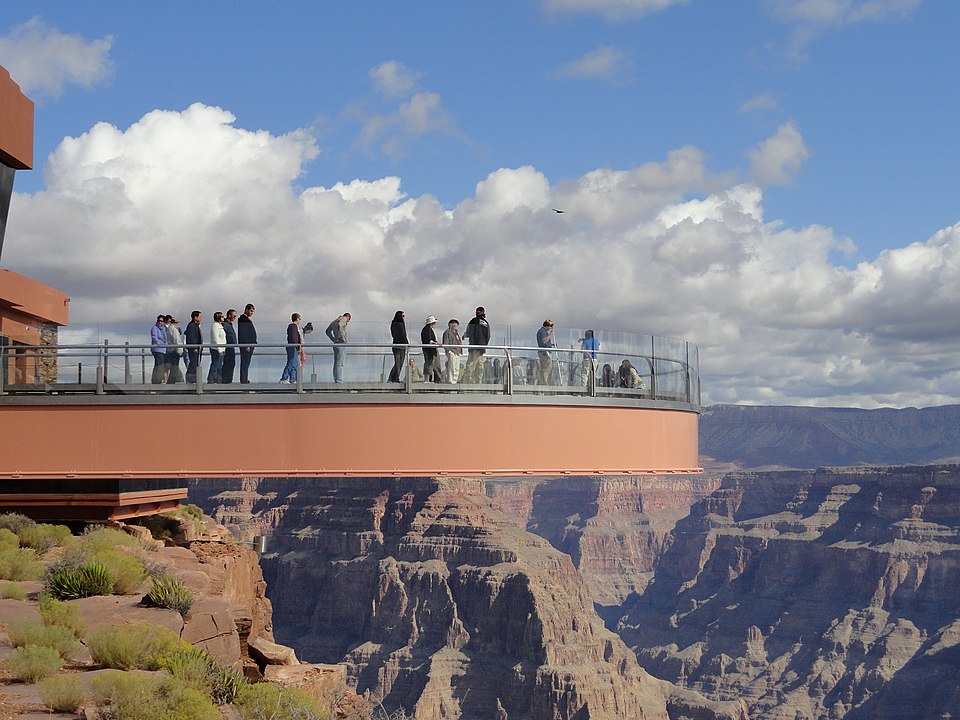
The bigger story is pressure on parks that are already stretched. Crowds keep growing, infrastructure keeps aging, and staffing can be thin, so any new friction at the gate shows up immediately as longer lines and shorter tempers.
The residency question also changes the emotional framing of access. National parks are often described as shared public treasures, and tying cost to status makes people pay attention, even when the goal is pricing. The most common fix visitors call for is clearer communication: better signs, updated fee pages, and consistent booth scripts, so the entrance feels predictable again instead of improvised.