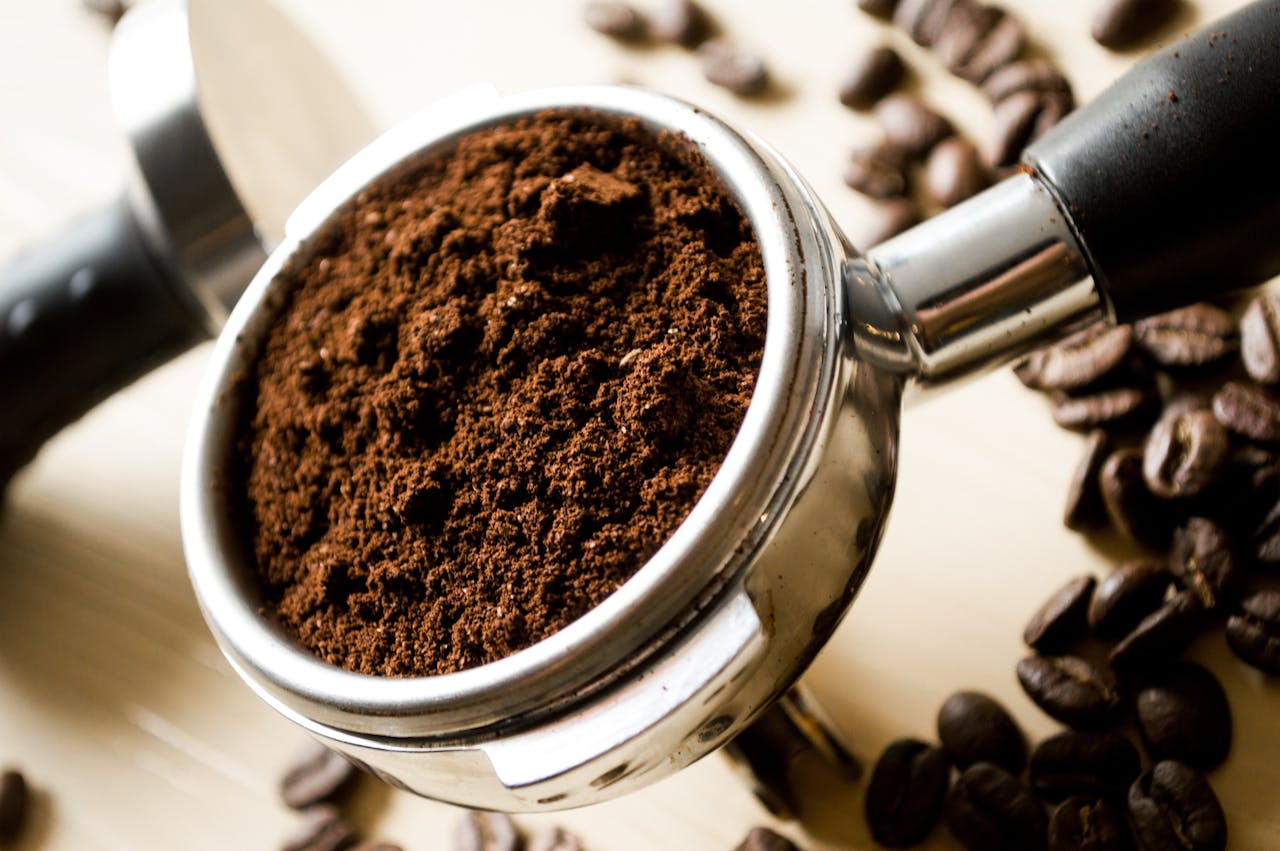
Food waste rarely announces itself. It looks like coffee grounds dumped after breakfast, a banana peel flicked away, or a heel of bread left to harden on the counter. The bin fills in inches, not headlines, and the cost hides inside routine.
In 2024, about 29% of the 240 million tons in the U.S. food supply went unsold or uneaten, and ReFED estimates roughly 25% ends up in landfills, incinerators, or down the drain. Food loss and waste can drive up to 10% of global greenhouse gas emissions, so experts keep pointing to the same fix: treat scraps as ingredients, not leftovers. A jar, a bag, and a compost pail can change outcomes.
Coffee Grounds
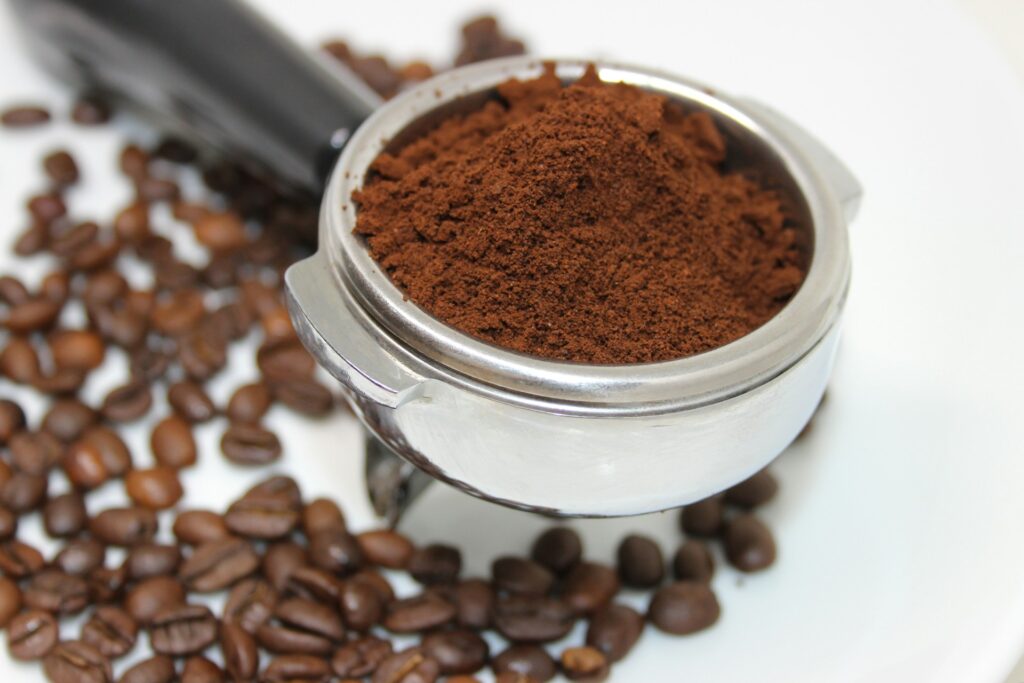
Coffee grounds get treated like pure mess, yet gardeners see them as a quiet soil helper. They add nitrogen and small amounts of phosphorus and potassium, plus micronutrients such as magnesium, copper, calcium, zinc, manganese, and iron, so a light sprinkle on beds or a compost pile has real value. Dried in a bowl, they stay easy to store.
A 2024 study testing coffee grounds with eggshells and banana peels on common bean growth found a wet mixture promoted growth more than a dry one. Storing grounds in a countertop bin also keeps grit out of disposals, lowering the chance of clogged drain lines and an expensive plumbing visit.
Banana Peels
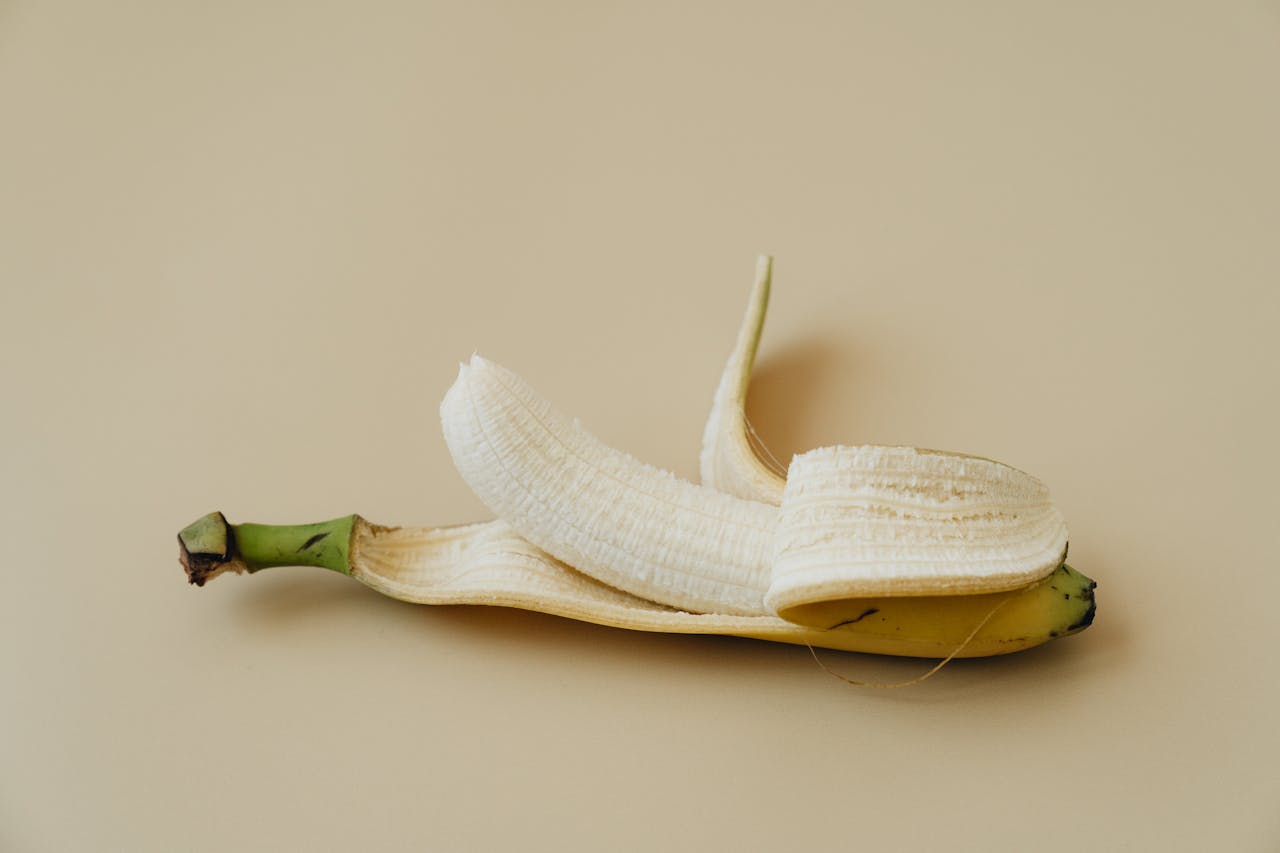
Banana peels look like throwaway clutter, but composters value them for potassium, a nutrient tied to sugar production and steady blooming. Chopped peels break down well in a compost heap, or they can be tucked under roses and tomatoes as a slow, simple amendment. Frozen peels also stay tidy until compost day.
Researchers at South Dakota State University reported that films made from banana peel byproducts can be strong, transparent, and biodegradable within 30 days at 21% soil moisture, pointing to plastic-replacing packaging. Nutrients are often overstated in so-called peel teas, so compost remains the most reliable home use.
Vegetable Scraps
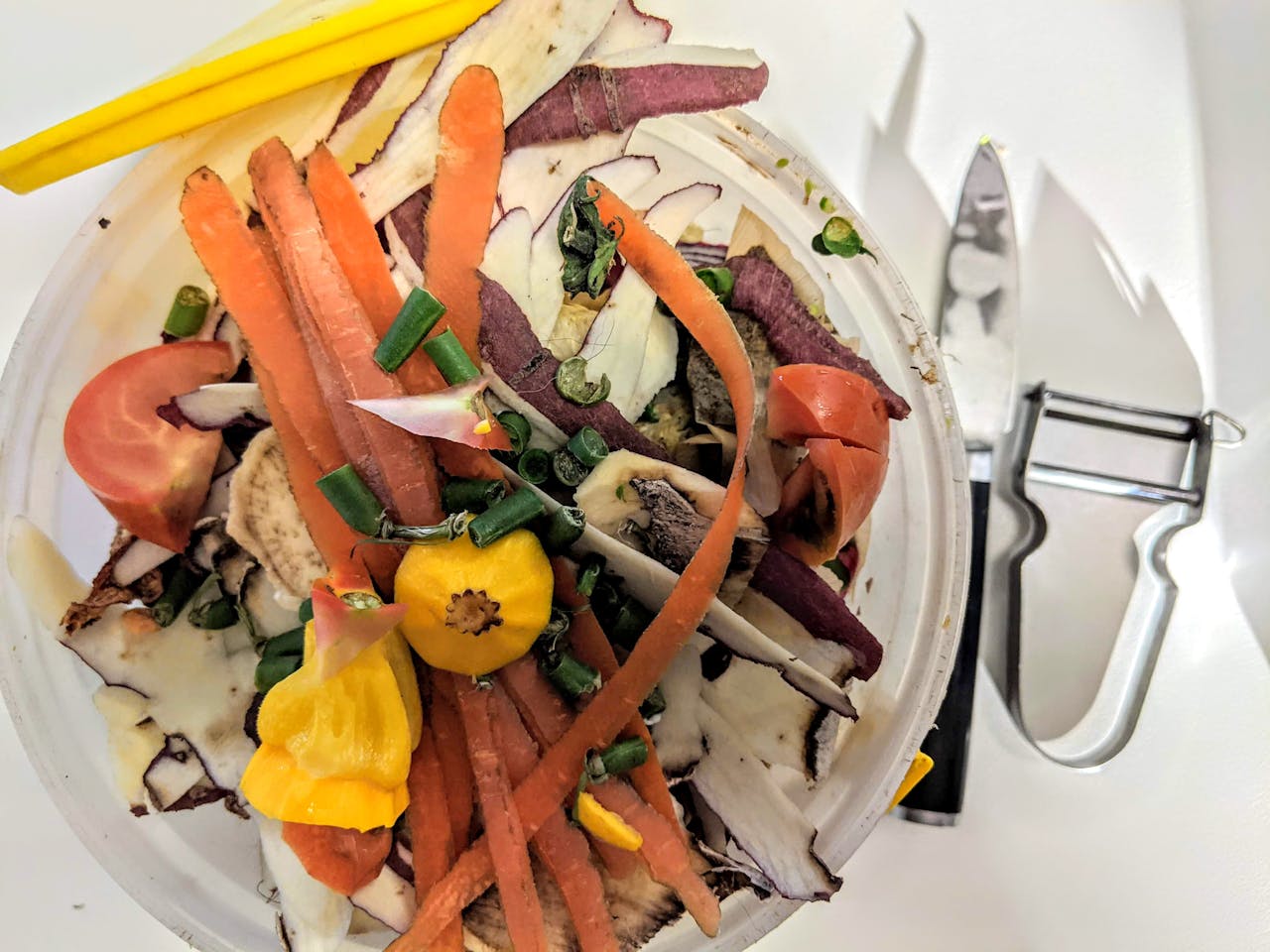
Vegetable scraps vanish fast during dinner prep, even though they can become a deeply flavored broth. Onion skins, carrot peels, celery ends, and mushroom stems keep well in a freezer bag, building a stash without taking over the counter. A quick label helps keep the mix consistent.
Once the bag is full, the trimmings can be simmered with water, peppercorns, and a bay leaf, then strained for a clean, savory stock. Many cooks skip broccoli, cauliflower, and potato peels because they can muddy flavor. The method stays flexible, turning weeknight odds and ends into soups, beans, rice, and quick pan sauces with a richer base.
Citrus Peels
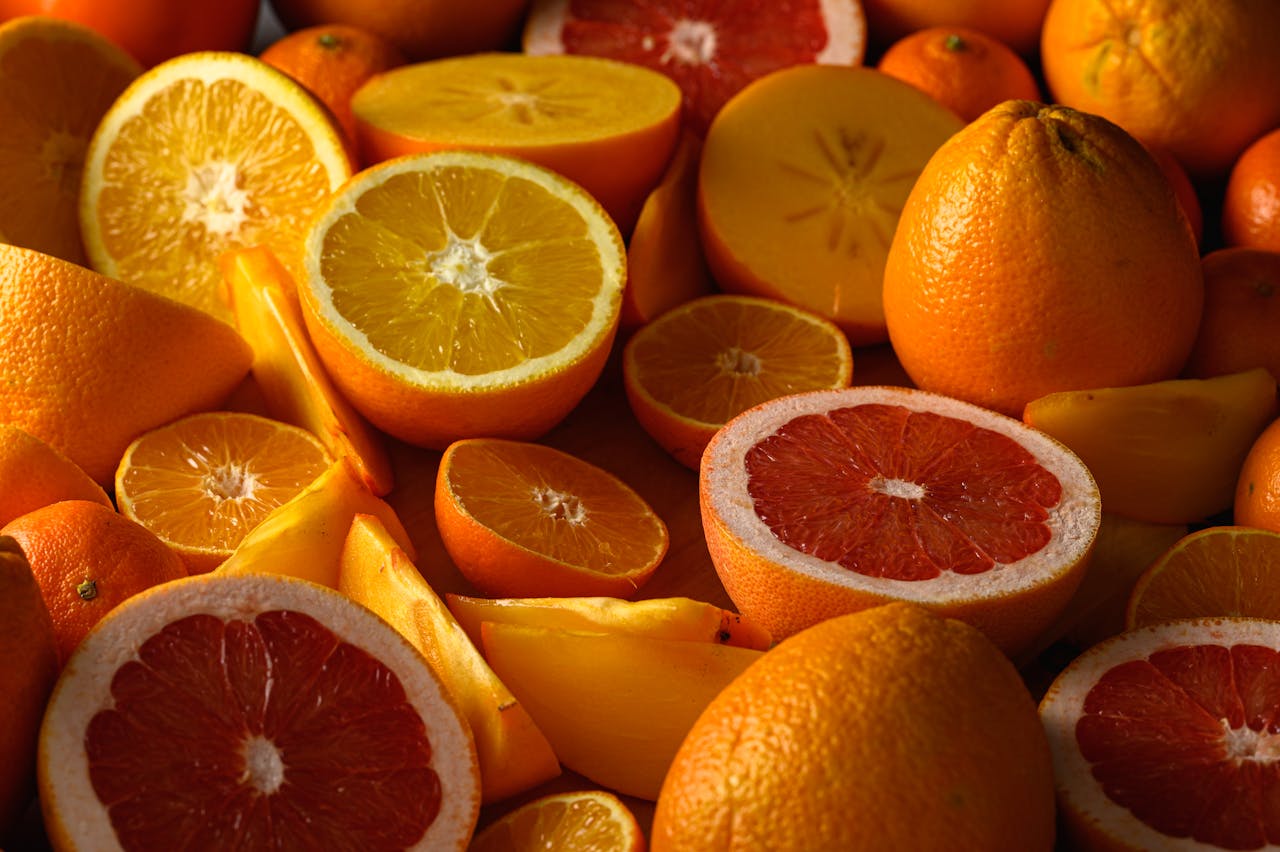
Citrus peels feel disposable, but the rinds carry fragrant oils that work hard around the house. The oils include d-limonene, which is known for cutting through grease and grime, and citrus also helps loosen mineral deposits.
A common approach is to pack lemon, orange, or grapefruit peels into a jar, cover them with vinegar, and let the mix sit until it turns bright and clean-smelling. After straining, the liquid can wipe sinks, range hoods, and sticky cabinet fronts. Experts avoid using vinegar cleaners on natural stone like marble. The peels stay out of the landfill, and the kitchen feels fresher during heavy cooking weeks.
Eggshells
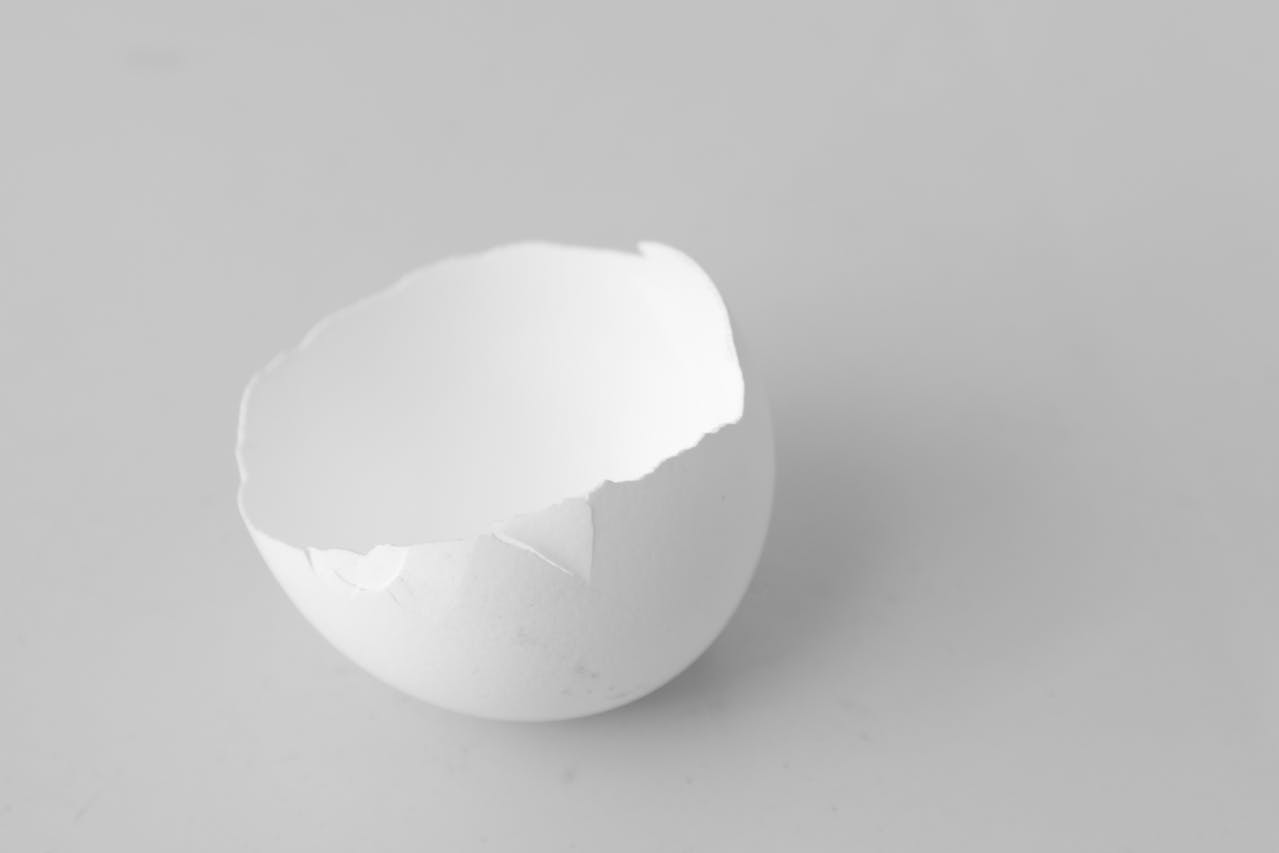
Eggshells seem pointless once breakfast is done, yet crushed shells can add calcium that supports strong plant cell walls and steadier growth. Tomatoes, peppers, and eggplants are often mentioned because calcium helps reduce blossom-end rot over time.
Leafy greens such as kale, cabbage, and broccoli can benefit as well, and many gardeners mix shells into compost so the mineral spreads gradually. After rinsing, drying, and grinding to a coarse powder, shells can be worked into beds or containers. Root crops like carrots, beets, and radishes may also gain better structure in calcium-rich soil, turning scraps into an easy amendment.
Stale Bread
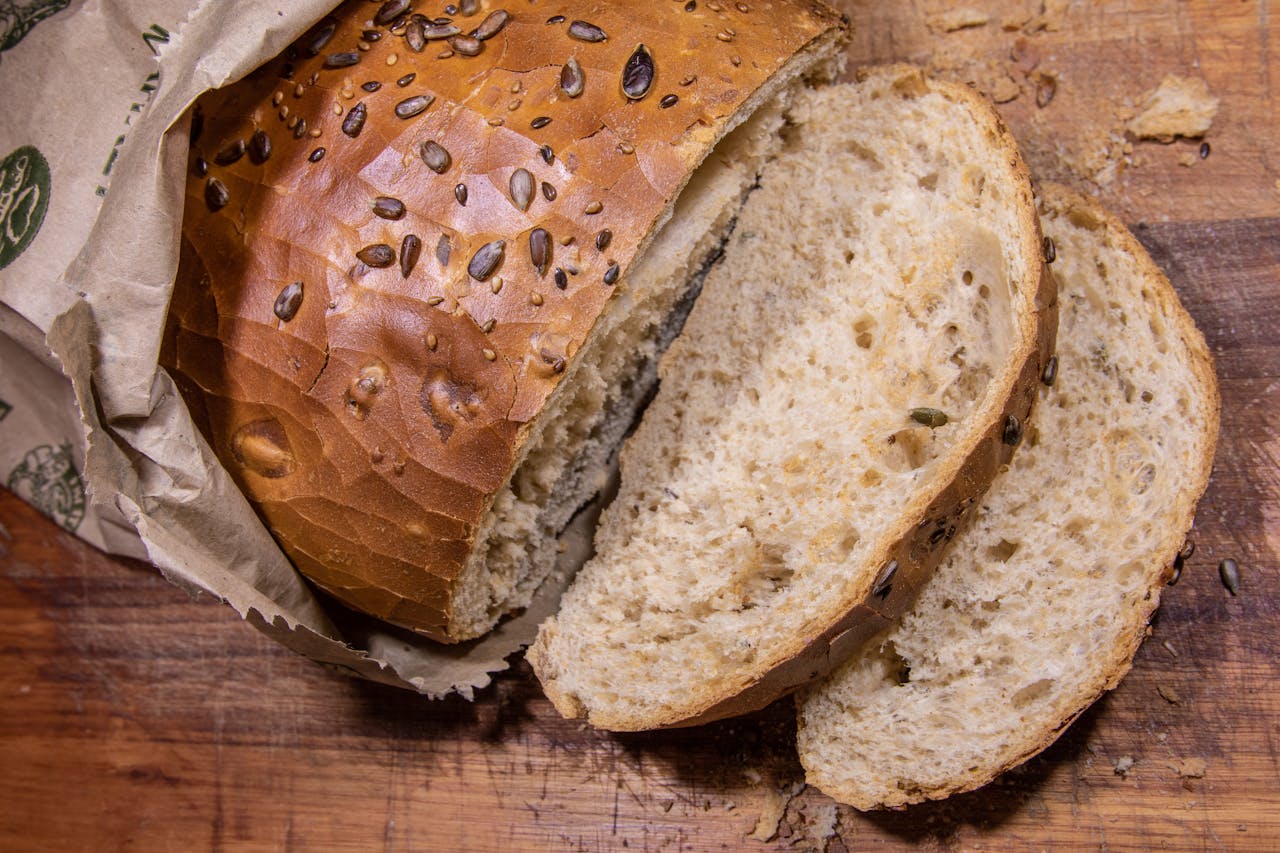
Stale bread gets written off as useless, but a firm loaf often cooks better than a soft, fresh one. It can be pulsed into breadcrumbs, cubed into croutons, or soaked for French toast and bread pudding, where the dry texture drinks in flavor. A quick toast can revive slices for soup.
Cubes also freeze well for stuffing or meatballs, and traditional dishes like Italian panzanella rely on day-old bread because it holds dressing without collapsing. Stored in a paper bag or sliced and frozen, leftover bread becomes a flexible pantry tool instead of a quiet, recurring waste, especially in weeks when grocery prices feel sharp.
Herb Stems
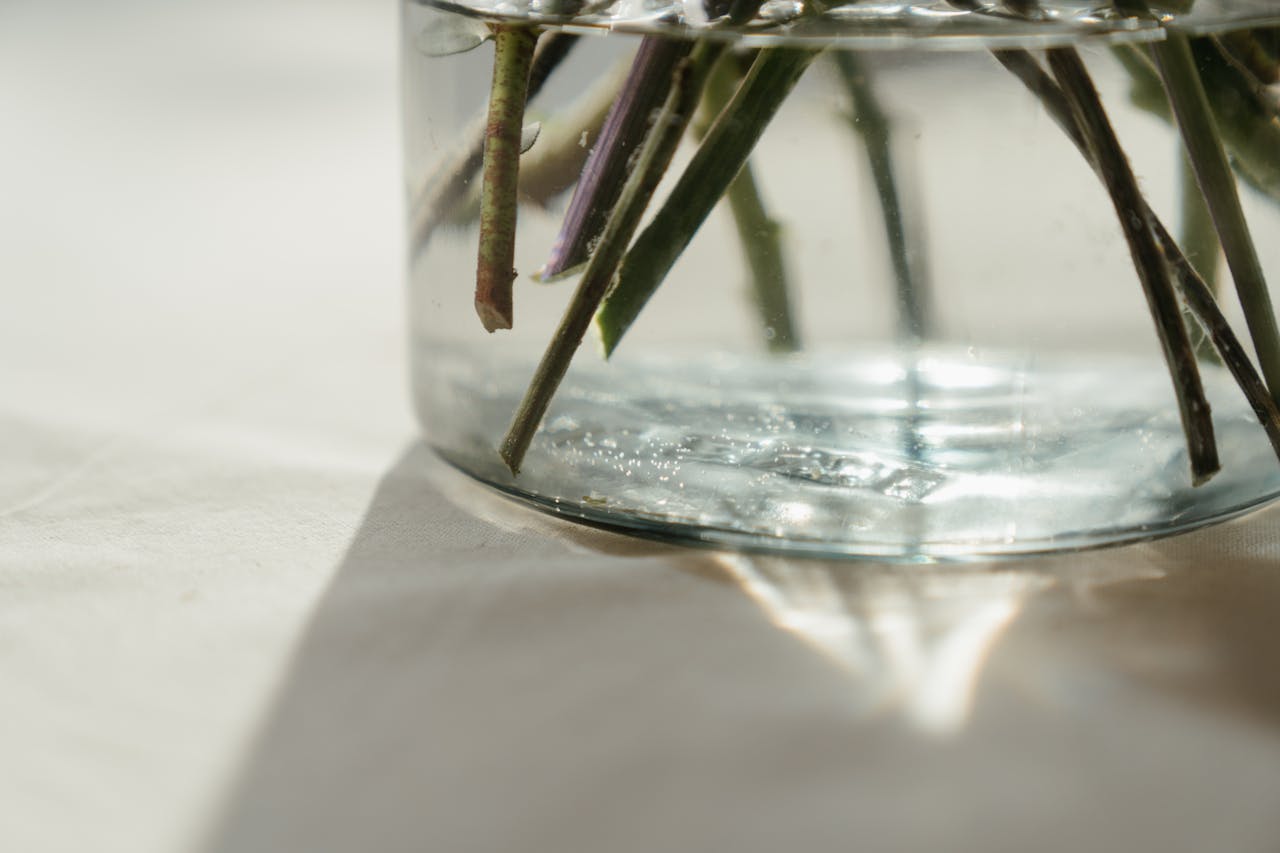
Herb stems are usually stripped and tossed, yet parsley, cilantro, and basil stems carry real flavor, sometimes more concentrated than the leaves. Chopped finely, they disappear into sauces, rice, and marinades, adding a clean, green edge. They blend into pesto or chimichurri.
Hardier stems like parsley and thyme also shine in homemade stock, especially when saved with vegetable trimmings in the freezer. During a long simmer, the stems soften and release aroma, lifting onions and carrots without extra cost. Kept in a small bag and used once a week, stems stop feeling like clutter and start acting like a pantry shortcut.
Wilted Greens and Overripe Produce
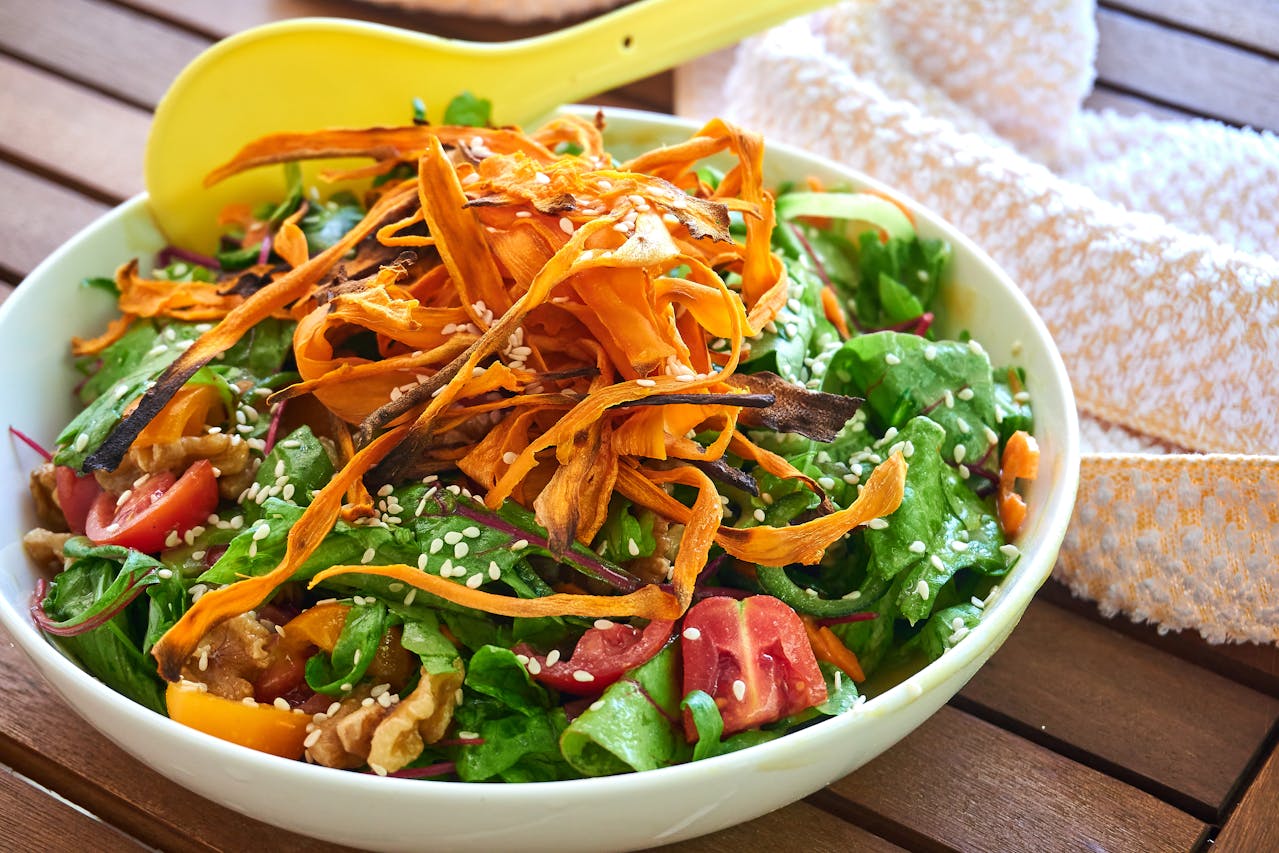
Wilted greens and soft fruit get judged on looks, but their flavor still has a place in the kitchen. Greens like spinach can perk up in ice water, or they can go straight into soups, omelets, and pasta sauces where texture matters less by midweek.
Overripe bananas, peaches, and berries are often better for baking, smoothies, and quick compotes because sweetness is more developed. A short simmer can turn tired fruit into a spoonable topping for yogurt or oats, and freezing portions prevents waste from snowballing. Used this way, produce gets a second life and the compost bucket stays reserved for what truly cannot be eaten.