
A handshake looks simple, but it quietly carries rules about respect, distance, and belonging. In one place, a firm grip signals confidence; in another, it reads as pushy. Some cultures treat the right hand as the only clean option, while others expect two hands, a bow, or no touch at all. Timing matters too: who reaches first, how long the contact lasts, and where eyes land. Add travel fatigue, winter gloves, and language gaps, and tiny gestures start doing heavy lifting. At hotel desks, family dinners, and first meetings, the greeting often sets the mood before names are even remembered, and plans are even discussed.
The Left Hand Greeting

In parts of the Middle East, South Asia, and Africa, the left hand can carry an unclean association, so offering it for a shake may land as careless. It often happens when a phone, luggage handle, or coffee steals the right hand. The moment can then spiral into handing over IDs, cash, or gifts with the same hand. A small reset helps: pause, switch items, extend the right hand, and let the greeting breathe without making a scene. If the left hand slips out anyway, a brief apology and a hand-to-heart gesture usually signals good intent. In conservative settings, the right-hand default avoids a quiet misstep entirely.
Initiating Contact Across Gender Lines

In more conservative communities, especially in parts of South Asia and the Middle East, a handshake between men and women may be uncommon in social settings. A well-meaning reach can put the other person in a bind: refuse and seem rude, or accept and feel uncomfortable. The smoother play is to greet verbally first, keep hands relaxed, and watch whether a hand is offered. When contact is not offered, a nod or hand-to-heart gesture can carry the same warmth without forcing a choice. In mixed workplaces, norms can vary by age and setting, so neutrality at the start protects comfort and keeps the conversation moving.
Skipping the Expected Bow or Gesture
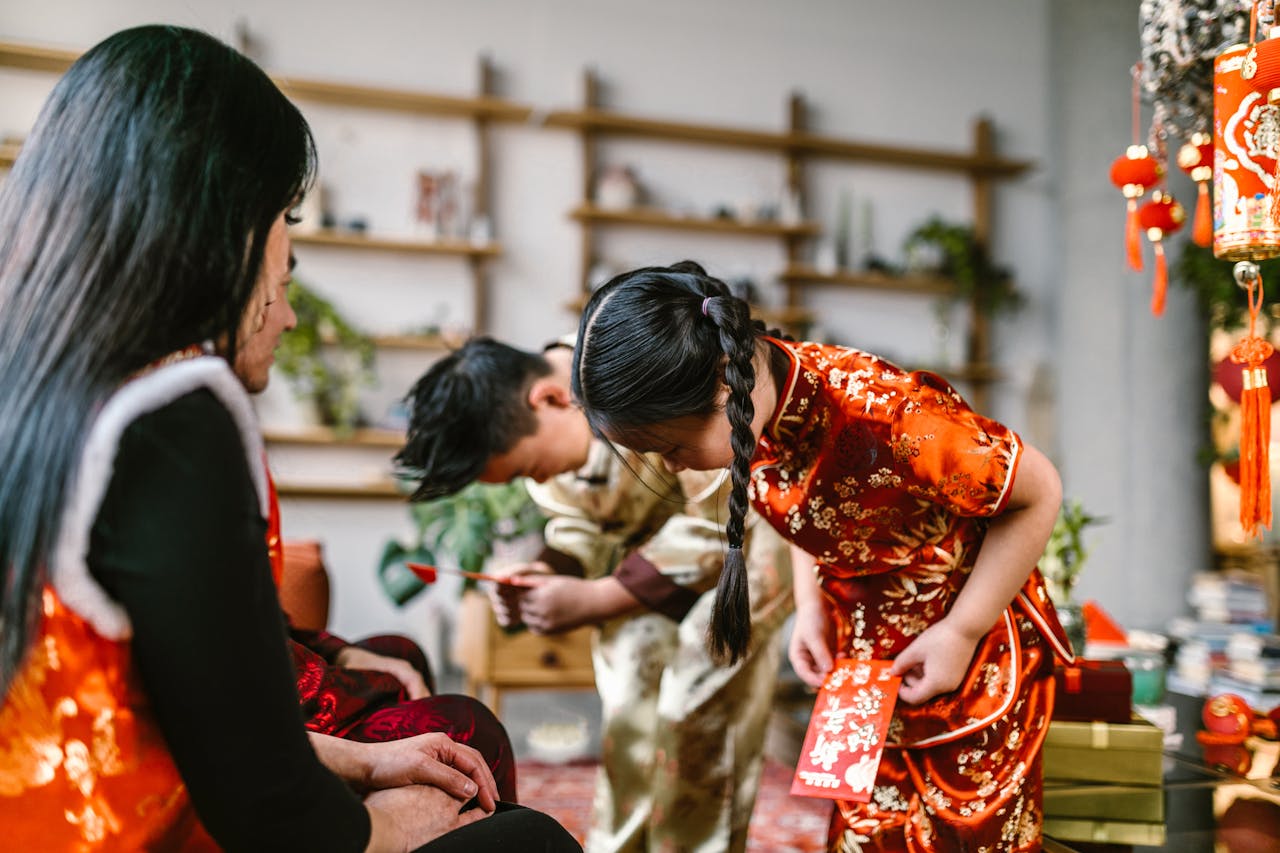
Some greetings begin before hands ever meet. In Japan, a bow often does the real work of respect, and a handshake may come later, if at all. Rushing forward with an outstretched hand can force the other person to choose between politeness and comfort. A more graceful start is a slight bow, open posture, and a pause that lets the host decide whether contact fits the moment. When a handshake happens, it tends to be lighter and shorter than many Western visitors expect. Hands full of luggage add pressure, so setting items down first signals patience, not indecision, and keeps the greeting from becoming a clumsy dance.
Forgetting the Two-Handed Respect

In Korea, and in many formal East Asian settings, greeting can reflect hierarchy, not just friendliness. A one-handed shake given to an elder or senior colleague may look casual when the moment calls for added respect. Often, the extra hand lightly supports the shaking hand at the wrist or forearm, or the left hand rests at the side in a reserved posture. Matching the senior person’s pace, and letting them end the shake, keeps the interaction comfortable and dignified. Business cards often follow, and giving and receiving them with two hands and a small nod keeps the respect consistent, especially in formal introductions.
Crushing Grip, Limp Grip

A bone-crunching grip can feel like dominance in cultures that value restraint, while a featherlight touch can read as evasive in places that prize directness. Travelers often overcorrect, squeezing harder to seem confident, then adding extra pumps that turn a greeting into a contest. A calmer rule works almost everywhere: mirror the offered pressure, keep the contact to one or two beats, and release cleanly. If a second hand comes into play, it is safer to wait for the host to initiate that added warmth. A discreet wipe on fabric before introductions prevents the damp-palm moment that lingers longer than the handshake.
Letting Go Too Fast or Too Late
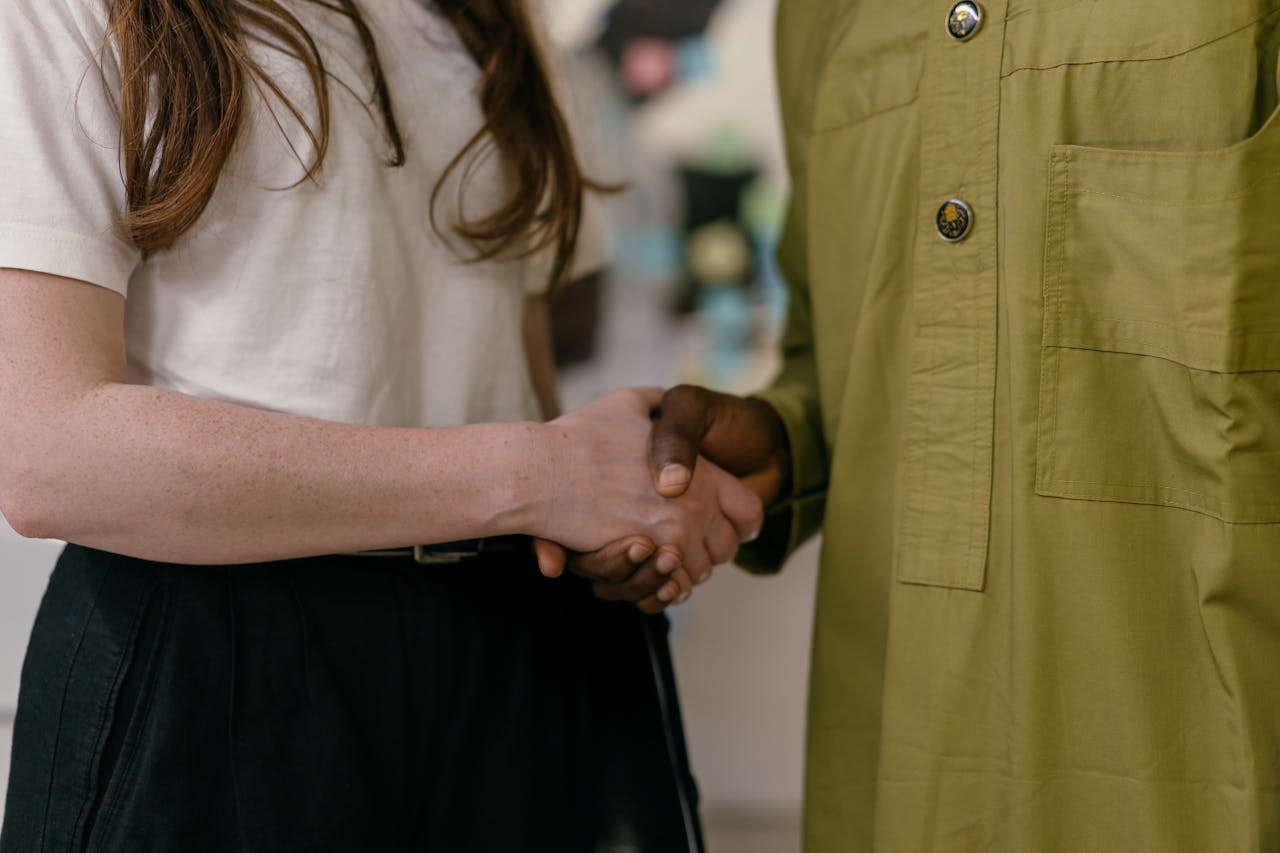
Handshake timing is a quiet language. In some cultures, a slightly lingering shake signals sincerity; in others, long contact feels intrusive or flirtatious. Trouble starts when someone pulls away quickly, or keeps holding while continuing a full conversation. A simple cue is the other person’s shoulders: if they begin to turn, follow the motion and release. When the shake lingers, matching the pace and keeping the body relaxed avoids the awkward tug-of-war that draws eyes in a busy lobby. The goal is not perfect timing, but a shared rhythm that lets greetings feel welcoming rather than negotiated in public spaces.
Misreading Eye Contact and Smiles

A handshake rarely travels alone; eye contact and facial expression decide whether it feels friendly or confrontational. In some places, steady eye contact shows honesty, while in others it can feel too direct, especially across age or status differences. The mistake is locking into a hard stare, or looking away so quickly that the greeting feels dismissive. A softer approach works widely: brief eye contact, a small smile, then attention to names and context, so the focus shifts to conversation instead of scrutiny. Removing sunglasses and facing the speaker can add warmth without turning the greeting into a test.
Shaking Hands While Seated or Over Obstacles
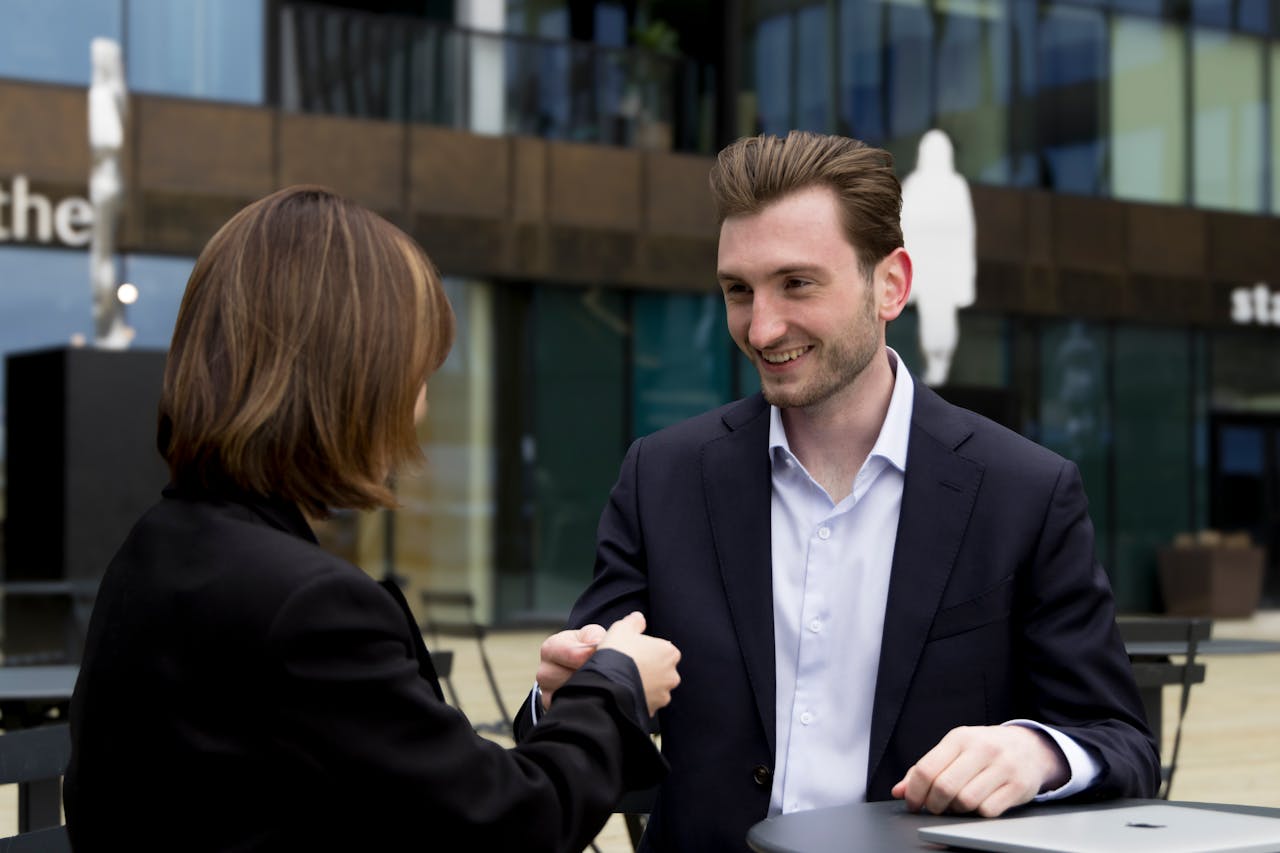
A handshake offered from a chair, across a cluttered table, or over a door threshold can feel like a reluctant compromise. It turns bodies into awkward angles, and it often forces a quick squeeze that reads as indifference. In many cultures, standing to greet is a basic sign of respect, especially when meeting an elder, a host, or a supervisor. Even in tight spaces, a small step forward, clear hands, and a squared posture can make the greeting feel intentional instead of accidental. If standing is impossible, leaning forward slightly and offering a warm verbal greeting first keeps the balance from tilting into awkwardness.
Leaving Gloves On or Hands in Pockets
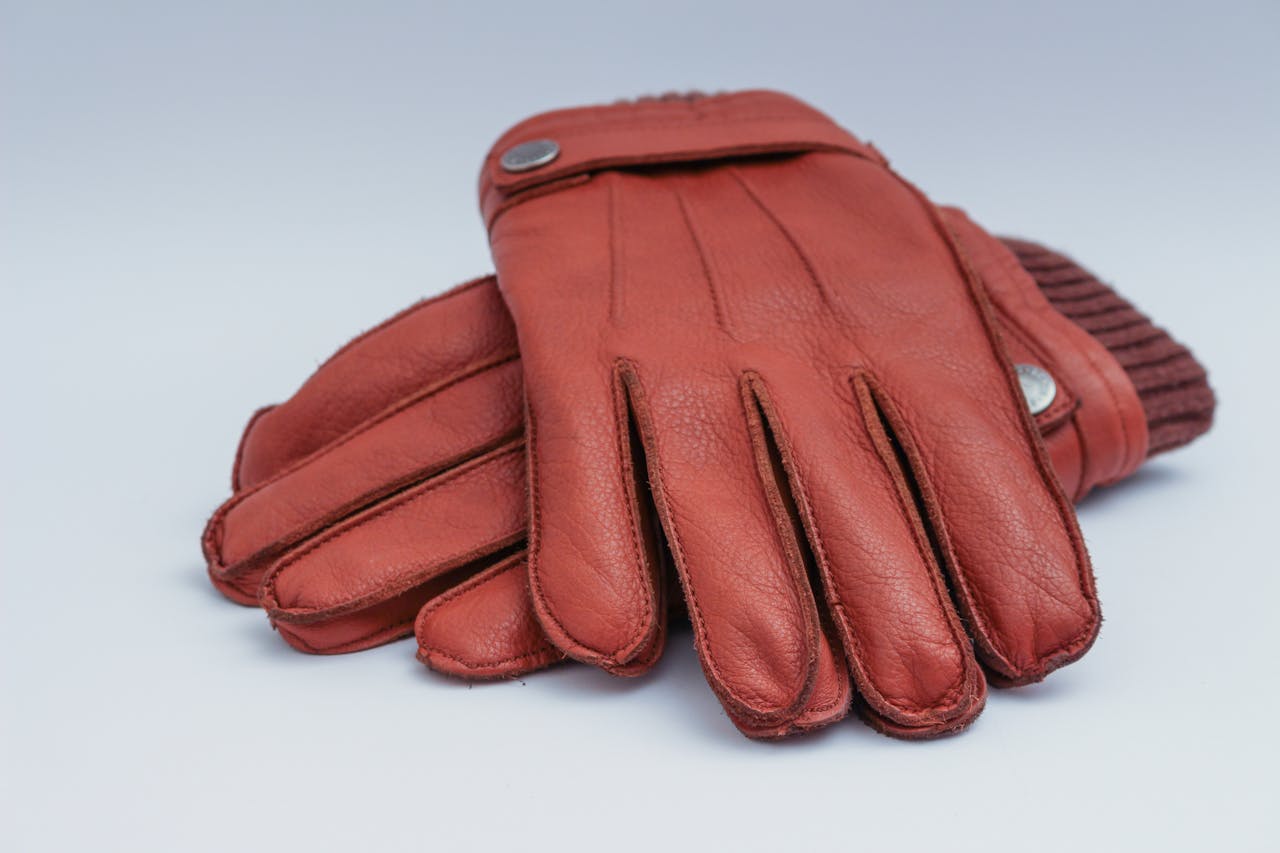
Cold weather greetings create their own traps. Keeping gloves on can feel practical, but it may also read as distant, while slipping a hand out with the other still buried in a pocket can look half-committed. Some hosts will not mind, yet others notice the signal more than the grip itself. When conditions allow, removing a glove, putting phones away, and using the free hand to steady a bag shows full attention. If gloves must stay on, pairing the shake with a clear smile and a brief apology can soften the message. The small ritual of preparing for the greeting often matters more than the contact that follows later.
Reaching First When Hierarchy Matters

In hierarchical cultures, the first move in a greeting can signal who holds status. Extending a hand too quickly to an elder, a high-ranking official, or a client can feel like rushing the relationship. That rush is easy to miss when schedules are tight and introductions are rapid-fire. A steadier rhythm helps: greet verbally, make brief eye contact, and let the senior person decide whether to shake, bow, nod, or simply move on. When a handshake comes, matching their pace and depth keeps respect visible without becoming stiff. In group settings, allowing the host to sequence introductions prevents accidental snubs.
Choosing Handshake When a Cheek Kiss Is the Norm

In parts of France and neighboring regions, close acquaintances may greet with cheek kisses, while a handshake can feel formal or even chilly. Visitors sometimes freeze, offering a hand too early, then drifting into an awkward half-lean when the other person moves in. The cleanest approach is to let the host lead: pause, mirror their distance, and keep arms relaxed until the intention is clear. When a handshake is offered instead, taking it without pushing for a hug keeps the moment light, not overthought. Work and family settings can differ, so reading the room matters more than memorizing a rule for an entire country.
Skipping the Handshake Without Offering an Alternative

Sometimes the mistake is not shaking hands at all. A traveler may avoid touch for health, religious, or personal reasons, but the refusal can feel abrupt if nothing replaces it. The other person is then left holding the social risk, wondering whether the snub was intentional. A simple replacement restores warmth: a small bow, a nod, a hand to the heart, and a clear verbal greeting. When explained briefly, the boundary feels considerate, not cold, and the meeting can begin on steady ground. Open palms and a half-step back can make the intent readable, especially in crowded transit hubs where cues blur surprisingly fast.