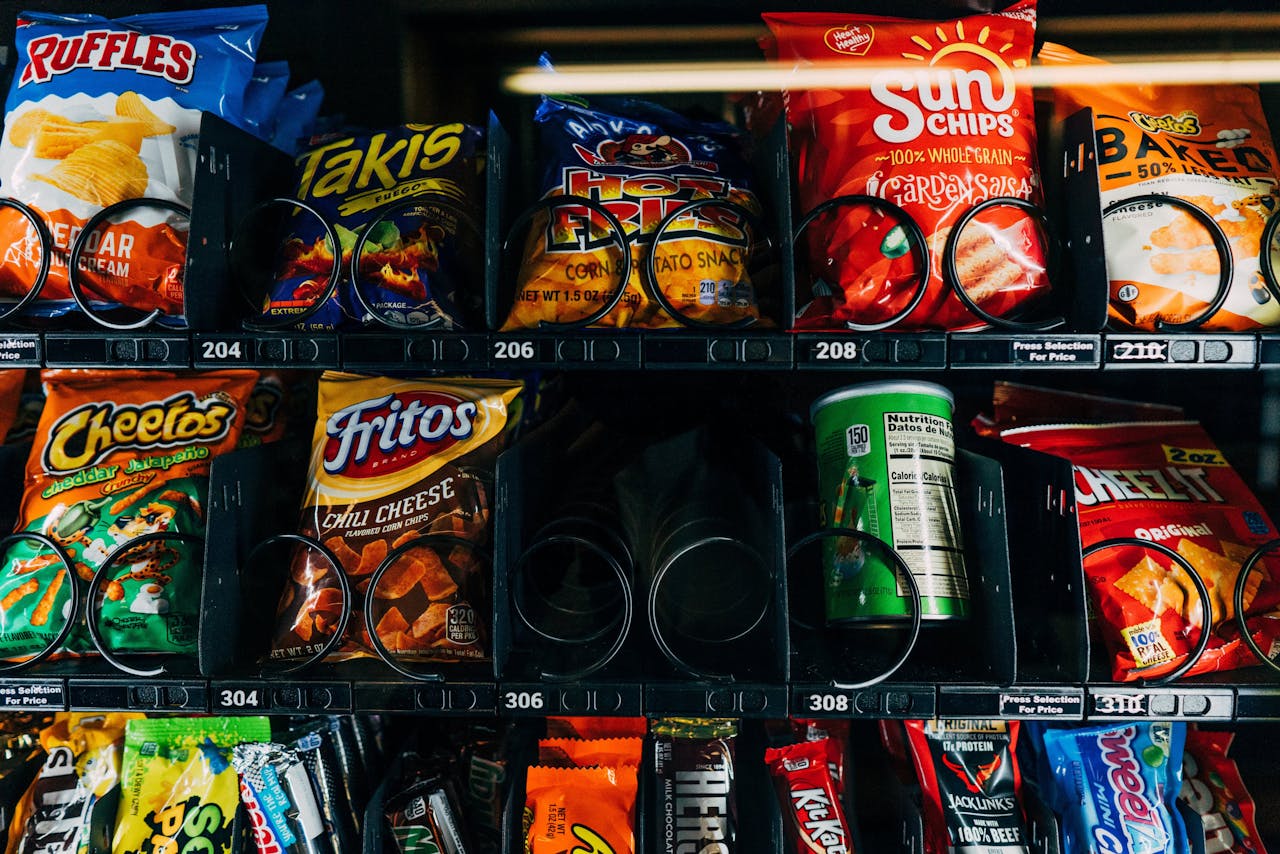
The smoky bite that once felt automatic in chips, crackers, sauces, and spice blends has become a regulatory puzzle across the EU. What looked, from the outside, like a narrow technical change is now forcing recipe teams, procurement leads, and brand managers to work off a hard calendar. The issue is not just flavor. It is compliance timing, product architecture, and shelf continuity, all moving at once while legacy stock and new formulas overlap in the same market window.
The trigger was scientific and legal at the same time. EFSA’s 2023 evaluations said genotoxicity concerns could not be ruled out for the eight smoke flavorings under renewal, and the Commission then adopted legal acts in July 2024 that removed entries SF-001 through SF-010 from the Union list, with category-based phase-out dates. That framework is now shaping how quickly snack and seasoning portfolios must change before July 2026.
What Actually Changed in the EU Rules

The legal shift is specific, not vague. Smoke flavoring primary products were previously authorized under the EU list created by Implementing Regulation (EU) No 1321/2013, with authorizations that expired on January 1, 2024. Two products, SF-007 and SF-010, had no renewal application; for eight others, renewal was refused through 2024 implementing decisions, and Implementing Regulation (EU) 2024/2067 deleted SF-001 to SF-010 from the list.
The phase-out uses two deadlines. Foods in categories cheese (1.7), meat (8), processed fish (9.2), and fish roe (9.3) can be placed on the market until July 1, 2029, while all other food categories face July 1, 2026. Foods placed on the market before the relevant deadline can remain on the market until minimum durability or use-by date, which creates a transition period rather than an overnight shelf wipe.
Why Snacks and Seasonings Feel the Earliest Shock
Snacks are caught in the earlier lane because they generally sit outside the category carve-out that runs to 2029. In practice, that pulls many savory lines, coatings, tabletop seasonings, and sauce-led snack companions into the July 2026 cutoff. The rule design reflects risk management plus feasibility: a longer path was reserved for categories where smoke flavorings often substitute traditional smoking, while “all other” categories got a shorter adjustment window.
That is a short runway for products that were built around one familiar sensory cue. Teams are not only reformulating flavor; they are revalidating finished food behavior.
The pressure shows up in edge cases. Commission services’ working examples around phase-out interpretation describe situations where certain smoke-containing sauces used as surface applications do not benefit from the longer pathway, and where direct consumer-facing spice use can run into tighter constraints after July 2026. These are implementation examples, not court-level interpretation, but they illustrate why product format matters almost as much as ingredient choice.
What this really means is simple: two products with similar taste can face different compliance outcomes because of category, use context, and market pathway.
Reformulation Is a Technical Puzzle, Not a Label Swap
Smoke flavoring primary products are complex mixtures, and EU evaluation frameworks treat them with detailed characterization, exposure assessment, and toxicology expectations. That pushes R&D away from quick one-note substitutions. Reformulation work often has to reconcile aroma profile, aftertaste, heat stability, salt interactions, and matrix effects in one pass, then prove the result is stable over shelf life and processing variance.
The regulatory side is equally demanding. The Commission’s renewal framework references strict dossier requirements, including data packages tied to toxicological endpoints and EFSA guidance, so any path back into authorization is evidence-heavy rather than marketing-heavy. For brands, that means parallel tracks: immediate compliance reformulation and longer-horizon innovation under stricter science standards.
Supply Chains, Contracts, and Compliance Timelines
Even when factories are ready, timing can still break the plan. The regulation hinges on “placed on the market” dates and allows already placed products to remain until durability endpoints, so calendar discipline becomes a supply-chain control variable. Procurement teams must map ingredient receipts, production dates, and dispatch windows to avoid being left with noncompliant intermediates after the cutoffs.
A one-week slip in a launch window can create months of downstream inventory friction.
B2B complexity adds another layer. The same regulation also sets deadlines for preparations not intended to be consumed as such, aligning them with intended food categories. That means premixes, intermediate products, and private-label handoffs cannot be managed as a single generic stream; they need category-specific routing and contract language tied to July 2026 or July 2029, depending on destination use.
This is where many classic snack portfolios feel the headache: compliance is no longer an ingredient decision alone, it is an operating-model decision.
The Taste Gap Problem: Familiar Flavor Without the Same Inputs

Consumers do not read regulations first; they taste difference first. If reformulation overshoots, products can feel flat, harsh, or strangely sweet, especially where smoke notes previously masked bitterness or added perceived depth in low-moisture snacks. If reformulation undershoots, brands risk profile drift and weaker repeat purchase, even when the product is fully compliant. The taste target stays the same while the toolbox changes.
It is also important to separate terms. The 2024 EU action removed specific smoke flavoring primary products from the Union list and set phase-out measures; it did not announce a universal prohibition on every traditionally smoked food process. That distinction matters for public understanding and for how brands explain product changes without creating avoidable fear.
Where Consumer Confusion Starts
The shelf will not switch in a single night. Because products lawfully placed on the market before deadline can remain until their durability or use-by date, older and newer formulas can coexist for a period. That overlap is legally expected, but it can look inconsistent to shoppers who see recipe shifts appear at different speeds across brands and member states.
Communication therefore becomes part of compliance. Technical teams may do everything right, yet unclear pack language or abrupt sensory change can still trigger distrust. The Commission’s own smoke-flavoring page also notes that authoritative legal interpretation rests with the Court of Justice of the EU, which is a reminder that companies should be precise when translating legal nuance into consumer-facing statements.
What Smart Brands Are Doing Before July 2026
As of February 12, 2026, the shorter deadline is close enough that leading teams are operating with SKU-level cutoff maps, not broad category labels. They are tying each product to legal category, ingredient pathway, factory sequence, and sell-through assumptions, then building contingency windows for late sensory failures. This is less glamorous than a rebrand, but it is what prevents noncompliant inventory and emergency withdrawals.
They are also running paired validation tracks: compliance-first prototypes and preference-preserving prototypes. The first track proves legal readiness; the second protects market identity. Where both converge, brands lock formulas. Where they diverge, they may stage transition batches to reduce abrupt flavor discontinuity while staying inside legal boundaries.
The final move is documentation hygiene. Ingredient specs, declarations from suppliers, batch records, and placement-on-market evidence are being treated as strategic assets, not admin overhead. In this environment, paperwork is not bureaucracy for its own sake; it is the difference between a manageable transition and a costly dispute when timelines and product categories are audited.
What the Next Two Years Will Likely Look Like
The near term is a squeeze on “all other” categories, which is why snack-heavy portfolios feel pressure first. The medium term extends into July 2029 for cheese, meat, processed fish, and fish roe categories, where process substitution and operational change can require longer adaptation. That staggered design spreads risk management over time, but it also prolongs uncertainty for multi-category manufacturers.
In plain terms, the EU has moved smoke-flavor compliance from a niche regulatory topic to a core food-business competency. The brands that treat it as a cross-functional program, science plus sensory plus operations plus legal clarity, are most likely to keep both shelf presence and consumer trust intact through 2026 and beyond.
Sources