Vintage grocery hauls look harmless at first: a chipped bread tin, a faded cereal mascot, a glass bottle with a paper cap. Then the pattern tightens. The camera lingers on fonts from childhood decades, pantry staples framed like museum artifacts, and checkout counters that feel calmer than modern aisles. Memory gets edited into desire, and desire gets edited into carts, wish lists, and late-night snack runs. Nostalgia is not just mood; research links it to social connectedness and shifts in consumption choices, while influencer-style content can convert that feeling into purchase intent repeatedly. That loop is deliberate.
The Rusted Tin Stack Shot

The haul opens with old biscuit tins and cocoa cans lined up like trophies, each dent framed as proof of authenticity. Comment threads fill with stories about grandparents’ kitchens, and the video shifts from collecting to identity building. Every rust mark is treated like evidence that the item belongs to a real household history.
Research on nostalgia in consumer behavior shows that nostalgic cues can shape product choices through social connectedness. That helps explain why these clips feel personal even when millions watch the same sequence. What looks like antique clutter becomes a social badge people want to buy into.
The Faded Cereal Box Pull

When a creator pulls out a cereal box with sun-faded colors and a mascot from another era, attention spikes. The visual grammar is simple: bright shelf, old print, tight zoom, then a modern version beside it. The contrast quietly suggests that the past was simpler, fuller, and somehow more trustworthy at breakfast.
Packaging research shows visual cues shape expectation and purchase intent, especially when color and design match what the brain predicts about flavor. In these videos, the old box becomes a shortcut to trust before a single bite is shown, and the comments often ask where to find a modern equivalent by nightfall.
The Handwritten Price Tag Sweep
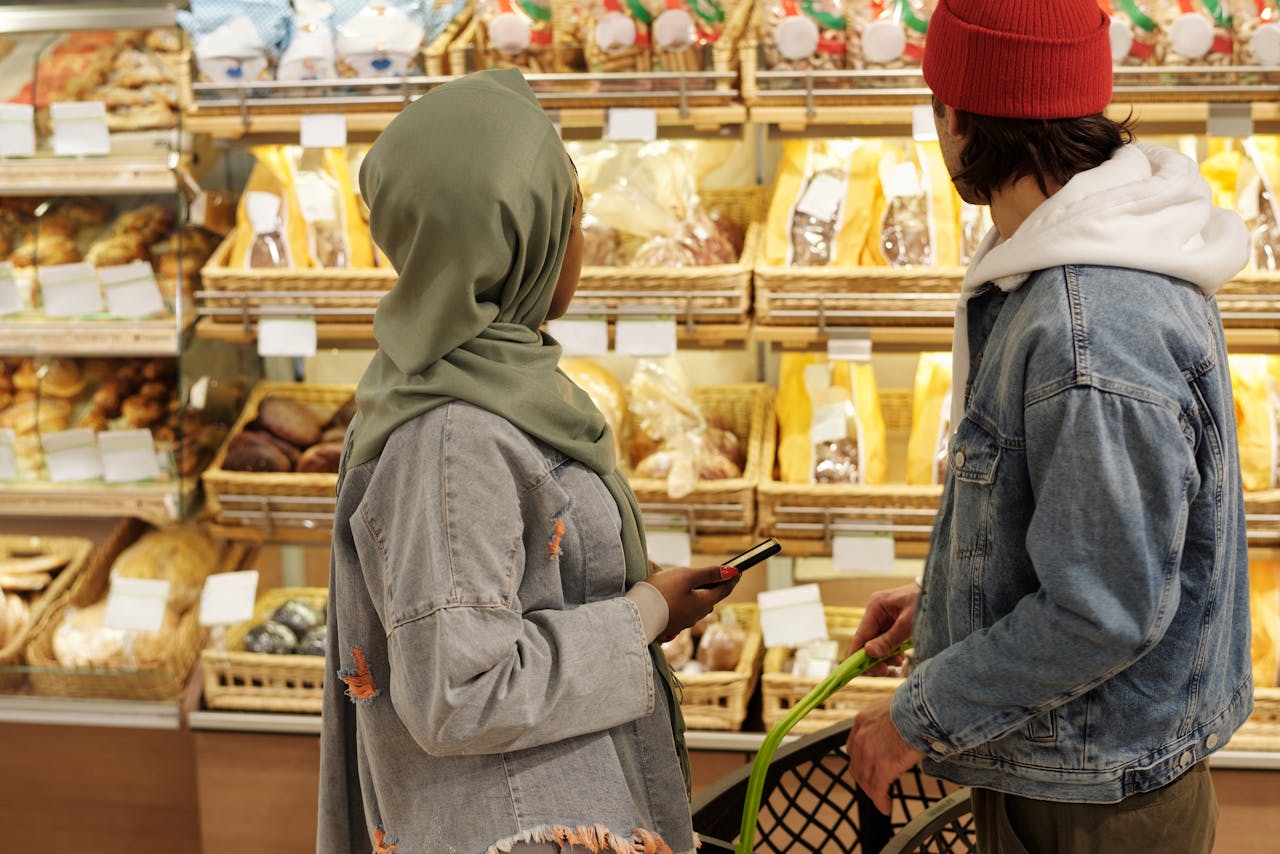
A slow pan across handwritten price cards, old shelf rails, and manual sticker guns creates a powerful fiction: slower shopping equals smarter shopping. Viewers read the scene as honest commerce, even when the clip is staged for social pacing. The frame turns ordinary tags into moral signals about patience and thrift.
Behavioral research on scarcity and urgency helps explain the next beat. Once a tag says limited stock or last one, intent climbs quickly, particularly for practical products with clear use. Vintage props do not just decorate the frame; they prime urgency with softer language, so pressure feels cozy instead of pushy.
The Store-Brand Time Capsule

The most persuasive hauls rarely begin with famous labels. They start with forgotten store brands, plain wrappers, and regional items that once lived in discount bins. That choice signals thrift, and thrift now reads as competence rather than compromise across many households.
Consumer tracking has shown trade-down behavior staying high even as sentiment improved, with many shoppers still choosing lower-priced options. So the vintage haul is not only nostalgia theater; it mirrors a value-first mindset already present in real carts. The old wrapper becomes visual proof that smart spending can still look stylish on camera.
The Scarcity Shelf Panic Clip
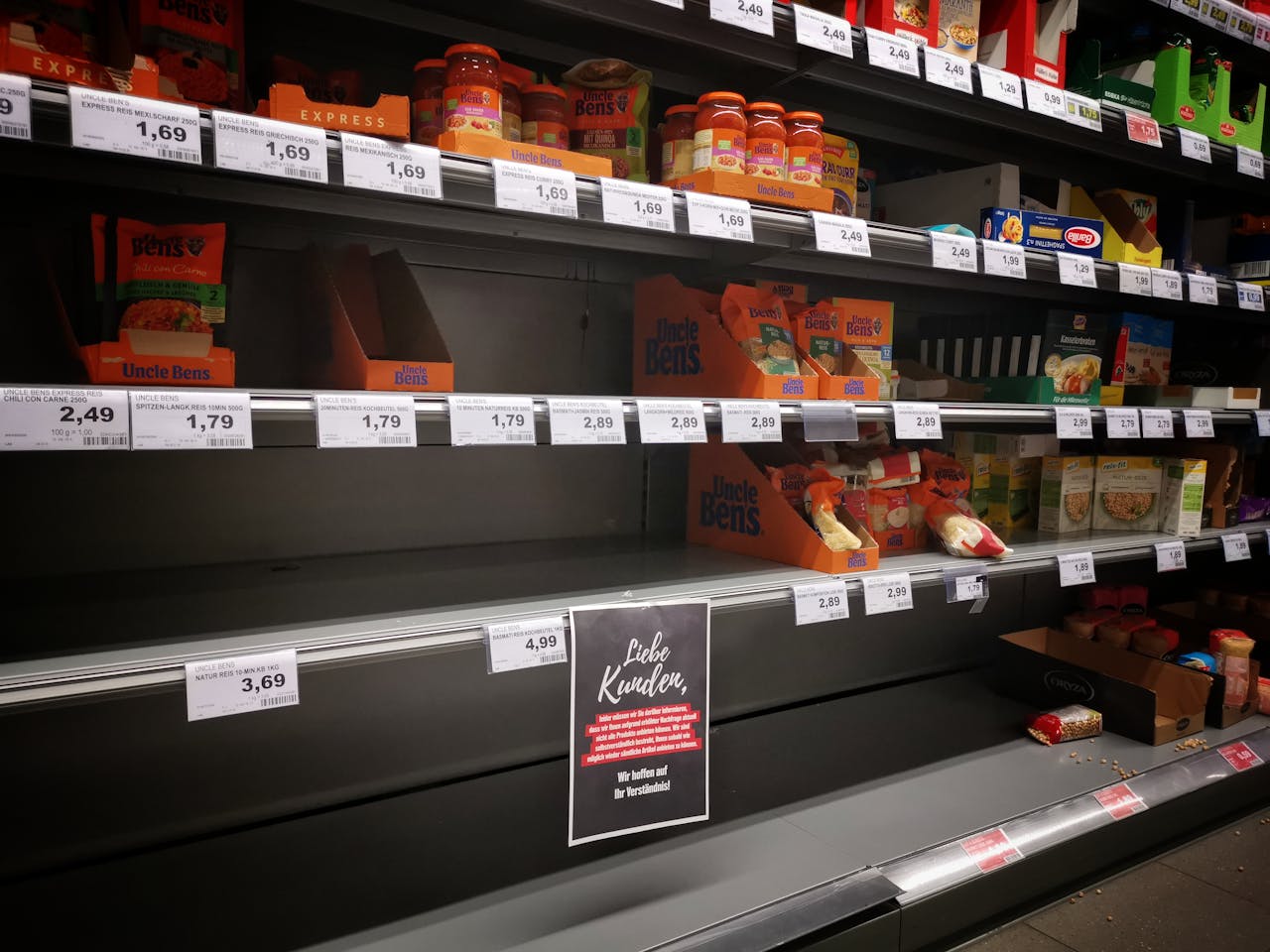
One near-empty shelf, one retro sign, one excited voiceover, and the feed does the rest. The camera never needs to show actual demand. It only needs to suggest that everyone else got there first, and that missing out would feel socially costly by evening.
A large meta-analysis of scarcity tactics found that cues about unavailability generally raise desirability and purchase intention, though effects vary by product and context. Haul creators exploit exactly that psychology, turning an old grocery corner into a stage where hesitation looks like loss. A product framed as rare for ten seconds can dominate comment sections for days.
The Checkout Belt Candy Cascade
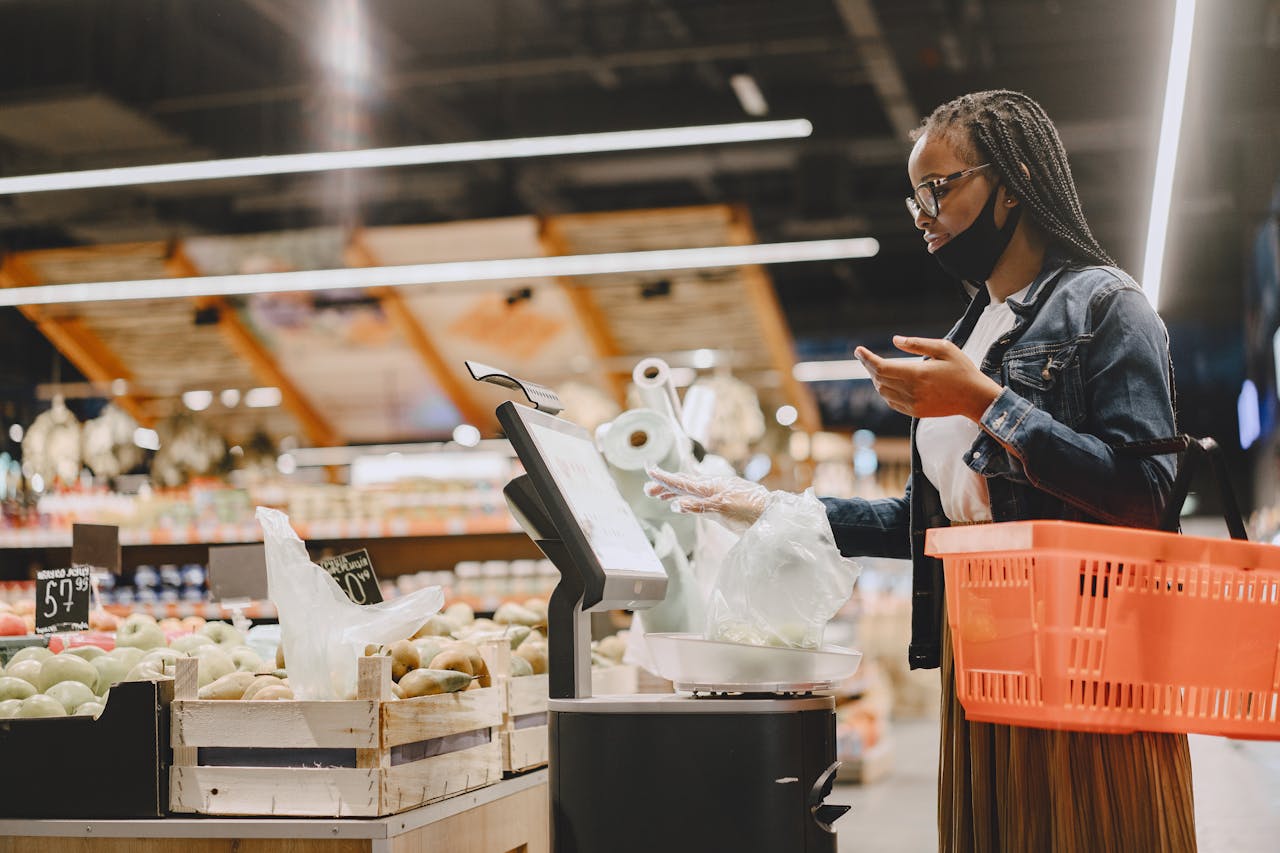
The checkout segment looks casual: gum, mints, caramel bars, mini chips, all tossed in as afterthoughts. But placement is the point. The belt becomes a narrative ending where tiny buys feel deserved because the main hunt already looked disciplined and practical.
Observational retail research has shown how checkout environments cluster snack and sweet items at decision points, reinforcing last-minute additions. In vintage-style clips, that old register sound and paper receipt aesthetic make small extras feel quaint, not impulsive, and the total climbs quietly. What appears harmless in singles becomes costly in sequence.
The Pantry Transfer ASMR Loop

Nothing converts like the transfer scene: pasta from old paper bag to glass jar, biscuits from retro tin to labeled canister, sugar scooped with a steel cup. The sound design does half the selling, while neat repetition does the rest. Organization suddenly looks like emotional repair.
Olfactory-memory research describes how sensory cues can trigger vivid autobiographical recall, and creators mimic that mechanism visually and sonically. Even without scent through a screen, the ritual suggests smell, texture, and routine, pushing viewers from passive watching into organized stockpiling. The jar closes, and restraint closes with it.
The Retro Freezer Jackpot
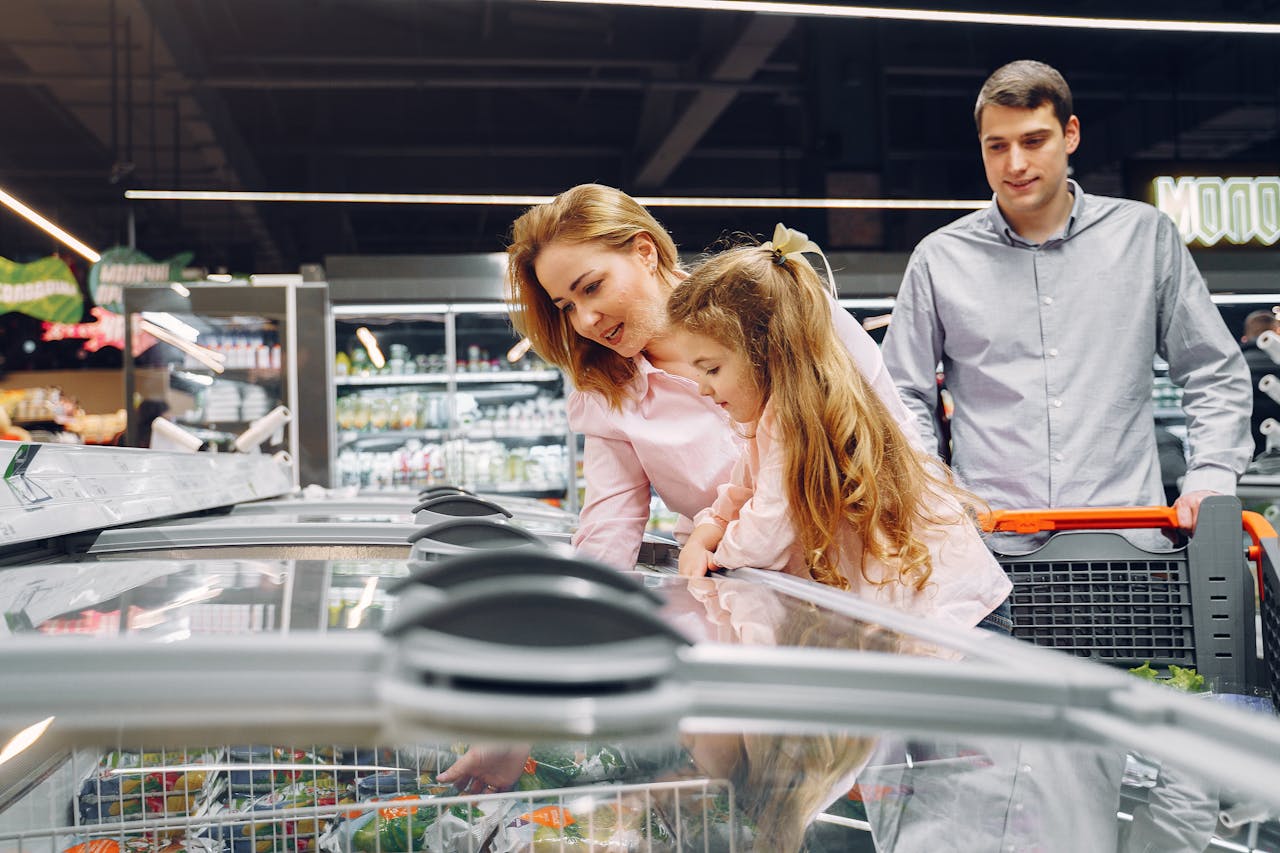
Freezer hauls add jackpot energy: discontinued ice pops, old-school pie shells, TV dinners in throwback boxes, all presented like rare finds. The thrill sits in contradiction, with processed food framed as precious discovery and domestic comfort at once. The colder the frame looks, the warmer the memory pitch sounds.
Brands have leaned into retro packaging revivals across snacks and staples, training audiences to read old cues as authenticity rather than dated design. Once that frame is set, convenience looks like heritage, and repeat purchases feel like preserving culture rather than consuming more. Scarcity is implied not proven.
The Receipt-and-Regret Epilogue
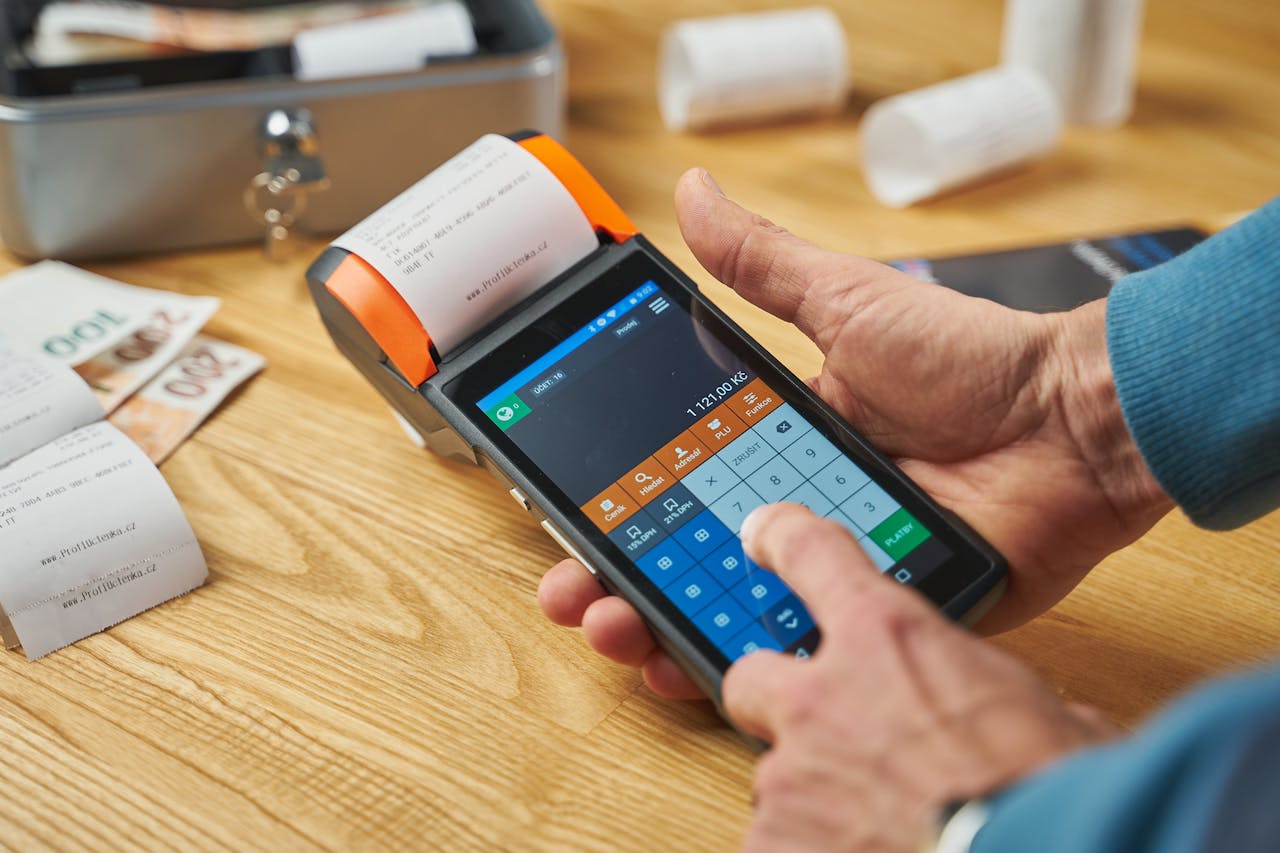
The final shot is often a crumpled receipt beside a full counter, followed by a joking confession that the haul went too far. That tiny self-critique strengthens the format. It signals awareness, which makes the next overspend feel socially forgivable instead of reckless and oddly relatable.
Recent retail analysis suggests many impulse-category purchases are now planned before store entry, shaped by digital exposure rather than aisle surprise. In that environment, vintage grocery content does not merely document spending habits. It scripts them, then wraps the script in nostalgia, humor, and a promise to do better next week.