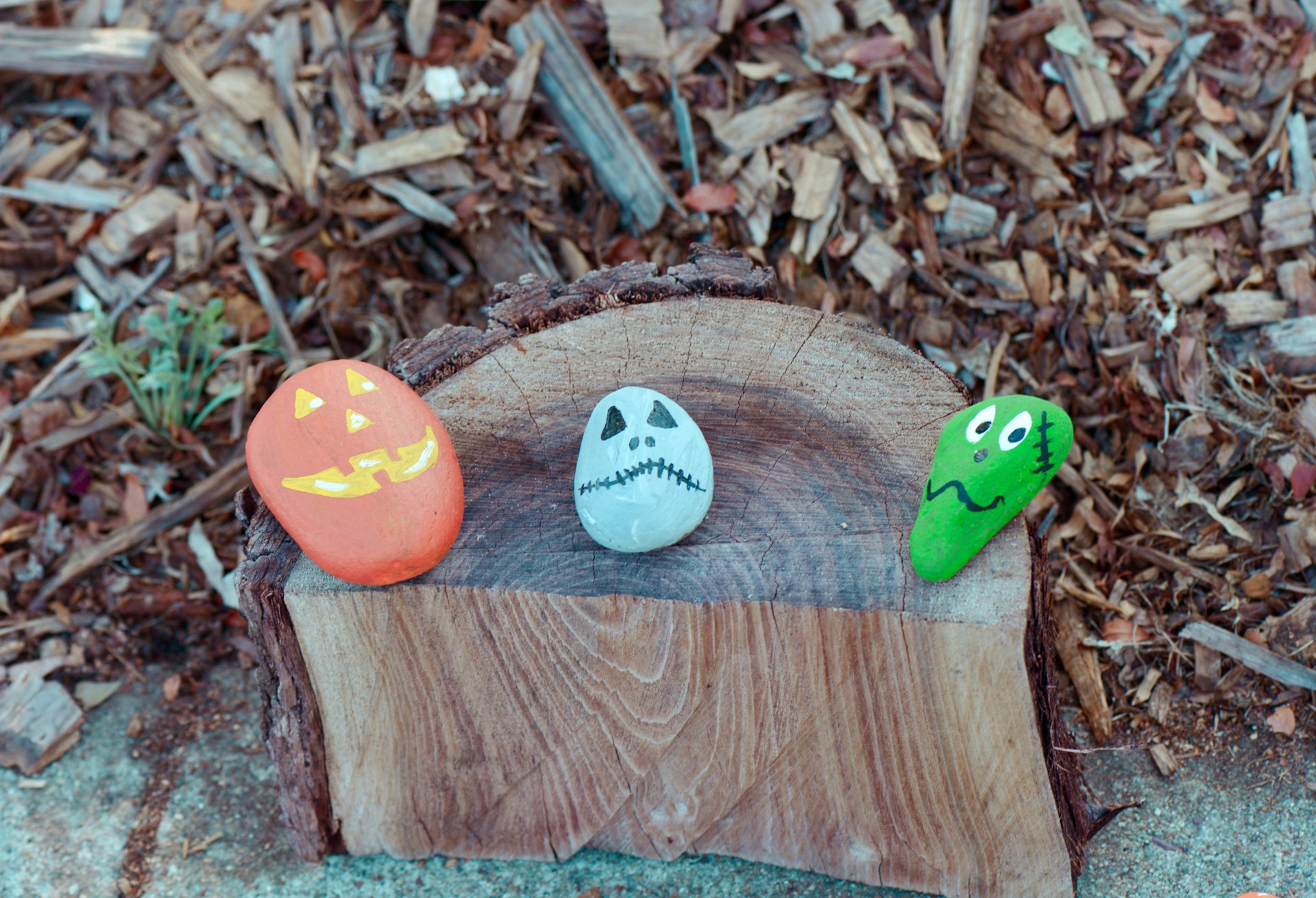
The return of the Pet Rock looks silly on the surface, but it says something sharp about the mood of the decade. When people feel stretched, they often drift toward tiny objects that feel familiar, controllable, and emotionally light. A joke from the seventies suddenly feels practical again because it asks almost nothing, costs little, and still delivers a story worth telling. What looks absurd can be a pressure valve.
This is why the trend matters beyond novelty shelves. The Pet Rock comeback sits at the intersection of consumer fatigue, social media irony, and nostalgia-driven coping. It turns memory into a product and stress into a buying trigger, all while pretending none of this is serious. That mix of humor and need is exactly what makes the trend culturally interesting, and a little uncomfortable.
A Joke Product That Never Fully Left
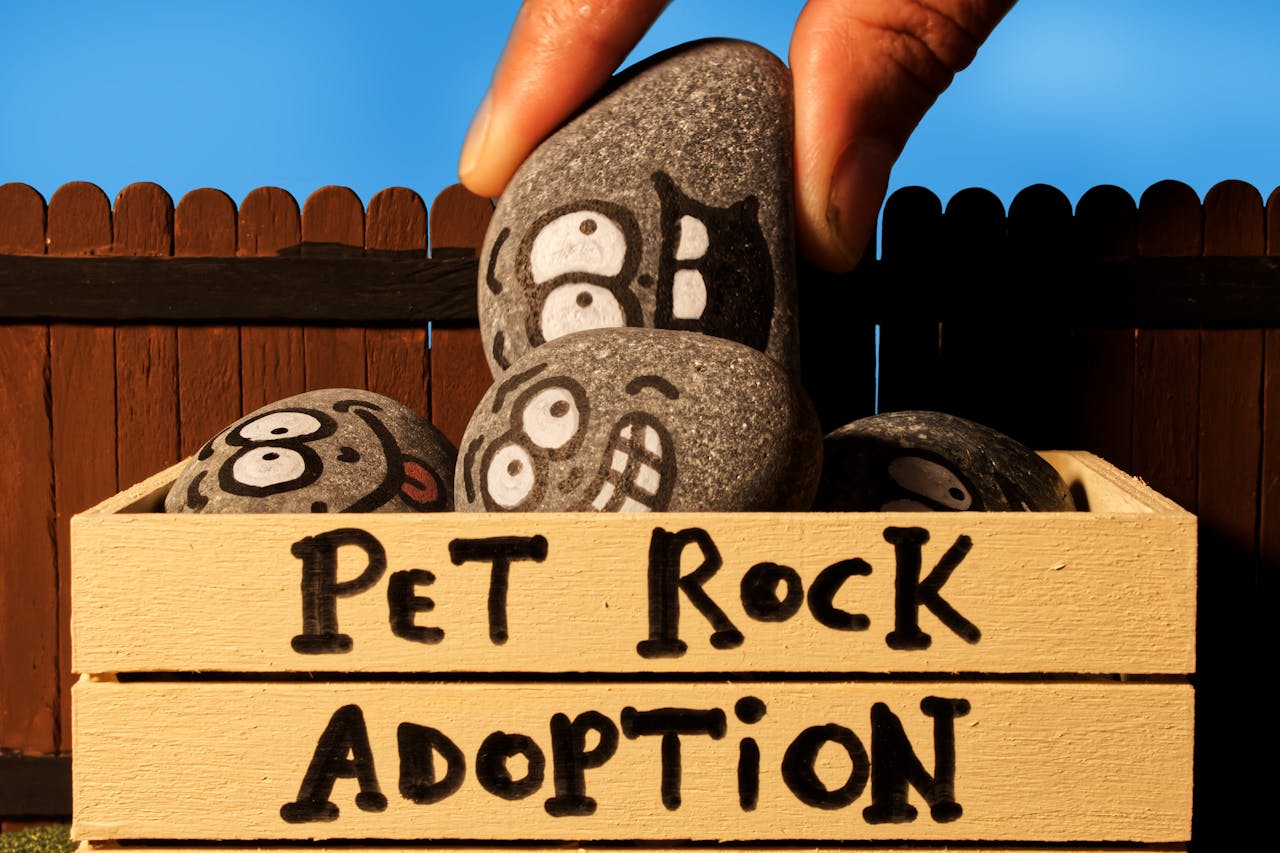
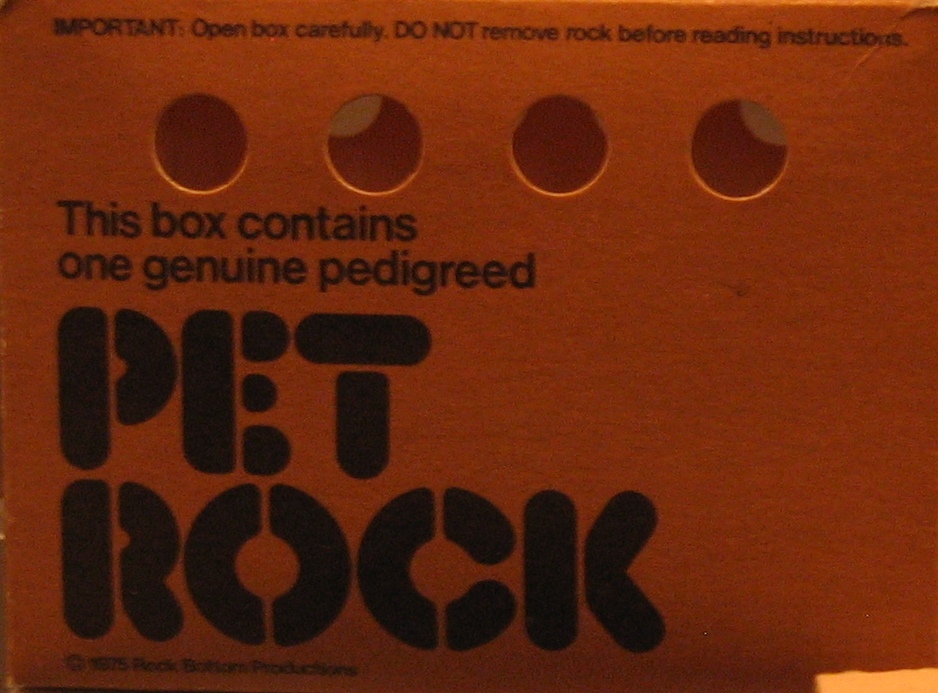
The original Pet Rock was born in 1975, packaged with bedding and a tongue-in-cheek training manual, then sold at scale during the holiday rush. Reports from that era and later obituaries describe the same arc: rapid sales, low production cost, and a fad that burned bright then faded fast. The core promise was never utility. It was comic relief wrapped as ownership.
The modern version confirms the concept still has market life. Super Impulse now sells an officially licensed Pet Rock with updated packaging and accessories, effectively repositioning a vintage gag for a new cycle of buyers. The details changed, but the pitch did not: low effort, high personality, and instant conversation value.
Stress Creates Demand for Tiny Emotional Relief
This comeback is easier to understand against the broader emotional backdrop. APA’s latest Stress in America reporting frames a national strain around social disconnection, while Pew data shows most U.S. adults rating economic conditions negatively. AP-NORC polling adds another layer, with grocery costs cited as a major stress source for many households. In that climate, small novelty purchases can feel like manageable self-soothing.
A pet rock offers a kind of symbolic control. It cannot fail, break trust, or demand more from an already tired schedule.
Under sustained pressure, people often stop shopping for perfect outcomes and start shopping for emotional efficiency. The strongest products in that moment are easy to explain, easy to gift, and easy to post. The Pet Rock checks all three boxes, which helps explain why it keeps resurfacing when public mood turns heavy.
In uncertain periods, absurdity can feel safer than ambition. A ridiculous object lowers the emotional stakes of spending.
Irony Is the New Trust Signal
The current nostalgia wave runs on irony as much as memory. People do not always buy retro products because they believe in them literally; they buy them because irony creates social permission. It says the buyer is self-aware, in on the joke, and still participating. That balance matters in a culture where sincerity is often filtered through humor first.
The Pet Rock fits this perfectly. It lets someone signal taste, stress, and playfulness in one move without saying any of those things directly. In that sense, the product acts like a social caption in object form. It is less about owning a rock and more about performing a mood that others instantly recognize.
Nostalgia Works Because It Feels Social
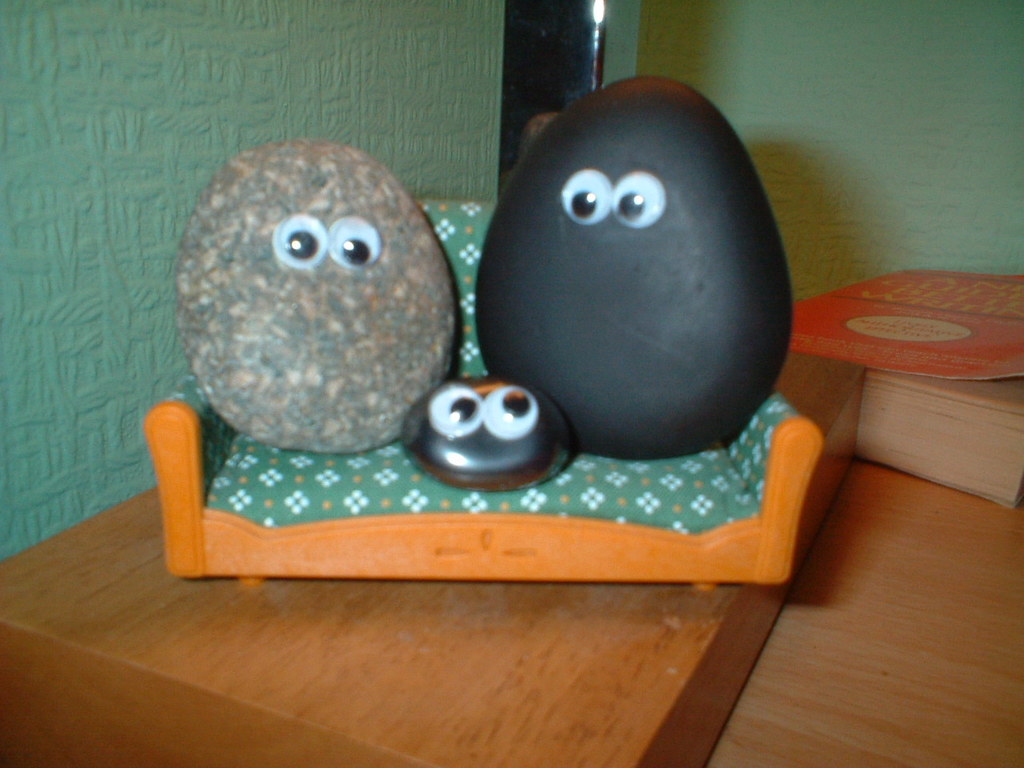
Psychology research has consistently linked nostalgia with perceived social connectedness and better short-term emotional outcomes such as meaning, optimism, and self-worth. Studies also show nostalgic reflection can reduce reluctance to seek help by strengthening feelings of acceptance and support. That does not make nostalgia a cure-all, but it does explain why memory-heavy products feel emotionally useful during difficult stretches.
In plain terms, nostalgia reminds people they belong to a story bigger than the current bad week. That alone can steady decision-making.
Consumer research reaches a similar conclusion from a market angle. A 2023 review in Current Opinion in Psychology describes nostalgia as a social emotion that can shape product choice through connectedness, self-protection, and identity signaling. That framework helps explain why absurd retro objects can still outperform more rational products in tense periods.
When uncertainty rises, people buy belonging in small, affordable formats. Memory becomes a feature, not a side effect.
Cheap Comfort Wins When Budgets Tighten
In tougher financial periods, buyers still spend, but spending behavior shifts toward lower-risk mood lifts. The same public data that shows broad economic pessimism and cost stress also points to careful prioritization in daily life. A small novelty item survives that filter because the downside is limited while the emotional upside is immediate.
That tradeoff is what makes Pet Rock style products resilient. They can sit between gift culture and self-care culture without claiming to solve anything major. For budget-conscious buyers, that honesty is part of the appeal. The product does not promise transformation; it promises a moment of relief.
Brands Love the Math of Playful Absurdity
From a business perspective, nostalgia objects are efficient. They recycle known ideas, tap existing cultural memory, and benefit from built-in storytelling that reduces the need for heavy education. The marketing lift often comes from community behavior, not only ad spend, because people enjoy sharing strange purchases that still feel culturally legible.
The revived Pet Rock product page shows this logic in action: heritage branding, playful copy, familiar kit elements, and broad age positioning. It is an old template with modern distribution, and it works because the emotional mechanics did not expire. Absurdity is not the opposite of strategy here. It is the strategy.
Where the Trend Can Go Wrong
Not every nostalgia cycle is harmless. Sometimes it becomes avoidance dressed up as comfort, especially when brands imply that buying a memory can replace harder forms of support like rest, community, or professional help. In those cases, the product may soothe a symptom while reinforcing the pressure loop that created demand in the first place.
There is also the exclusion problem. Nostalgia marketing often assumes a shared past, but many buyers do not share the same cultural timeline, economic access, or emotional associations. A trend that feels warm to one group can feel alien or tone-deaf to another, which is why successful nostalgia brands now layer old references with newer, more inclusive entry points.
The best use of nostalgia is honest, not manipulative. It should invite reflection and connection, not pretend that stress can be solved with collectibles. When brands keep that boundary clear, playful products can stay playful without becoming emotionally extractive.
What the Comeback Really Says About This Era
The Pet Rock resurgence is less a random oddity and more a precise cultural signal. It reflects a period where people are overloaded, financially cautious, socially fragmented, and still looking for quick forms of emotional steadiness. Nostalgia supplies the language, irony supplies the permission, and low-cost novelty supplies the transaction.
So the absurdity is real, but it is not meaningless. It reveals how consumers translate pressure into behavior when bigger systems feel hard to trust. In that light, the Pet Rock is not just a retro toy returning to shelves. It is a compact map of how stress, memory, and market logic now move together.
Sources
- The Strong National Museum of Play
- The Washington Post
- Super Impulse
- American Psychological Association: Stress in America 2025
- Pew Research Center
- AP News / AP-NORC Poll
- Current Opinion in Psychology (ScienceDirect)
- Nostalgia and Well-Being in Daily Life (PMC)
- PubMed: Nostalgia Promotes Help Seeking
- PubMed: Nostalgia as a Repository of Social Connectedness