
Gas taxes were built for a world where most cars burned fuel, and that link is weakening fast. As EVs and high-efficiency vehicles grow, states collect less per mile even when traffic stays heavy. Several are responding with road-usage charges that bill by the mile instead of by the gallon, tying payment to how much pavement gets used. In 2026, a few programs are positioned to expand beyond pilot-scale participation, which can change budgets for commuters and visitors alike. The details vary, but the direction is clear: new enrollment paths, per-mile rates, and a shift away from the pump.
Oregon
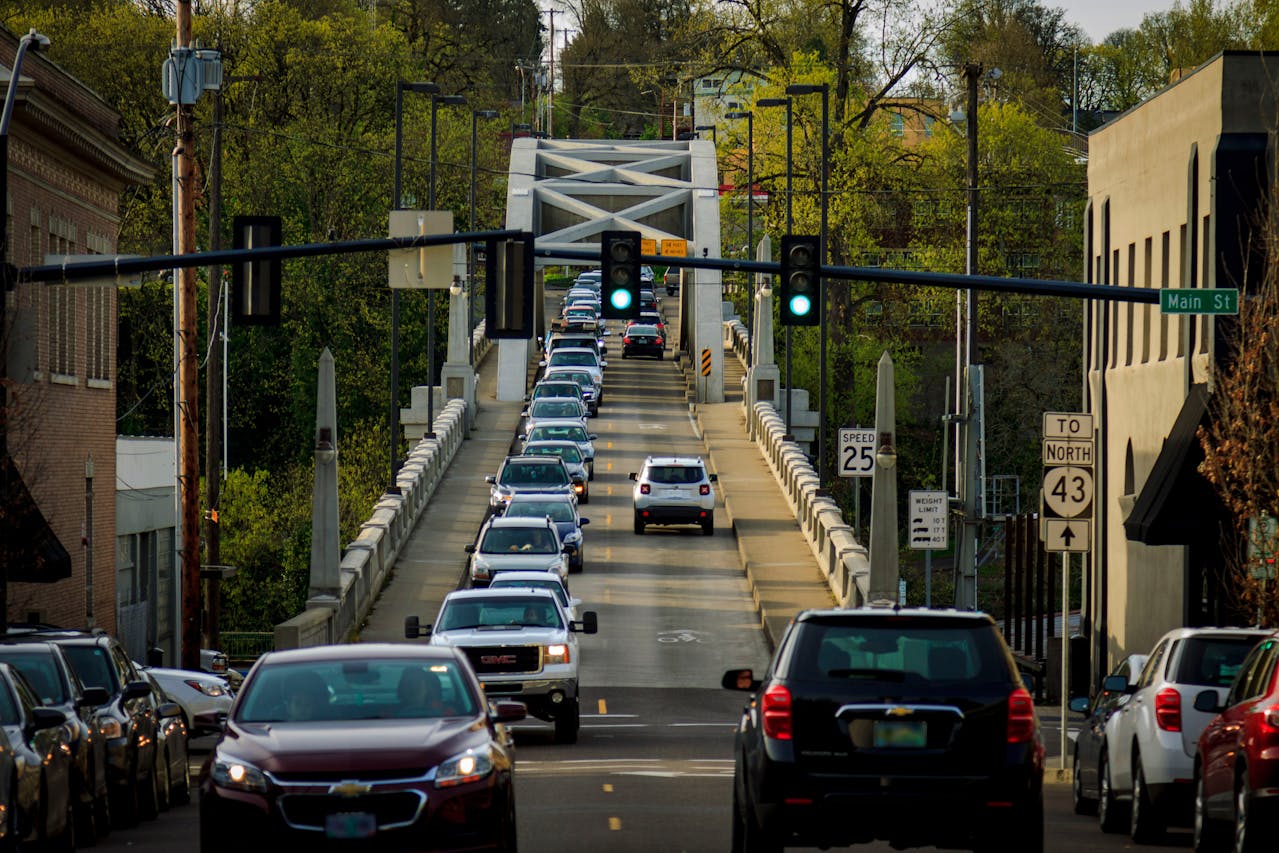
Oregon has led the country in mileage-based charging for more than a decade, and 2026 is set to bring a larger push as more drivers move into EVs and high-efficiency cars that buy less fuel. Instead of paying only at the pump, enrolled drivers pay per mile traveled, with the rate recently hovering near 2.3 cents, built to match what the gas tax would have raised for many drivers. Enrollment is still modest relative to the state’s more than 3 million registered vehicles, yet it continues to climb as awareness grows. Oregon’s message is straightforward: the road-usage charge is not a temporary experiment. It is meant to be a long-term backbone as the fleet changes and fuel-tax revenue keeps thinning.
Utah
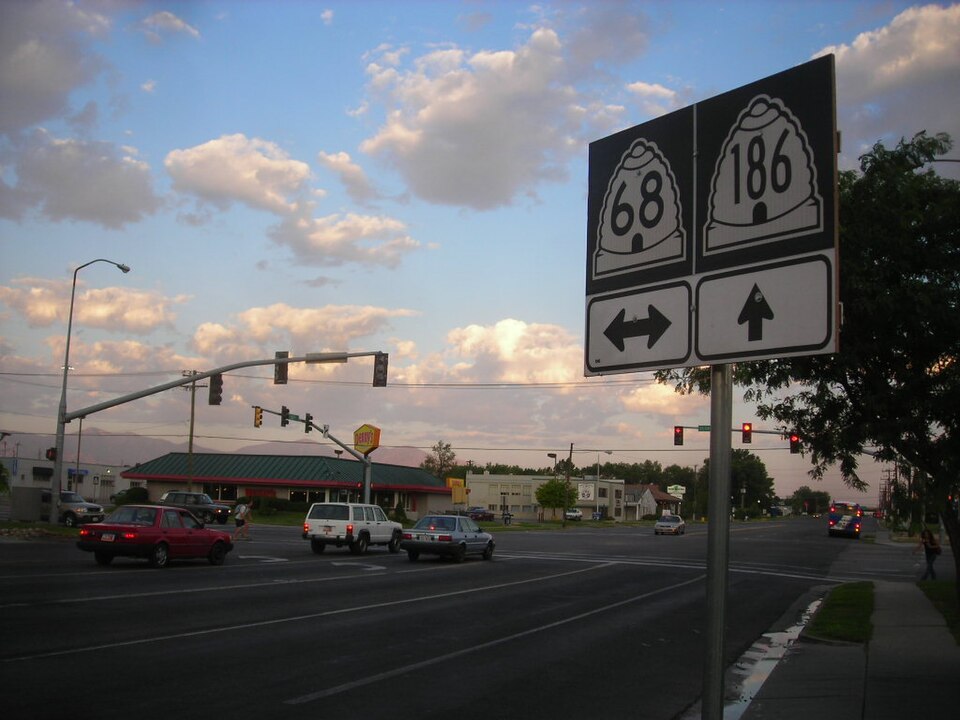
Utah’s road-usage system is positioned for broader participation in 2026 as the state refines its per-mile model for EVs and plug-in hybrids and makes enrollment feel more routine. Drivers currently pay around 1.1 cents per mile, a figure designed to mirror the impact of fuel taxes without piling extra cost onto low-mileage households. With more than 2.2 million vehicles statewide, Utah expects participation to rise as EV registration fees climb and drivers look for options that better match their actual driving. The state’s framing is practical: roads still need resurfacing, snow-season repairs, and expansion, and a per-mile charge keeps funding steadier even as gasoline purchases shrink.
Virginia

Virginia intends to broaden its Mileage Choice Program in 2026, inviting more drivers of efficient and electric vehicles to join a pay-per-mile option that ties costs to actual road use. The rate generally averages close to 2 cents per mile, aligning with what drivers would have paid through the state’s Highway Use Fee, so contributions stay more balanced across vehicle types. With nearly 6 million vehicles operating on Virginia roads, the program is presented as a fairness move, not a novelty. Virginia’s logic is simple: as fuel economy improves, the gas tax becomes less reliable. Mileage-based payment keeps the system funded without over-relying on one category of driver.
Hawaii
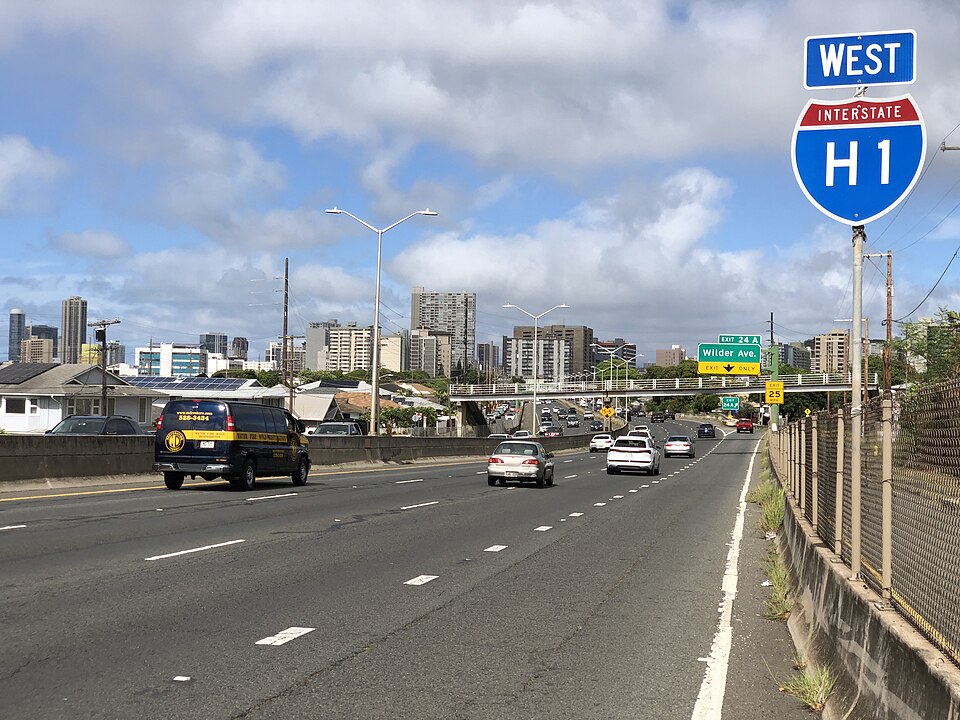
Hawaii’s transition speeds up in 2026 as EV owners face a clearer choice between a flat fee and a mileage-based charge, reflecting how island infrastructure depends on stable, predictable road funding. The program estimates about 0.8 cents per mile, a level meant to gradually replace the state’s longtime EV surcharge while linking payment to actual driving, not fuel bought. With roughly 1.1 million registered vehicles, Hawaii plans a phased expansion through the decade, eventually bringing more vehicle categories under a road-usage model. The island context matters: routes are limited, detours are scarce, and repairs are expensive. A per-mile system is pitched as a way to keep maintenance funded as the vehicle mix shifts.