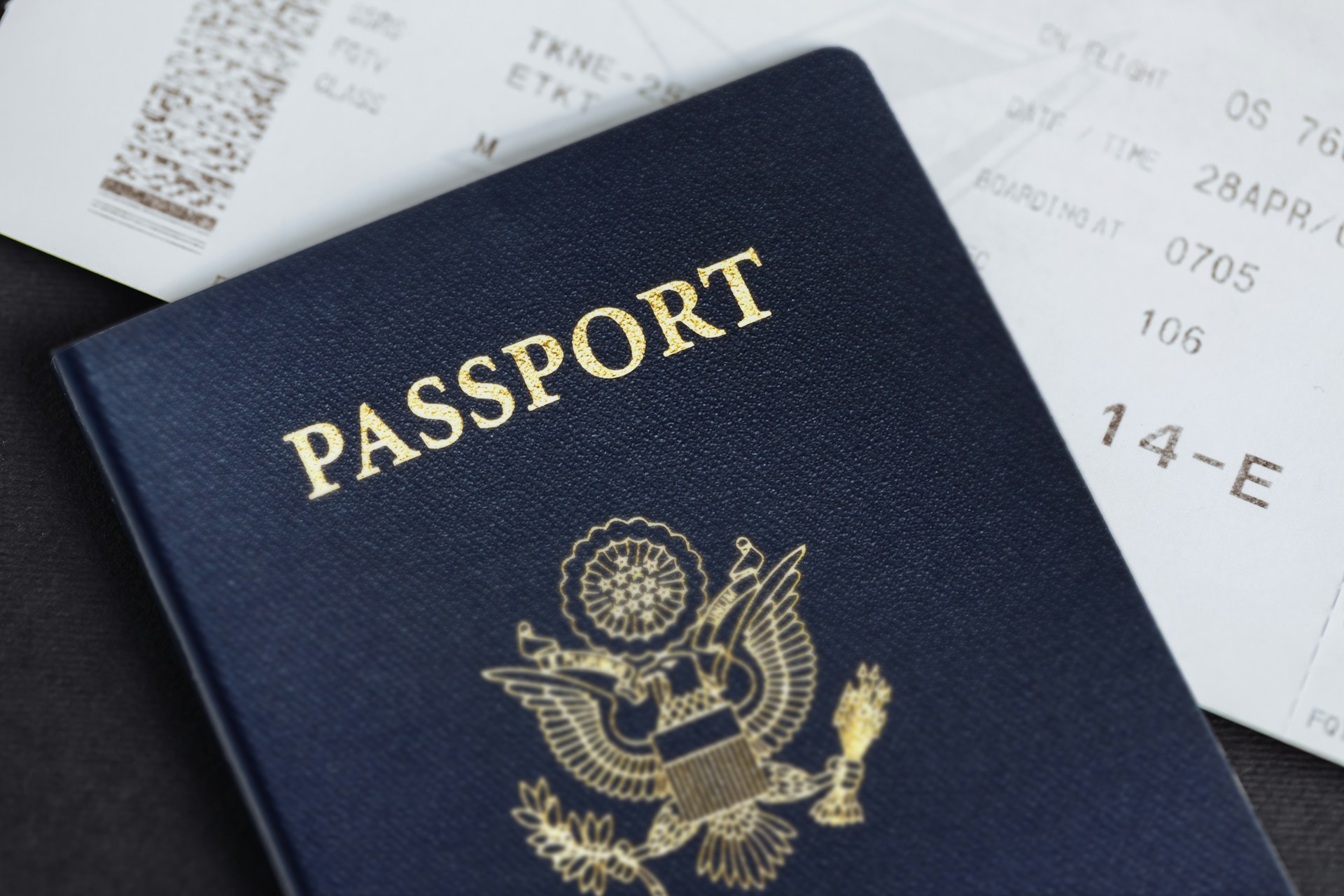
Passport paperwork once felt like a small pre-trip task. A family could gather documents, book a nearby library or post office slot, and trust the process would move in a straight line. In early 2026, that sense of routine changed as application access points shifted in parts of the country and travelers faced tighter scrutiny on forms and photo details.
The system is still functioning, and millions of people continue moving through it successfully. But recent updates have raised the cost of small errors. What used to be a fix-in-place issue can now mean a missed appointment window, a reset packet, and weeks of avoidable delay.
A Quiet Access Shift Began at Local Libraries
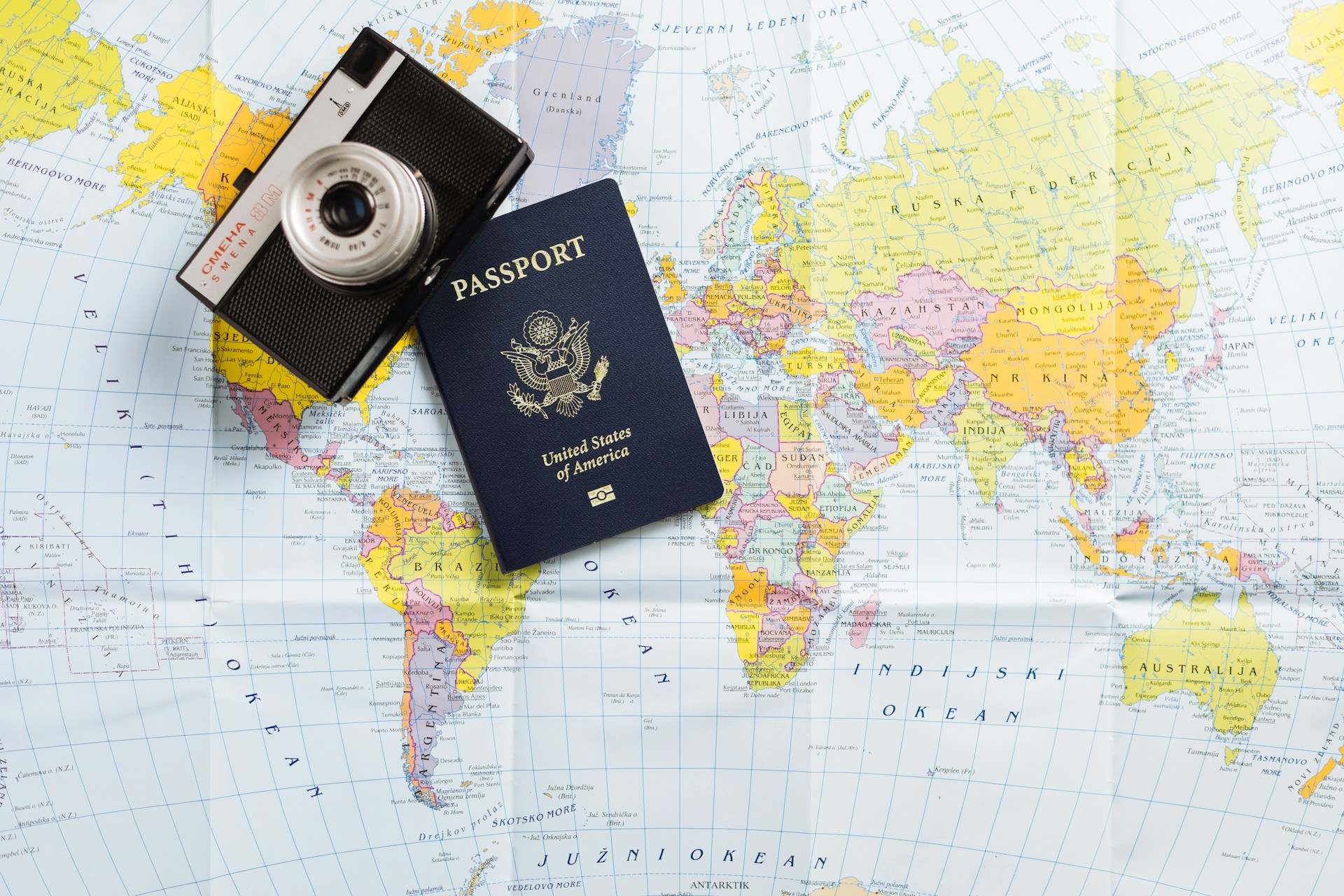
The biggest recent change is not on the form itself, but at the counter where people submit it. The State Department has sent cease-and-desist notices to certain nonprofit libraries, saying they are no longer eligible for the Passport Acceptance Facility program under federal rules on fee collection. That ended passport service at some community libraries that had handled appointments for years.
The agency said these sites account for less than one percent of acceptance facilities, yet the impact can feel much larger in places where nonprofit libraries are common. In several Northeastern states, that local footprint is substantial.
Government-Run Sites Stayed Open, But Routes Changed
Travelers are not losing the passport system, but many are losing the nearest door into it. The State Department says government-run libraries remain eligible, and post offices, clerks, and other authorized acceptance sites continue operating. In practice, many applicants now have to switch locations, appointment systems, and sometimes workday schedules.
Officials also note that there are more than 7,500 acceptance facilities nationwide, and they estimate over 99 percent of U.S. residents live within 20 miles of one. That broad map helps nationally, but local bottlenecks can still appear during peak demand and spring travel waves.
Form Printing Rules Are Stricter Than Most People Expect
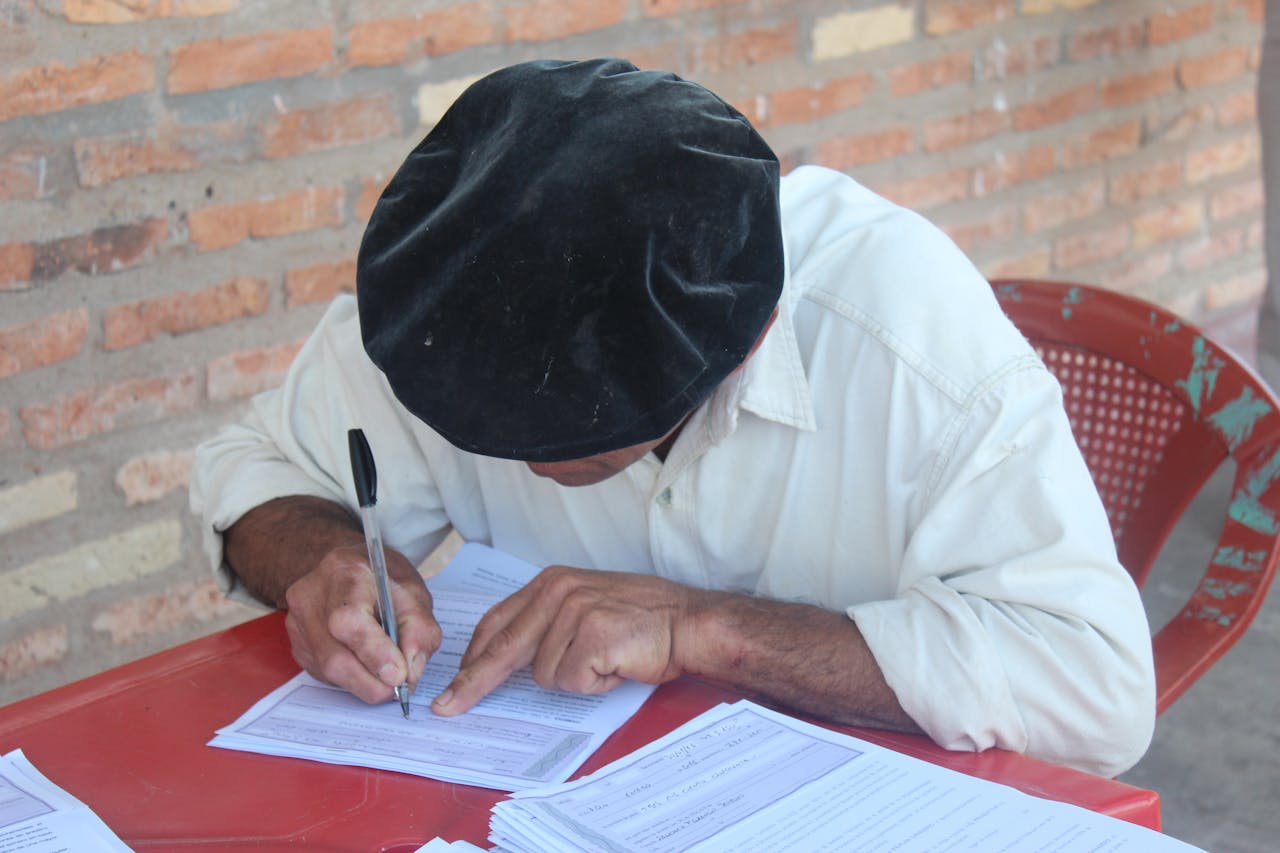
A frequent delay trigger is basic formatting. The State Department’s current DS-11 guidance says applications must be printed one-sided on white 8.5-by-11-inch paper in portrait orientation, and forms should be completed in black ink only. Horizontal printouts, reduced sizes, and two-sided sheets can be rejected before the case even enters full review.
That sounds minor until a family arrives at an appointment with a packet that looked fine at home but fails intake checks at the desk. In the current environment, technical compliance is not cosmetic. It is the first gate, and it can decide the entire filing timeline at intake.
Signature Timing Still Trips Up First-Time Applicants
Another old rule that still causes new delays: do not sign DS-11 early. For first-time applications, the acceptance agent must witness the signature in person. If someone signs at home, the form may need to be redone, which can force a second appointment in areas already seeing heavier traffic after the library change.
USPS and State Department guidance both emphasize this point, yet it remains one of the easiest mistakes to make when applicants are rushing to prepare documents the night before. A clean packet is less about speed and more about sequence: complete, print, bring, and then sign on site in front of trained staff.
Choosing the Right Form Matters More Than Ever
Not every delay comes from policy changes. Many come from using the wrong form type. DS-11 is generally for first-time applicants, minors under 16, or people not eligible to renew by mail or online. DS-82 is for eligible renewals, with rules tied to passport condition, issue date, and age at issuance.
The State Department also notes that eligible citizens can renew online, and USPS reiterates that renewals are handled by mail or online when criteria are met. When appointment availability tightens in some areas, form choice is no longer clerical detail. It determines which processing path is available for that case and timeline.
Photo Rejections Now Include AI and Filter Edits
Photo compliance has become an underrated choke point. Current State Department guidance requires a recent color photo with a clear, front-facing image, plain light background, and no glasses. It also explicitly bans altered images made with software, phone filters, or artificial intelligence, a rule many casual applicants still overlook.
Because photo defects are often discovered after submission, corrections can add weeks through back-and-forth notices. In a cycle where families are already adjusting to fewer nearby intake sites in some states, photo precision is one of the few variables fully under applicant control before appointment day
Processing Windows Improved, But Timing Math Still Matters
As of Feb. 2026, official processing estimates show routine service at about four to six weeks and expedited service at about two to three weeks, with mailing time counted separately. That is better than past backlog peaks, but it is not a guarantee for trips with fixed dates, school calendars, or connecting visa timelines.
State guidance also warns that status visibility can lag after submission while packets move through sorting and intake. Even when service bands look reasonable on paper, travelers who wait too long to apply may lose flexibility fast if a photo, signature, or documentation issue interrupts the first pass.
Urgent Travel Rules Are Narrow and Appointment-Based
For truly near-term trips, agencies and centers handle urgent cases by appointment only. The current threshold is travel within 14 calendar days, or visa need within 28 days for destinations requiring one. That channel exists for legitimate urgency, but State also says appointment availability is never guaranteed.
This is where planning mistakes become expensive. If routine or expedited filing could have worked earlier, waiting for urgent slots creates risk, not leverage. The safest pattern is to treat urgent service as contingency, not strategy, and keep complete proof of travel ready before attempting any agency booking.
How Travelers Can Reduce Delay Risk Right Now
The practical playbook is simple and disciplined: confirm the nearest eligible acceptance site, complete the correct form, print exactly to spec, leave DS-11 unsigned until witnessed, and verify photo rules before the appointment. Then track status early and respond immediately if the Department requests additional information.
This approach does not eliminate every delay, but it prevents the avoidable ones that now matter most. In a period of shifting access points and tighter intake checks, travelers who treat passport prep like compliance work, not casual paperwork, are the ones most likely to keep departure plans intact.