Holiday markets are more than shopping stops. They are temporary towns where recipes, crafts, and local pride share the same cold air. In many places, that ritual is getting harder to keep alive. Security costs rise. Historic squares get rebuilt. Permits tighten, and public budgets thin out. Some markets relocate, lose vendors, or skip a year, and a skipped year can become a pattern. Still, the best ones hold onto a specific kind of warmth: lantern light on wet cobblestones, choirs cutting through steam from food stalls, and handmade gifts that carry the city’s accent. For small makers, a few winter weekends can decide whether a workshop stays open or goes quiet. That is why timing matters.
Berlin’s Christmas Market at Gendarmenmarkt
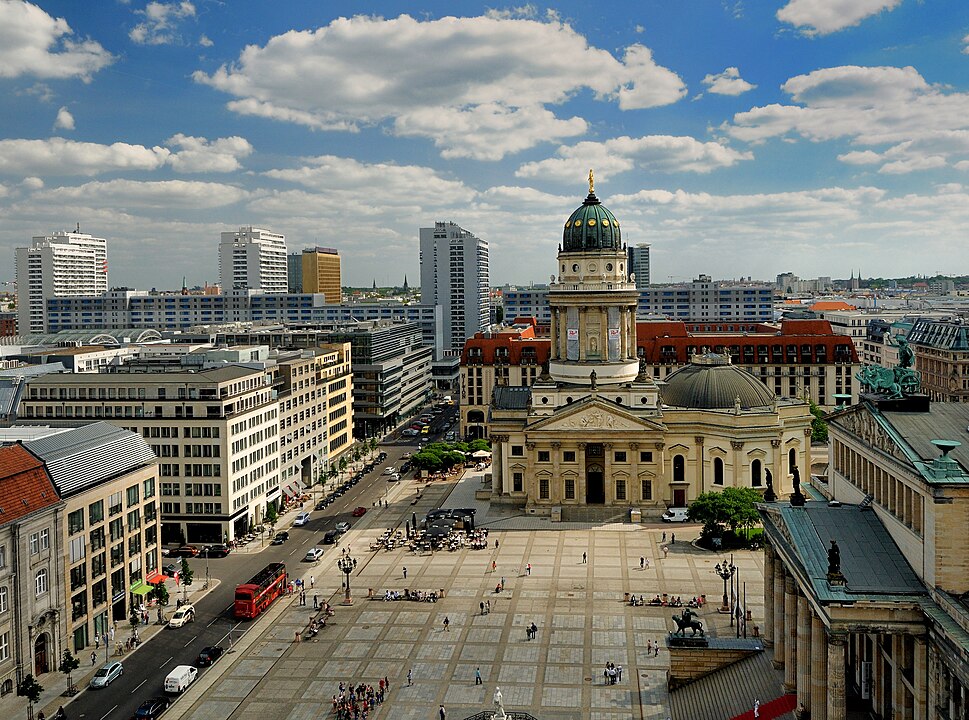
Berlin’s Gendarmenmarkt market has already proven it can be displaced, after years of nearby construction pushed it away from its iconic square and thinned the habit of meeting there after work. Now the return comes with tighter entry control, heavier staffing, and occasional paid access meant to cover safety overhead that keeps climbing with each new requirement. Under the cathedral domes, artisans still sell glasswork, carved wood, and leather goods that feel unmistakably Berlin, yet the tradition looks fragile when a public ritual starts to feel ticketed, timed, and monitored instead of casually shared at street level.
Dresden Striezelmarkt
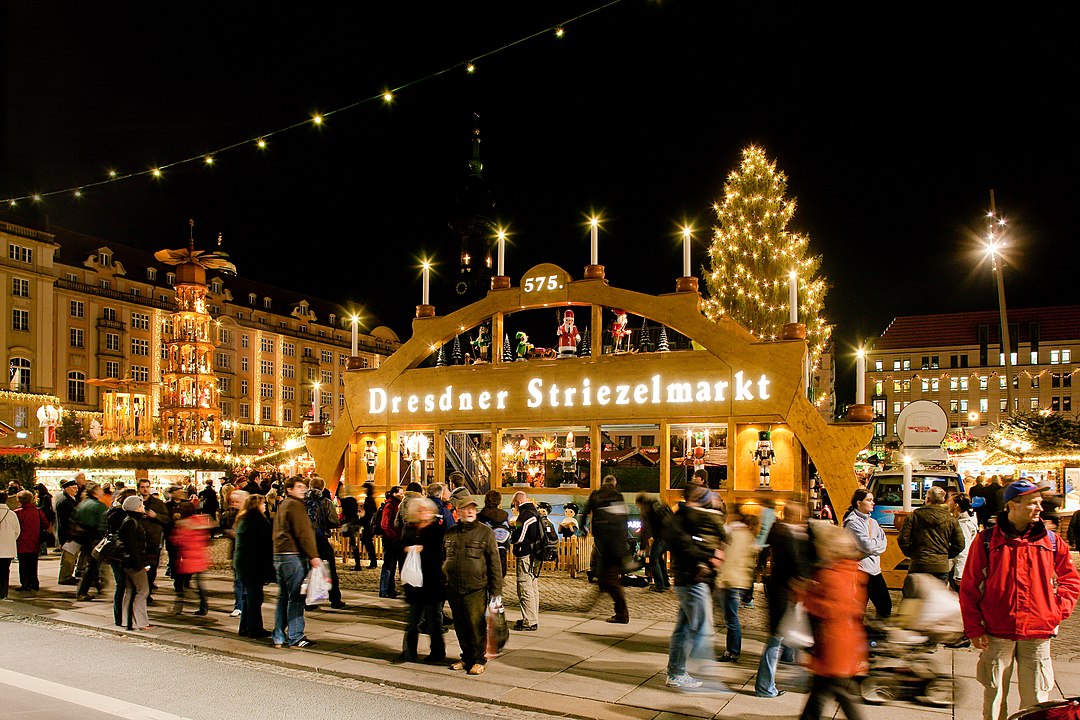
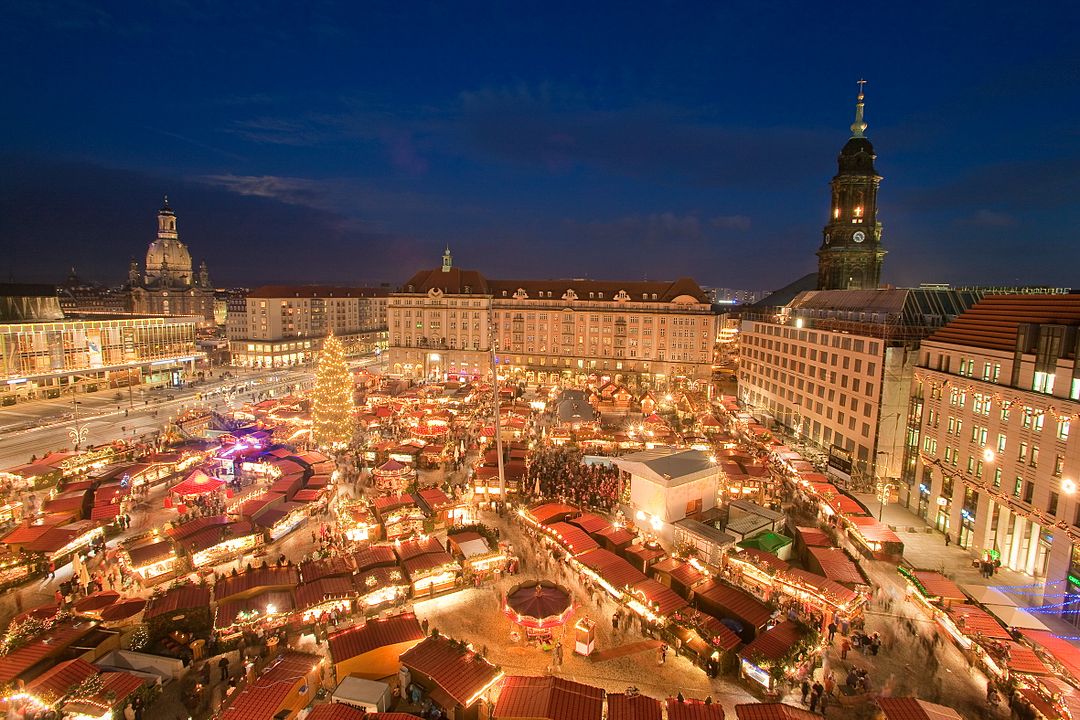
Dresden’s Striezelmarkt trades on continuity: Stollen, wooden pyramids, brass music, and ornament makers who come back like clockwork. That continuity now includes concrete barriers, controlled approaches, and a security checklist that costs money, time, and patience before a single sale is made, especially for small stalls with thin margins. After dusk it still glows, but the pressure is real: extra paperwork, inspections, higher operating costs, tighter layouts, strict delivery windows, and staffing demands can push out the smallest makers first, so the market slowly loses its most personal details in the long run.
Magdeburg Christmas Market
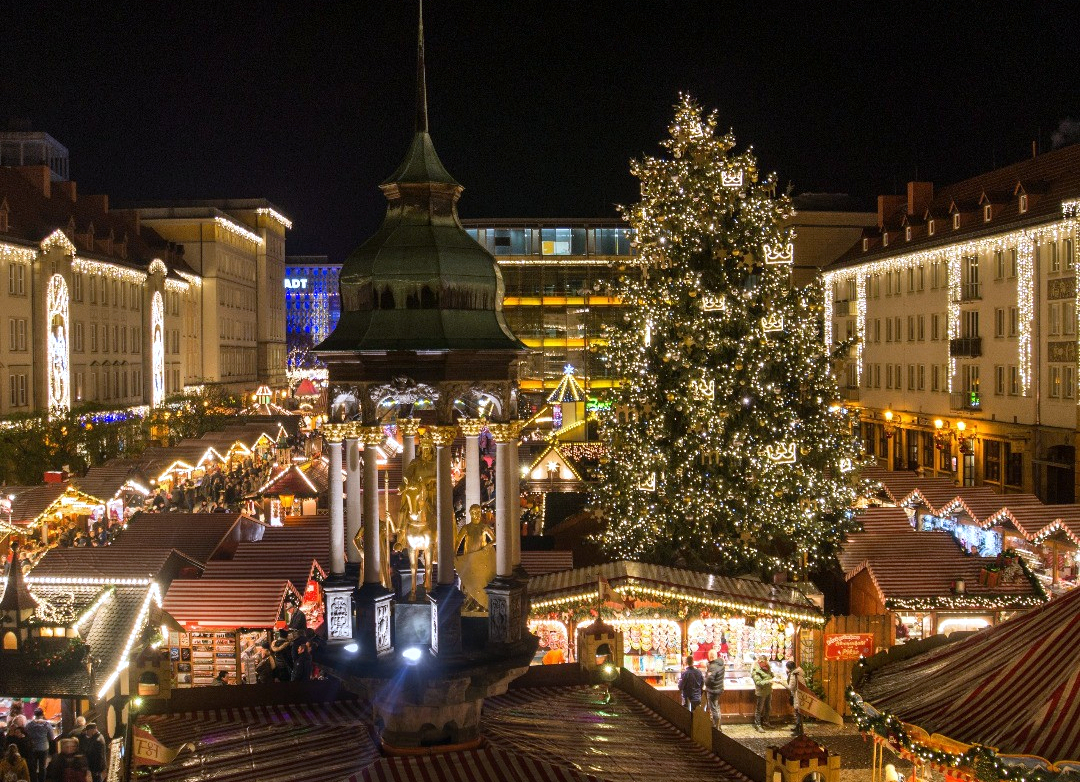
Magdeburg’s Christmas market shows what happens when a city keeps a tradition alive only by building an expensive safety perimeter around it, with planning that begins months before the lights go up. Vehicle blocks, tightened access, and expanded staffing can protect a square, yet they reshape the mood and the budget long before the first mug is poured, because every barrier and guard post must be paid for up front. Families still come for lights and rides, but when those costs get pushed onto organizers and vendors through higher rents and stricter requirements, the market can become too hard to run even while interest stays strong
Overath Christmas Market at St. Walburga
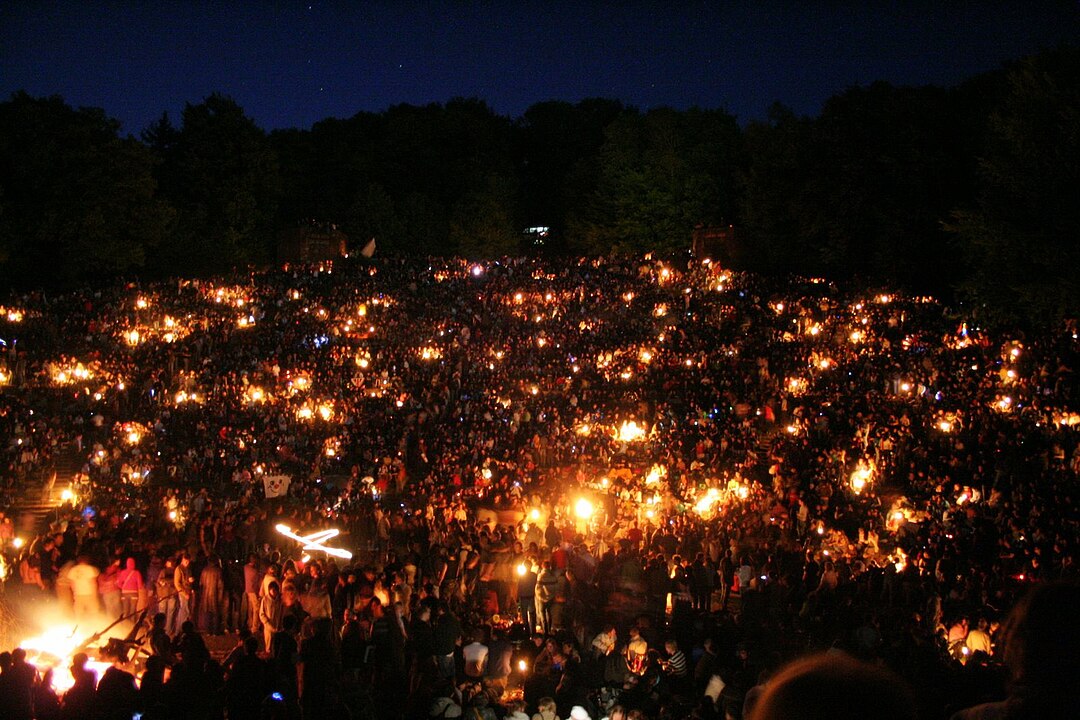
Overath, near Cologne, is a reminder that small-town markets have the thinnest margin for error, because a single unresolved safety plan can wipe out a season and break momentum. When funding and logistics do not line up, cancellation happens fast, even if residents want the stalls back on the square and vendors have already ordered stock, sweets, and decorations. The loss is bigger than a weekend of shopping: these evenings are where local clubs raise money, neighbors linger without an agenda, and artisans meet repeat customers, and once that rhythm drops off the calendar it is hard to rebuild without steady backing.
Strasbourg Christkindelsmärik
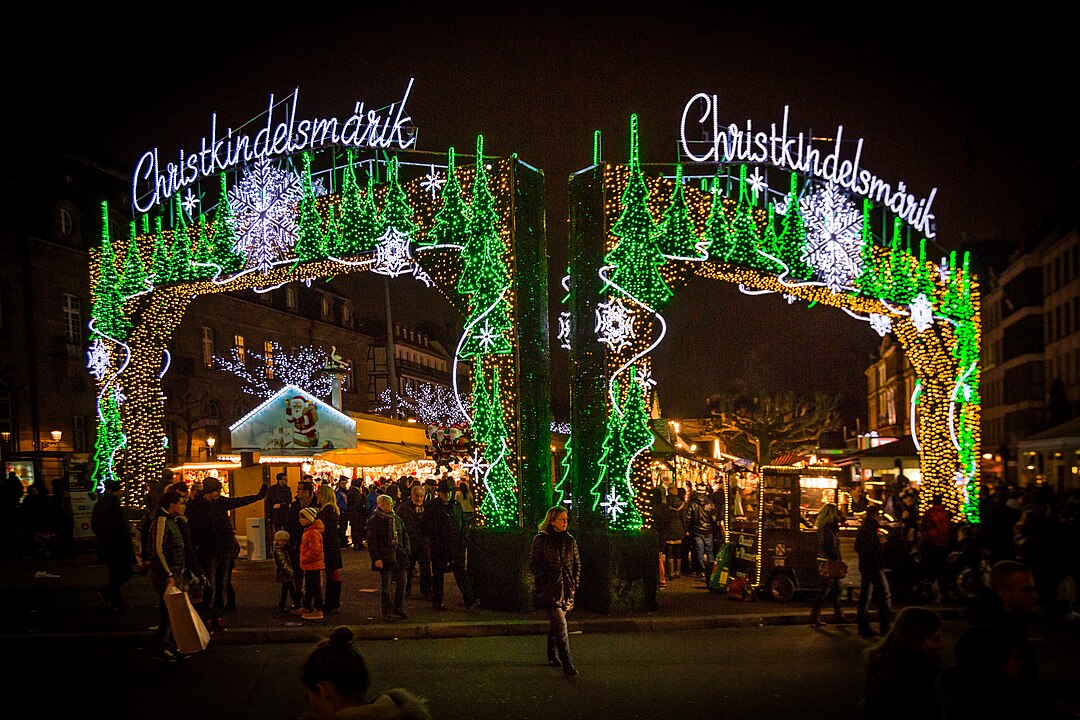
Strasbourg’s Christkindelsmärik is famous enough to attract global crowds, and that popularity brings heavy management that can feel like a second set of architecture around the old streets. Controlled entry points, bag checks, and dense pedestrian lanes shape how the market feels, turning wandering into a guided flow on peak nights and compressing the cozy corners people once sought out. The lights still glow through timbered streets, but the balance is delicate: too little control risks safety, too much control drains spontaneity, and if locals start avoiding the center, the market shifts from living tradition into staged display.
Glasgow Christmas Market in George Square
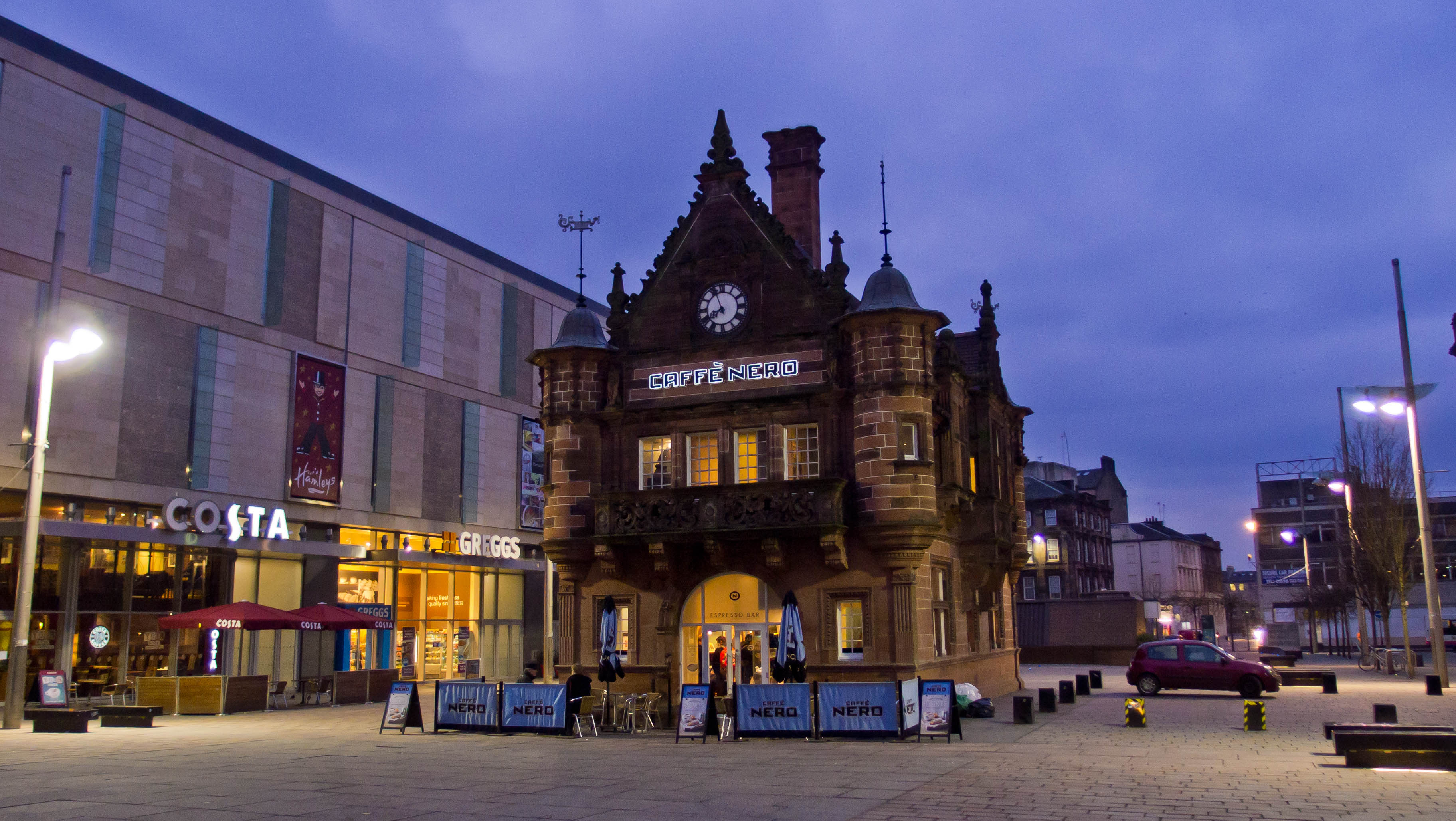
Glasgow’s holiday market depends on George Square feeling like home base, which is why redevelopment can hit harder than bad weather and shake the sense of continuity people expect each December. When the square is fenced or reshaped, vendors lose reliable foot traffic and regulars lose the familiar meeting point that turns shopping into a shared routine, with the same shortcuts, sights, and timing. Relocations can work once, but repeated moves test loyalty and budgets, because stock is ordered months ahead, staff is scheduled, and one disrupted season can ripple into the next for small traders who rely on a short window to survive.
Dublin Castle Christmas at the Castle
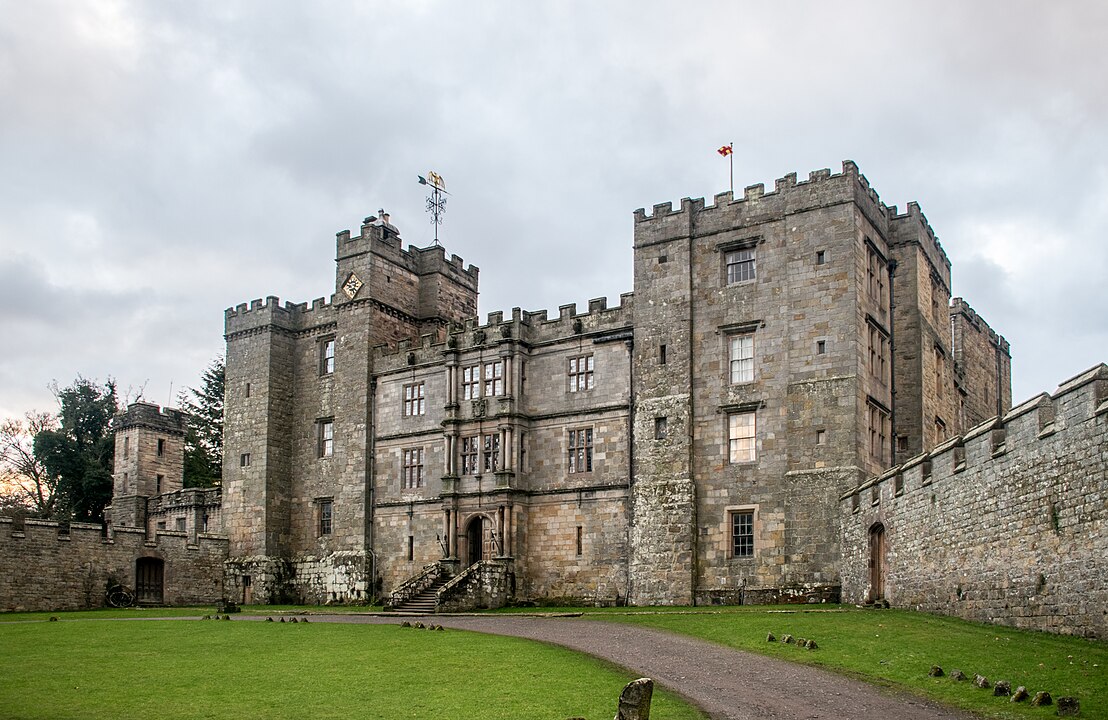
Dublin’s Christmas at the Castle grew quickly into a seasonal habit, with stalls framed by stone walls, live music, and a sense of place that felt earned rather than manufactured. Then it paused for years because the site was needed for official business tied to major national and EU planning, a reminder that public spaces can change priorities overnight and leave vendors stranded. That interruption breaks momentum in quiet ways: vendors book other dates, audiences form new routines, and sponsorship money drifts elsewhere, and a market does not have to be centuries old to matter if it returns often enough to anchor December.
Boldmere Christmas Festival in Sutton Coldfield
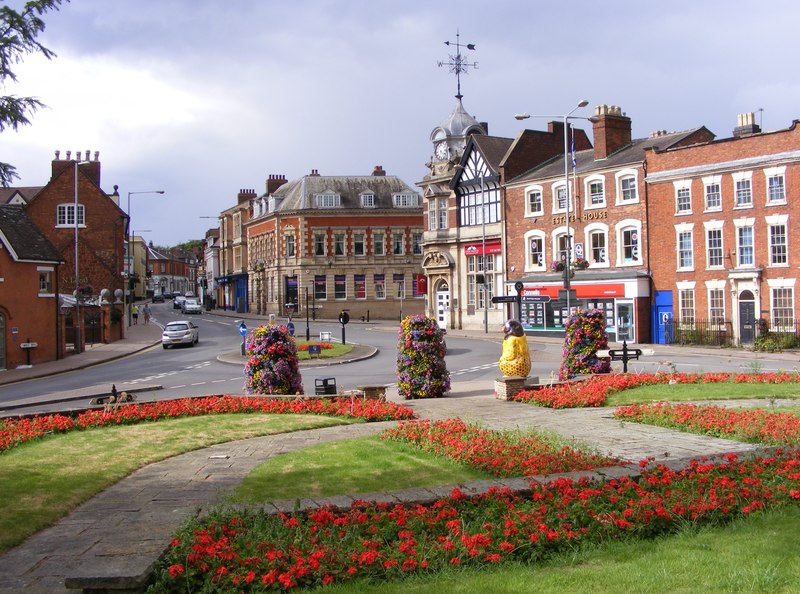
Boldmere’s Christmas Festival in Sutton Coldfield looks small on a map, but it functions like a neighborhood heartbeat built by volunteers, local shops, and community groups. Behind the cheer sits a hard list of costs: insurance, barriers, sanitation, power, road closures, permits, and the staff hours to keep it safe, clean, and accessible for families. When funding tightens, cancellation becomes the simplest option, and the loss lands quietly: fewer chances for small traders to be seen, fewer reasons for neighbors to linger longer than planned, and fewer shared memories made on the same street year after year, too.
Barcelona’s Fira de Santa Llúcia
Barcelona’s Fira de Santa Llúcia sits beside the cathedral and stays rooted in Catalan tradition, with nativity figures, greenery, and handmade ornaments instead of spectacle or corporate branding. Its charm is also its constraint, because the Gothic Quarter offers limited space, intense foot traffic, and strict rules that leave little room to expand when crowds swell and tour groups stack up. If access routes change or vendor policies shift, the market can feel squeezed overnight and small makers feel it first, proving how a tradition tied to a tight historic footprint can be one rough season away from losing its ease.
Raleigh Market at the North Carolina State Fairgrounds
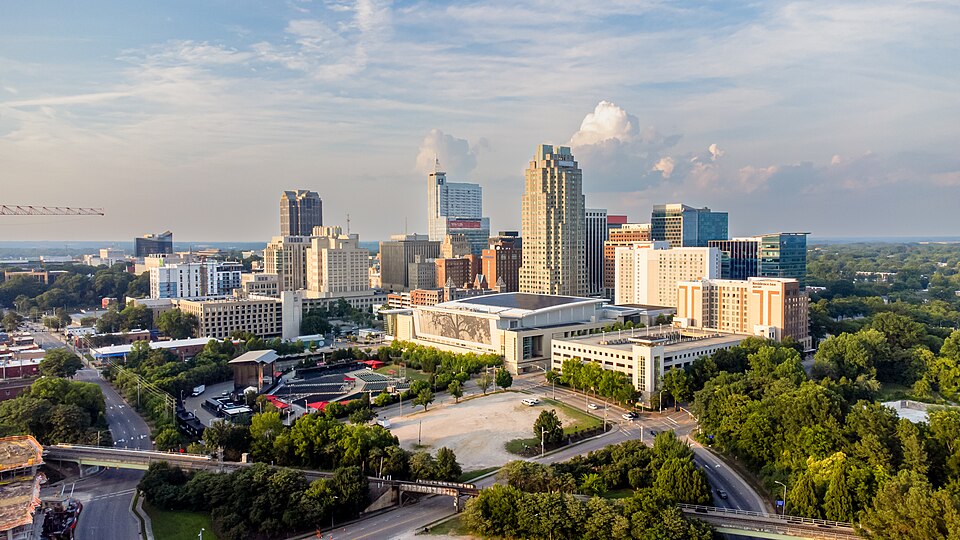
Raleigh’s market runs year-round, but the holiday season is when many makers count on steady indoor browsing, warm lighting, and slow foot traffic that invites conversation. When indoor areas close for repairs, vendors are pushed into outdoor rows or temporary pods, and winter weather turns browsing into a quick lap instead of a lingering visit with repeat stops. That shift matters for businesses selling ceramics, candles, and food items that need shelter and time to be appreciated, and it shows how even permanent markets can lose their December heartbeat when a single infrastructure project drags on past one season.