
Travel has a way of turning ordinary habits into quiet tests. A cough syrup that worked at home, a playful drone launch, a shell tucked into a pocket. Most travelers are not chasing trouble. They are moving through places where law is shaped by fragile landscapes, public safety, and cultural expectations that locals live with every day. One missed sign, one untranslated label, or one casual answer at customs can flip a calm morning into a fine or a long conversation with an official. These moments are not stories of recklessness. They are reminders that rules often protect something specific, and that respect begins with checking what a place assumes. Even small items can carry big consequences.
Singapore’s Chewing Gum Surprise

A traveler steps off a spotless train, pops gum, and assumes it is harmless. Trouble usually starts at customs: importing and selling gum are tightly controlled, with narrow exceptions for therapeutic varieties, so a stash meant for friends can be treated as a supply for resale. Officers may confiscate it, issue a fine, and give a pointed lecture about litter and public order, the hidden reason streets look almost curated. Add the fact that spitting gum can carry penalties, and the mood shifts fast from casual to costly. The safest move is boring but effective: bring none, and buy only what local rules clearly allow.
Japan’s Over-The-Counter Medication Shock

A winter cold turns into a quick pharmacy stop, and a familiar cough tablet feels like a small mercy. Japan’s drug rules can make that mercy risky because certain ingredients common elsewhere are regulated or prohibited, and airport checks do not care that the buyer meant well. A bottle can lead to questioning, confiscation, and, in serious cases, arrest, especially when labels are unclear or the medicine contains controlled stimulants or narcotics. The accident is predictable: travelers pack what works at home, forget the ingredient list, and learn too late that prior approval and documentation can be required. Often.
Sardinia’s No-Souvenir Beach Rule

A beach walk in Sardinia ends with a pocket of pale sand or a few shells, saved like a tiny postcard. Local law treats that as damage to the coastline: removing sand, pebbles, or shells is illegal, and enforcement reaches ports and airports where bags are checked. People are stunned by the seriousness until the math lands, because thousands of small souvenirs slowly thin beaches and weaken dunes that already fight wind and tide. What felt sentimental becomes a fine and a confiscated jar, plus the uneasy sense of having taken from a place that survives on patience, not plunder. The point is erosion, not etiquette.
Iceland’s Drone That Took Off At The Wrong Time
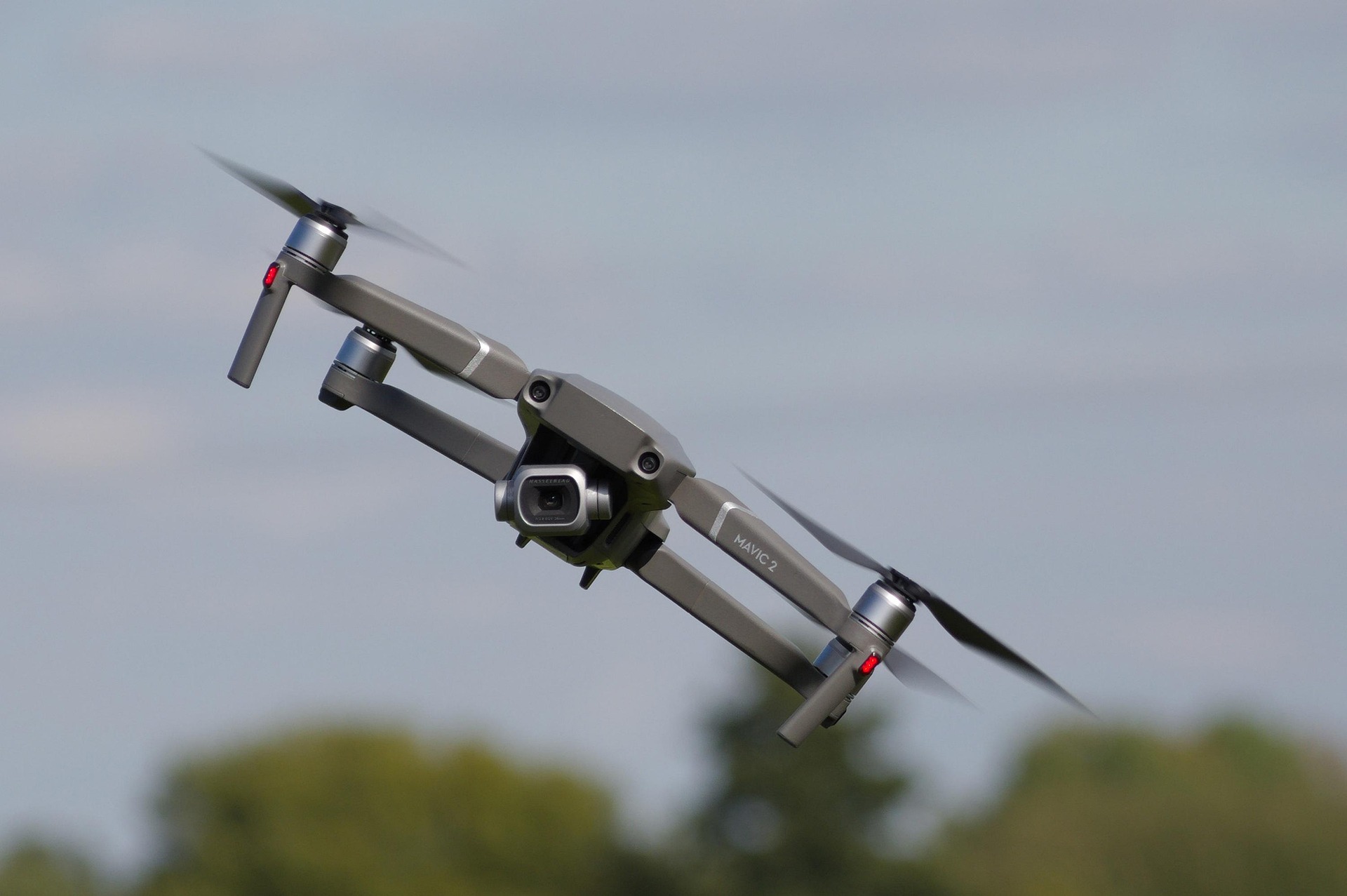
A drone lifts over a lava plain, and the emptiness makes it feel like permission. In Iceland, rules shift by park, zone, season, and even hour, and popular sites can ban flights outright to protect nesting birds, hikers, and rescue operations. Rangers are used to stopping pilots because a single buzzing flight can scatter wildlife, ruin quiet trails, or complicate emergency work in harsh weather. Most violations are not rebellious, just rushed. Iceland’s open landscapes are protected precisely because they look open, and the rules are the fence that only shows up after takeoff. Silence is part of the protection. Always.
Australia’s Forgotten Snack In The Backpack

After a long flight, a traveler forgets an apple, a sandwich, or a bag of nuts in a side pocket. In Australia, that oversight can become a biosecurity offense because undeclared food is treated as a pathway for pests and plant disease, not a harmless snack. Arrival cards and inspection questions are taken literally, so an automatic no can turn into a fine when officers find the item during screening. The logic is national, not personal: one contaminated bite can threaten farms, native plants, and trade. The smart habit is dull but protective: declare anything edible and let officers decide. Overdeclaring is rarely punished.
Greece’s Photo That Crossed A Security Line

A sunlit harbor looks like an easy win for a travel photo, until the frame includes a naval fence or checkpoint. In Greece, photographing sensitive sites such as certain ports, military areas, and security infrastructure can be restricted or require permits, and the boundary is not always obvious. Tourists cross it because signs are small, the view is beautiful, and civic space blends into guarded space without drama. Police may stop someone, ask questions, and request deletion of images, turning a casual snapshot into a tense lesson about geography, history, and security living side by side. Context changes the camera’s meaning.
UAE Public Affection Misread As Disrespect

A couple reunites in a mall and shares a kiss that would be unremarkable in many countries. In the UAE, public behavior is shaped by local expectations of modesty, and affectionate gestures in shared spaces can draw complaints or intervention from security. The legal risk depends on context, but the social friction arrives fast, especially in family-heavy settings where bystanders feel responsible for public tone. Most travelers are not trying to offend; they simply misread the room. A softer greeting avoids trouble, preserves dignity, and keeps the focus on the day rather than the rulebook. A little restraint keeps peace.
The U.S. Cash Declaration Nobody Mentioned

Families often pool travel money, tuck it into one envelope, and carry it through the airport with no fear except theft. In the United States, carrying cash is legal, but amounts over $10,000 must be declared when entering or leaving, including certain monetary instruments that function like cash. People miss it because no one talks about the form until a customs officer asks, and the question arrives with a seriousness that changes the air. Skipping the declaration can lead to long questioning, delays, and even seizure while funds are verified, which feels brutal when the intent was simply paying for a trip and returning home.
Germany’s Autobahn Fuel Mistake

A rental car glides along the Autobahn until the fuel gauge drops faster than expected and the next exit feels too far. In Germany, stopping on the Autobahn without a true emergency is illegal, and running out of fuel is treated as avoidable negligence rather than bad luck. The safety logic is hard to argue with: a stopped car in high-speed traffic creates sudden braking, swerves, and secondary crashes. Confusion often starts with missed service signs, unfamiliar station spacing, or overconfidence about the tank. A fine can follow, and the driver leaves knowing speed demands planning. It is preventable, so it is penalized.
Thailand’s Vape That Became Contraband
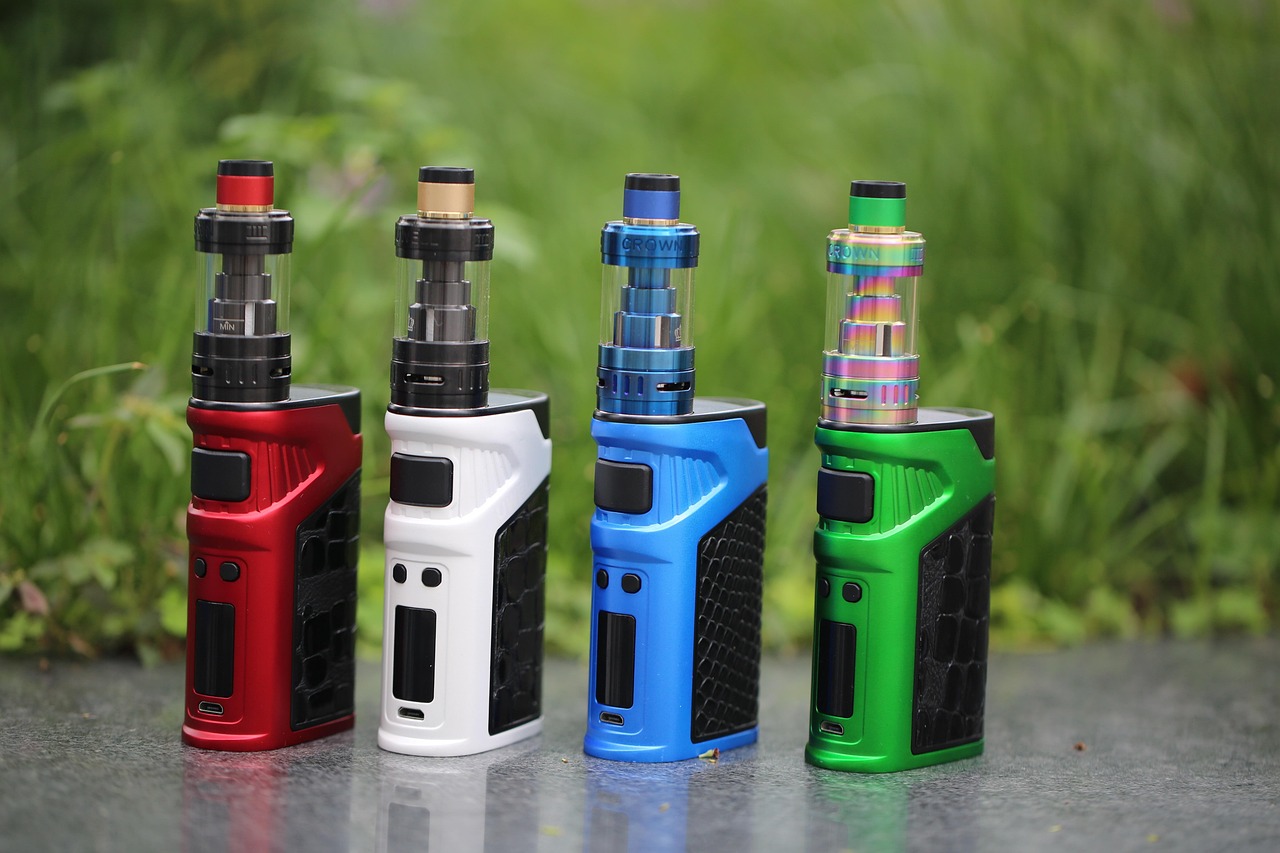
A traveler lands with a vape tucked into luggage, assuming it is treated like cigarettes. Thailand’s stance is stricter: electronic cigarettes are illegal, and possession or use can bring fines, detention, or worse, even when the device is meant for personal use. Many incidents begin casually outside a café, not as a challenge to authority, which is why the shock hits so hard when police get involved. Enforcement can feel uneven, but the rule itself is clear. The cleanest solution is avoidance, because a habit that seems small elsewhere can turn into a serious legal problem here. It is treated as a prohibited item.