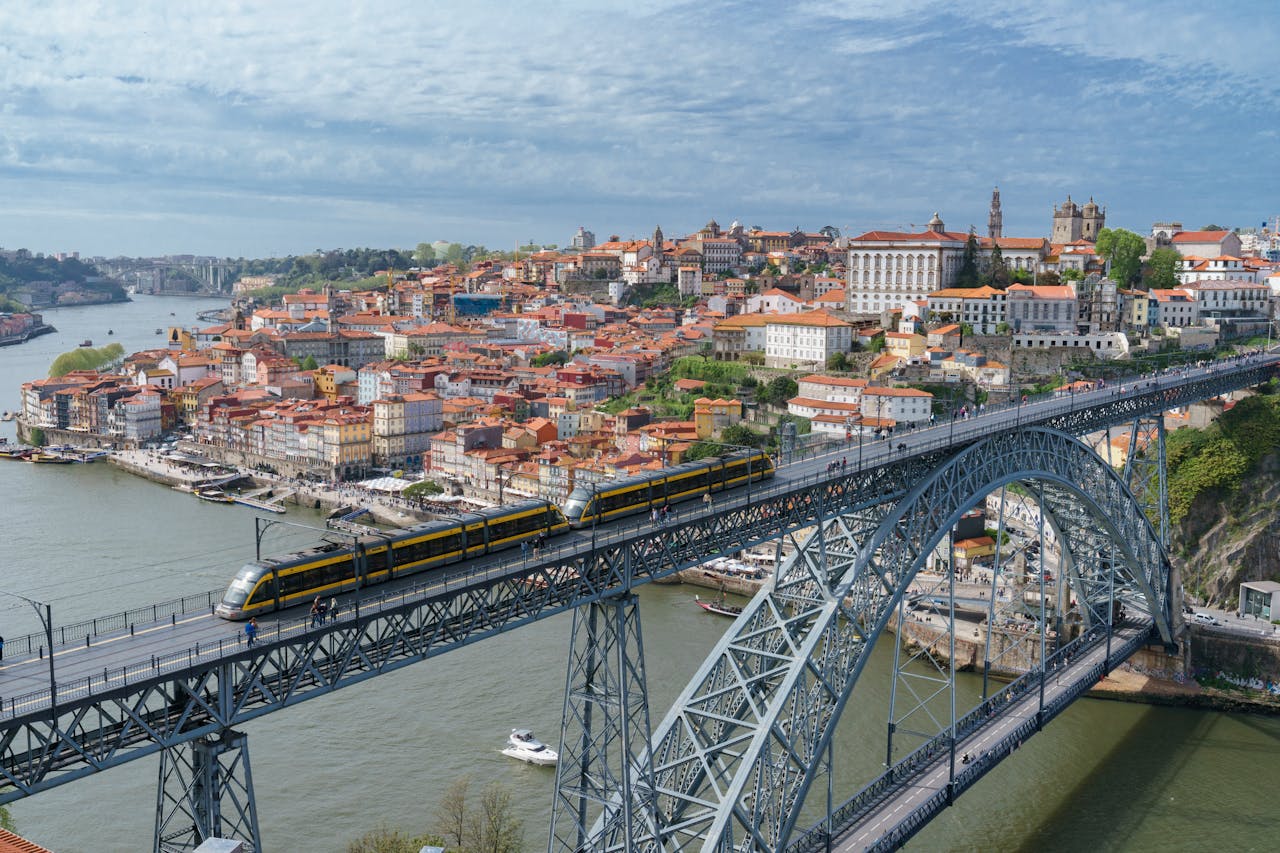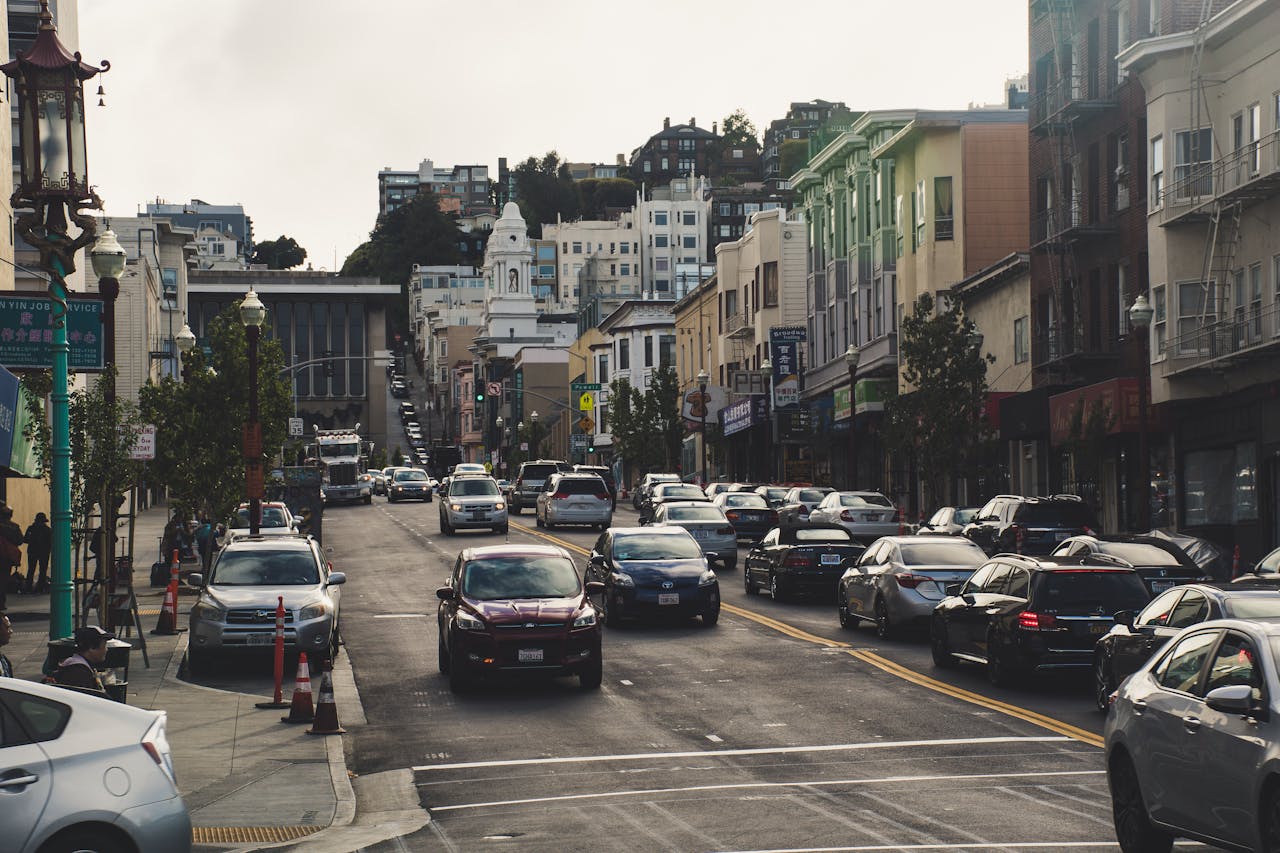
California’s roads can still sell a postcard moment, then punish the next mile with delays, rough pavement, and expensive stops. In 2026, many drivers said the hardest part was not distance, but the constant recalculation of time and cost, especially in busy corridors.
A WalletHub study gave California an overall score of 47.67 and ranked it 47th overall, fourth-worst nationwide, across cost, traffic, safety, and access to service. The state rated worst for ownership and maintenance costs, yet best for access to vehicles and repair. Online complaints stack fuel prices on top of congestion, repairs, and stress in crowded lanes.
Gas Prices Make Every Reroute Sting
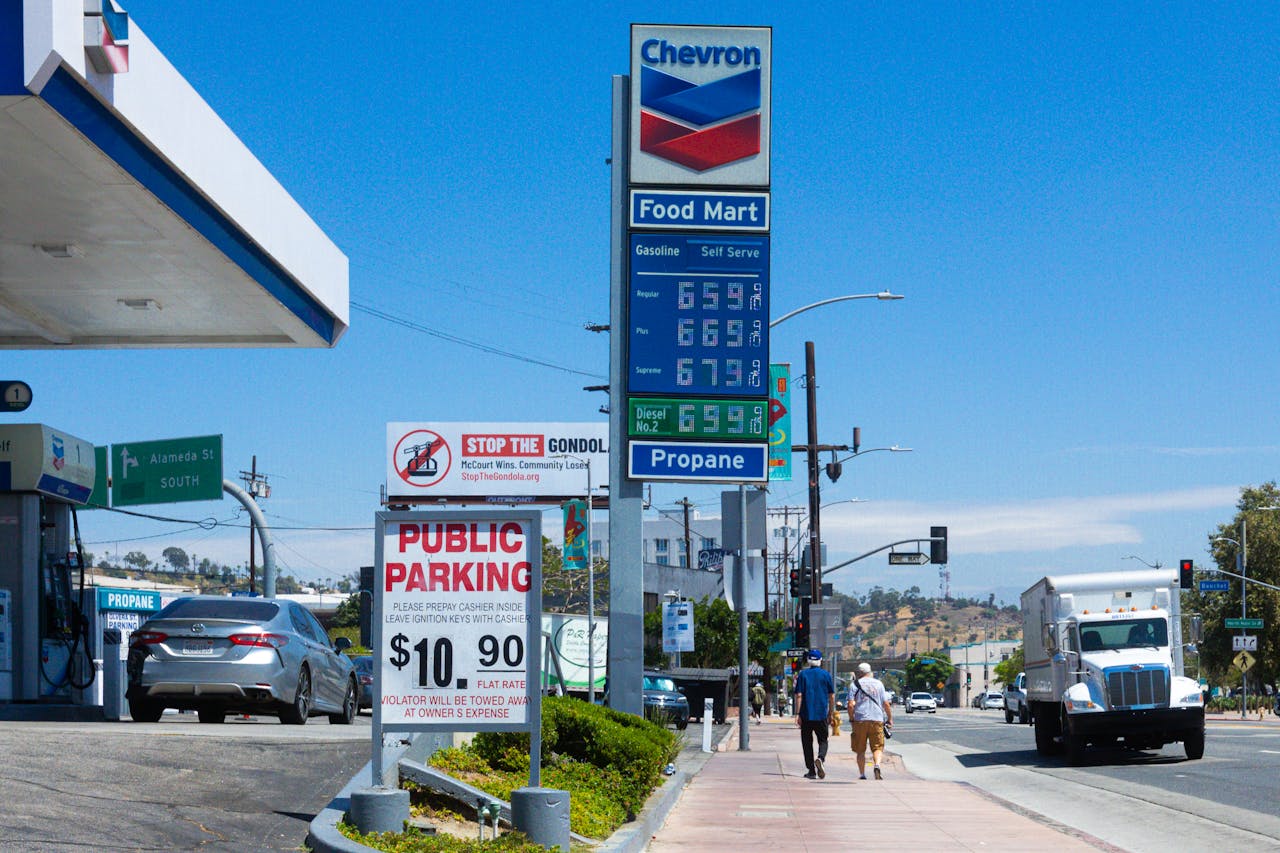
California ranked 1st for the highest gasoline prices nationwide, and that reality changes how drivers think. A wrong turn is not just a delay; it is extra paid miles, plus more idling when traffic tightens. Even a quick run across town starts to feel like a budget choice.
The WalletHub study also scored California 50 for cost of ownership and maintenance, the weakest category for the state. When fuel, insurance, and routine upkeep are already heavy, navigation stops being casual. Drivers plan around fewer trips, tighter loops, and safer turns, hoping the shortest route will not turn into a slow crawl with no easy exit.
Congestion Turns The Map Into A Guess
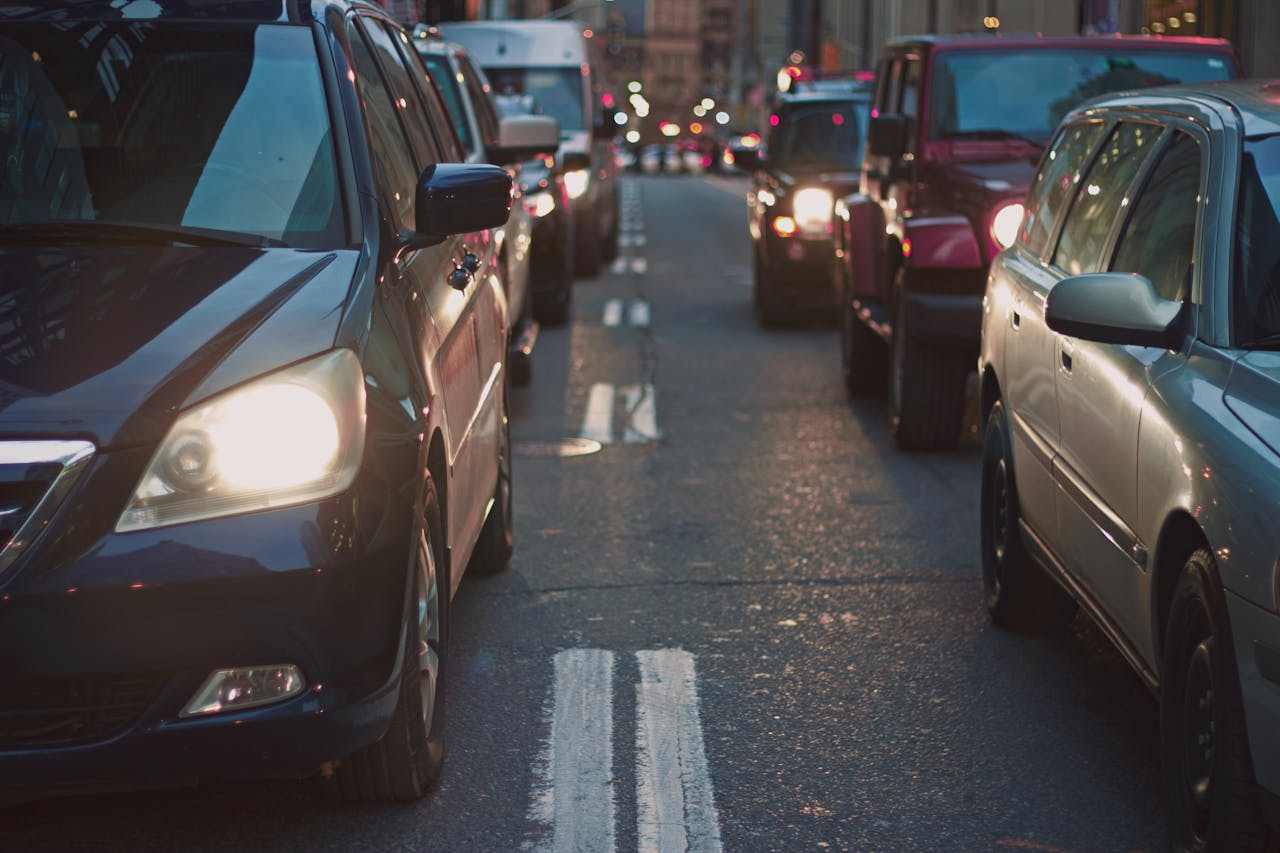
California’s traffic is not a single rush hour; it is a daily pattern that shifts within one metro. The WalletHub ranking scored the state 38 for traffic and infrastructure, pulled down by chronic congestion and road conditions that amplify it. A short drive can stretch without warning.
When movement comes in waves, navigation becomes a series of small bets. A freeway might look faster, then lock up near an interchange, while surface streets fill with the same escape plan. Drivers watch the route redraw again and arrive feeling like time was spent negotiating, not traveling, especially on school-run mornings and event nights.
Rough Pavement Forces Constant Focus
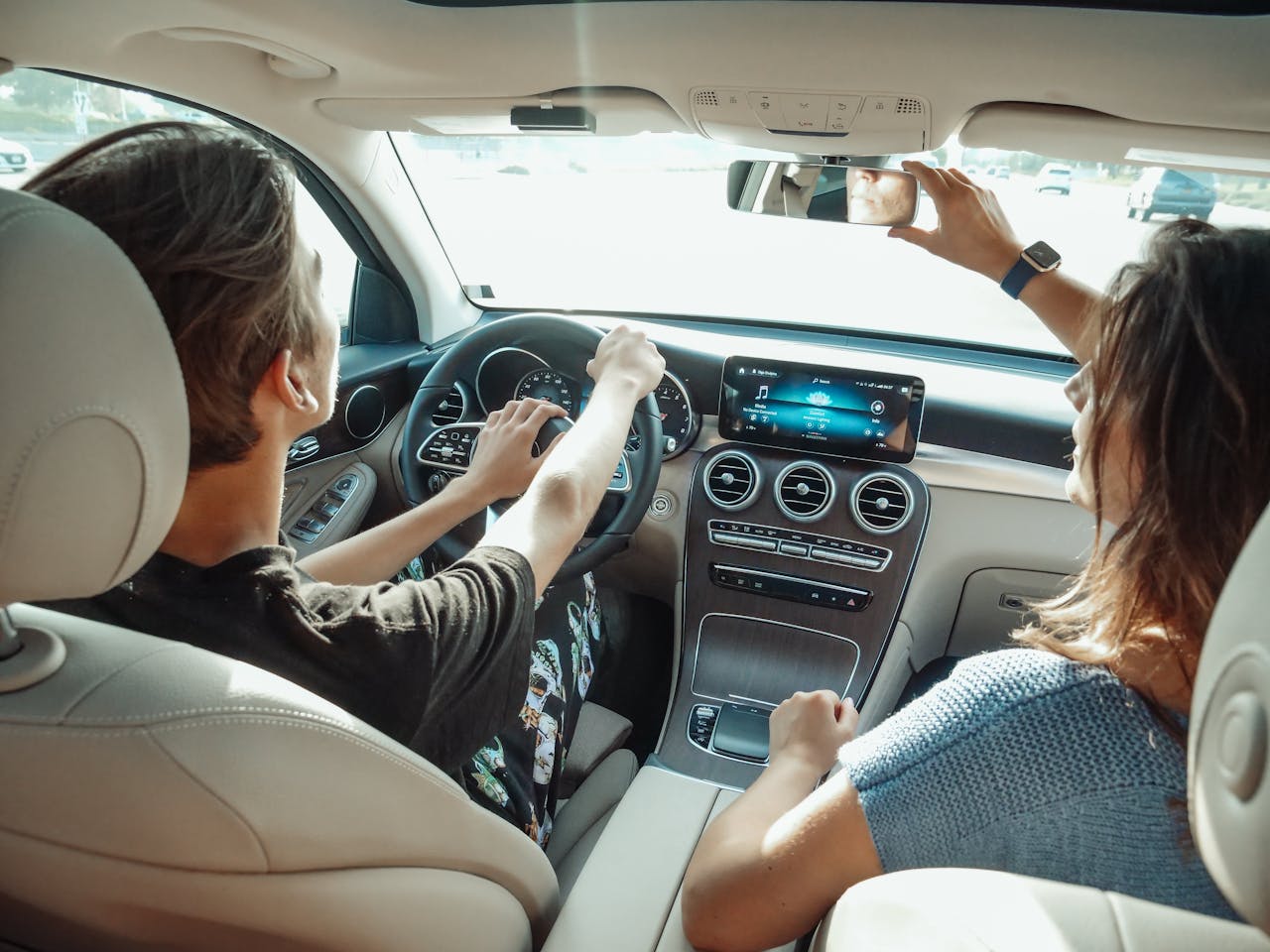
Drivers complain about deteriorating road conditions because bad pavement creates work. Each cracked patch adds steering corrections, harder braking, and more wear on tires and suspension, especially in stop-and-go lanes where there is no smooth line to settle into. Glare can hide damage until the last second.
That strain shows up later as repairs that feel both frequent and avoidable, a theme echoed across social media posts about California driving. When roads demand extra attention, navigation gets slower too. People leave earlier, choose calmer routes, and still expect an uneven patch that rattles the cabin and breaks rhythm.
Interchanges Punish Late Decisions
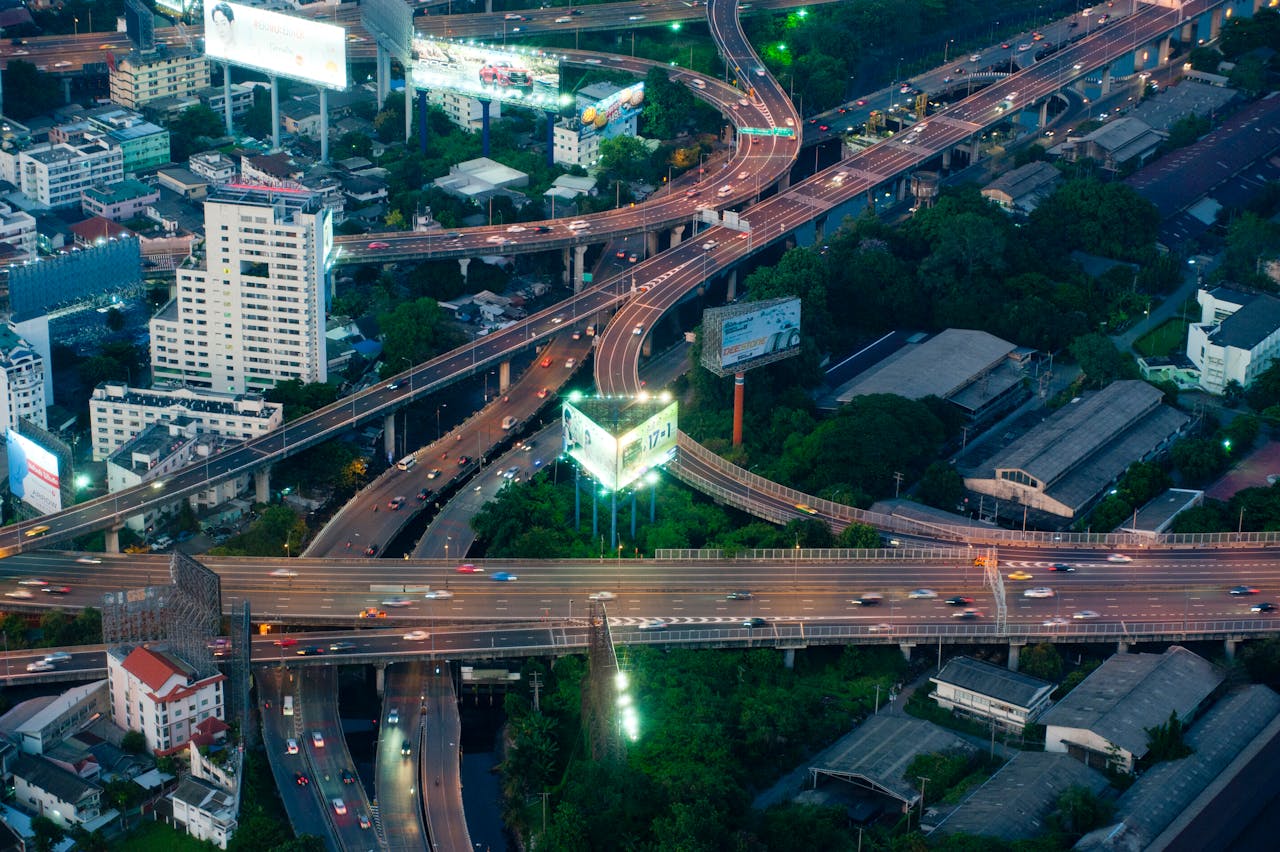
California’s freeway web looks simple until a junction demands instant choices. Ramps stack close together, lane markings shift, and one late decision can send a driver onto a long loop before the next safe correction appears. The result is constant scanning, not relaxed cruising.
In that environment, navigation feels less like guidance and more like timing. Drivers glance between mirrors, signs, and a map, then commit early to avoid sudden merges. When congestion squeezes gaps, even correct directions can be hard to execute, which is why many locals treat familiar routes like choreography, often taken one beat at a time.
Safety Can Feel Fragile In Crowded Lanes
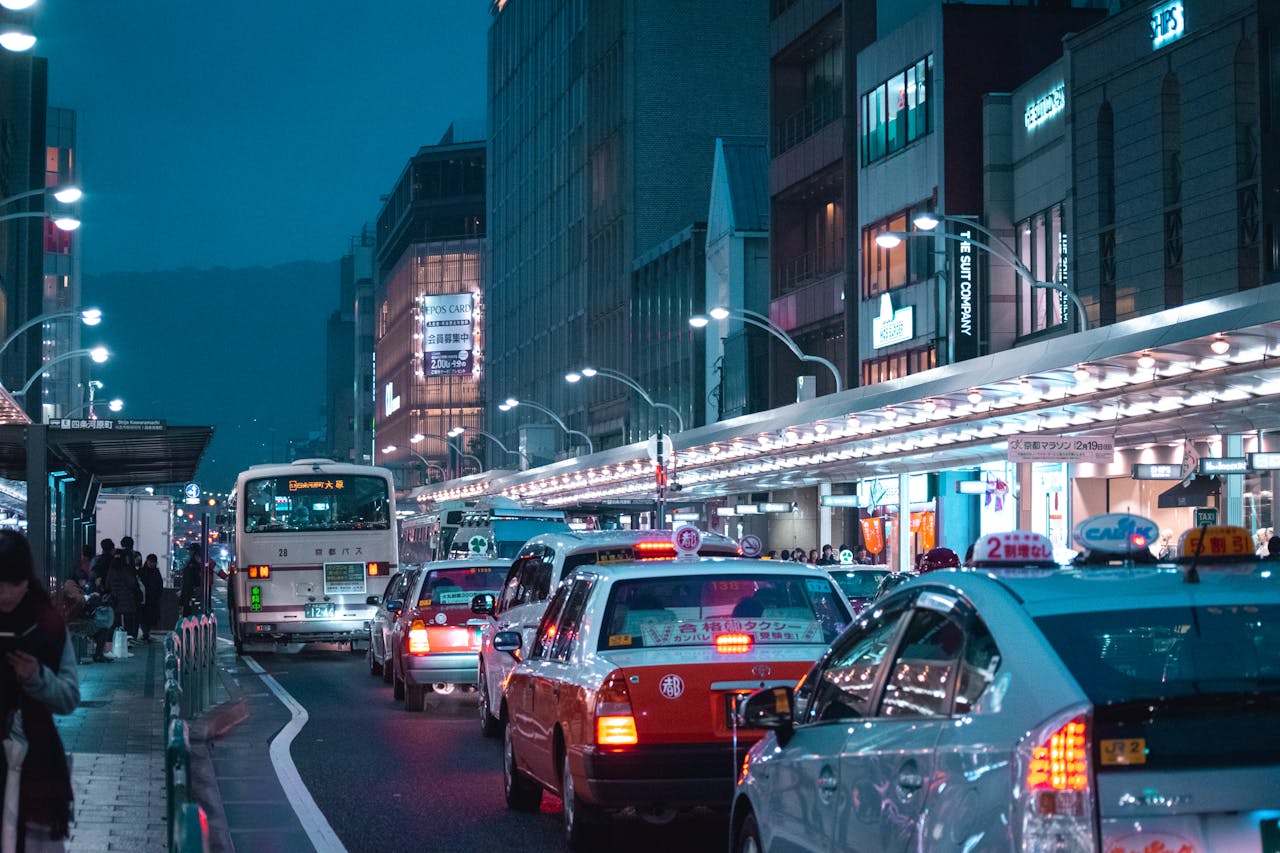
On paper, California’s safety score in the WalletHub study was 15, stronger than its cost and traffic marks. Yet the day-to-day experience can still feel tense when congestion packs cars close, speeds change fast, and patience runs thin at every merge.
Drivers often describe near-misses, fender benders, and stress around quick lane changes, and those stories show up often in online discussions. High-traffic areas leave little room for error, and even a minor incident can lock a corridor for miles. That is why navigation in California is not only about speed, but about choosing calmer routes that reduce pressure for everyone.
Repairs Are Easy To Find, Even If Needed
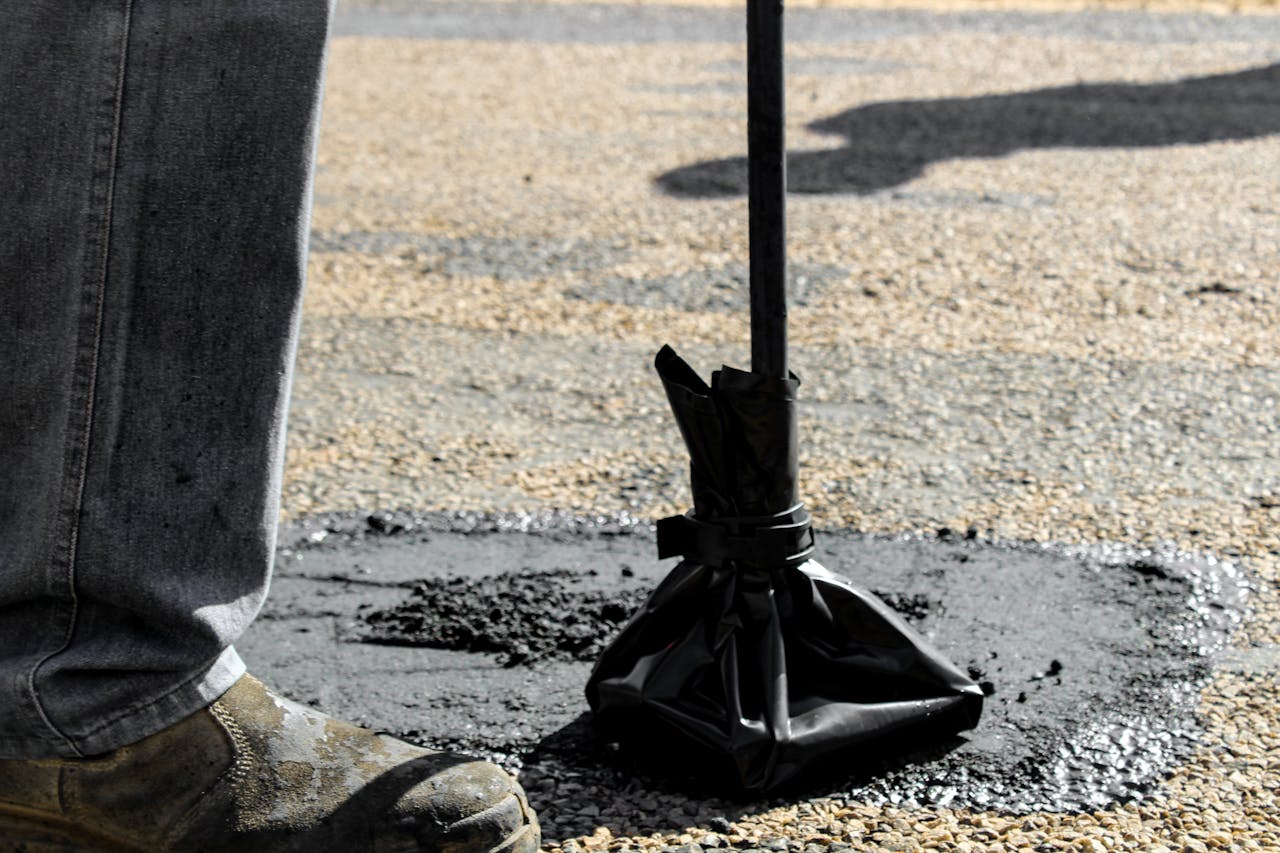
California’s bright spot in the WalletHub study was access to vehicles and maintenance, where it scored 1, its best category. The report also noted the highest number of auto repair shops per capita, which matters when long commutes and worn pavement speed up routine wear.
That convenience does not make driving cheap, but it changes the recovery story. A tire issue, a warning light, or a quick inspection is often close, and that reduces downtime. For many drivers, it is the part of the system that feels practical: help is available when something goes wrong, and the day can continue without a long search for service.
Ownership Costs Make Driving Feel Heavy

California scored 50 for cost of ownership and maintenance in the WalletHub study, its weakest category. That rating lands harder in a state that also ranks 1st for the highest gas prices nationwide. For many drivers, the road is not only time, but a steady drain on the budget.
When costs run high, behavior changes. Cars get kept longer, upgrades get delayed, and every new noise feels like a bill waiting to happen. Rough routes add wear, so navigation becomes conservative: fewer detours, fewer sharp merges, and more planning to avoid avoidable stress. The goal shifts from fastest to least expensive over the long run.
Construction Keeps Rewriting Familiar Routes
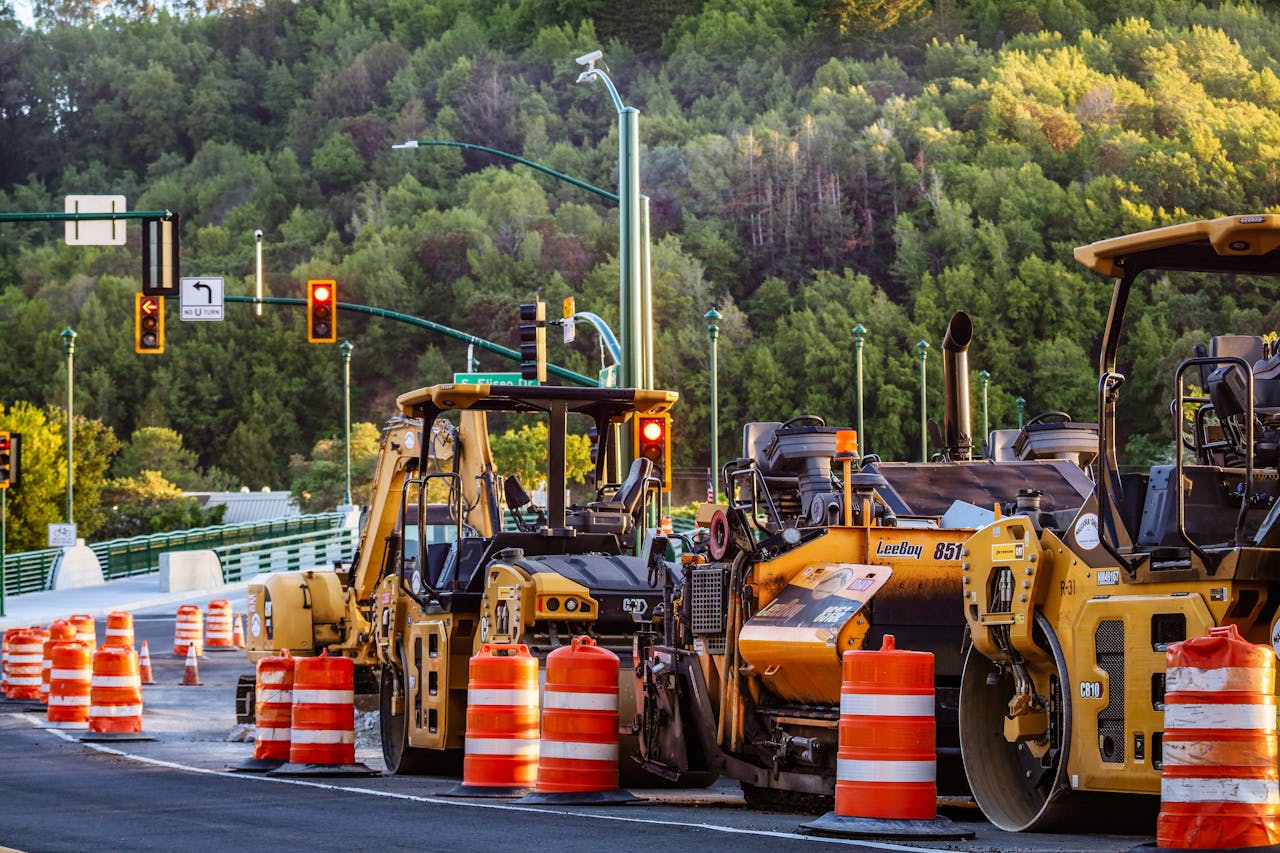
Even longtime commuters can feel thrown when lanes narrow overnight or exits shift behind cones. Construction is necessary, but it makes navigation less predictable, especially in dense areas where there are few clean alternatives once a corridor tightens.
Temporary striping, uneven pavement, and sudden slowdowns demand attention, and that attention costs energy. Drivers leave earlier, double-check routes, and still get surprised by a new bottleneck at a ramp that used to flow. In a state already dragged down by traffic and infrastructure scores, constant change adds one more layer of friction to everyday trips at peak hours.
Local Streets Can Be Just As Exhausting
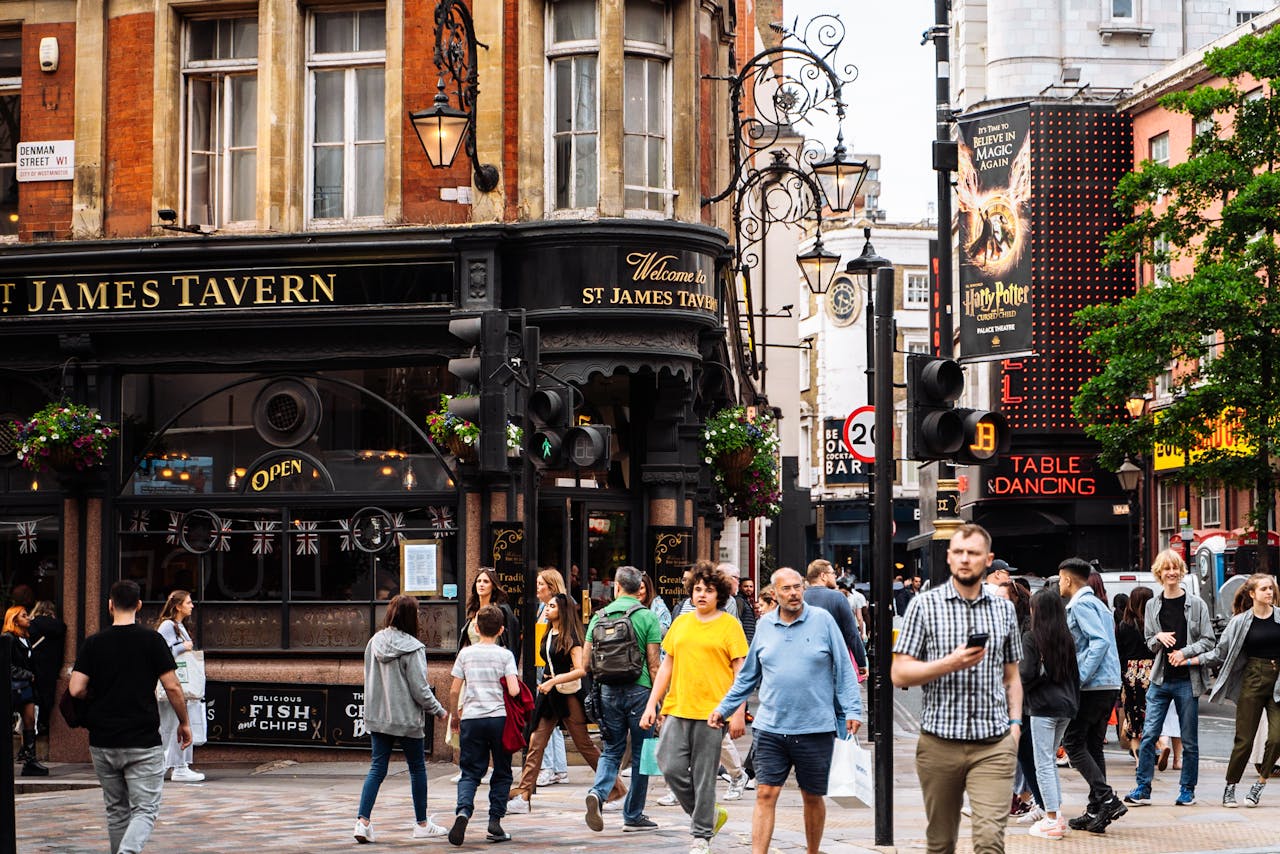
When freeways clog, drivers spill onto city streets, and the relief rarely lasts. Signals, short turn lanes, delivery stops, and school traffic can turn a mile into a slow sequence of stops, with navigation apps funneling everyone toward the same shortcuts.
That crowding makes local driving feel tense and cramped, especially near busy districts where parking searches add more circling. A route may technically be shorter, but it demands more decisions per minute: unprotected turns, sudden merges, and braking at crosswalks. Over time, people learn that the calmer path is often the one with fewer choices, even if it takes longer.in, not a baseline expectation, and that captures what navigating California has become in 2026.