When the forecast slips toward 20 below, a car becomes more than transportation. It is a morning test of oil, battery strength, and patience.
Mechanics in cold states see the same pattern after long nights: thick oil moves slowly, metal parts feel tighter, and starters work harder than they should. Diesels show it loudly, but gas engines feel it, too. One small habit, often paired with a $20 outdoor timer, reduces that strain by warming the engine before the key turns. The payoff is a calmer start, quicker heat, and less wear during the first rough minute when everything is coldest on the driveway before dawn each Jan.
Plug In the Block Heater Before the Coldest Hours
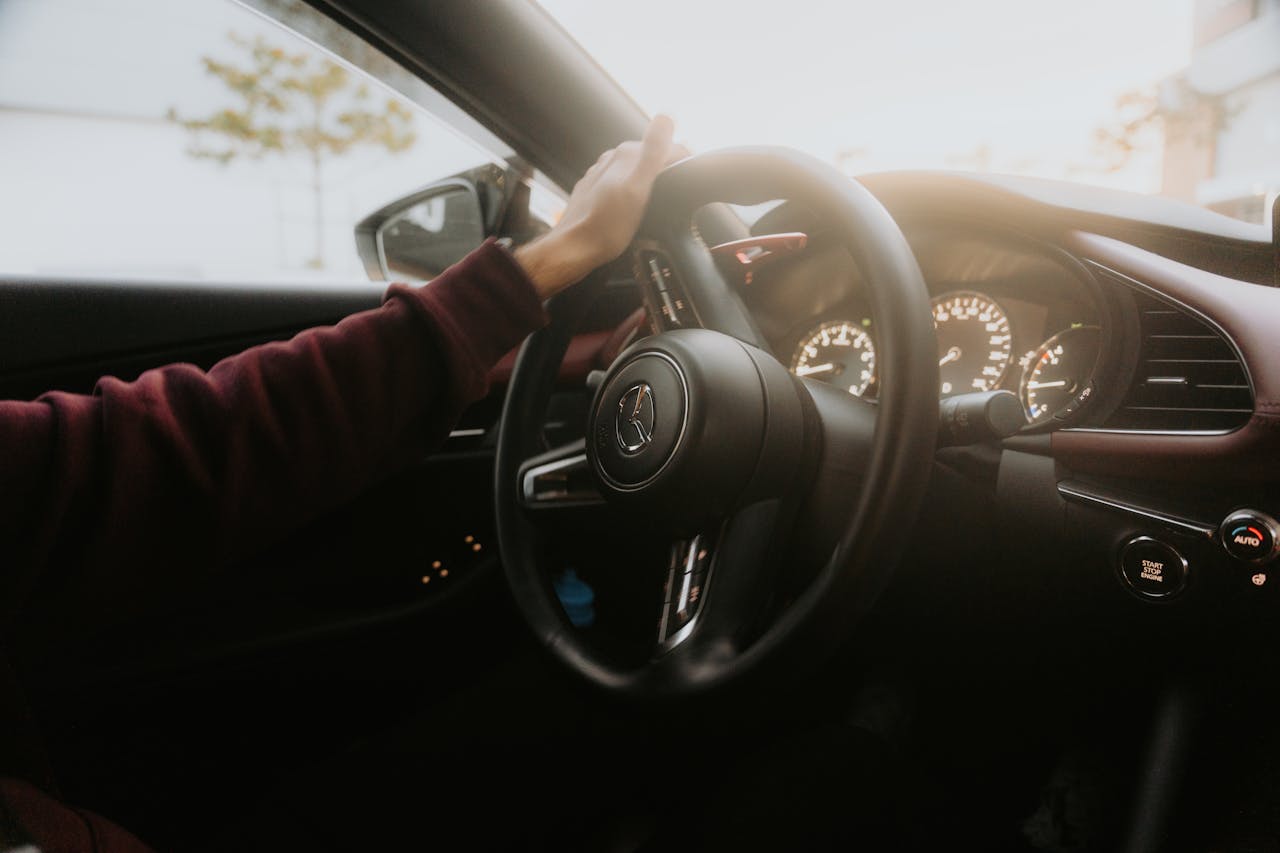
A block heater looks simple, but mechanics treat it like budget insurance in deep cold. It warms the engine block and nearby coolant so the first crank is not a strain between thick oil and tight clearances.
That head start helps oil circulate sooner, reduces the strain on the starter, and lets a diesel reach smoother combustion faster. It also cuts the sharp, clattery idle that can rattle a quiet street at 6 a.m. In places where 20 below is normal, many owners plug in before the coldest overnight stretch, not after trouble shows up, because the most intense wear happens in the first seconds of a cold start during long snaps.
Use a Heavy-Duty Outlet Timer Instead of Running All Night
Mechanics like the $20 solution because it is not fancy: a heavy-duty outdoor outlet timer rated for the heater’s load. The timer prevents a block heater from running all night, which wastes power without adding much benefit after the metal is warm.
Most advice clusters around a two to four hour window before startup, enough time to raise block temperature and thin the oil slightly. Many drivers set it for weekday mornings and forget it. A timer also reduces the odds of leaving the heater on during a mild spell. The connection still matters: a weatherproof cord, a solid plug, and a GFCI outlet keep the habit safe in snow and slush.
Thick Oil Is the Real Winter Villain
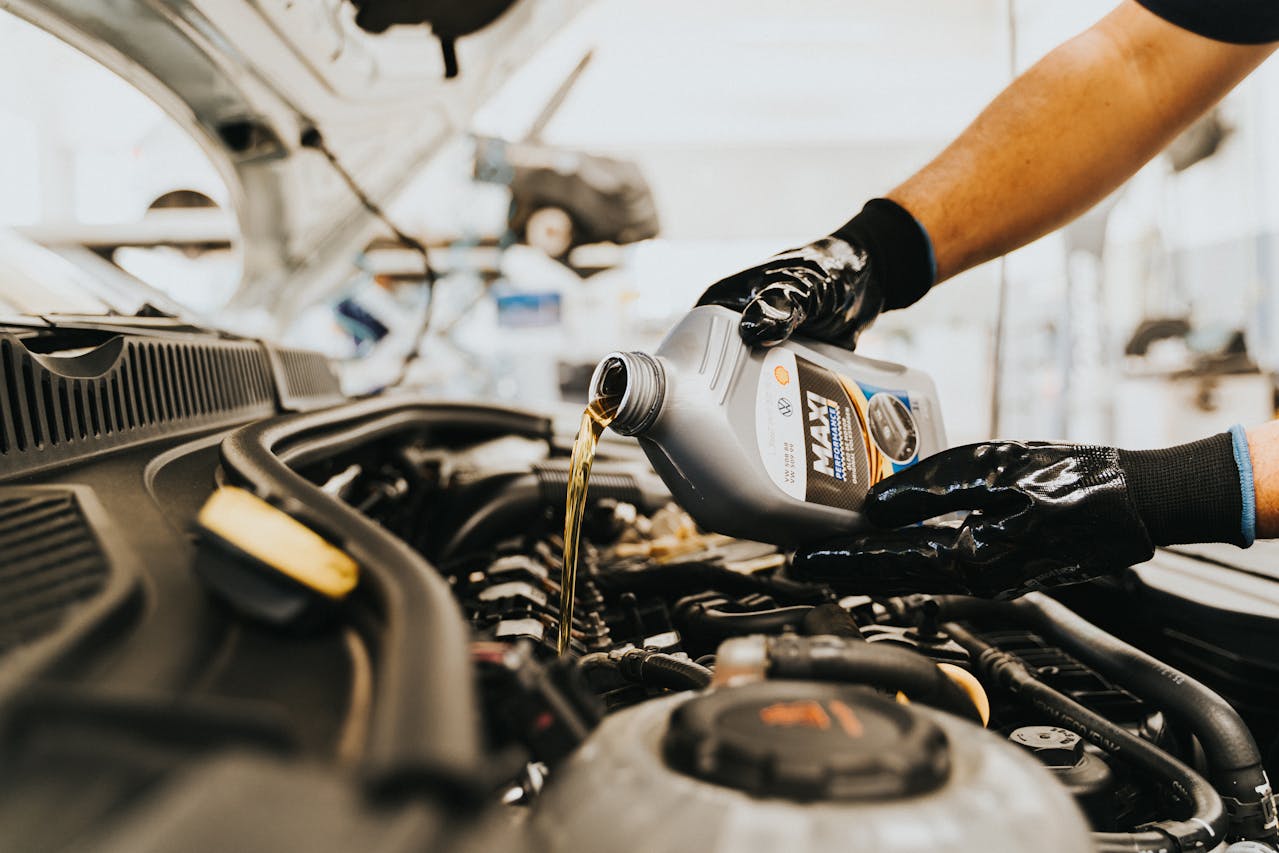
Cold weather changes oil before it changes horsepower. As temperatures plunge, viscosity rises, and oil clings to the pan instead of moving quickly through narrow passages.
Mechanics explain that the most stressful moment is the first minute, when cams, bearings, and timing components want lubrication but flow is slow. At the same time, metal contracts and clearances tighten, so friction climbs. A warmer block shortens that dry-feeling gap and helps pressure build sooner. The engine still needs time to reach full operating temperature, yet those early seconds are where long-term wear quietly stacks up after repeated subzero starts.
Cold Weakens Batteries When Engines Need Them Most
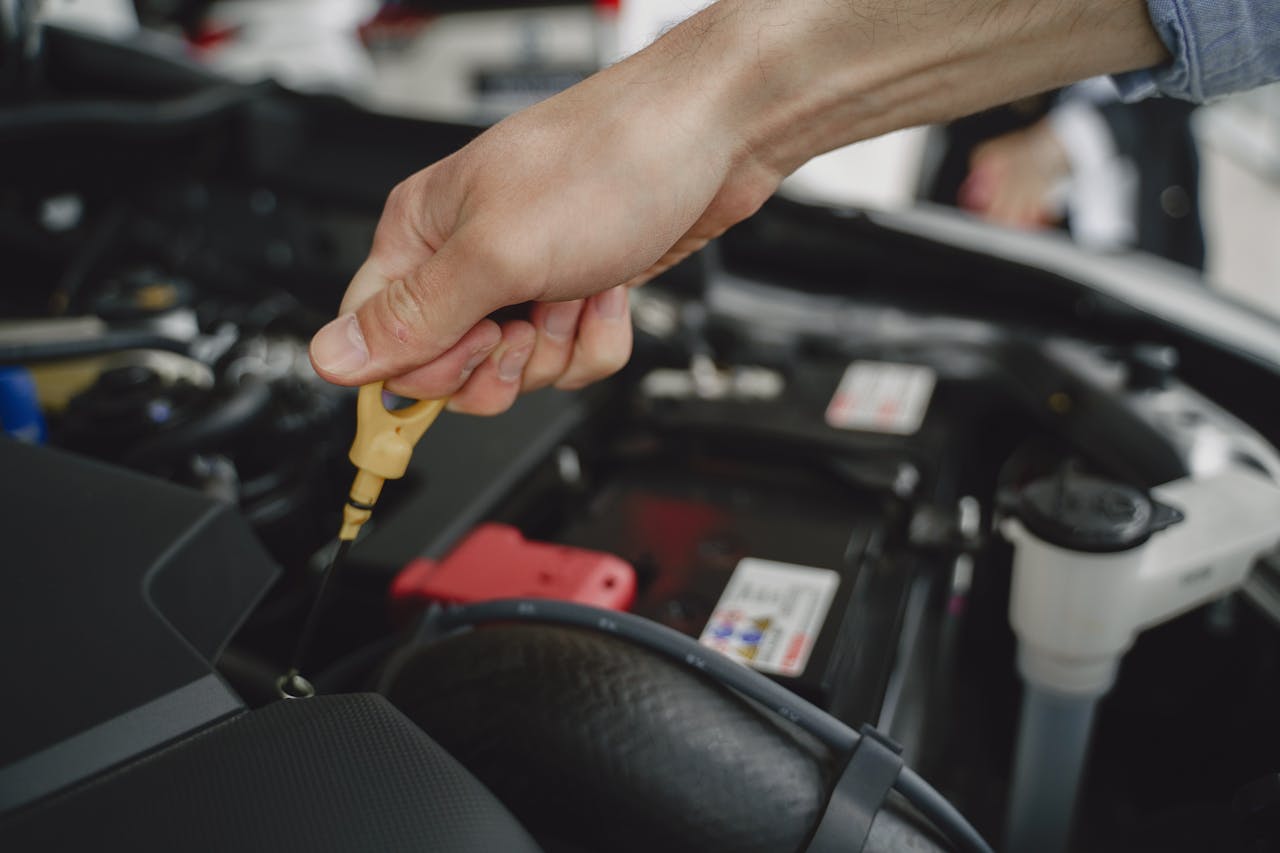
At 20 below, batteries lose effective power because the chemical reaction that makes current slows. That is also when an engine asks for more energy, since thicker oil and tighter parts take more torque to turn.
Mechanics see the mismatch as slow cranks, clicking relays, and a car that felt fine at 20°F but balks when the cold deepens. Short trips can worsen it by never fully recharging. Block heat reduces cranking time, yet it cannot fix corroded terminals or an aging battery. A pre-winter load test, clean connections, and a healthy alternator keep the heater’s advantage from being wasted on dark mornings and long parking sits.
Pair Engine Heat With Smart Diesel Fuel Prep
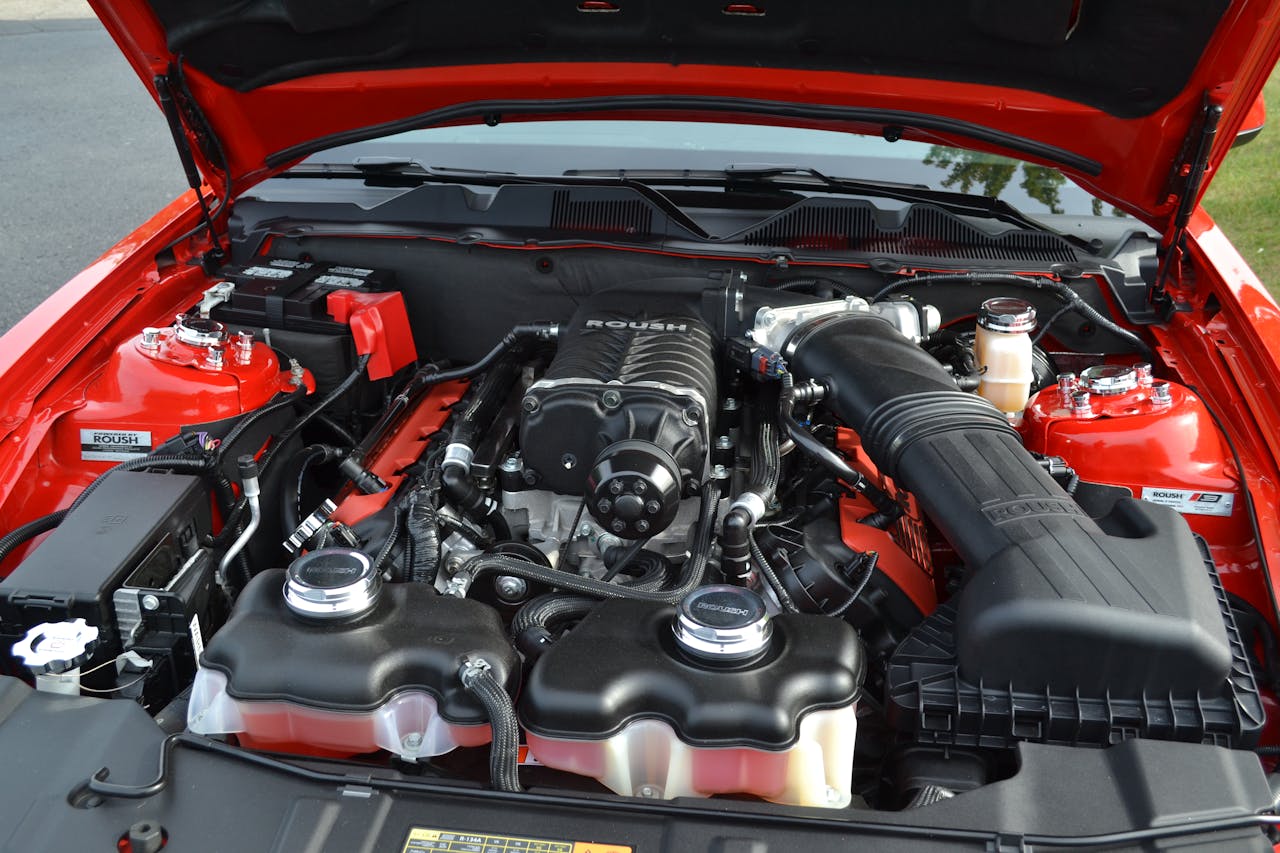
For diesels, cold-start trouble is not only mechanical. As temperatures drop, diesel fuel can form wax crystals that restrict flow, and water in the system can freeze and mimic a bad pump or sensor.
Mechanics in cold regions talk about winter-blend fuel, fresh filters, and anti-gel treatment added before the cold arrives, when it can mix properly. Block heat helps combustion once fuel reaches the cylinders, but it cannot fix a gelled filter at 6 a.m. Parking outdoors for 12 hours makes fuel problems show up fast. Keeping the tank less empty also reduces condensation, a quiet source of winter headaches in long cold stretches.
Quiet Starts Matter More Than Pride Admits
One overlooked benefit of preheating is sound. Mechanics often say the sharp clatter of a cold diesel is a clue that combustion is uneven and friction is higher than normal at idle.
A warmed block helps glow plugs and compression reach a cleaner burn sooner, so the engine settles instead of rattling through its first minute. Gas engines also crank and idle more politely when oil flows sooner. That calmer start reduces vibration through mounts and accessories and spares a neighborhood from a 6 a.m. wake-up. It also makes drivers less likely to rev a struggling engine, which can add stress when oil is still working its way upward.
Match Block Heat With the Right Oil Choice
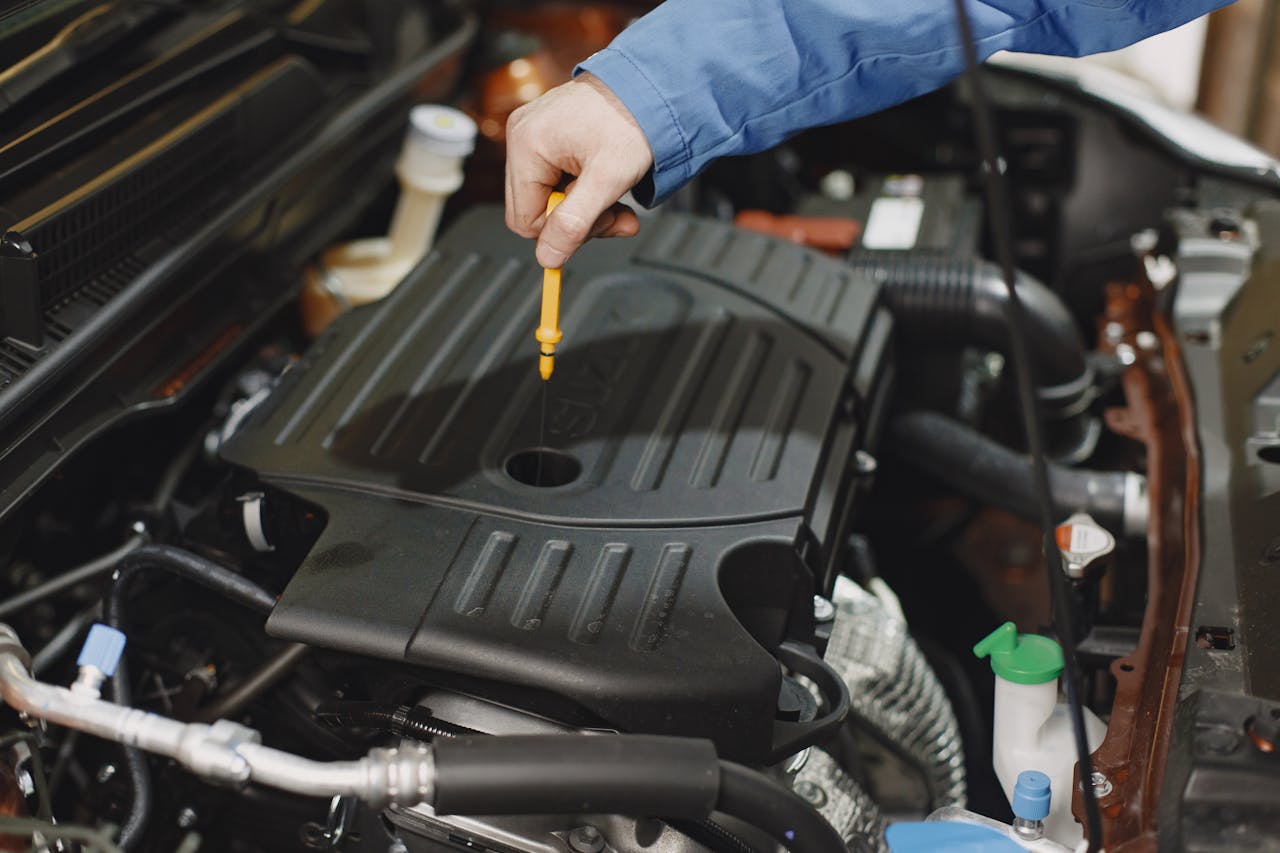
Preheating works best when the oil is already suited for winter. Mechanics point out that the wrong viscosity, old oil, or a cheap filter can keep flow slow even with a warm block.
Many modern synthetic oils pump better in cold temperatures than conventional blends, which helps pressure build quickly after startup and reach turbo bearings and the top end sooner. Following the manufacturer’s spec matters more than chasing a thicker protection myth. Regular oil changes also help because fuel dilution and soot can thicken oil over time, especially on short winter trips. Heat plus the right oil turns harsh mornings into routine starts.
Avoid Endless Idling After the Engine Catches
After a cold start, many drivers default to long idling, but mechanics are not fans. Idling warms the cabin slowly, while the engine may stay below ideal temperature for a long time, especially in very cold air.
Cold idling can also leave moisture in the exhaust and encourage fuel wash on cylinder walls, both of which are unwanted in winter. With block heat already helping the first start, a short settle period and then gentle driving often warms oil, transmission fluid, and wheel bearings more effectively. The key is easy throttle and patience for the first few miles, not a long, smoky idle in the driveway on bitter mornings.
Use Alternatives When a Block Heater Is Not an Option
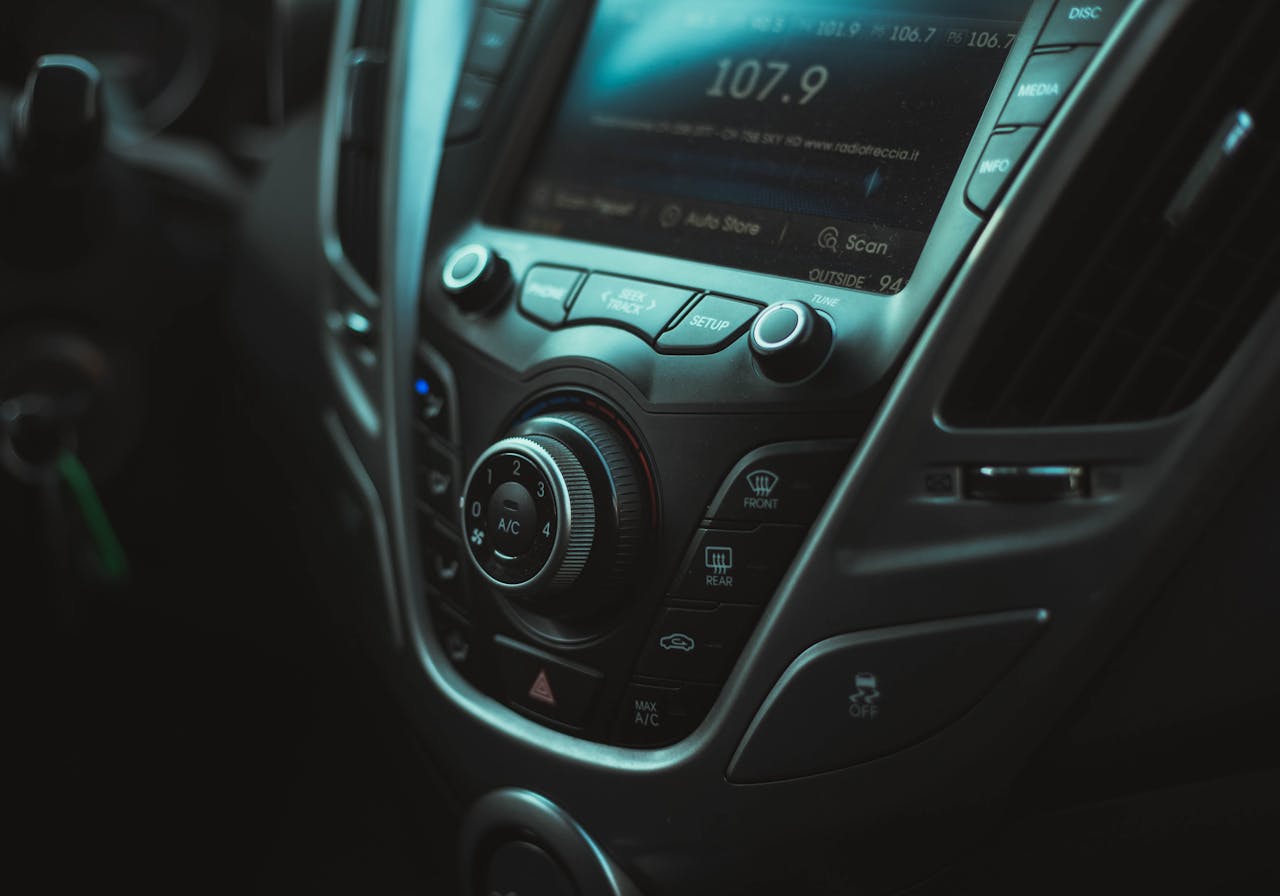
Not every vehicle has a factory block heater, and not every driveway has an outlet in reach. Mechanics still aim for the same result: reduce the shock of a deep-cold start by keeping fluids closer to normal.
In milder winter areas, an insulated engine blanket can slow heat loss overnight. In harsher regions, oil pan heaters and circulating coolant heaters add more direct warmth, and they can be paired with a timer so power is used only before startup. Some drivers also plug in at work lots. The best setup depends on how long the vehicle sits and how often subzero weather returns, but preheating remains the common thread.