A hard freeze does not need drama to cause trouble. It works quietly in cabinets, crawl spaces, and exterior walls, cooling water until a still section turns sluggish, then solid.
Many households crack a faucet and assume any drip will do. Plumbers see the pattern after cold snaps: the wrong handle moves the wrong line, while the colder run beside it stays still. The aim is steady movement in the most exposed pipe, often the cold side farthest from the water heater, plus pressure relief if ice begins forming. During multi-day cold, that choice can protect walls, floors, and peace of mind. It is a trickle, not a stream.
Use The Cold Tap Farthest From The Water Heater
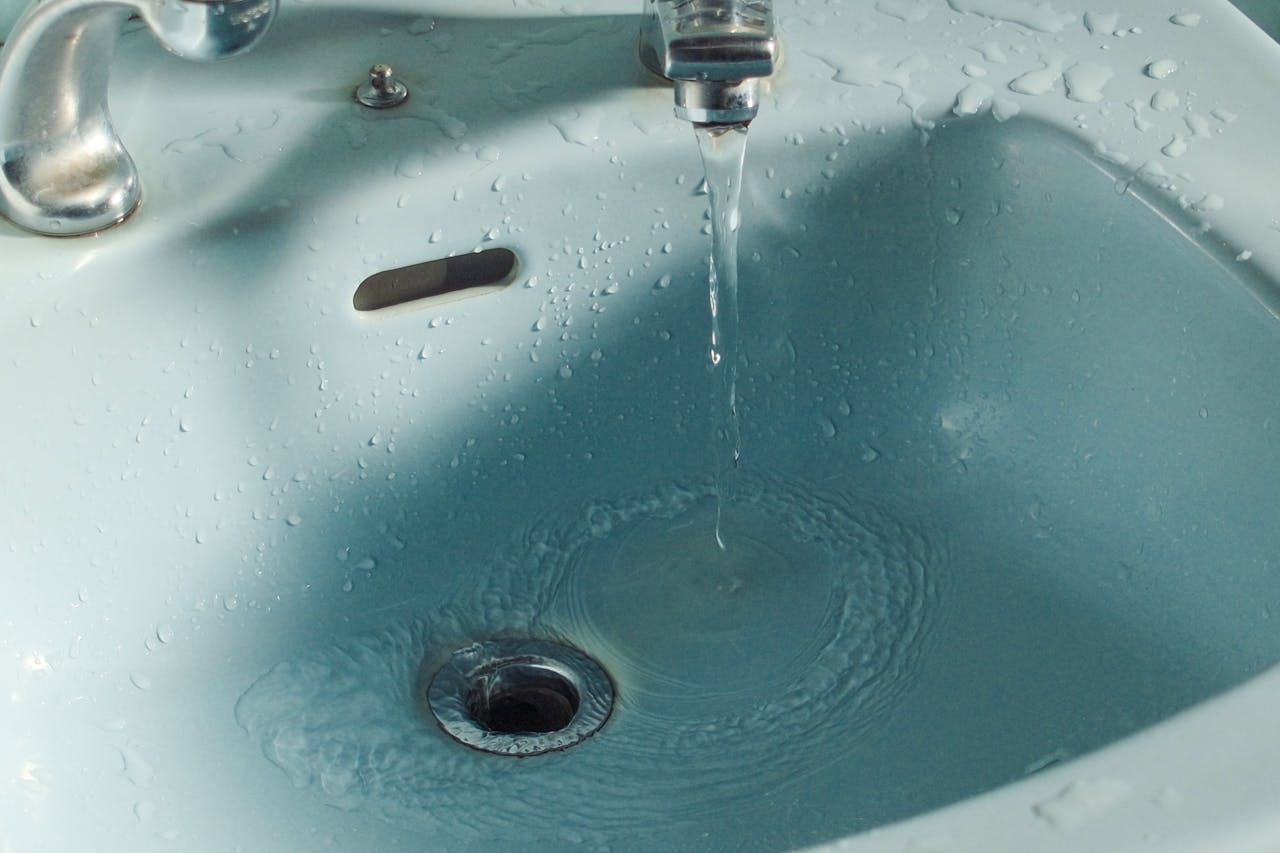
Plumbers usually start with the cold tap on the fixture farthest from the water heater. That run is often the first to chill, because water sits longer in it and the piping may trace an exterior wall, a crawl space edge, or a garage ceiling.
Cold water is also more likely to freeze than hot water, so moving the cold side matters. If only the hot handle drips, the cold line beside it can stay motionless and cool in place. A steady cold-side trickle at the end of the system keeps the most vulnerable section moving and lowers the odds of an ice plug tightening quietly overnight, then cracking a joint when temperatures rise.
Run Both Hot And Cold In Highly Exposed Areas
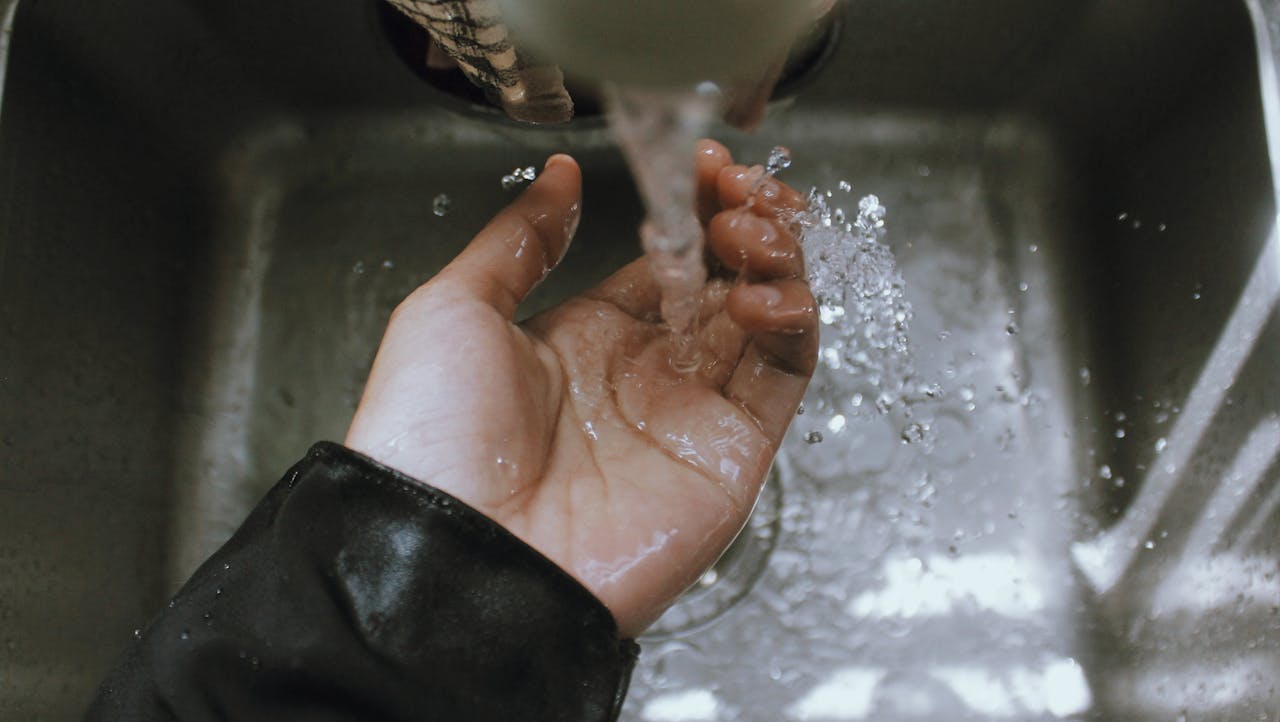
In highly exposed areas, plumbers often recommend running both hot and cold rather than betting on one handle. Unfinished basements and pipes tucked into exterior walls lose heat quickly when wind and cold settle in.
Letting both sides drip keeps water moving through shared fittings near the faucet and helps the two lines stay closer in temperature. A warm trickle on the hot side can nudge heat through the faucet body and nearby valves, where freezing may start. This is also common for pipes that have frozen before, since repeat trouble often shows up in the same short stretch where air leaks and insulation is thin first.
Start When Forecasts Stay Below 32°F Or Dip Under 20°F

Plumbers do not treat dripping as an everyday habit. It becomes useful when temperatures are expected to stay below 32°F for several days, or drop below 20°F for several hours, because that is when sheltered plumbing cools all the way through. Forecasts matter more than guesswork.
One cold night can pass without trouble, but a long stretch lets chill creep into cabinets and gaps around pipe penetrations. Starting the drip before the coldest hours keeps water moving while the house is still warm, easing pressure if a thin layer of ice begins forming inside the line. Keep it going until temperatures rise above freezing again.
Keep The Drip Slow And Steady, Not A Stream
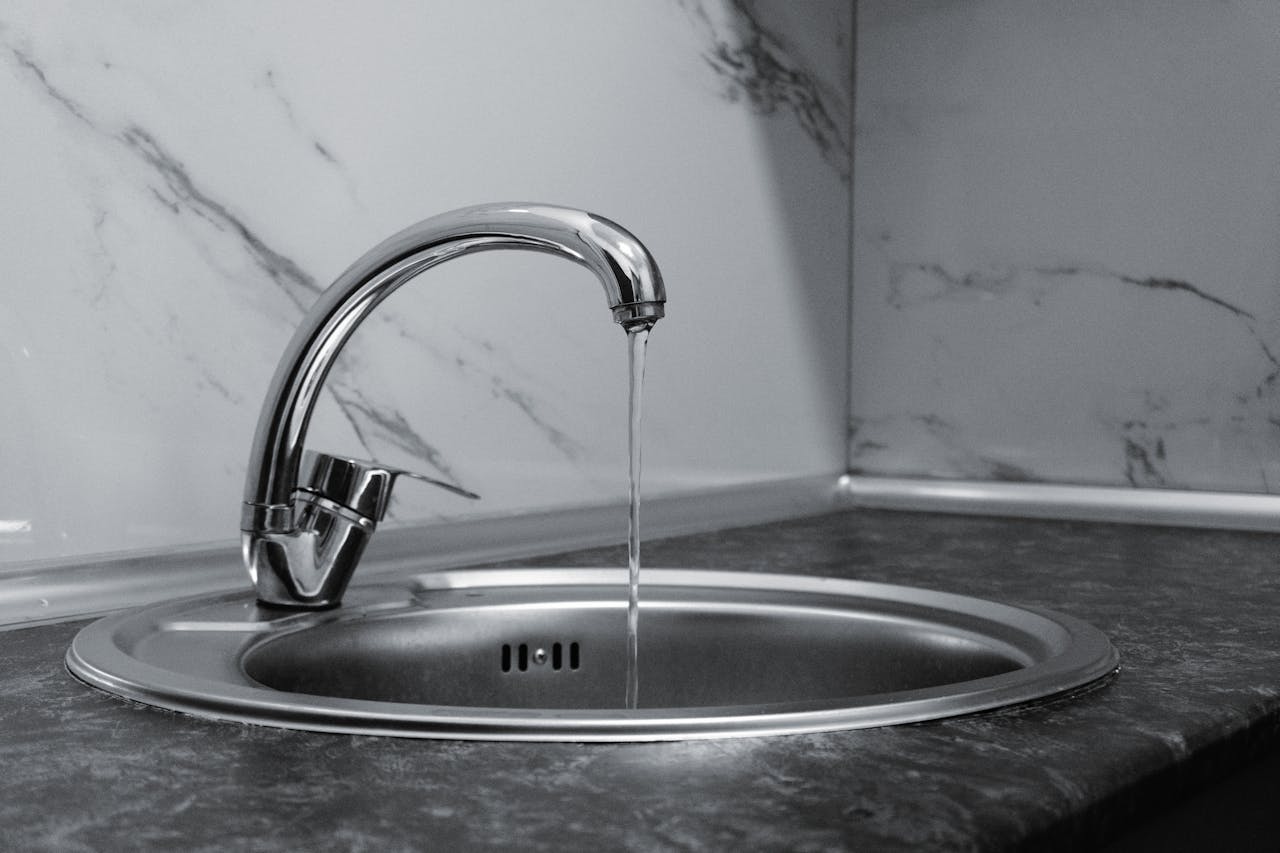
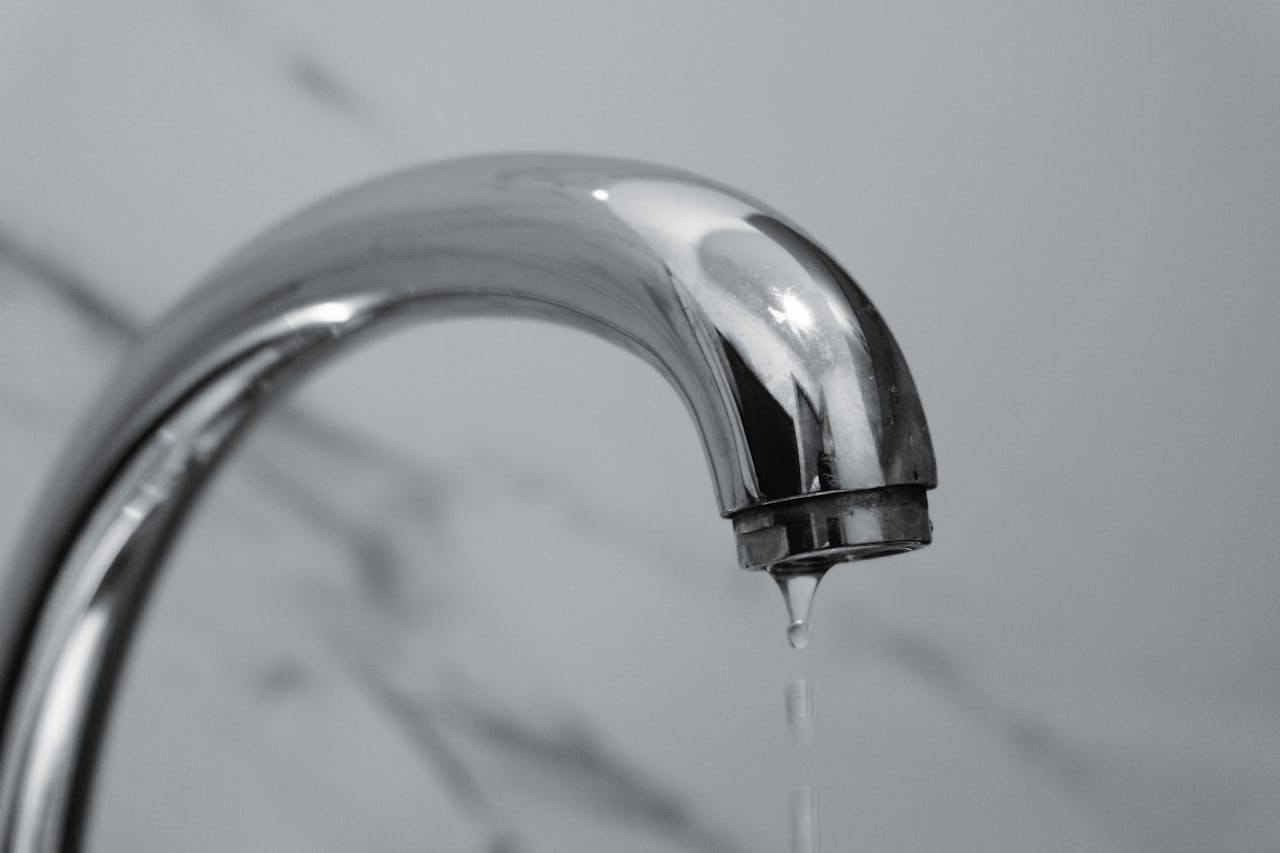
The goal is not a steady stream. Plumbers aim for a slow, reliable trickle, about one drip every three seconds, or at least five drops per minute, so water keeps moving without wasting much.
A bigger flow can keep a water heater cycling and can stress a drain line, while a drip that is too timid may stop if an aerator clogs or a handle slips. That steady movement also relieves pressure if a small ice patch forms and expands. Plumbers make sure the drip is on the faucet tied to the vulnerable run, not the easy pick. The best setup sounds boring: a soft tap, a steady rhythm, and water still moving when the house is quiet at 2 a.m.
Choose Faucets On Exterior Walls And In Unheated Areas

Not every faucet needs attention. Plumbers focus on the fixtures fed by exposed lines, such as sinks on exterior walls, plumbing in unheated garages, or a basement laundry area where pipes sit near cold concrete and moving air.
Corner kitchens and upstairs baths above a garage often rank high because the piping is boxed in and the surrounding air cools fast after sunset. Any spot that has frozen before deserves priority, since the same draft and thin insulation usually remain. Choosing the vulnerable faucet, then choosing the correct handle on that faucet, turns dripping from a ritual into a real safeguard during a long cold spell.
Open Cabinet Doors To Let Warm Air Reach Pipes
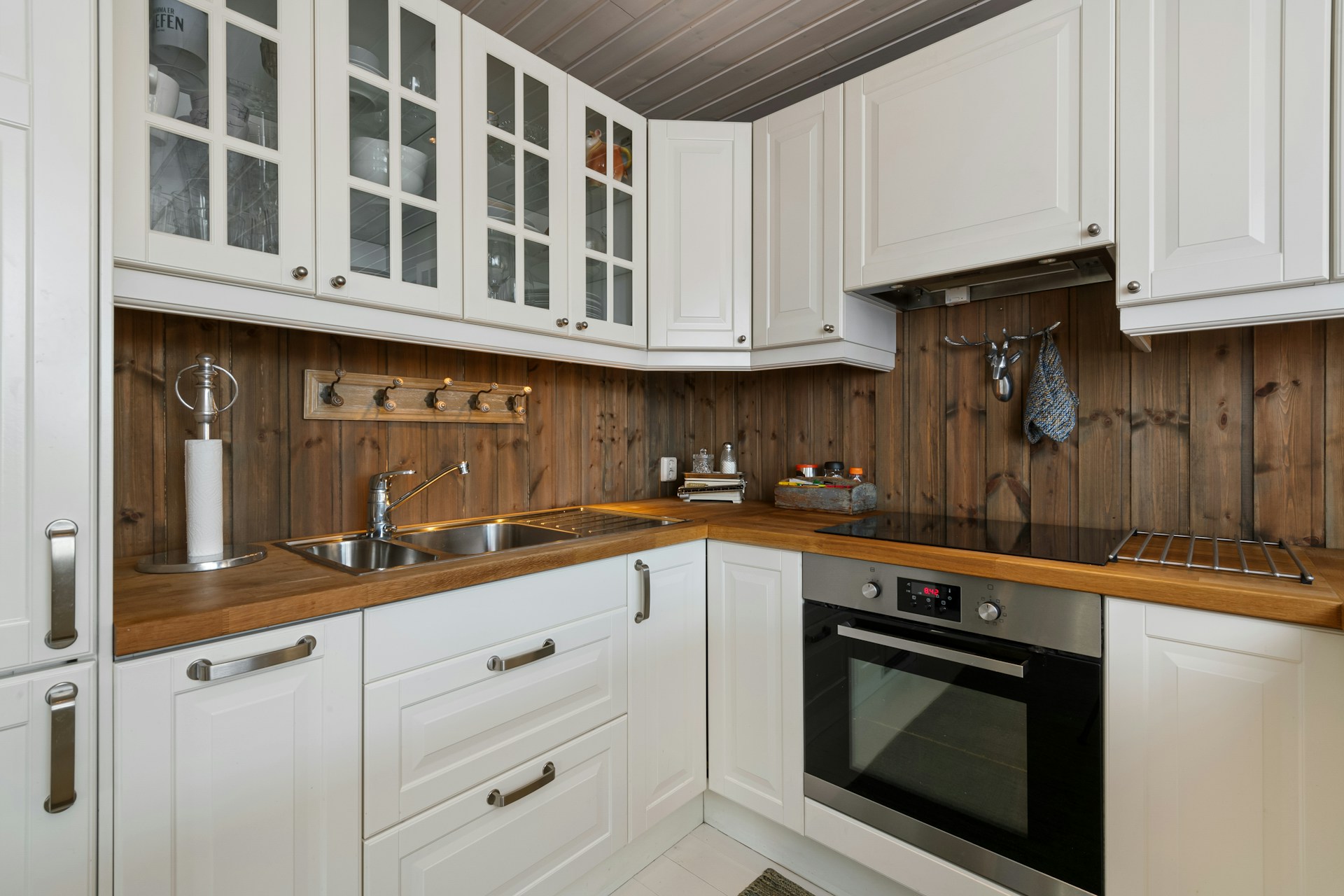
Cabinets can trap plumbing in a pocket of cold air, especially when the back wall touches an exterior bay. Plumbers often suggest opening sink doors during a freeze so warm household air can reach supply lines, shutoff valves, and the tight bends where ice often starts.
Crowded storage blocks that warmth, so clearing space helps. This is most important in corner kitchens and bathrooms, where drafts slip in around pipe openings. Leaving the doors open overnight lets heat cycle through instead of dying behind a closed panel. With a drip running, the space behind the sink stays closer to room temperature through the coldest hours.
Insulate Exposed Pipes With Foam Or Towels
Dripping helps, but insulation slows the heat loss that causes the problem. Plumbers often wrap exposed pipes in basements, crawl spaces, and garages with foam sleeves, split pool noodles, or even thick towels when supplies are limited.
The key is covering long straight runs and the vulnerable details, like elbows, valves, and spots near the rim joist where cold air sneaks in. Securing seams so air cannot flow along the pipe matters as much as the wrap itself. By buffering the pipe from fast temperature swings, insulation gives a small drip a real chance and helps prevent the thin ice lining that narrows flow before a full freeze.
Seal Pipe Gaps And Cover Foundation Vents
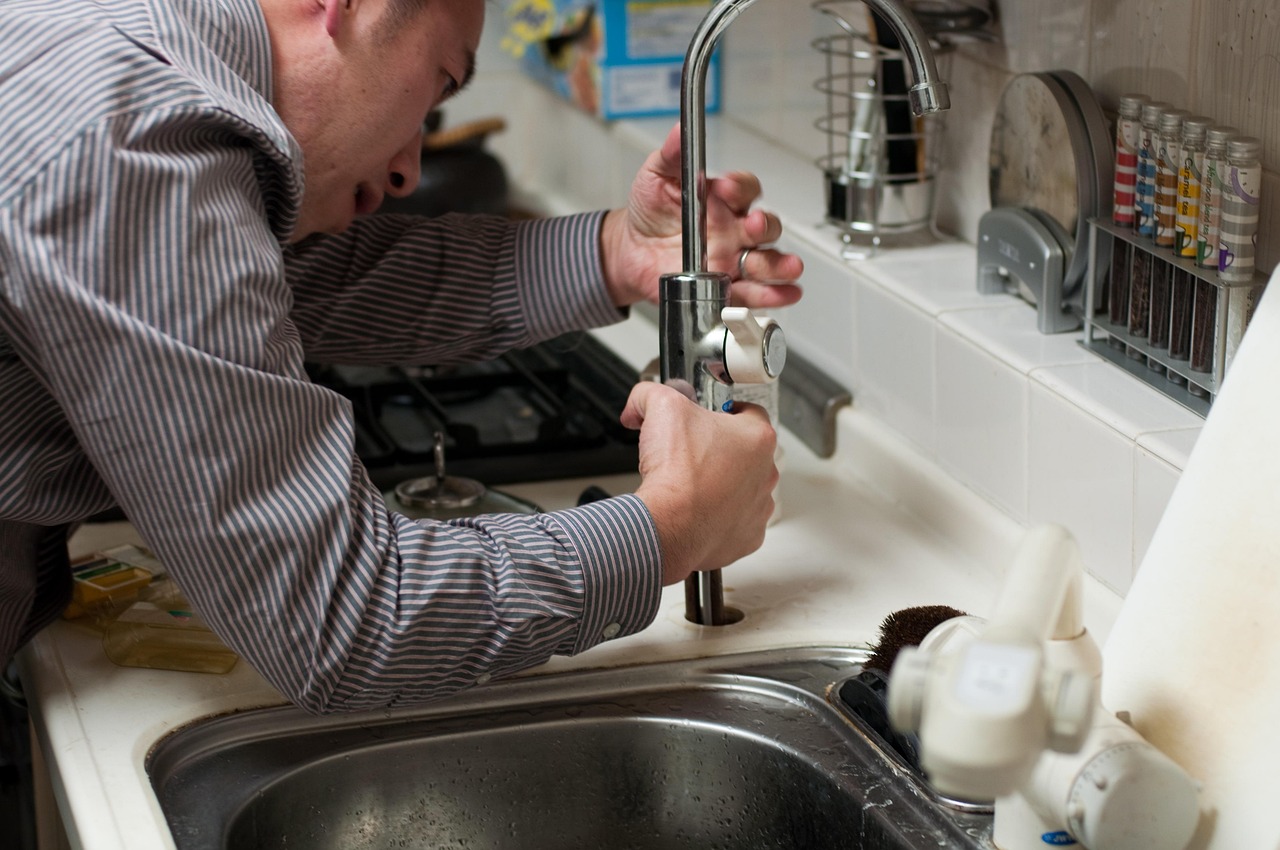
Freezing often starts with moving air, not just cold temperatures. Plumbers look for gaps where pipes enter the house and for foundation vents that funnel wind into a crawl space, then suggest sealing those openings to cut the draft.
A small crack can create a steady stream of cold air against one short section of pipe, cooling it faster than the rest of the room all night. Covering foundation vents during a hard freeze can also keep the underside of floors warmer, which helps plumbing that runs below kitchens and bathrooms. Air-sealing turns a drip from a last-minute tactic into part of a calmer, more reliable plan.
Keep The Thermostat At 65°F To 70°F And Know The Shutoff
Heat settings matter because pipes depend on indoor warmth bleeding into hidden cavities. During prolonged freezes, plumbers often advise keeping the thermostat around 65°F to 70°F, even when a home is empty, so vulnerable lines do not hover near the freezing point.
Preparation also includes knowing the main shutoff valve location. If a line does freeze and later loosens as temperatures rise, shutting water off quickly can limit damage. It is the backstop no one wants to use. A steady indoor temperature, paired with the right drip on the right faucet, helps keep plumbing calm and response time short during long cold nights.