Black history is often taught as a tidy set of milestones, but the record is sharper than the summaries. Across centuries, defining moments have been softened into slogans, stripped of motive, or separated from the systems that made them possible. That trimming changes who seems powerful, who seems passive, and what resistance looks like when it carries real risk. Set back in full, the story runs from antiquity to revolution, from ports to parliaments, and across the Atlantic in both directions. Black History Month exists because gaps are real, and the missing context still shapes how the present is understood today.
Black People in Antiquity Were Not a Footnote

Ancient sources mention Black people, often using the term Aithiopes for peoples linked to lands south of Egypt. What gets taught wrong is the leap from those references to a claim that antiquity was either colorblind or uniformly hostile.
Black individuals also appear in Mediterranean trade and court life, and in Egyptian contexts that fed Greek and Roman imagination. Status ran through citizenship, conquest, and enslavement, not modern categories, yet stereotyping still surfaced in art and text. Reading the record closely shows real presence and real complexity, without pretending the era was free of hierarchy at all.
The 1526 Voyage That Opened an Atlantic Pipeline
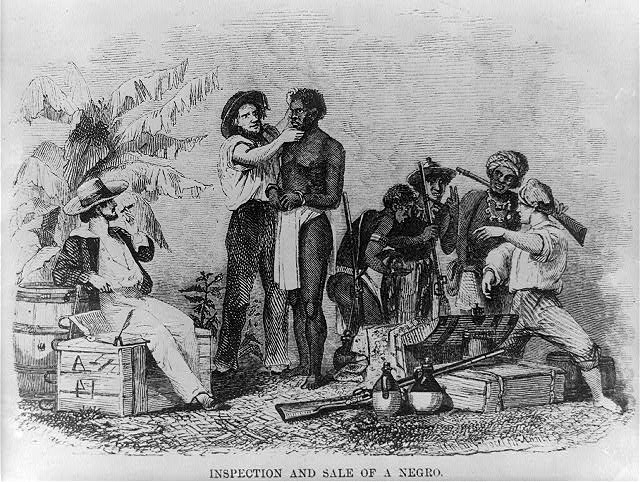
Timelines often jump straight to later centuries, but Portuguese voyages carried enslaved Africans to Brazil by 1526. That early date matters because it shows the trade forming as a planned business, tied to colonization, sugar, and profit.
When the opening chapters are skipped, the system can look like a slow misunderstanding. In reality, European powers refined a repeatable model: ships, ports, credit, and law working together, year after year. Enslaved people were treated as legal property, and cruelty was backed by paperwork. Portugal led early, and Britain, France, Spain, and the Netherlands followed with scale.
Brazil’s Scale Gets Minimized in Many Classrooms
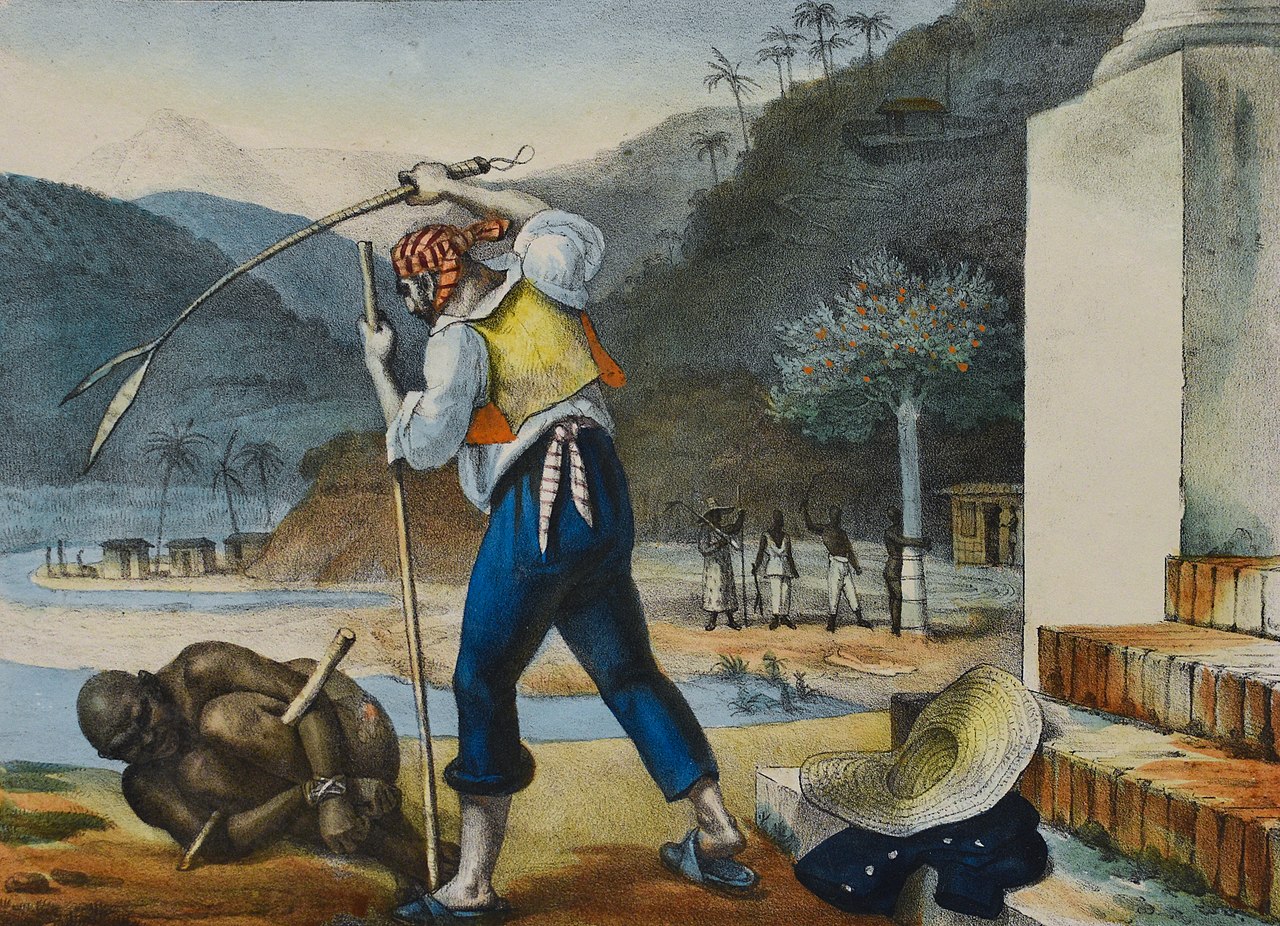
Over nearly three centuries, from the late 1500s into the 1860s, Brazil received about 4.9 million enslaved Africans, the largest total in the Americas. That single fact reshapes the map of the African diaspora, yet it is often treated as a sidebar.
Ports such as Recife, described as an early slave port, were nodes in a supply chain linking African coasts to plantations and growing cities. That movement changed language, faith, food, music, and family life, and it also sparked constant resistance, from daily refusal to organized flight. When Brazil is minimized, the Atlantic system loses its scale and its shared responsibility.
1619 Was Not a Clean Origin Story
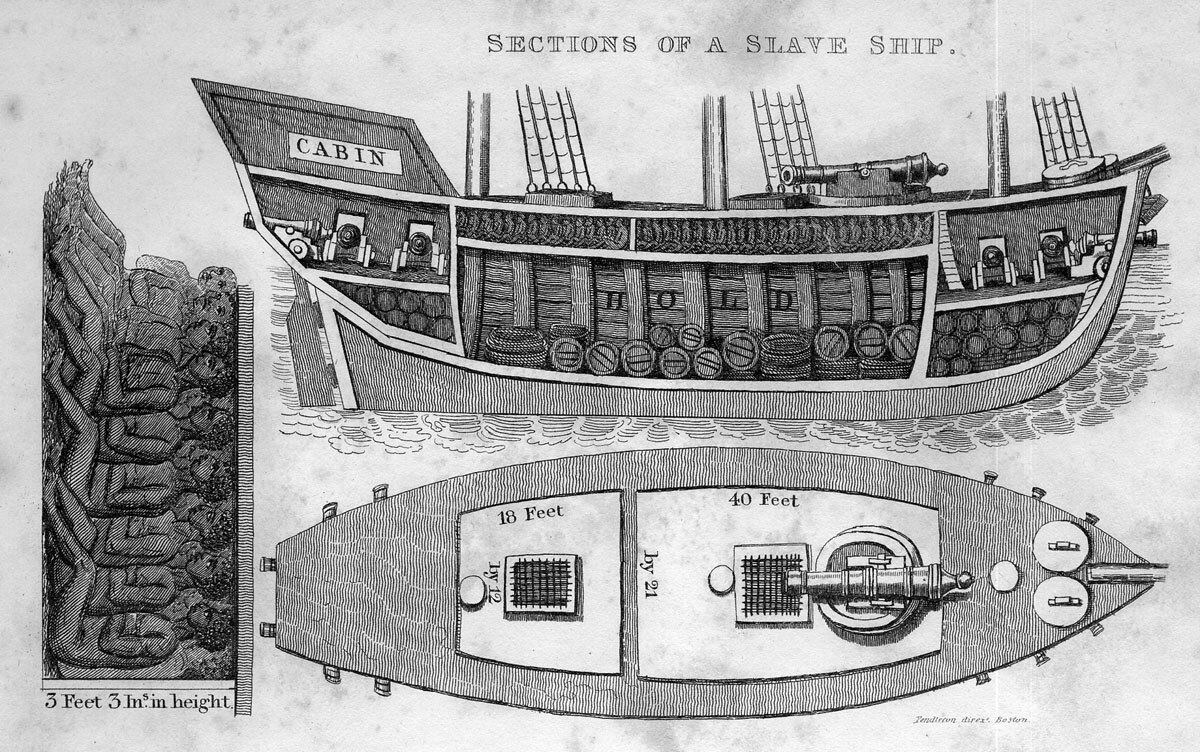
The 1619 arrival of Africans in Jamestown, Virginia is often taught as a starting line, as if one ship flipped a switch. The reality was messier: an Atlantic trade already existed, and colonial leaders were inventing rules that could turn human lives into inheritable property.
Early records describe people treated as servants in some cases and as lifetime captives in others, with courts and statutes gradually hardening the system around labor demand. That shift did not happen in secret; it moved through policy and habit. When 1619 becomes a slogan instead of a process, the lesson misses how quickly law can catch up to exploitation.
Henrique Dias Shows How Freedom Was Bargained For
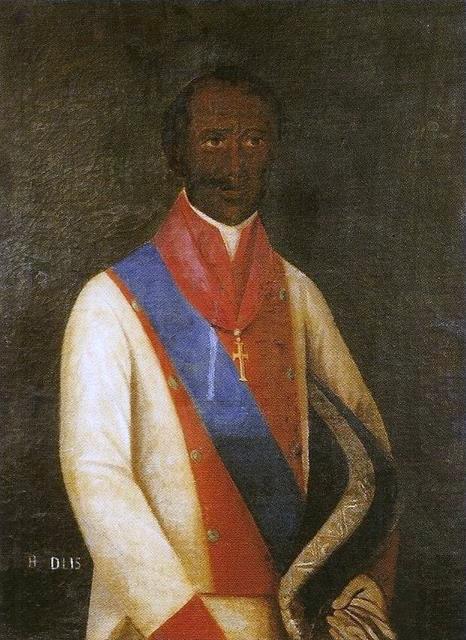
Henrique Dias, an Afro-Brazilian combatant and militia leader, is remembered with the title Governor of the Blacks, yet basic details about his birth status remain unclear. What is clear is that he commanded a regiment of enslaved and free Afro-Brazilians and fought to defend Portuguese settlements from Dutch forces.
That story is often simplified into pure loyalty or pure rebellion, neither of which fits. After service, Dias requested that enslaved men who fought alongside him be freed and granted rights similar to white units. The episode exposes a hard truth: even bravery could require petitions for recognition still.
Ignatius Sancho Was More Than a Feel-Good First
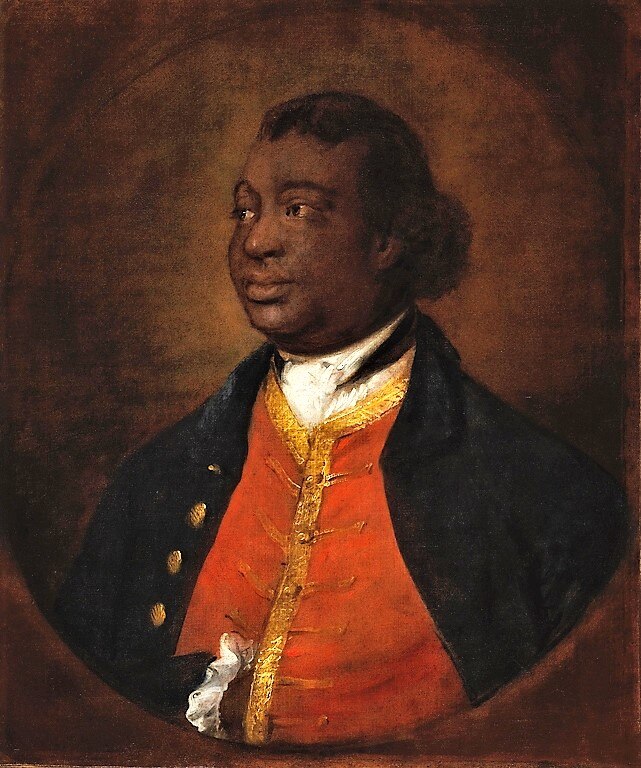
Charles Ignatius Sancho is often introduced as a neat symbol, but his life resists the tidy version. Born on a slave ship, returned to England at age 2, he built a public career through reading, writing, music, and steady social skill.
Sancho became one of the few Britons of African heritage known to have met the property requirements to vote in an 18th-century general election. That fact can be used to imply the system was open, when it was narrow by design. His surviving writings point to a sharp observer of power in everyday life. The achievement lands harder when the barriers are stated plainly, not politely skipped.
The Revolutionary War Was Also a War Over Freedom Promises
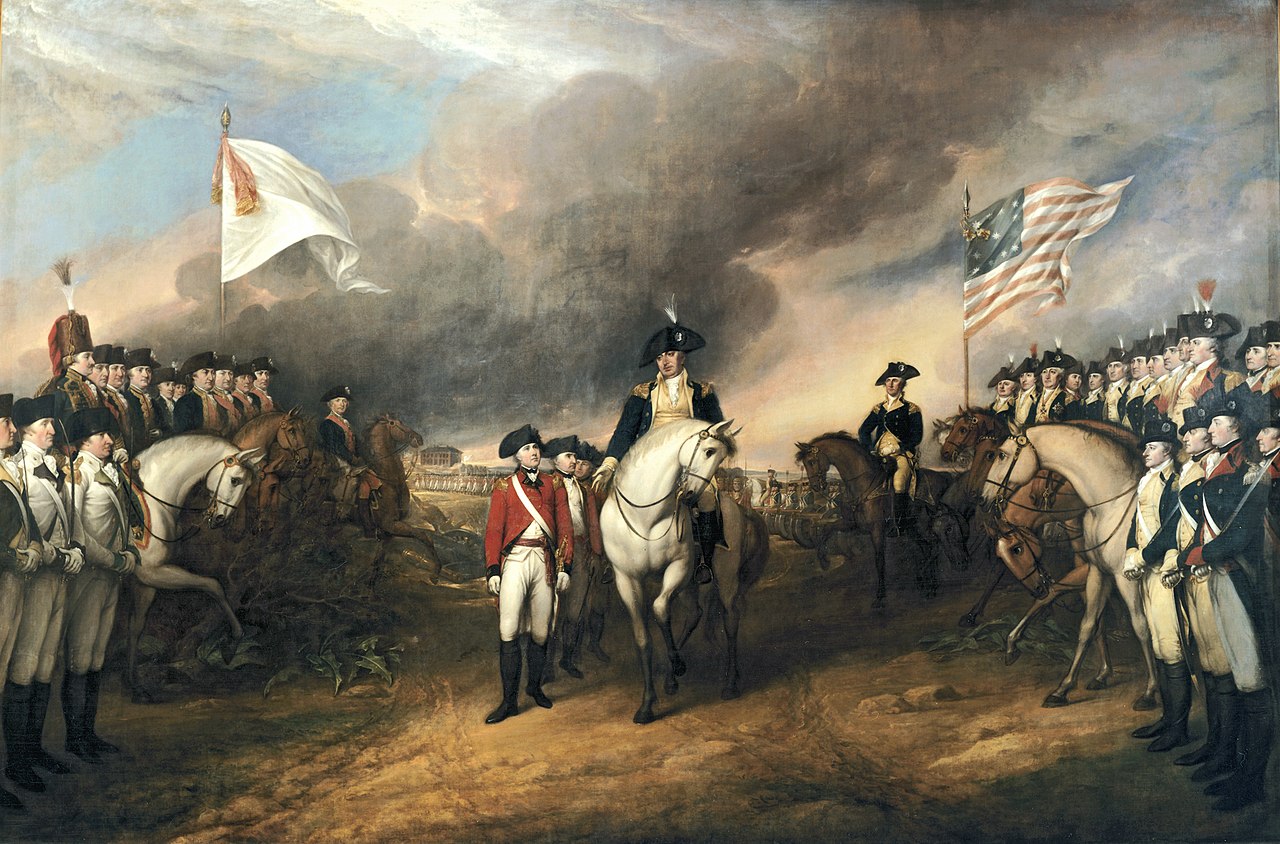
Black combatants fought for both British and American forces during the Revolutionary War, often moving toward whichever side offered freedom. That fact is regularly softened into a footnote, as if liberty talk floated above the lives most trapped by law.
Some enlisted, some carried messages and supplies, and many focused on getting their families to safer ground. Each decision carried danger, and each promise came with fine print. The choices were practical, not sentimental, and they exposed how conditional freedom could be. When the war is taught as pure ideals, the bargaining at the center disappears in public memory.
The Sons of Africa Fought With Pens, Not Permission
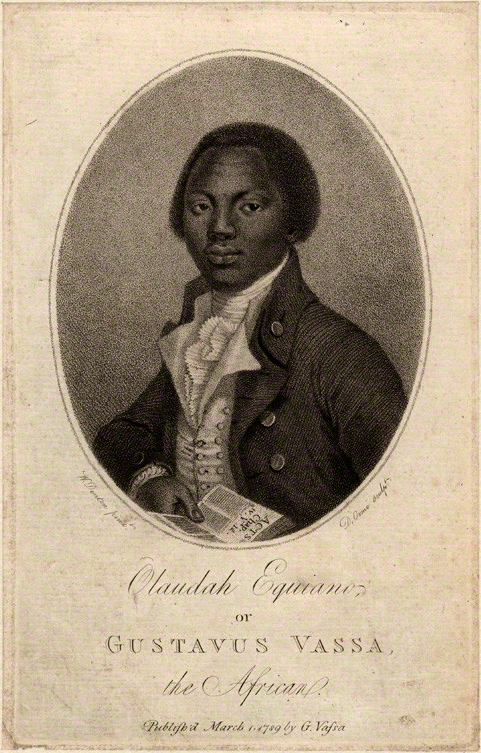
The Sons of Africa were an 18th-century group in Britain that campaigned to end the transatlantic slave trade. They were Africans living in London, including formerly enslaved men, and their work is often pushed to the margins of abolition stories.
Members used petitions and public letters to force the trade into view as policy, not rumor. Olaudah Equiano’s autobiography, “The Interesting Narrative of the Life of Olaudah Equiano,” described the deprivation of slavery from lived experience. They helped turn private horror into public debate. When Black-led organizing is minimized, abolition starts to look like a gift, not a fight.
Toussaint Louverture Gets Reduced to a Poster
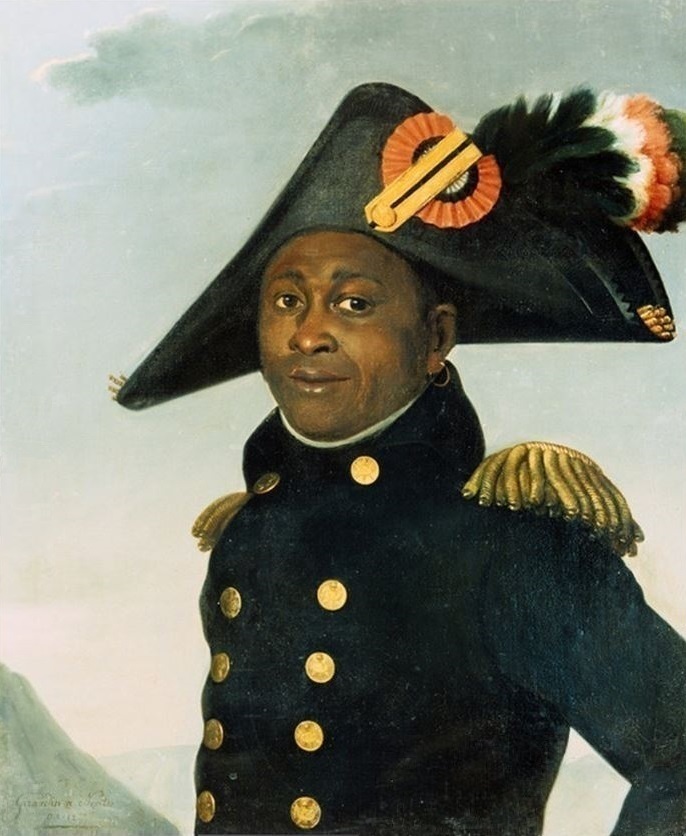
Toussaint Louverture is often introduced as a single heroic face of the Haitian Revolution, which is convenient and incomplete. Born in 1743 and dying in 1803, he was a strategist whose victories helped clear the path to Haitian independence.
Softened retellings skip the hard choices of leadership: building discipline, negotiating with empires, and holding a fragile society together under pressure. He was not alone, but his political and military skill forced European powers to take Black authority seriously. Seeing him as a decision-maker, not a symbol, turns legend into governance. It also explains why Haiti endured.
The 1811 Louisiana Revolt Was Large, and Then It Was Buried
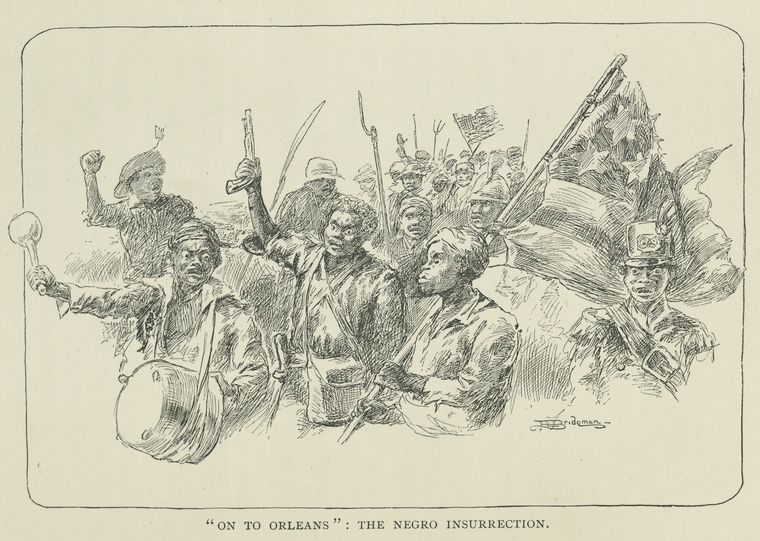
The 1811 uprising in parts of the Territory of Orleans is often treated as a minor incident, even though it involved a large group of enslaved men moving in organized fashion. It happened more than a century before the best-known civil rights marches, yet it rarely receives comparable attention.
Accounts note that the revolt ended with severe retaliation, and records from the period cite 95 Black people died in all. The point is not only the number, but the silence that followed: fear, punishment, and selective memory did the rest. When the revolt is minimized, resistance looks rare in public history, instead of constant.